

As glyphosate faces renewed scrutiny, George Hosford argues that routine pre-harvest use risks threatening its future altogether
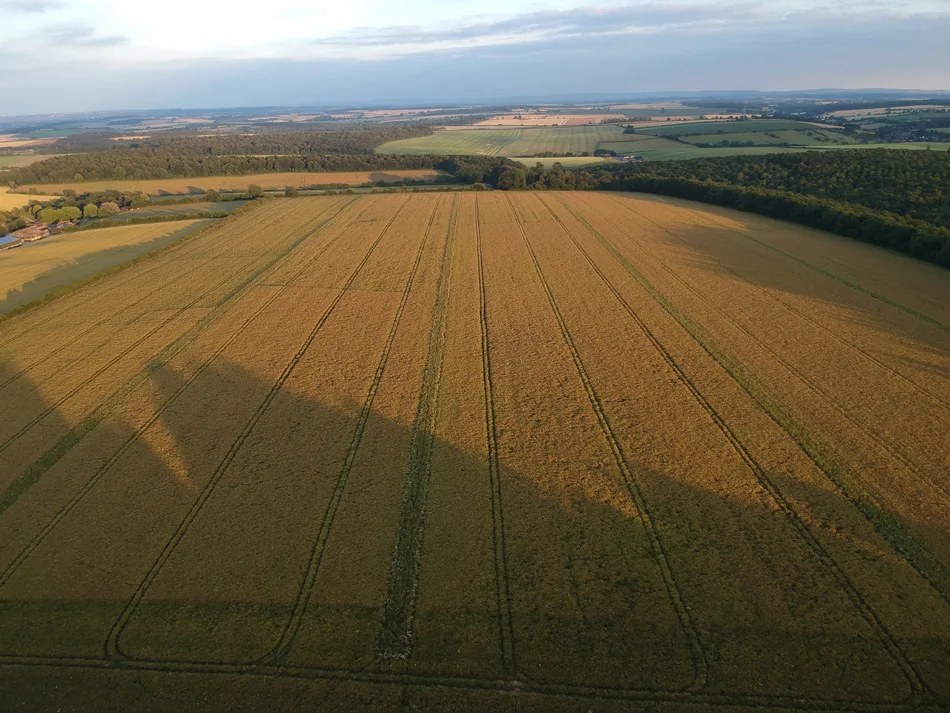
No legally applied glyphosate would have evened up this field.
All images © George Hosford
There is a row brewing over the future of glyphosate – the very widely used weedkiller more commonly known as Roundup – and there is great concern among many in the UK oilseed growing fraternity that the sky may be about to fall in.
United Oilseeds, the farmer-owned co-operative through which we have sold our rapeseed for the last 40 years, reports as follows:
In November 2023, the European Commission renewed glyphosate’s approval for another ten years, until December 2033. Reviews by the European Food Safety Authority (EFSA) and the European Chemicals Agency (ECHA) concluded there were no critical safety concerns overall.
In short, the EU has renewed approval, but tightened how it can be used. However, the key restriction is a ban on its use as a pre-harvest desiccant, with countries such as Italy banning that particular use in 2016.
But what works in Milan or Verona certainly doesn’t translate to Aberdeen or Perth, where crops like oilseed rape face a far shorter, cooler growing season and a much greater need for pre-harvest management.
Further to this, United Oilseeds continues:
If the UK dynamically aligns with EU plant protection product legislation again, whether through new trade agreements or alignment mechanisms, our growers could face the same restrictions without the same level of subsidy support that EU farmers receive.
Since leaving the EU, the UK has followed its own regulatory path. In 2023, the Health and Safety Executive (HSE) and Chemicals Regulation Directorate (CRD) extended the approval of glyphosate until 15 December 2026.
This period allows for an independent UK assessment of glyphosate’s safety and environmental impact, using the latest data.
The possible outcomes range from
Full renewal (potentially up to 15 years)
Renewal with restrictions
Or, in the worst case, non-renewal of pre-harvest use altogether
To this I would add, as a very very worst scenario, the complete banning of glyphosate for any agricultural use at all.
The 30 per cent rule
Currently, it is legal in the UK to apply glyphosate to most agricultural crops within a carefully stipulated period, when the crop is in its ripening phase. This has been legal for very many years. The trouble is that in much of the industry, it has now become routine to treat crops in this way when farmers get impatient: they think they can hasten harvest by using glyphosate on the ripening crop.
However, this doesn’t really work if you follow the instructions on the label correctly. The crop grains must be below 30 per cent moisture before application: below this moisture, approval data suggests that translocation of the chemical into the grain cannot occur.
The label on a can of agricultural spray is a legal document, explaining how the chemical must be used. It is a requirement in order to both gain approval and for the granting of a licence for sale and use.
Not in my beer
There are two main reasons for use of a pre-harvest glyphosate application.
Firstly, for the control of weeds that would make the combining process difficult or impossible, and secondly, to even up a crop that is maturing unevenly – maybe due to pigeon grazing or waterlogging earlier in the season.
The first is understandable, but usually indicates some kind of failure in the decision-making process during the growing season.
I have more of an issue with the second reason. If you spray any part of a crop containing grains which are above 30 per cent moisture, following the logic of the label moisture rule, there is at least a risk that some chemical could be translocated into the grain. I, for one, do not relish the idea of the presence of any kind of weedkiller in my cooking oil, my bread or even in my beer (made from barley). I cannot support the use of pre-harvest glyphosate, wherever it is grown.
It is worth noting that many brewers and maltsters do not allow their growers to use pre-harvest glyphosate on crops destined for their maltings and breweries. The naked grains of barley differ from wheat and rapeseed, covered as they are by chaff or pods. Oats, however, like barley, have no such protection (which of course is no protection at all if we believe that the chemical can be translocated into the grain anyway), should it be applied above 30 per cent moisture, whether by accident or by design.
Indeed, it also says on the label that crop destined for use as seed to grow the next season’s crop should not be treated with glyphosate pre-harvest. Does that not at least suggest that its interaction with seed needs to be treated with caution?
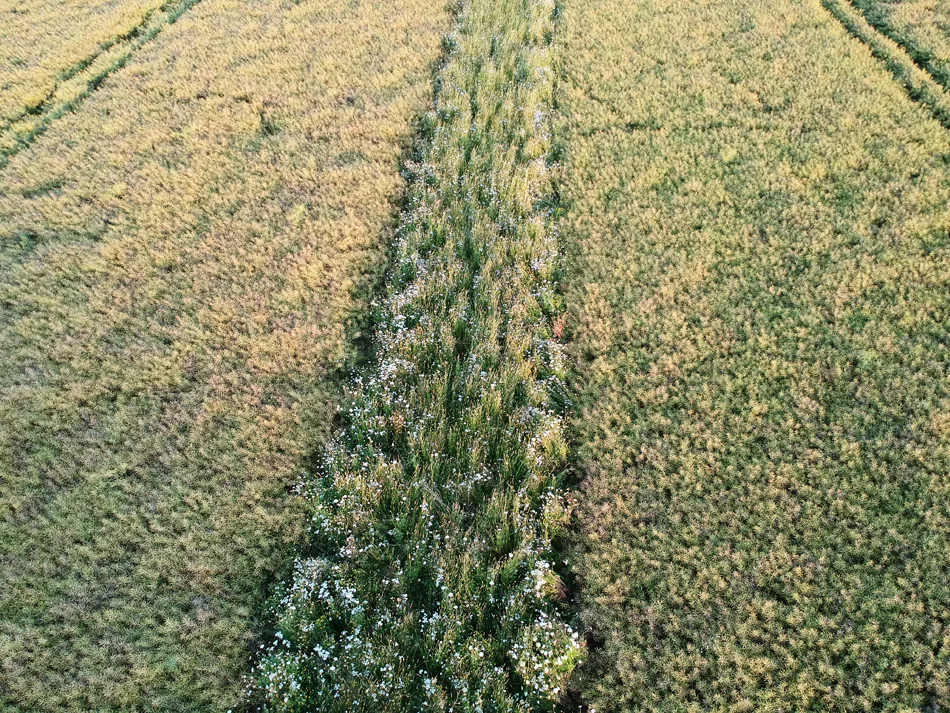
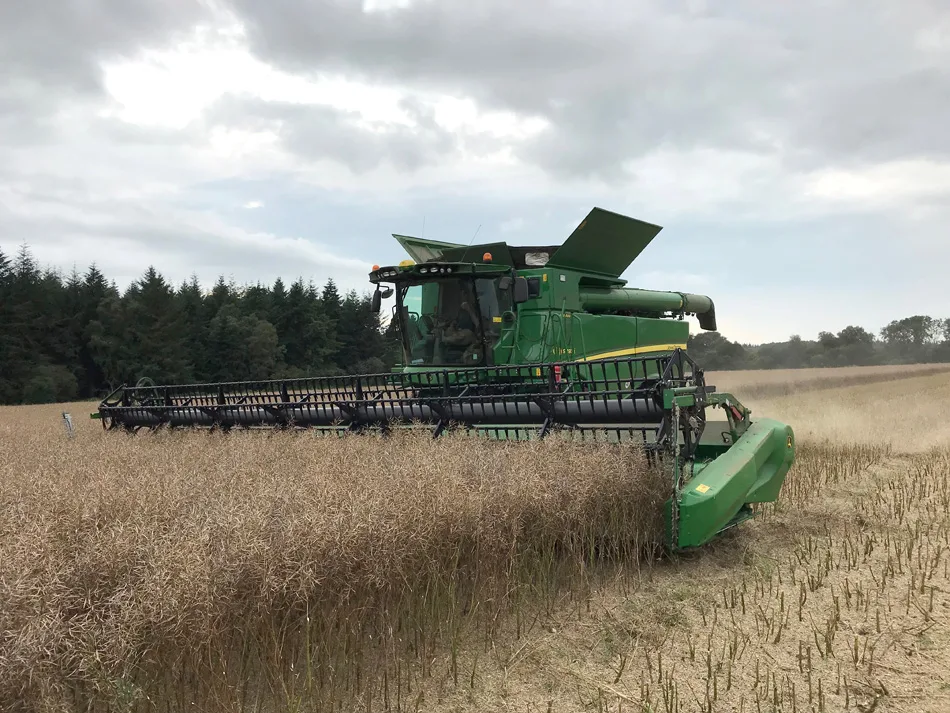
The pictures show various rape crops from recent years, largely even and weed free. Look closely at the one at the top, opposite, however, and you can see to the left rear of the field a greener area that ripened later than the bulk of the field.
We cut the first part of the field, then left the rest to come back 10 days later. No legally applied glyphosate would have evened up this field. If we farmers insist on the need to continue using glyphosate pre-harvest, I believe we can expect it to be banned for all uses sooner rather than later.