

Moving from team chasing thrills to heart rate monitors and sloshies, Tamsin discovers endurance riding is as addictive as promised
All images: Tamsin Doar
This month, The Sass Queen and I decided that we’d finally dip our toes (hooves) into the world of endurance. The eagle-eyed among you may remember that I spoke with Sam Mowatt, organiser of the Piddle Valley Ride, last year. Ever since then, I have been keen to see just what it was all about for myself. So I signed The Sass Queen up to make our debut at the Moreton ride, organised as part of the Wessex Endurance Group.
I’d heard from friends that once you’ve done an endurance ride you inevitably ‘get the bug’ and will instantly be excitedly waiting and preparing for the next one.
I was sceptical. Having been used to the adrenaline rush of team chasing, I wasn’t sure whether we’d be hooked quite as easily as some seemed to suggest. I have to eat my hat, and sheepishly admit we had such a wonderful time that as soon as we got home I signed us up for our next ride and started making a list of goals to work towards.
The whole experience has been eye-opening. I do not claim to be a professional in any sense of the word, but I like to think I have a fairly decent level of horsemanship. The Sass Queen always has a bit of down time over the winter to allow her to have a mini-holiday (sadly less ‘sun covered tropics’ and more ‘boggy-swamp field’. She does get to embrace her inner hippo, though) but I keep her ticking over, so we weren’t starting her fitness from scratch.
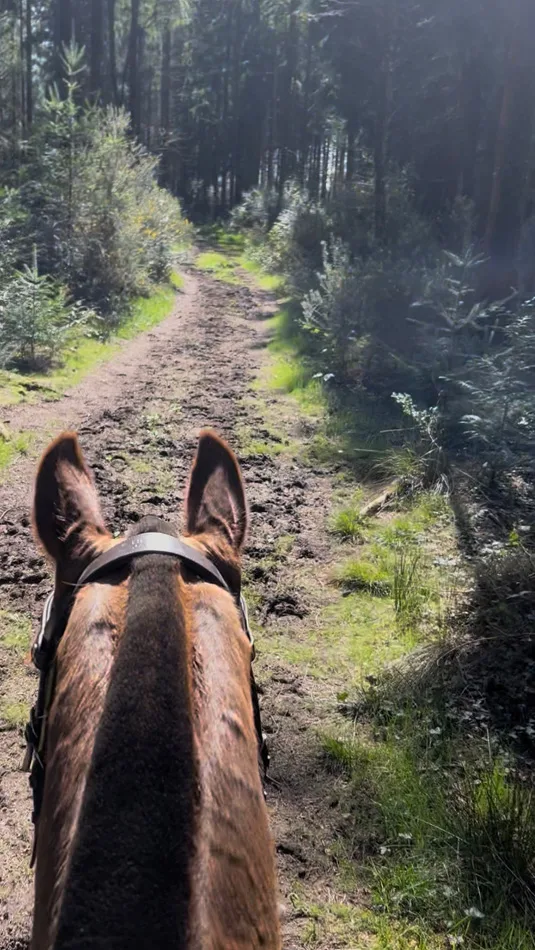
Trying to improve her fitness specifically for endurance and learning about heart-rates has been a whole new learning curve. We began with our regular ‘round the block’ route, slowly increasing the distance and the speed. We’re very lucky to have lots of hills nearby, perfect for improving fitness and building muscle and topline, so even our shorter rides are really beneficial for her. We also have fabulous bridleways with lots of varying terrain, which is great training for horses to get used to different ground types without panicking – though she’s generally very good on her feet (minus one mishap we had a few months ago … but that’s a story for another time). It’s about learning to let them pick their way through.
Once she was at a base level of fitness, we started on some longer rides, increasing in length as the weeks went by. I’ll readily confess I’m not great with numbers, but thankfully Grumpy Uncle’s owner is, and she also has endurance experience, so she worked out some distanced rides for me with time markers to try and hit along the way.
The only hiccup was some difficult gates that required Bear Grylls-esque skills to open (and close) – thankfully not something we had to contend with during the actual ride!
Bargain heart monitor
I knew that The Sass Queen was fit, but as this was a graded ride she’d also have to pass a vetting and have a heart rate below 64bpm – ideally as low as possible. Not wanting to splurge on fancy equipment we wouldn’t use again if we didn’t take to endurance (and also as someone who loves a bargain) I set about finding a decent but low-budget heart rate monitor to help me measure how well she recovered after our rides. While not a necessary piece of equipment, it was really useful to understand what her resting heart rate was and to see how quickly it came down while I was cooling her off, as we’d have 30 minutes to present to the vet at the end of the ride. Unsurprisingly, as with most things equestrian, horse heart-rate monitors weren’t cheap. I figured that a human one would surely do the same job, although even the XXL chest band wasn’t quite large enough for The Sass Queen’s, ahem, slightly ‘rotund’ chest. Thankfully, baler twine did just the trick to lengthen it enough that it fitted comfortably and – ta dah! It worked … although with me feeling very much like we had ‘all the gear and no idea’.
Endurance riding 101
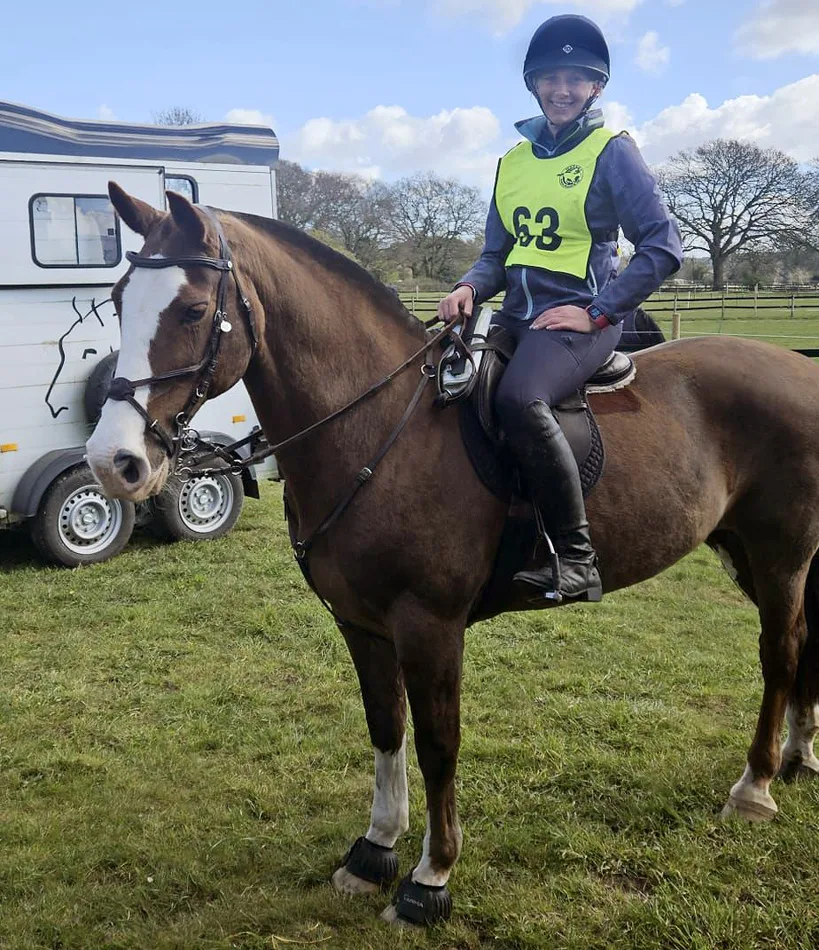
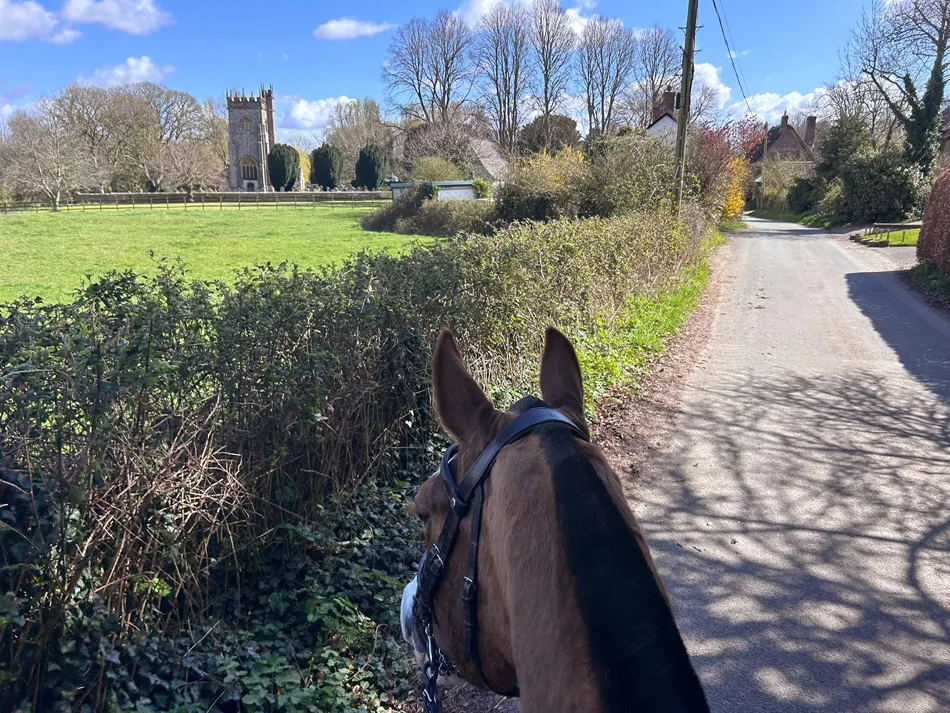
On the day, everything was so well organised: all the stewards and volunteers were friendly, the route well marked and the ride itself was very scenic (the good weather definitely helped!).
The Sass Queen thoroughly enjoyed herself – ears pricked the whole way, merrily trotting along and having a good nosey over the hedgerows. She was slightly confused when we arrived – you could see the cogs whirring while she tried to work out what kind of pony party we’d come to. She’s competed at Moreton before in dressage and one day events so she recognised the venue, but I could see her mentally going through a checklist:
Mum hasn’t washed me and I don’t have my show bridle on – not showing then …
The other horses aren’t plaited and I can’t hear a tannoy – probably not dressage or show jumping either …
No-one is careering around the warm-up and there’s no jumps – not team chasing either …
What crazy idea has mother come up with this time?!
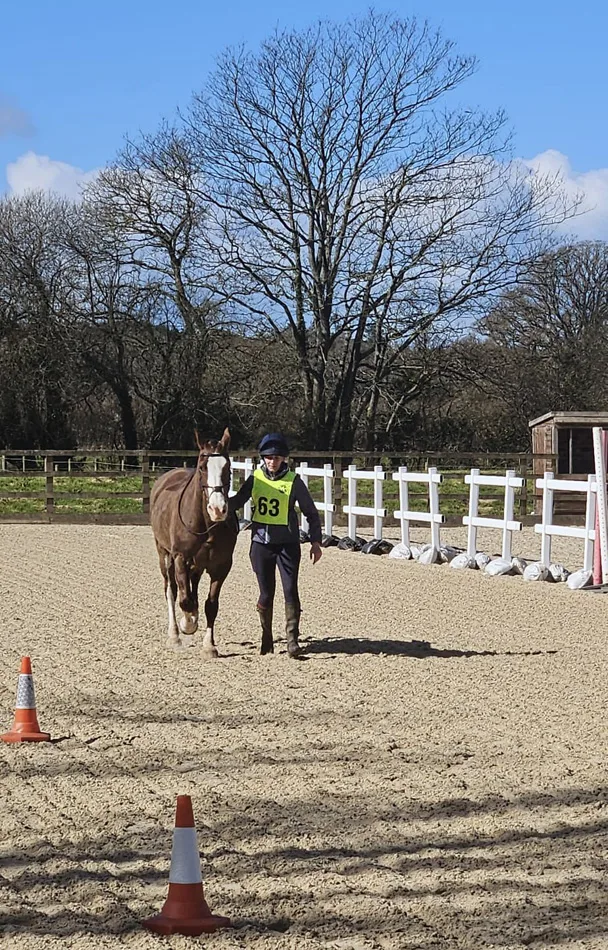
She was even more confused with the pre-ride farrier check and vetting (which she passed with flying colours) and spent the process looking a bit bemused. The farrier check is to ensure that all horses’ feet, shoes or hoof-wear are safe for the ride, while the vet checks their heart rate, listens to their gut, checks for any lumps or bumps and confirms that they’re sound and not lame.
Once confirmed that we’d passed, we had 30 minutes to tack up and start our ride, starting my many stopwatches as we went (I’m yet to work out how to use my watch properly, it beeped angrily at me the whole way round).
Grumpy Uncle’s owner had helped me work out the speed we wanted to complete the ride at (there’s an optimum time to complete within) and worked out in what time I needed to complete certain sections of the route.
Not long after starting we encountered the ford crossing, which was surprisingly deep and resulted in some slightly soggy toes for me, courtesy of The Sass Queen excitedly splashing as we marched through (Yes, I’m absolutely sure she was trying to get me wet on purpose).
Every rider we passed on our way round was lovely, saying hello, politely asking if they could pass and being respectful to each other. There are set crew points throughout the ride where your crew (friends or partners who have been dragged out to help you) can throw water over the horse and provide you with refreshments and snacks. Having trawled through articles on ‘endurance riding 101’ and ‘endurance riding for beginners’ beforehand, along with constantly perstering Grumpy Uncle owner, I was reliably informed that ‘sloshies’ are the go-to for portable water containers for washing horses down: these mostly consist of rinsed-out laundry detergent bottles. I’ve never done so much laundry in my life trying to use up bottles! I’m sure there’s also some super duper high-protein, energy releasing snacks that are recommended, but personally I just munched on a handful of Haribos (other brands are available).
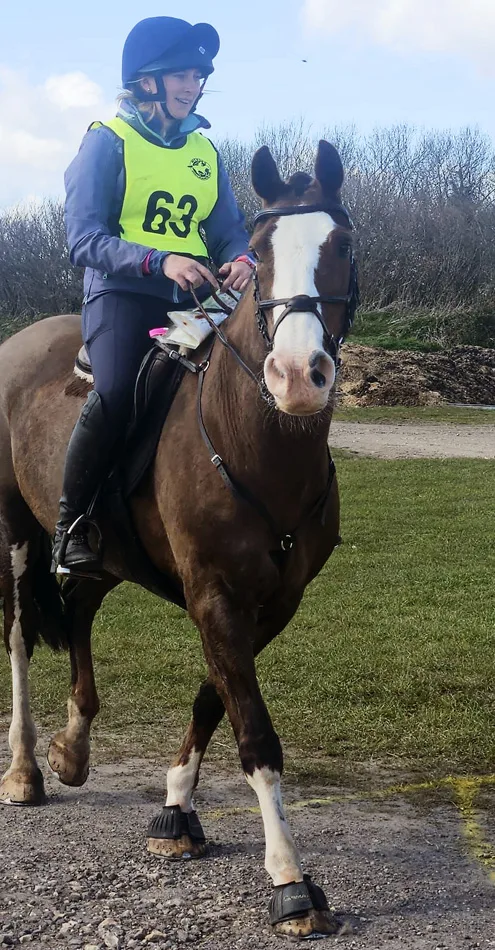
Once we’d returned, we started cooling The Sass Queen off: washing her down, offering her mash and water and keeping her moving and grazing so she could get her head down and not seize up. Thankfully, she passed the final vetting, although her heart rate wasn’t quite as low as I’d have liked. My goal for next time is to find a way to settle her better afterwards as she was still quite ‘buzzy’ and wanted to go round again!
I really admired how much endurance focuses on the horse’s welfare, and that getting a good result (or grade) hinges on how well you look after your horse well before you’ve even got to the competition as well as during the ride: your horse needs to be fit and sound to even compete in the first place.
While it may not be the team chasing adrenaline rush, we both thoroughly enjoyed ourselves and will definitely be back to try again. At the end of the day, what’s better than enjoying the countryside with your best four-legged friend?