

TB relief at Rawston, but falling milk prices, ageing kit and new rules force a decisive reset for the family business, writes James Cossins
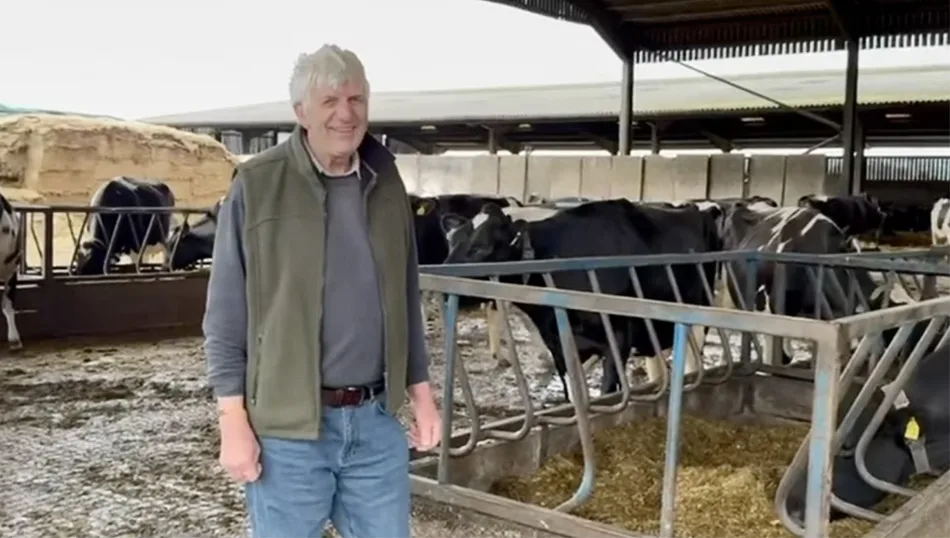
The biggest news at Rawston Farm has been that we went clear at our last TB test at the end of January – a complete surprise to us, having been testing every two months for the last four years. To finally go clear was a great sigh of relief: movement restrictions have now been lifted.
Having gone TB free, the next step is how to stay free. As my fellow BV contributor George Hosford wrote last month, we need a rethink on the testing regime. The current skin test simply isn’t accurate enough. We need to be able to try out the new tests that are being developed, which will mean lobbying the DEFRA policymakers to consider what is being proposed. Here in Dorset we have set up a TB group with farmers, vets and animal health officers, and we hope to meet DEFRA to discuss our proposals.
A business reset
As a family we have realised this was the right moment to take a long look at our business as a whole and consider restructuring the different farming enterprises we operate.
We have decided to close one of our two dairy herds, for a number of reasons. Firstly, our relief milker, who has been with us for 26 years, has turned 70 and decided to retire. Thank you, Philip, for all those years: we wish you well in your retirement.
Next we realised we would need considerable investment in the milking parlour, as it has been 36 years since the last upgrade. This would probably cost us about £60,000 to meet the current standards. The slurry storage needs upgrading too – the new standards now include dirty water as slurry and we need five months’ storage to be compliant. A new store would cost in the region of £200,000 in order to meet the Environment Agency requirements. This unit is on a tenanted farm, so it is difficult to justify a quarter of a million pound investment. If that wasn’t enough, we have lost about a quarter of our milk price since last October (we’re not alone in this, of course: it is putting all dairy farms under a considerable amount of financial pressure).
So our plan is to move some of the milking cows to the remaining unit to build our main herd back up to the numbers that we had before we lost cows through the TB testing regime. On our own farm, we are now investing in a new slurry store to increase capacity, and we will also extend the milking parlour so that milking the additional cows does not increase the overall milking time.
The soon-to-be empty buildings at the Tarrant Monkton unit should mean that we will not have to outwinter many beef cattle next year. We hope to sell the surplus cows to fellow dairy farmers as milkers.
A college visit
Along with a number of local farmers, I recently attended an open evening organised by the new Coastland College – the result of the merger between Kingston Maurward College and Weymouth College. This amalgamation has secured the future of both colleges. The variety of courses was explained to us, along with the expected outcomes for the students and the types of employment they are likely to move into.
The general feeling among us was that this was positive for Dorset’s rural employers, with the more advanced courses courses now specialising in livestock, crops and engineering.
We all hope there will be a good uptake of the courses: the colleges now have the task of spreading the word to schools, parents and students. For more information, contact can be made through their website or social media. As farmers, we all wish the college every success: we need young people coming into the industry.
DIY drains
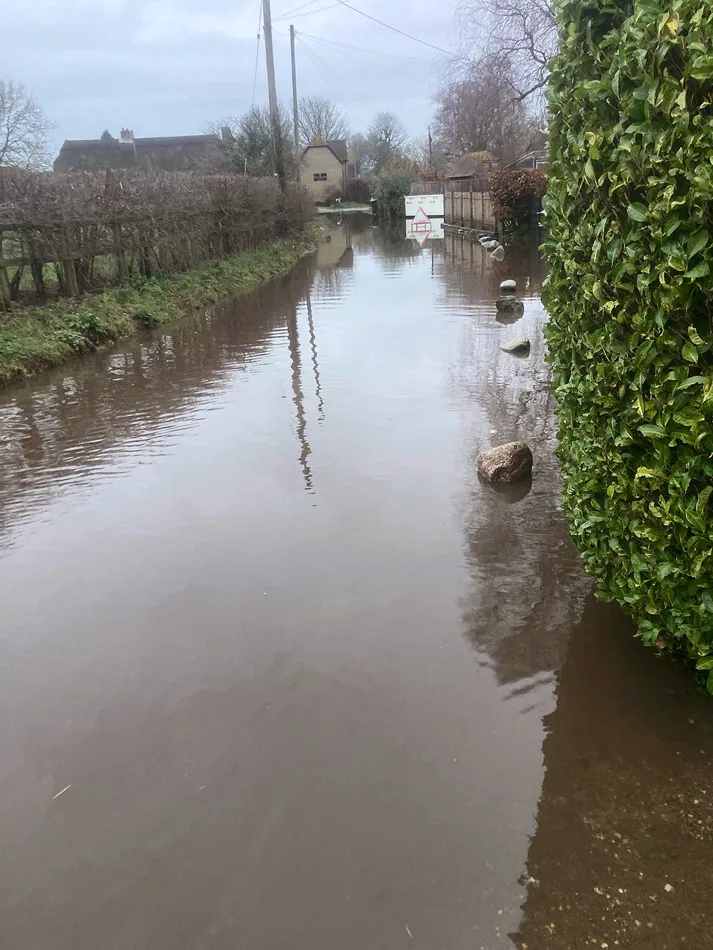
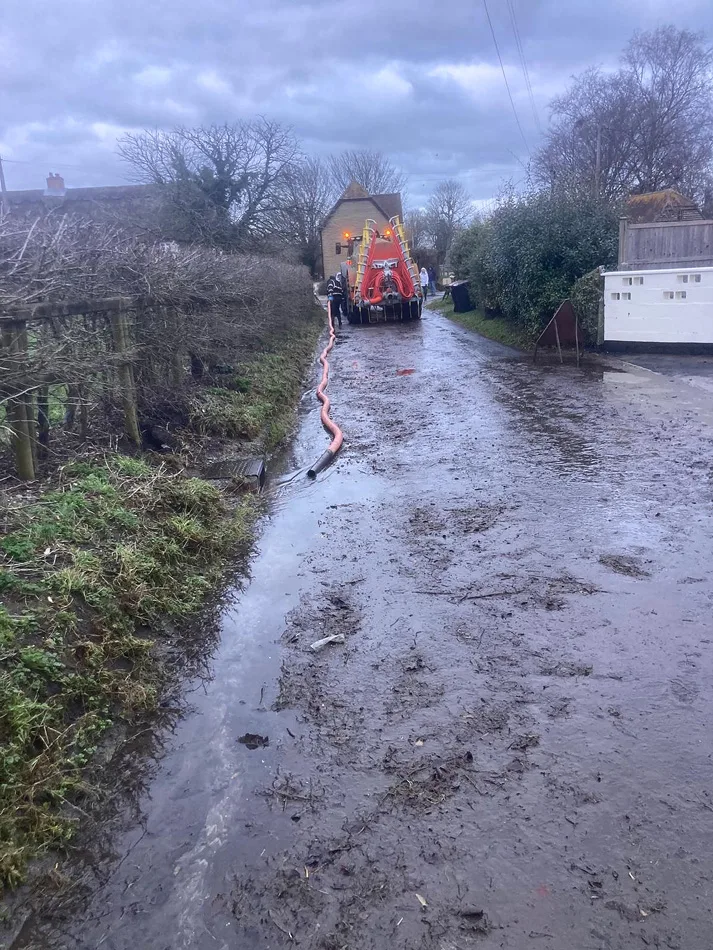
Finally I have to mention the weather! We have already had more rain this year than in the first six months of last year. loods have been frequent and commonly reported across the county. A blocked drain caused increased flooding in Tarrant Monkton, meaning the Langton Arms had to be closed and houses nearby were being flooded by the bow waves when vehicles passed. Eventually we decided to take action ourselves, and use our tractor tanker to clear the flood.
The suction tanker wouldn’t just be removing surface water temporarily. It sucks up not only the water but also the accumulated debris from the drain, removing the silt, leaves, mud or compacted material causing the blockage – a great relief to the village and the pub, as normal life could restart!
And lastly, a reminder: entries for the Love Local Trust Local Awards are now open. Please have a look at the website for details, and help the organisers promote all the great producers of Dorset food and drink
Keep up with the Cossins at rawstonfarmbutchery.co.uk