

** Regular readers will remember 47-year-old Child Okeford resident Matt Riggs who had been diagnosed with young-onset Parkinson’s. We spoke to him last summer when he was preparing for the challenge of a lifetime trekking the 45km Inca Trail to Machu Picchu. The journey was about far more than reaching the summit – it was about raising awareness of the condition and proving what is still possible. Safely back in Dorset, Matt reflects on the experience.**
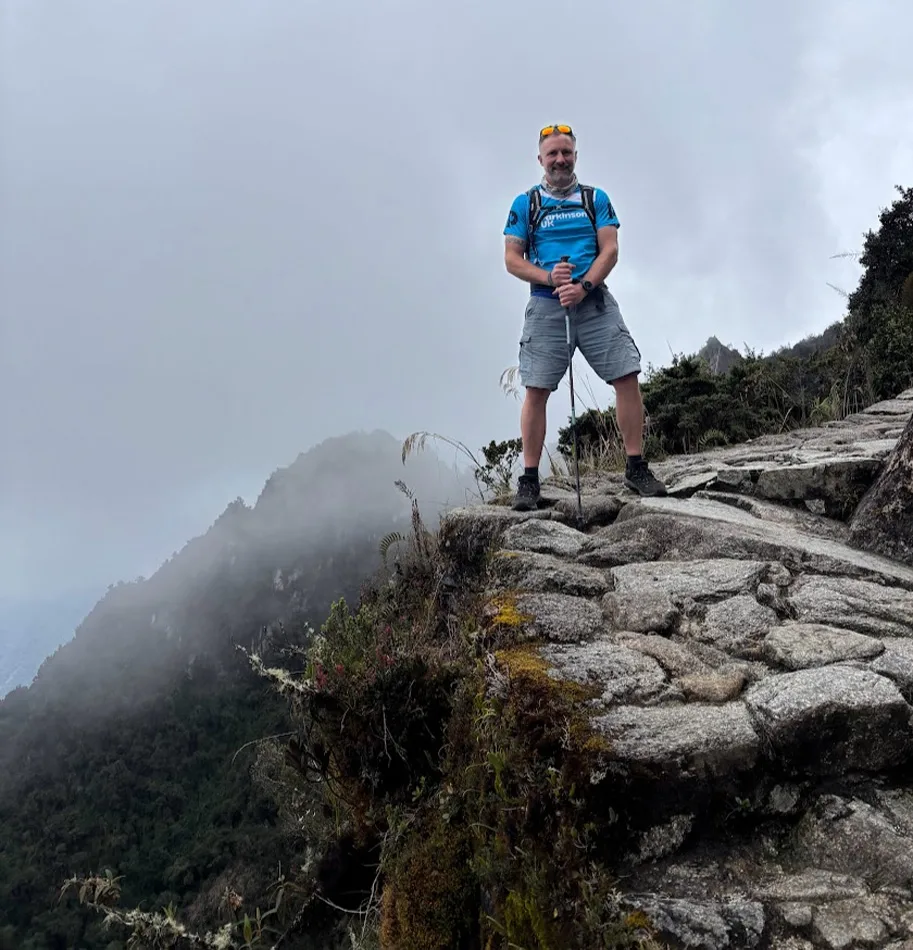
All images: Matt Riggs
The Inca Trail to Machu Picchu had been on my bucket list for a very long time – and it most certainly didn’t disappoint. Following my diagnosis of young-onset Parkinson’s in March 2024 at the age of 47 – which reinforced the sentiment that we shouldn’t put off adventures until it’s too late – I decided to positively reframe the situation by signing up to trek the Inca Trail and committing to raise money for Parkinson’s UK.
My sister, Caroline, was keen to accompany me (I can’t think why!) so we embarked on our challenge in September 2025.
The excitement was really building as the plane began its steep, dramatic descent into the high-altitude valley surrounding Cusco in Peru, offering us our first glimpses of the majestic Andes mountain range.
As Cusco sits at an elevation of 3,400 metres, you notice the thin air immediately, and breathing can feel a little harder. Our first encounter with a stunning Inca site was during the first day’s acclimatising hike above Cusco, and we began the Inca Trail itself the next day.
Into the mountains
We were incredibly lucky with our weather, enjoying sunshine for most of the trek – except for some mystical mountain mist and half a day of drizzle. We were also blessed with a wonderful group of fellow trekkers who continually supported each other, offering encouragement to anyone struggling with fatigue or altitude sickness.
We were genuinely buoyed on by the generosity of our supporters – the donations really did inspire us to keep going, knowing that vital funds were being raised to aid research into curing this debilitating disease. We were determined to complete the trail no matter what!
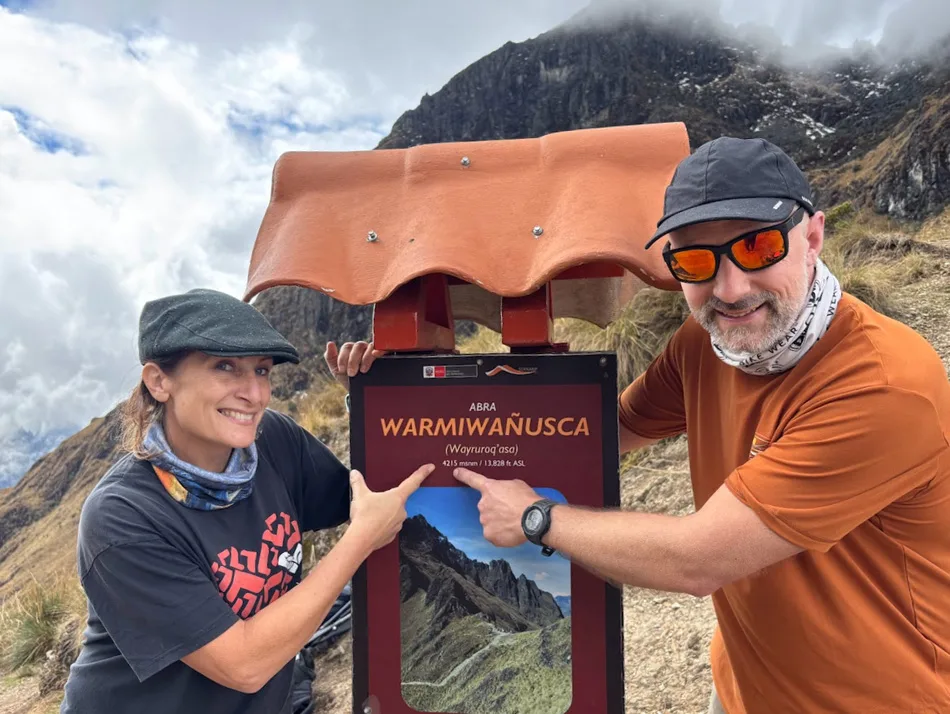
My training had consisted of walking up and down the hills of Dorset before the trip, but it really paid dividends. We both met the challenge of the relentless inclines, sharp descents and seemingly endless steps. One particular day is especially tough as it involves a long, steep climb up to Dead Woman’s Pass (Warmiwañusca), the highest point of the trek at 4,125 metres, though the effort is rewarded with stunning views of snow-capped peaks and alpine valleys.
Thankfully, I wasn’t adversely affected by the altitude and due to the focused, rhythmic nature of such a physical challenge, I was often grounded in the moment and able to block out any thoughts of my symptoms.
Touching distance
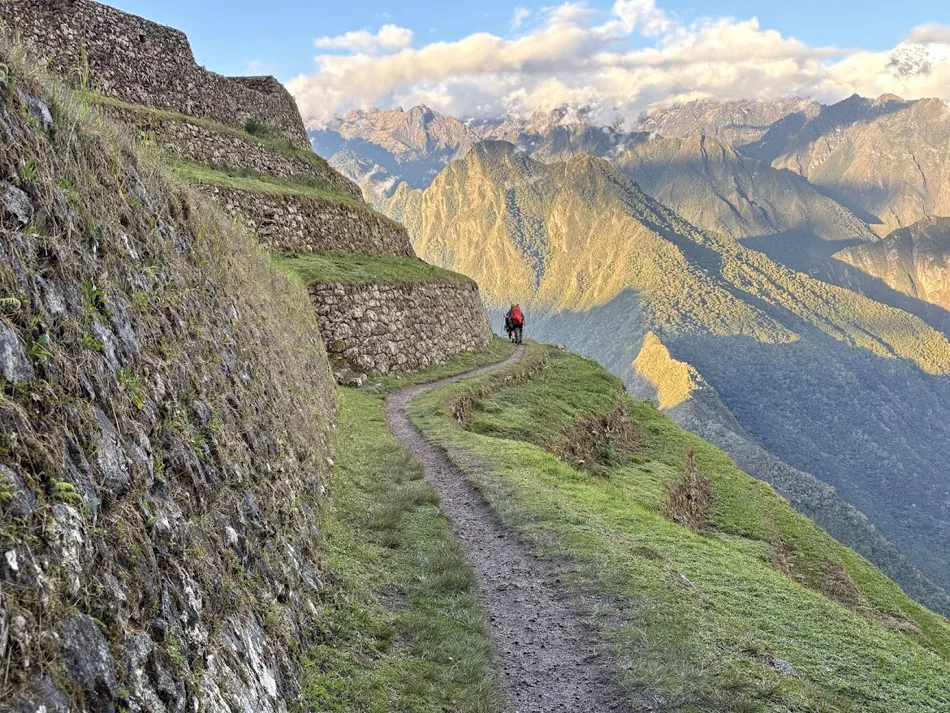
Spending four solid days trekking in the Andes really allows the magnificence and beauty to sink in, creating a humbling sense of reverence for the sheer scale of the landscape. We explored various Inca sites along the route, each one mesmerising for its seamless integration, high altitude engineering and breathtaking scenery. We walked on ancient stone pathways that hugged mountain slopes, passing through sections of cloud forest, grasslands and tropical jungle.
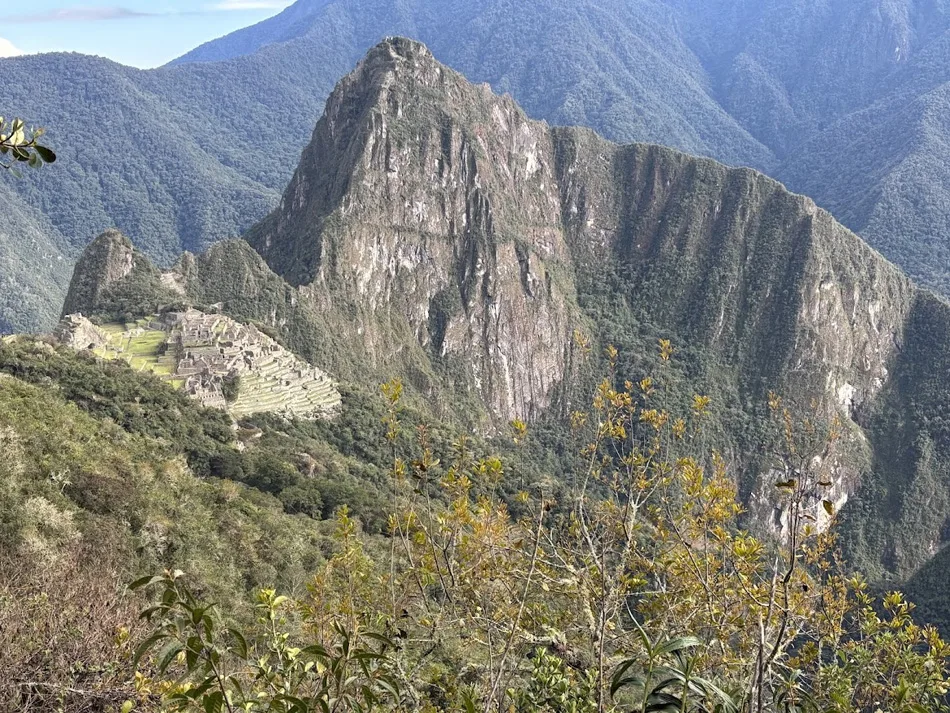
Reaching the Sun Gate (Inti Punku) on the morning of the final day and peering down to a sunlit Machu Picchu in the distance was a special moment. The sheer size of the site and its precarious position perched on a narrow mountain ridge is astonishing. Our goal was finally in touching distance, and there was a real spring in our steps as we descended the final stretch. Entering the citadel is a magical experience, with jaw-dropping views at every turn and some of the greatest vistas in the world. How the Incas managed to build a large complex of houses, temples, agricultural terraces and an advanced water system on top of a mountain, without any form of mortar, defies belief.
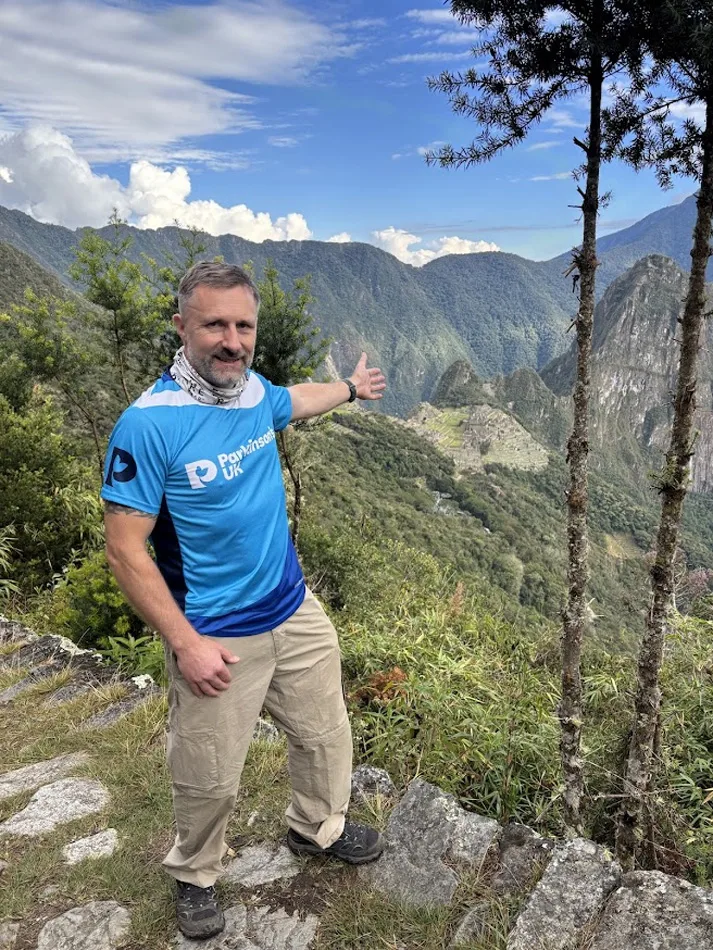
I have immense gratitude for the fantastic team at Discover Adventure who ran the trip.
The tireless, superhuman endeavours of the porters deserve a special mention: they’d set up camp and prepare delicious meals on a couple of gas burners prior to our arrival. We only carried small day packs, but the porters would often yomp past us carrying heavy bags of kit that were as big as themselves!
Thank you, too, to all our generous supporters who have donated an incredible £5,276, smashing our target. Absolutely 100% of donations go to help Parkinson’s UK fund research into finding a cure for this disease. Fundraising is still open if anyone would like to make a donation. Just click on the following link:
https://bit.ly/MattRiggsInca



