

Victoria Sturgess from Black Pug Books says birthdays in literature reveal love, vanity and the unsettling truths that lurk beneath the celebration
Continuing the personal connection for this edition, my younger daughter has a birthday mid-March – so birthdays it is.
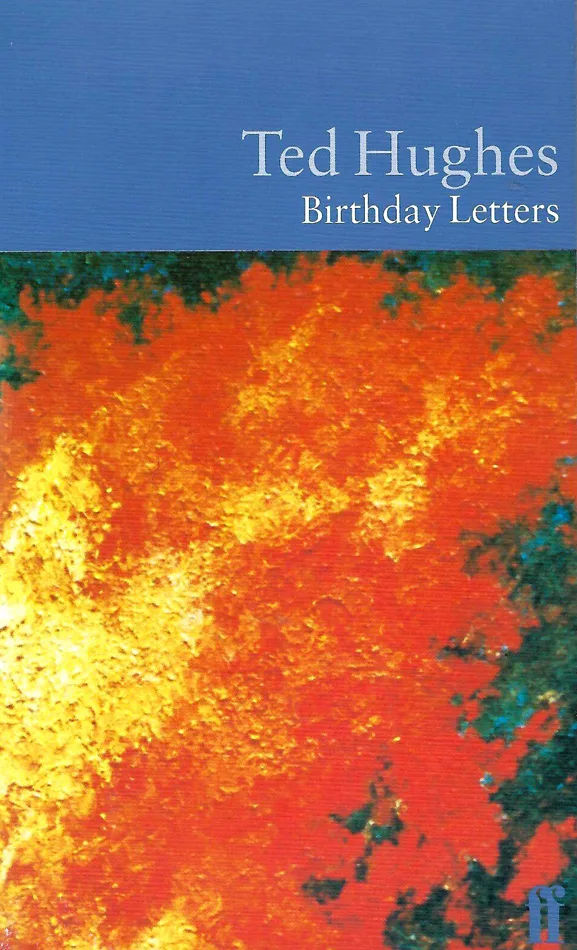
Probably two books immediately spring to mind for most: Ted Hughes’ Birthday Letters and Harold Pinter’s The Birthday Party, though the latter is admittedly a play. Ostensibly about a little party given for a guest in a rundown boarding house, the arrival of two strangers turns it into a nightmare. In usual Pinter fashion, nothing is as it seems.
It is a vehicle for his exploration of identity, time, place and political symbolism. Pinter, reflecting on a line in the play ‘Don’t let them tell you what to do,’ said, “I’ve lived that line all my damned life.”
The second book can initially seem equally bleak. Although it captures Hughes’ guilt and sorrow about his estranged wife Sylvia Plath’s suicide, there is deep love and admiration too.
The collection consists of 88 poems about his life with her – the first public acknowledgement of their highly complex relationship. Considered possibly his finest work, it’s an award-winning legacy to both.
Now a complete spinaround in mood and recognition. Although the author, Oscar Wilde, could hardly be more famous, The Birthday of the Infanta is a little-known gem from his collection A House of Pomegranates. The story revolves around the 12th birthday of the Infanta, only child of the King of Spain, and a dwarf dancer who becomes entranced by her. As with the previous titles, the ‘story’ is a means of exploring hidden themes – in this case, vanity and age, two of Wilde’s eternal obsessions. Lyrical and poignant, it’s a timeless classic.
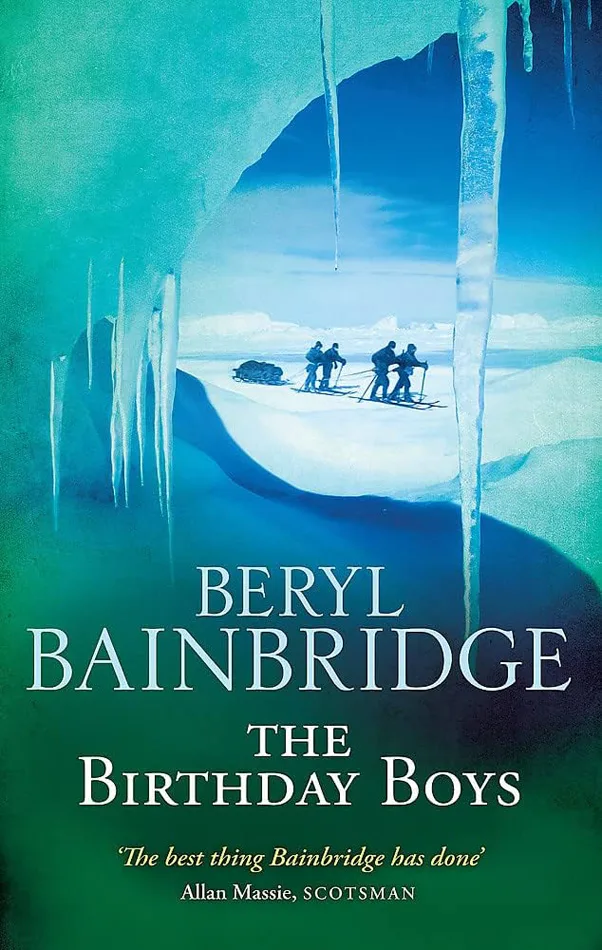
Beryl Bainbridge remains underrated. In her retelling of Scott’s Antarctic expedition, The Birthday Boys (1991), she was blurring fact and fiction long before it became fashionable.
Five first-person narratives by the crew give widely differing perspectives of the ill-fated expedition, and it’s up to the reader to decide the extent of the ‘truth’ – a hugely intriguing exercise which, for me, changes on every reading.
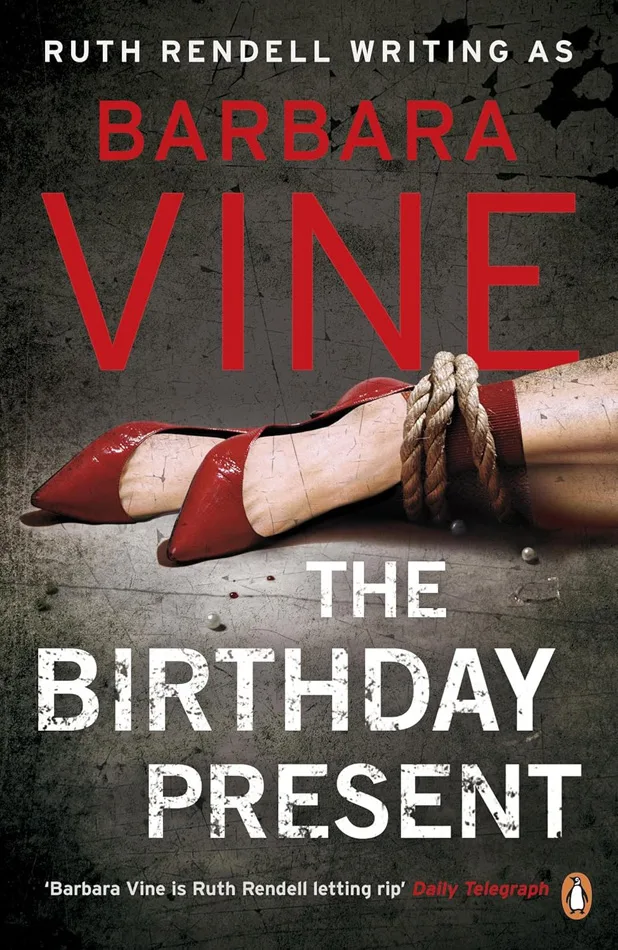
And to end, an amazingly prescient tale – although written nearly 20 years ago, The Birthday Present by Barbara Vine (Ruth Rendall’s psychological alter ego) could have been written yesterday.
Ivor is a handsome rising star MP who by chance meets a beautiful married woman. They become obsessed with sexual role-playing, which inspires Ivor to organise a surprise birthday present involving a kerbside kidnapping. What could possibly go wrong?
To quote a review: ‘an exploration of the dark twists of fate that can shake the lives of even those most insulated by privilege, sophistication and power’.
Er … sound familiar at all?