

Behind the rural calm of Guys Marsh prison lies a workforce in crisis and a system stretched so thin that progress remains fragile
From the exterior, HMP Guys Marsh manages to blend gently into the countryside near Shaftesbury. However, appearances can be deceptive. Recent data from HM Inspector of Prisons showed that Guys Marsh is one of the most violent jails in England.

images: Courtenay Hitchcock
What has led to that problem? And, more importantly, what is being done to improve both staff and offender welfare?
Guys Marsh began life as a 600-bed military hospital during Second World War.
After the war, it served as a rehabilitation centre for ex-prisoners of Japanese war camps. The military hospital role ended in 1952.
It became a borstal in 1960 and a Young Offender Institution in the 1980s. Today, it is a Category C men’s prison with resettlement facilities.
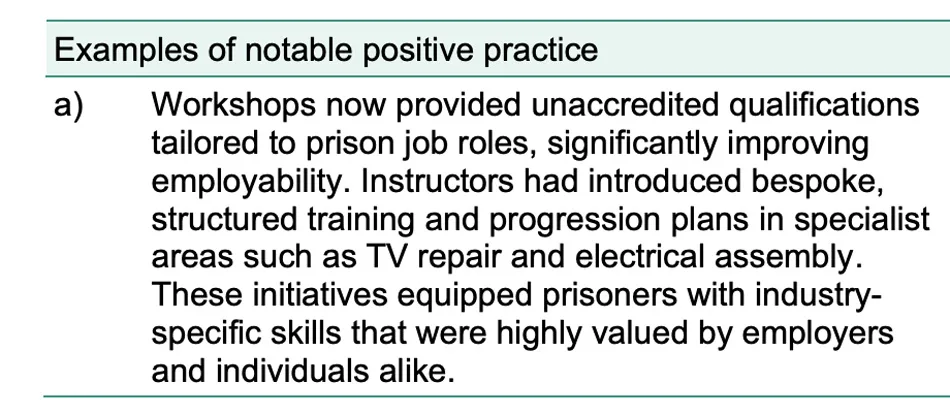
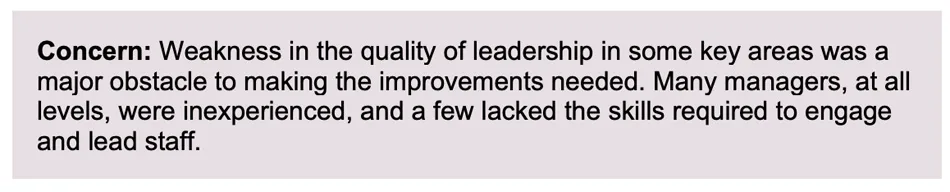
Troubling reports were produced by HM Inspector for Prisons in 2022 and again in January 2025, highlighting the lack of leadership, illicit drug use, inadequate rehabilitation facilities and violence.
The latest inspection report, published in December 2025, found that violence had reduced by a third. However, the number of incidents remained higher than in other UK prisons.
A recent event in Sturminster Newton, hosted by the Friends of Guys Marsh charity, showcased inspirational work by staff and ex-offenders and was well attended by the public.
But significant challenges remain at the prison.
The workforce crisis
Sarah Rigby is the South West representative on the National Executive Committee of the Prison Officers Association. She has many years experience working in the justice service, and has several insights into the situation at Guys Marsh.
‘Over the last 15 years, we have lost an awful lot of experienced prison officers, and recruitment has not kept pace. It’s a job that you learn from experience.
‘When I joined, I was surrounded by officers with anywhere from 15 to 30 years of experience, and there were just two or three of us who were relatively new. Unfortunately, we are now in a position where, as a new member of staff, you’ll be trying to learn your role from someone who has only been in the job for six months themselves. They just don’t have the knowledge or experience.
‘Changes were also made to the role of first-line manager. That was someone on the same wing every day, whom you reported to and could go to for guidance. That role is now gone.
‘A place like Birmingham has a far wider pool to recruit staff – that’s missing at Guys Marsh. It’s a far smaller region to draw candidates from.
‘The nature of the prisoners has also changed: they are far more challenging. There are a lot more issues staff are exposed to, such as self-harm and violence. The prisons are also overcrowded. Healthcare is outsourced to private companies that lack enough mental and physical health nurses.
‘All that leads to frustration. Sometimes there are barely enough staff to unlock the prisoners and establish a regime. Every day feels like carnage.’
Guys Marsh, like many other British prisons, is overcrowded. Data from the Ministry of Justice shows that the baseline standard for occupied cells at uncrowded capacity is 476 – the current total capacity is 507. Overcrowded prisons inevitably lead to frustration and violence.
Sadly, when there is significant pressure inside a prison, this also leads to staff sickness. When the Prison Inspector visited Guys Marsh recently, they found fewer than 60% of operational staff were available to be deployed to their duties. Over the past five years, the average number of annual sick days lost at Guys Marsh is 4,018. With 260 staff on site, that’s an average of 15 days a year, per employee. In England’s prisons, the average sickness rate is 12.6% – at Guys Marsh, it can reach 16%. In 2024, 43% of prison officers at Guys Marsh had taken a mental health break.
Deadly drones and drugs
Drug misuse in prisons has been a significant issue for years and is often controlled by gangs. The problem has increased with the development of drone delivery of illegal substances. Recent data shows there were more than 1,700 drone sightings near prisons in 2024/5. In addition, agricultural drones can carry up to 100kg – technically a potential escape route.
In December, Emma Brown, the area coroner for Birmingham and Solihull, issued a prevention of future deaths notice. This requires the Ministry of Justice to respond within 56 days to their plans to prevent drones from delivering drugs to prisons. It followed the death of 29-year-old Derrion Adams after he took Black Mamba, a form of ‘spice’. At the time, HMP Birmingham was understaffed, with several drug-related incidents after drones delivered drugs.
While this tragedy occurred in the West Midlands, the coroner recognises this is a nationwide issue, far broader than Birmingham.
Drones are also known to be involved in delivering illegal drugs to Guys Marsh. The Inspector of Prisons is concerned about the impact on safety and security, and called for improvements.
Ministry of Justice data shows that in 2024/5 there were 238 finds of alcohol, 167 drug incidents and 98 weapons found at Guys Marsh. All these have increased significantly over the past three years, bringing trouble and danger with them. Sarah Rigby outlined the challenges: ‘The site is relatively easy to access with drone technology. Drugs bring high levels of bullying. The resulting behaviour is also difficult as some of these drugs are very unpredictable. You see some horrible things. For example, prisoners might get a parcel of drugs in, but instead of the ones who ordered them using the drugs, they will pick on the most vulnerable person on the wing and get him to try some. Officers on duty realise something’s happening, walk out there, and there’s some poor kid on the floor barking like a dog – with a group all standing round him, laughing.
‘They are very sad places with no hope. At one time, there was some hope. Sadly, at the moment that feels long gone.’
‘The difficulty is, because we’re behind a brick wall, we’re never going to be a vote winner. Most of the general public have the attitude to just ‘throw away the key’. But the hard facts are that most of these prisoners will be released at some stage, and they could be living next door to you. And we’re doing nothing with them in prison. It is essentially warehousing in most prisons. ‘Most prison officers want to help these people, but there isn’t the opportunity anymore. They are too busy dealing with prisoners taking drugs or fighting. Those who want to do something don’t get anyone’s time or interest.
‘Even if someone comes along with a magic money tree tomorrow, it will take years of work and investment to put the system right.’

Small, important things
The Friends of Guy’s Marsh (FoGM) is a charity which works to keep prisoners in touch with their families, as this is known to lead to better integration on release and decreased re-offending. Secretary Annie Henschel outlined some of the other initiatives run by FoGM to support offenders: ‘We fund a yoga teacher twice a week, which helps with stress management and relaxation. It’s for prisoners and staff. One of the men got really interested and trained as a yoga instructor. On release, he set up his own yoga studio.
‘We also fund art materials. Some of the men do origami, and make really intricate models. One prisoner came to us and explained how, if an offender wanted to buy new socks or underwear, it took eight weeks through the prison service. We helped him set up a shop within the prison which reduced waiting times for items to a week, and gave the men some dignity. When he was released, other prisoners took on the role. I have never once felt threatened or frightened in that jail.’
The Ministry of Justice, which covers communications for Guys Marsh, was approached for an interview. A Ministry spokesperson said: ‘We inherited a prison system in crisis, plagued by drugs and violence. While inspectors recognised progress at HMP Guys Marsh, we know more must be done. That is why the prison is investing in security, implementing a tougher drug strategy, and continuing to recruit more staff.’
Guys Marsh has struggled for years to recruit staff and manage the site. Although the government has just relaxed visa regulations for prison officers from overseas, more work is required.
The latest Inspector of Prisons report is a sobering read – but it’s easy to judge from outside the prison walls.
This year is the 300th anniversary of the birth of prison reformer John Howard in 1726 – surely the best way to honour his legacy is to prioritise staff and offender welfare.
The latest Inspector of Prisons Report on Guys Marsh can be read here.