A local expert from Citizen’s Advice provides timely tips on consumer issues.
Q: My landlord tells me that my rights as a tenant are changing later this year. Do I need to do anything? What should I expect?
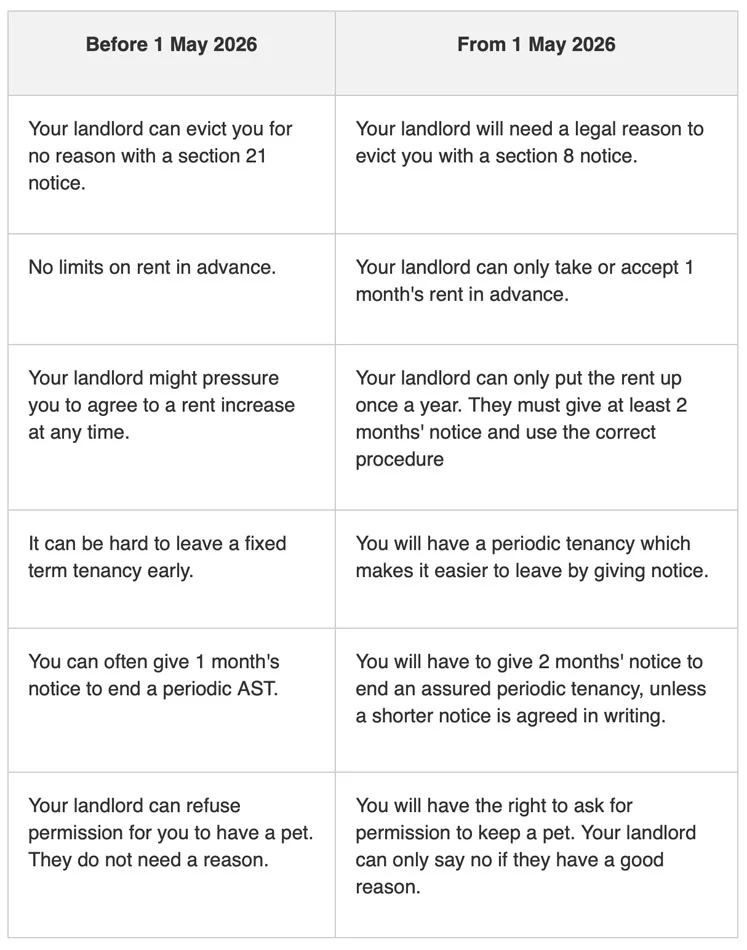
A : Your landlord is right and you are wise to be looking for more information. The change to tenancy rights and obligations dates back to 2019 when then-Prime Minister Theresa May committed to abolition of s.21 (no fault evictions) in the Queen’s Speech. The government introduced a Renters’ (Reform) Bill in 2023 but, at the time of the general election in 2024, this had not progressed beyond the House of Lords, and so fell away at the end of the parliamentary session. The new Labour Government introduced a Renters’ Rights Bill in September 2024. The Bill received royal assent on 27 October 2025 so is now the Renters’ Rights Act. Lots of changes will come into force on 1 May 2026. These will apply to the Private Rented Sector only, and the main changes for tenants are detailed in the above table. From late 2026 there will also be a new private rented sector database and a new private rented sector ombudsman to deal with complaints. Landlords are obliged to provide written information to tenants about these changes. For new tenancies, landlords will need to provide information about the tenancy to their tenants in writing before the tenancy starts – this could be through a written tenancy agreement. For existing tenancies, if there is already a written tenancy agreement, landlords will have to provide a government-published information sheet by 31 May. If there is no current written agreement, a written summary of the main terms (as for new tenancies) must be provided by the same date. Landlords who do not comply may be fined by the Local Authority. There is lots more information and a good explainer video about these changes on the Shelter website
The BV community news section is sponsored by Wessex Internet
Farm assurance schemes need to stand up for our higher standards and tell consumers WHY to British food, says the NFU’s Tim Gelfs
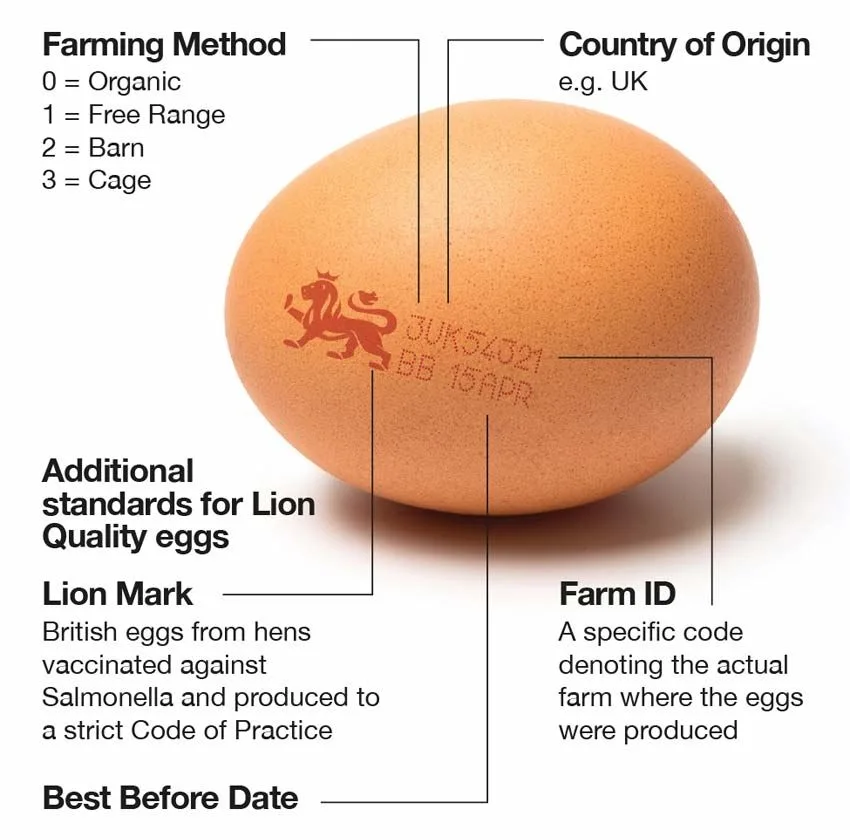
Farm assurance schemes – such as the Lion on eggs and Red Tractor on meat and other produce – were designed to promote safe, high welfare food to the consumer. But cheap products, often raised to lower standards, sit on shelves alongside assured products, with no information to help consumers make the choice.
Have the assurance schemes had their day? Or has the time come for these schemes to take charge of their own destiny, and do the hard work of educating the consumer as to why buying British-assured food is best? In some sectors, where there is over-supply, farmers and producers have been told for years that we need the assurance schemes to give us a Unique Selling Point. But in the supermarkets and convenience stores, Red Tractor meat and Lion eggs are competing with products raised to a different (and usually lower) standard: not only on food safety but also on animal welfare. On the shelves, this difference is masked into oblivion, with products of a far lower standard sitting alongside our farm-assured produce. The large retailers say they are fully committed to farm assurance, but we don’t see promotion of the schemes in the aisles – next to our products. There may be the assurance scheme sticker on the product, or an image of a farmer who produces it, but nothing that tells the cash-poor, time-pressed consumer what this means and why they should buy it if they want to “buy British” … as we know many people do. For producers and suppliers there is an exhausting audit trail. Take Lion Code eggs – the breeder unit, the hatchery, the pullet farm, the layer unit and even the packer all have an audit. But the audit trail stops at the supermarket gate. Why aren’t we making sure that products are stored correctly, handled safely and, more importantly to us, presented properly? The answer surely has to be that our assurance schemes are not strong enough, and are mere puppets of the British Retail Consortium.
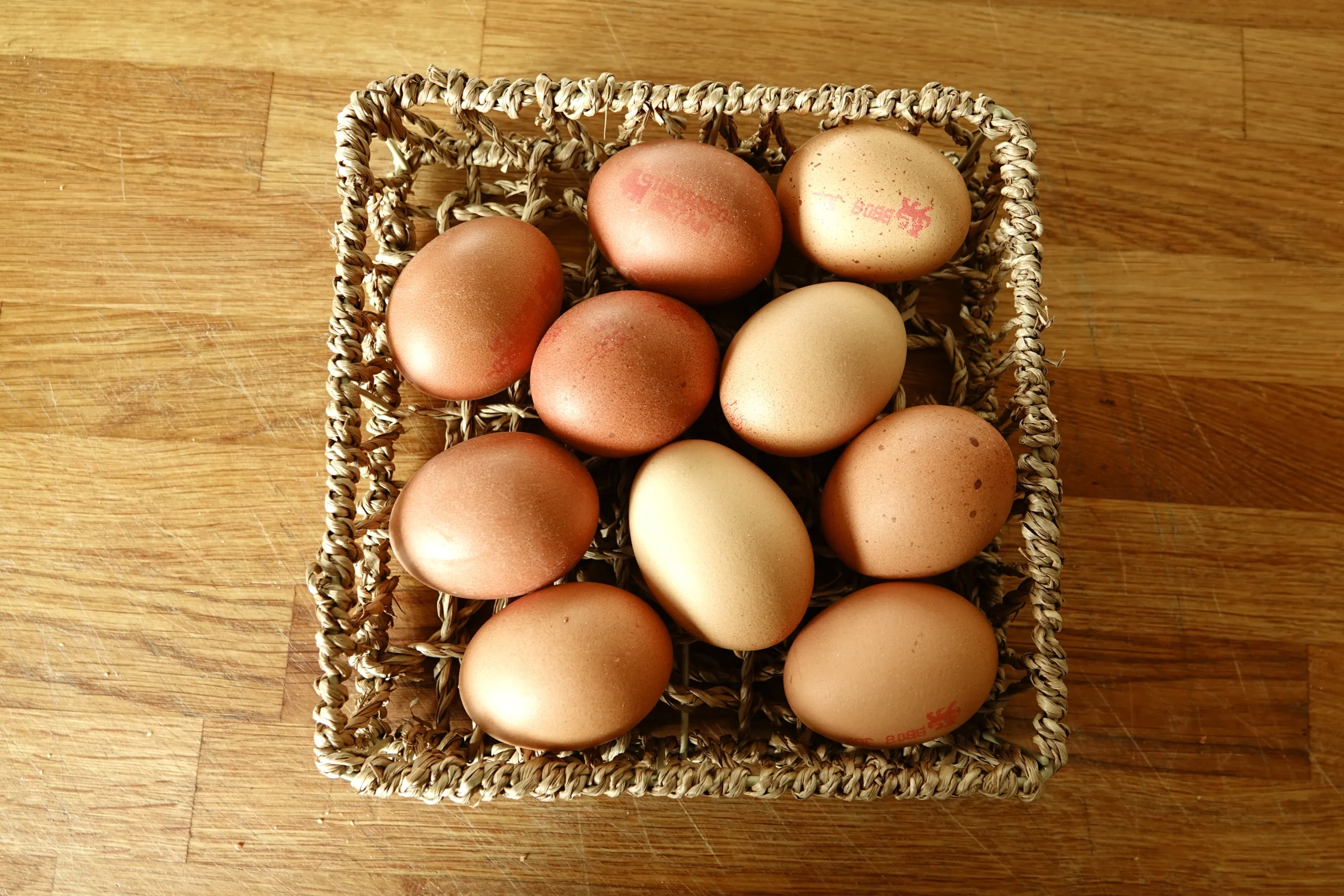
British eggs with the Lion Mark
Shoppers are confused Recently, alongside a year-on-year increase in rules, often with no science or significant research behind them, there has been a Farm Assurance Review which made strong recommendations to make schemes simpler and more in line with farmer needs. The jury is still out, but I’m guessing there will be a lot of shuffling of paper, a few new faces and gradually ‘back as you were’ will resume. Ask a farmer if they would sell their produce without farm assurance labels – most, if not all, would jump at the chance. It is a real shame that these schemes have been completely mismanaged. Millions of pounds have been spent on creating the schemes and putting them into operation – and a pittance in comparison has been spent on marketing to the end consumer. Understandably the average shopper is confused. Many people still look to ‘buy British’, but ask them to explain what the Red Tractor or Lion mark mean and they would struggle. The future for assurance schemes as they are now looks bleak – the demise is already happening. Look at our beef and sheep markets – you don’t need farm assurance for market access and there is little to no premium for farm-assured produce, because there are shortages, and these shortages, in whatever product, will always displace assured products as supply and demand takes over. We have seen it in the egg market through recent shortages, when an unnamed large retailer (you know who you are) – having committed to Lion free-range eggs only a year before – had Italian barn eggs on its shelves. The race to the bottom has started. Food inflation is seemingly out of control. We will be out-priced unless the assurance schemes can find the strength to move away from the influence of the large retailers and take control of our future – telling consumers why British assured food is best.
The Lion egg scheme is managed by the British Egg Industry Council, funded entirely through voluntary levies on packers and producer-packers, representing more than 90% of UK egg production. Its aim is to fund research and development, ensure salmonella vaccination compliance and maintain higher standards of safety and welfare.
The Red Tractor scheme is managed by Assured Food Standards, funded by farmers’ membership fees and food businesses paying licence fees to use the Red Tractor logo on their products. AFS is owned by a coalition of British farming and food trade bodies, including the NFU and the British Retail Consortium.
Moving from team chasing thrills to heart rate monitors and sloshies, Tamsin discovers endurance riding is as addictive as promised
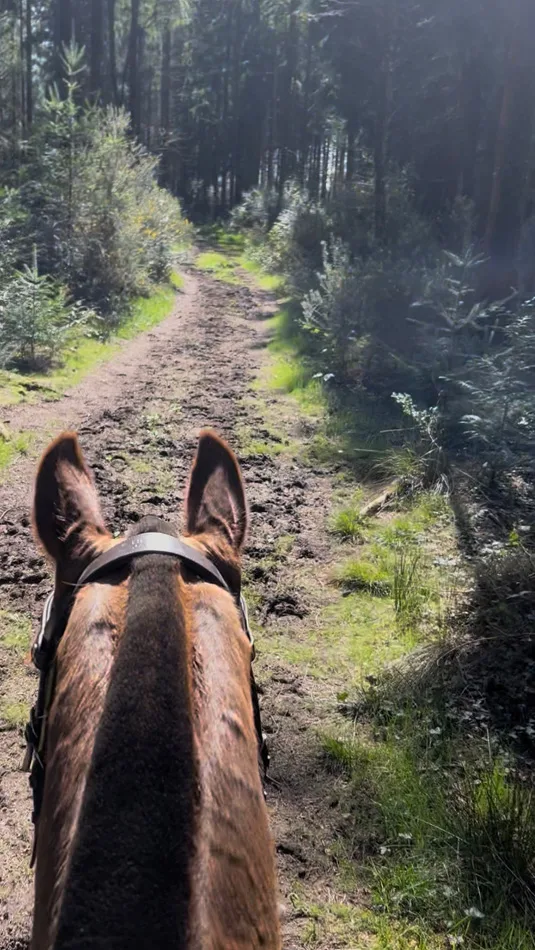
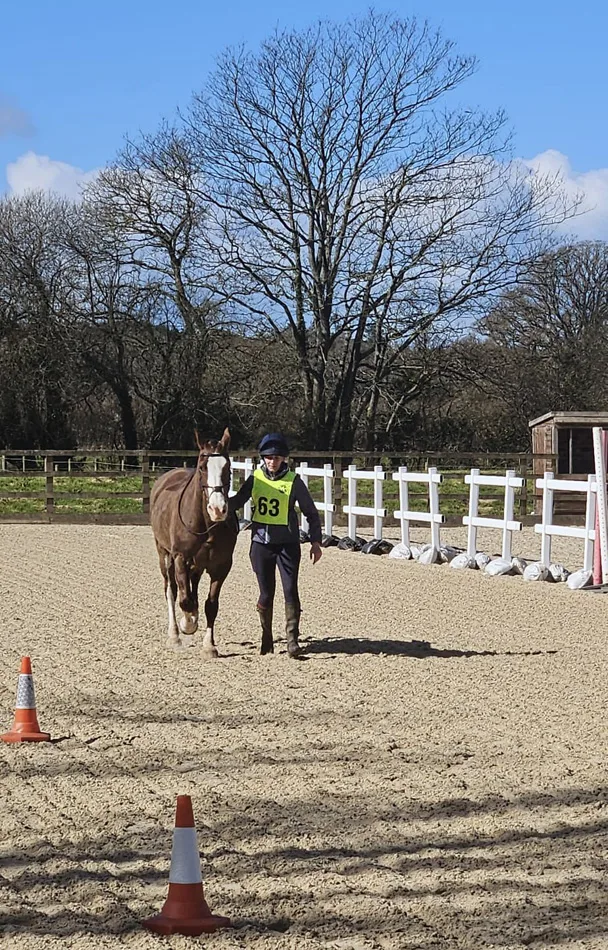
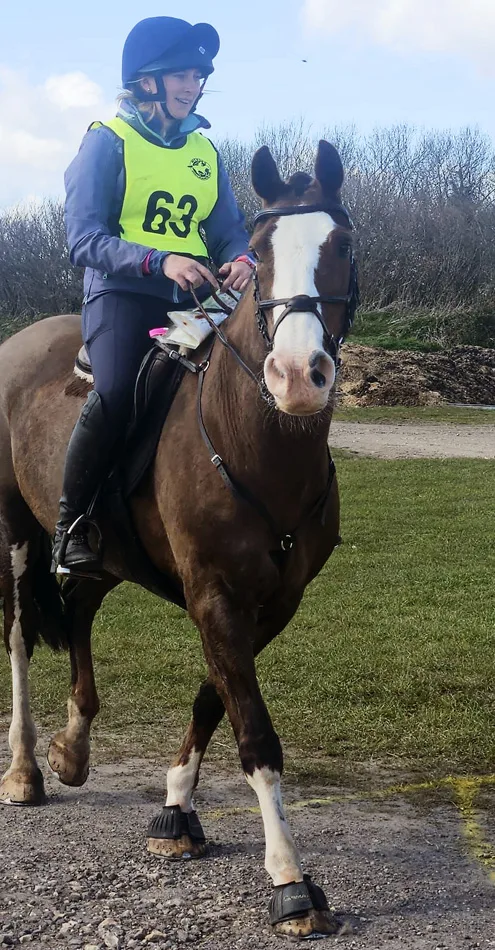
Through The Sass Queen’s ears on her first endurance ride. All images: Tamsin Doar
This month, The Sass Queen and I decided that we’d finally dip our toes (hooves) into the world of endurance. The eagle-eyed among you may remember that I spoke with Sam Mowatt, organiser of the Piddle Valley Ride, last year. Ever since then, I have been keen to see just what it was all about for myself. So I signed The Sass Queen up to make our debut at the Moreton ride, organised as part of the Wessex Endurance Group. I’d heard from friends that once you’ve done an endurance ride you inevitably ‘get the bug’ and will instantly be excitedly waiting and preparing for the next one. I was sceptical. Having been used to the adrenaline rush of team chasing, I wasn’t sure whether we’d be hooked quite as easily as some seemed to suggest. I have to eat my hat, and sheepishly admit we had such a wonderful time that as soon as we got home I signed us up for our next ride and started making a list of goals to work towards. The whole experience has been eye-opening. I do not claim to be a professional in any sense of the word, but I like to think I have a fairly decent level of horsemanship. The Sass Queen always has a bit of down time over the winter to allow her to have a mini-holiday (sadly less ‘sun covered tropics’ and more ‘boggy-swamp field’. She does get to embrace her inner hippo, though) but I keep her ticking over, so we weren’t starting her fitness from scratch. Trying to improve her fitness specifically for endurance and learning about heart-rates has been a whole new learning curve. We began with our regular ‘round the block’ route, slowly increasing the distance and the speed. We’re very lucky to have lots of hills nearby, perfect for improving fitness and building muscle and topline, so even our shorter rides are really beneficial for her. We also have fabulous bridleways with lots of varying terrain, which is great training for horses to get used to different ground types without panicking – though she’s generally very good on her feet (minus one mishap we had a few months ago … but that’s a story for another time). It’s about learning to let them pick their way through. Once she was at a base level of fitness, we started on some longer rides, increasing in length as the weeks went by. I’ll readily confess I’m not great with numbers, but thankfully Grumpy Uncle’s owner is, and she also has endurance experience, so she worked out some distanced rides for me with time markers to try and hit along the way. The only hiccup was some difficult gates that required Bear Grylls-esque skills to open (and close) – thankfully not something we had to contend with during the actual ride!
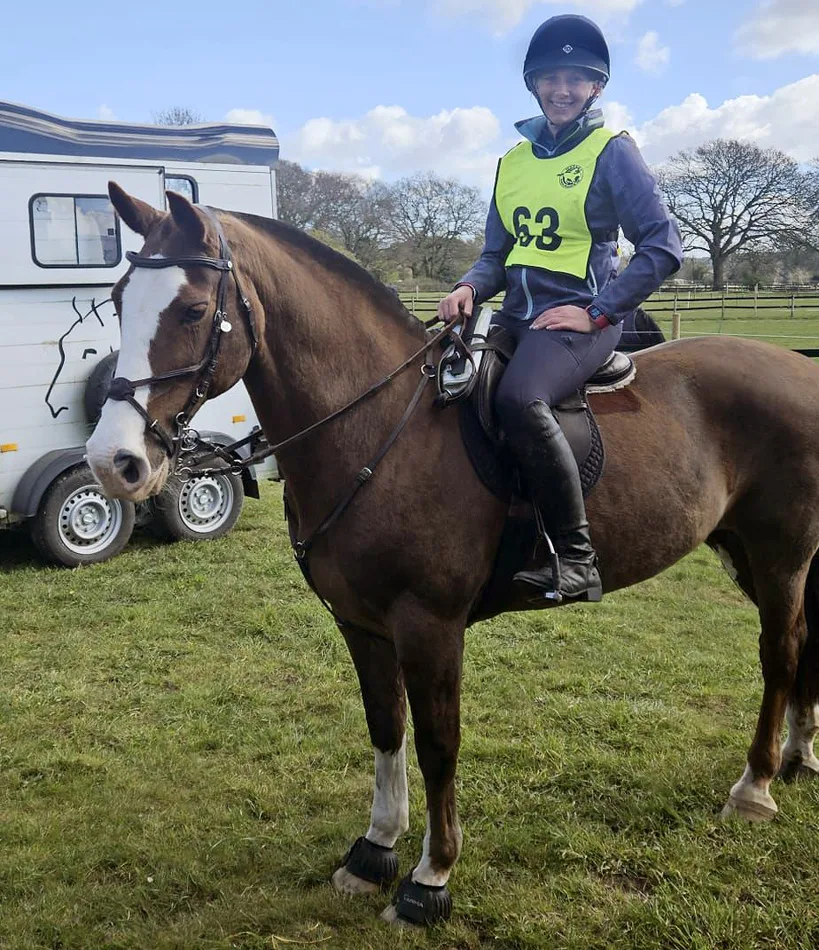
Tamsin and Sass Queen, waiting to set off
Bargain heart monitor I knew that The Sass Queen was fit, but as this was a graded ride she’d also have to pass a vetting and have a heart rate below 64bpm – ideally as low as possible. Not wanting to splurge on fancy equipment we wouldn’t use again if we didn’t take to endurance (and also as someone who loves a bargain) I set about finding a decent but low-budget heart rate monitor to help me measure how well she recovered after our rides. While not a necessary piece of equipment, it was really useful to understand what her resting heart rate was and to see how quickly it came down while I was cooling her off, as we’d have 30 minutes to present to the vet at the end of the ride. Unsurprisingly, as with most things equestrian, horse heart-rate monitors weren’t cheap. I figured that a human one would surely do the same job, although even the XXL chest band wasn’t quite large enough for The Sass Queen’s, ahem, slightly ‘rotund’ chest. Thankfully, baler twine did just the trick to lengthen it enough that it fitted comfortably and – ta dah! It worked … although with me feeling very much like we had ‘all the gear and no idea’.
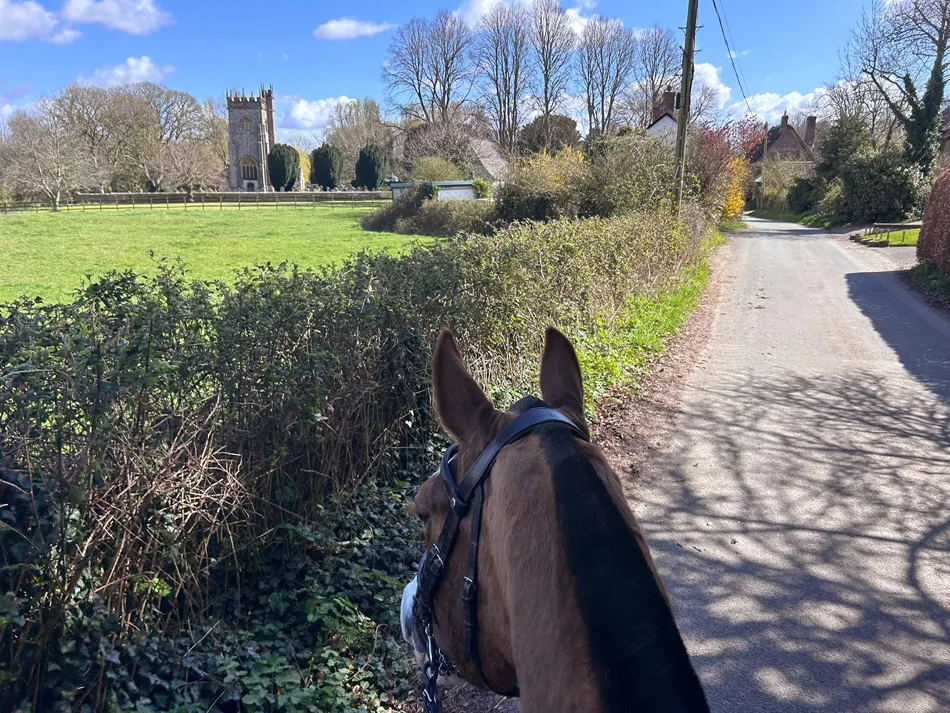
The Sass Queen enjoyed a good nosey over the hedgerows
Endurance riding 101 On the day, everything was so well organised: all the stewards and volunteers were friendly, the route well marked and the ride itself was very scenic (the good weather definitely helped!). The Sass Queen thoroughly enjoyed herself – ears pricked the whole way, merrily trotting along and having a good nosey over the hedgerows. She was slightly confused when we arrived – you could see the cogs whirring while she tried to work out what kind of pony party we’d come to. She’s competed at Moreton before in dressage and one day events so she recognised the venue, but I could see her mentally going through a checklist: Mum hasn’t washed me and I don’t have my show bridle on – not showing then … The other horses aren’t plaited and I can’t hear a tannoy – probably not dressage or show jumping either … No-one is careering around the warm-up and there’s no jumps – not team chasing either … What crazy idea has mother come up with this time?! She was even more confused with the pre-ride farrier check and vetting (which she passed with flying colours) and spent the process looking a bit bemused. The farrier check is to ensure that all horses’ feet, shoes or hoof-wear are safe for the ride, while the vet checks their heart rate, listens to their gut, checks for any lumps or bumps and confirms that they’re sound and not lame. Once confirmed that we’d passed, we had 30 minutes to tack up and start our ride, starting my many stopwatches as we went (I’m yet to work out how to use my watch properly, it beeped angrily at me the whole way round).
The Sass Queen and Tamsin during the pre-ride vetting
Grumpy Uncle’s owner had helped me work out the speed we wanted to complete the ride at (there’s an optimum time to complete within) and worked out in what time I needed to complete certain sections of the route. Not long after starting we encountered the ford crossing, which was surprisingly deep and resulted in some slightly soggy toes for me, courtesy of The Sass Queen excitedly splashing as we marched through (Yes, I’m absolutely sure she was trying to get me wet on purpose). Every rider we passed on our way round was lovely, saying hello, politely asking if they could pass and being respectful to each other. There are set crew points throughout the ride where your crew (friends or partners who have been dragged out to help you) can throw water over the horse and provide you with refreshments and snacks. Having trawled through articles on ‘endurance riding 101’ and ‘endurance riding for beginners’ beforehand, along with constantly perstering Grumpy Uncle owner, I was reliably informed that ‘sloshies’ are the go-to for portable water containers for washing horses down: these mostly consist of rinsed-out laundry detergent bottles. I’ve never done so much laundry in my life trying to use up bottles! I’m sure there’s also some super duper high-protein, energy releasing snacks that are recommended, but personally I just munched on a handful of Haribos (other brands are available).
The Sass Queen and Tamsin crossing the finish line
Once we’d returned, we started cooling The Sass Queen off: washing her down, offering her mash and water and keeping her moving and grazing so she could get her head down and not seize up. Thankfully, she passed the final vetting, although her heart rate wasn’t quite as low as I’d have liked. My goal for next time is to find a way to settle her better afterwards as she was still quite ‘buzzy’ and wanted to go round again! I really admired how much endurance focuses on the horse’s welfare, and that getting a good result (or grade) hinges on how well you look after your horse well before you’ve even got to the competition as well as during the ride: your horse needs to be fit and sound to even compete in the first place. While it may not be the team chasing adrenaline rush, we both thoroughly enjoyed ourselves and will definitely be back to try again. At the end of the day, what’s better than enjoying the countryside with your best four-legged friend?
Few indicators are as revealing as insects. After decades observing them, DWT’s Hamish Murray has a sober assessment of Dorset’s natural balance
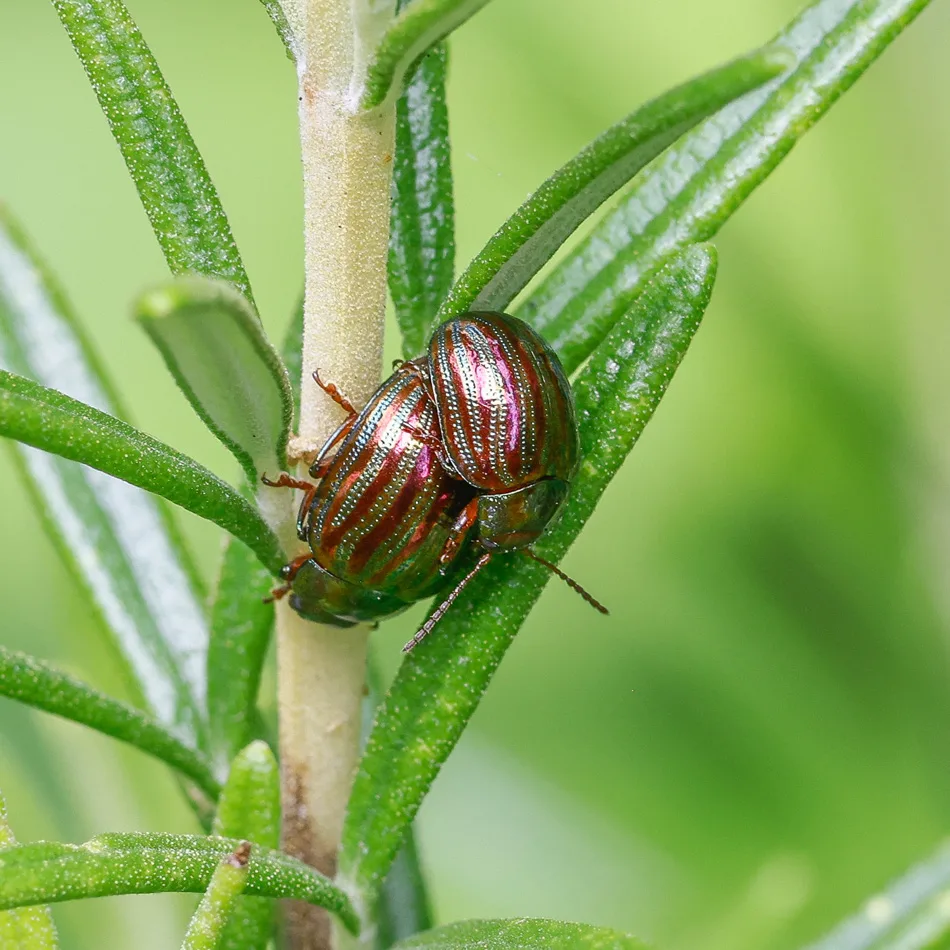
Rosemary beetles. All images: Hamish Murray
For more than 45 years, I’ve watched Dorset’s wildlife on an almost daily basis. And I have observed significant changes, especially in insect populations. They are useful barometers of environmental change, as populations respond rapidly to changes in land management, climate, development and other factors. The dramatic decrease in insect abundance is well documented – a car journey through the countryside no longer results in a fly-splattered windscreen, and long gone are the days when a single hogweed flower hosted a dozen different hoverflies.
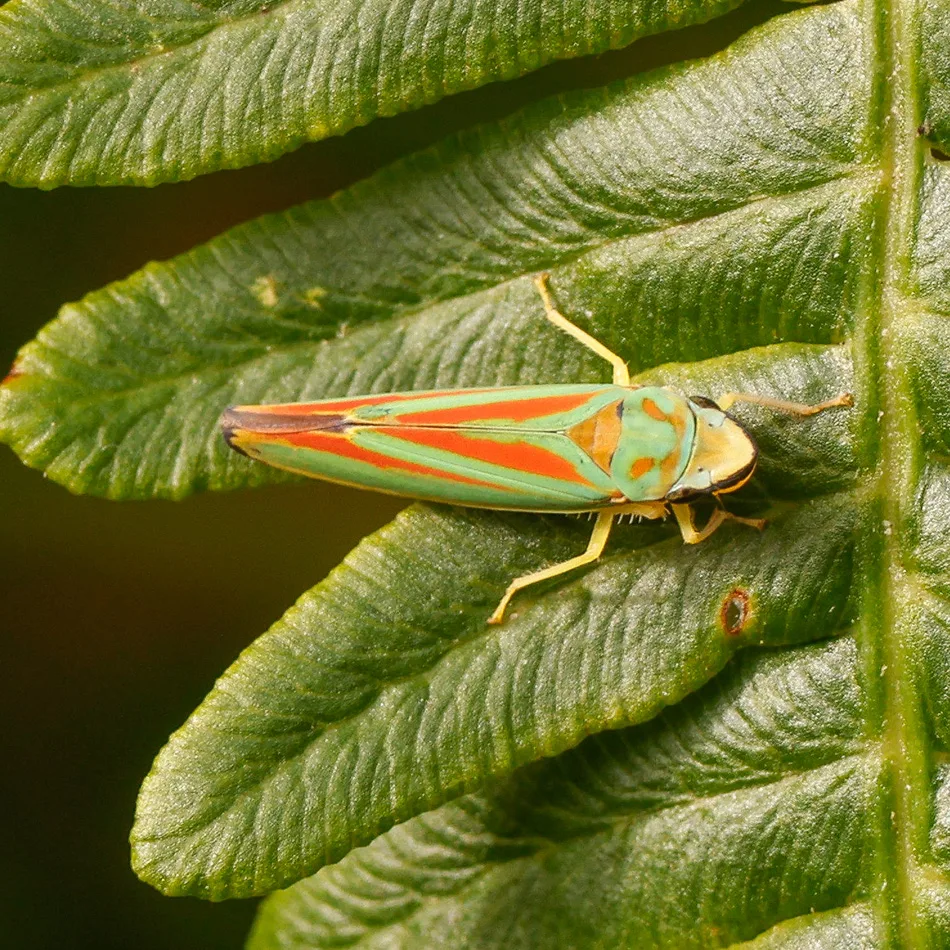
Rhododendron leafhopper
However, while many species have become scarce or disappeared, the new millennium has also brought additions to Dorset’s insect fauna: dragonflies like the Norfolk hawker, small red-eyed damselfly and the southern migrant hawker. Forty years ago, I was delighted to find a rare long-winged conehead … nowadays they are one of Dorset’s most abundant bush-crickets. Similarly, Roesel’s bush-cricket and lesser marsh grasshopper have spread dramatically across the county and the southern oak bush-cricket, first recorded in 2001, is now well established in woodlands.
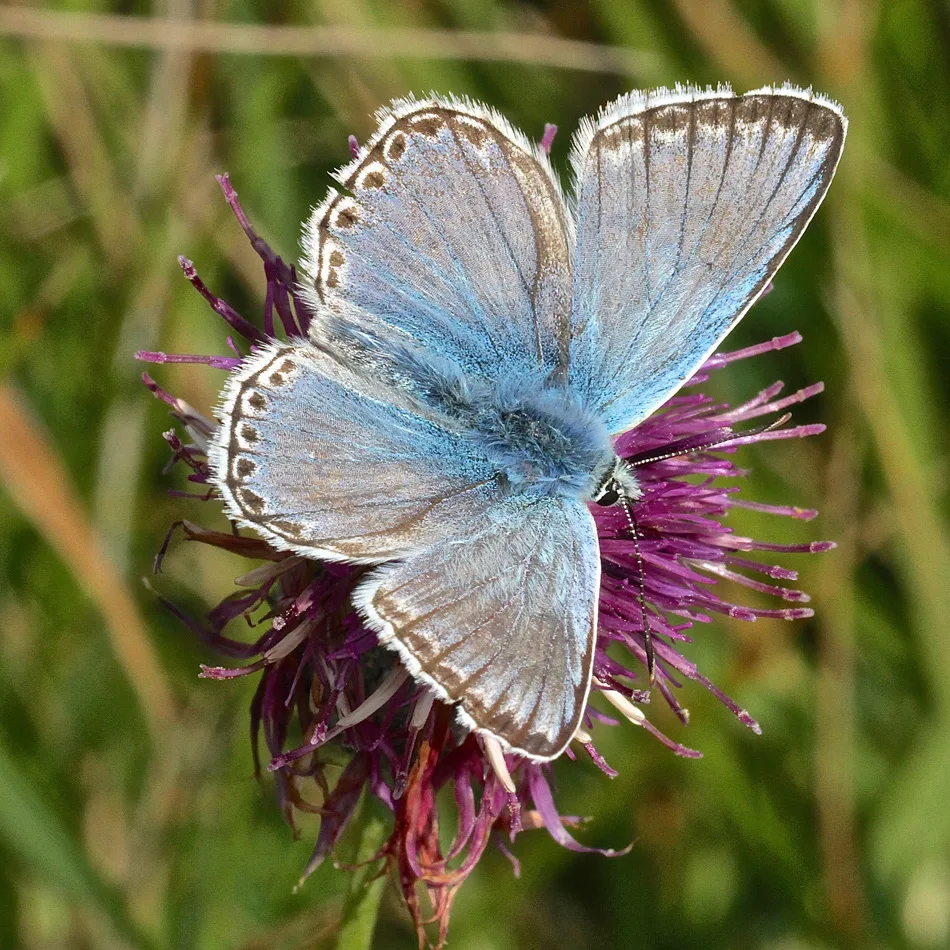
Chalkhill blue
Sadly, the ticking ‘song’ of the common green grasshopper is a less frequent sound, and the loud, summer evening chorus of great green bush-crickets has diminished in recent years. The planting of exotic trees and shrubs in gardens and the wider landscape have allowed many associated insects to colonise the county. The colourful rhododendron leafhopper thrives on its eponymous food plant, while tamarisk now hosts several recently-arrived bugs, including the tamarisk leafhopper and the tiny Tuponia mixticolor. The cypress carpet moth has colonised much of Dorset in the past 30 years, as have several species of moth associated with holm oaks, including the sombre brocade which was first discovered at Durlston in 2008. Rosemary and lavender plants provide a home for another recent colonist, the colourful rosemary beetle, while the harlequin ladybird, which arrived in Britain 2004, is now one of our most common ladybirds.
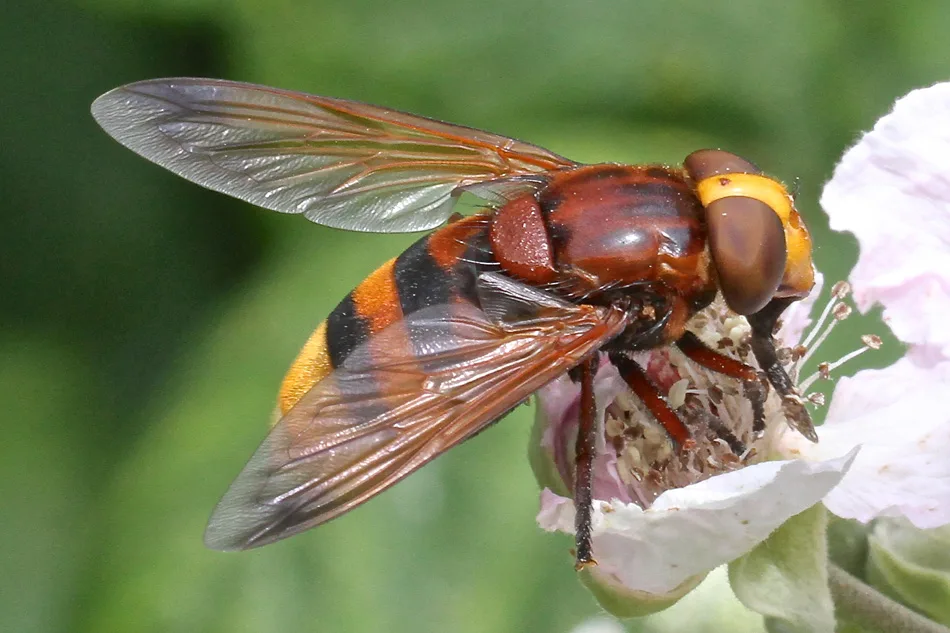
Hornet hoverfly
Wish I’d paid attention Butterfly populations are well studied in Dorset, with monthly transect walks carried out at more than 60 sites across the county. These have highlighted the fluctuating fortunes of many species on a year-to-year basis. In my own corner of Dorset, the long-term decline in the numbers of chalkhill blue and grizzled skipper has been particularly noticeable: on the other hand, counts of Essex skipper, brown argus and ringlet have seen a steady rise.
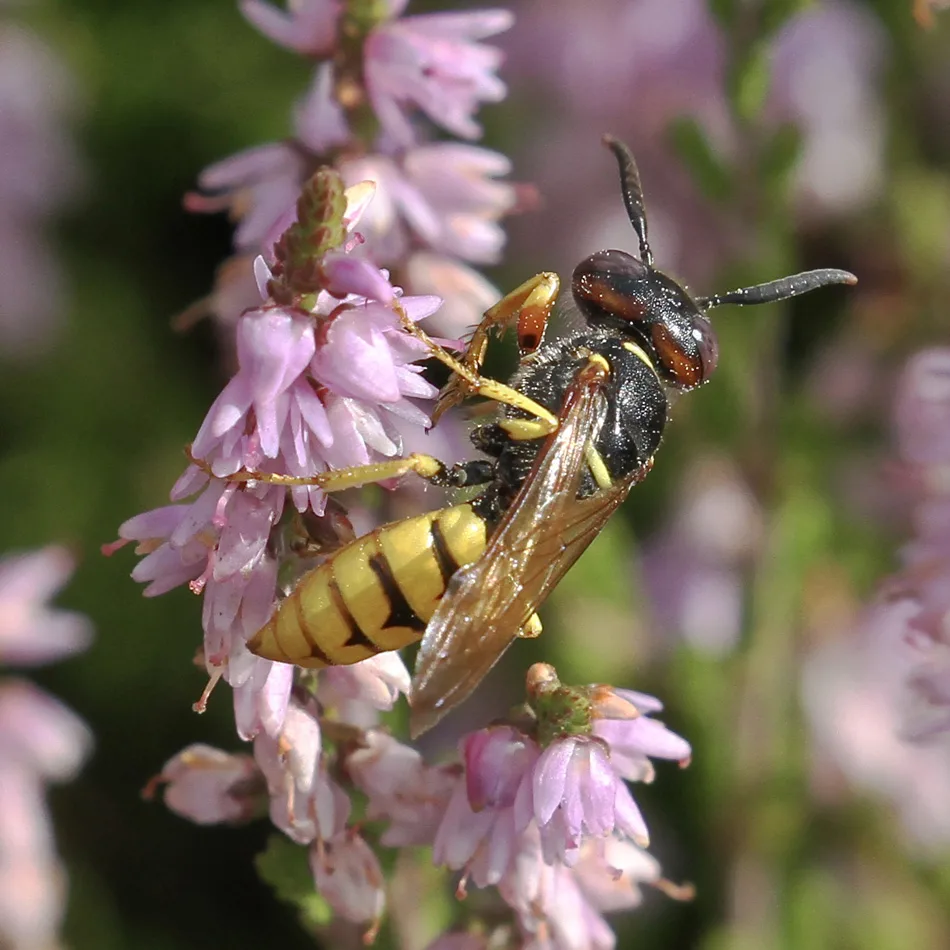
Bee wolf
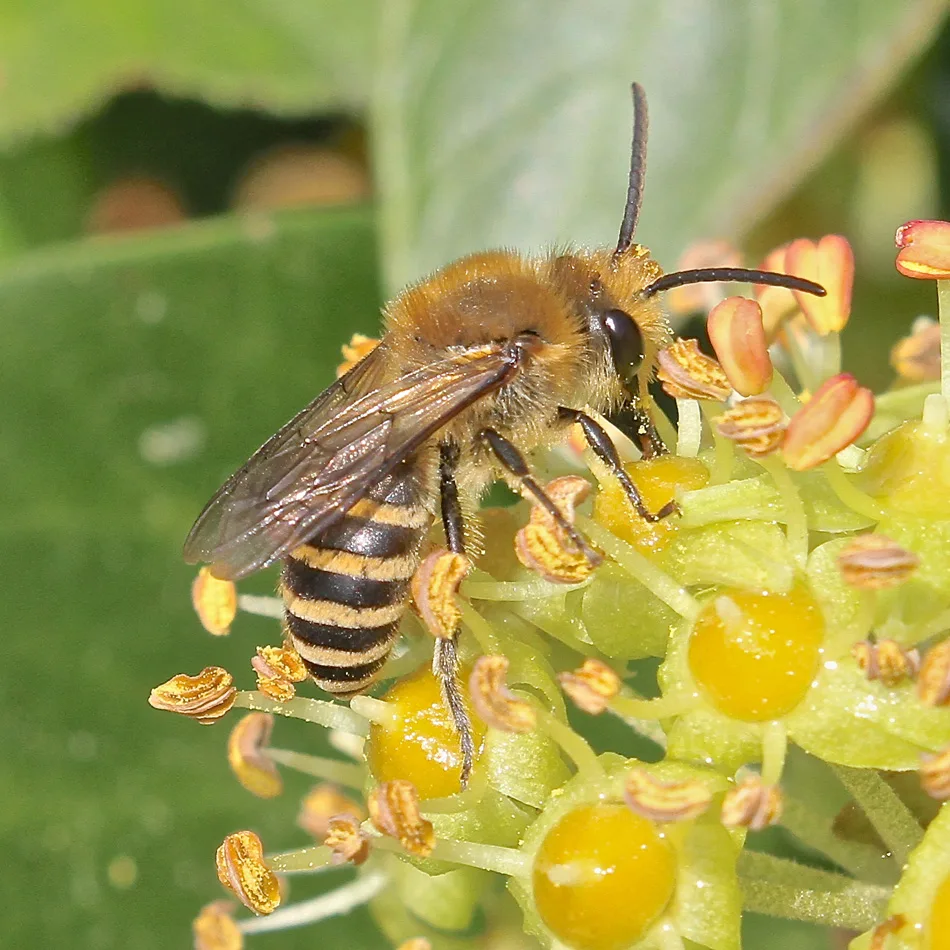
While the populations of many fly species have dwindled alarmingly, a few have bucked the trend. The locust blowfly, once a rare migrant, is now an increasingly common sight, as is the downland villa, an insect I waited nearly 40 years to see in Purbeck. The spectacular hornet hoverfly is one of the few hoverflies to have increased in recent years. Last year, I found the parasitic fly, Cylindromyia brassicaria for the first time at Durlston: there appears to be a thriving population now. Another parasitic fly, Ectophasia crassipennis, which only colonised the UK in 2019, is now well established in Dorset. The tree bumble bee and ivy bee, which were first seen in 2001 are now two of our most common bees. On the debit side, if I had known that the Purbeck nomad bee shown to me by a visiting entomologist in 1982 was possibly the last one ever seen in Britain, I would have paid more attention! The status of many wasps has also changed: the fearsome bee wolf, once considered a great rarity, is now commonly seen, and often far from its heathland strongholds.
Ivy bee
Although conservation in Dorset has seen striking success stories and many new insect species have colonised the county, the overall balance sheet is in the red, with more losses than gains. However, through careful reserve management, new land acquisitions and partnerships with farmers and other land managers, Dorset Wildlife Trust is working to reverse these declines and ensure our unique wildlife can be enjoyed by future generations. – dorsetwildlifetrust.org.uk
From fire engine funding battles to a fierce defence of rural England (by way of a silk loom), April’s podcast is rooted in Dorset but tackling questions that go far wider.
Editor’s Letter: Who do we trust to decide? Laura reflects on a growing unease – not just about what decisions are being made, but how, and whether the data behind them still holds up: “Communities are increasingly angry that decisions are being made about places, rather than with them.”
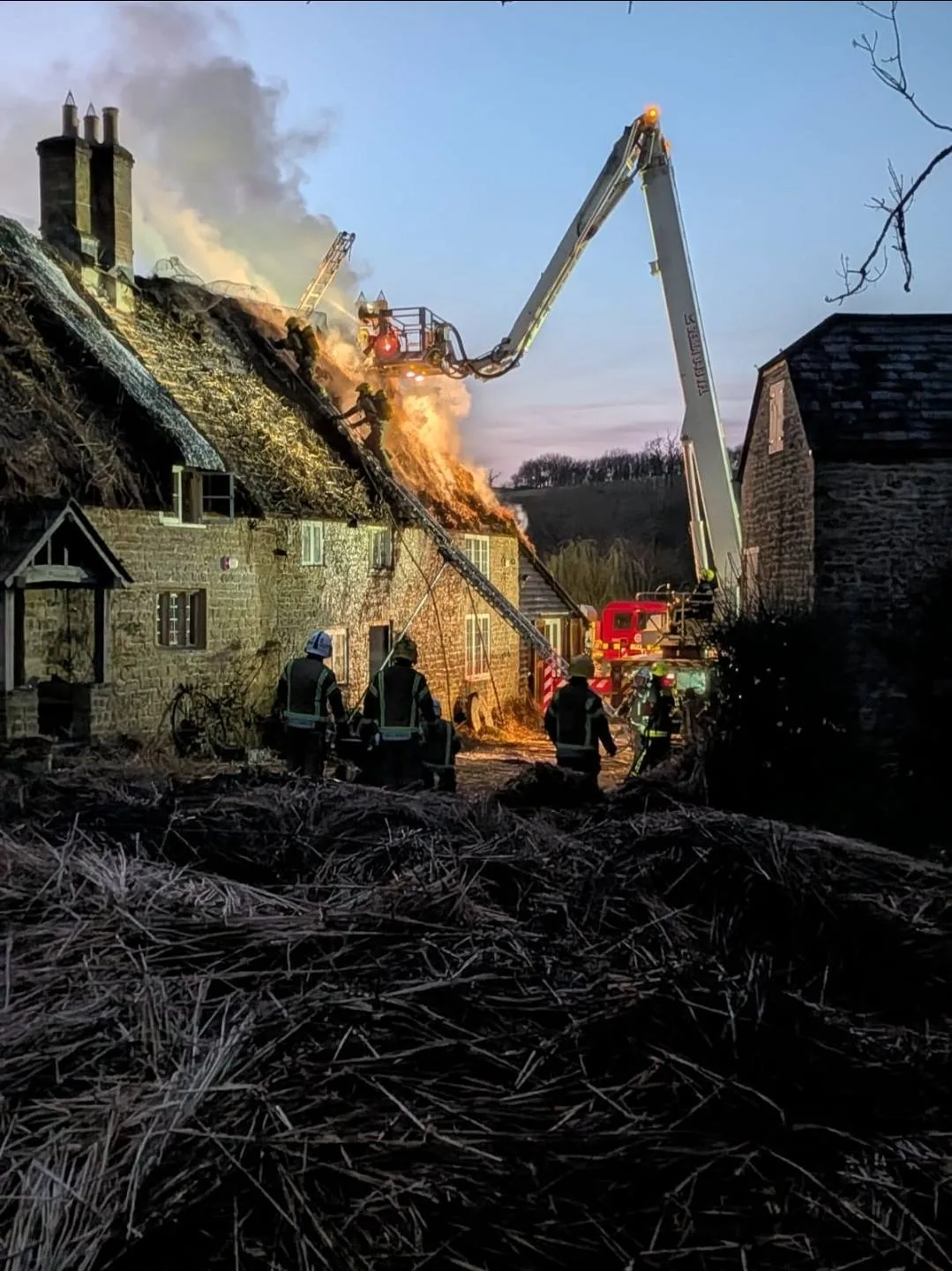
Fire Stations Under Threat: What Happens When Help Is Further Away? With eight fire stations across Dorset and Wiltshire facing closure, Cranborne firefighter Gavin Fauvel questions whether the consultation is truly open – and whether the data tells the full story.
“It’s not the data that’s wrong – it’s what’s been left out.”
From response times to hidden workloads, the interview raises a simple but uncomfortable question: what are we prepared to lose – and on what evidence?
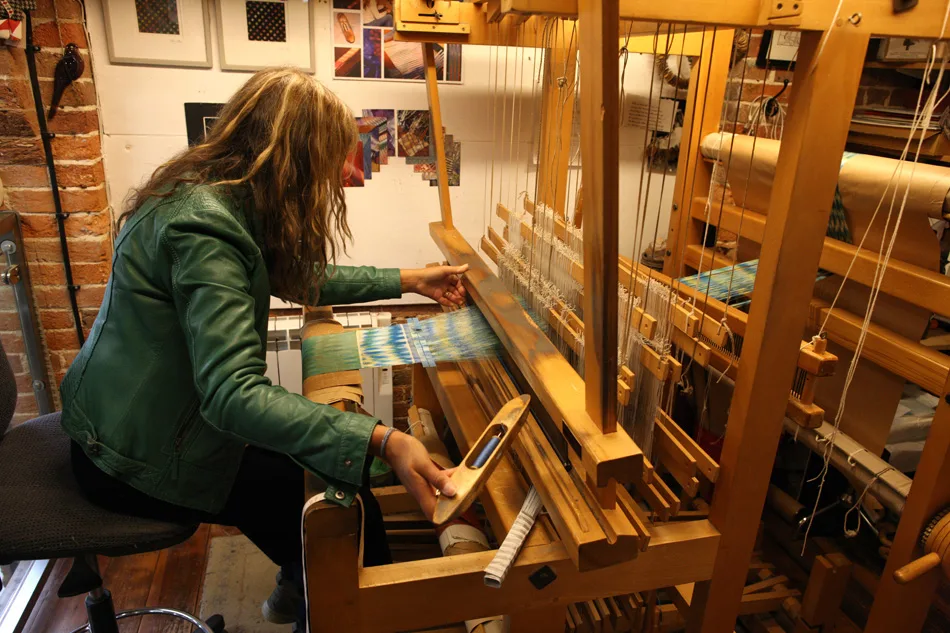
Silk, Patience and a Lifetime of Craft: Debby Kirby In contrast, silk weaver Debby Kirby offers something quieter, but no less compelling – a lifetime spent refining her craft in Dorset.
“I still get a thrill when a run of scarves comes off the loom.”
From dyeing her own silk to weaving paper and metal into her work, Debby’s story is about patience and precision. It’s about the value of doing something properly, over decades.
“Build, Build, Build”: Trevor Bailey on Rural England Under Pressure Rural campaigner Trevor Bailey delivers a blunt and deeply-felt critique of government housing policy, arguing it risks hollowing out the very communities it claims to support.
“We end up with a countryside without any country families left in it at all.”
From greenfield development to vanishing local influence, it’s a forceful argument. The girvernment is focussed on housing numbers – but Trevor says this is at the expense of local identity, democracy and the future of rural life.
This episode is based on stories from April’s BV, available to read freely online. Politics, people and craftsmanship – all seen through a distinctly Dorset lens.
Fanny Charles tells the story of one of the world’s most famous – notorious – pets, who died 100 years ago this year, and was buried in the garden of his owners, Thomas Hardy and his wife Florence.
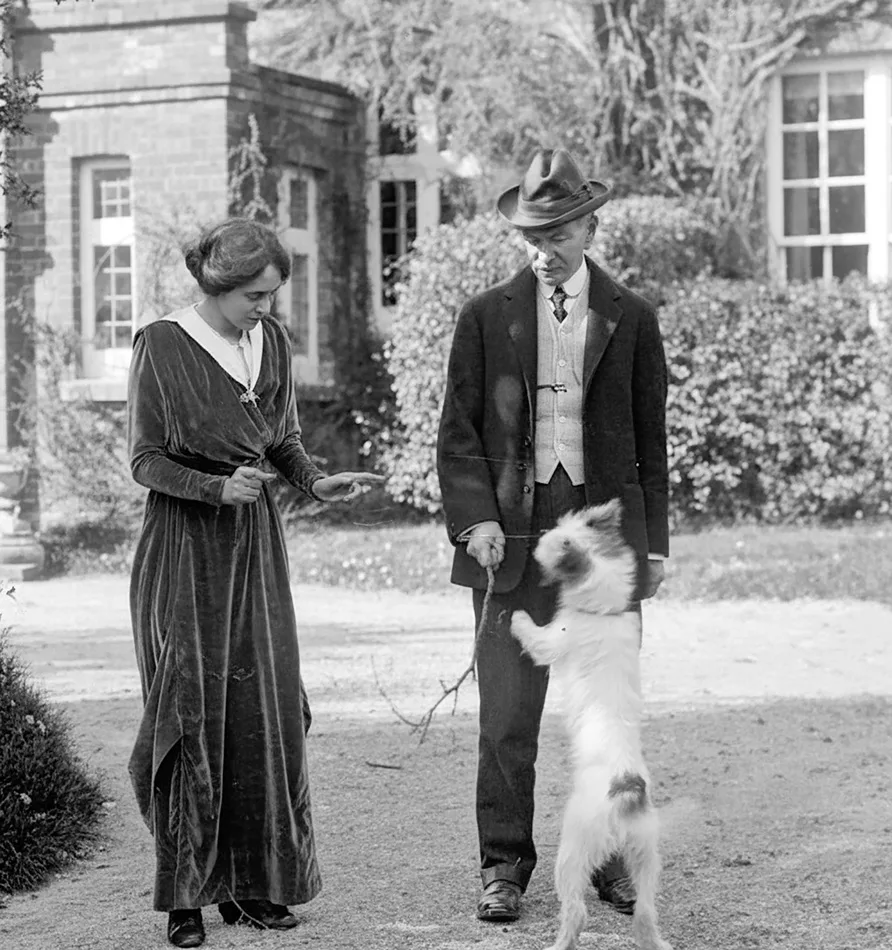
Florence and Thomas Hardy in the garden of Max Gate with Wessex
If you know anything about wire-haired fox terriers, you probably remember one you had on wheels as a child, or perhaps you enjoyed the Tintin stories and liked his dog Snowy. We have a wire-haired fox terrier who has all the appealing character of the breed, bouncy, curious, loyal and eccentric – he is friendly, safe with children, utterly uninterested in sheep and a delightful walking companion. Thomas Hardy had a wire-haired fox terrier who was as different from ours as two dogs of the same breed could be. Wessex, one of the most famous of the so-called “literary pets,” was a very naughty terrier. He had a nasty temper and most visitors suffered – his bite was a good deal worse than his bark. Wessex wasn’t choosy – he would sink his sharp little teeth into the ankles of servants and famous visitors alike. He bit George Bernard Shaw, Rudyard Kipling and John Galsworthy, reportedly taking a chunk out of the Forsyte Saga author’s leg. He was allowed up on the table during meals, and tried to snatch food from the fork of JM Barrie (of Peter Pan fame). And he regularly nipped the postman. The Hardy household servants would close themselves into rooms when they were working to avoid him. The only visitors whose legs escaped unscathed were those of TE Lawrence (Lawrence of Arabia), whom Wessex liked, and Prince Edward, the heir to the throne – because the dog was locked away for the duration of the royal visit.
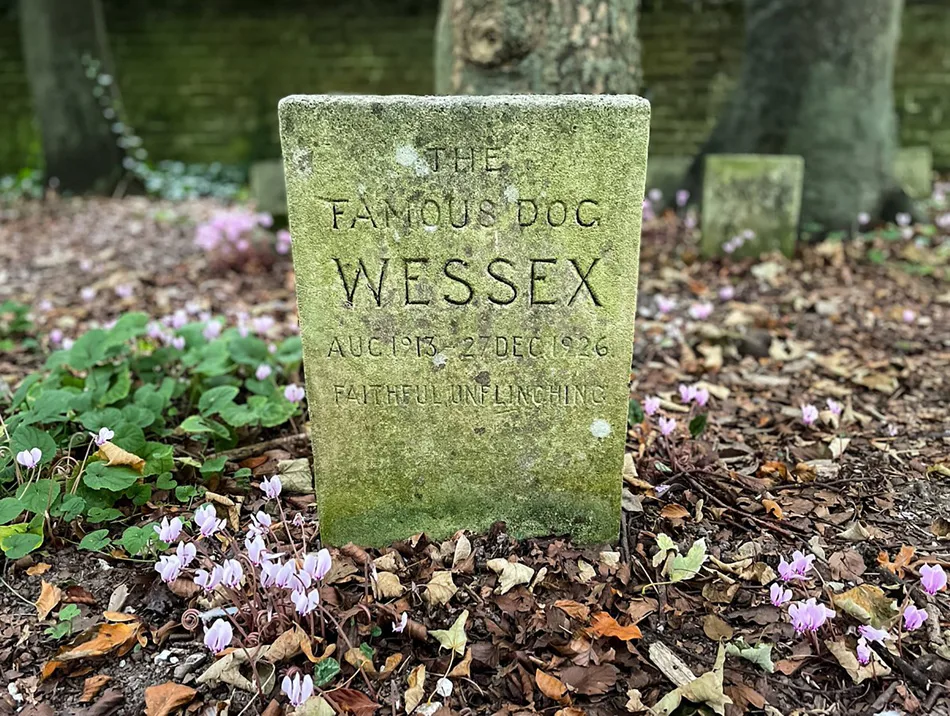
Visitors to Max Gate can still visit the grave of Wessex
Companion to May Florence, Thomas Hardy’s second wife, bought the terrier in 1913, apparently because she wanted a dog for security. Hardy was initially not keen but Wessex, whose pedigree showed he was related to Caesar, King Edward VII’s dog, soon became a cherished – and indulged – pet at Max Gate. He loved the radio, and would wake Hardy up so that it could be turned on for him. Apart from Hardy, Florence and TE Lawrence, there was one other person whom Wessex liked – May O’Rourke, the author’s secretary. In her little memoir, published by the Toucan Press in 1965**, May writes: ‘Wessex was my kind companion, lying on the floor beside me, and those muted conversations by touch and glance, known to all dog-lovers, interrupted the click-clack of my typewriter.’ Wessex became May’s inseparable ally: ‘So it was to my side of the table he would come, stand up and place his paws delicately on the table rim, and indicate with a sparkling glance towards me, and pointing of his nose, which cake I was to choose and pass on to him. This I unfailingly did.’ May did not see Wessex’s widely reported aggression, but she read the dog’s behaviour quite acutely: ‘I know that if he found a visitor tedious or unlikeable, when the time came for them to leave, he would follow close behind them, nudging them onwards gently with his nose, to hasten their going.’ Dogs (and cats) can have a special sense when someone is ill – and perhaps of their own imminent demise: May experienced both with Wessex. On the one occasion at Max Gate that she was not well enough to walk with the Hardys, the dog insisted on staying by her side. And in the winter of 1926, as she prepared to leave after a morning’s typing, he effectively barred the door to stop her going: ‘I assured him that we were not parting, but I would be with him again very shortly. But he knew better. Some days later, Florence Hardy wrote to me that he was dead; he had become very ill and they had decided he must suffer no longer.’ The famous dog Wessex Aug 1913 – 27 Dec 1926 Faithful, unflinching.
Wessex was deeply mourned by Thomas and Florence. He was buried in a corner of the garden and visitors to Max Gate, now owned by the National Trust, can see his grave (above), with its inscription which May O’Rourke echoed ‘with all my heart.’
Doing his damnedest In one of James Stevens Cox’s more entertaining and unusual Hardy monographs, Wessex writes his own little memoir.** Wessex’s reasons for venturing into print were not only to remember his life with Hardy but to restore his own reputation. ‘Though I did get a couple of lines in the Daily Telegraph on my death, that’s not very much for the celebrated terrier of a writer of international fame, seeing that I did my damnedest to keep folk from worrying him too much for all those years,’ he says. He dismisses other dogs that lived at Max Gate. He doesn’t remember their ‘snivelling little names’ and indeed most people think that Wessex – named, as he says, after a whole region of England – was the only dog. ‘Why? Just because I had character and they hadn’t. And character is the thing that a famous writer’s famous dog needs to keep up his tail. Just look what I did for Hardy to enable him to keep his nose on the scent by preventing him being worried by too many people.’ Sometimes he didn’t like their smell, at other times he thought visitors were preventing the Master from working, but whichever it was, Wessex had a simple solution: ‘Whether they belonged to the quality or were just nobodies, I treated them all alike, for really you couldn’t expect me to distinguish between the classes.’ Wessex is loyal, but he doesn’t have many illusions about the great Thomas Hardy, describing some of his poetry as sentimental, and commenting on the psychological problems and repressed complexes at Max Gate ‘the Master’s mind always brooding about the life he would have lived if things hadn’t got muddled up by his early love affairs … The whole set-up reminded me of trails of animals and aniseed crossing the way unexpectedly. Then as he worked back from trail to trail in his mind, he’d start off on a new story or alter direction in an old one. His mind was eternally dwelling on what he and she might have done in the fresh conditions he had invented …’ Wessex ends with memories of an autumn night when he and Hardy went out to the gate, awaiting a possible message, perhaps, muses the dog, from ‘one or more of his people out of a book.’ After a while, Hardy gave up and said: ‘Come Wessex, old man, let’s go in now. It doesn’t seem as if anyone is coming to see us now tonight.’ They go back inside … ‘My mind was set on the little fire by which I hoped to stretch myself and doze … we went inside and shut the door of our house.’ Wessex the dog, clever, instinctive, loyal … the great Charles Schulz, creator of the immortal Snoopy, really had it right: ‘All his life he tried to be a good person. Many times, however, he failed. For after all, he was only human. He wasn’t a dog.’
** The Return of Wessex, by Wessex Redivivus (reborn). Long-standing readers of the original BVM may recall that Potter, our then wire-haired fox terrier, used occasionally to contribute wry reflections on his and our lives, at the start of the Village and Vale section. Indeed, Potter wrote the final piece before I left the magazine, understanding that he could be both poignant and honest. Never underestimate the intelligence and observational powers of your pet.
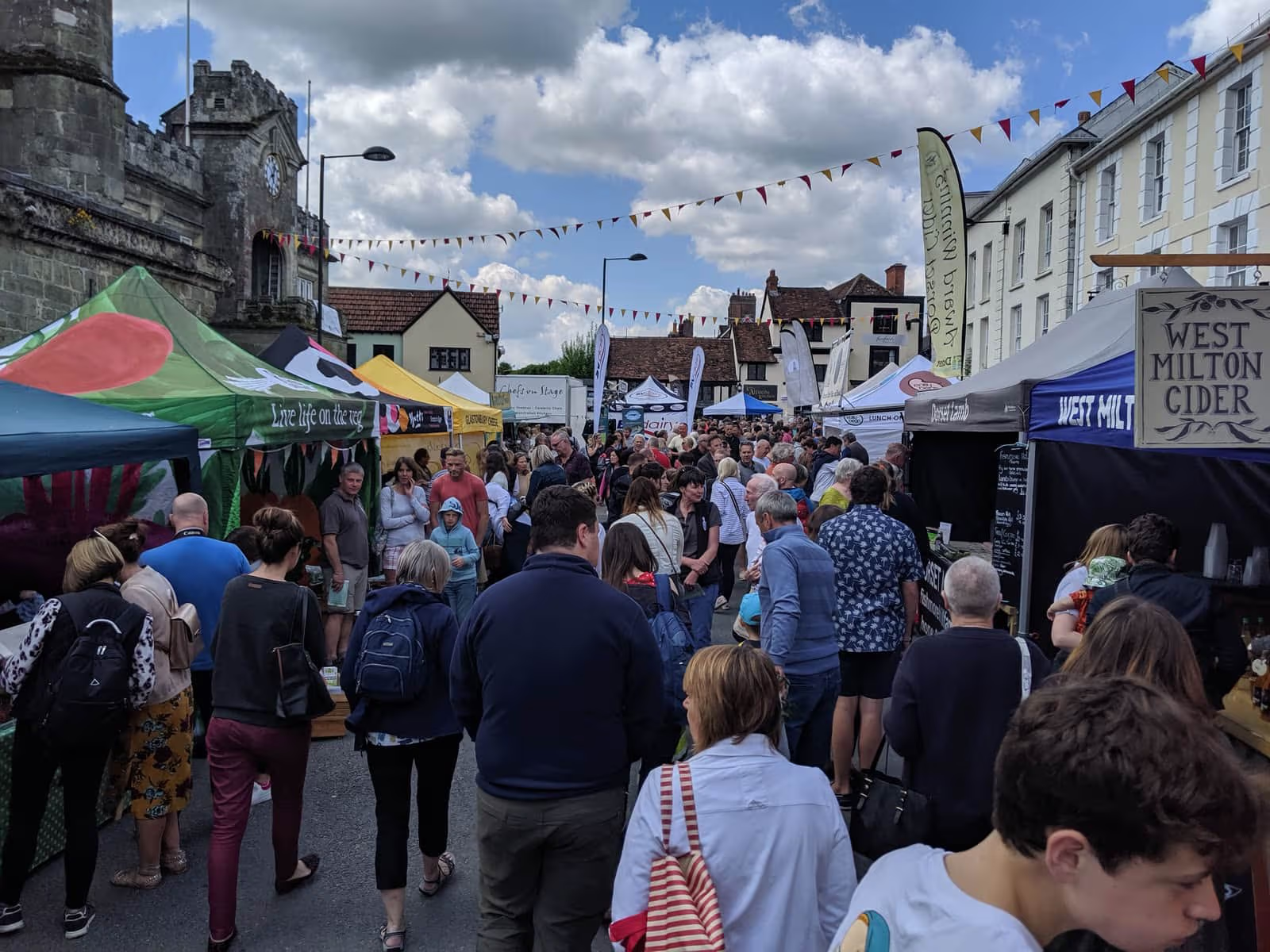
Highlights this year include the annual cheese race – enjoy the spectacle of people racing 23kg cheeses UP Gold Hill – plus MasterChef stars, the street market packed with more than 100 food and drink stalls and a brand new food trail.
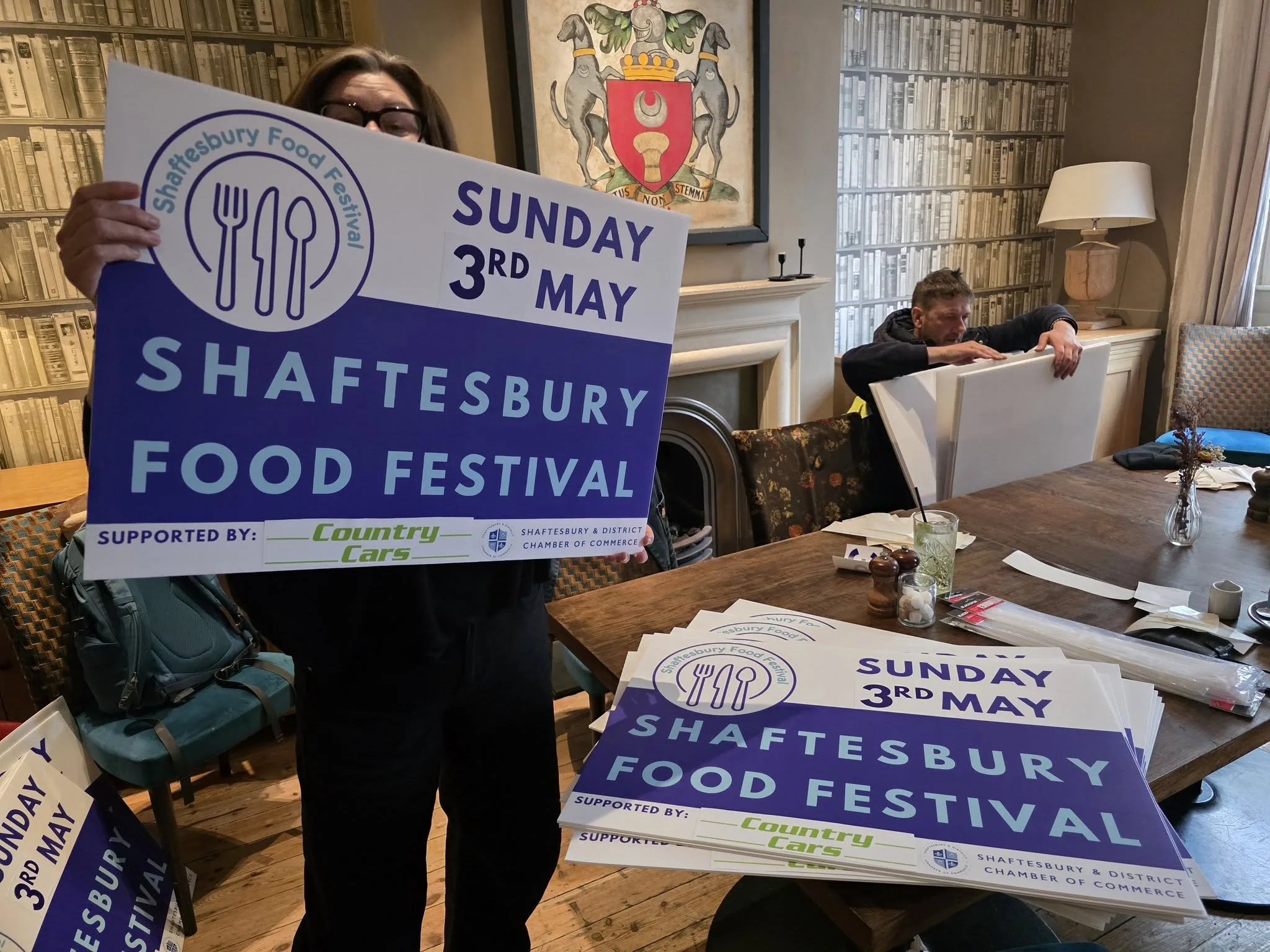
Shaftesbury Food Festival 2026 returns over the May bank holiday weekend (2nd & 3rd) with a new food trail, demonstrations by three MasterChef winners and finalists – and Gold Hill Cheese Race, with contestants carrying 23kg truckles UP the steep cobbled Gold Hill.
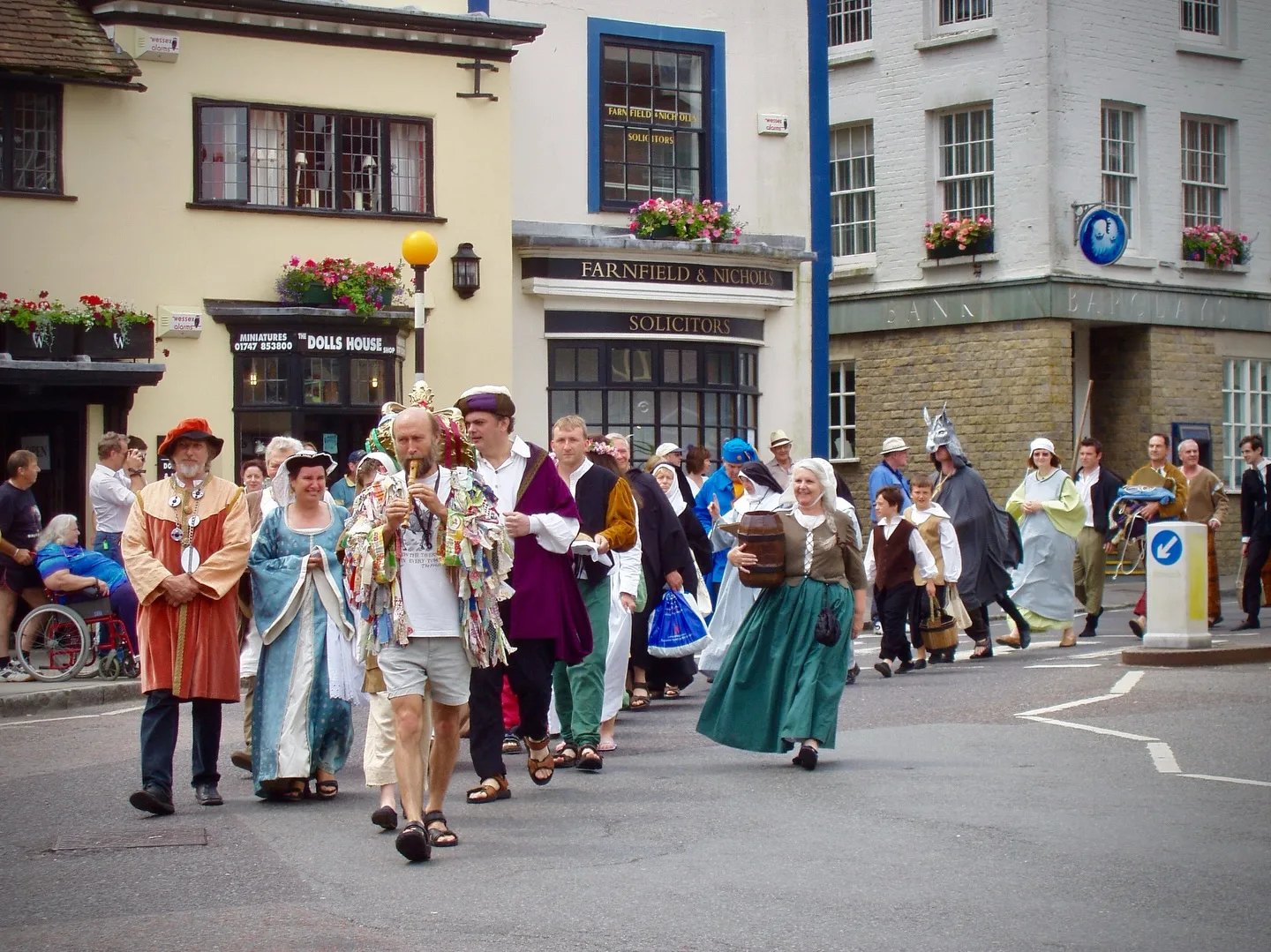
Shaftesbury’s Byzant procession
Add to these highlights the regular festival market, a sold-out quiz and a food-themed exhibition and you have a recipe for a tasty banquet celebrating the great food producers and hospitality scene in North Dorset.
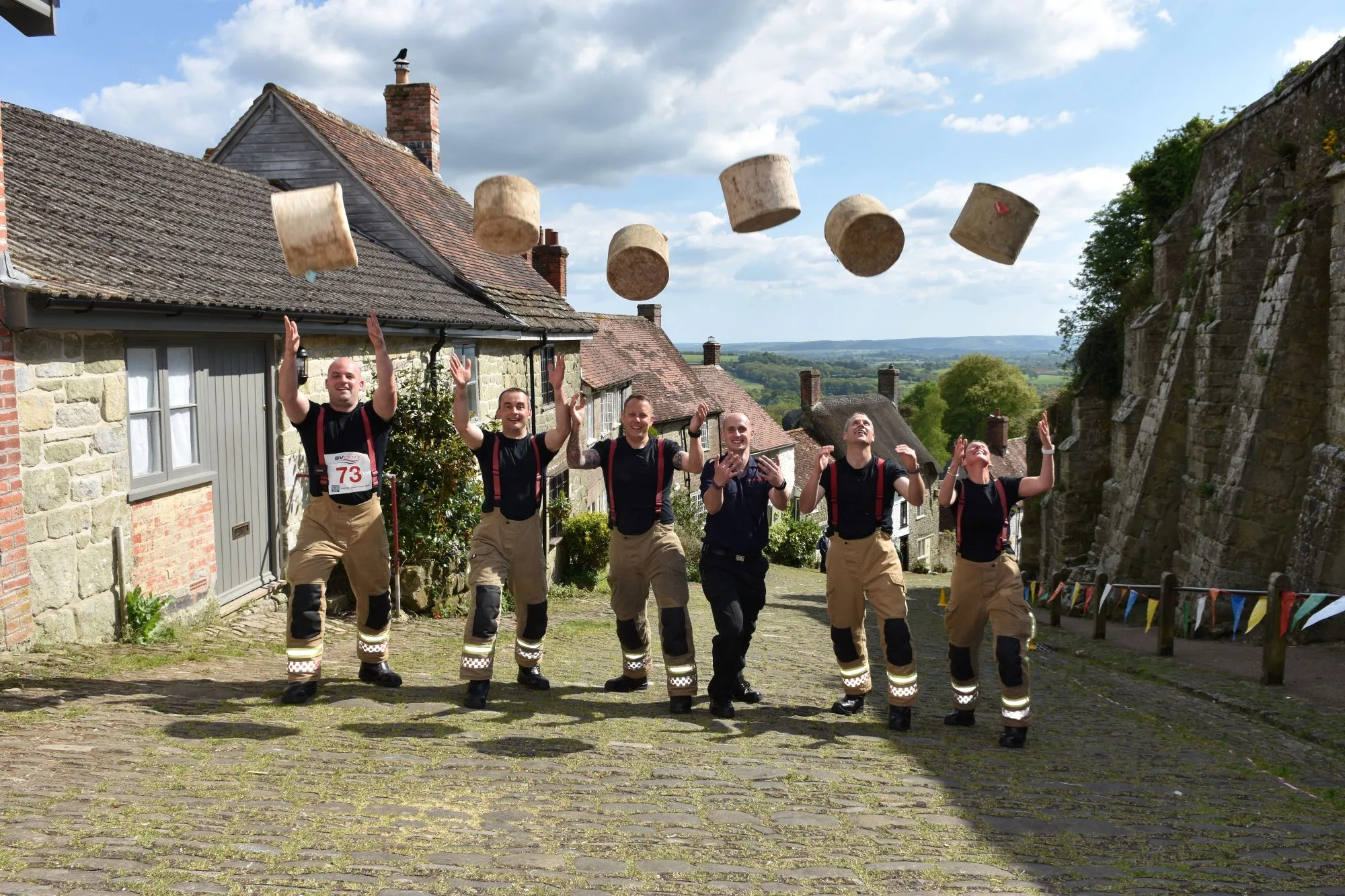
The Cheese Race is the eccentric heart of the event – if the idea of running up that hill isn’t enough, imagine doing it with full weight truckles! This test of strength, stamina and very strong legs is Sunday morning’s big event and not to be missed. Crowds line the cobbled hill to savour every moment of pure theatre that sets the tone for the day.
high-street-festival
One of the new features is the food trail. On Saturday 2nd, the festival looks outside Shaftesbury to some of the finest food businesses who will be opening their doors for the first Shaftesbury Food Festival Food Trail. This self-guided journey offers rare access to producers, farms and makers that shape Dorset’s food identity. Visitors are invited behind the scenes for tastings, conversations and a deeper understanding of the craft behind the region’s most distinctive flavours.
Participating locations include: Sorelle Dorset at Motcombe, Compton McRae at Semley, Madjeston Milk Station & Animal Park, Primrose Organic Produce at Marshall, Gold Hill Organic Farm at Child Okeford, Stoate & Sons’ historic Cann Mills, just south of Shaftesbury on the A350, Sprigs Co at Pythouse Kitchen Garden near Tisbury, Dorset Blue Vinny at Woodbridge Farm, near Stock Gaylard, Olives Et Al at Sturminster Newton, and Breezy Ridge Vineyard, off the A350 near Melbury Beacon.
Shaftesbury Food Festival
The opening night Friday 1st May is an already sold-out Great Food quiz at Sorelle, the farm-based cafe at Motcombe. Hosted by locally-based private chef and regular television food presenter Philippa Davis and Carolyn Hopkins, the cheesemonger famed for her iconic 1969 Citroen HY Truckle Truck van, the evening brings together locals and visitors in a lively, convivial start that sets the tone for the days ahead.
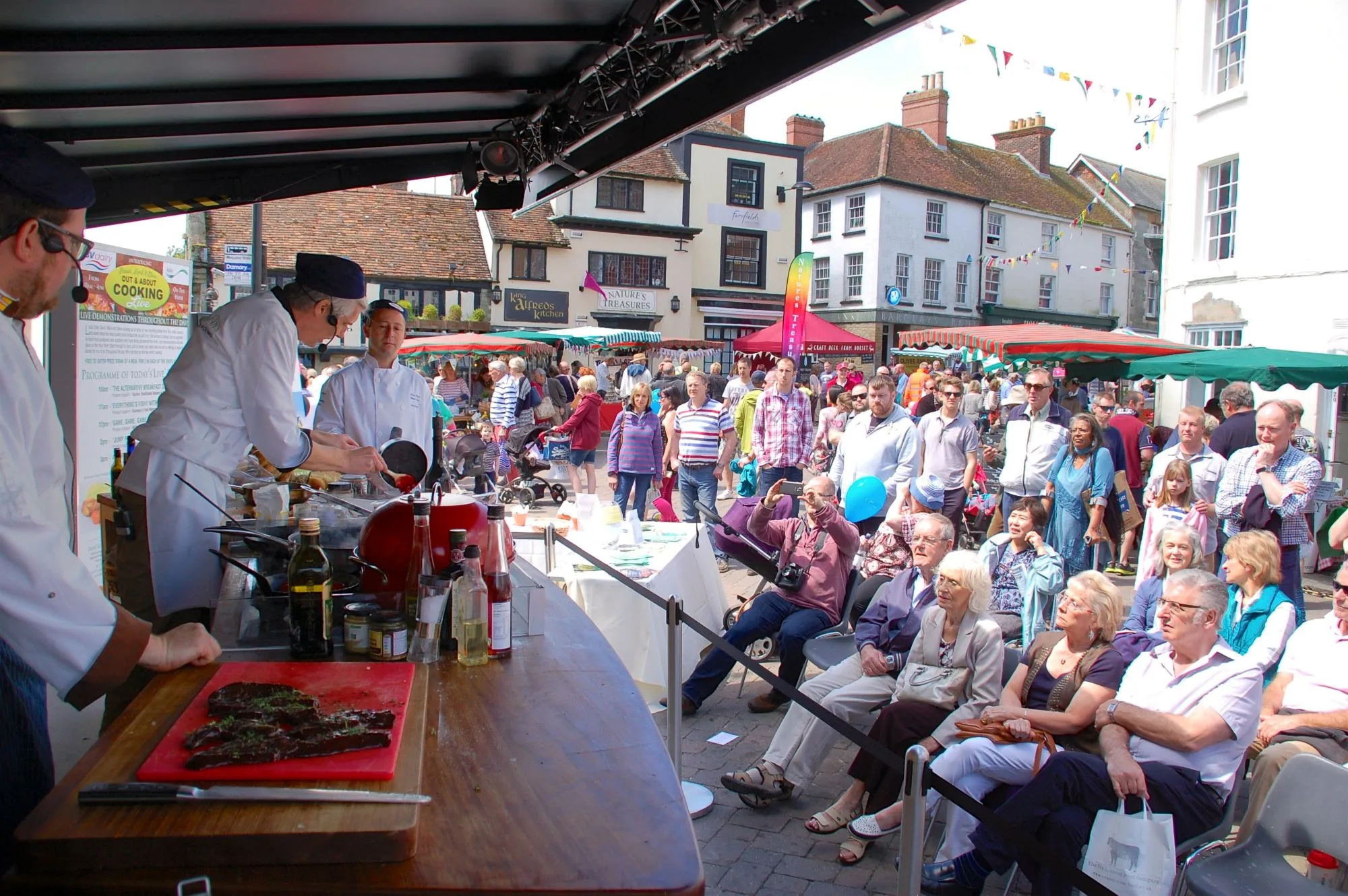
The twin highlights of Sunday’s programme are the MasterChef demonstrations and the street market, where you can sample and buy many of the region’s most delicious products, from charcuterie to ice cream. Coinciding with the return of MasterChef to our screens, with its new presenting team Grace Dent and Anna Haugh, the festival stage will host three former stars of the competition, starting at 11.30am, with the 2014 MasterChef champion Ping Coombes, whose demonstration will combine bold flavours and personal storytelling.
The cheese race – carry a 23kg truckle up Gold Hill
At 1pm, 2014 MasterChef finalist Anurag Aggarwal will be featuring dishes from his Indian heritage – he is the author of the cookbook Indian Made Easy. The third demonstration, at 2.30pm, features Shelina Permalloo, who in 2012 became the first woman of colour to win MasterChef. Now a well-known cookbook author, restaurateur and television chef, she specialises in the food of her native Mauritius.
Brought to life by a volunteer-led team from Shaftesbury & District Chamber of Commerce, with support from Shaftesbury Town Council and The Kitchen Table Dorset bookshop, the festival is rooted in the community, rich in provenance and with an unmistakable sense of place. The street market on Sunday sees more than 100 food and drink producers showcasing artisan Dorset produce alongside international flavours, with an emphasis on quality, provenance and personality.
At 2pm on Sunday, Shaftesbury’s unique ancient tradition, the Byzant, begins at the Town Hall. The Byzant Ceremony, which dates back to 1364, takes its name from the ceremonial mace, which is usually on display in the town museum. Its significance relates to the precarious water supply which Shaftesbury suffered, with its hilltop position. The town had problems with a reliable water supply, until an agreement was reached with neighbouring Enmore Green, down the hill, to use their well water in return for some tribute including silver pennies, bread and ale. Traditionally, wildflower posies called Tussie Mussies are handed out for participants to carry on the walk down the ancient route to Enmore Green.
Shaftesbury Food Festival 2026
The street market runs all day, with live music, busking and entertainment, including the Steps in Time junior dancers, led by Penny-Jane Swift, bringing traditional Maypole dancing, colour and rhythm into the town centre. Shaftesbury Arts Centre hosts A Feast For The Eyes, an exhibition of food-inspired artwork by Maja Barker, Alison Turner, Joanne Rutter, Kate Toms, Becca Perl, Lucy Bentley and Charlotte Lorimer. The Grosvenor Arms is the venue for the children’s art competition, with prizegiving at 3pm.
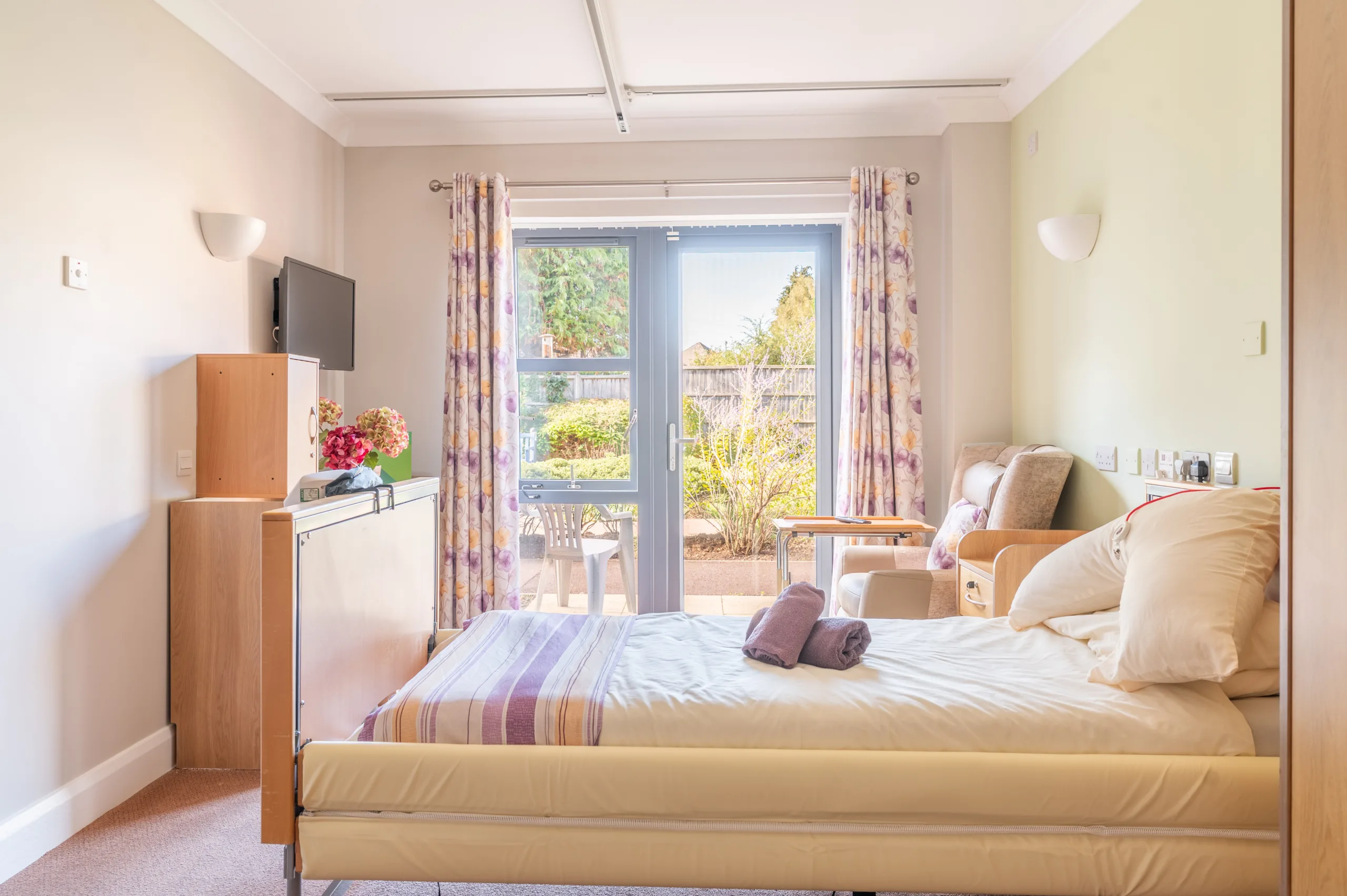
A specialist nursing home in Yeovil has been rated ‘Outstanding’ by the Care Quality Commission (CQC), following its latest inspection.
Cooksons Court provides nursing care, respite stays and longer-term residential support, and is part of the not-for-profit Somerset Care Group. The purpose-built home, which marked its tenth anniversary in 2025, sits close to its sister home Grovelands, which also holds an ‘Outstanding’ rating.
Inspectors highlighted the standard of care and the experience of residents, noting that people were treated ‘with kindness and compassion’ and supported in making their own choices while maintaining dignity. Residents were described as feeling safe, comfortable and fully involved in planning their care, while relatives praised staff for their support during difficult periods.
The report also found the home to be ‘spotless clean and well maintained’, adding: ‘Everyone we spoke with without exception told us the home was lovely and the team were wonderful.’
These findings reflect feedback shared through independent reviews, where families and residents describe a consistently supportive environment. One relative said: ‘Our experience has been excellent, he had a really warm welcome and made to feel at home straight away. Nothing has felt like too much trouble. The room is lovely and having a view is great. All the staff are lovely and offer help when required. I’d highly recommend this nursing home to anyone.’
Another reviewer said: ‘What a fantastic place. Everyone is always welcoming & smiling as soon as you walk through the door. My sister-in-law has been in Cooksons Court for over 3 years. She has always had the utmost care. Nothing is too much trouble. We live 2 hrs away so don’t get to see her very often. The staff always keep us informed for everything that’s going on. Every day there’s different activities for the residents to take part in.’
A respite resident added: ‘Resident for respite care after open heart surgery. Came to Cooksons Court after being discharged from hospital. Booked originally a 2 week stay but have added an extra week. Medical staff, carers etc fantastic. Caring service. No one can do enough for me. Food delicious. Very impressed. Admin staff also so helpful.’
Registered Manager Kristie Chubb said: ‘We are so pleased that Cooksons Court has officially been rated as ‘Outstanding’ by the CQC. Those of us who live or work here already regard Cooksons Court as a very special place, but to have this formally recognised by our care regulator is the icing on the cake.’
To enquire about Cooksons Court, please visit www.somersetcare.co.uk/cooksons or contact Somerset Care’s friendly and knowledgeable care advisors on 0800 8174 925.
The Jurassic Coast contains some of the most idyllic parts of Dorset. It features jaw-dropping scenery, fascinating family-friendly attractions, and dozens of exciting activities along its beaches and charming seaside towns. Here’s what you need to do to get a true taste of this 95-mile stretch of coastline.
The cliffs along the Jurassic Coast are full of fossils, particularly on the beaches between Charmouth and Lyme Regis. You can hunt for them by strolling along the shoreline or joining a guided fossil walk. With a keen eye and a little bit of luck, you might find some Ammonites or Belemnites!
To learn more about the region’s fossil history, visit Charmouth Heritage Centre, Lyme Regis Museum, or the Museum of Jurassic Marine Life. At Lyme Regis, you’ll even get a chance to learn more about the most famous fossil hunter, Mary Anning.
Explore Corfe Castle
Corfe Castle is an impressive historic site that’s worth a little detour inland. It was built by William the Conqueror nearly a thousand years ago, and has served as a fortress, palace, and prison over the years before its destruction. Visit it to learn about its glory days or head up to West Hill for the best views.
The castle stands above the Corfe Castle Village, which is perfect for some afternoon tea with scones, jam, and cream.
For a bit of nostalgia, check out the Corfe Castle railway station. It offers a full-size steam train journey through the idyllic Purbeck countryside to Swanage.
Walk in the Footsteps of Dinosaurs
If you would like to take a walk through history, literally, check out Spyway Dinosaur Footprints near Keates Quarries. There are over 100 fossilised dinosaur tracks made by giant sauropods like Brachiosaurus 140 million years ago.
For some more prehistoric fun, head over to Jurassic Discovery in Seaton. It offers a world-class animatronic dinosaur exhibition, complete with life-size moving dinos that move, blink, roar, and growl.
There, you can explore fossil displays or watch a short documentary on their extinction. If you’re travelling with kids, they can take a Dino Detective Trail Guide to hunt for clues as they learn about these magnificent giants that once roamed the earth.
Marvel at Durdle Door and Lulworth Cove
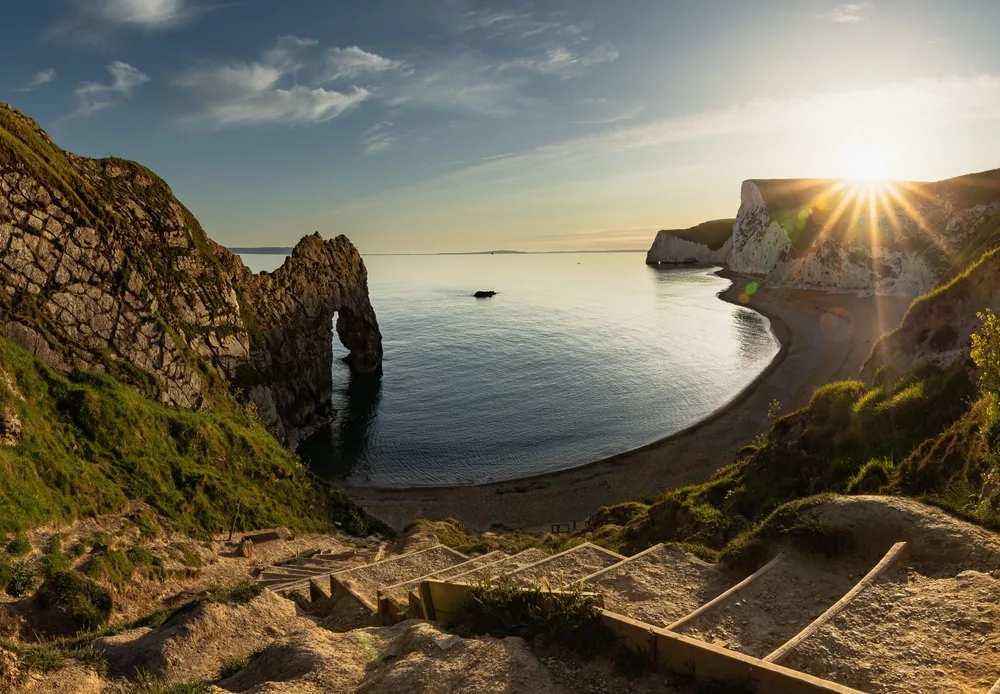
Durdle Door is one of the most iconic landmarks in the county. Its highlight is the breathtaking natural arch, created over thousands of years by waves crashing into the limestone. You can view it from the cliff top or take the steep flight of steps down to the beach to get closer. If the weather is right, it’s a great spot for a dip.
Once you’re done with Durdle Door, take a short walk on the South West Coast Path toward the picturesque Lulworth Cove. It’s about a mile away, so it’ll take around 30 minutes.
There, you’ll get to explore the Lulworth Crumple, Stair Hole, and the Fossil Forest. You can also swim on the pebble beach or pop into the Visitor Centre to learn more about the bay. Take some time to enjoy a snack, pint, or ice cream along Main Street with some beautiful views of the cove. It’s the perfect place to unwind with a quiet break, reading or enjoying casino games online.
Explore the Coast by Sea
Experience the beauty of the coast from the water through a guided kayak tour. It lets you get up close to the striking white cliffs, iconic Old Harry Rocks, secluded coastal bays, and hidden coves that can’t be reached from land. If you would like to explore at your own pace, you can rent a kayak and embark on a solo adventure.
How to Get Around the Jurassic Coast
The best way to explore the Jurassic Coast is by car. If you don’t have one, you can use the affordable Jurassic Coaster bus service, but some routes are only available in the summer and spring.