The North Dorset Cycle Ride will take place on Sunday 19th May this year. There will be a 25-mile ride, as well as a 50-mile ride. And back by popular dcemand, the Family Ride introduced in 2023 will also feature again. Both the 25 and 50-mile rides will ‘enjoy’ the iconic Gold Hill finish. Races will start from 8.30am on Park Walk. Riders must wear a cycle helmet, and are encourages to ride at a leisurely pace – enjoy the countryside and remember that this is not a race! Full details of the ride and how to enter can be found on Shaftesbury Rotary Club’s website or on social media. All those completing a ride will receive a medal. All profits this year will be donated to the HOPE Charity. Shaftesbury Rotary Club extend their thanks to BV Dairy for sponsoring the event for the third year running.
A new Easter Fun Run And if wheels are not for you, how about trying the two-legs version, and enter for the Easter Fun Run instead? Happening on Sunday 7th April there are both 5km and 10km routes – and yes, both also have a Gold Hill finish! All profits from the Fun Run to the Stars Appeal.
If you want to know more about the ride or the run, or would like to get involved with Rotary, please contact: [email protected]
A revised housing plan faces backlash as locals challenge Hallam Land Management’s 135-home proposal, says North Dorset CPRE
Illustrative Masterplan of the proposed development of 135 homes in Blandford St Mary
Hallam Land Management – a land promoter* not builder – has applied for planning permission for 135 homes in Blandford St Mary, just south of Blandford. It is a revised version of an earlier application to build 150 homes which had attracted considerable criticism from Dorset Council’s planning team, Blandford Town Council, Blandford St Mary Parish Council (BSMPC) and other consultees. Hallam Land Management is hoping this revised one will gain more traction, but it has already met opposition from BSMPC, Blandford Town Council and North Dorset CPRE. The proposed scheme offers little or no benefit to Blandford St Mary. Instead it swamps the hamlet of Lower Blandford St Mary and its listed church and houses. The ancient Ward’s Drove, an important east-west livestock route, would be compromised.
View from Ward’s Drove across the development site
No need for more North Dorset is in the fortunate position that its five-year housing land supply has been exceeded, so planning decisions should follow the development plans. Previously, the balance was tilted in favour of sustainable development. The housing target for Blandford Forum and St Mary in the North Dorset Local Plan is ‘at least 1,200 homes’, and the September 2023 Housing Land Supply report showed that 1,225 homes will be delivered by 2031. There is no need for more housing, particularly since the recent approval of a further 490 homes in north Blandford and Pimperne, and certainly not for this speculative development on a site that is not allocated in either the North Dorset Local Plan or the Blandford+ Neighbourhood Plan. The proposed site itself is unsustainable, with most shops and services well over a mile away. Residents will therefore be dependent on their cars, which weighs heavily against the scheme at a time of climate emergency. It will also result in ribbon development, threatening the green corridor separating Blandford St Mary from Charlton Marshall, and the separate identity of both villages. Locals are aware that Blandford’s infrastructure is already under serious strain – in particular the schools and the medical practice. Traffic conditions are already poor. The recent approval of 490 homes in north Blandford will exacerbate the situation and this scheme would make it even worse. Road access onto the site will be difficult, if not dangerous. The land promoter has reduced the number of homes to reduce density, allowing more tree planting and open spaces, but the development is still likely to cause harm to the adjacent Cranborne Chase National Landscape and the setting of the historic heart of Blandford St Mary. Furthermore, good arable land, which should be producing food at a time of concern over the UK’s food security, will be lost. It should also retain its role as a carbon sink. CPRE strongly believes this development should be refused. No-one knows which builder might acquire the site from Hallam and there is no assurance of build quality. Cllr Malcom Albery, chairman of BSMPC, says: ‘Blandford St Mary parish and its environment are being destroyed by unnecessary development. The only beneficiaries of this scheme would be the landowner and the land promoter, Hallam Land Management.’ Local residents are encouraged to comment on the Planning Portal up to the 16th January at planning.dorsetcouncil.gov.uk/ – the specific planning application is P/OUT/2023/07266.
*The website of LPFD (the Land Planning and Developers Federation) defines land promoting as ‘providing “oven-ready” sites with planning permission that can easily be acquired and built out quickly by national, regional and SME house-builders.’
Lately, there has been increasing encouragement from the government for people to make more use of their pharmacist for treating minor ailments, rather than booking an appointment with their GP. However, it can sometimes be confusing to know what kind of treatments and advice your pharmacist can offer. To help learn more about this topic, we’ve put together the following article listing some common health problems your pharmacist can help you with.
Immediate Access to Professional Advice
Before you consider booking your next doctor’s appointment for a minor health concern, consider speaking with your pharmacist. Pharmacists are highly trained healthcare professionals who can offer expert advice on a wide range of non-emergency conditions. From allergies and colds to minor injuries and skin conditions, they can provide you with immediate guidance, recommend over-the-counter medications, and even advise when it’s essential to see a doctor.
Managing Everyday Ailments
Common ailments such as headaches, minor burns, insect bites, and cold symptoms can often be effectively managed with the help of your pharmacist. They can recommend the most appropriate over-the-counter medications, provide dosing instructions, and offer practical tips on symptom relief. This direct access to professional advice can often eliminate the need for a doctor’s visit, allowing you to manage your symptoms conveniently and confidently.
Treating Mild Skin Conditions
For those dealing with skin conditions such as mild eczema or psoriasis, your pharmacist can be a valuable resource. They can recommend emollients and over-the-counter topical treatments that moisturise the skin, reduce inflammation, and alleviate itching. Additionally, they can provide advice on skincare routines such as the option of using a hydrocortisone cream that minimises irritation and helps prevent future flare-ups. While severe cases may require a doctor’s attention, many people find effective relief through treatments suggested by their pharmacist, making it a convenient first step in managing many common skin conditions.
Support for Chronic Conditions
For those managing chronic conditions like diabetes, high blood pressure, or asthma, pharmacists play a crucial role in ongoing care. They can help monitor your condition, offer advice on medication management, and provide guidance on lifestyle changes that can support your health. This support can complement your doctor’s care plan, offering a holistic approach to managing your condition.
Navigating Digestive Discomfort
Digestive issues such as heartburn, indigestion, and constipation are common complaints that your pharmacist can help address. They can recommend over-the-counter remedies that provide relief, suggest dietary adjustments, and guide when further medical evaluation may be necessary. This immediate access to advice can help you manage uncomfortable symptoms more quickly and effectively.
Seasonal Allergies and Relief
Seasonal allergies such as hay fever can be particularly troublesome, but your pharmacist can help you navigate the myriad of antihistamines, nasal sprays, and eye drops available. They can suggest the best options based on your symptoms and previous experiences with allergies, helping you enjoy the changing seasons with minimal discomfort.
Conclusion
While your pharmacist is a fantastic resource for managing minor health issues and offering advice on everyday ailments, it’s essential to remember that they are not a substitute for a doctor when it comes to serious health concerns. However, for many minor conditions and ongoing support for chronic issues, your pharmacist can provide valuable advice and treatment options. This approach can save you time and ensure you’re effectively managing your health with the right guidance. So, next time you’re considering a doctor’s appointment for a non-urgent issue, remember that your pharmacist might have the answers you need right at your fingertips.
Dorset Mind Ambassador Lucy Lewis ignores the pressure of a ‘new year, new you’ approach, and reminds us to treat ourselves the way we treat others
Around this time of year, many of us find ourselves caught in society’s whirlwind of resolutions and fresh starts. The pressure to set ambitious goals and embark on transformative journeys can feel overwhelming, often leading to self-doubt and anxiety. However, it’s crucial to recognise that the pursuit of self-improvement doesn’t have to be a source of stress! Embracing self-compassion and setting realistic goals can simply pave the way for a healthier and more fulfilling journey towards personal growth.
The pitfalls of unrealistic expectations The allure of a fresh, clean new year often brings with it hopes of instant and profound change. Societal messaging can sometimes portray the new year as a ‘reset button’ for our lives. But this mindset can set us up for disappointment and self-criticism when we don’t achieve those big goals. Instead of succumbing to the pressure of immediate transformation, it is better to focus on gradual progress. Change is a process – small, consistent steps will lead to significant improvements over time. Celebrate the small victories and acknowledge that setbacks are a natural part of the journey. It is good to want to work on yourself, but it’s equally important to establish objectives that are achievable. One way to do this is by adopting the SMART criteria for goal-setting – Specific, Measurable, Achievable, Relevant and Time-bound. Break down larger objectives into smaller, more manageable tasks, allowing for a sense of accomplishment at each milestone. This not only keeps you motivated but also prevents the overwhelming burden of an enormous goal.
The importance of kindness In the pursuit of self-improvement, it’s easy to overlook the significance of being kind – to yourself. Sometimes we feel that if we are harsh on ourselves for falling short, we are less likely to make mistakes again. However, all we’re doing is making the journey of self-improvement stressful – and making us more likely to quit. Mistakes and setbacks are a non-negotiable part of progress and should not be punished. Instead of saying, “I failed,” reframe it as, “I experienced a setback, and that’s okay. What can I learn from this?” Treat yourself with the same kindness and understanding you would offer a friend facing a similar challenge.
Seeking support Surrounding yourself with a supportive community can significantly help your personal growth. Share your goals with trusted friends or family members who can offer encouragement and understanding. It can also be helpful to connect with others who share similar goals. Having a support system can provide valuable insights, motivation and a sense of accountability. Support systems are not just motivating – they can also allow you to see the contrast between how you speak to yourself and your peers following setbacks. Remember, you deserve the same kindness and understanding that you would give to someone else. Dorset Mind wishes you a very happy 2024!
Support for you: Visit dorsetmind.uk for local mental health support and ways to keep mentally healthy Call Samaritans on 116 123 for free 24/7 emotional support Call Dorset’s mental health helpline Connection for support on NHS 111 Call 999 if someone is in immediate danger
The new year, 2024, starts with Dorset exhibitions of two of the towering figures of 20th century art – both women. There is a major Elisabeth Frink retrospective at Dorset Museum and a collection of photogravures by the pioneering painter and leading American Modernist, Georgia O’Keeffe, at Poole’s Lighthouse arts centre gallery. Fanny Charles
Elisabeth Frink in Dorset
A major new exhibition at Dorset Museum explores the life and work of the world-famous sculptor who lived on Bulbarrow for nearly 20 years
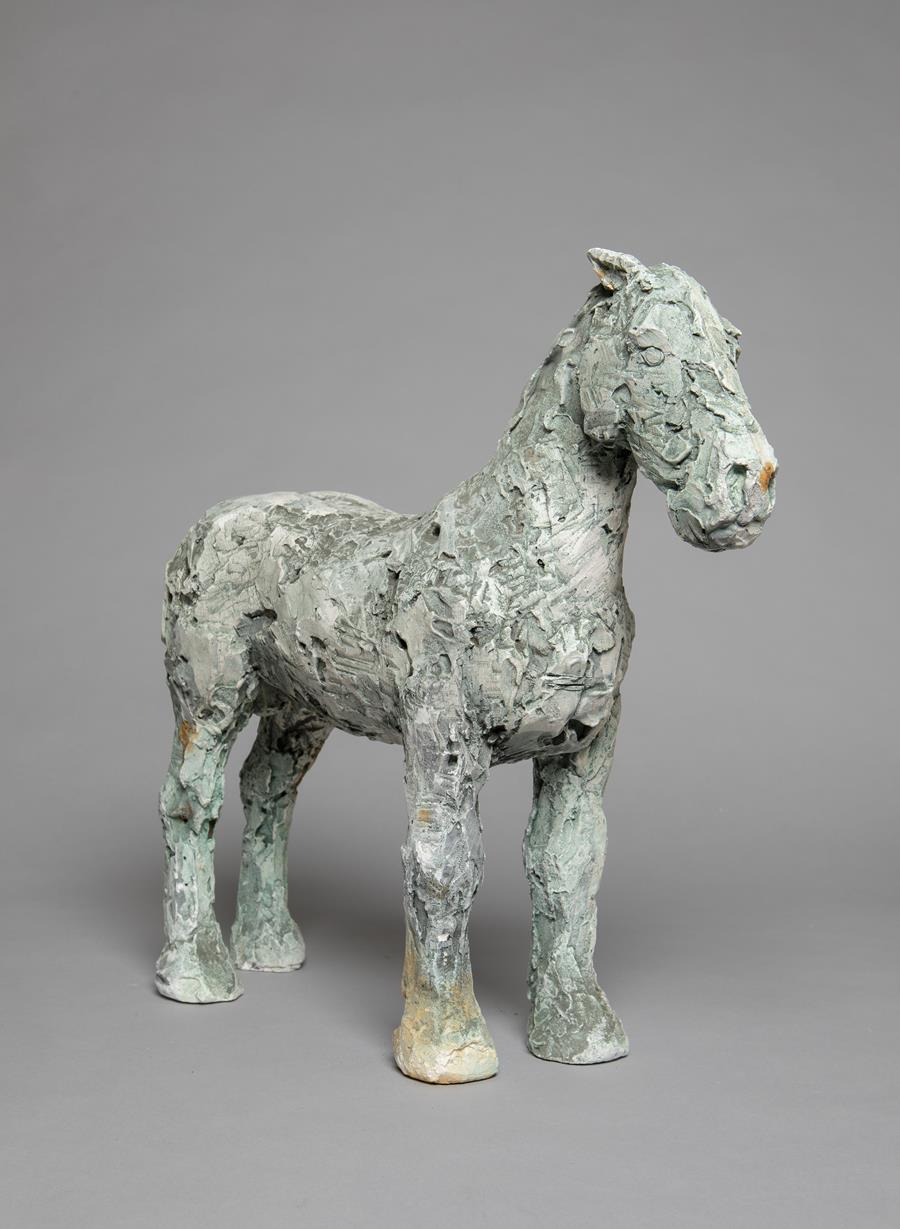
Standing Horse by Elisabeth Frink; Dorset Museum collection, 1993. Artist copyright approved by Tully and Bree Jammet
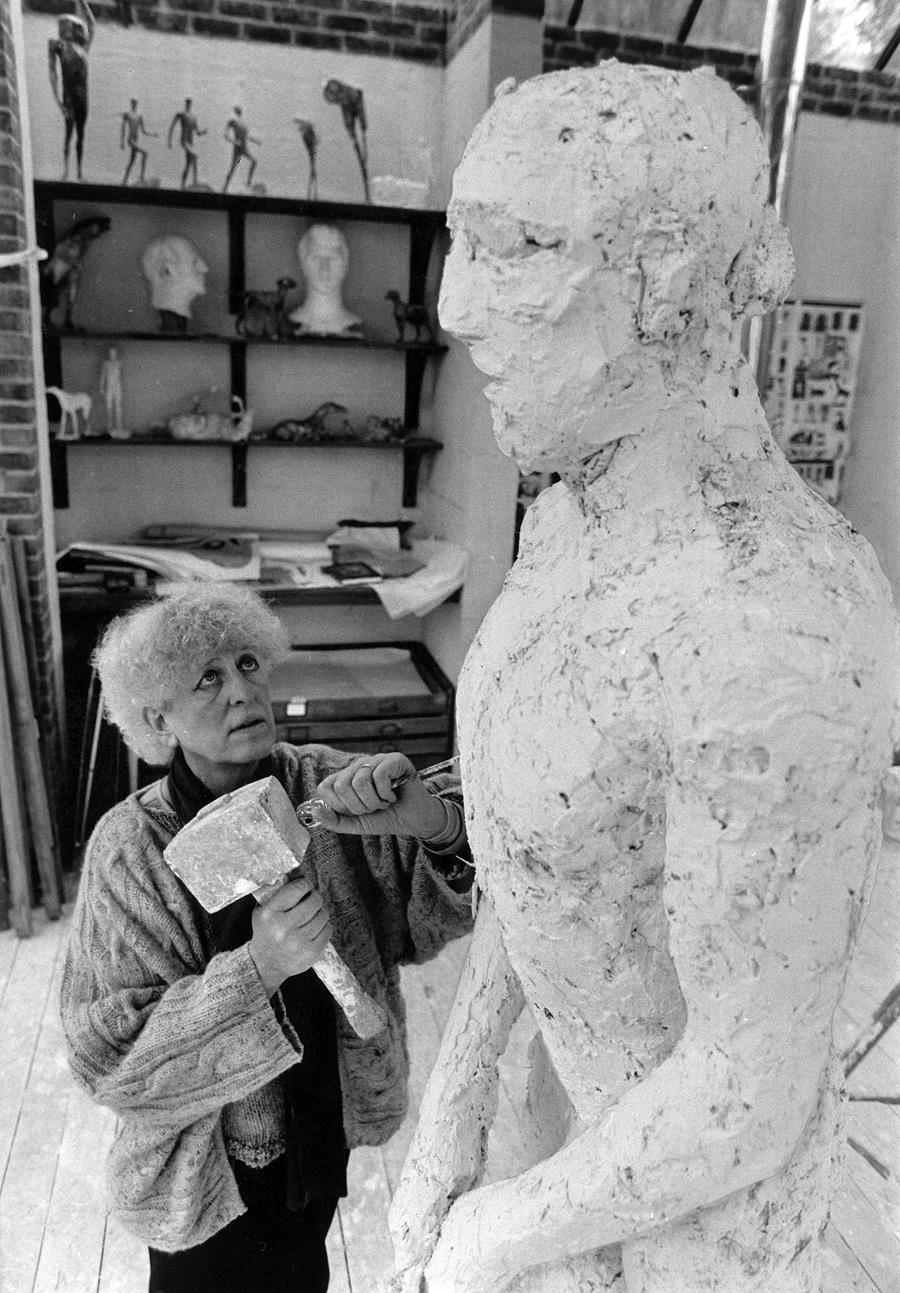
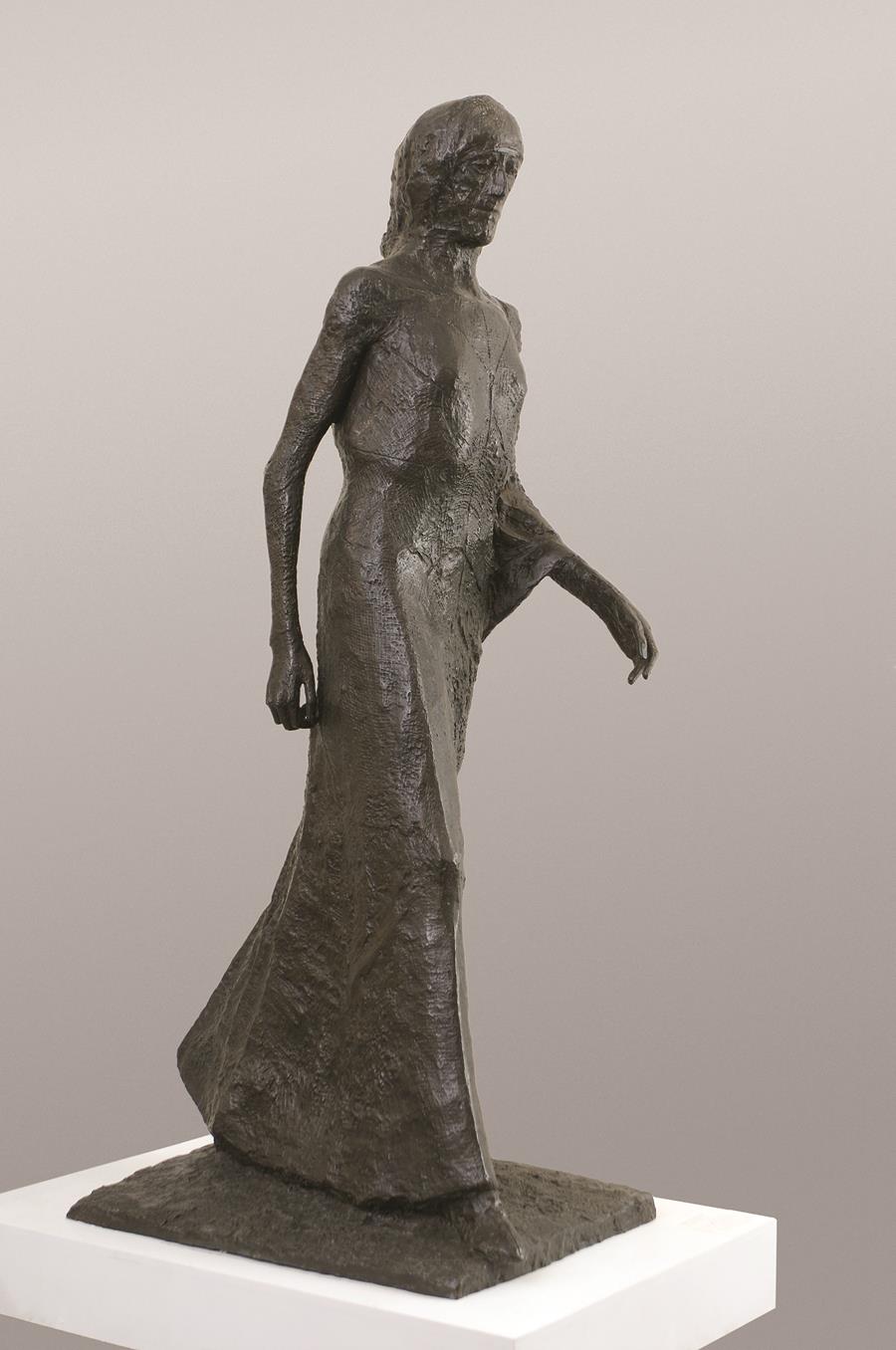
One of the greatest sculptors of the 20th century, Dame Elisabeth Frink, lived at Woolland House on Bulbarrow in the heart of Dorset, from 1976 until she died of cancer in 1993 at the age of 62. To mark the 30th anniversary of her death, there is a major retrospective at the Dorset Museum. Elisabeth Frink: A View from Within is the first exhibition to focus on the significant body of work she produced at her Woolland studio. It explores her artistic process, personal life, the profound influences that shaped her work, our relationship with the natural world and her enduring legacy. Like many of her generation, whatever their subsequent career or life path, Frink was profoundly affected by the Second World War. She was part of a post-war school of sculpture known as the Geometry of Fear and much of her work was concerned with the exercise of power. She also had a strong interest in the human form and animals, particularly birds, dogs and horses. In its obituary, The Times defined her work as having three themes: “the nature of Man; the ‘horseness’ of horses and the divine in human form.” Elisabeth Frink was born in November 1930 at her paternal grandparents’ home, The Grange, in Great Thurlow, Suffolk. Her parents were Captain Ralph Cuyler Frink, a career officer in the 4th/7th Dragoon Guards, and Jean Elisabeth Conway-Gordon. With her mother, Elisabeth and her brother Tim were evacuated to Exmouth. Her father was one of the cavalry regiment evacuated from Dunkirk in the early summer of 1940. The war inevitably provided context for some of her early works. Growing up near a military airfield in Suffolk, she heard bombers returning from their missions and on one occasion was forced to hide under a hedge to avoid the machine gun attack of a German fighter plane. Some of her early drawings, before she went to art school in London, include wounded birds and falling men. She trained at Guildford School of Art and at Chelsea School of Art. She lived in France from 1967 to 1970 and moved to Dorset with her third husband, Alexander Csaky, in 1976.
What it means to be human The Dorset Museum exhibition, which runs until 21st April, presents works from the collection that the museum acquired from the Elisabeth Frink Estate in 2020, featuring around 80 sculptures, prints, drawings and personal possessions. Many of these items, including working plasters that formed the basis of Frink’s bronze sculptures, are on public show for the first time. The works are arranged in eight themed sections, each offering a perspective on her life and art. The display, which features a partial re-creation of her studio, explores her creative methods and her connection with the natural world, including the contemplation of human-animal interdependence. Her work was profoundly spiritual, reflecting her humanist beliefs and dedication to human rights. Also on show are personal papers and photographs from the Frink Archive at the Dorset History Centre, and large-scale sculptures from Yorkshire Sculpture Park and The Ingram Collection of Modern British and Contemporary Art. Elizabeth Selby, Dorset Museum’s director of collections and public engagement, says: ‘Elisabeth Frink was an extraordinary artist who explored what it meant to be human through her work. This exhibition portrays Frink in a more intimate light, revealing her inner world and the major themes she explored in her sculpture, prints and drawings.’
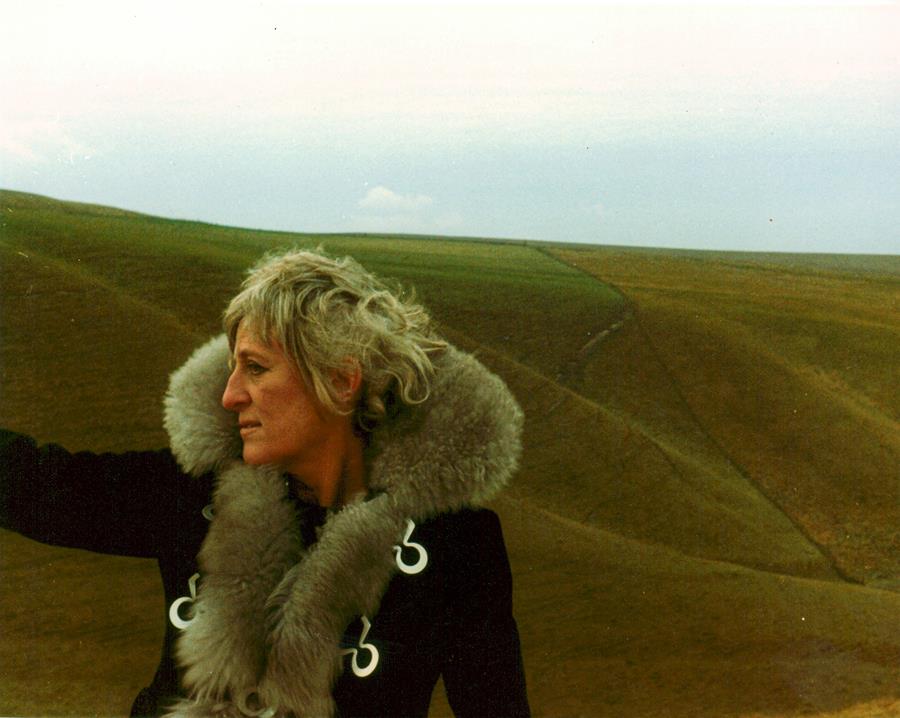
Elisabeth Frink on Bulbarrow Hill, c.1970. Courtesy of Dorset History Centre
Among the objects illustrating her life at Woolland are paintings by friends, a book inspired by Frink by her friend, Michael Morpurgo, family photographs and Seated Man (1986, on loan from Yorkshire Sculpture Park), which she placed by the swimming pool, the setting for many parties. Items in the re-created studio include plasters for sculptures including Walking Man (1989) and Leonardo’s Dog (1991), and there are photographs and archive film which convey the creative freedom that Frink enjoyed at Woolland. A selection of original prints including Little Owl (1977) and Blue Horse Head (1988) shows how Frink mastered a number of printmaking techniques, lithography, etching and screen-printing, through collaborations with three major printmaking studios. Book illustrations including The Children of the Gods: The Complete Myths and Legends of Ancient Greece, highlight how her art often echoed her love of poetry, music, reading and her convictions. Her belief in the dependency of humans on the natural world and other species and her questioning of hierarchies that lead to injustice and acts of aggression are revealed through her sculptures of animals, including Standing Horse (1993) and Small Standing Dog (1991) as well as drawings and original prints.
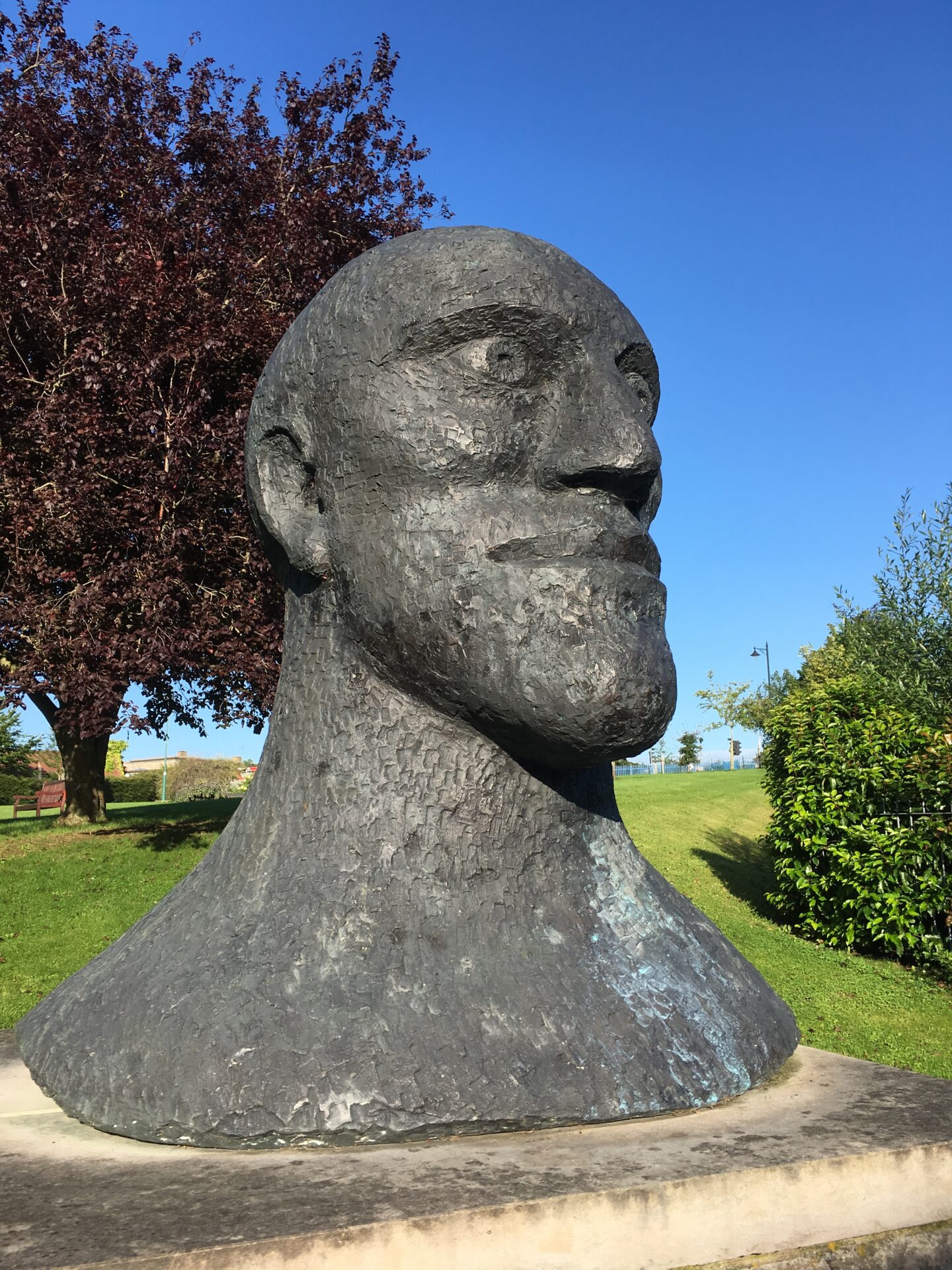
Desert Head by Elisabeth Frink, was on loan outside The Exchange arts and community centre at Sturminster Newton for some years.
Sharing her work In the section Spirituality and Humanism, Frink’s art is viewed in relation to her own spiritual beliefs and her commitment to humanist ideas. Although raised as a Catholic, she was ambivalent about organised religion, but some of her sculptures, including Walking Madonna (1981), familiar to many local people from its site in Salisbury Cathedral Close, demonstrate an understanding of litany and sacred space, while showing a sensibility and respect towards people with religious beliefs. The Human Rights section explores her commitment to interrogating human rights abuses, revealing how her work gives dignity to the victims and survivors of brutality, including sculptural tributes to martyrs and prisoners of conscience. Goggle Head (1969) and the Running Men series (1970s and 80s) were her most overtly political statements. There is a maquette for the Dorset Martyrs (1983), which pays homage to all men and women who suffered for their beliefs. The sculpture stands at Gallows Hill on South Walks, Dorchester.
The final section, New Beginnings, honours Frink’s enduring legacy. The dying wishes of her son, Lin Jammet, were that the entire Frink Estate and Archive be given to the nation, ensuring that his mother’s vision of sharing her artwork within the public sphere was achieved. This generosity resulted in a significant cultural gift to 12 public museums across England, Scotland and Northern Ireland, with Dorset Museum receiving more than 300 works.
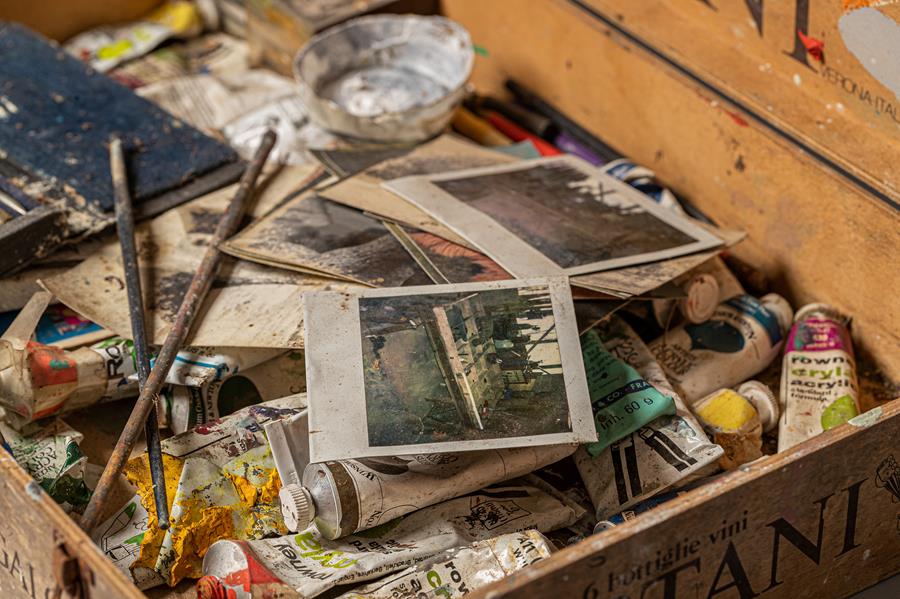
Elisabeth Frink’s paint box, c. 1990. Dorset Museum collection
Letters and archive material show how Frink was aware of the vulnerability of life – the theme of mortality was present in much of her work. In 1990, she was diagnosed with cancer and underwent surgery and treatment. Her hope for remission so that she could see her grandson grow up became directed towards ideas of regeneration and rebirth, expressed in her Green Man (1992) artworks. Following its run at Dorset Museum, Elisabeth Frink: A View from Within will tour to two of the Wessex Museum partners – Swindon Museum and Art Gallery and Salisbury Museum.
The Museum of East Dorset’s reminiscence project engages the elderly, rekindling past experiences through tangible artefacts
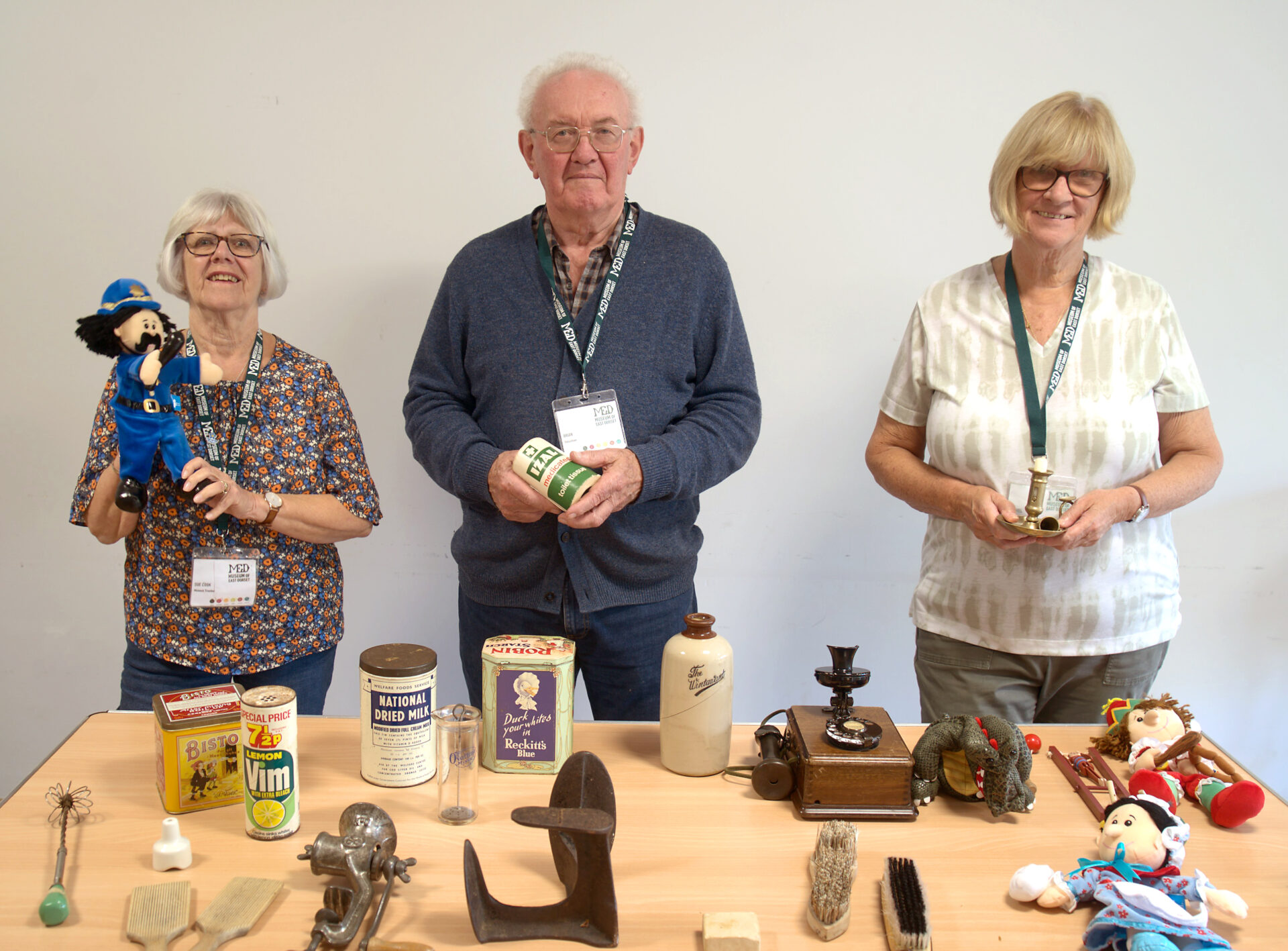
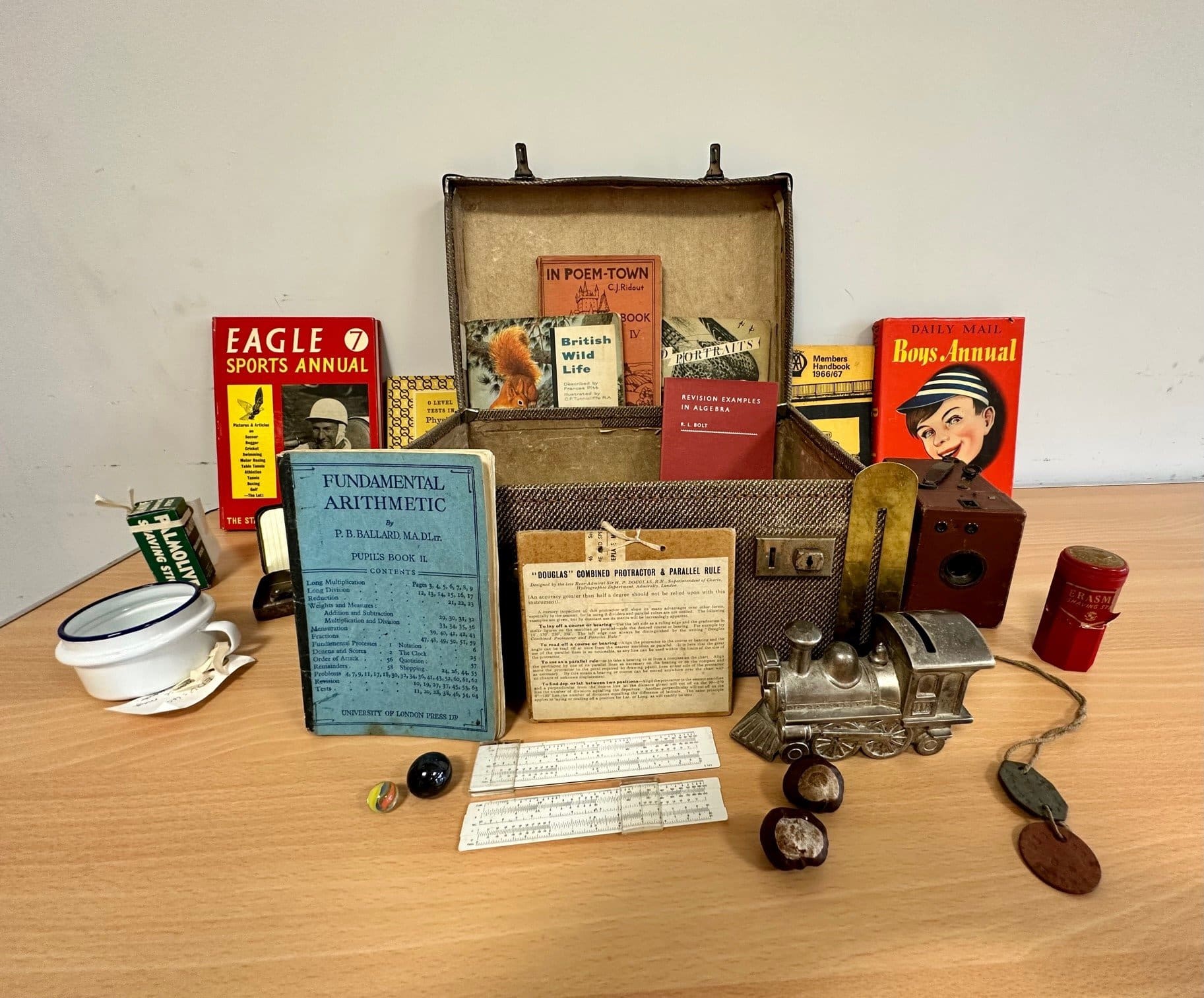
Trustee/Volunteer Sue Cook, with volunteers Brian Holloway and Mary Knowles and some of the objects
An innovative outreach project by The Museum of East Dorset is tapping into the power of memories for elderly people – particularly those with dementia. The museum’s skilled, award-winning volunteers of the Reminiscence Team go into day centres, care homes, and senior clubs across East Dorset, offering their reminiscence sessions. With a treasure trove of artefacts from the Museum of East Dorset, each session is a journey through time. Museum Trustee Sue Cook explains: ‘We can theme the sessions accordingly to suit the people we’re meeting. Toys and Games, Wartime, Holidays by the Sea, Childhood and It’s a Man’s World are just some of the themes we can build around with all the items we’re so lucky to have access to.’ The museum’s array of historical objects are not being used simply for a dose of feelgood nostalgia; the sessions are used as a therapeutic tool that promotes emotional wellbeing, as well as building social interaction.
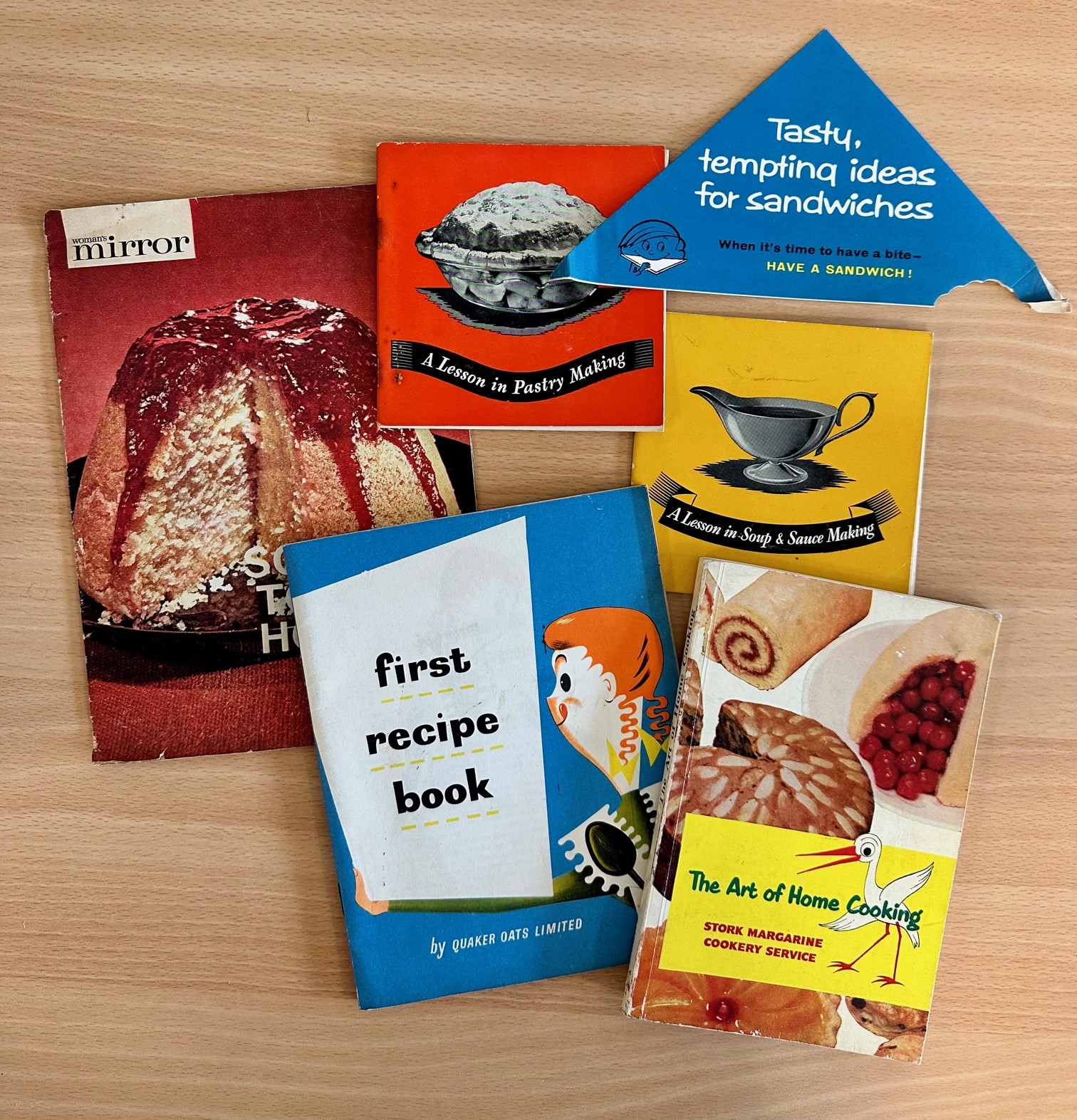
That takes me back! ‘Our carefully curated collection of objects will transport participants back in time, triggering memories and sparking conversations,’ says Museum Director Chezzie Hollow. ‘From the strong scent of carbolic soap to the feel of a vintage toy, each item has been selected to evoke a sense of nostalgia and encourage reminiscing.’ That tactile experience of holding a familiar food box or sniffing a familiar scent can unlock stories and emotions from the past – especially in dementia sufferers, who find far-off memories easier to access. Feedback from participants has been overwhelmingly positive. Billy May, manager at Ferndown Plus day centre, says, ‘The visual memorabilia brought along for everyone to touch, feel and smell brought up lots of memories and conversations, and the team made the people we support feel valued and respected.’ The 45-minute sessions are free of charge, though donations are encouraged to help continue the museum’s charitable work.
To learn more or to arrange a session that could make a profound difference in someone’s life, please contact Mary Knowles at [email protected].
The Repair Cafe from 10am to 12.30pm once a month at Cheap Street Church Hall, Sherborne. It is run by a team of volunteers, and visitors bring their broken items from home. Small, damaged objects, mechanical devices, jewellery repairs, clothing or children’s toys that need some TLC.
Building bridges in Gillingham: sixth formers engage in community service, enhancing life skills and enriching the town with their spirited volunteerism
Gillingham School Sixth Form have been working hard to build links with the local community, in a project led by assistant head of sixth form, El Little. Over the course of the school year, all students will undertake a half term of volunteering. The purpose of the work is to help develop skills of confidence, communication and community awareness among the students, while also having a positive impact on local residents and beyond. It is part of the wider Personal Development programme within Gillingham Sixth Form, which includes a focus on building leadership skills and providing enrichment opportunities for students.
Old and young Last term students took on a number of different activities – one of the most successful was visiting residents at Fern Brook Lodge Care Home and The Malthouse Care Home, spending time chatting with the residents. Two of the students are members of TLW Dance Company in Shaftesbury, and they put their skills to good use putting on musical and dance performances at Fern Brook Lodge. The Malthouse residents were treated to home baked cakes! The students involved have found it a very rewarding experience getting to know the residents. One of the 6th formers, Poppy Marshall, says, ‘It was so interesting finding out about the lives of the residents before they came to the care home. I found it really uplifting and it always really brightened my day’. Care home staff reported that the residents really looked forward to the visits and loved the singing and dancing. Because the residents were not able to attend the school’s Christmas Carol Concert, on the last day of the school term members of the school orchestra, led by head of music Liam Carey, visited Fern Brook Lodge to put on a Christmas music performance.
Visibly helping Another group oversaw the organisation of the Rotary Club Shoebox Appeal within school, with individuals and tutor groups putting together shoe boxes to be sent to children in eastern European countries for Christmas. This involved promoting the appeal within the school, raising funds for donations, and organising the delivery and collection of boxes to be sent off. Further charity events have taken place in school, led by students, to raise funds for local organisations. There have also been students regularly litter picking on a Wednesday afternoon in Gillingham town centre – providing an opportunity not only to tidy the streets, but also to interact with local members of the community. The school has been support through the project by Dextra Group, who supplied the school with hi-vis jackets and lanyards with the school logo and slogan ‘Gillingham School Serving the Community’. This has allowed the public to see the positive work the students are undertaken. Over the coming months, the Sixth Form are planning to extend the community project further and to link with other local organisations to deepen the relationship between the school and town.
• The BV’s Community News pages are sponsored by Wessex Internet
Robbie Baird unveils North Dorset Beekeepers’ ambitious plan for an accessible apiary, highlighting their fundraising efforts
Artists impression of the new apiary
The North Dorset Beekeepers site in Shillingstone is remote – accessed by crossing a field and two wobbly stiles – and once you’re there, there’s no electricity, running water, or any other facilities you might expect. We do have a hut to store equipment in, and a corner of a field to keep the beehives (the apiary) … but that’s about it. Not that we’re complaining – it’s better than nothing – but it does mean we can’t be as inclusive as we’d like. Hosting anyone but the fully able-bodied simply isn’t an option. Yet. Spreading the word about the importance of the honey bee, and training enthusiasts to become good beekeepers, has always been core to the Association’s activities. To do all of that, we really needed a teaching facility … Dorset Council provided a glimmer of hope in 2023. Part of a field was on offer and, as we’re a registered charity, it would be for a peppercorn rent. Planning permission for a building was sought – and approved – and we were on! All we need now is £200,000 …
Working on it We have more than 150 members and many of them have stepped up to the fundraising challenge. Of course, we sell our honey and other bee-related products at the Gillingham & Shaftesbury Show, the Sturminster Newton Cheese Festival and at Dikes supermarket in Stalbridge. Donations have come in too – particularly from those repairing their roof, only to find they have a colony of honey bees living in it! Our members can help with that if the access route is safe, and we’ll save the bees! We’ll attend a swarm, too, if you have one in your garden. We even filled the Portman Hall in Shillingstone for an absolutely brilliant Bees a-Swarmen evening of Dorset stories and music, performed by the renowned Tim Laycock and Colin Thompson. Last summer we offered a series of Bees & Beekeeping experience days for the first time. They’re a fun afternoon, learning about the life of a honey bee and getting up close and personal with them as you open up a hive to see what goes on inside. Back at the hall, there are loads of other things to explore (check out how hairy a bee is under the microscope!) and there’s tea, coffee and cake. There’s always tea, coffee and cake when beekeepers are involved! These were a huge success, and we’re already booking 2024 dates.
Why the bee? Most folk understand the need to protect the natural world, and that increasing biodiversity is a good thing. But nothing’s sustainable without the insects making sure the next generation of our native flowers, shrubs and fruit trees are pollinated. Those same insects are also a major food source for our native birds. Protecting insects and their habitat and fighting invasive species are important messages. Our experience is that, once introduced to the honey bee and its amazing life, and having watched the bees at work in the hive, non-beekeepers realise just how precious our insects are.
Can you help? We’d love to be able to welcome all comers, young and old, able-bodied and the not-so-able-bodied, to a new Honey Bee Centre and to continue spreading the word … and yes, creating a buzz of excitement about these tiny, valuable creatures. That’s what keeps us going as we work to find the £200,000 we need. If you’d like to help us on the journey, you’ll find out more on our website and if you’d like to become a patron of the new centre or a business sponsor, just leave us a message and we’ll be in touch.