

Morning mist often settles deeply across the Blackmore Vale. It covers the limestone cottages and narrow winding lanes of our local countryside. For many older residents, this quiet isolation is a favourite part of country life. Still, it presents hurdles when a health situation arises. Distance from the nearest hospital means every second counts during a fall. Sudden illness at home requires a fast response from emergency teams.
Living in a beautiful but remote area requires physical preparation. It also needs a good plan for clear communication. You should look at your residence with prevention in mind. Ensure that phone lines stay open even during harsh winter weather. Focus on practical changes and strong community ties. This way, residents can enjoy the peace of rural life. They will not feel vulnerable far from town centres. This guide explores the best ways to stay secure.
Proactive Health Management and Identification
Most village residents rely on a community pharmacy for their health needs. You might use a mobile health clinic for regular check-ups. Keeping a folder that lists your current medications is very helpful. Write down your dosages and the phone number of your doctor. This ensures you are ready for any medical talk. This prep helps people who spend time alone in remote fields.
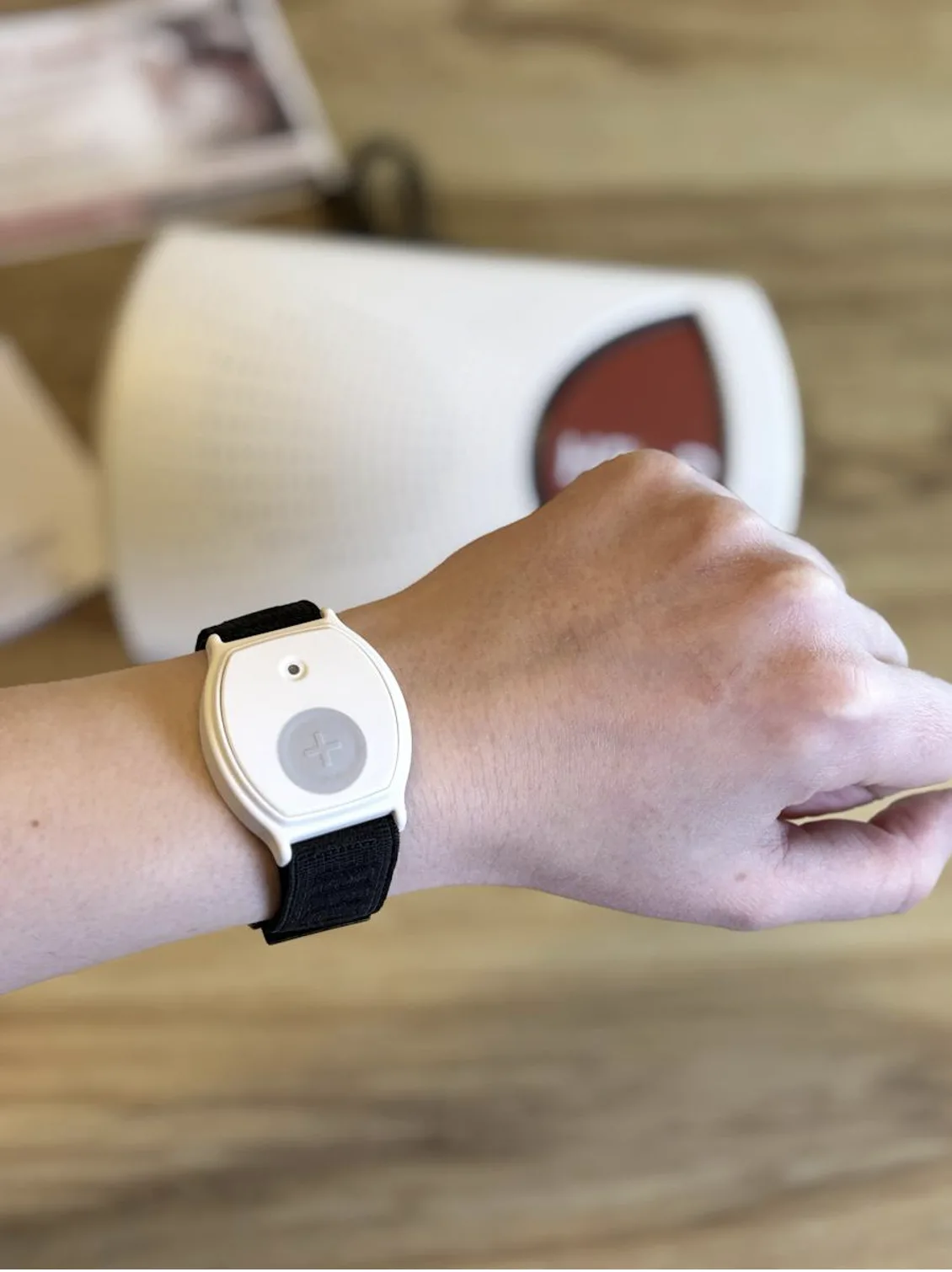
The best way to stay secure is to keep your medical history visible. Doctors need to see this info fast during a crisis. Wearing protective medical alert bracelets allows people to carry their history at all times. These items give clear facts to paramedics who do not know you. They might not know about your specific needs or allergies. Having this info on your wrist gives you more security. It works even if you cannot speak for yourself.
Organising Your Medical Paperwork
Home records save time for doctors when they arrive. You should keep a health file in a very obvious place. The kitchen counter or a spot near the front door works well. Emergency teams look in these spots first.
Consider including these items in your emergency health pack:
- A full list of all current prescriptions.
- The exact dosage and how often you take the medicine.
- The names and phone numbers of your emergency contacts.
- Notes on any known allergies to common medications.
- Details about heart monitors or joint replacements.
Coordinating with Local Health Services
Build a good relationship with your local medical surgery. This ensures your records stay up to date. They need to know about your living situation. Discuss your remote location with your doctor. Ask if they have special home visit rules for outlying areas. Check if your pharmacy delivers medicine during the winter months. These small steps create a better support system. They help overcome the challenges of living far away.
Physical Security and Home Safety
Living in the country involves managing uneven stone paths. Steep garden hills increase the risk of a trip. Walk around the outside of your property every season. Slippery moss or loose gravel often hides near garden paths. You should also put in motion lights near your doors and sheds. This stops stumbles and keeps away unwanted visitors at night.
Internal Hazard Mitigation
Inside the living space, keep your walkways clear. Remove thick rugs that might catch a slipper or a frame. Put sturdy rails in bathrooms and near all steps. These give great support without changing old houses too much. Good lighting is a necessity for every room. Shadows can hide small objects or floor changes. Get your eyes checked often to stay secure. Clear vision helps you move around dark rooms with ease. The NHS offers advice on eye health for staying active.
Try these tips to fix hazards around your property:
- Fix all loose floorboards or old carpets immediately.
- Put handrails on both sides of every staircase.
- Use bright bulbs in utility rooms and basements.
- Keep kitchen tools at waist height to stop reaching.
- Use non-slip mats in the shower and bathtub.
Seasonal Property Maintenance
Changing seasons in Dorset bring different risks. Wet leaves make garden paths very slick in the autumn. Clear them away from your main doors often. In the summer, cut back bushes to see clearly. This helps cars move safely on your driveway. Keep a bag of sand near the door for ice. This helps with morning frosts on the porch.
Communication and Community Connection
Being alone is a big risk for seniors in the valleys. A social network is good for your security. Join a local lunch club or village events. This builds a circle of friends. People will notice if you are gone for a day. These bonds ensure you are never truly alone. Your nearest neighbour might live several fields away. But they can still watch out for you.
Using Technology for Safety
Modern tools help bridge the gap for remote homes. Carry a mobile phone with a long battery life. Make sure it has a signal in all parts of your house. People who garden or walk in woods need to be careful. Know which areas have the best reception. You can check The BV Magazine for local support news. They often list volunteer groups that help seniors.
Check these tech points to stay connected:
- Save emergency numbers on speed dial for fast calling.
- Use a personal alarm that calls for help with one button.
- Test your phone signal in every room of the house.
- Tell a friend your daily plans every morning.
- Keep a portable charger ready for your phone.
Strengthening Local Bonds
Checking on a neighbour after a storm is a great idea. It creates a safety net for everyone. Many residents read local news to find help. You can learn about transport services or home help options. Using these tools makes it easier to stay independent. You can live in your own residence for a longer time. These connections mean help is close by.