

Improved internet and mobile networks have begun to transform the practical realities of rural work in Dorset. With greater digital connectivity, long-established enterprises are adapting to new demands, while persistent gaps still shape daily routines and ambitions. This shift has consequences for business operations, market reach, and community life across the countryside.
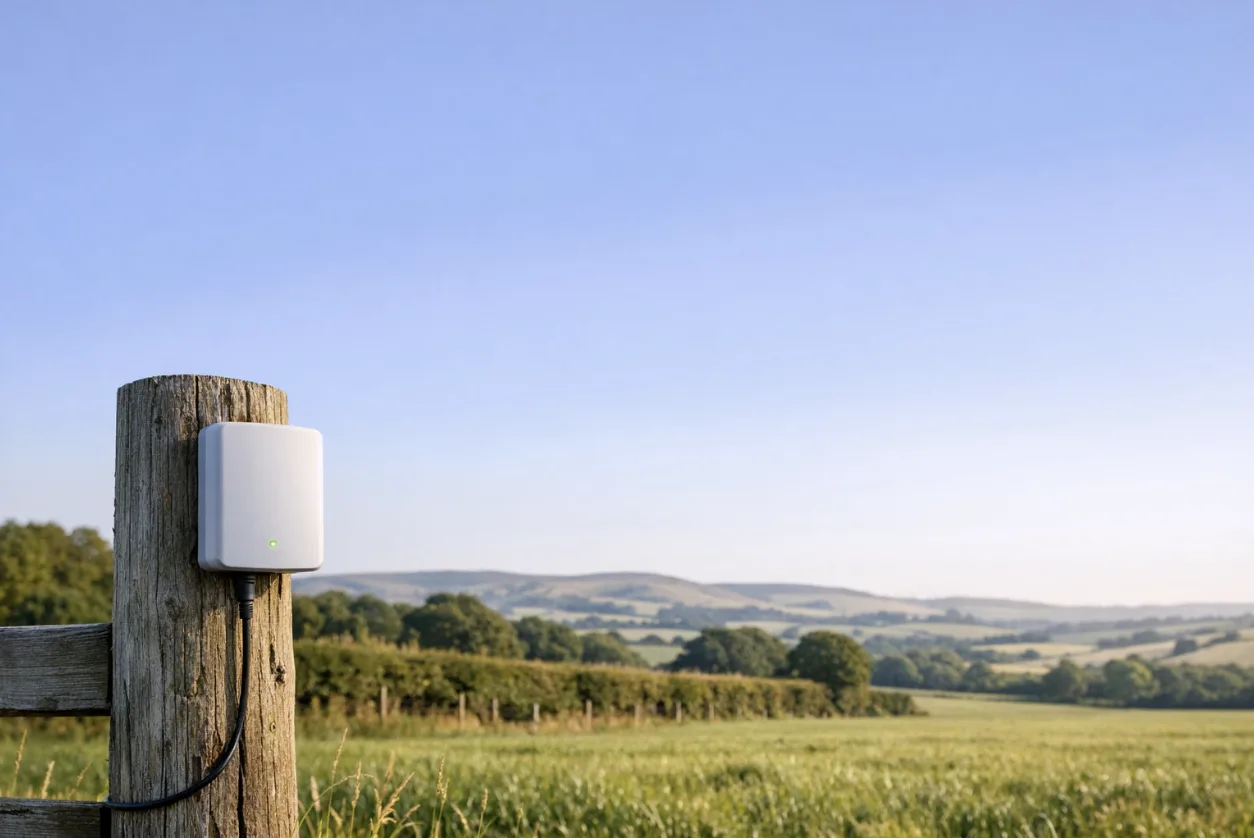
Reliable broadband and enhanced digital access now play an important role in helping rural Dorset remain competitive, making it possible for small businesses and farms to handle essential communication and transactions online. Many operators require access not only to government services and accurate weather data, but also to emerging online platforms including slots in the uk, all of which rely on uninterrupted connectivity. The move towards digital tools affects everything from online bookings for accommodation providers to managing veterinary records or fulfilling customer orders from local farm shops. As more services are delivered through digital channels, the lack of robust coverage in certain areas becomes a factor that influences whose enterprises can adapt more easily to these changes.
Digital infrastructure shapes daily business operations
Rural working patterns in Dorset have seen noticeable change as digital connectivity improves in villages and farming communities. Businesses that once depended on postal correspondence or personal visits now frequently handle documents, administrative tasks, and financial processes online. This allows more efficient management of compliance requirements, supply chain orders, and real-time customer enquiries.
The expectation that tasks such as invoicing or insurance renewal will be digital means reliable broadband is not just helpful, but often necessary for modern operations. As enterprises make use of cloud storage and automated inventory tools, patchy or slow connections can create major obstacles. Mobile coverage gaps may cause delays and disrupt business schedules, which can affect productivity.
Wider reach without losing local identity
Digital platforms enable rural makers, farm shops, and service providers to reach audiences beyond their immediate area. Through websites, online marketplaces, and social media profiles, Dorset’s small businesses can engage with returning visitors and new customers while maintaining local traditions and craftsmanship. Use of digital communication helps ensure that goods and services remain visible even as visitor numbers fluctuate.
While digital marketing and online booking systems provide opportunities for wider reach, they also bring new requirements. Maintaining a website, responding to online reviews, and handling online payments all need ongoing attention. For those working from home or in outlying hamlets, the ability to upload images, update information, and process digital orders depends on reliable broadband and consistent systems.
Essential tools for farming and land-based work
On farms and in land management, digital connectivity gives access to real-time data on weather, crop health, and market prices. Many enterprises now use mapping apps for planning, smart sensors to monitor livestock remotely, and online portals for ordering machinery parts or agricultural supplies.
Connectivity gaps remain a challenge, especially in remote valleys or older stone-walled buildings. Processes such as remote field monitoring or automated irrigation controls are disrupted if connections drop. For land-based trades, these limitations reduce efficiency and slow the adoption of new tools. In some areas, even contactless payments for farm goods or produce may fail. This highlights how the potential benefits of technology depend on the underlying network infrastructure.
The continuing challenge of digital skills and inclusion
Many rural entrepreneurs and workers must adapt not only to new tools but also to new risks. Skills in cyber security, digital record keeping, and troubleshooting are important, as mistakes can lead to setbacks. For some, limited experience with digital platforms creates barriers, slowing take-up of digital solutions.
Community-led initiatives help bridge these gaps, with local hubs and shared workspaces offering places to share knowledge and access training. At parish level, efforts to improve buying power or pool digital resources support rural enterprises that might otherwise face isolation. These cooperative approaches, as with the adoption of options such as slots in the uk, help people get the most from available resources and adjust to modern business requirements.
Looking ahead, improved connectivity throughout Dorset’s countryside has the potential to support stronger economies, preserve rural services, and provide young entrepreneurs with reasons to continue living locally. Where networks meet the practical needs of rural businesses, these areas are better able to sustain their way of life and build resilience. Ongoing digital development should be balanced with maintaining the distinctive characteristics of rural Dorset, including strong communities, local skills, and working landscapes.