

As winter loosens its grip, February brings practical opportunities to tidy, plant and set gardens up for a stronger, more rewarding spring
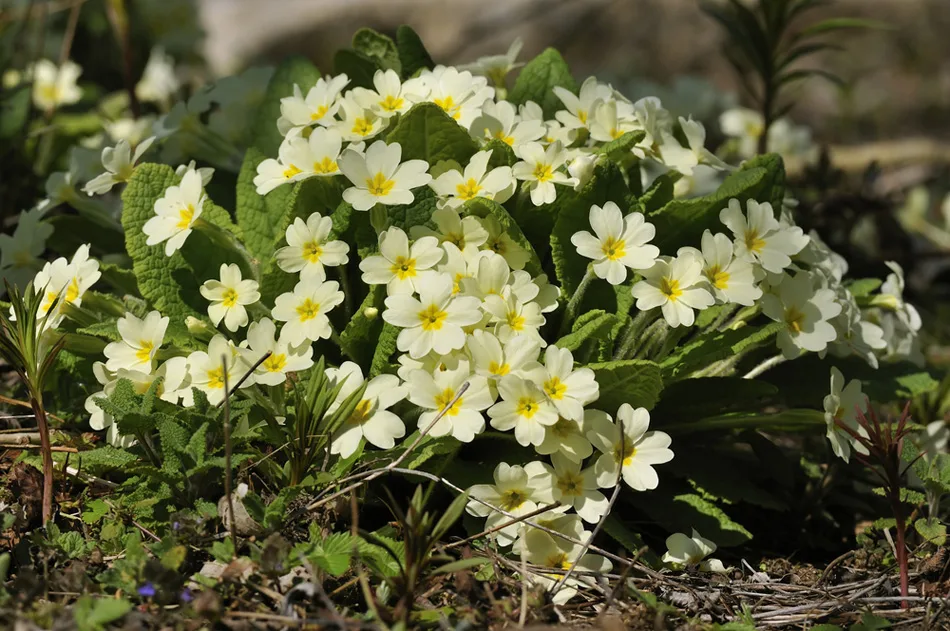
Spring is just around the corner and the days are finally getting noticeably longer! The snowdrops, primroses and daffodils will be opening soon, and some may well be already out in some sheltered spots.
On milder days there is still time this month to plant bare-rooted plants – the soil will soon be starting to warm up and this will give the plants a good start when the sap starts to rise. While doing this, dig out any perennial weeds in your beds and borders: dig them up, roots and all, before the weather warms up.
The quiet time in the garden is a good time for those maintenance jobs: get out of the rain by cleaning up and washing all the pots in the greenhouse this month: this will help keep pests under control. Also bring bags of potting compost into the greenhouse or conservatory now to warm up, before using later in February or March.
How about installing a water butt now, too, ready for the summer? Rainwater is particularly useful for watering acid-loving, ericaceous plants.
And why not find out what type of soil you have? Invest in a soil testing kit to help you choose the right plants for your garden.
If you have a cold greenhouse you can start potted fuchsias back into growth this month. Prune your overwintered fuchsias back to one or two buds on each shoot. Clean up the top of the pots (no need to repot yet – wait until there are active growing shoots). For the next few months, if you pinch out the lead bud on every shoot, you will have lots more flowers in the summer. Late February you can also start dahlias into growth by planting the tubers up in pots.
Getting things done outdoors
Outside, all potted plants will benefit from a top dressing with organic fertiliser, such as garden compost, well-rotted cow and/or poultry manure, blood, fish and bone meal. Seaweed fertiliser is one of the most beneficial fertilisers.
Also, this is the right month to cut back wisteria side shoots to three buds from the main stem, to encourage flowers this spring.
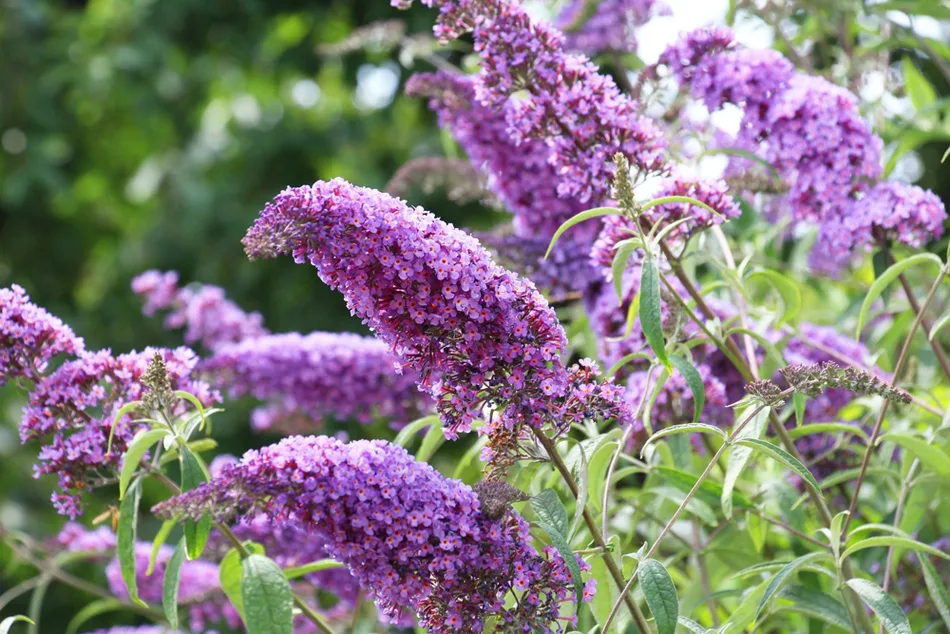
Prune buddleia Davidii (the butterfly bush) hard, right back to the base, to keep these vigorous shrubs to a reasonable size, then feed with an organic fertiliser.
Before the birds start nesting, trim back ivy and deciduous hedges, Virginia creeper and other climbers. Prune summer-flowering clematis towards the end of the month, before active growth begins – cut stems back to healthy buds about 30cm from the base.
Also cut back old stems of herbaceous perennials and ornamental grasses.
February can be a particularly hard time for birds, so ensure your bird feeders are clean and regularly stocked – and maybe put up some nest boxes for garden birds to pick themselves a home.