Home Blog Page 2

Waiting for the shelves to empty

0

From fragile supply chains to frozen farm budgets, Tim Gelfs says NFU conference laid bare the gap between rhetoric and delivery
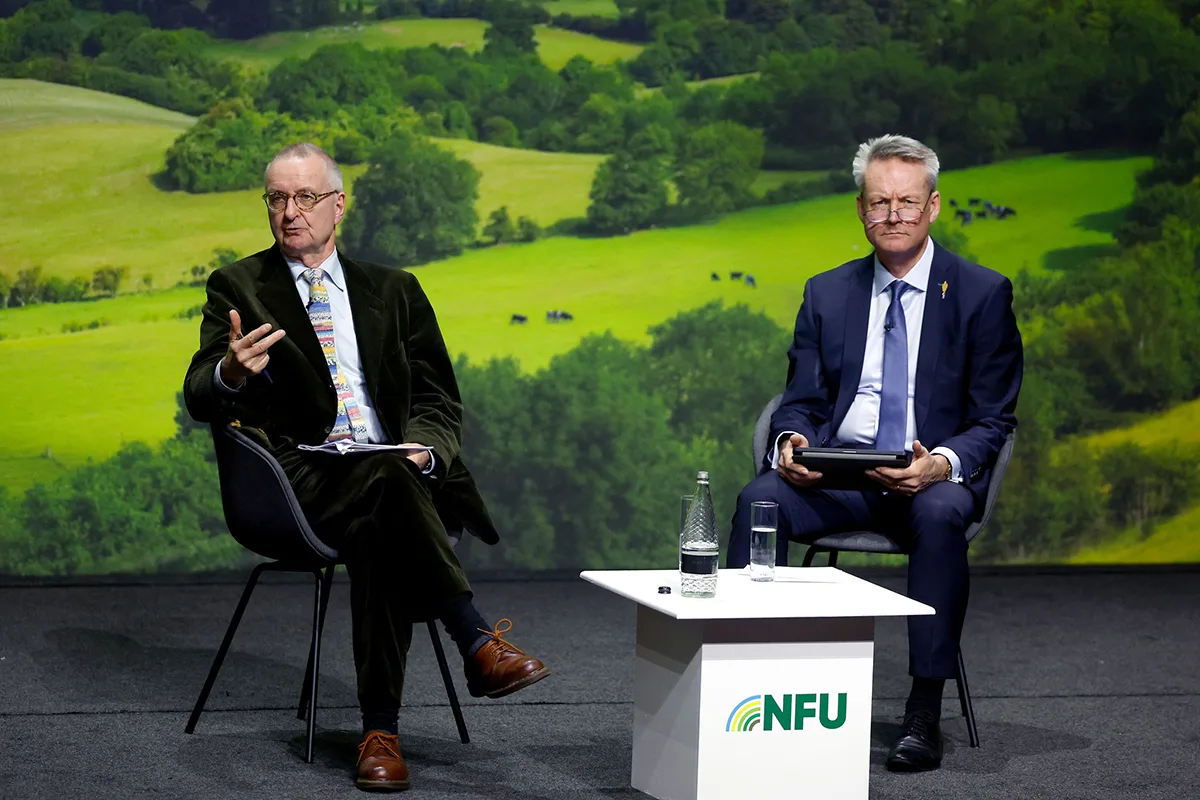
NFU deputy president David Exwood (right) in conversation with Professor Tim Lang

Fresh back from NFU conference in Birmingham, I thought I’d share some of the highlights, and my thoughts on some of the speeches.
Now, I know that the NFU isn’t everyone’s cup of tea, and not everyone agrees with the direction of travel at times. But – and this is a big BUT! … Who else? The NFU is entwined everywhere that can have an influence on our rural businesses, from local branch level to Westminster. The union even still has policy influence with an office in Brussels. The infrastructure and the specialist knowledge in the teams is second to none.
This was borne out by the quality of speakers attracted to conference – there are not many that would get the Secretary of State and the Farming Minister in the room at the same time!
The theme at conference was resilience, and first up was Professor Tim Lang to set the scene. He talked about our fragile food system, built on an infrastructure of ‘just in time’, when we should be moving to a ‘just in case’.
With so much happening around the world, be it climate, disease or some trigger happy global power, Tim posed the question “if it all went wrong tomorrow, could we all feed our local community?” The short answer is ‘probably not’. If the lorries stopped rolling in to the large retail distribution outlets, it wouldn’t take long for the shelves to empty.
One striking question from the floor was on food security: “Do the government understand what it means?” His one-word answer? “NO.”
Filled with frustration, it was clear he’d been here before and got the t-shirt. Tim feels that no one is really taking it seriously – and probably won’t until the shelves are actually empty.

Emma actually cares
Another key speaker was Ashwin Prasad, CEO of Tesco. Now I make a point of not shopping in supermarkets unless I really have to … having listened to this speech, I won’t be changing my shopping habits! He talked a lot about partnerships and working together to make the food chain more resilient, that Tesco is ‘data driven’ and ‘resilience is financial stability’ … it was a great speech. But when pressed with questions on farm support and profitability, the answers turned a bit woolly. We all know the large retailers are a hard nut to crack – the power they wield is recognised by governments, but no one really wants to level the playing field and share the risk.
Then on to our Secretary of State, Emma Reynolds. Personally, I feel that Emma, is probably the first person in that job for some time who actually wants it. Once a minister who seemed destined for backbench obscurity, she was thrust into the cabinet last September, and she has grabbed the position with both hands.
She has really listened to rural businesses and engaged in genuine communication. It was also clear at conference she has a great working relationship with the NFU officeholders. She was a large part of the reason for the changes on IHT.
But now is the time to start delivering – putting into place policy that actually makes a change on the ground, both now and for the future. Her biggest problem is the Treasury, who just don’t – and seemingly don’t want to – understand rural businesses. Take the new SFI26 agreements: there is a lot of good stuff, they have been made simpler and possibly fairer, but won’t suit everyone, there are winners and losers, as with all policies.
The simple fact is there is not enough budget to achieve Labour’s environmental commitments. It’s been frozen for 11 years, cut by a further £100 million for 2027 and it has effectively been allocated under a smoke screen, so that no one knows how much is in each pot.
Perhaps Tim Lang’s cynical view is right. Perhaps empty shelves and nature collapse is the only way to concentrate the minds of power.
Ranger of a 1,000 miles

0

Behind Dorset’s wildflower verges and well-kept footpaths stands Graham Stanley, a senior ranger juggling bats, budgets and public expectations

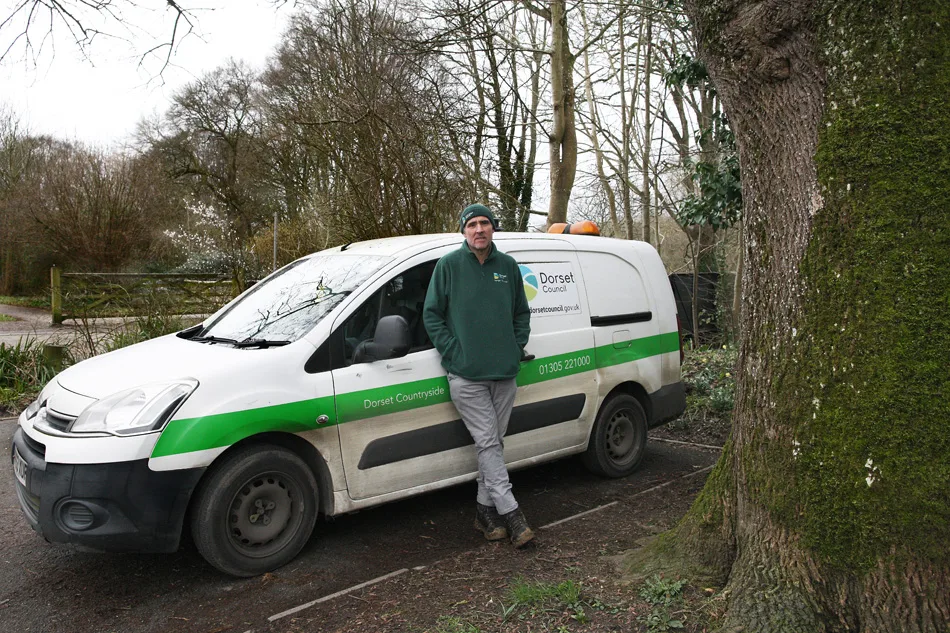
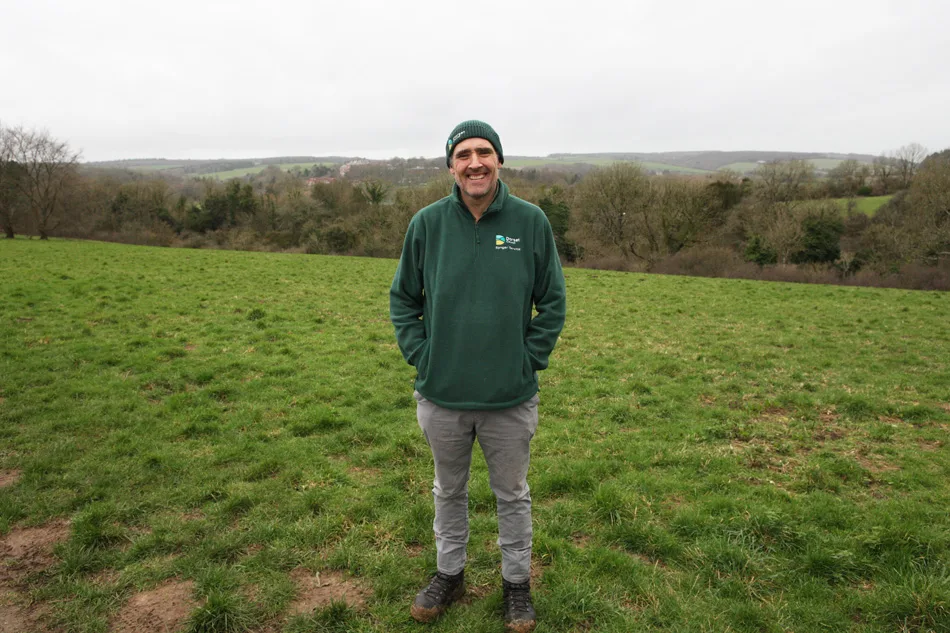
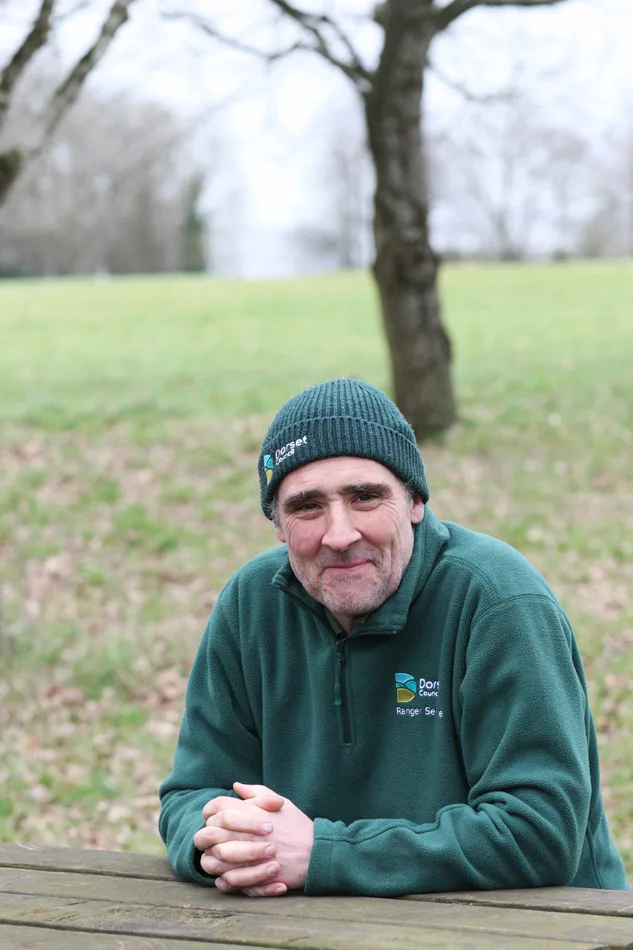
Graham Stanley, Dorset senior ranger. Image: Courtenay Hitchcock

Graham Stanley leaps out of his Dorset Council van armed with a litter picker and bin bag. As we stroll across Milldown Nature Reserve on the edge of Blandford, he scoops up stray crisp packets without breaking stride, his eyes constantly sweeping the landscape. Nothing escapes him. The noticeboard needs attention. Old posters are destined for the bin. But he’s pleased when he spots a homemade sign stuck up by local children: ‘Pick up your dog poo’ artwork. ‘That’ll stay,’ he says, smiling.
Further on, he pauses beneath a towering Norway maple, studying its twisted branches. The tree is sick and must be felled, he explains, snapping a quick photo to add to his ever-growing to do list.
This is senior ranger life: always thinking two steps ahead. It’s a job he’s enjoyed for more than 14 years and ‘wouldn’t change for the world’.

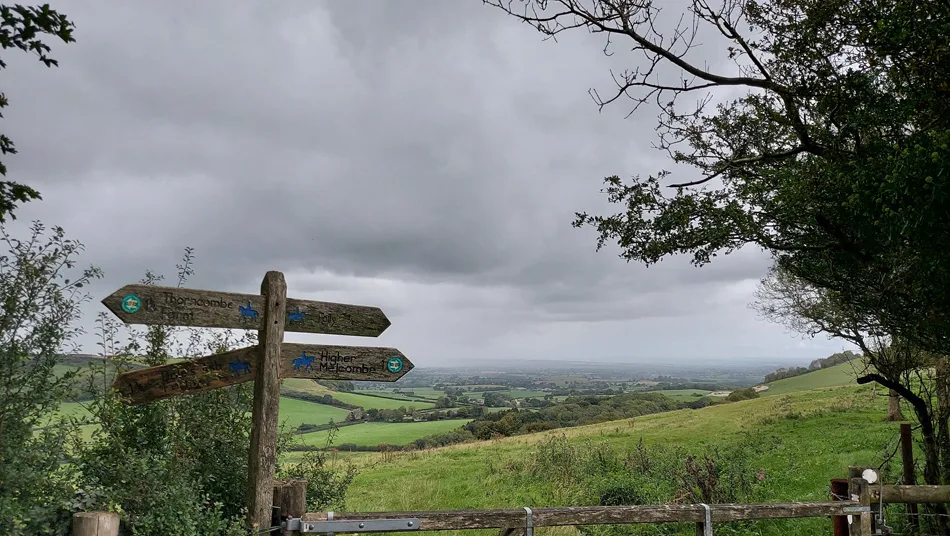
Graham Stanleys’ ‘patch’ covers more than 1,000 miles of footpaths, bridleways and byways from North Dorset to Purbeck. Image: Laura Hitchcock

Born outdoors
‘I grew up in Derbyshire in an outdoorsy family,’ he says. ‘My dad was a keen hillwalker and birdwatcher. As a kid I was always outside – making dens, having mud fights, fascinated by wildlife. A job outdoors was all I ever wanted.’
He followed that passion by gaining a National Diploma in Countryside Conservation, a Higher National Diploma in Environmental Land Management and formative work experience at Derbyshire’s Carsington Water Reservoir.
An opportunity at Dorset’s Moors Valley Country Park tempted him south. Twenty five years later, he’s worked his way up to Senior Ranger, responsible for vast stretches of Dorset’s natural assets: nature reserves, public rights of way, highway verges and even roundabouts.
Graham’s patch covers North Dorset and sweeps all the way to Purbeck, reaching to Swanage, Studland and Lulworth. It contains 15 nature reserves, more than 1,000 miles of footpaths, bridleways and byways, urban green spaces, chalk downland and heathland which is grazed in partnership with local farmers.
It’s definitely not a lone ranger job,’ says Graham, who leads a team of ten assistant rangers plus apprentices, all trained
in land management and traditional countryside crafts through Sparsholt College.
‘My colleagues make this job for me. They range from 18-year-olds just starting out to those nearly retired, and they all really care about the environment. It’s a great team.’
He’s especially pleased to see more women entering the profession – two senior rangers in his team are female. And on the day we meet, a new assistant ranger, Freya, joined the Purbeck crew.

Graham Stanley at Milldown Nature Reseve
Image: Courtenay Hitchcock

Rights of Way and roundabouts
People often assume rangers spend their days strolling through peaceful countryside. Graham raises an eyebrow. ‘Oh, there’s walking,’ he says. ‘And you do get paid while getting a suntan in the summer. But the job is so much more.’
Much time is spent managing the reserves in his care – places like Milldown, a blend of wildflower meadow, chalk grassland and community greenspace. ‘We balance public access with habitat protection, making sure the land serves both people and wildlife.’
Then there’s Dorset’s extensive Public Rights of Way network: installing new gates, replacing stiles, planning repairs, dealing with seasonal storm damage. The team has had a particularly busy winter due to flooding. Partnership building is another key part of the role, from working with the National Trust and Dorset Wildlife Trust to liaising with private landowners.

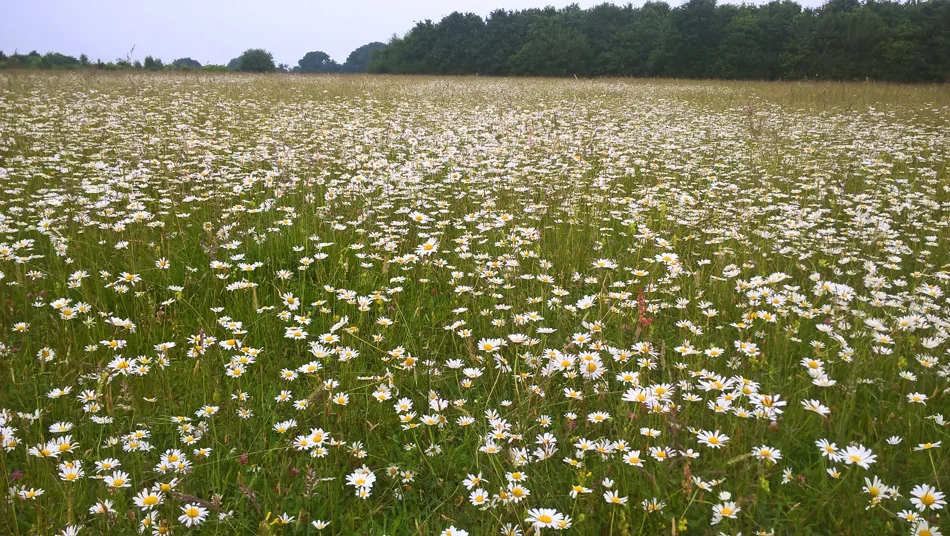
Oxeye daisies on the Milldown Extension.
Image: Graham Stanley


‘Are some still shotgun and tweed?’ I ask.
‘A few,’ he says. ‘But most are third or fourth generation, diversifying and adapting their land. I do get to see some incredible historic properties – 16th century mansions and the like – but I’m always just “the man from the council” when I turn up!’
Even roundabouts come under ecological management. His team uses a cut-and-collect approach, mowing no more than twice a year to encourage wildflowers. The Blandford bypass, he says, is
‘chock-a-block with wildflowers in spring and summer. It’s worth a drive out just to see them!’
Not everyone appreciates the look, though. ‘We still get the ‘it’s untidy’ comments, but more people are coming round. Some even ask us not to cut. But safety and sightlines always come first.’

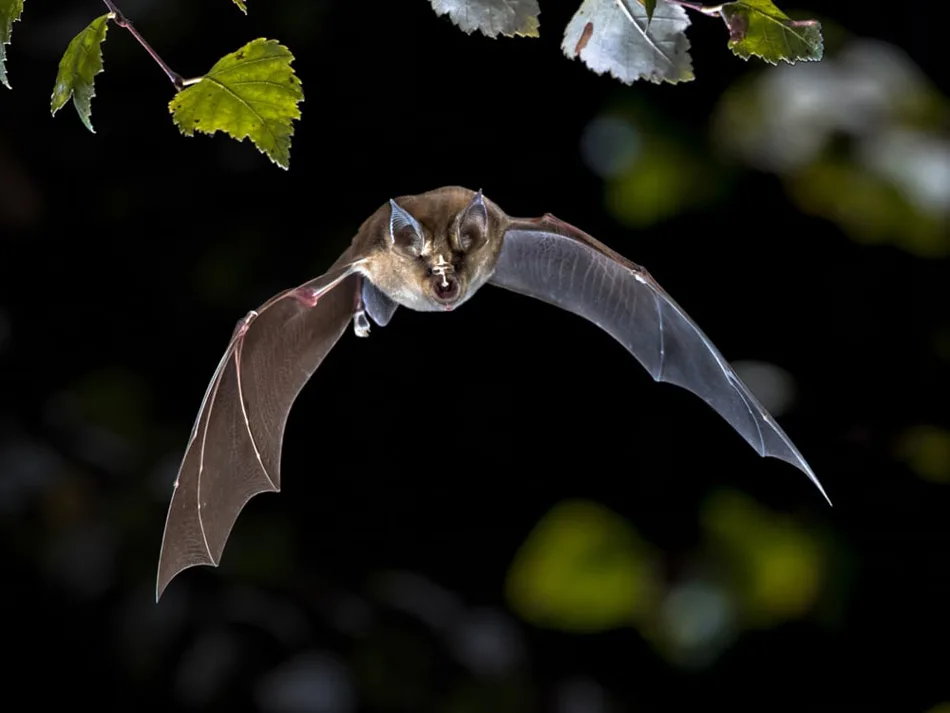
Graham secured the funding and has overseen the 13 acre Milldown Extension’s return to a chalk downland meadow and habitat for one of Europe’s rarest bats, the greater horseshoe


With a more senior position however comes the requirement to organise contractors, budgeting and spreadsheets, business plans and project development. Four out of five days are office based, making sure the teams run smoothly, have the resources they need to do their job and provide best value to the public. ‘Juggling all the aspects of the role is part of the attraction.’

Graham Stanley has been a Dorset ranger for 25 years.
Image: Courtenay Hitchcock

A Career Highlight
One of Graham’s proudest achievements lies just over the brow of Milldown. A few years ago, he secured funding to buy part of a former arable field. Thanks to subsequent £100,000 investment funding, 70 new trees, 3,500 hedgerow plants, native wildflower seed and habitat improvements for the greater horseshoe bat, the land is now a restored chalk downland meadow, known as the Milldown Extension.
‘Watching it develop every year is fantastic,’ he says. ‘It gives local people more room to roam, easing pressure on the main reserve.’
Right in the heart of urban living – just a short walk to a large housing estate and school – the Milldown is one of Graham’s favourite reserves. ‘In late spring and summer, when the meadow’s out in full flower with ox-eye daisies, salad burnet, knapweed, yellow rattle and devil’s bit scabious, it’s truly stunning,’ he says. ‘Last summer’s bat survey was magical – the sun going down, hundreds of bats swirling above … it was breathtaking.’
Milldown’s importance hasn’t gone unnoticed: it has held the prestigious Green Flag Award from Keep Britain Tidy for the past 15 years.

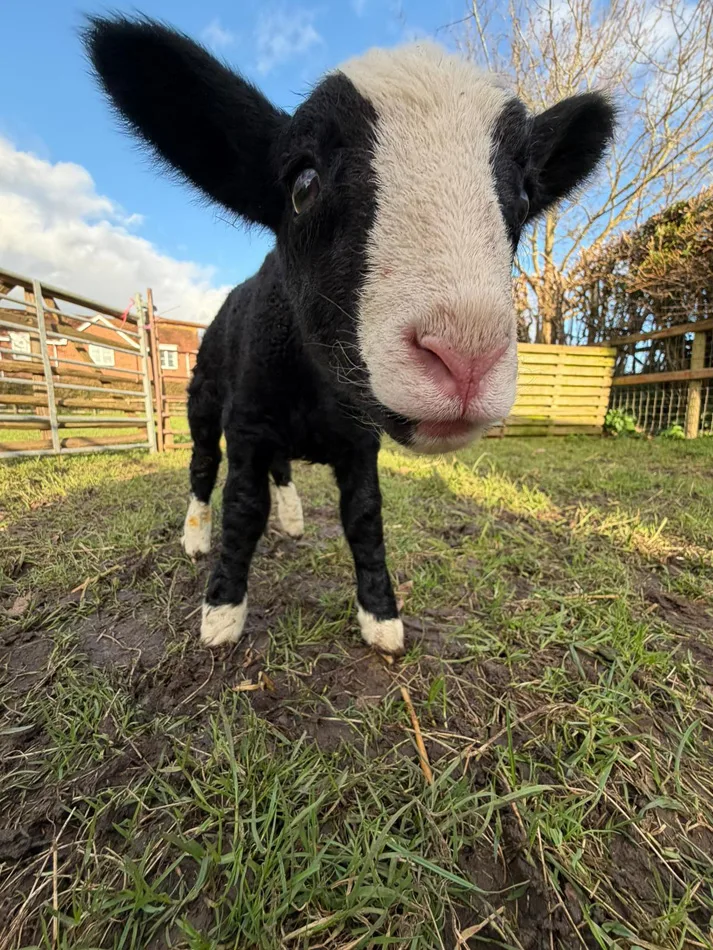
It’s lambing season for Graham and his flock of Dutch Zwartbles

Slasher and sheep
Graham’s favourite ranger tool – aside from the litter picker – is the fearsomely named slasher. ‘It’s a long-handled tool, like a scythe, and it cuts down just about anything. It’s just a brilliant bit of kit.’
When he’s not walking the southwest coast path inspecting stiles or knee-deep in a ditch, clearing overgrowth, how does he spend his downtime? Outdoors of course!
‘My passion is my Dutch Zwartbles sheep. It’s lambing season now, so that keeps me busy. Plus walking my dachshunds Margot and Mildred. You could say it’s a busman’s holiday, but I’m just happiest outdoors.’
As we finish our circuit of Milldown, Graham is off again – another piece of litter spotted, another task, another corner of Dorset awaiting his careful, constant attention.

Five Dorset walks we keep coming back to

0

If you’re looking for Dorset walks that don’t require a full day’s planning, specialist gear or a packed itinerary, the less-well-known North Dorset area is a good place to start.

This is walking country in the most straightforward sense – ancient hillforts, open fields, rivers, old sunken tracks between villages and views that reward you. Over the years, we’ve covered plenty of Dorset walking routes, but these are the ones we find ourselves returning to again and again. Just pick a direction and go:

1. Easygoing Okeford Hill quietly special circular | 5.8 miles

This is a frequent visit for us – there are plenty of options and you can simply circle the hiltop for a short afternoon stroll, or dive deeper into Blandford Forest as the full route takes you: the main paths on Okeford Hill get very busy on a weekend afternoon, but this easy circular route soon leaves them behind to explore the quietly peaceful and ancient parts of the forest.

It’s mostly flat, easy to pathfind and ideal for families, with plenty of space for dogs and children to let off steam. In winter it can be muddy, but that’s part of the charm.

See the full Okeford Hill route here

2. Hambledon Hill | 3.2 miles

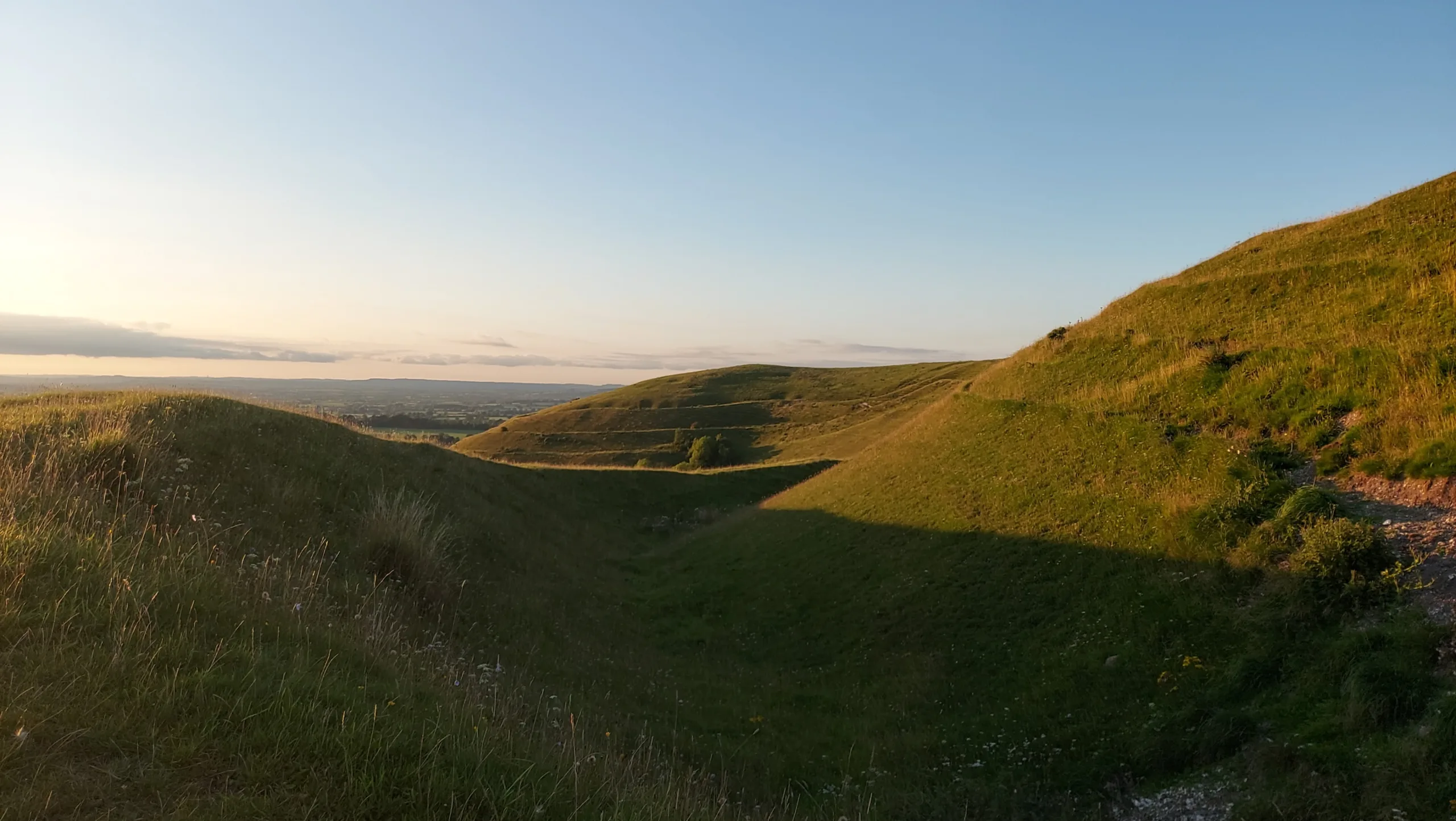
For something more dramatic, Hambledon Hill delivers one of the best views in Dorset. The climb is admittedly lungbustingly steep, but once you’re on top, the pay off is worth every gasp.

This is one of those Dorset walks that feels bigger than it is: it’s spectacular at any time of day, and in any weather. But a summer sunrise or sunset are particularly worth experiencing from the top.

See the easy Hambledon Hill route here

3. Dorsetshire Gap – the finest views in North Dorset? | 6.2 miles

Enjoy big views with ever-wide skies as you complete the circle.

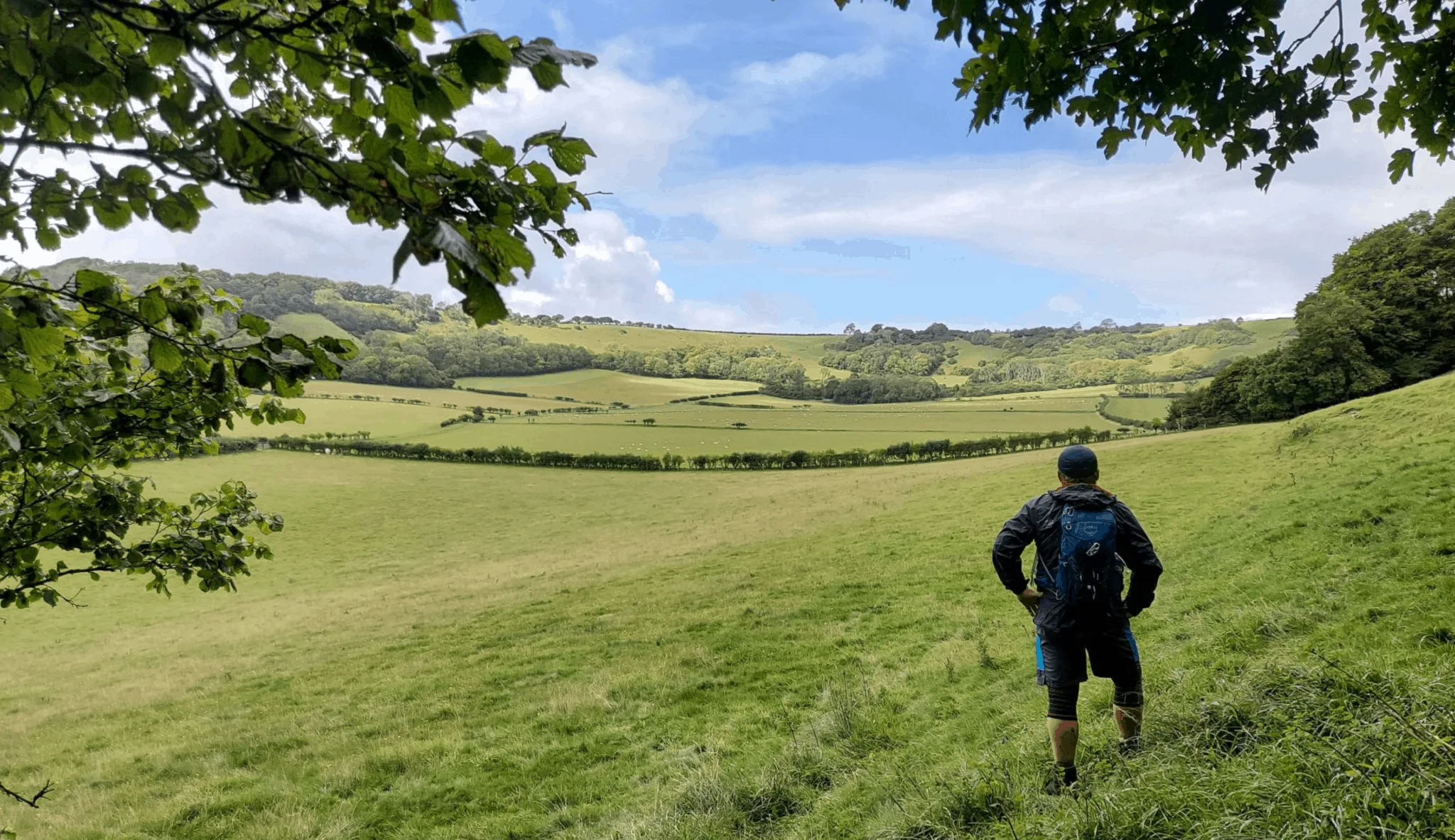
Starting from Lower Ansty (there’s easy parking in the village) there’s a few simple climbs to enjoy the best of Hog Hill looking out over the Dorset Wildlife Trust’s new wildlife reserve at Lyscombe Bottom and then down via the Dorsetshire Gap ridge.

It’s a spectacular walk, and endlessly repeatable — just the best kind of Dorset Walk. See this Dorsetshire Gap walk here

4. Dorset Bluebell walk | 8.7 miles

At any time of year this is a good walk, but when the bluebells are in bloom? It’s unbeatable.


Parking is simple in Winterborne Stickland – there’s plenty of roadside parking in the village, but do be considerate to residents. The route itself is very easy to follow, with a few sharp hills, but nothing too long or too arduous. It is also endlessly adaptable – the woods are criss-crossed with tracks, and it’s a simple matter of choosing a different path if you want a different length route.

See the full Dorset bluebells walk here

5. Bulbarrow Peaks Circular with magnificent Blackmore Vale Views | 14.4 miles

This is one of our favourite long walking routes in Dorset. At 14.4 up-and-down miles you’ll need decent fitness and a full day for this one: it takes us six hours including a stop for lunch. But it’s so worth it – this is such a beautiful route across the local big ridges, starting at Rawlsbury Camp. 

The paths are clearly signed, the views are huge and endless … but expect tired legs by the end. You have to earn those views, there is a LOT of Dorset hill to climb! 

Ancient forests, drovers tracks, the Dorsetshire Gap, minimal roads … it’s just a Dorset dream of a walk. One word of warning – a couple of spots will be very muddy after bad weather, so really good boots a must.
See the full Bulbarrow and Rawlsbury Camp walk here

Why walking still works

Part of the appeal of Dorset walks is their simplicity. You don’t need any special equipmwnt – decent shoes, a drink and a free app on your phonew if you want to follow our routes specifically. Then you just walk.

For many people, that’s enough. For others, switching off looks different – something quieter, more sedentary once the boots are off. If that includes online entertainment, it’s worth approaching it in the same way you would anything else: with a bit of research first. Independent guides like this Basswin casino review can help you understand what’s out there and what to avoid.

But if you’re choosing between the two, we’d always take the walk.

Orange, chocolate and watercress muffins

0

Lizzie Crow is better known to most as Lizzie Baking Bird. From her tiny bakery in West Dorset, Lizzie creates an impressive range of sweet and savoury bakes, which you’ll find at Poundbury and Wimborne Farmers’ Markets, Bridport Market and the county’s food festivals and agricultural shows. A member of the Guild of Food Writers, Lizzie has won numerous Great Taste Awards. Find her on lizziebakingbird.co.uk

‘These muffins are delicious for breakfast, dinner or tea! Using our local Dorset Watercress gives a slightly savoury flavour, complemented with a scattering of chocolate (a good bitter chocolate is ideal) and a pop of orange.’ – Lizzie

Makes 10 | prep 20 mins | frosting 15mins | Cooking 25 to 30 mins

Ingredients

  • 125g watercress
  • 50g butter
  • 175g sunflower oil
  • 250g caster sugar
  • 3 medium free-range eggs
  • 310g self-raising flour
  • 30g full fat or semi-skimmed milk
  • Finely grated zest of 1 orange
  • 100g chocolate chips

For the frosting:

  • 100g butter
  • 250g icing sugar
  • 3 tablespoons of orange juice

Method

  1. Line a 12-hole muffin tin with 10 paper cases around the outside, leaving the two middle holes free (I typically cook my muffins this way as frequently the middle ones don’t cook properly).
  2. Put the oven on at Gas 4/180C. Chop the watercress very finely, ideally in a blender.
  3. Melt the butter and combine it with the sunflower oil in a mixing bowl. Add the sugar, eggs, flour and milk and mix well – the batter will come together quickly and won’t take too much elbow grease.
  4. Stir in the orange zest, chocolate chips and watercress. Divide the mixture evenly amongst the 10 muffin cases and bake for 25-30 minutes, or until they are raised and golden. Test with a skewer – it should come out clean when inserted in the middle. Leave the muffins to cool.
  5. To make the frosting, put the butter, icing sugar and orange juice in a bowl and beat until well blended and light in colour. Top the muffins with the frosting.
  6. Store for up to 4 days in an airtight container.

Village halls are becoming the backbone of rural social life again

0

Across the Blackmore Vale, the familiar silhouette of the village hall has long been a staple, yet its role is experiencing a quiet but significant transformation. No longer just the preserve of the occasional jumble sale or parish council meeting, these buildings are re-emerging as vital hubs for a dispersed rural population seeking connection. From converted chapels to purpose-built brick structures, these spaces are adapting to today’s needs, hosting everything from remote working hubs to pop-up cinemas and wellness retreats. This resurgence reflects a deeper desire among Dorset residents to reclaim local spaces for meaningful face-to-face interaction, countering the drift towards purely digital communication.

Peter Turner Photography Shutterstock

The revival is not about nostalgia; it is a practical response to the changing demographics and economic realities of countryside living. With local pubs closing and bus routes diminishing, the village hall is often the last remaining public interior where the community can gather without a commercial imperative. Committees are working harder than ever to refurbish these often-draughty buildings, installing Wi-Fi and heating to attract a younger, more diverse crowd. This ensures that the hall remains relevant, serving not just as a museum of village life but as a dynamic engine for community cohesion and local resilience.

Parish halls regain community spotlight

The diversity of events now filling the diary of the average Dorset village hall would have been unimaginable twenty years ago. We are seeing a move away from passive entertainment towards active participation, with halls hosting repair cafes, farmers’ markets, and amateur dramatic societies that rival professional outfits in enthusiasm. 

This broadening of scope is essential for survival, as it brings in revenue streams that go beyond the traditional coffee morning, engaging residents who might otherwise commute to larger towns for their leisure. 

Also, the advancement of hybrid working has gifted these rural spaces a new lease of life as co-working centres for those tired of the home office. By offering a warm desk and reliable internet, village halls are becoming engines of the micro-economy, allowing freelancers to network without leaving their postcode. 

This daily usage keeps the building heated and aired, preventing the damp and decay that plague underused structures, while simultaneously breathing life into the surrounding village during the quiet working week. It depicts an everyday interpretation of the communal hearth, where work and social life naturally intersect.

Fundraising pressures and spending

Despite this renewed enthusiasm, the financial reality of maintaining ageing infrastructure remains a constant headache for volunteer committees. The cost of energy and insurance has soared, forcing trustees to become increasingly business-minded in how they market their facilities to potential hirers. 

In a digital age where consumers demand instant gratification and seamless service, village halls must compete for attention against a vast array of online entertainment options. Users accustomed to the slick interfaces of the internet, such as those visiting Gambling Insider to compare secure gaming platforms and payment methods, now expect a similar level of professionalism and ease when booking a local venue.

Many committees are updating their payment methods and reservation systems to meet today’s standards in an effort to close this disconnect. Relying on cash payments and a handwritten ledger is no longer adequate; people expect the ease of digital transactions and transparent online information. 

Halls can maintain the viability of the physical space by securing the frequent reservations required to keep the lights on by improving their administrative procedures. The goal of this professionalisation is to get the funding necessary to keep the doors open for the community, not to lose the personal touch.

What this revival means locally

The success of these halls is ultimately a barometer for the health of the wider rural community in Dorset. When a hall thrives, it suggests a village that is engaged, resilient, and capable of looking after its own, especially those who feel isolated. 

In Lancashire village, for instance, residents were invited to take part in activities. This ranged from coffee mornings and craft sessions to digital skills support and community drop-ins, highlighting how these spaces continue to serve practical, social and educational roles.

These spaces provide a neutral ground where new residents can mix with established households, breaking down the barriers that can sometimes exist in tight-knit rural settlements. The simple act of sharing a pot of tea or watching a local band creates a web of social support that no government policy can replicate.

The village hall seems set to cement its position as the beating heart of rural life, provided it continues to evolve. As long as volunteers are willing to unlock the doors and residents are eager to connect, these buildings will remain more than just bricks and mortar. They stand as a testament to the enduring human need for physical gathering spaces, proving that even in a hyper-connected world, the most important network is still the one right on our doorstep.

Defence investment cannot wait

0

Good news over the weekend as the Government confirmed it will award the New Medium Helicopter contact to Leonardo’s in Yeovil. After months of sustained campaigning by Yeovil MP Adam Dance, Glastonbury and Somerton MP Sarah Dyke and myself, this contract will safeguard more than 3,000 jobs in the local area – and many more in the supply chain across the South West.

Edward Morello MP for West Dorset


As we once again face the spectre of a potentially prolonged conflict in the Middle East, and the war in Ukraine stretching into its fourth year, it is vital we ensure our military is properly equipped.
Last year the Government finally published its updated National Security Strategy. As well as the Foreign Affairs Committee, I also sit on the Joint National Security Strategy Committee, whose job it is to scrutinise the strategy and ensure the Government is achieving its aims. The document repeatedly talks about the need to develop ‘sovereign capability’. That is, technology, manufacturing and intellectual property that we own, rather than relying on buying from other countries. Given how unreliable the Trump administration is as an ally, it is vital that we de-couple ourselves from reliance on the US.
West Dorset, and the South West more generally, is home to many fantastic and innovative defence companies. They are desperate to grow and also to stay local, but to do so they need confidence that the Government is serious about ramping up defence investment and supporting British businesses. In private conversations, a number of local business leaders have told me that unless the Government gets serious soon, they will be American companies by this time next year.
That would be terrible for West Dorset, and terrible for the UK.
As of today, we are still waiting for the Government to publish its long-awaited Defence Investment Plan, and for the Treasury to confirm how it will be funded.
The Liberal Democrats have been calling for Government to hold cross-party talks about how to quickly increase defence spending in order to ensure that the UK is prepared for whatever this unstable geopolitical situation holds. The time to do so is now.
Edward Morello
LibDem MP for West Dorset

Rethinking dairy in life after TB

0

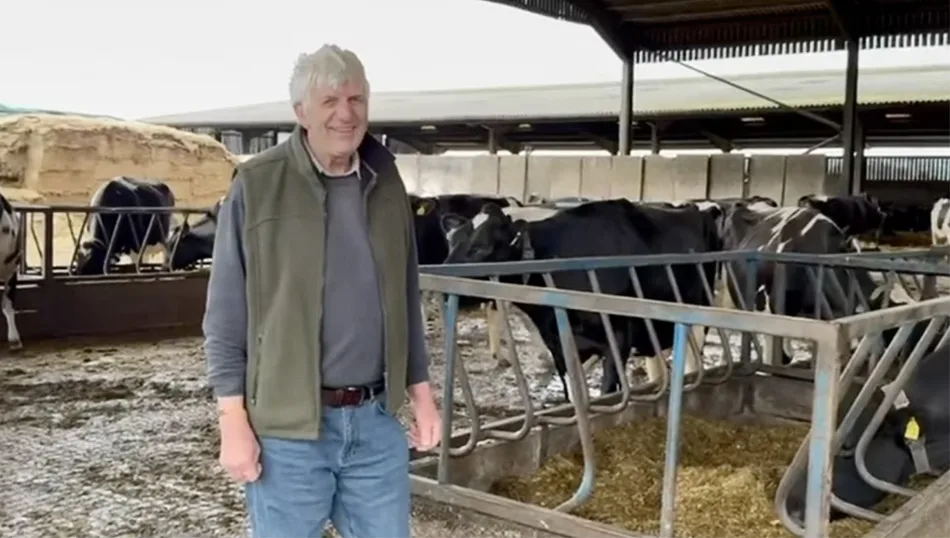
TB relief at Rawston, but falling milk prices, ageing kit and new rules force a decisive reset for the family business, writes James Cossins

The biggest news at Rawston Farm has been that we went clear at our last TB test at the end of January – a complete surprise to us, having been testing every two months for the last four years. To finally go clear was a great sigh of relief: movement restrictions have now been lifted.
Having gone TB free, the next step is how to stay free. As my fellow BV contributor George Hosford wrote last month, we need a rethink on the testing regime. The current skin test simply isn’t accurate enough. We need to be able to try out the new tests that are being developed, which will mean lobbying the DEFRA policymakers to consider what is being proposed. Here in Dorset we have set up a TB group with farmers, vets and animal health officers, and we hope to meet DEFRA to discuss our proposals.

James Cossins

A business reset
As a family we have realised this was the right moment to take a long look at our business as a whole and consider restructuring the different farming enterprises we operate.
We have decided to close one of our two dairy herds, for a number of reasons. Firstly, our relief milker, who has been with us for 26 years, has turned 70 and decided to retire. Thank you, Philip, for all those years: we wish you well in your retirement.
Next we realised we would need considerable investment in the milking parlour, as it has been 36 years since the last upgrade. This would probably cost us about £60,000 to meet the current standards. The slurry storage needs upgrading too – the new standards now include dirty water as slurry and we need five months’ storage to be compliant. A new store would cost in the region of £200,000 in order to meet the Environment Agency requirements. This unit is on a tenanted farm, so it is difficult to justify a quarter of a million pound investment. If that wasn’t enough, we have lost about a quarter of our milk price since last October (we’re not alone in this, of course: it is putting all dairy farms under a considerable amount of financial pressure).
So our plan is to move some of the milking cows to the remaining unit to build our main herd back up to the numbers that we had before we lost cows through the TB testing regime. On our own farm, we are now investing in a new slurry store to increase capacity, and we will also extend the milking parlour so that milking the additional cows does not increase the overall milking time.
The soon-to-be empty buildings at the Tarrant Monkton unit should mean that we will not have to outwinter many beef cattle next year. We hope to sell the surplus cows to fellow dairy farmers as milkers.

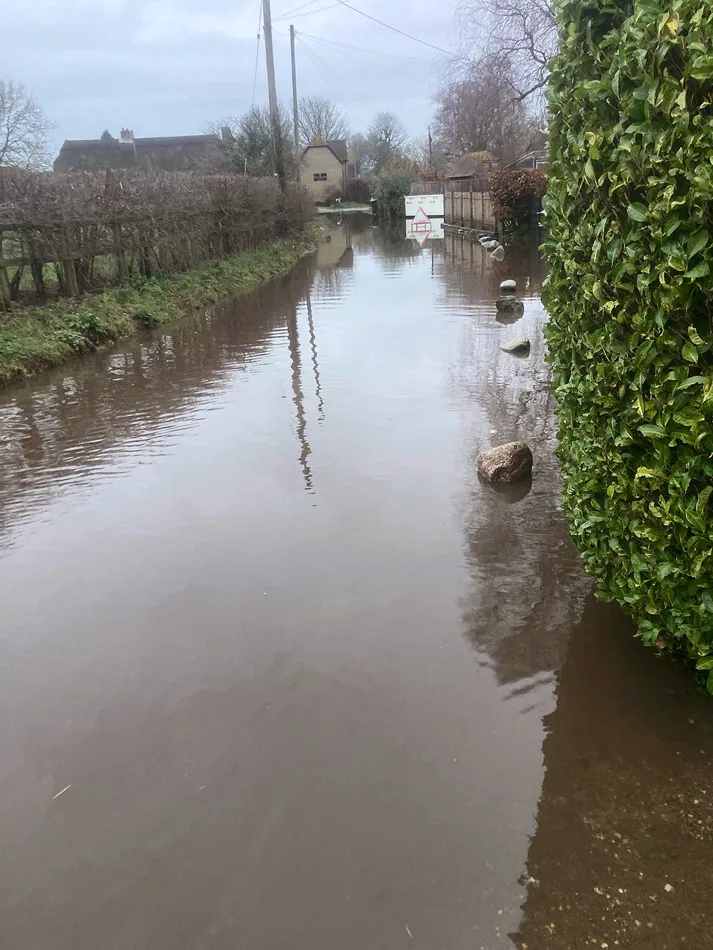
The flooded road through Tarrant Monkton

A college visit
Along with a number of local farmers, I recently attended an open evening organised by the new Coastland College – the result of the merger between Kingston Maurward College and Weymouth College. This amalgamation has secured the future of both colleges. The variety of courses was explained to us, along with the expected outcomes for the students and the types of employment they are likely to move into.
The general feeling among us was that this was positive for Dorset’s rural employers, with the more advanced courses courses now specialising in livestock, crops and engineering.
We all hope there will be a good uptake of the courses: the colleges now have the task of spreading the word to schools, parents and students. For more information, contact can be made through their website or social media. As farmers, we all wish the college every success: we need young people coming into the industry.

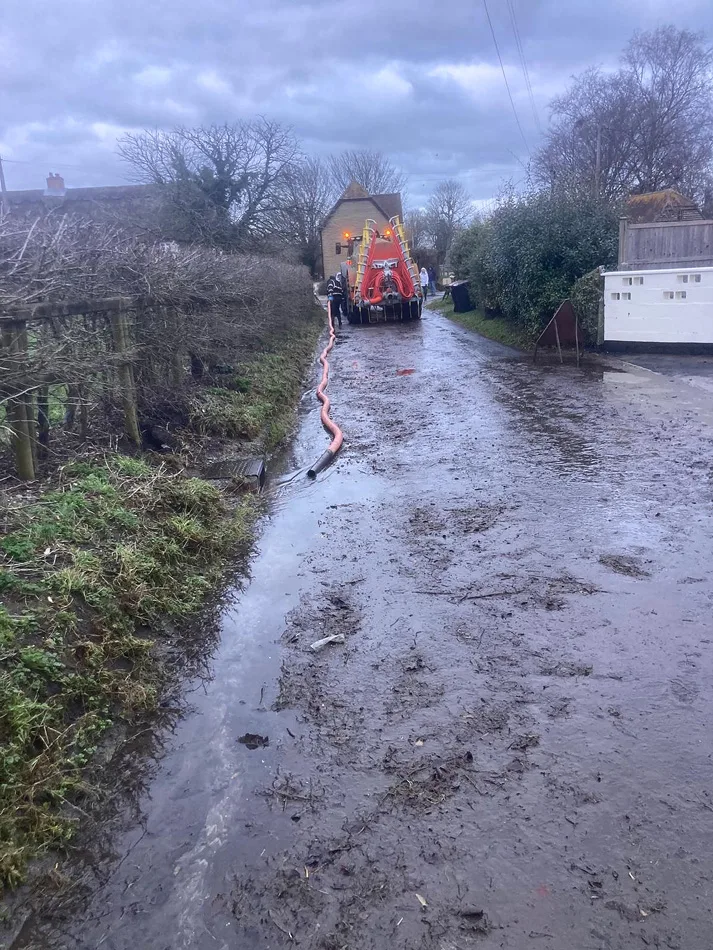
Cleared thanks to the tractor tanker

DIY drains
Finally I have to mention the weather! We have already had more rain this year than in the first six months of last year. loods have been frequent and commonly reported across the county. A blocked drain caused increased flooding in Tarrant Monkton, meaning the Langton Arms had to be closed and houses nearby were being flooded by the bow waves when vehicles passed. Eventually we decided to take action ourselves, and use our tractor tanker to clear the flood.
The suction tanker wouldn’t just be removing surface water temporarily. It sucks up not only the water but also the accumulated debris from the drain, removing the silt, leaves, mud or compacted material causing the blockage – a great relief to the village and the pub, as normal life could restart!
And lastly, a reminder: entries for the Love Local Trust Local Awards are now open. Please have a look at the website for details, and help the organisers promote all the great producers of Dorset food and drink

Keep up with the Cossins at rawstonfarmbutchery.co.uk

Integration at breaking point

0

The Gorton and Denton by-election should act as a very serious wake-up call to the entire country: it is a harbinger of what is to come for our urban areas of Britain. When you have election material going out in an English constituency in Urdu and Punjabi [Ed.: as well as in English], campaigns being fought almost exclusively along ethnic and religious lines, something has gone very seriously wrong, and we need to have an honest conversation about the direction of travel in our country.

Thomas Gargrave Reform UK Dorset
Thomas Gargrave
Reform UK Dorset


One man who has been prepared to speak out openly is Sir Jim Ratcliffe. He said, in a recent interview that drew much attention, that Britain had been “colonised by migrants”. While his choice of language was perhaps overly emotive, he is, fundamentally, right about the scale of recent migration, which is undeniable.
There are now very significant areas of urban Britain where integration has completely failed. The sheer scale and pace of immigration that we have witnessed under the Conservatives and Labour has been without any historic precedent, and has made even basic levels of assimilation by new arrivals absolutely impossible.
Just during the period that is referred to as the Boris Wave, 2021 to 2024, Priti Patel, the then-Home Secretary, now shadow Foreign Secretary
(but it’s a new team apparently…), allowed more than 3.8 million people to come to the UK, overwhelmingly from outside of Europe, and 86% of those came, not on work visas, but as dependents, students, or via health/care and humanitarian routes. This short period alone changed the foreign-born population of the UK from 16% to 19.6% in a matter of years. In 2004, 5.3 million people in Britain were foreign-born: today, that figure is more than 13 million. By 2035, it is estimated that 1 in 4 people living in Britain will be foreign-born. There are now already over one million people living in Britain who either speak no English or virtually no English. That is the scale of the immigration failure our country is now dealing with. It is totally unsustainable. We need a radical change of direction on immigration, and also to our electoral system. On immigration, Reform UK will end Indefinite Leave to Remain (ILR) and reverse as much of the Conservatives’ Boris Wave as possible. We will aim for net negative legal immigration going forward, taking a far tougher approach to illegal migration: estimates suggest the number of people living in the UK unlawfully currently runs into the hundreds of thousands. On electoral reforms, we will end non-British Nationals voting in our elections, end postal votes for all but the genuinely disabled and very elderly, and take a zero-tolerance approach to coercive “family voting” which was reported by independent observers Democracy Volunteers in Gorton and Denton.
We need to get serious about the state of our country. Failing to address these trends risks allowing sectarian politics to take root in areas where integration has already faltered.
Thomas Gargrave
Reform UK Dorset

Name that village …

0

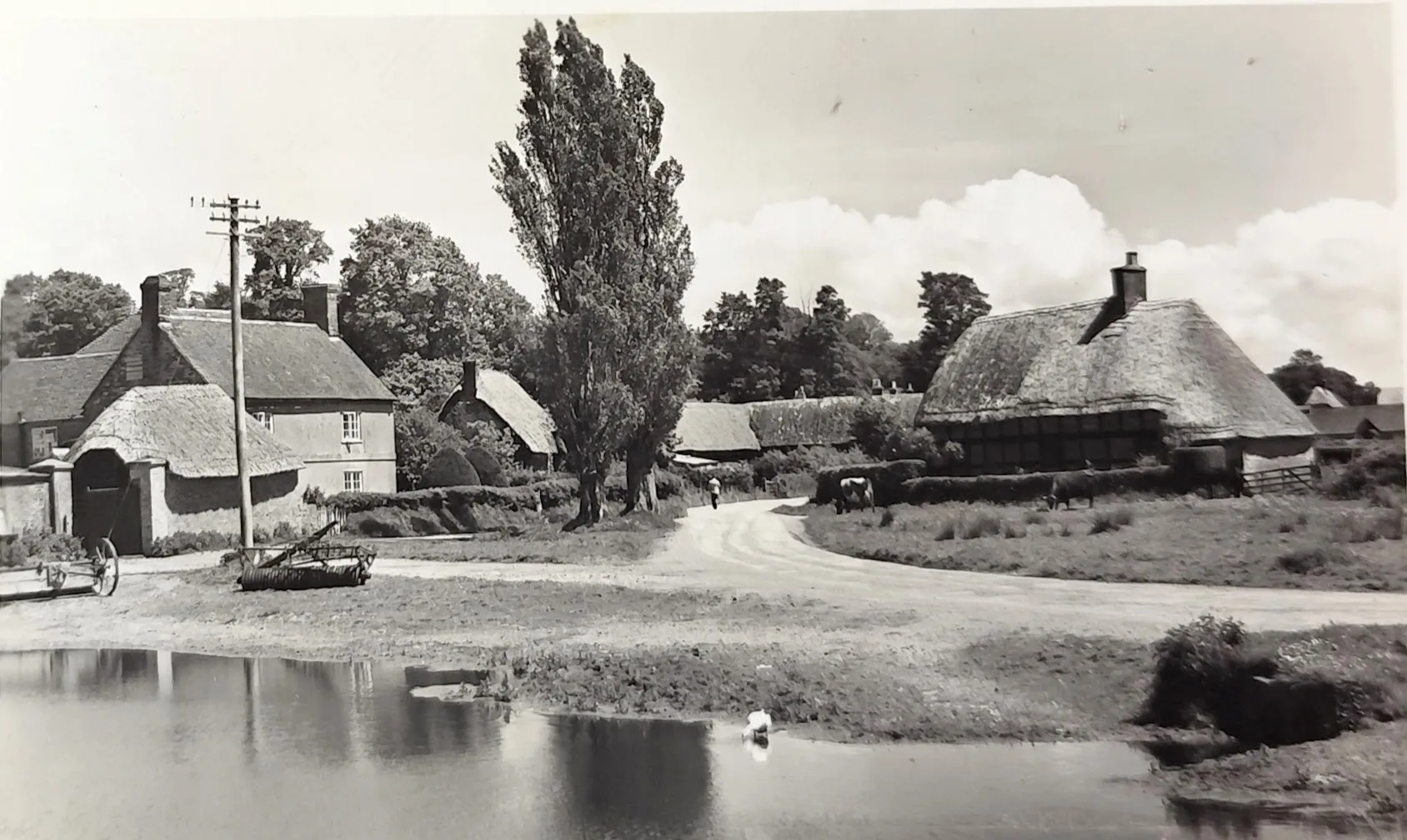
Last month’s mystery postcard caused quite the kerfuffle on Facebook: it was of course Chettle! We’re thinking Barry Cuff’s pick this month looks rather familiar? Maybe? Do you know this village? This collection of cottages? They may not still be thatched of course – and the pond may not even be there any more. We have no clues to help you – because no, we don’t know either. There’s no prizes. You just get the smug satisfaction of solving a postcard mystery.


If you recognise it, let us know – we’ll reveal the answer in the April issue.