

In this open letter, Trevor Bailey, a long-standing rural development advocate, sets out his case that government policy is driving an unprecedented assault on rural England
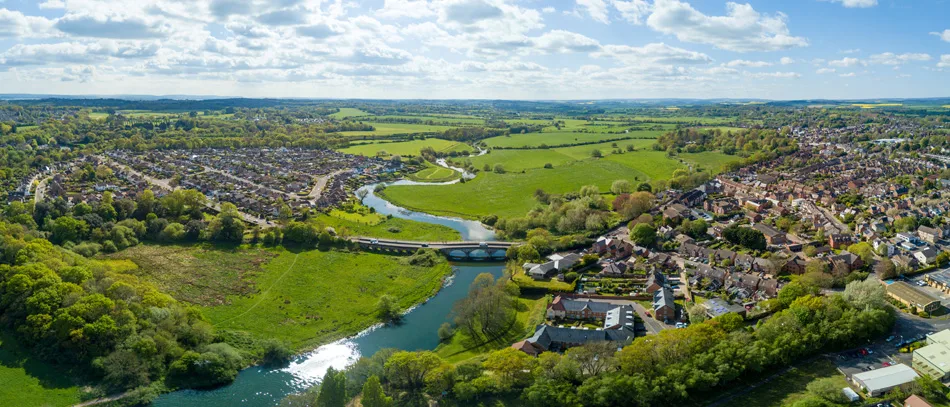
In the village of Bourton, where I have lived for most of my life, two large-scale planning applications that seemed outlandish only months ago have now been approved on appeal.
They were previously refused by Dorset Council, lie outside the Neighbourhood Plan boundaries, and were massively opposed by local residents. Together they will bring 80 new houses to one small village. The draft Local Plan proposes a further 125.
Taken together, these developments would effectively double the population of Bourton. There is no indication that local infrastructure – school, surgery and care provisions – will expand to match, and the village is virtually without any public transport, the bus service having been withdrawn some time ago. Every village to be socially, economically and environmentally distorted without understanding or care; its history and its rooted families overwhelmed and swept away.
This is not unique to Bourton.
Similar experiences are increasingly being reported across rural areas. Do not imagine that the Neighbourhood Plans on which your community spent time and care will protect your village – they are increasingly being overridden.
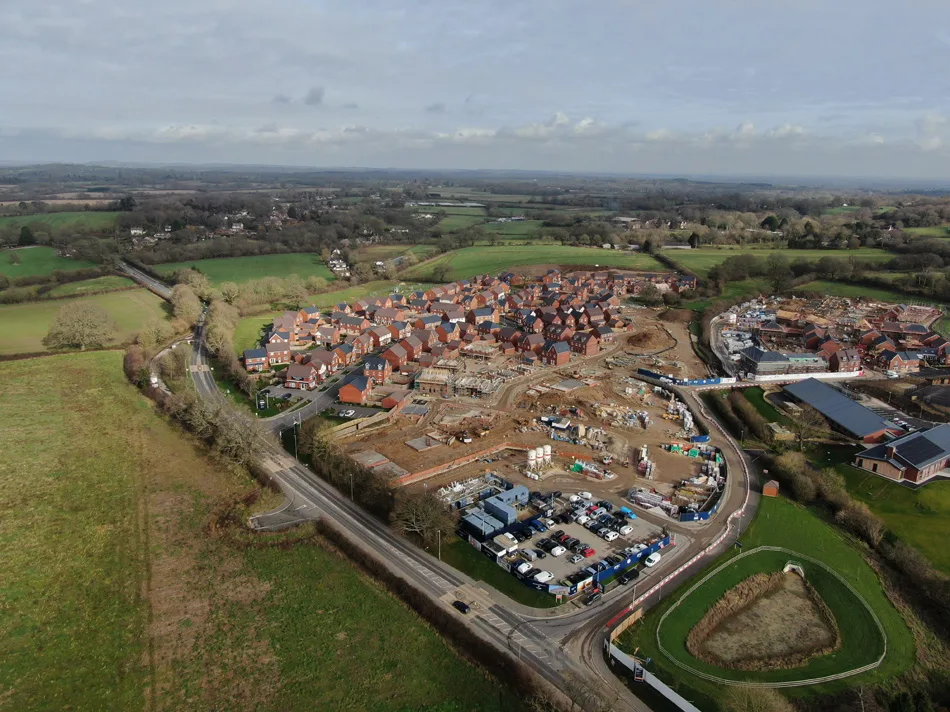
This bonanza for developers is only the beginning. We have seen development gradually erode the countryside for decades. Even before the government’s new policies, concrete and tarmac were spreading at a frightening rate – now the local authorities will have little say and local people will feel they have none.
This may sound alarmist, but the planning system, in which we were supposed to have influence and trust, feels increasingly centralised, leaving villages and small communities feeling like helpless prey.
In Bourton, after this precedent, it’s difficult not to see how every inch of land between the existing village and the A303 bypass will be up for grabs.
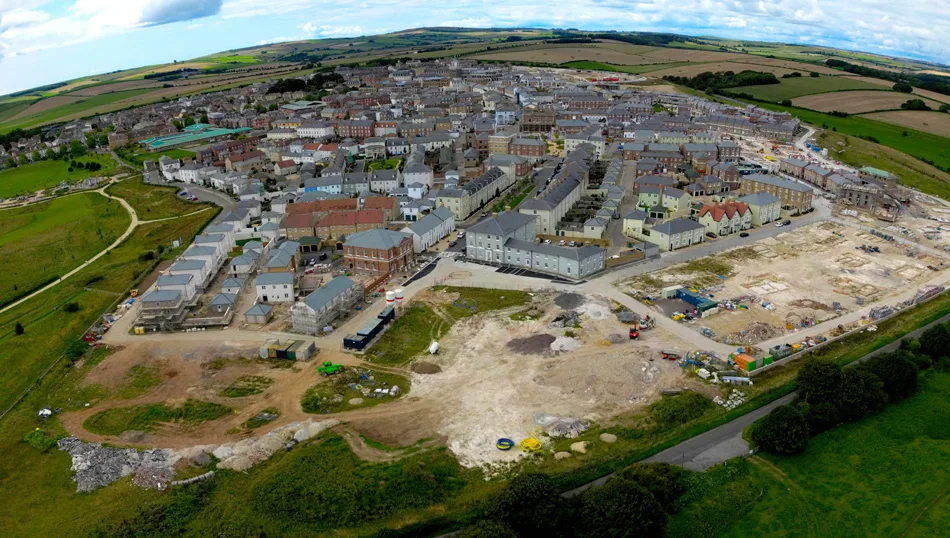
The larger the settlement the more it is targeted for building – look at our nearest town, Gillingham, now several times the size it was when I first knew it, with enormous expansion currently in progress and much, much more to come.
This is not about politics: I am not the least bit right wing in my feelings, and I am not a member of any political party. I have, though, spent most of my life working for rural communities in a variety of ways, promoting the economic health of villages, helping small communities plan their futures and providing a voice for country people. This is not conservatism. It is about love of both the country and the way that we live in it.
Et tu, Labour
I would have hoped for something less destructive from a Labour government, which is supposed to be concerned with social values rather than feeding the profits of ruthless capitalists. A return to the provision of modest amounts of publicly-owned low rent housing for those who cannot afford to buy would have been genuinely welcome. But no.
We are faced with a government that thinks urbanisation is the very definition of progress. The countryside is, apparently, ‘unused open space’ that is the easy place to build. And what do we get?
A mass of expensive houses for people who already have houses (and money to buy houses), with very little for those in genuine need. Every village to be socially, economically and environmentally distorted without understanding or care, its history overwhelmed and swept away.
In reality, of course, there are brownfield sites and empty buildings available throughout the cities. How many massive former department stores can now be found, unused for years and ripe for conversion into housing? How many industrial sites irrelevant to the modern economy?
But no, they do not offer maximum profits.
Green fields do.
There are also many planning permissions already granted but not yet built. Doing nothing allows land to become an appreciating commodity. Meanwhile, more greenfield sites are released.
More than houses
There is something else. We need more food not less. The UK has a population approaching 70 million, and increasing. We already import nearly half the food that we eat, costing more than £64 billion in 2024. At a time when there is a more unsettled international situation than most of us have ever seen, that makes us deeply vulnerable.
Meanwhile, many farmers feel the government is penalising our already beleaguered family farms.
And we cannot grow more food by destroying productive land on a grand scale.
The destruction is not just about housing: huge acreages of land are being converted into power stations for the cities. Government permission has already been given for solar installations to cover miles of some of the most fertile land in the country. Yes, we have to generate energy sustainably. But look out over any city – it is one vast roofscape. Why are those roofs not covered in solar panels? Why are those huge tower blocks not covered in solar panels? Why are the great rivers that pass through our cities not used to generate electricity? The technology has long been tried and tested.
If, as the CPRE has repeatedly urged, industrial and commercial buildings had to have their roofs covered with solar panels, that would be a vast acreage. Think of all those enormous warehouses, factories, office buildings, retail premises and car parks. There is no reason at all why energy cannot be generated where it is mostly consumed: in the cities. It is time that urban Britain both stopped consuming such a disproportionate share of the country’s resources and also became a bit more self-sufficient.
Fight
But no. The countryside is ‘just open space’ – that is where you can pop all the life support systems that the cities want. How on earth were environmental concerns allowed to become an enemy to the health and magnificence of rural Britain? How can the destruction of the countryside be seen as sustainability?
I fear there is going to be destruction in rural areas on a scale that we have not seen before. And it will set precedents that should horrify anyone who finds in the countryside something vital.
This has begun to feel like a war against the countryside, small communities, farming and food production … and against beauty.
If you love the country and our rural life, besiege government ministers, MPs, councillors and media. Rural counties must combine and be heard.
Fight like hell.