As winter loosens its grip, February brings practical opportunities to tidy, plant and set gardens up for a stronger, more rewarding spring
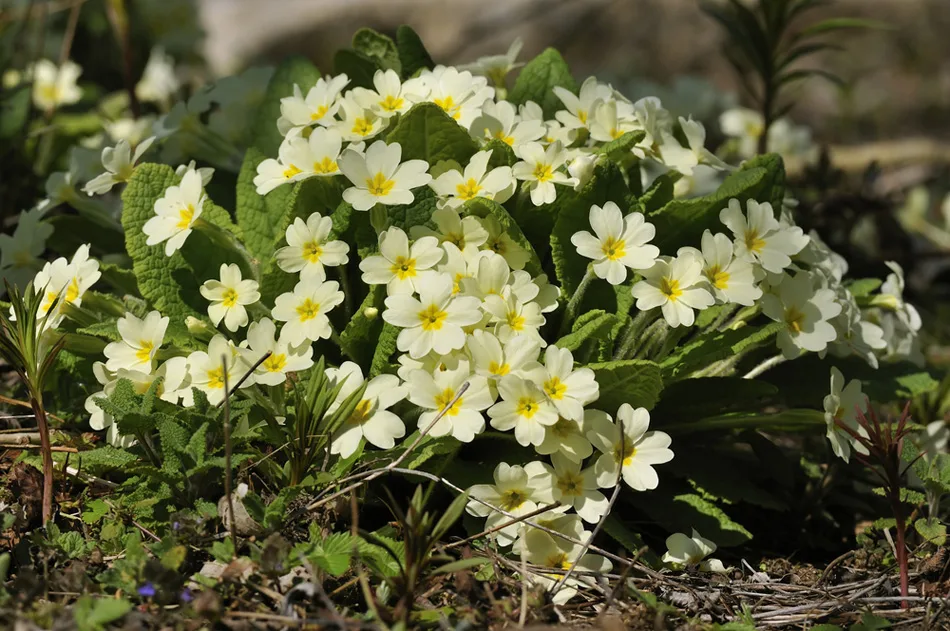
Primrose – Primula vulgaris
Spring is just around the corner and the days are finally getting noticeably longer! The snowdrops, primroses and daffodils will be opening soon, and some may well be already out in some sheltered spots. On milder days there is still time this month to plant bare-rooted plants – the soil will soon be starting to warm up and this will give the plants a good start when the sap starts to rise. While doing this, dig out any perennial weeds in your beds and borders: dig them up, roots and all, before the weather warms up. The quiet time in the garden is a good time for those maintenance jobs: get out of the rain by cleaning up and washing all the pots in the greenhouse this month: this will help keep pests under control. Also bring bags of potting compost into the greenhouse or conservatory now to warm up, before using later in February or March. How about installing a water butt now, too, ready for the summer? Rainwater is particularly useful for watering acid-loving, ericaceous plants. And why not find out what type of soil you have? Invest in a soil testing kit to help you choose the right plants for your garden. If you have a cold greenhouse you can start potted fuchsias back into growth this month. Prune your overwintered fuchsias back to one or two buds on each shoot. Clean up the top of the pots (no need to repot yet – wait until there are active growing shoots). For the next few months, if you pinch out the lead bud on every shoot, you will have lots more flowers in the summer. Late February you can also start dahlias into growth by planting the tubers up in pots.
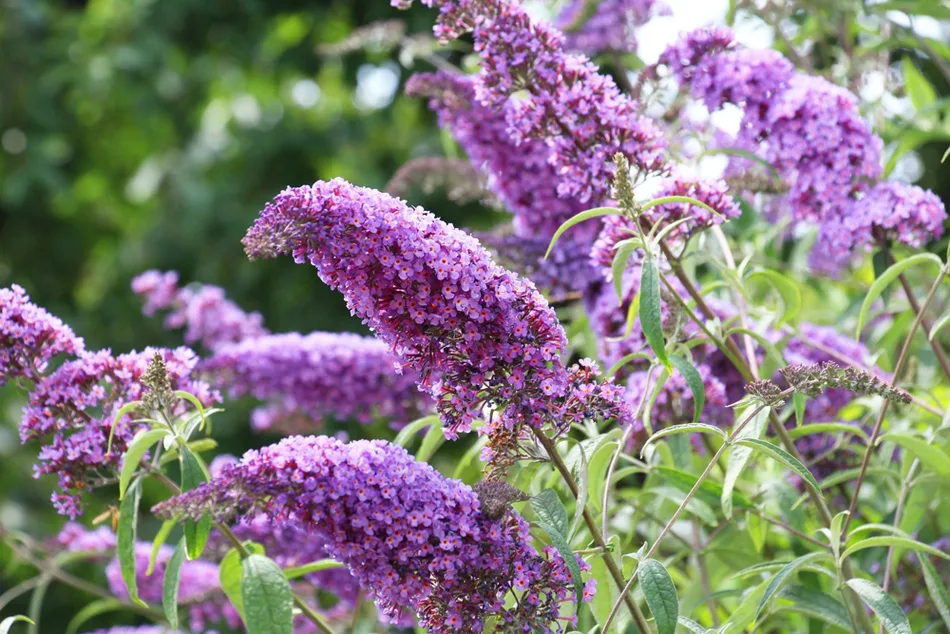
If you want plentiful buddleia blooms this summer, February is the month to prune them back right to the base and feed with an organic fertiliser
Getting things done outdoors Outside, all potted plants will benefit from a top dressing with organic fertiliser, such as garden compost, well-rotted cow and/or poultry manure, blood, fish and bone meal. Seaweed fertiliser is one of the most beneficial fertilisers. Also, this is the right month to cut back wisteria side shoots to three buds from the main stem, to encourage flowers this spring. Prune buddleia Davidii (the butterfly bush) hard, right back to the base, to keep these vigorous shrubs to a reasonable size, then feed with an organic fertiliser. Before the birds start nesting, trim back ivy and deciduous hedges, Virginia creeper and other climbers. Prune summer-flowering clematis towards the end of the month, before active growth begins – cut stems back to healthy buds about 30cm from the base. Also cut back old stems of herbaceous perennials and ornamental grasses. February can be a particularly hard time for birds, so ensure your bird feeders are clean and regularly stocked – and maybe put up some nest boxes for garden birds to pick themselves a home.
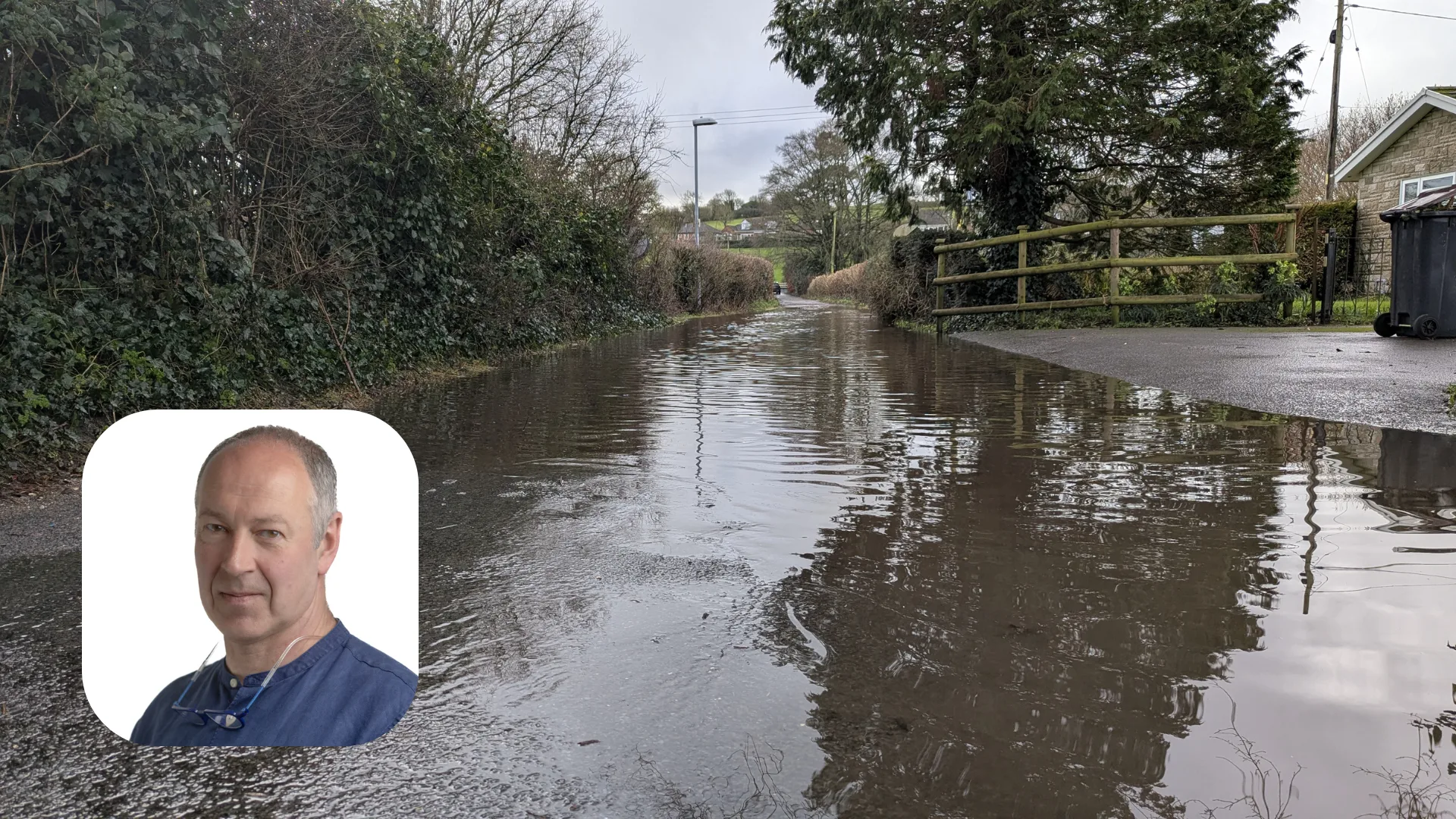
On Thursday 5th February, Dorset Council leader Cllr Nick Ireland released the following statement regarding the ongoing flooding issues in the county: ‘I want to speak to you directly today, because I know how incredibly tough these past days and weeks have been. ‘Groundwater levels across Dorset are now at historic highs, and with more rain forecast, many of you are dealing with real worry and disruption. Some of you have faced flooded roads, cancelled plans, damage to homes or businesses, or the constant anxiety of watching water levels rise. I see that. We all do. And I want you to know: you’re not facing this alone. ‘Our crews have been out day and night – often in miserable conditions – clearing drains and watercourses where it’s safe, putting out road signs and barriers, and working closely with partners to reduce risks wherever possible. Their dedication has been remarkable, and I want to personally thank every one of them, and all our partners such as the Environment Agency and the town and parish councils, for the relentless effort they are putting in. ‘We also know that this kind of extreme weather isn’t a one-off. Events that used to be called “once in a century” are becoming familiar. That’s why last year we began developing Dorset’s Climate Adaptation Strategy – work that will help us plan for the future and protect our communities as our climate continues to change. There’s no hiding the fact that the road ahead will require major investment: repairing damage, strengthening our infrastructure, and preparing for the challenges we know are coming. That conversation is important, and it will continue. ‘We are already taking action to support our communities where it’s needed most. I’ve asked officers to bring forward proposals for substantial additional capital investment to help tackle areas that suffer repeated flooding, so we can start making the long-term improvements our residents deserve. ‘I’ve also asked our highways teams to look at increasing resources for frontline work – especially the extra capacity we’ll need for clearing gullies and dealing with the debris and damage these floods have left behind. ‘This is about recognising both the urgent repairs required right now, and also the bigger task of adapting our infrastructure so Dorset is better prepared for the extreme weather we know we’ll continue to face. ‘But right now, our priority is you. Your safety. Your homes. Your wellbeing. ‘If you’ve been affected, please reach out – we are here for every resident and every business dealing with the impact of this flooding. ‘Dorset is a strong, resilient place, and we will get through this the same way we always do: by supporting one another.’
Following a fantastic Boxing Day raceday at Wincanton, we can now turn our attention to an exciting few months of top-class racing and memorable days out at the course.
The highlight of the winter calendar is undoubtedly our iconic Kingwell Hurdle Raceday on Saturday 14 February: perfectly timed for a Valentine’s Day outing! A cornerstone of the National Hunt season, the Grade 2 Kingwell Hurdle has long been recognised as a proving ground for the Unibet Champion Hurdle contenders, and last year’s renewal only strengthened that reputation. Golden Ace lit up Wincanton with a brilliant performance, going on to secure victory in the Unibet Champion Hurdle at the Cheltenham Festival. Her success underlined the significance of the Kingwell as a launchpad for racing’s elite and marked a milestone moment for local trainer Jeremy Scott, jockey Lorcan Williams, and long-standing Wincanton member and owner Ian Gosden. It was a truly special achievement and a proud success story for the course Alongside the horseracing action, we’re delighted to be bringing back our popular dog classes for a second year – adding even more fun and family-friendly entertainment to the day. Your four-legged friends can enjoy their moment in the spotlight with six friendly classes, including Loveliest Lad and Best Rescue, with prizes up for grabs, plus a crowd-pleasing dog race on the track itself.
Dates for the diary: Later in February, we look forward to our February Flyer Raceday on the 25th, offering a relaxed afternoon of racing as we edge closer to spring and brighter days. March promises to be just as exciting, with two further racedays to look forward to. On 5th March, our Cheltenham Preview Raceday gives racegoers the chance to combine live racing with expert insight. After racing, ticket holders can join a panel of specialists, including Paul Nicholls, for an in-depth discussion of all things Cheltenham Festival. We round off the month with our Spring Raceday on 23rd March – a perfect way to welcome the new season with an afternoon of competitive racing and a great atmosphere. We very much hope to welcome you to Wincanton across the coming months and share these fantastic fixtures with you, whether you’re a racing regular or planning your first visit of the year. https://www.thejockeyclub.co.uk/wincanton/
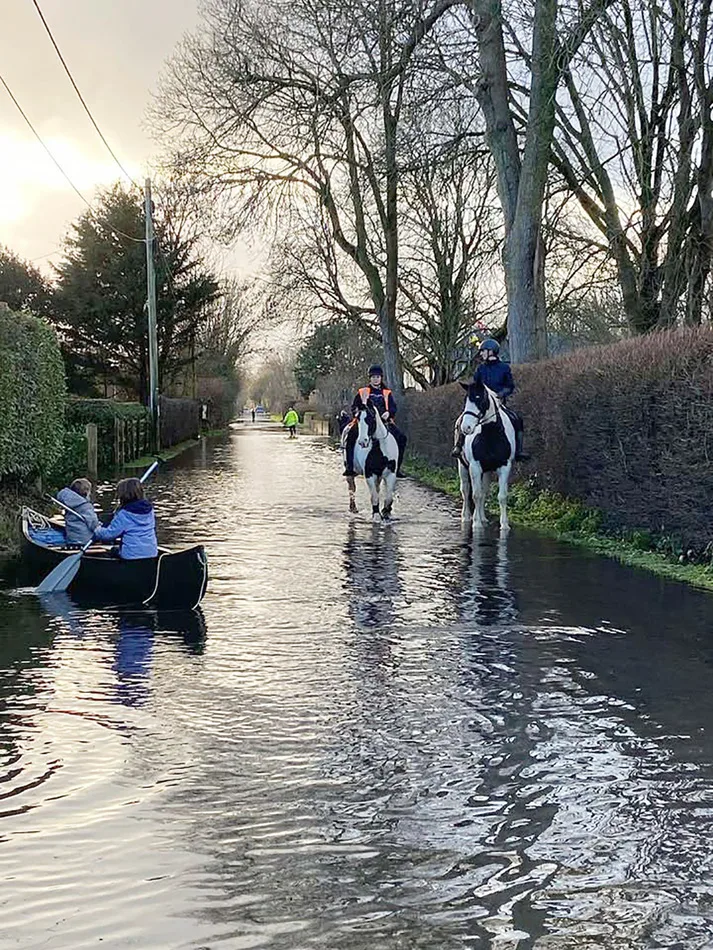
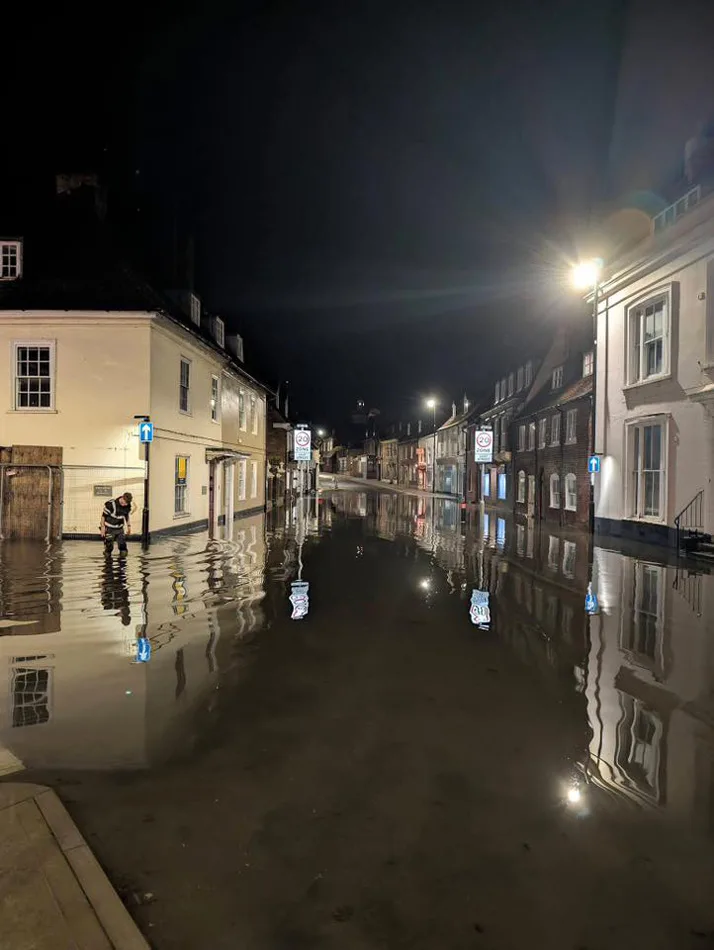
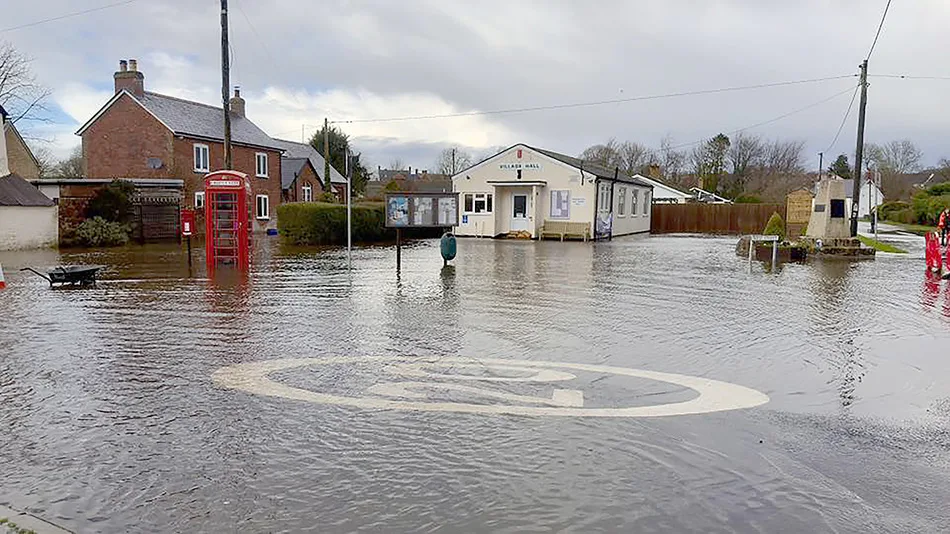
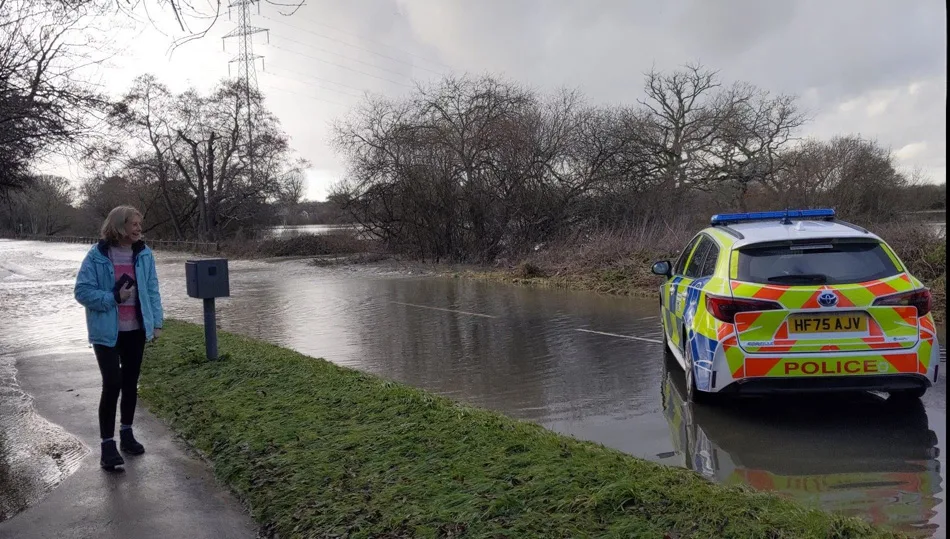
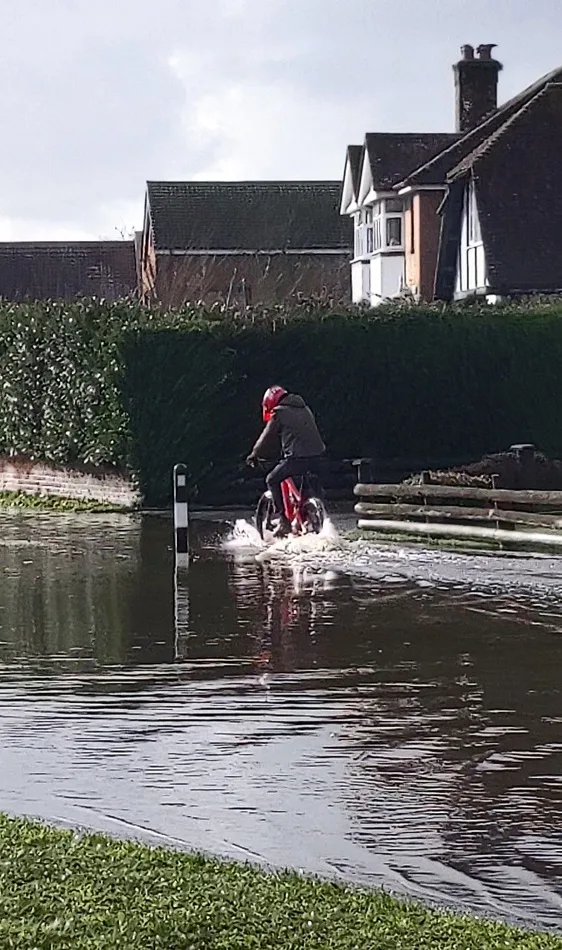
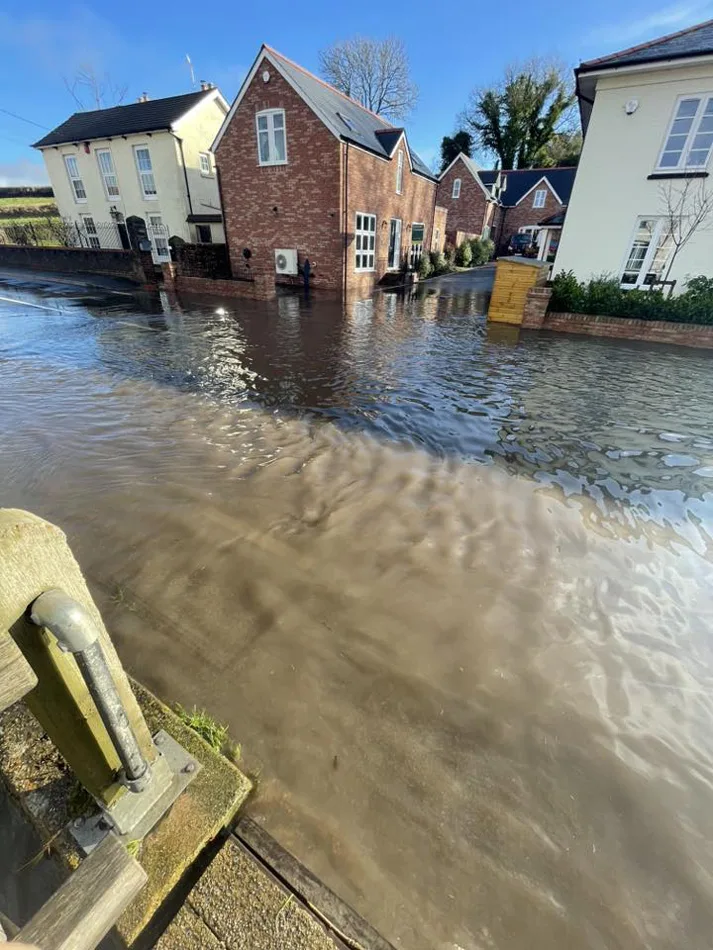
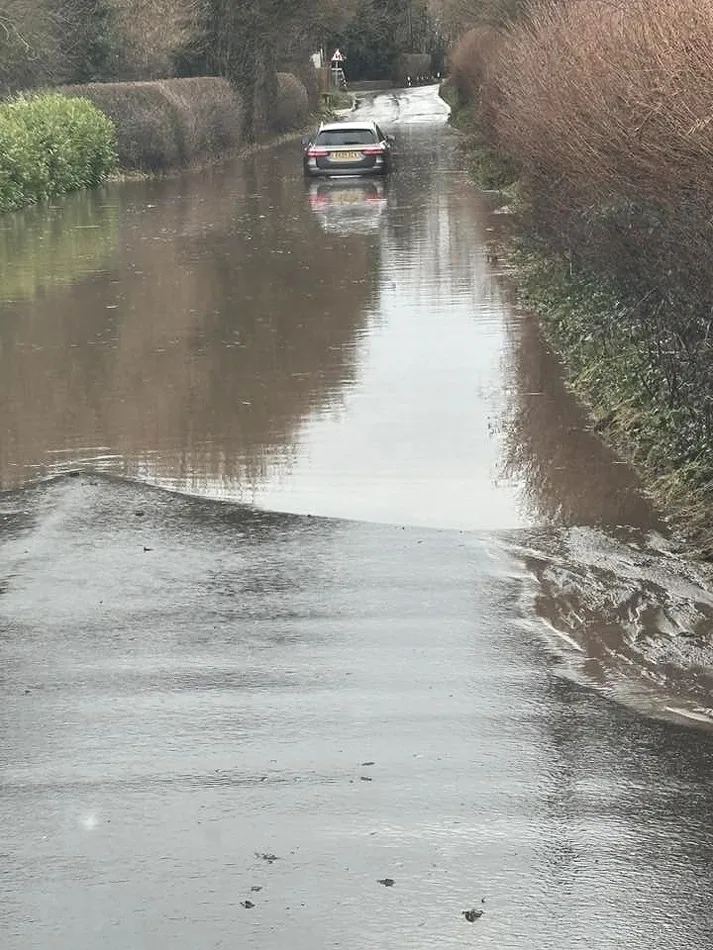
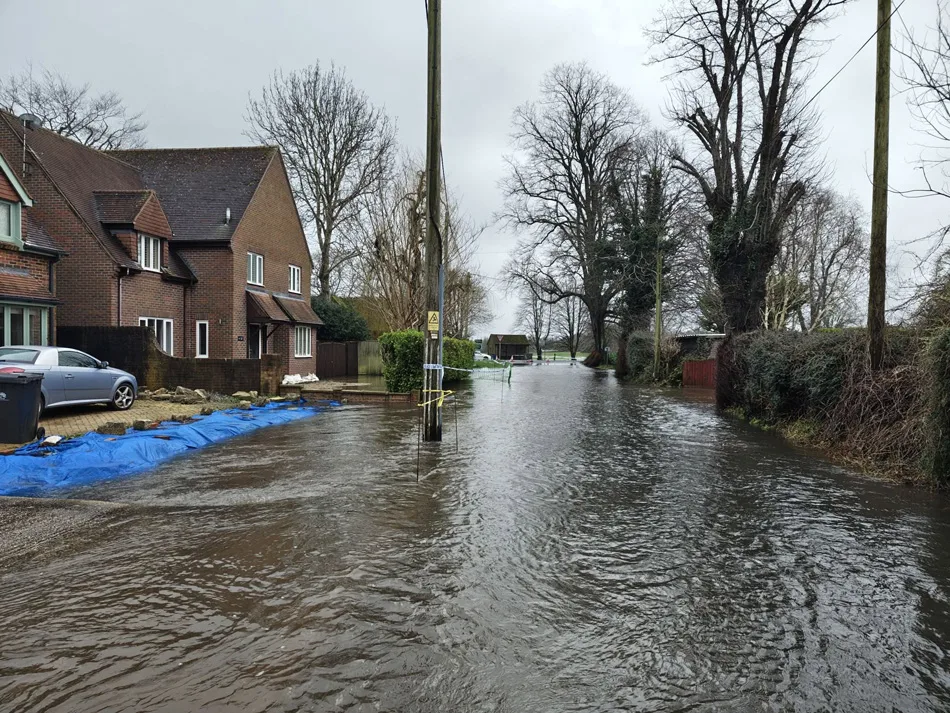
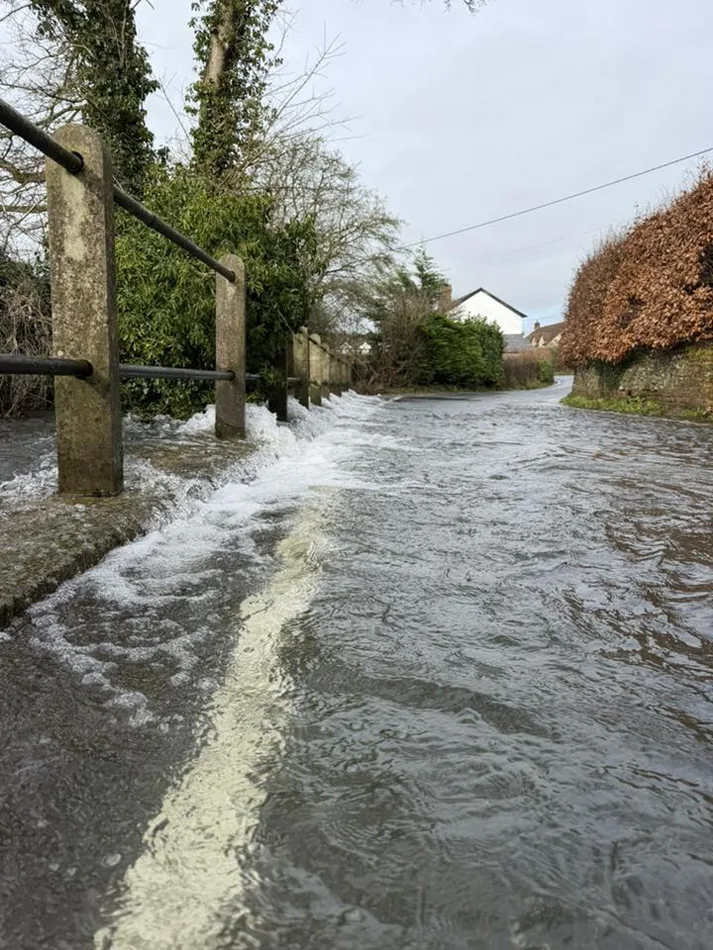
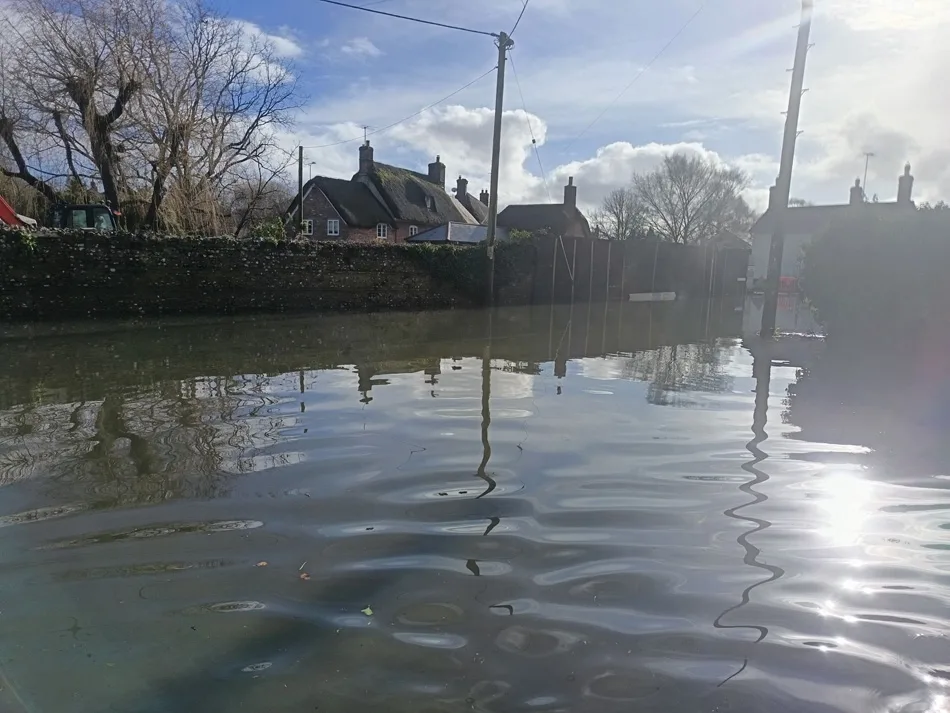
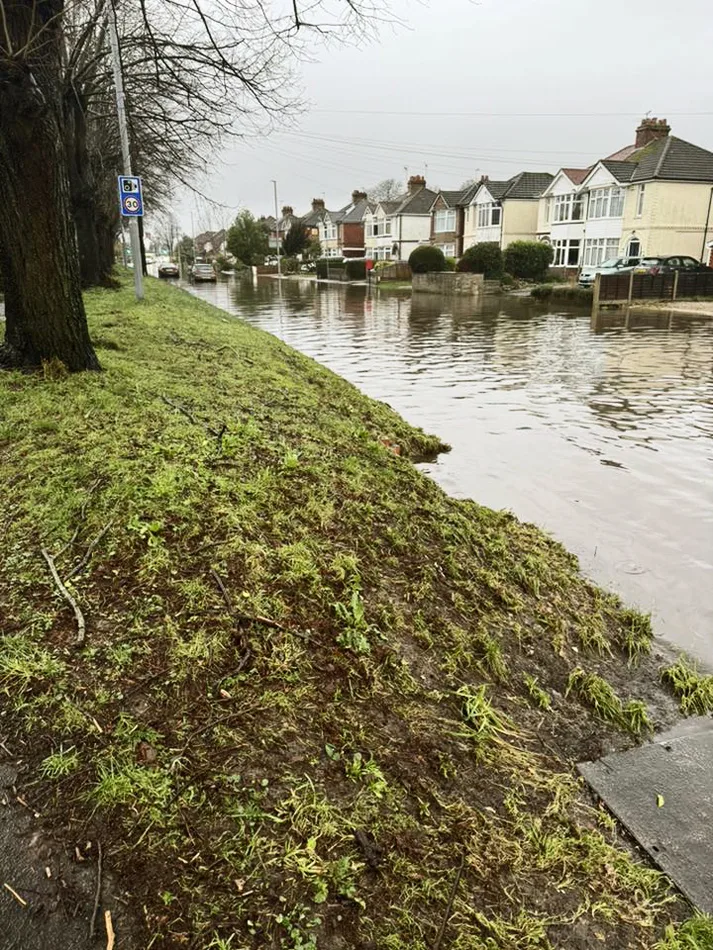
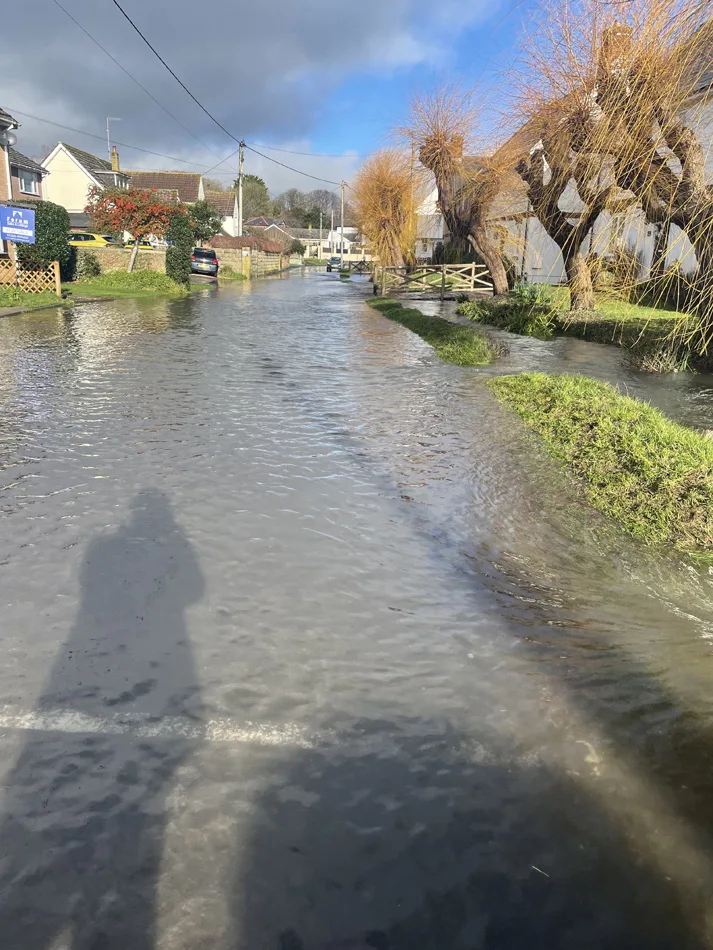
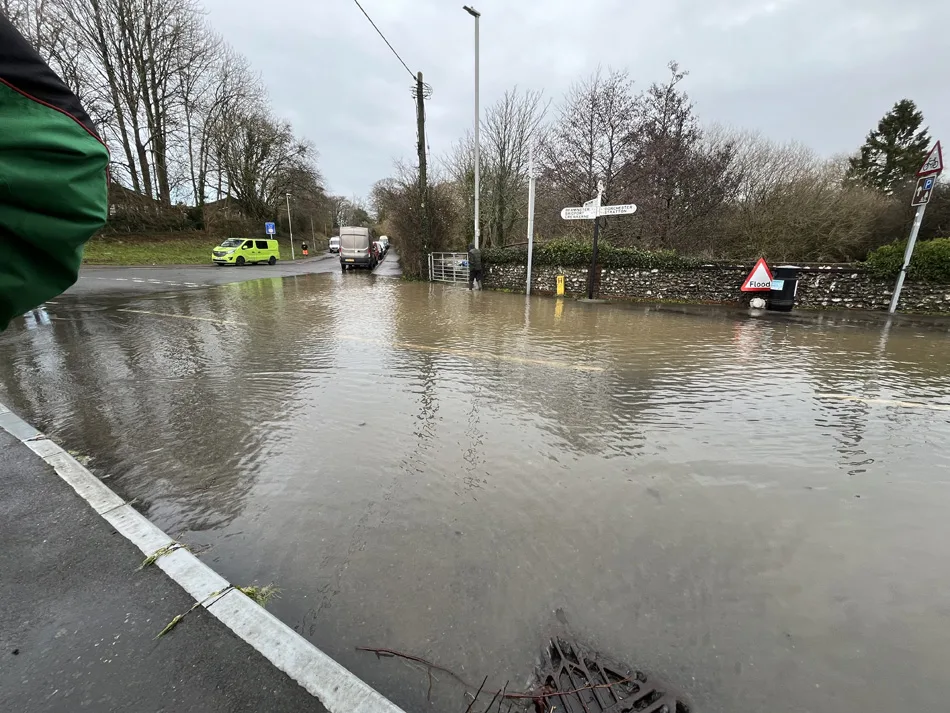
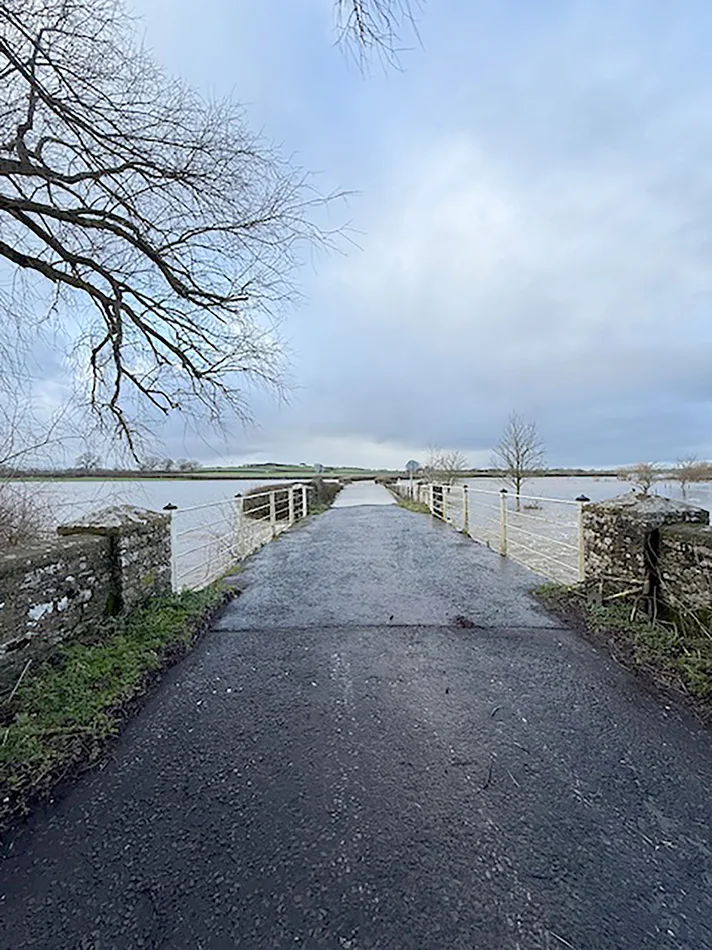
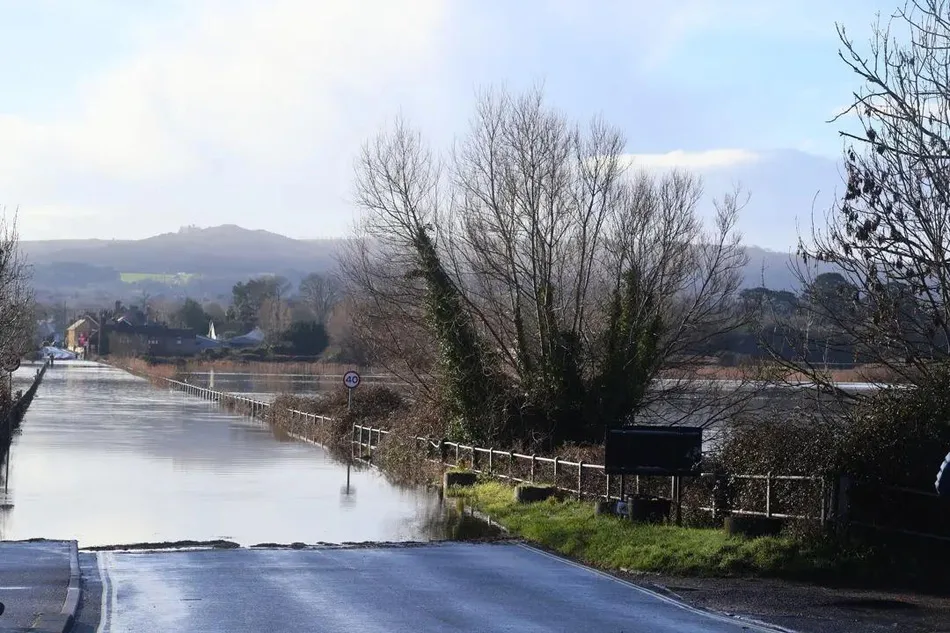
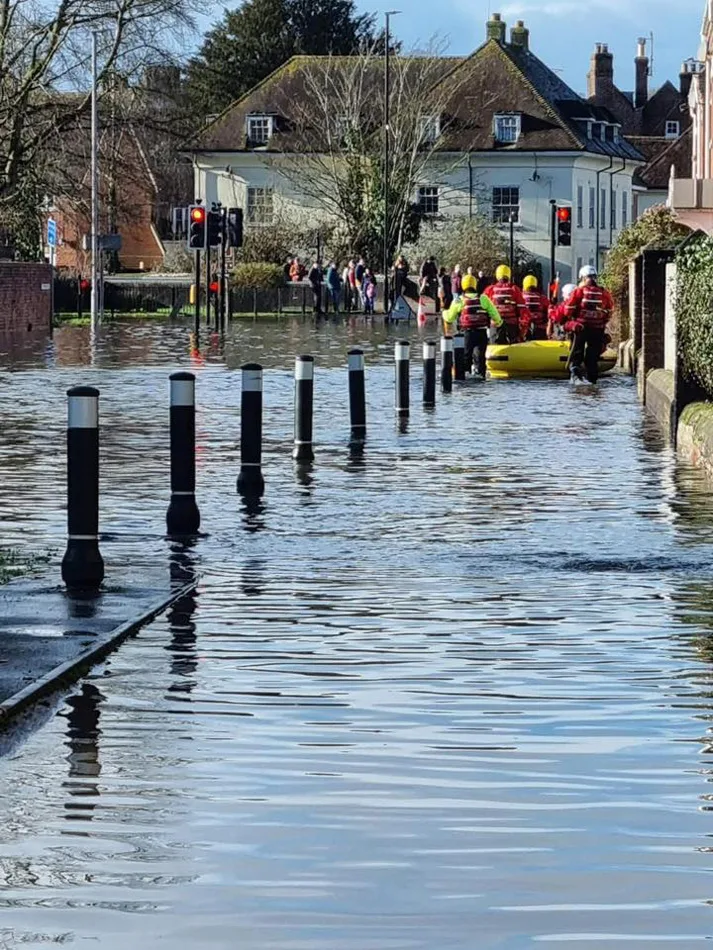
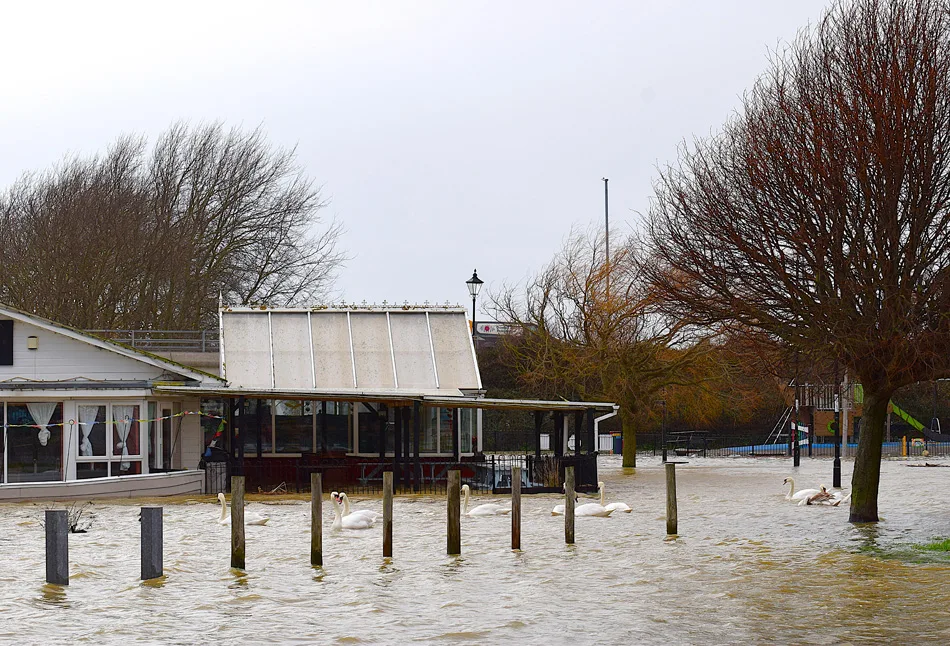
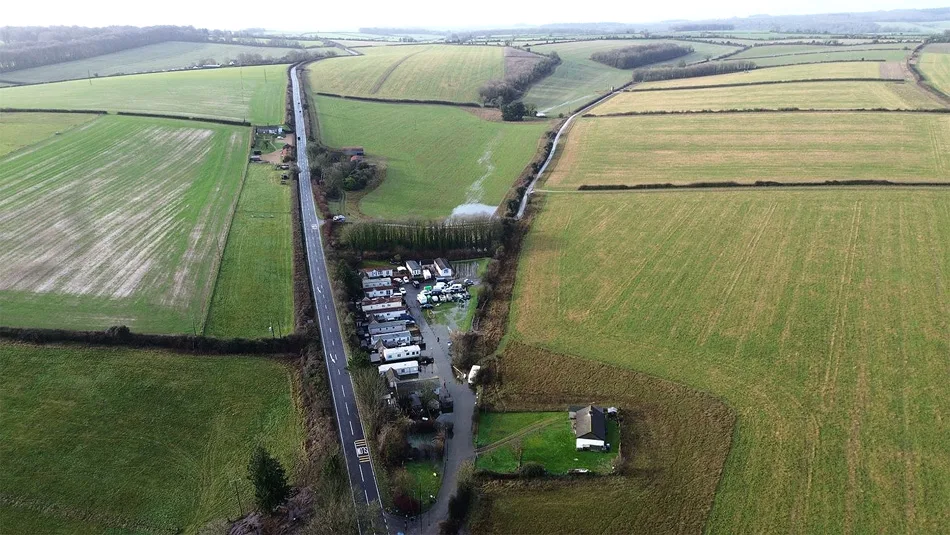
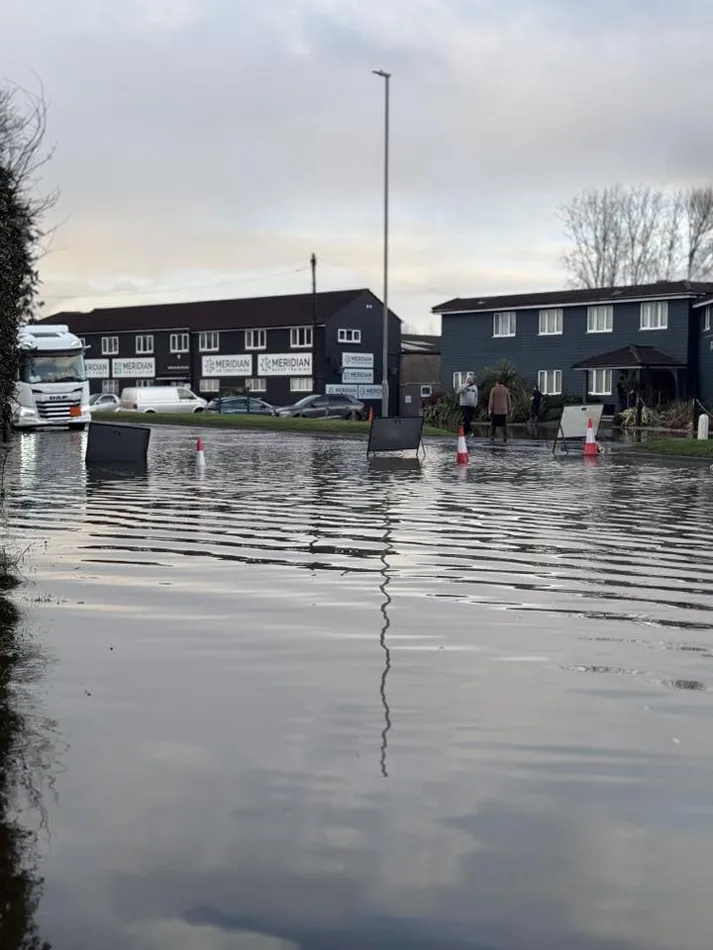
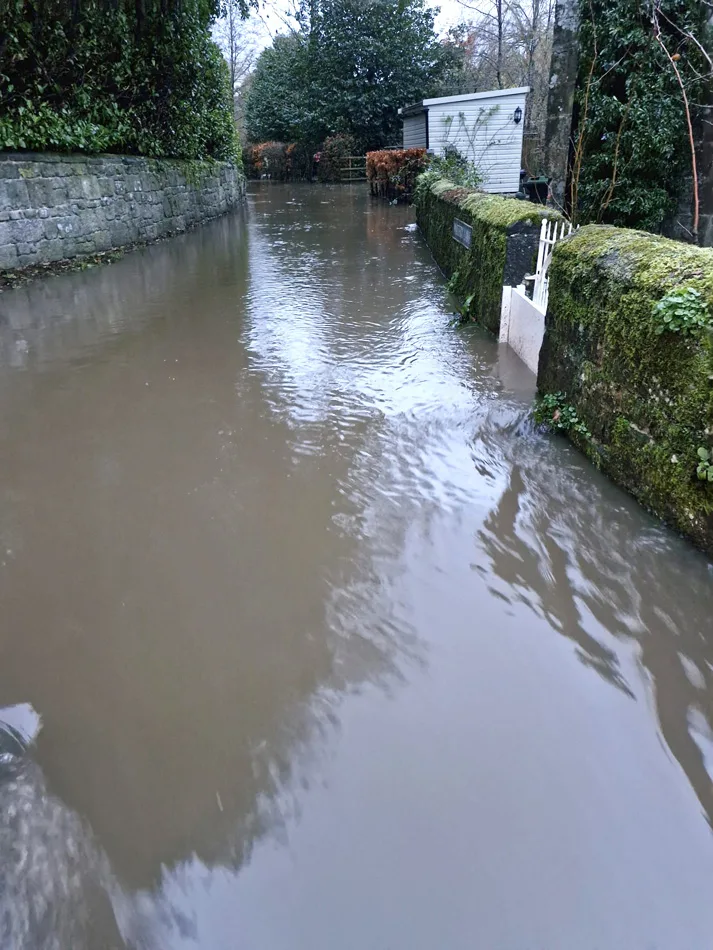
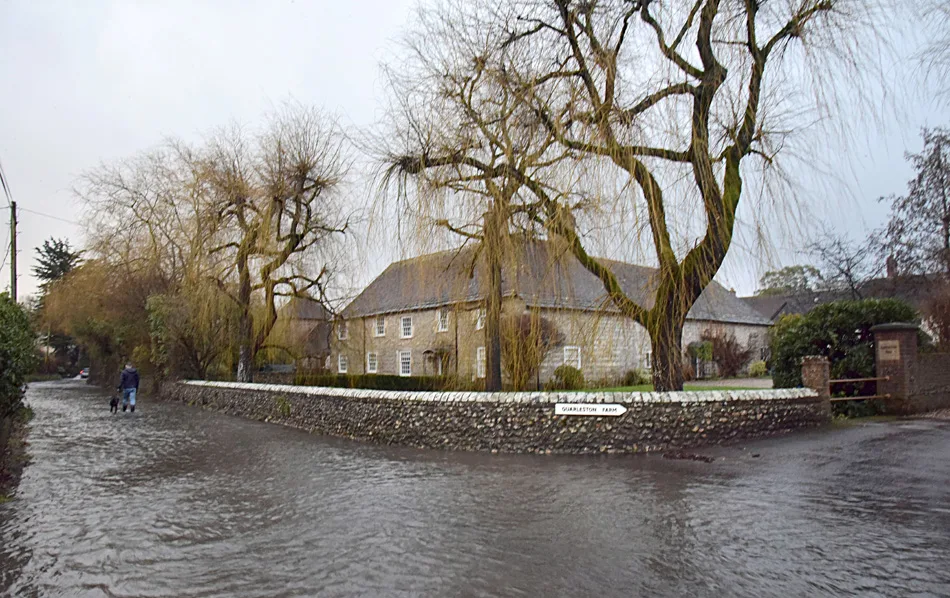
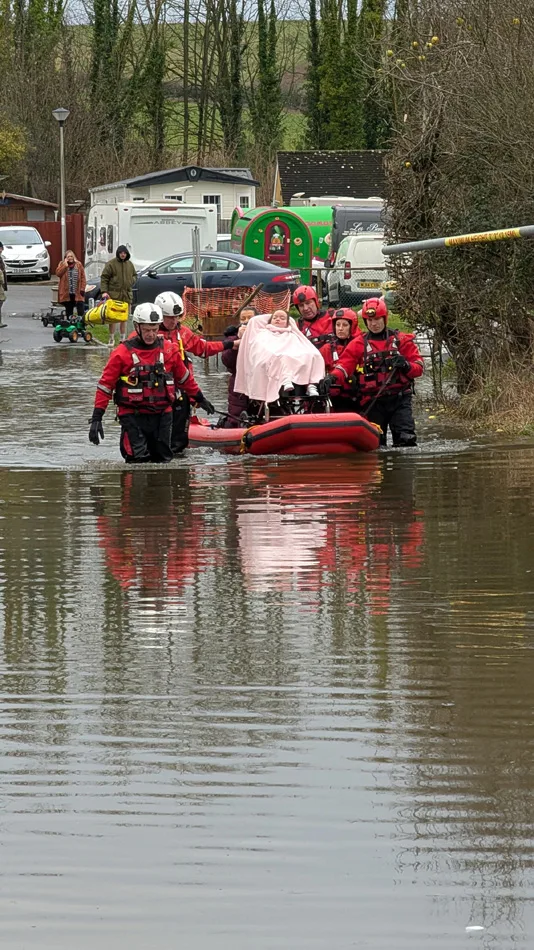
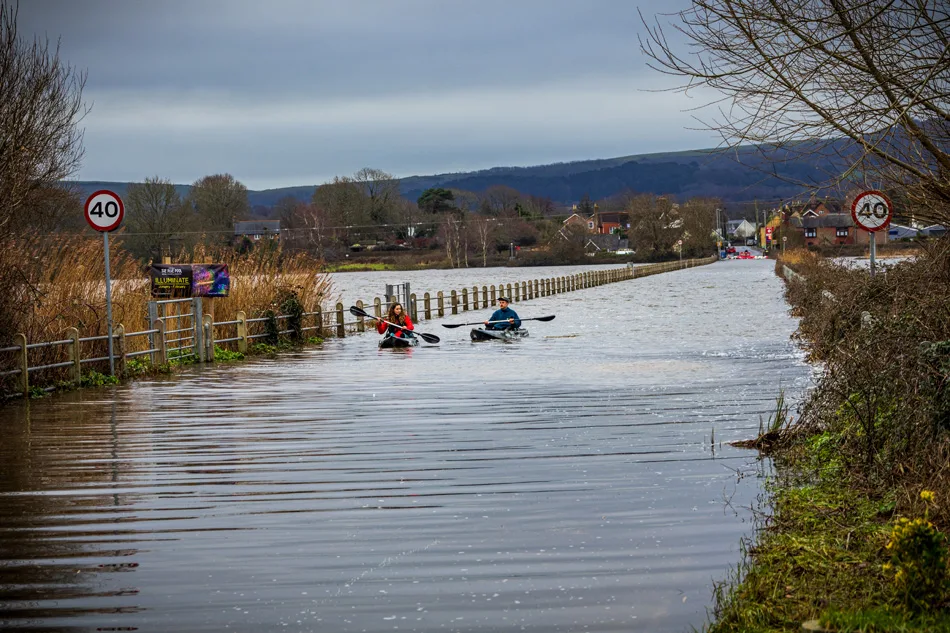
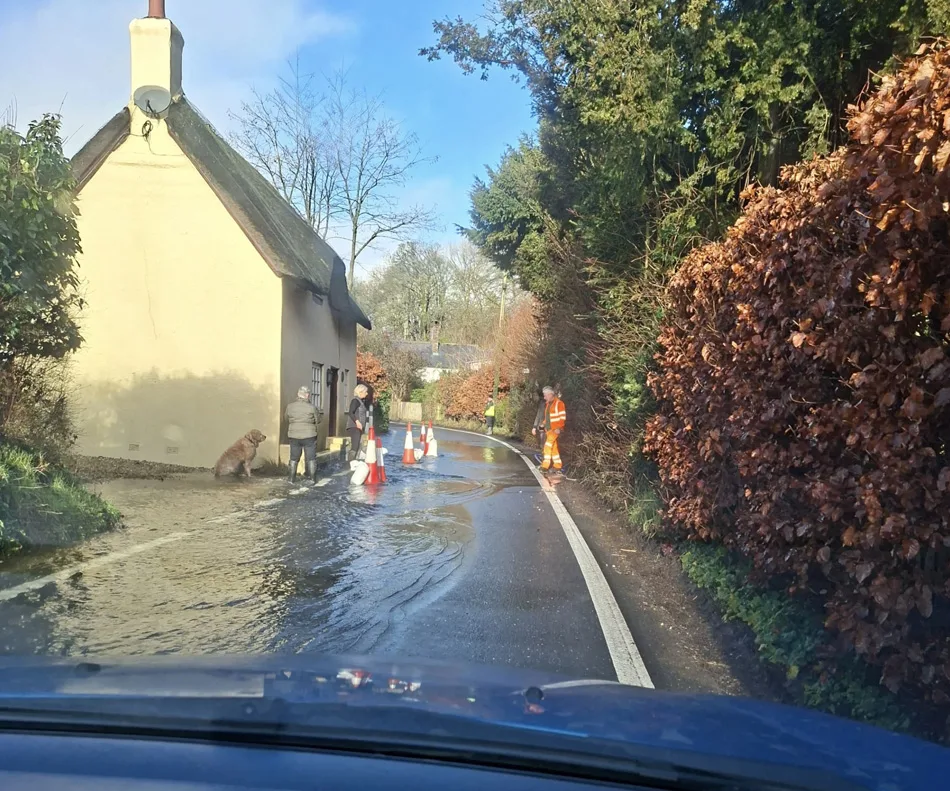
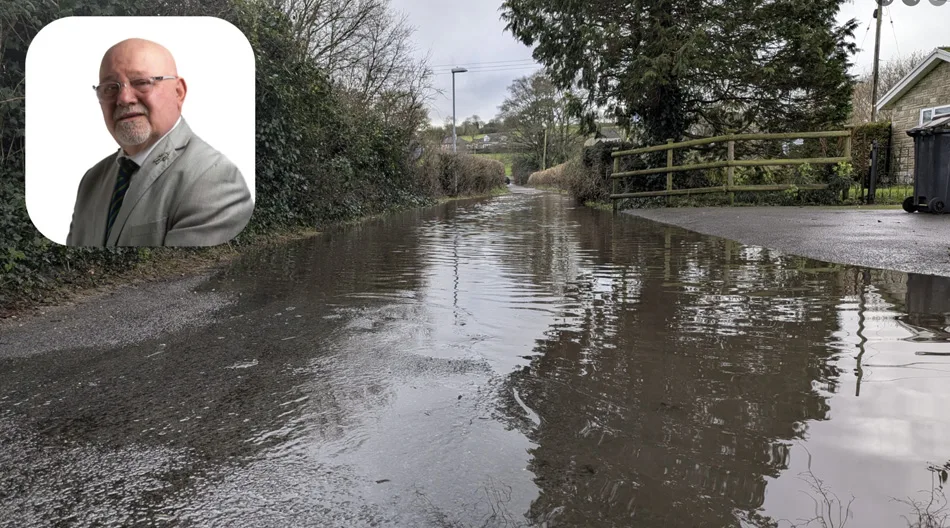
When Storm Chandra swept through Dorset on the night of Monday 26th January, the impact was immediate – and dramatic. By Tuesday morning, flooding had brought damage and disruption to towns and villages across the county. Forty roads were closed, fire crews responded to back-to-back calls from stranded motorists, and countless homes and business owners were left clearing up sodden premises. With groundwater still rising, many routes were still under water on Wednesday, and commuters were left to navigate a patchwork of road closures. Patrick Brown, a resident of Thornicombe Park, near Blandford, kindly shared images of his daughter Rosie in her wheelchair being evacuated out of the flood. ‘Rosie was taken into respite care in Dorchester. The water was almost three feet deep and rising, and we are extremely thankful and grateful for the quick response from the evacuation team and other residents.’ George Hosford’s drone image captured the water heading to the site: ‘The spring had broken, and the fields are already waterlogged so the water ran straight across the top, down to the mobile home site which sits in a hollow.’ In the midst of the chaos, our readers did what they do best – capturing the extraordinary scenes all around them. From submerged lanes and swollen rivers to eerily still fields turned to lakes, these images tell the story of the storm in Dorset. Thank you to everyone who shared their photos. We couldn’t include them all, but here’s a powerful selection – just hover your mouse over the images to see where they are and who took them.
Barry Cuff takes a look back through his notes on what happened on his Sturminster Newton plot last month
For salad leaves, Barry grows winter cress, mizuna, radicchio, red and green mustards and chicons. Image: Barry Cuff
Three days of frosts at the beginning of the month (one was down to –7ºC!) appear to have done little or no damage, thankfully: the phacelia, our green manure, was partly killed out by the hardest frost but our salad leaves are all protected with fleece. The very high rainfall kept us off the plot in January, except for gathering vegetables and pruning the fruit bushes. We did no groundwork at all except for adding manure to any areas cleared of produce – and we carried this out using planks across the soil, or from the paths. Hopefully February will be a much drier month, and we can start digging and preparing the soil for sowing and planting in March. Pruning: All the fruit bushes were pruned. We had a lot of gall mite (big bud) on the blackcurrants this year, so all buds have been removed and bagged. These will be burnt later with all the other prunings Potatoes: Val and I made our annual trip to Mill House Nurseries at Owermoigne to buy our seed potatoes. This year there were 73 varieties to choose from – it’s almost certainly the largest selection in Dorset. They were made up of 19 first earlies, 22 second earlies and 32 main crop. This year we have decided to try a few Orla, a first early with excellent taste. The remainder – Charlotte, Jazzy, Sagitta, Caledonian Rose and Desiree – are all varieties which we have tried and tested in previous years, and all have been chosen for their reliability, taste, yield and cooking qualities (especially for salads, roasting and making chips). The average cost was 21p per spud. Peas: While we were at at Mill House, we also bought this year’s peas – Hurst Green Shaft. Sold loose, we got approx 1,800 seeds for £3.50, which is very good value. Seeds: We always test any open packets for germination – if stored correctly, the germs hold up well even on two and three year old seed. New seed we tend to trust, though we always check the germ of new parsnip seed as it can be poor (there is no marketing standard for parsnip as there is on all other vegetables) Sowing: In the propagator we have sown the sweet chillis. In the greenhouse, we have two varieties of broad beans – Witkim manita and Masterpiece Green Logpod. We also have two varieties of sweet pea, a tray of agricultural peas for salads and also a tray of mixed leaves for salads. Fresh vegetables: We have continued to pick leeks, celeriac, parsnip, carrot, cauliflower, sprouts and broccoli. From the store: We’ve still got supplies of potatoes, onions and squash, as well as garlic and hazelnuts. In the freezer: We’re still enjoying last season’s broad beans, peas, sweetcorn and French beans. Salads: We always enjoy our tasty colourful salads at this time of year, and everything is picked fresh from the plot. For salad leaves we grow winter cress, mizuna, radicchio, red and green mustards and chicons. To the leaves we usually add several roots – celeriac and various radishes: white daikon, red and blue moon.
More than 500 female boxers gathered in Sweden – and it was Dorset’s Ruby White who emerged as Golden Girl champion on the biggest stage
Ruby White Golden Girl 2026
The Golden Girl Championship has always carried weight in women’s amateur boxing, but the scale of this year’s tournament underlined just how far the sport has grown. Held in Sweden for the 16th time, the 2026 event was the biggest yet, attracting more than 500 competitors from 30 countries – making it the largest female-only amateur boxing competition in the world. ‘Last year was big, with around 330 competitors,’ says Shaun Weeks of Sturminster Newton Amateur Boxing Club, who travelled with a strong squad. ‘This year it was 520. That tells you everything.’ The tournaament doesn’t just attract European teams: boxers also travelled from from Canada and the USA. For young fighters, the appeal is obvious. ‘The girls are guaranteed bouts,’ Shaun says. ‘And because of the level, it makes it one of the most elite competitions they can enter.’
Golden Girl box cup 2026 team and coaches Eddie Roy Dave and Shaun, The parents that travelled to support us
Golden Girl’s structure also sets it apart. Younger boxers compete in ‘diploma boxing’, judged on skill rather than power – footwork, defence, movement and clean punching – before progressing to open competition at junior, youth and senior levels. ‘It’s not something we do in this country,’ Shaun says, ‘but it makes a lot of sense.’ This year’s results reflected the depth of talent. Awards went to boxers from across Europe, with England well represented but far from dominant. The breadth of categories – from Best Junior and Best Youth to Elite, Showmanship and technical awards – reflected a sport developing across ages and styles.
Top row from left to right – Katie Isaacs – Mollie Callaway – Miraya Ivanova Bottom row fro. left to right – Ruby Gibbon – Ebony Isaacs – Ruby White
The Stur six pack That was evident within the Sturminster Newton squad. Ebony Isaacs reached the final after a strong semi-final win, eventually taking silver against a multiple national and current European champion. ‘She competed,’ Shaun says. ‘She didn’t get stopped, she didn’t get an eight count – it showed she’s at that level.’ Miraya Ivanova delivered what Shaun described as one of her best performances to date, winning gold after boxing with confidence and control. ‘She loves to train,’ he says. ‘The harder you train her, the better she gets. But something just clicked for her in Sweden.’ Katie Isaacs also impressed across two age groups, taking gold and silver in bouts where she was often younger, lighter and less experienced than her opponents. ‘Anything near 30 points in diploma scoring is exceptional,’ says Shaun. ‘She’s definitely one to watch.’ Others had tougher weekends but gained valuable experience. Georgia Allcott, new to the club, lost narrowly on a split decision against a strong French opponent. ‘Give her four or five months with us and you’ll see a different boxer,’ Shaun says.
Ruby White the Golden Girl 2026
The return of Ruby Against that backdrop, Ruby White’s performance sits in sharper relief – not because it eclipsed the rest, but because it represents the long arc of development the younger girls are on. Now competing at 51kg, having moved up from 48kg, Ruby boxed opponents ranging from her own age to senior fighters in their 20s. ‘She was just boxing better than them,’ Shaun says. ‘She handled all distances. She was never in danger. She controlled every single bout.’ Her progression was visible across the weekend. ‘Even in the final,’ Shaun adds, ‘she just stepped up a gear. She wore her opponent down and finished it early.’ Beyond the ring, Ruby was recognised twice more. Following a public vote – which she apparently won by a wide margin – she was announced the People’s Champion. Then, the tournament’s top senior award, she was announced as overall Golden Girl, the tournament champion. The unanimous jury’s decision was unequivocal, citing: ‘… sharp, hard, clean punches, never in any danger, always controlling the bout. A complete boxer’. ‘I’ve been so overwhelmed by the support from everyone,’ Ruby says. ‘I feel incredibly grateful and really loved, both online and in person. So many younger boxers – and their mums! – came up to me at the tournament, asking for photos and advice, which was really lovely. I’m always happy to help anyone. ‘All three of my bouts were tough, and I was proud to share the ring with my opponents from Ireland, Canada and Germany – they’re all great boxers and genuinely lovely people. Respect is a huge thing for me in boxing. People who know me know I always show that. The fights can be entertaining and intense, that’s what the crowd loves, but before and after the bell we’re all good – when it rings, we’ve just got a job to do. ‘I want to thank Sturminster Newton Amateur Boxing Club and all my coaches for the time and effort they put into me. I had the best time at Golden Girl this year … But now, it’s straight back to the gym and back to work.’ For Shaun, the moment carried personal significance. ‘When Ruby first went there as a schoolgirl, she won gold and also Best Prospect,’ he says. ‘And she said then, “One day I want to come back and be the Golden Girl.” She’s done it – at the first opportunity.’
Ruby White is a champion in Sweden
Eyeing the five rings What comes next is still unfolding. Ruby is awaiting confirmation on selection for the GB podium squad, a key step towards international championships and, ultimately, Olympic contention. ‘Anybody can turn pro,’ Shaun says, ‘but not everyone can be an Olympian. That’s always been the goal.’ If Golden Girl 2026 demonstrated anything, it is that women’s boxing now rests on depth, structure and opportunity. For some of the Dorset team, the weekend marked potential realised; for others, lessons learned. For Ruby White, it marked another milestone – she is no longer a prospect chasing the field, but a standard against whom others are measured.
Ruby will be boxing at the Amateur Show on 14th March at The Exchange. It’s a rare chance to watch an international-level boxer compete live, and a great way of supporting a not-for-profit local boxing club too. Ruby faces a tough test against multiple-time national champion Jasmina Lujkaj of Redcar, in what promises to be an exciting, high-quality contest.
Storm Chandra exposed a new and unsettling reality as groundwater flooding pushed Dorset far beyond its familiar winter flood patterns
When Storm Chandra hit Dorset on Tuesday 27th January it released torrents of rain and left much of the county under water. What stood out was not just the volume, but the places affected – locations that do not usually flood. Most North Dorset locals know Hammoon can be a dangerous drive after heavy rainfall, but few expected Sixpenny Handley to become impassable. Each winter brings flooding at familiar pinch points – Caundle Marsh, parts of Blandford Forum, the aptly named Winterbornes – but Storm Chandra pushed far beyond the usual pattern. Sturminster Newton bridge was impassable. Villages north of Dorchester were significantly flooded – and the water kept rising long after the storm had passed. Groundwater then began seeping from the countryside, seeping through floorboards and turning roads into streams.
Tollard Royal Cobb Cottage at risk from flooding
A scarier type of flooding Much of Dorset and parts of Wiltshire are particularly susceptible to groundwater flooding, largely because of the chalk landscape. Chalk acts like a giant sponge: when the water table is saturated the water can rise rapidly. Once underground spaces are full, water is forced upwards – onto roads, into gardens and, in some cases, through floorboards. This kind of flooding often occurs days or weeks after heavy rain, and conventional flood defences offer little protection. In some cases, spring water must be pumped away from buildings to prevent damage. In Tollard Royal, water gushed down the main road, lifting tarmac and placing homes at risk. An ancient roadside cottage built of cob – a traditional West Country mix of mud and straw – was particularly vulnerable to waves created by passing vehicles. Local resident Joel O’Connor was one of several members of the community who volunteered to support people affected by the floods: ‘We’ve not seen levels of water like this since 2014,’ he says. ‘Usually our gullies are cleared, but they weren’t last year. Once it looked as though flooding was possible, some local residents started trying to clear them but there was so much silt. ‘The groundwater level has risen so high and it’s pushing through peoples’ homes. The storm drains were overwhelmed. It’s scary – we know that when it rains, four or five days afterwards, the water will come up through the ground. So there’s water falling from above and rising from below. Around six properties have pumps in place to minimise the damage. ‘We have a lot of new, deep, potholes and the tarmac is beginning to peel away. ‘What’s lovely is the beautiful way the community has pulled together over this, helping those affected by the floods.’ During and following Storm Chandra, hundreds of workers from Dorset Council were busy closing roads, clearing blockages, and dealing with the general disruption.
‘The scale of flooding this week was driven by swollen rivers, rising groundwater and exceptional rainfall – not a lack of routine drain maintenance.’ Cllr Jon Andrews, Dorset Council cabinet member for place services
Is it the drains? Dorset Council’s cabinet member for place, Councillor Jon Andrews, rejected claims that blocked drains or new housing were the primary cause of the flooding: ‘We understand the frustration,’ he wrote on Dorset Council social media. ‘When water sits outside your home or on the roads, it’s completely natural to think the drains must be blocked. And yes, blocked drains can make local problems worse – we’re not denying that. ‘But the main issue isn’t drain clearance. Highways drains are designed to deal with rainwater that falls directly onto the road. They aren’t built to cope when rivers spill over, fields release huge amounts of water or groundwater forces its way up from below. When rivers and groundwater rise that quickly, the pipes beneath road drains [storm drain grates] become completely full, so even a clear drain simply has nowhere to send the water.’ He added that groundwater flooding is particularly difficult to manage, warning that measures such as sandbags are ineffective when water is rising from beneath properties. He also denied that new developments increase flooding risk: ‘Some people have claimed that new housing developments are making this worse. It’s worth noting that national planning rules already require new homes to be safe for their lifetime and not increase flood risk for existing communities. That remains the case.’ However, a recent government review* changes that picture. It concluded that groundwater flood risk is not being adequately or consistently considered in planning decisions – particularly when combined with future climate scenarios. The review also found there is limited guidance on how to mitigate development impacts where groundwater interacts with other forms of flooding, suggesting current planning frameworks do not fully take this risk into account.
The Stour in flood the morning after Storm Chandra. A few hours after this image was taken, the bridge was closed. Image: Sturminster Newton Town Council.
Open the floodgates It is very rare to see Sturminster Newton’s bridge closed. The town council’s longstanding grounds manager, Adam Dodson, spoke to The BV about the floods. ‘The last time we experienced this type of flooding was 24th December 2013,’ he said. ‘That was a record, as far as I’m aware. We do experience floods most years – but not to this extent. ‘There could be many reasons – ditches not being maintained; big housing developments putting increased pressure on rivers – the water has to go somewhere. ‘Most new developments include SUDS (Sustainable drainage systems) to manage water run-off, but those are site-specific. The water table, on the other hand, is a consistent source of water to rivers. Increased building will affect how that water flows into the river. It could increase the amount flowing into it, or back the water up and increase flooding elsewhere. ‘In Stur we had comments made regarding the sluice gates not being opened at Sturminster Mill, and that this had affected the floods. This is not the case. The sluice gates at the mill are used to control the water level to run the mill: they are not a flood defence. They can be opened to allow water through, but as Fiddleford Mill gates are permanently shut, this can cause backing up issues and increase flooding downstream. And then if the gates are opened and the water level drops too low behind the mill, this can cause riverbanks to collapse. It can also affect fish stocks. So it is a fine balance and a lot of expert knowledge is required. ‘The town council sought the advice of a structural engineer, the miller and a millwright. They unanimously concluded that the sluice gates were not to be used as flood defence. The structural engineer advised that if the sluice gates were to be opened in the event of a flood, this could cause severe structural damage. When closed, the sluice gates provide a solid structure. If opened (during flooding), there is a significant risk that the entire structure would be weakened. Drain clearances and ditch maintenance would certainly help, but could not eliminate the risk of severe flooding. The weather cycles have changed and we experience more wet rather than cold winters now.’ What is clear from the volume of rain and warmer winters is that climate change is already shaping how and where flooding occurs. Once the water recedes, communities and authorities will need to assess how Dorset can better manage floodwater in a county already vulnerable to groundwater rise. This is not an abstract environmental issue. It threatens homes, livelihoods and infrastructure, and will require innovative engineering, smarter land use and more robust planning rules as we adapt to a wetter, more volatile future.
* Future of the subsurface: urban water management in the UK (annex), Government Office for Science 2024
Last year, we shared the story of Windelstan – a new classical composition created for Mere by local composer Richard Nye as part of The Tower Stories project at St Michael the Archangel. Inspired by the restored church tower and its centuries of history, the piece was conceived as ‘an anthem for Mere’, weaving together music, memory and the physical sounds of the tower itself – from bells and keys to worn stone steps and ancient metalwork. That project has now taken a significant step forward. On Sunday 7th December, Windelstán was professionally recorded, capturing the full depth and atmosphere of the composition, and the recording has now been released by The Tower Stories, allowing listeners to experience the work as it was intended – reflective, layered and rooted firmly in place.
Whether you followed the project from the start or are discovering it for the first time, the recording offers a chance to hear Mere’s story told through sound. Listen online via The Tower stories.co.uk
He has been convicted of animal cruelty after dozens of animals were found emaciated, neglected and dying after repeated welfare failures
A north Dorset farmer has been convicted of animal cruelty and banned from keeping sheep after dozens of animals were found living in severe neglect, with some dying as a result of poor conditions. Nigel Anthony Turner, 56, of Ryme Intrinseca near Sherborne, pleaded guilty to 19 offences at Weymouth Magistrates’ Court. The charges followed a series of welfare inspections carried out by Dorset Council’s Trading Standards service and the Animal and Plant Health Agency (APHA).
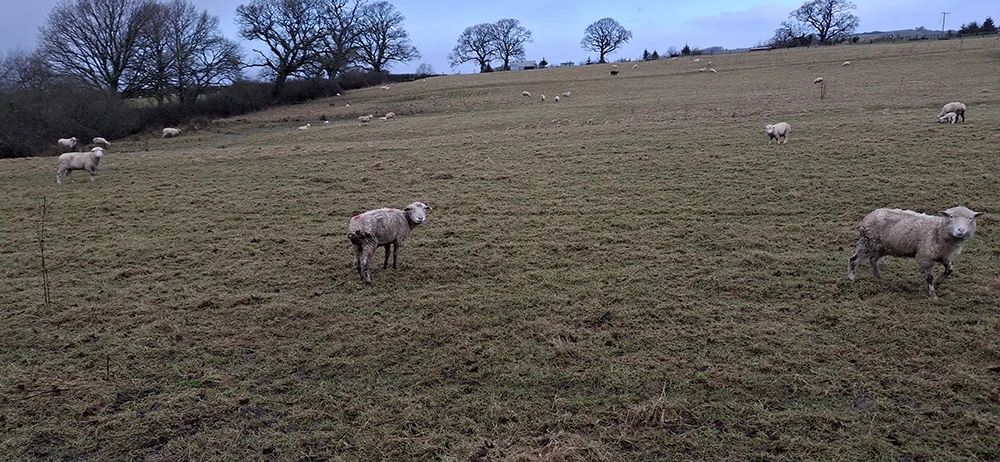
Images taken by Dorset Council Trading Standards officer of the sheep on Mr Turner’s field
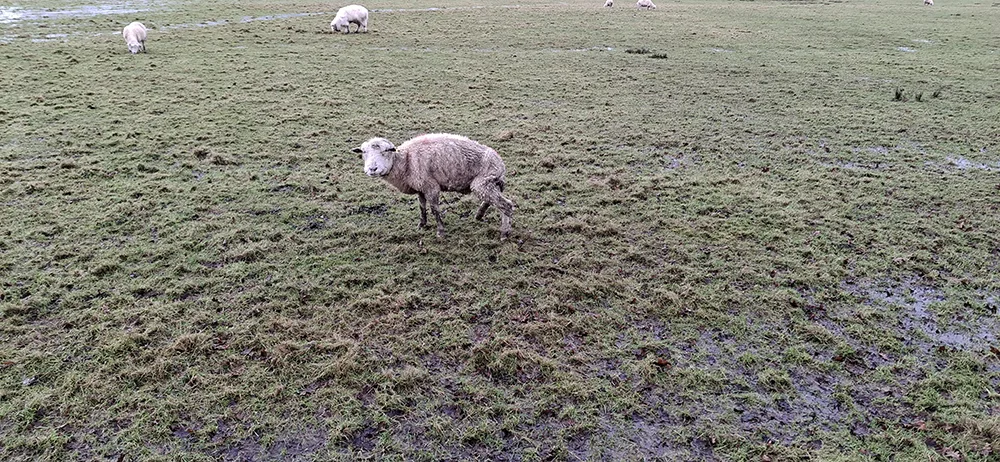
The court heard that concerns were first raised in January 2025, when Trading Standards received a complaint about the condition of sheep being kept in a field at Ansty. An initial site visit found 140 sheep grazing on land with very little available feed and no evidence of any supplementary food being provided. Many of the animals were described as emaciated and in poor condition. Eleven sheep were already deceased. During the inspection, officers found one lamb trapped in a water-filled ditch and two ewes close to death. A veterinary officer from APHA was called to the scene. One ewe was euthanised due to the severity of its condition, and the trapped lamb later died during examination. The vet instructed Mr Turner to provide immediate care and shelter to another ewe that was unable to stand. However, when Trading Standards officers and the vet returned the following morning, the ewe had not been moved and had died. Further concerns were identified during follow-up visits. Several rams were being kept in the same field, leading to indiscriminate breeding, including ewes being in lamb at an age deemed too young. Guilty On a return visit on 4th February 2025, officers found that many sheep remained in poor condition, with some well below acceptable bodyweight. Several animals were also not ear-tagged, a legal requirement for sheep identification. Mr Turner was asked to provide movement and medicine records for the flock but failed to do so. Despite his guilty plea at Weymouth Magistrates’ Court on 28th October 2025, further welfare checks carried out ahead of sentencing found continued issues, including lame and underweight sheep. Reflecting the seriousness of the offences, the court imposed a 12-week prison sentence, suspended for 12 months. Mr Turner was also ordered to pay a £154 victim surcharge and £500 towards prosecution costs within 56 days. In addition, he was banned from owning or keeping sheep for a period of two years.
Images taken by Dorset Council Trading Standards officer of the sheep on Mr Turner’s field
Appalling, shocking case Local sheep farmer Ali Tory said the case was deeply distressing, but stressed that it did not reflect normal farming practice: ‘Fortunately, cases like this are rare – most farmers care very deeply for their livestock,’ she says. ‘We also spend long hours keeping records up to date, as required by law. It’s extremely distressing to see animals subjected to these conditions, and I commend Trading Standards for pursuing a conviction in this case. ‘There is always a risk of fresh fodder running low after a dry summer or a hard winter, but allowing animals in your care to deteriorate to this extent is simply not acceptable. The condition of the sheep clearly shows the land was overstocked, and the continued lack of action even after vets and inspectors attended the site is deeply concerning.’ Cllr Gill Taylor, Dorset Council’s Portfolio Holder for Public Health and Prevention, Cllr Gill Taylor, Dorset Council’s Portfolio Holder for Public Health and Prevention said: ‘The vast majority of livestock keepers in Dorset care passionately about their animals and so it is very disappointing and frustrating when cases like this happen. ‘This was an appalling and shocking case of animal neglect, and we will not tolerate such acts of cruelty. ‘Our trading standards team will investigate cases like this thoroughly and take steps to ensure they are not repeated.’
You can report suspected notifiable animal diseases and urgent concerns about farm animal welfare issues 24 hours a day, 7 days a week by calling 03000 200 301