

Victoria Sturgess from Black Pug Books lets personal grief open a wider reflection on why literature has always returned to an uneasy pairing
I thought I would interweave two seemingly contrasting emotions this month: one brought about by the heartbreaking loss of my beloved cat, Sophie, my dearest companion every day for 14 years. The other is St. Valentine’s day of love.
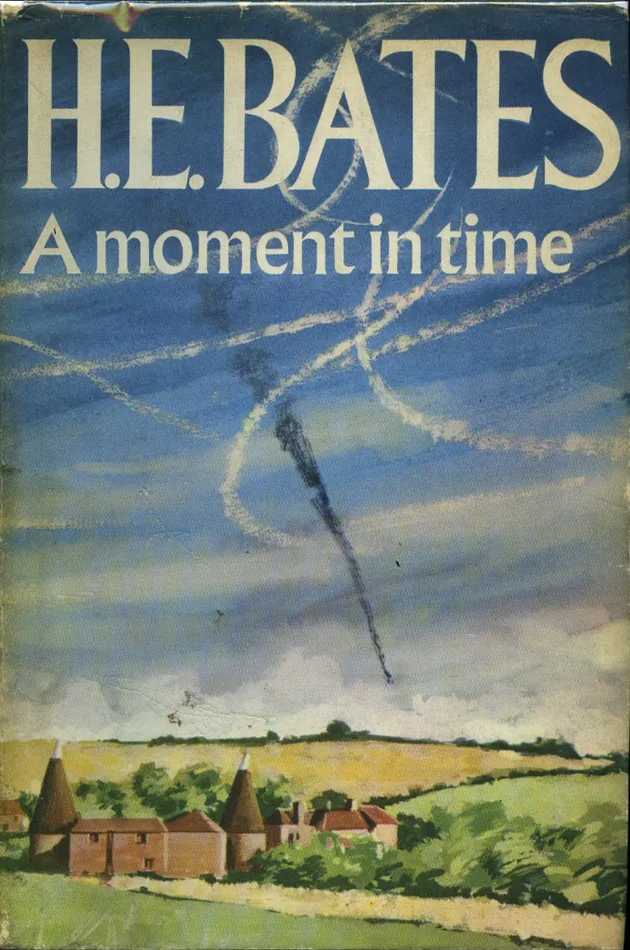
HE Bates – he of the life-affirming Larkin clan in the Darling Buds of May – wrote a quietly understated, bittersweet gem called A Moment in Time. It tells of a young girl falling in love with, and marrying, a fighter pilot in the second world war with the inevitable outcome. It is written in such a way as to be neither maudlin nor heroic. It will stay with you for a long time.
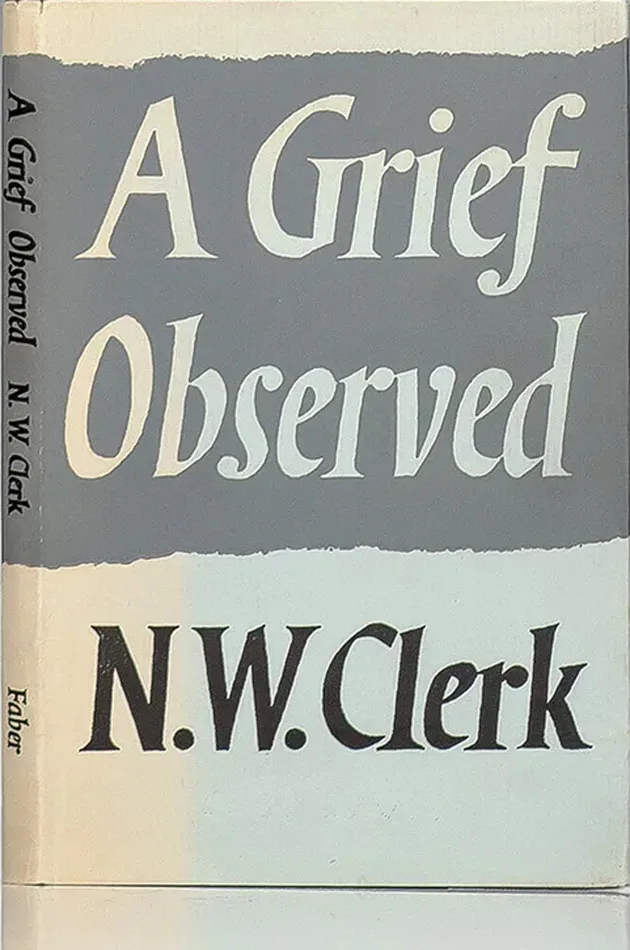
Perhaps the most acknowledged and influential title is CS Lewis’s A Grief Observed (written as NW Clerk to allow separation from his public persona). Just three years after their marriage, his wife Joy died from cancer. This is a poignant collection of reflections on very personal grief, the nature of love and the connection between deep love and intense sorrow.
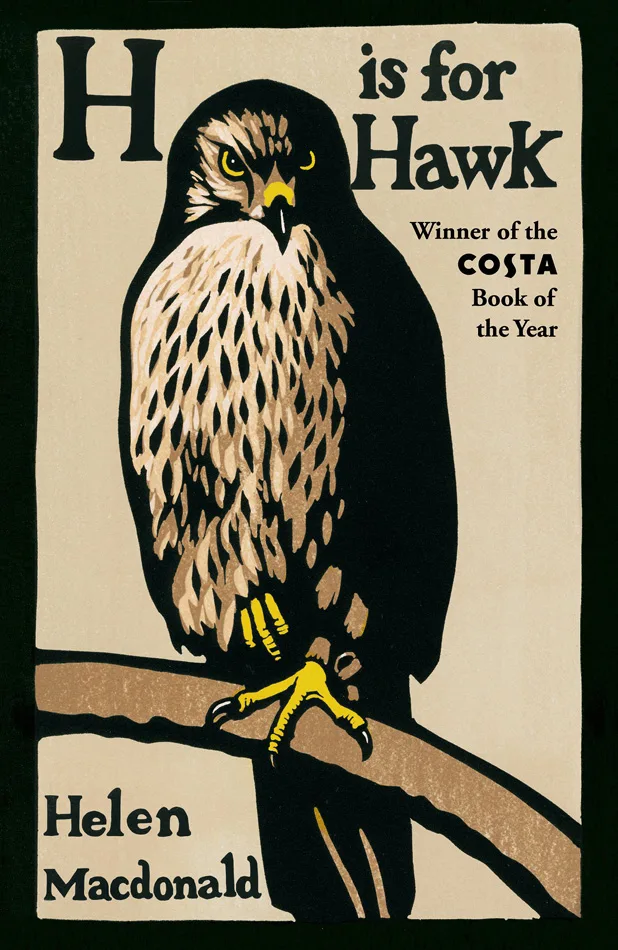
Helen MacDonald’s H is for Hawk was acclaimed when published in 2014, and is now being released as a powerful film. It tells of her severe grief following her father’s sudden death, and her obsession with training a notoriously difficult goshawk.
The untamed nature of the bird echoes the wildness of grief – but also how it can help with human loss, and bring comfort. It is slightly reminiscent of another outstanding book, Barry Hines’ A Kestrel for a Knave, following the life of a young working-class boy, troubled at home and school, who finds and trains a kestrel. Kes was the award-winning film made from the book, and my final choice is yet another which is now a box office hit film – proving that these powerful emotions resonate far beyond the printed page.
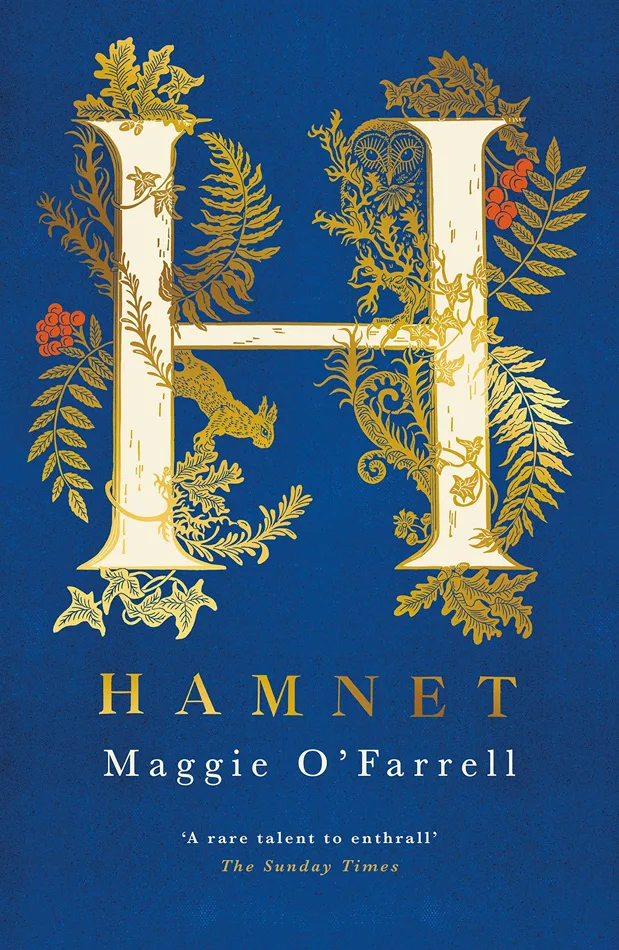
Maggie O’Farrell’s 2020 novel Hamnet focuses on the life and tragic death of Shakespeare’s young son, though it concentrates mainly on Hamnet’s mother Agnes.
Deep love and raw grief haunt the family, and Shakespeare can only process it by turning to what he does best: write.
From the ancient Greeks to now – via Dostoevsky, Dickens, Hardy, Woolf, Ian McEwan, Julian Barnes and many others – authors have recognised the overwhelming connection between two seemingly opposite emotions. What compels authors to explore this, to try and define it … and why do we readers seem to devour it unreservedly?
Perhaps because we all understand intuitively that grief is the price we pay for love.