

Pubs in Dorset’s countryside do more than provide food and drink—they serve as central gathering spaces for local residents. These rural venues offer comfort, routine, and a unique sense of belonging in scattered villages, continuing to play an irreplaceable role in community life.
On many evenings, you may notice a group sharing laughter and conversation over clinking glasses in the corner of a Dorset pub. Beyond serving pints and meals, these pubs help bridge gaps by welcoming familiar faces and encouraging lively discussions. For locals, mentions of odds on football are as likely to be heard at the bar as tips about nearby walking routes or updates about village happenings. In rural Dorset, pubs weave together recreation, tradition, and the shared identity that forms the backbone of village life.
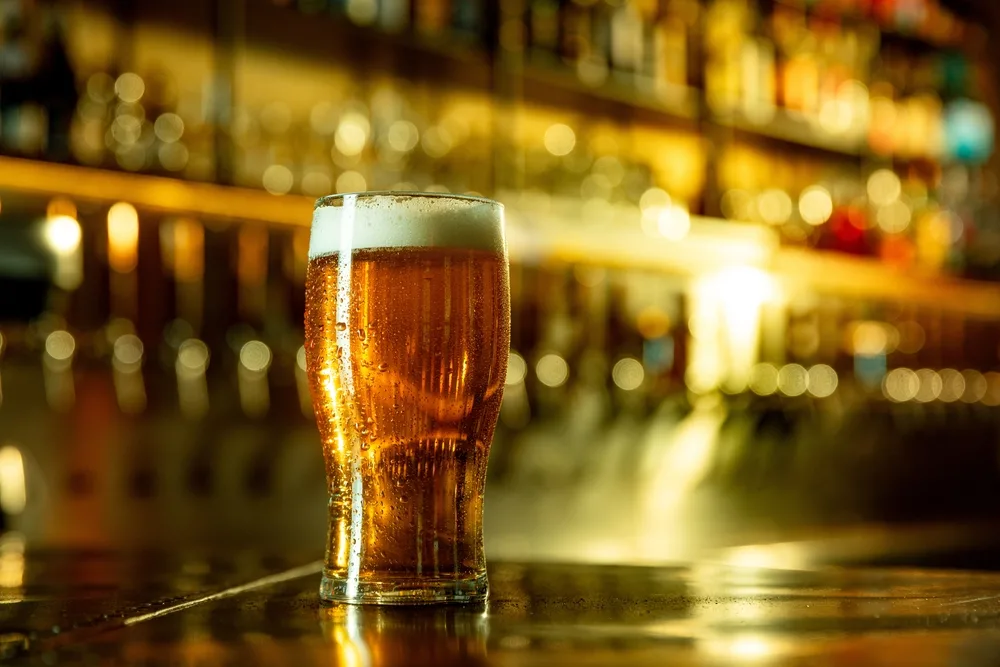
Inside a rural pub: Scenes beyond the bar
Walk into a Dorset pub and you will see how it brings together multiple generations. Teenagers, retirees, and families often find comfortable spaces, forming groups around dartboards, fireplaces, or quiz sheets. There is a relaxed, familiar environment, influenced by regulars who visit as part of their daily or weekly routines.
Traditional forms of entertainment remain central to the pub experience. Many village pubs host darts or skittles leagues, quiz nights, and organise informal gatherings such as walking groups or knitting circles. These events add structure to local social calendars and ensure that those living alone can keep up regular, friendly contact with their neighbours and friends.
Pubs as community centres and support networks
In rural Dorset, where homes and farms are spaced far apart, the local pub provides an important communal “third place” distinct from home and work. Casual conversations help foster connections among people who might otherwise find it difficult to meet regularly, which helps reduce the sense of rural isolation. Interaction with well-known staff and other patrons builds a genuine sense of belonging, something not easily found online.
On days when major sporting events are televised, the pub becomes a lively hub. Locals gather to share the moments—celebrating or commiserating—which creates a welcoming space for all age groups. Organised match screenings are a sociable, low-cost way for the community to enjoy sport together, and such occasions naturally spark conversations where odds on football comes up alongside match predictions and friendly rivalries.
Everyday help, shared knowledge, and mutual trust
The rural pub functions as an informal noticeboard for the whole area. Flyers for community events, charity gatherings, or lost pets often fill the entrance and windows—reinforcing the role of the pub within the wider support network. Conversations at the bar might lead to offers of lift-sharing, assistance with errands, or useful tips for newcomers to the area.
This flow of local information is especially valuable in places where public transport is limited and word-of-mouth is one of the most reliable ways to keep informed. Regular gatherings help locals notice when someone might need support, and trust is built through seeing familiar faces and sharing routines. This can be particularly valuable for older residents or those without close family nearby.
Facing new pressures and finding a balance for the future
Despite their lasting importance, Dorset’s rural pubs face ongoing challenges. Many must cope with rising costs, changing trade between tourist seasons, and shortages of staff, which requires creative adaptation. Increasingly, pubs are adjusting menus, running special events, or updating their spaces to welcome both young families and long-time regulars.
Maintaining a balance between tradition and modern expectation is not easy. Successful pubs include newcomers while preserving a familiar atmosphere, redesigning interiors to suit both sports evenings and quiet meals. When a rural pub closes, the community loses far more than a business; it loses an important source of connection and identity.