
Farm assurance schemes need to stand up for our higher standards and tell consumers WHY to British food, says the NFU’s Tim Gelfs
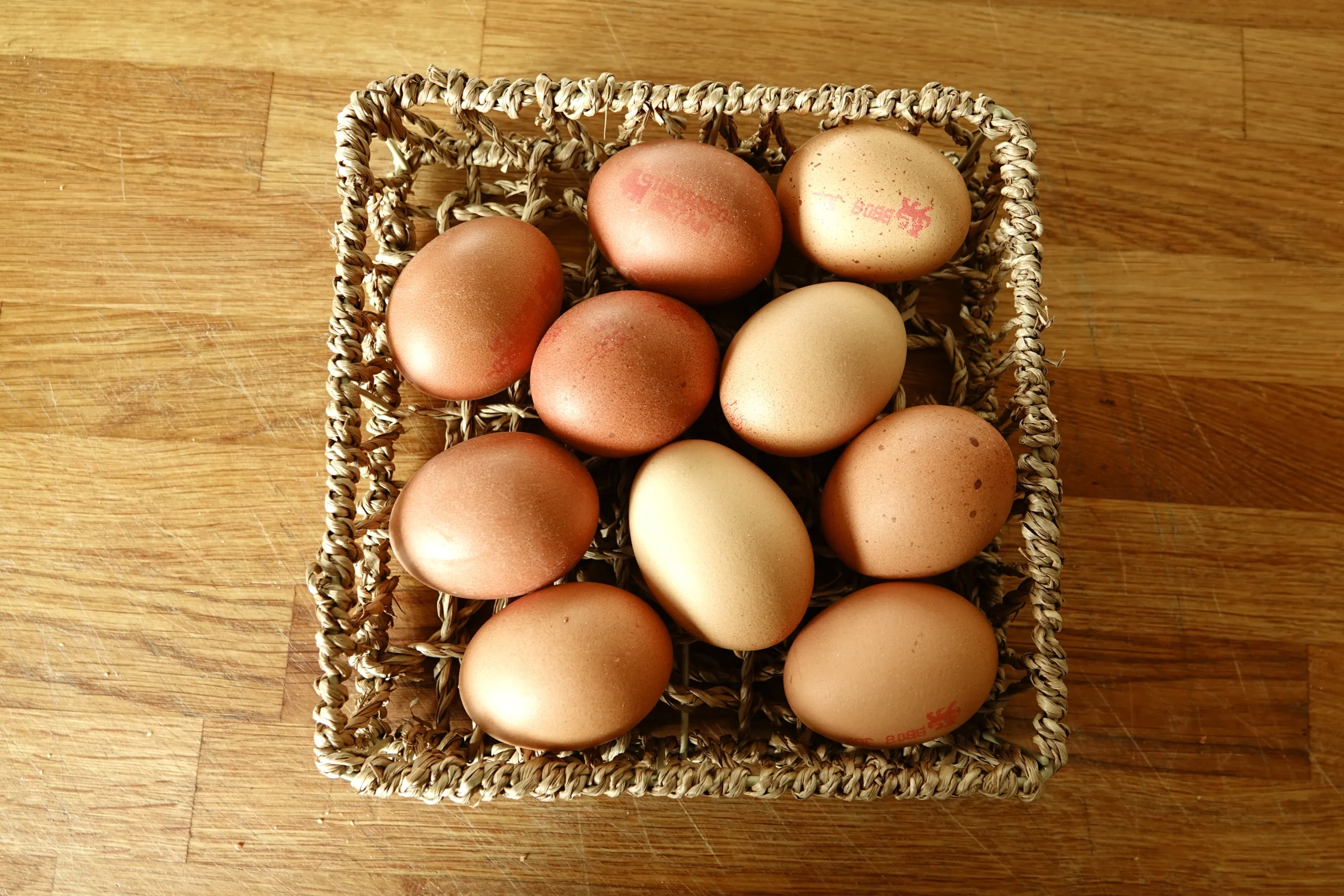
Farm assurance schemes – such as the Lion on eggs and Red Tractor on meat and other produce – were designed to promote safe, high welfare food to the consumer. But cheap products, often raised to lower standards, sit on shelves alongside assured products, with no information to help consumers make the choice.
Have the assurance schemes had their day? Or has the time come for these schemes to take charge of their own destiny, and do the hard work of educating the consumer as to why buying British-assured food is best?
In some sectors, where there is over-supply, farmers and producers have been told for years that we need the assurance schemes to give us a Unique Selling Point. But in the supermarkets and convenience stores, Red Tractor meat and Lion eggs are competing with products raised to a different (and usually lower) standard: not only on food safety but also on animal welfare. On the shelves, this difference is masked into oblivion, with products of a far lower standard sitting alongside our farm-assured produce.
The large retailers say they are fully committed to farm assurance, but we don’t see promotion of the schemes in the aisles – next to our products. There may be the assurance scheme sticker on the product, or an image of a farmer who produces it, but nothing that tells the cash-poor, time-pressed consumer what this means and why they should buy it if they want to “buy British” … as we know many people do.
For producers and suppliers there is an exhausting audit trail. Take Lion Code eggs – the breeder unit, the hatchery, the pullet farm, the layer unit and even the packer all have an audit. But the audit trail stops at the supermarket gate. Why aren’t we making sure that products are stored correctly, handled safely and, more importantly to us, presented properly? The answer surely has to be that our assurance schemes are not strong enough, and are mere puppets of the British Retail Consortium.
Shoppers are confused
Recently, alongside a year-on-year increase in rules, often with no science or significant research behind them, there has been a Farm Assurance Review which made strong recommendations to make schemes simpler and more in line with farmer needs. The jury is still out, but I’m guessing there will be a lot of shuffling of paper, a few new faces and gradually ‘back as you were’ will resume.
Ask a farmer if they would sell their produce without farm assurance labels – most, if not all, would jump at the chance. It is a real shame that these schemes have been completely mismanaged. Millions of pounds have been spent on creating the schemes and putting them into operation – and a pittance in comparison has been spent on marketing to the end consumer. Understandably the average shopper is confused. Many people still look to ‘buy British’, but ask them to explain what the Red Tractor or Lion mark mean and they would struggle.
The future for assurance schemes as they are now looks bleak – the demise is already happening. Look at our beef and sheep markets – you don’t need farm assurance for market access and there is little to no premium for farm-assured produce, because there are shortages, and these shortages, in whatever product, will always displace assured products as supply and demand takes over.
We have seen it in the egg market through recent shortages, when an unnamed large retailer (you know who you are) – having committed to Lion free-range eggs only a year before – had Italian barn eggs on its shelves.
The race to the bottom has started. Food inflation is seemingly out of control. We will be out-priced unless the assurance schemes can find the strength to move away from the influence of the large retailers and take control of our future – telling consumers why British assured food is best.
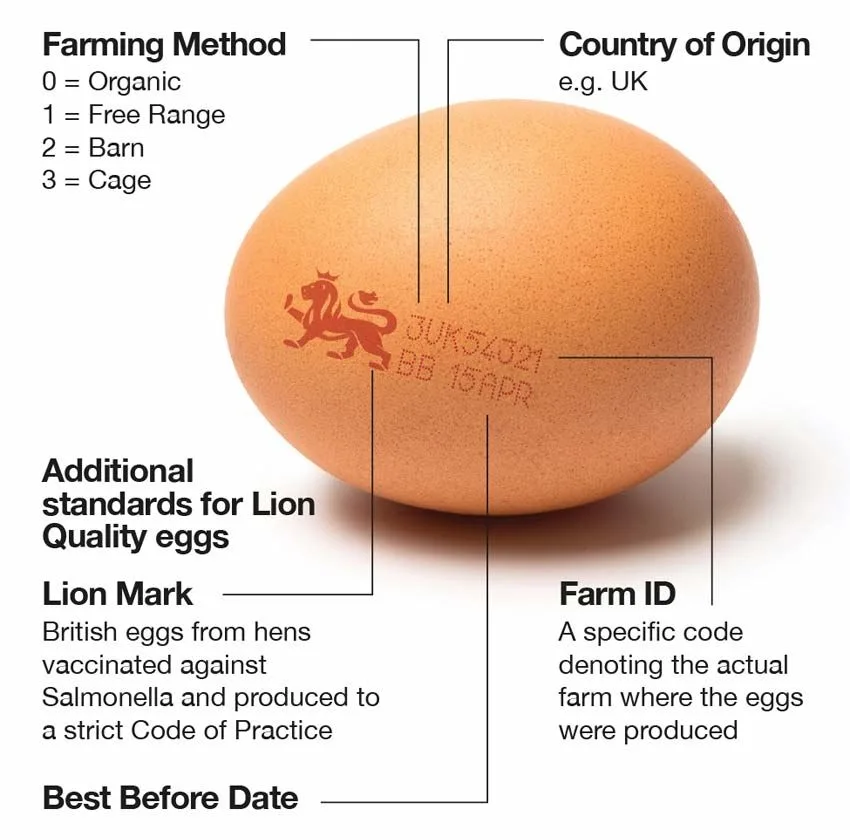
The Lion egg scheme is managed by the British Egg Industry Council, funded entirely through voluntary levies on packers and producer-packers, representing more than 90% of UK egg production. Its aim is to fund research and development, ensure salmonella vaccination compliance and maintain higher standards of safety and welfare.
The Red Tractor scheme is managed by Assured Food Standards, funded by farmers’ membership fees and food businesses paying licence fees to use the Red Tractor logo on their products. AFS is owned by a coalition of British farming and food trade bodies, including the NFU and the British Retail Consortium.



The ‘race to the bottom’ is becoming impossible to ignore, especially when supermarkets abandon their own sourcing commitments the moment supplies get tight. We really need these assurance schemes to be independent advocates for the farmer rather than just arms of the retail consortiums
We dont need farm assurance, as a consumer British food standards are better than imported food. Farm assurance is marketing hype while penalising our farmers and while importing rubbish food from abroad. Red Tractor should never have happened.