

Behind Dorset’s wildflower verges and well-kept footpaths stands Graham Stanley, a senior ranger juggling bats, budgets and public expectations
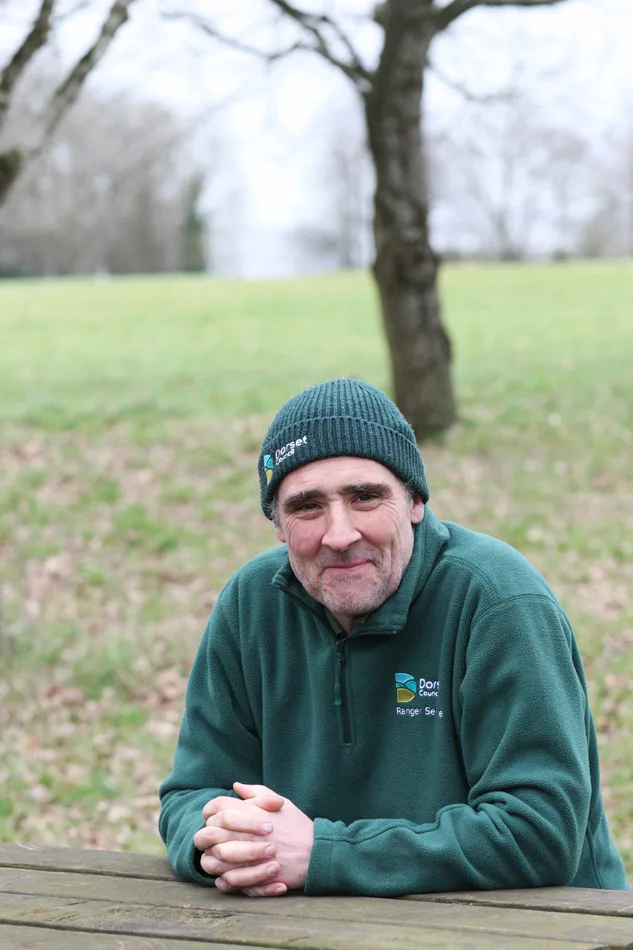
Graham Stanley leaps out of his Dorset Council van armed with a litter picker and bin bag. As we stroll across Milldown Nature Reserve on the edge of Blandford, he scoops up stray crisp packets without breaking stride, his eyes constantly sweeping the landscape. Nothing escapes him. The noticeboard needs attention. Old posters are destined for the bin. But he’s pleased when he spots a homemade sign stuck up by local children: ‘Pick up your dog poo’ artwork. ‘That’ll stay,’ he says, smiling.
Further on, he pauses beneath a towering Norway maple, studying its twisted branches. The tree is sick and must be felled, he explains, snapping a quick photo to add to his ever-growing to do list.
This is senior ranger life: always thinking two steps ahead. It’s a job he’s enjoyed for more than 14 years and ‘wouldn’t change for the world’.
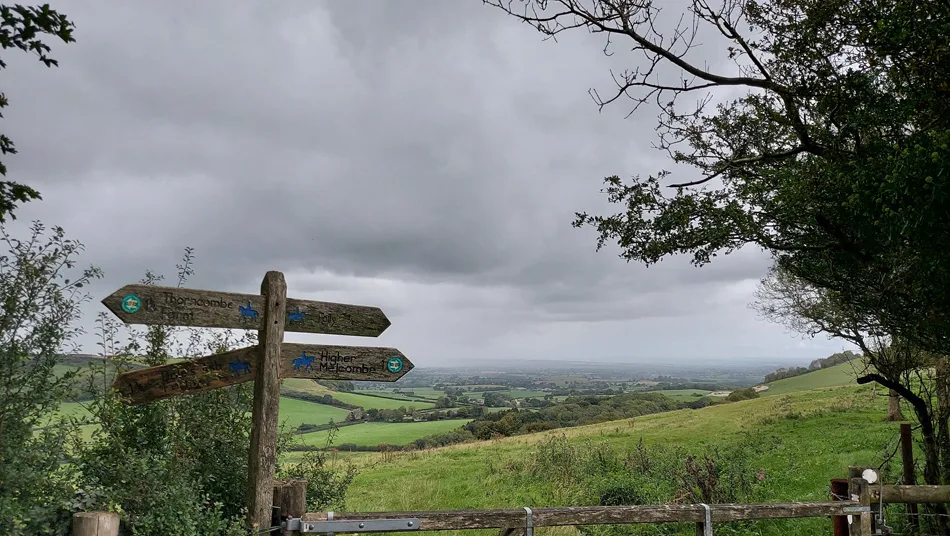
Born outdoors
‘I grew up in Derbyshire in an outdoorsy family,’ he says. ‘My dad was a keen hillwalker and birdwatcher. As a kid I was always outside – making dens, having mud fights, fascinated by wildlife. A job outdoors was all I ever wanted.’
He followed that passion by gaining a National Diploma in Countryside Conservation, a Higher National Diploma in Environmental Land Management and formative work experience at Derbyshire’s Carsington Water Reservoir.
An opportunity at Dorset’s Moors Valley Country Park tempted him south. Twenty five years later, he’s worked his way up to Senior Ranger, responsible for vast stretches of Dorset’s natural assets: nature reserves, public rights of way, highway verges and even roundabouts.
Graham’s patch covers North Dorset and sweeps all the way to Purbeck, reaching to Swanage, Studland and Lulworth. It contains 15 nature reserves, more than 1,000 miles of footpaths, bridleways and byways, urban green spaces, chalk downland and heathland which is grazed in partnership with local farmers.
It’s definitely not a lone ranger job,’ says Graham, who leads a team of ten assistant rangers plus apprentices, all trained
in land management and traditional countryside crafts through Sparsholt College.
‘My colleagues make this job for me. They range from 18-year-olds just starting out to those nearly retired, and they all really care about the environment. It’s a great team.’
He’s especially pleased to see more women entering the profession – two senior rangers in his team are female. And on the day we meet, a new assistant ranger, Freya, joined the Purbeck crew.
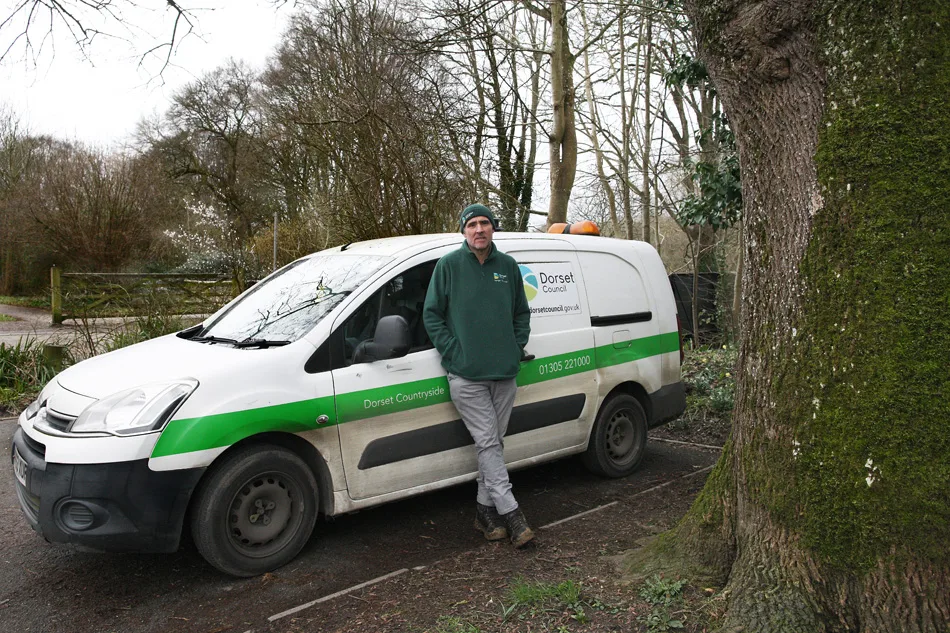
Image: Courtenay Hitchcock
Rights of Way and roundabouts
People often assume rangers spend their days strolling through peaceful countryside. Graham raises an eyebrow. ‘Oh, there’s walking,’ he says. ‘And you do get paid while getting a suntan in the summer. But the job is so much more.’
Much time is spent managing the reserves in his care – places like Milldown, a blend of wildflower meadow, chalk grassland and community greenspace. ‘We balance public access with habitat protection, making sure the land serves both people and wildlife.’
Then there’s Dorset’s extensive Public Rights of Way network: installing new gates, replacing stiles, planning repairs, dealing with seasonal storm damage. The team has had a particularly busy winter due to flooding. Partnership building is another key part of the role, from working with the National Trust and Dorset Wildlife Trust to liaising with private landowners.
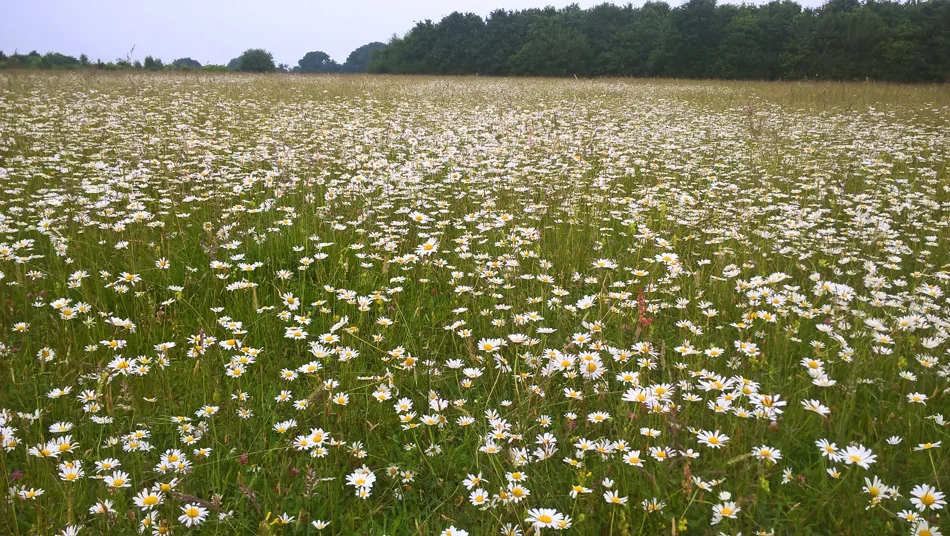
Image: Graham Stanley
‘Are some still shotgun and tweed?’ I ask.
‘A few,’ he says. ‘But most are third or fourth generation, diversifying and adapting their land. I do get to see some incredible historic properties – 16th century mansions and the like – but I’m always just “the man from the council” when I turn up!’
Even roundabouts come under ecological management. His team uses a cut-and-collect approach, mowing no more than twice a year to encourage wildflowers. The Blandford bypass, he says, is
‘chock-a-block with wildflowers in spring and summer. It’s worth a drive out just to see them!’
Not everyone appreciates the look, though. ‘We still get the ‘it’s untidy’ comments, but more people are coming round. Some even ask us not to cut. But safety and sightlines always come first.’
With a more senior position however comes the requirement to organise contractors, budgeting and spreadsheets, business plans and project development. Four out of five days are office based, making sure the teams run smoothly, have the resources they need to do their job and provide best value to the public. ‘Juggling all the aspects of the role is part of the attraction.’
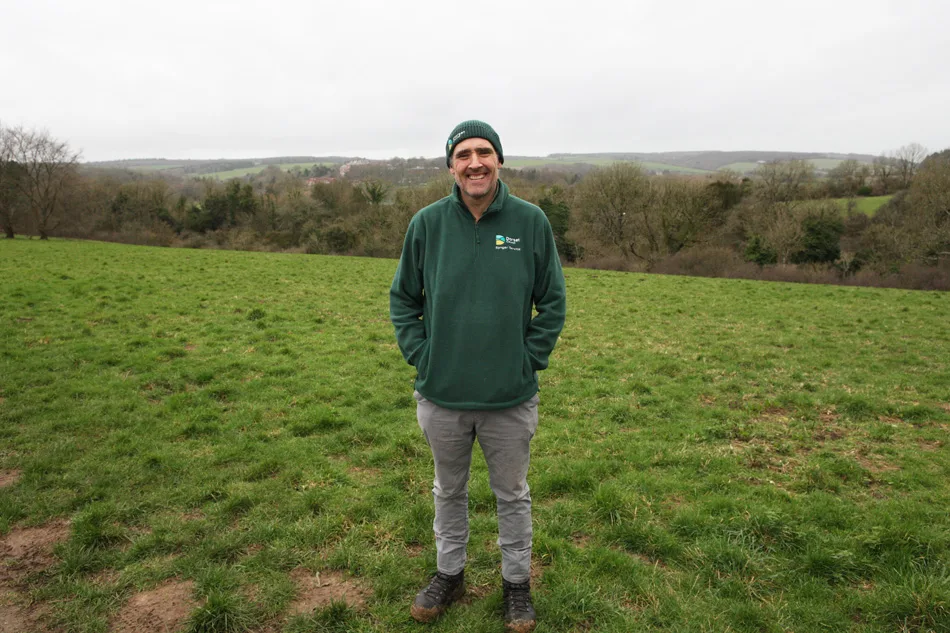
Image: Courtenay Hitchcock
A Career Highlight
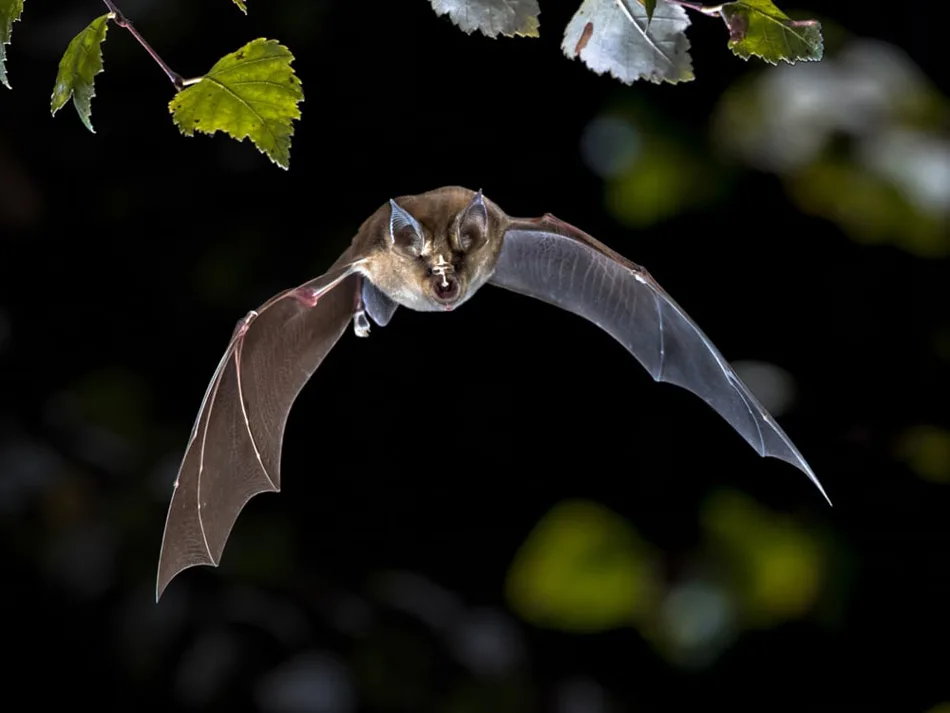
One of Graham’s proudest achievements lies just over the brow of Milldown. A few years ago, he secured funding to buy part of a former arable field. Thanks to subsequent £100,000 investment funding, 70 new trees, 3,500 hedgerow plants, native wildflower seed and habitat improvements for the greater horseshoe bat, the land is now a restored chalk downland meadow, known as the Milldown Extension.
‘Watching it develop every year is fantastic,’ he says. ‘It gives local people more room to roam, easing pressure on the main reserve.’
Right in the heart of urban living – just a short walk to a large housing estate and school – the Milldown is one of Graham’s favourite reserves. ‘In late spring and summer, when the meadow’s out in full flower with ox-eye daisies, salad burnet, knapweed, yellow rattle and devil’s bit scabious, it’s truly stunning,’ he says. ‘Last summer’s bat survey was magical – the sun going down, hundreds of bats swirling above … it was breathtaking.’
Milldown’s importance hasn’t gone unnoticed: it has held the prestigious Green Flag Award from Keep Britain Tidy for the past 15 years.
Slasher and sheep
Graham’s favourite ranger tool – aside from the litter picker – is the fearsomely named slasher. ‘It’s a long-handled tool, like a scythe, and it cuts down just about anything. It’s just a brilliant bit of kit.’
When he’s not walking the southwest coast path inspecting stiles or knee-deep in a ditch, clearing overgrowth, how does he spend his downtime? Outdoors of course!
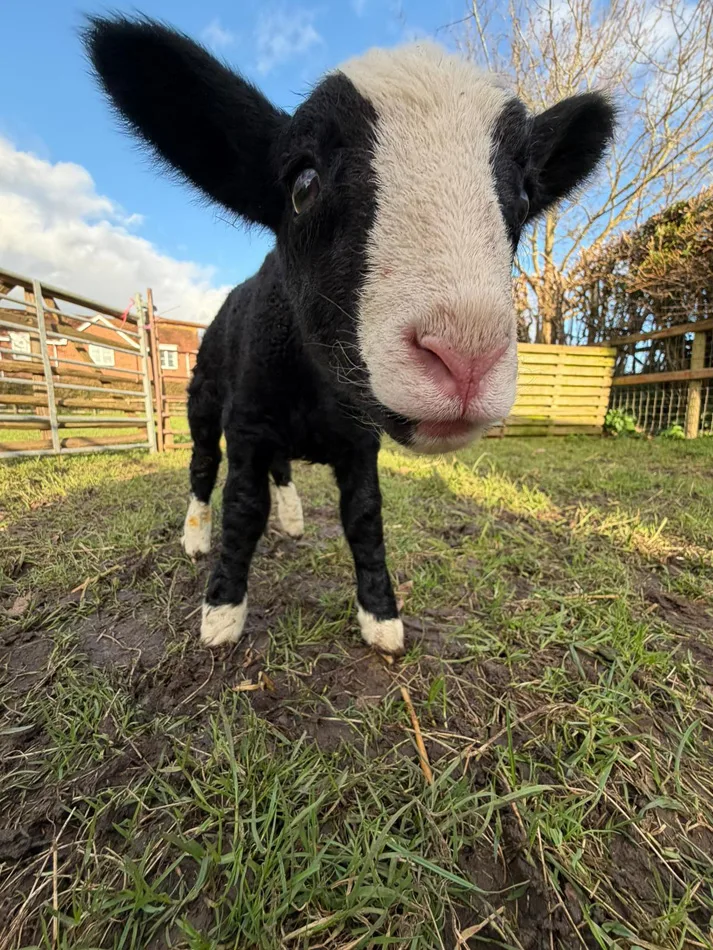
‘My passion is my Dutch Zwartbles sheep. It’s lambing season now, so that keeps me busy. Plus walking my dachshunds Margot and Mildred. You could say it’s a busman’s holiday, but I’m just happiest outdoors.’
As we finish our circuit of Milldown, Graham is off again – another piece of litter spotted, another task, another corner of Dorset awaiting his careful, constant attention.



Dear editorial team, I am a committee member for Blandford & District u3a. I organise the speakers for our quarterly open meetings which take place in Durweston village hall on a Friday afternoon. I am currently looking for speakers for January 29th, March 19th and June 25 2027. The format of the meeting is that we (about 60 to 80 of us) meet in Durweston v hall at 2pm for notices and settling down and then we have a speaker for about 45 minutes with Q & A afterwards. Then it’s tea and delicious home-made cake. Would a member of your team be willing to give us a talk on one of the abve dates? I think our members would be very interested to hear how a Magzine like Dorset Life works, your philosophy in producing such a magazine and what makes a Dorset magazine particularly interesting or challenging. Perhaps you have unusual experiences you might like to share. We can pay £75 in expenses and this ispossibly a way of increasing your readership.
Best wishes
Gerald Killingworth