

Four years after fleeing Kyiv, Olena Andrusenko has built a fragile new life for her family in Dorset, now shadowed by uncertainty
‘We live in Sherborne, we rent a house I like so much. I had this vision of England as a very rainy, grey country, and then I came here and saw Dorset. You have these beautiful hills and so many animals. And so many flowers, even in winter.’
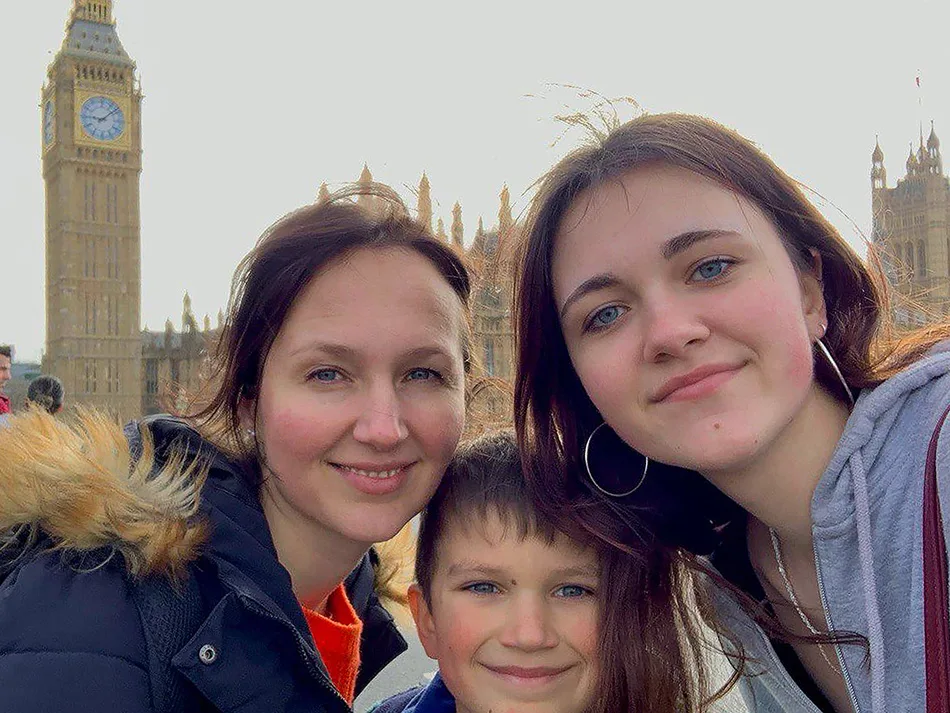
Today, as signs of spring appear all over Dorset, those early days when war was declared in Ukraine seem distant. But four years ago, Dorset families cleared annexes, community groups organised collections of clothing and essential items, and the county started welcoming refugees from Ukraine. Olena Andrusenko was one of the hundreds of families who escaped the war with her two children.
The outbreak of war
‘I couldn’t believe that the war would start in the civilized world, in the 21st century. I was working in a bank in Kyev, leading a team of twelve colleagues and moving up the career ladder. On October 2021, my mother was diagnosed with stage 4 colon cancer. It was so painful and scary. But we fought, gritting our teeth, going through chemotherapy and its side effects. Watching your loved one fading away, not just your mother, but also your best friend, is incredibly painful.
‘The beginning of the war found us in bed in the darkness of a very early February morning. Through my sleep I heard several explosions outside, car alarms went off. A thought flashed through my sleepy mind – THAT IS IT. It has been started.’
Very sadly, Olena’s mother died shortly after the Russians invaded. She was forced to bury her in Russian occupied territory.
‘I clearly remember my pain, grief, I couldn’t breathe, there was something heavy in my chest, rage, hatred for Russian soldiers, Russia, hatred for these invaders and the war in general.
‘And I remember my dad, he was very quiet, with tears on his face, breathing heavily, he went out to the village, found a coffin in the ruins of a ritual shop and brought it home. The Russian soldiers saw him dragging the coffin and turned away … I hope at least they had something resembling guilt.’
Coming to England
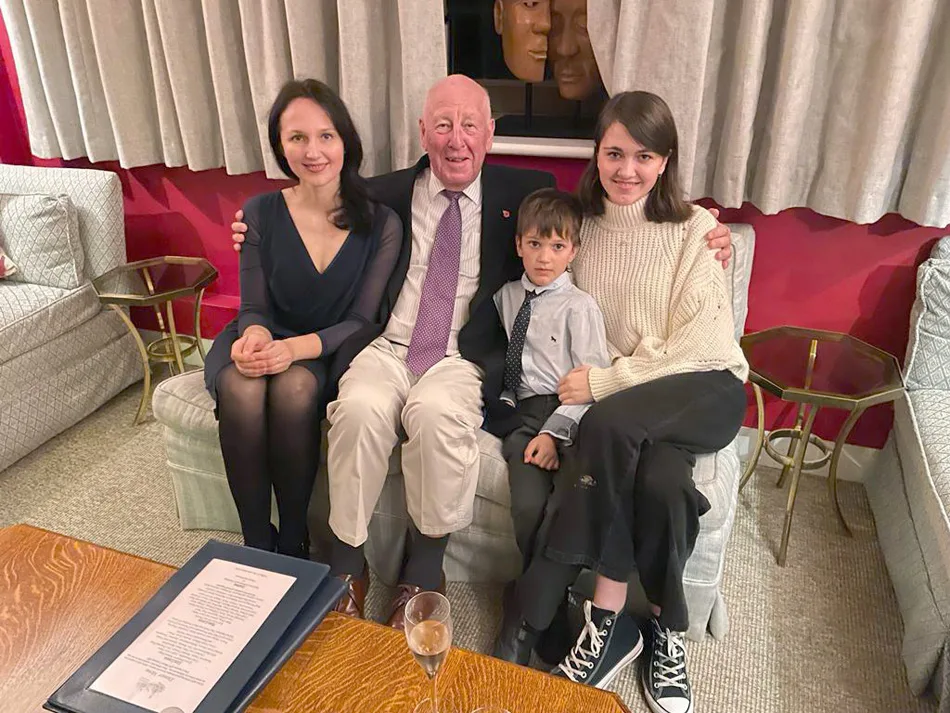
An opportunity arose to come to Britain on one of the organised Ukraine refugee schemes for Olena, her 14 year old daughter Lilia and six-year-old son Markiian. When Olena spoke to her daughter, they thought they would like to stay with an older man with dogs. By coincidence, Allan Peters (owner of three labradors) was looking to take in some refugees to his home in Sherborne. When the two spoke on WhatsApp they were more than happy with the dogs, and Olena explained how much they helped Markiian.
‘When he first arrived in England he was quite traumatised and couldn’t sleep. The dogs stayed with him and helped him. Some of his first words in English were “Sit” and “get down!”
Three weeks after Olena arrived, Allan was diagnosed with what was thought to be terminal cancer. He offered to get them rehoused as he could not expect them to care for him, but Olena didn’t hesitate to stay, supporting him when he needed her.
The Visa Challenge
The fourth anniversary of the war in Ukraine brings a further challenge for Ukrainians in the United Kingdom over their visas. Unlike other countries, there is no automatic extension, leaving hundreds of people unable to make plans for the future. According to Dorset Council, since 2022, Dorset has welcomed 1,143 Ukrainians seeking safety. Of these, 712 guests remain in the county, with:
•175 currently living in hosted accommodation
•537 now settled in their own rented homes
•26 more expected to arrive in the near future
Unlike many other refugee programmes, which tend to focus on urban areas, lots of Ukrainians opted to come to rural areas like Dorset and Somerset because they are used to countryside settings.
Allan is frustrated about the government stance on visas: ‘I offered to help these people. They ended up helping me … now we’re a little family. A lot of other European countries were a lot more open and welcoming than the UK. Olena had to jump through all sorts of hoops to get to me. At one time they couldn’t find the childrens’ applications and they asked Olena if she wanted to leave them behind! Well that’s ridiculous.
‘Imagine you don’t know where you are going to be living after October this year and you have children. My personal view is the government won’t send anyone back to a war zone. Even if the war finished today, I don’t think anyone is going anywhere for two years because they have to rebuild Ukraine. Olena’s flat is a shell – there’s nothing there. France has allowed refugeees from Ukraine another four or five years because they understand the war will not be over.’
MP for West Dorset, Edward Morello, has already helped Ukrainian families in Dorset with their visa problems: ‘The main problem is processing times, the lack of updates and replies to queries, and time taken for a decision. In West Dorset, one host family is supporting two Ukrainian children whose visa extension applications were submitted well within the recommended timeframe but have been delayed for months. In contrast, their mother’s later application was processed and approved quickly. The absence of clear communication or explanation has caused significant uncertainty for the family, despite their full compliance with Home Office guidance.
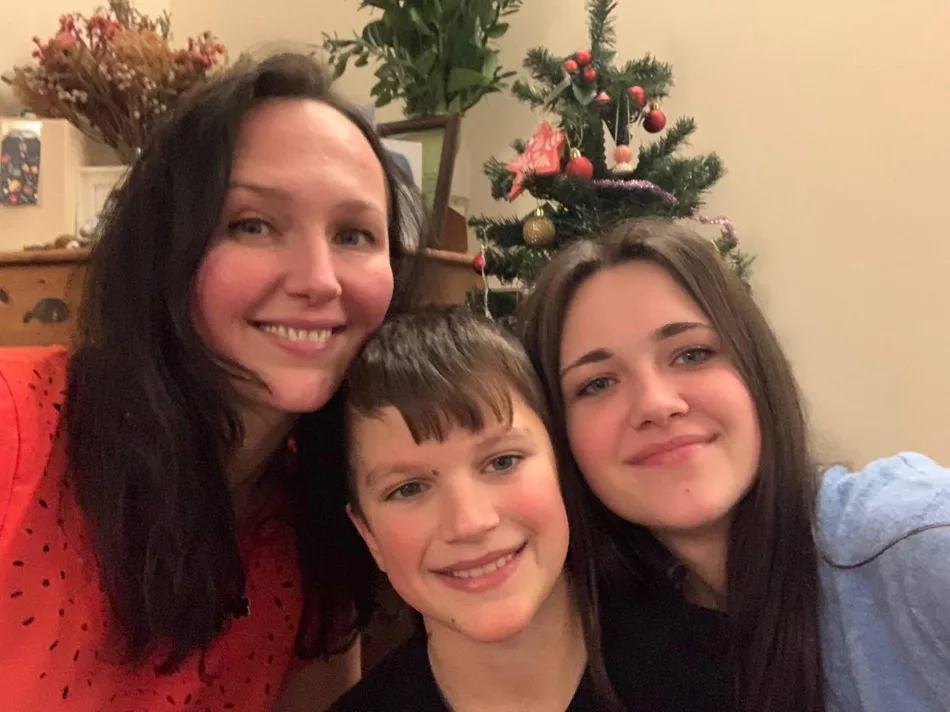
‘In another case, a Ukrainian child in West Dorset almost missed an overseas school trip – which had been awarded in recognition of his academic progress – because his visa had not been processed. His mother received no updates, and his younger sister was left questioning whether she was even permitted to remain in the UK. Although the case has now been resolved, and the family can stay, it required direct parliamentary intervention to reach a conclusion.
‘The problems are all down to a massive immigration/asylum backlog – not with Ukrainian refugees specifically, but more generally at a Home Office that is struggling to cope.
‘The obvious answer is to create an immigration and asylum department separate from the Home Office, which is properly funded and staffed to deal with the number of applications. And to prioritise applications from people who have the right to be here, like Ukrainians. However, politically this is very difficult for the Government to do as immigration as a subject is so politically toxic at the moment.’
Olena is hoping to stay. She has a job here, her daughter is at university now, and her son is progressing well at school.
‘If I have to go back, that’s fair enough, but I want to be sure it is safe.’




Is there anything to sign or help them in anyway?