

As drivers dodge deepening craters, ministers promise record investment – but is the current model built for harsher winters and rural mileage?
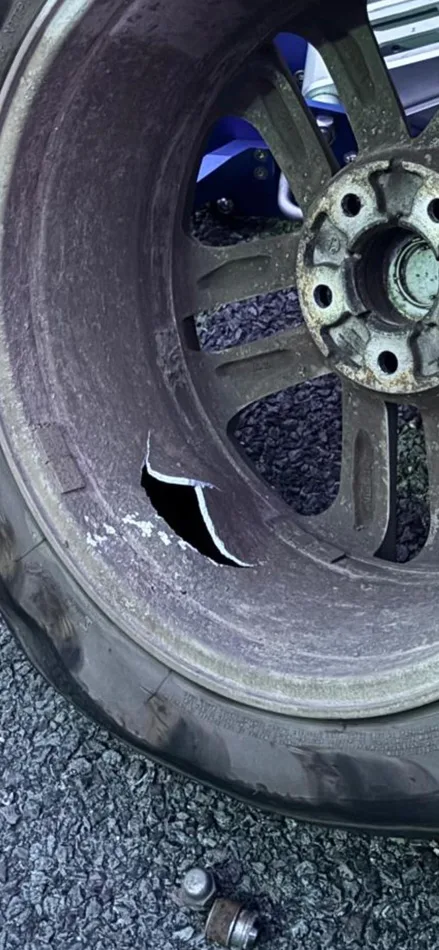
When Yeovil MP Adam Dance asked in PMQs whether rural counties receive fair road funding, he was articulating a frustration many Dorset drivers recognise. The Prime Minister pointed to the government’s £7.3bn four-year settlement for local road maintenance, including £225m allocated to Somerset – but did not address whether the funding formula accounts for the scale and exposure of the country’s rural road networks.
Between December 2025 and February 2026, Dorset Council recorded a 92% increase in reported potholes compared with the same period last year. Other road defects rose by 54%, and emergency call-outs increased by 83%. In three months, nearly 10,000 highways enquiries were logged. The spike followed exceptional rainfall Dorset recorded its wettest January day in 74 years. The first half of February saw almost double the ten-year average rainfall for the month.
Some rural roads remained under floodwater for more than a month.
‘Our rural roads have taken a battering,’ said Cllr Jon Andrews, Dorset Council’s cabinet member for place services. The council says more than 3,000 potholes were repaired in January and February, with serious defects prioritised within 32 hours. An additional £5m investment agreed last month will fund priority drainage and surfacing works later this year, once conditions allow.
Yet for many drivers, the lived experience feels markedly different. Local Facebook groups are filled with warnings about deep potholes and photographs of damaged wheels. Drivers report hitting the same defects repeatedly.
The council’s data shows effort and volume of repairs, but the near-doubling of reports indicates a network struggling to absorb repeated weather shocks. Nationally, the RAC recorded 25,758 pothole-related breakdowns in 2025, with drivers paying an average of £590 for repairs.
The Local Government Association estimates councils face a £17bn backlog of road maintenance across England.
Dorset is due to receive around £125m between 2026 and 2030 from the government’s new Roads Settlement. Spread across 2,360 miles of carriageway, the new settlement works out at roughly £13,000 per mile per year – a sum that must stretch across patching, resurfacing, drainage and routine maintenance.
By comparison, full resurfacing typically costs between £150,000 and £300,000 per mile, while light surface dressing averages £10,000 to £20,000.
Funding allocations are calculated using established formulas based on road length, usage and historic data. But recent winters have not followed historic patterns. More frequent extreme rainfall raises a structural question: is the current model reactive, funding repairs after damage, rather than investing at the scale needed to strengthen vulnerable rural roads before failure occurs?
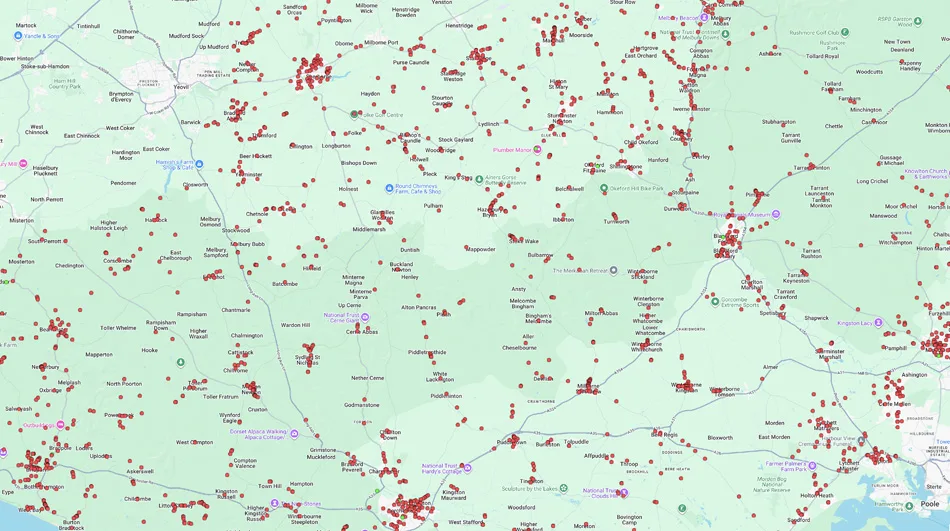
Patched up
The government has introduced a traffic-light rating system linking future funding to performance. Dorset is currently rated amber, meaning preventative measures are in place but improvement is needed. Transport Secretary Heidi Alexander has acknowledged that there has historically been no consistent national definition of a pothole, or standardised data collection.
For a unitary authority that covers more than 90% of Dorset’s land mass and maintains long stretches of unclassified rural lanes, extreme weather brings particular challenges. Flooding weakens road bases as well as surfaces. Drainage failures are harder to resolve on isolated routes. There are few alternative roads when damage occurs.
This winter saw pothole reports almost double. Dorset Council says it is responding at pace and investing more.
Ministers say record funding is on its way.
But the question raised in Parliament – and increasingly heard in village pubs and online groups across Dorset – is whether the current funding model, even at record levels, is enough to keep a largely rural network resilient in the face of more frequent extreme weather?
If this winter is a sign of what lies ahead, the debate will soon shift from how quickly potholes are filled to whether the network itself is built for a changing climate.
Both Whitehall and County Hall may find that patching alone is not the long-term answer.
Report potholes via the councils website here: https://dorset-self.achieveservice.com/service/Report-a-pothole