

With cuckoos gone and insects vanishing, Neil Walker believes towns like Sherborne are unexpected sanctuaries for wildlife pushed out of farmland
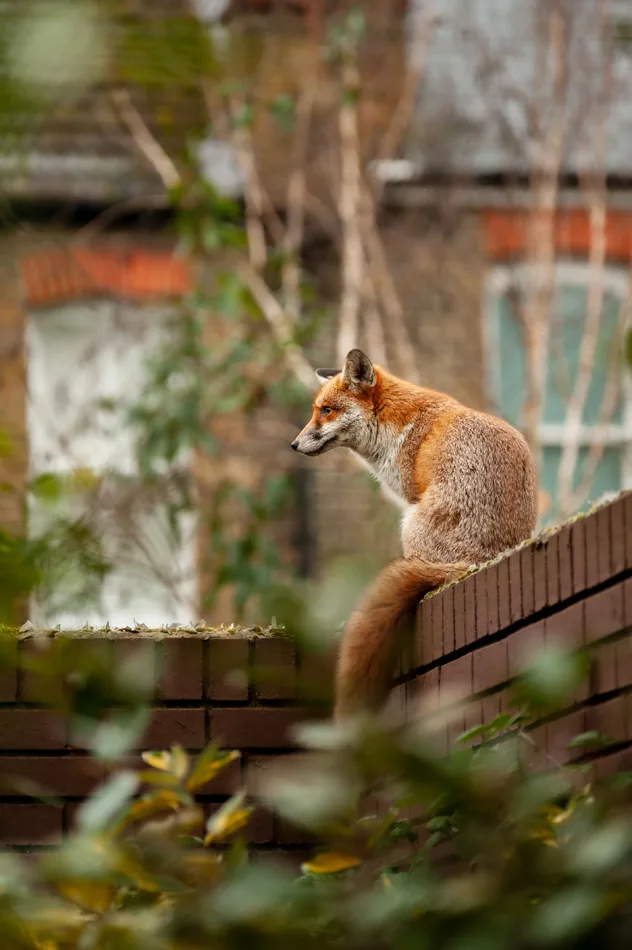
For most of us, the decline in wildlife has been gradual enough to feel almost invisible – until one day it isn’t. Fewer insects spattered on windscreens. Empty verges where rabbits once darted. Realising it’s July and you still haven’t heard a cuckoo this year. Neil Walker has noticed all of these during his six years living on the edge of Sherborne, and they form the backdrop to a growing conversation about how towns may now be playing an unexpected role in supporting nature.
‘When I moved here, I used to hear cuckoos, see hares, foxes and deer regularly,’ he says. ‘Now the cuckoos have gone, the hares have gone, and I hardly ever see a fox. You start asking yourself where everything has gone.’
The answer, he suggests, is not simply that wildlife is disappearing, but that it is being pushed out of the wider countryside. Intensive land use, habitat loss and chemical inputs have made survival increasingly difficult, leaving towns and gardens as some of the last remaining refuges.
‘People often talk about “bringing the countryside into towns”,’ Neil says. ‘But the truth is, it’s already there. Butterflies, birds, bats, hedgehogs – they’re constantly moving through our towns, looking for somewhere safe to feed, breed and rest. The issue is whether we let them stay.’
The 2023 State of Nature Report showed that wildlife decline in Dorset’s farmed landscape is among the most severe in the country. More than 3,000 species of plants and animals in the county are now at risk.
Many small actions
Gardening, Neil believes, has become one of the most important connections between people and wildlife. Attitudes have shifted markedly in recent decades, with fewer chemical pesticides on sale and a growing recognition that creatures once labelled as ‘pests’ are essential parts of a functioning ecosystem.
‘We’ve changed our minds before,’ he says. ‘Gardeners used to kill earthworms because they thought they were harmful. Now we know better. The same applies to so many insects – if you remove them, what do you think hedgehogs and birds are supposed to eat?’
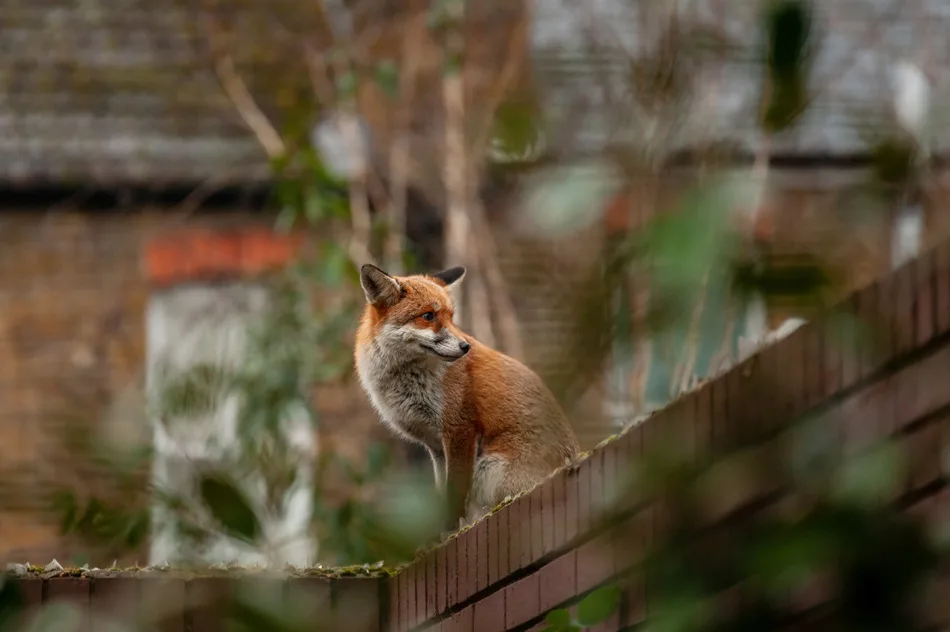
Neil points to a paradox emerging across Dorset: while wildlife is declining sharply in surrounding farmland, it is increasingly being recorded in towns. ‘Wild creatures are discovering the town is one place they can still go,’ he says. ‘That really should give us pause.’
The solution, he argues, does not lie in grand gestures, but rather in small, cumulative, everyday decisions – gardens that offer nectar, shelter and connectivity. Fences with gaps for hedgehogs. Trees and orchards planted with long-term benefit in mind. Even people without gardens can often add a bird box to a wall or a window box planted with a few flowers.
‘If each of the 10,000 people in Sherborne did just a little bit more, it would make an extraordinary difference,’ he says. ‘It doesn’t mean gardens have to look messy. Wildflowers are beautiful – most of our cultivated plants started out as wild ones.’
At its heart, the conversation is less about rewilding in the abstract and more about rethinking how towns coexist with the natural world around them. As Neil puts it: ‘We don’t need to do everything. We just need to stop killing what’s already trying to live alongside us.’
Neil Walker has launched the Wild Sherborne initiative. The first meeting is on 12th February, Digby Hall in Sherborne at 7pm.
There’ll be tea and cake!
wildsherborne.co.uk