

For Steve Oliver, it is more than a job – it’s almost two decades of hands-on protection of the rivers, wildlife and landscapes where he grew up
Images by
Tracie Beardsley
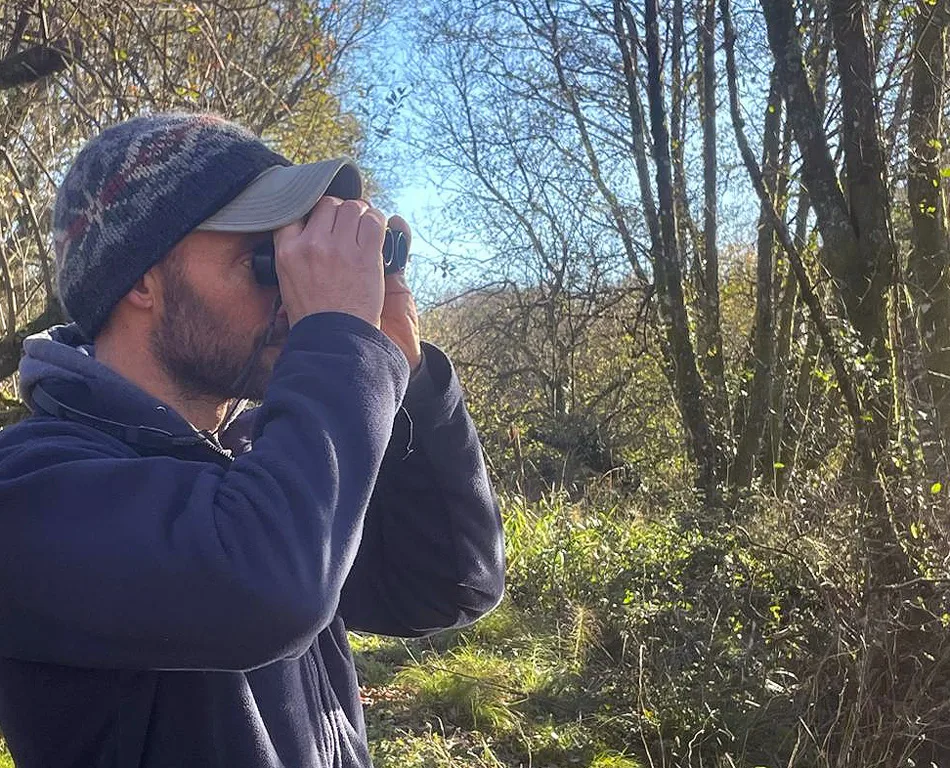
Steve Oliver welcomes me into what his wife and children call his ‘second home’. It’s one of those glorious winter days – frost crunches underfoot and the sky is a sharp electric blue.
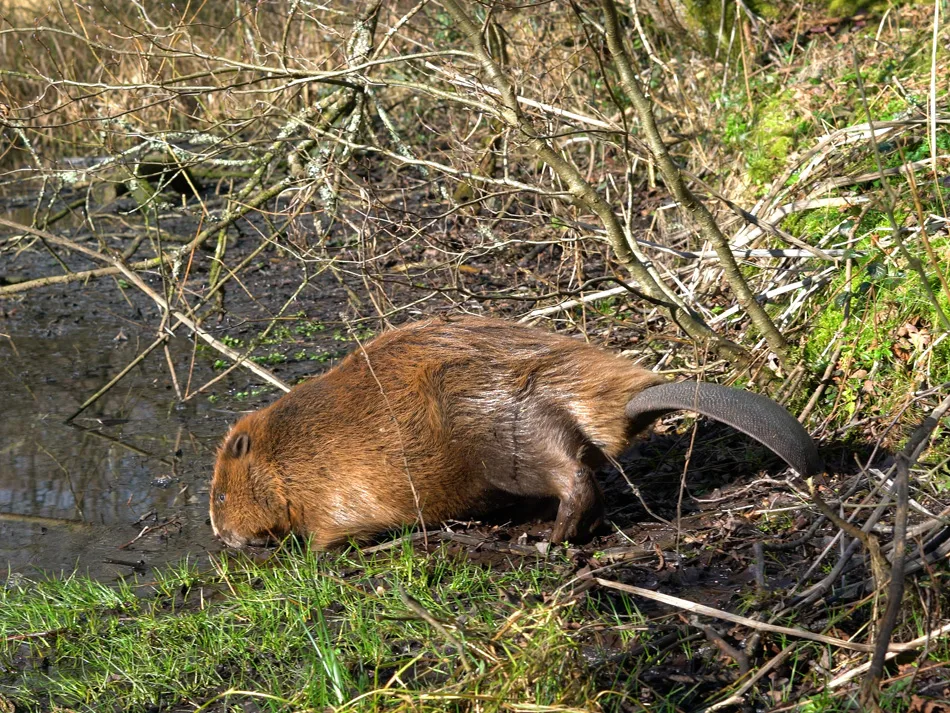
We’re standing in a secret space in West Dorset. A robin skates across frozen water, heading towards an island where twigs, branches and mud are piled high to create a shelter. Steve assures me that snuggled inside this ‘lodge’ is a family of Eurasian beavers (Castor fiber), the first to set paws back in Dorset for more than 400 years.
Whispering so as not to disturb their slumber, Steve can’t hide his pride: ‘I’ve been lucky enough to work for Dorset Wildlife Trust for 18 years and this is the highlight of my conservation career so far,’ he says.
As rivers conservation officer for Dorset Wildlife Trust, Steve is part of a small and dedicated team behind the groundbreaking reintroduction of the world’s second-largest rodent, (adults can weigh up to 30kg) into the Dorset landscape.
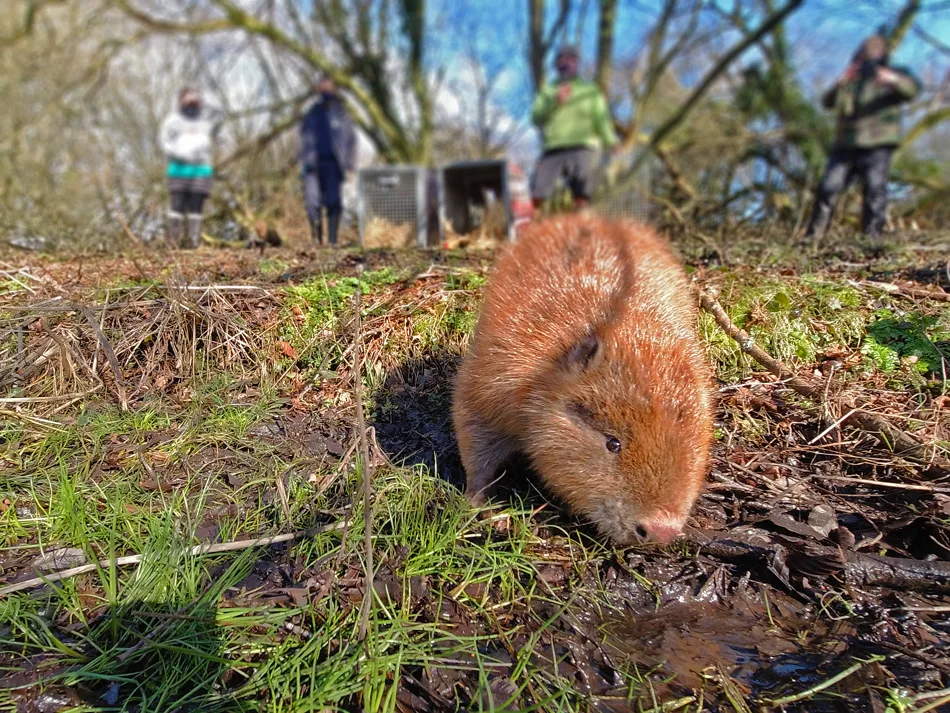
Beaver Steve, as his colleagues have nicknamed him, recalls the historic release: ‘It was a day like today, in February 2021 – cold and fresh. We were in the grip of the Covid pandemic so there were only a couple of us here to witness the historic moment of an adult pair of beavers take their first steps onto Dorset soil after a void of four centuries. ‘After all the years of preparation, it was so exciting – a real privilege to be part of bringing such an important species back to the county.’
Ecosystem engineering
Fossil records show Eurasian beavers in Britain more than two million years ago, but by the end of the 16th century they were hunted to extinction for their meat, thick fur and castoreum – a secretion from their castor sacs, once prized as a painkiller and a flavouring.
In 2022, the species was officially recognised again as native to England. Nearly five years on from the original release, beavers at this Dorset site are thriving. The first pair have successfully raised kits – but this is not a breeding programme. These animals are ecosystem engineers and hugely influential in their habitats.
‘There was always water here,’ Steve says, ‘but since the beavers built their dams, the water surface area has tripled, creating a wonderful wetland. Even in the dry summer of 2025, water levels held steady. This space was an oasis. Beavers are genius at keeping fresh water in the landscape, and that’s crucial for wildlife – and for us.’
It’s easy to see why Steve loves to come here. On this freezing cold day, it’s beautiful in its winter nakedness. Skeletal frames of alder, oak, ash, hawthorn and willow (which is apparently like candy floss to beavers) frame the banks. Water rail cry out from the shelter of the frozen reed beds.
Steve checks on the site at least once a week, often more, because he is transfixed by the beavers’ impact on the environment. The results are striking: kingfisher, dragonfly, common frog and many bat species are already benefitting: ‘Keep more water in the landscape and you generate life. It’s that simple,’ he says. ‘Beavers are a keystone species that bring benefits to all manner of wildlife.’
Connected to wildlife
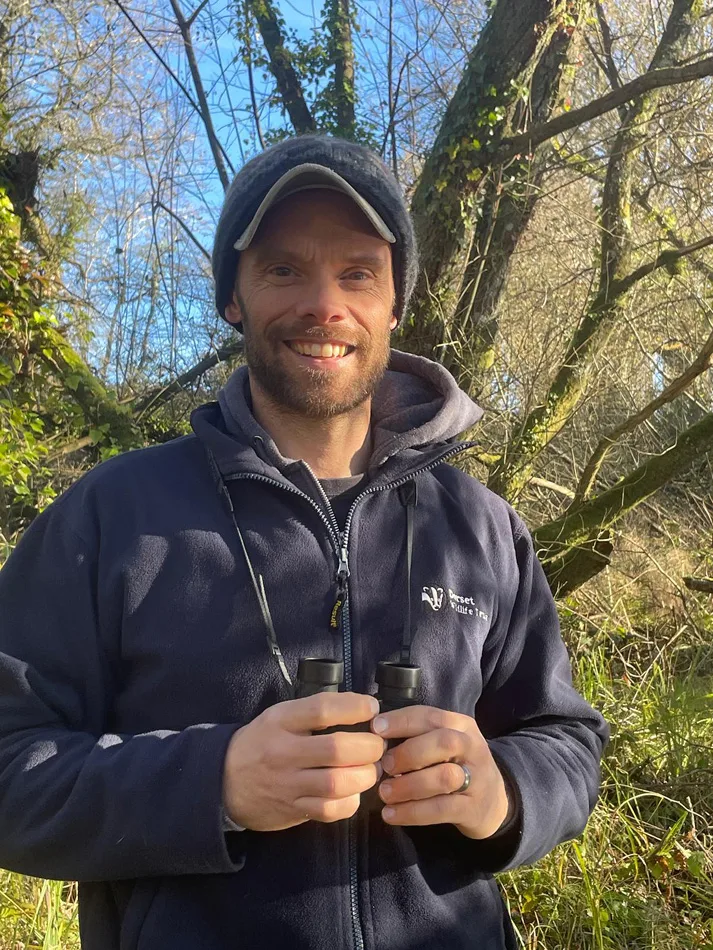
At 44, Steve radiates positivity and passion for his work. His love of nature began with a childhood in Bradford Peverell. ‘I was an outdoor kid – turning over logs to find the woodlice, netting butterflies, helping my parents dig their veg patch so I could see the worms. I always felt connected to wildlife.’
After studying Environmental Science at Plymouth University, he gained hands-on experience with the RSPB, National Trust and The Conservation Volunteers. His first paid role was as a warden on the Gower peninsula, maintaining coastal paths and surveying butterflies. ‘It took me back to being a child, chasing butterflies around the garden with my brother – I realised I was doing what I loved and getting paid for it!’
In 2007, he joined Dorset Wildlife Trust as an assistant warden. It was a job he’d unsuccessfully applied for three years earlier, but with more practical experience on his CV, this time he proved the perfect fit.
He recalls going for a run after he got the job offer and literally skipping with joy.
‘To be able to help look after the place where I grew up – I’m really privileged,’ says Steve, ‘This was doing all the things I relish – habitat management, looking after nature reserves, surveying plants and animals. That was 18 years ago … time flies when you’re having fun.’
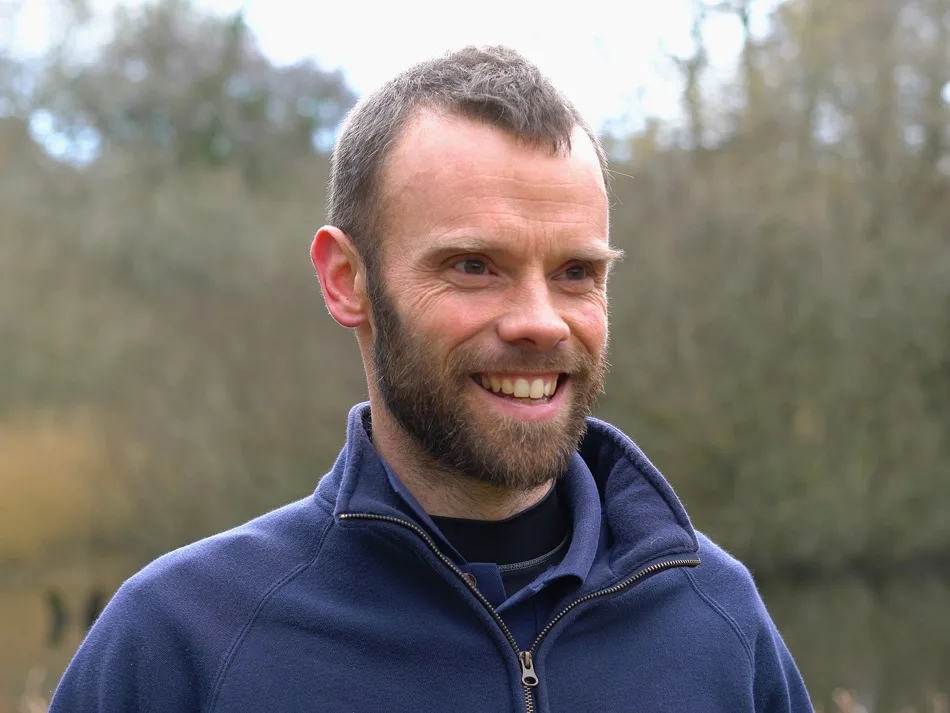
Image courtesy of Dorset Wildlife Trust © James Burland
Dam good news
In his present role as Rivers conservation officer, his remit is looking after rivers across the county, trying to improve both the habitat and the water quality. He actively encourages people to get involved at the beaver project site.
‘We want people to connect with beavers and learn how to co-exist with such an influential species,’ he says. People do see my love for it and then want to be part of it.’
Steve frequently leads guided site visits, gives talks to schools and environmental groups and even hosts summer evening stake-outs, where you may be able to catch glimpses of these elusive crepuscular animals.
This year could mark another milestone – there is talk of a potential wild release project to strengthen the beaver genetic diversity. Dorset Wildlife Trust is planning a public consultation to explore the potential of local communities living alongside wild beavers in the River Frome catchment area.
River hero
Despite the relentless news of the depressing state of the environment, talking to Steve Oliver gives you hope.
‘Fresh water is the most precious thing we have. Many rivers are under pressure, but projects like this show what’s possible,’ he says. ‘Beavers are a natural and important part of a healthy ecosystem. They evolved to be here, they should be here and our project proves the positive impact they can make for us all.’
dorsetwildlifetrust.org.uk
by Tracie Beadsley