

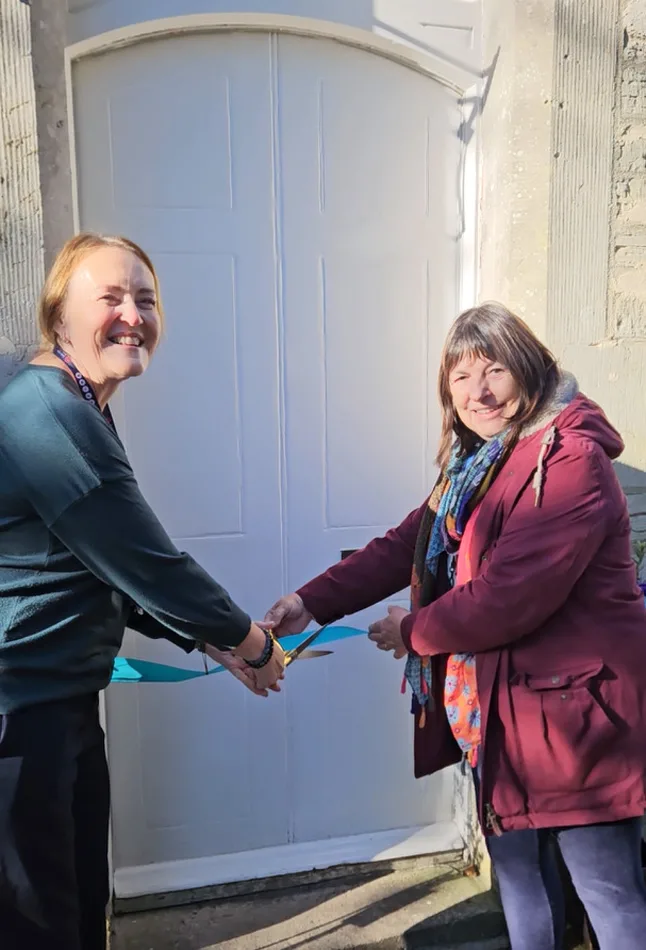
Vulnerable young people in Dorset are about to be given an opportunity to rewrite their futures, thanks to an innovative and inspirational partnership between Dorset Council and Salvation Army Homes. The first 24/7 supported living scheme for 18-25-year olds at risk of becoming homeless has officially opened in rural Dorset, in partnership with new provider, Salvation Army Homes.
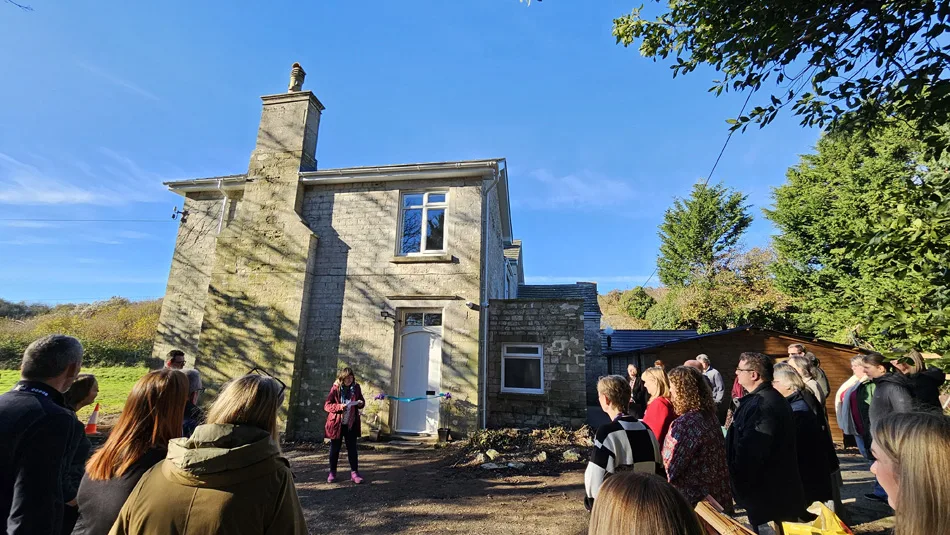
The smile on Gill Cook’s face is radiant. As Head of Supported Housing at Salvation Army Homes, this is the first time the charity has been involved with a project in Dorset.
‘The building is absolutely fantastic, the location is incredible, and we’re so excited about delivering the project. West Farm itself has 24-hour support, and capacity for six young people. There is also land that will be used in therapeutic ways. Then nearby there are two self-contained flats. The whole idea is to create a really safe space where people can learn how to live independently.’
West Farm was built on land owned by Dr John Caius, one of the founders of Gonville and Caius College at Cambridge University – he bought the land in 1570 from the Earl of Dorset.
Dorset Council purchased the property from the university, and since then has worked with Homes England, renovating it to provide homes for local young adults. The site has an acre of land and several outbuildings – providing a unique and calm setting for tenants to learn vital life skills and gain self-confidence.
Stopping the cycle
Dorset Council formally tendered for a service delivery partner, and Salvation Army Homes won the contract. Gill Cook told The BV: ‘We have several other services like this – although none of the others are on a farm!
‘There are lots of reasons why young people become homeless, from relationship breakdown to offending, substance misuse or domestic abuse. Projects like this are part of our strategic response. It’s really difficult, with the lack of accommodation for young people – particularly in rural areas. It’s a real issue. The people who will move into West Farm may have been in the care system, or will have had other issues that have led to them becoming homeless.
‘The idea of the training flats is that people will initially come into the 24-hour service and learn the skills they need to live independently and become part of a community, engaging in education and training.
‘But when people have been in a 24-hour support environment and are then suddenly put into an independent flat with no support at all, it’s very difficult. That’s when tenancies fail: they go back to the beginning and we end up with this never-ending cycle of homelessness.
‘When people are ready to move on into more independent living, the flats here are fully furnished, and they will still get the support of staff on site so there is continuity of care. They will live there for as long as they need to, learning to pay their bills and other skills. Then, when they are ready to go, we work with other housing providers to get them more permanent accommodation.
‘For young people this is really important. We see so many people entrenched in certain lifestyles and homelessness.
‘If you can break that cycle by providing the right support at the beginning, hopefully you prevent them going in and out of prison and a lifetime of ill health, or disruption to the community.’
An inspirational future
Cllr Gill Taylor, portfolio holder for housing and health at Dorset Council, says: ‘Eight young people are being given the opportunity to rewrite their futures as this scheme comes to fruition. This project has come alive due to financial investment, plus of course the passion and vision from our Housing service to deliver more new accommodation to prevent homelessness. We are very much looking forward to working with Salvation Army Homes, whose staff have lots of great ideas on utilising the beautiful setting to its maximum potential and engaging with our young people.’
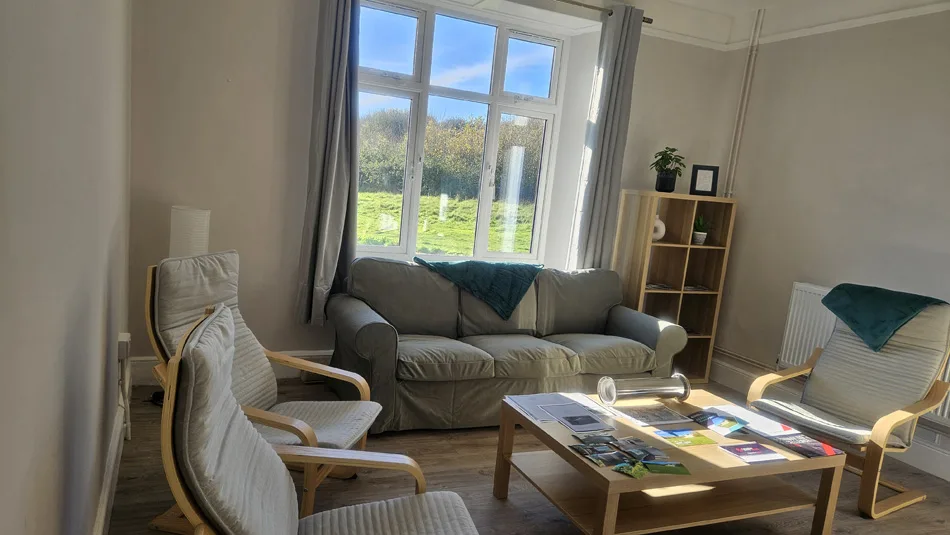
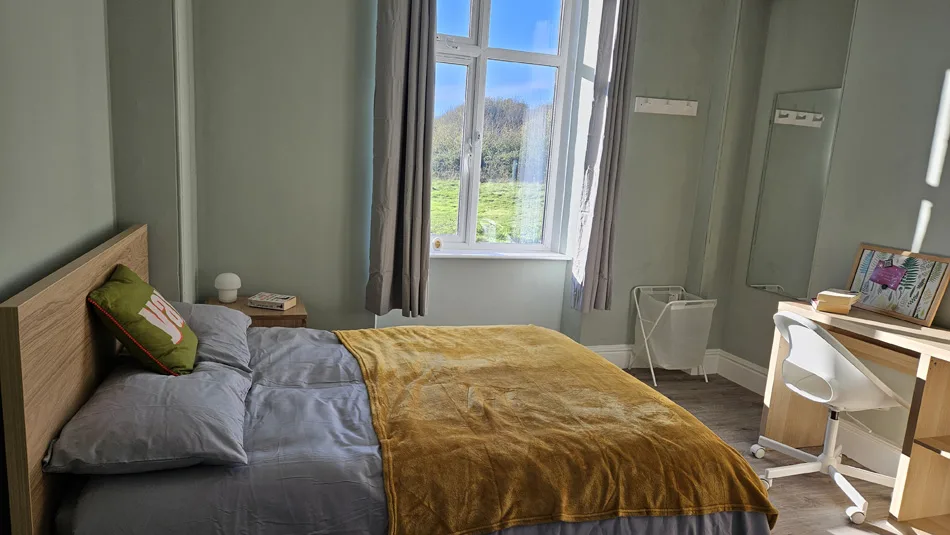
Much thought has gone into the design of West Farm. Swedish furniture brand IKEA provided £1,000 worth of furnishings and supported the team with design tools: the colour palette is a ‘trauma-informed scheme’, ensuring it is the calmest possible environment. Each new resident will be given the opportunity to plant a fruit tree, which will become part of a West Farm legacy. There are also plans to have chickens and to offer other outdoor activities.
For Gill Cook, the highlight came when the team actually saw the building and the project became a reality.
‘It’s the building, the location … the care and thought that has gone into the refurbishment. The grounds … well this is incredible.
‘Just imagine you are a young person who has been homeless. You have no family contacts, perhaps you have been in care.
‘Then you come to West Farm – and all of a sudden you have a community. You wake up in the morning, open your curtains and look at that amazing view. You go downstairs and collect eggs outside for your breakfast. Imagine eating a breakfast of something you have created, by working in the garden.
‘Suddenly you are part of something, not on the outside. Just think about the difference that makes to the whole of your life – and the confidence you’ll get from that.
‘And from there you’ll develop so many skills, self awareness and other things, so you can go out into the world and do anything you want to do.’