February is here. Finally. After what felt like the longest January on record, February’s BV arrives with muddy boots, sharp opinions and a slightly soggy squirrel on the cover – which feels about right, frankly.
This month’s issue tackles some big, uncomfortable stories. We look closely at the Dorset farmer prosecuted for animal cruelty. There’s a lot on the flooding – a HUGE gallery of Dorset underwater, plus why it keeps happening, who’s paying the price, and what it means for communities who are increasingly tired of clearing up and starting again.
Elsewhere, we have the cheering news that the Government has finally decided that a 73% biodiversity loss probbably is seriously bad for everyone, everywhere, all at once. So that’s good.
In actual good news, Dorset’s own world champion Ruby White had a very good weekend in Sweden. I won’t spoil it for you.
The letters page is bursting. Lizzie’s got us all making mac ’n’ cheese (like we need any encouragement). Tamsin’s let slip just how unhinged she and The Sass Queen actually are, and Rupert Hardy introduces us to the North Dorset farm labourers who were secretly trained to be Britain’s last, lethal line of defence.
Try it. You might likeit (but go and make a coffee first, you might be here for a while) (and grab a biscuit while you’re at it – calories don’t count when it’s raining. True facts.).
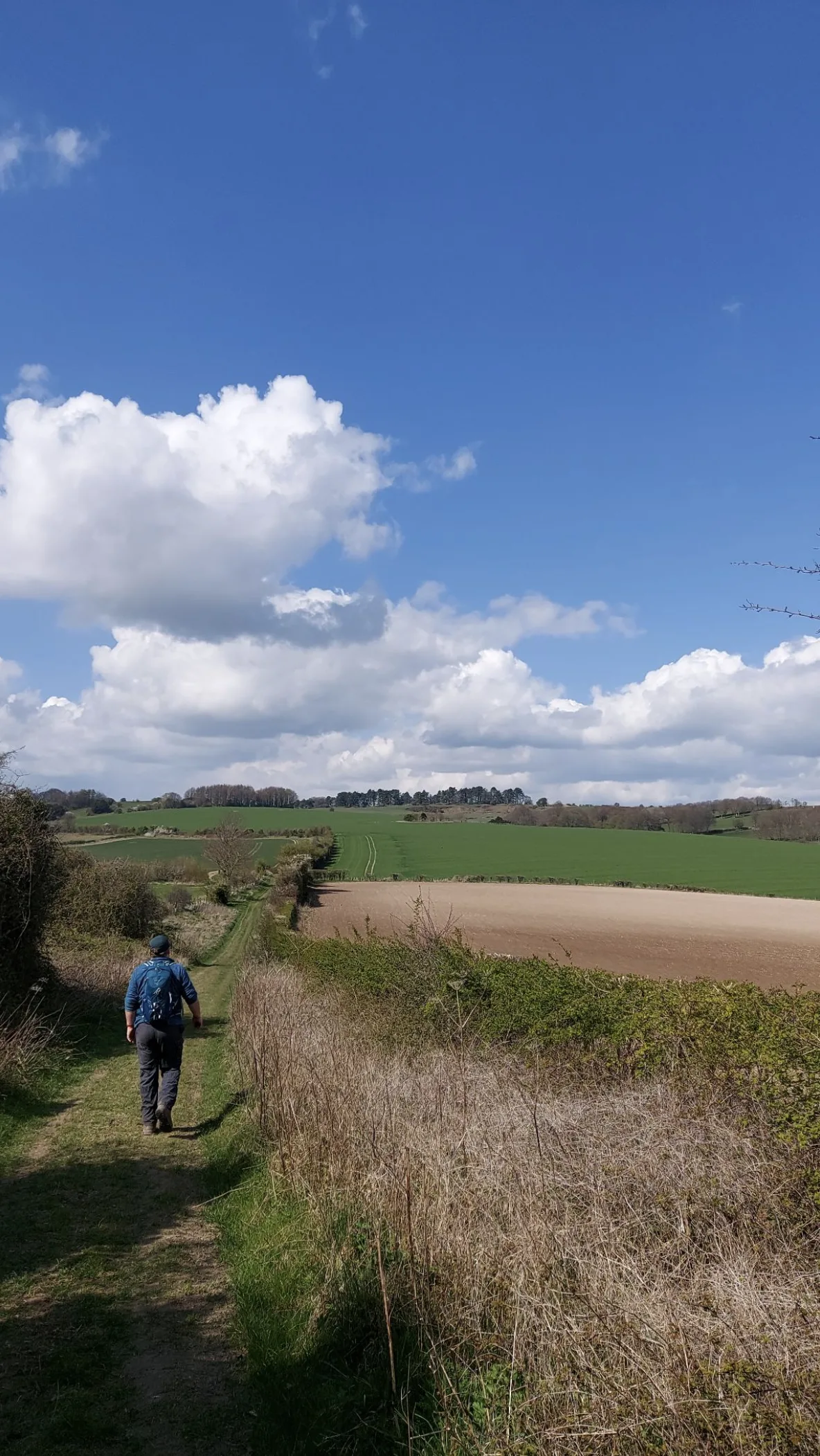
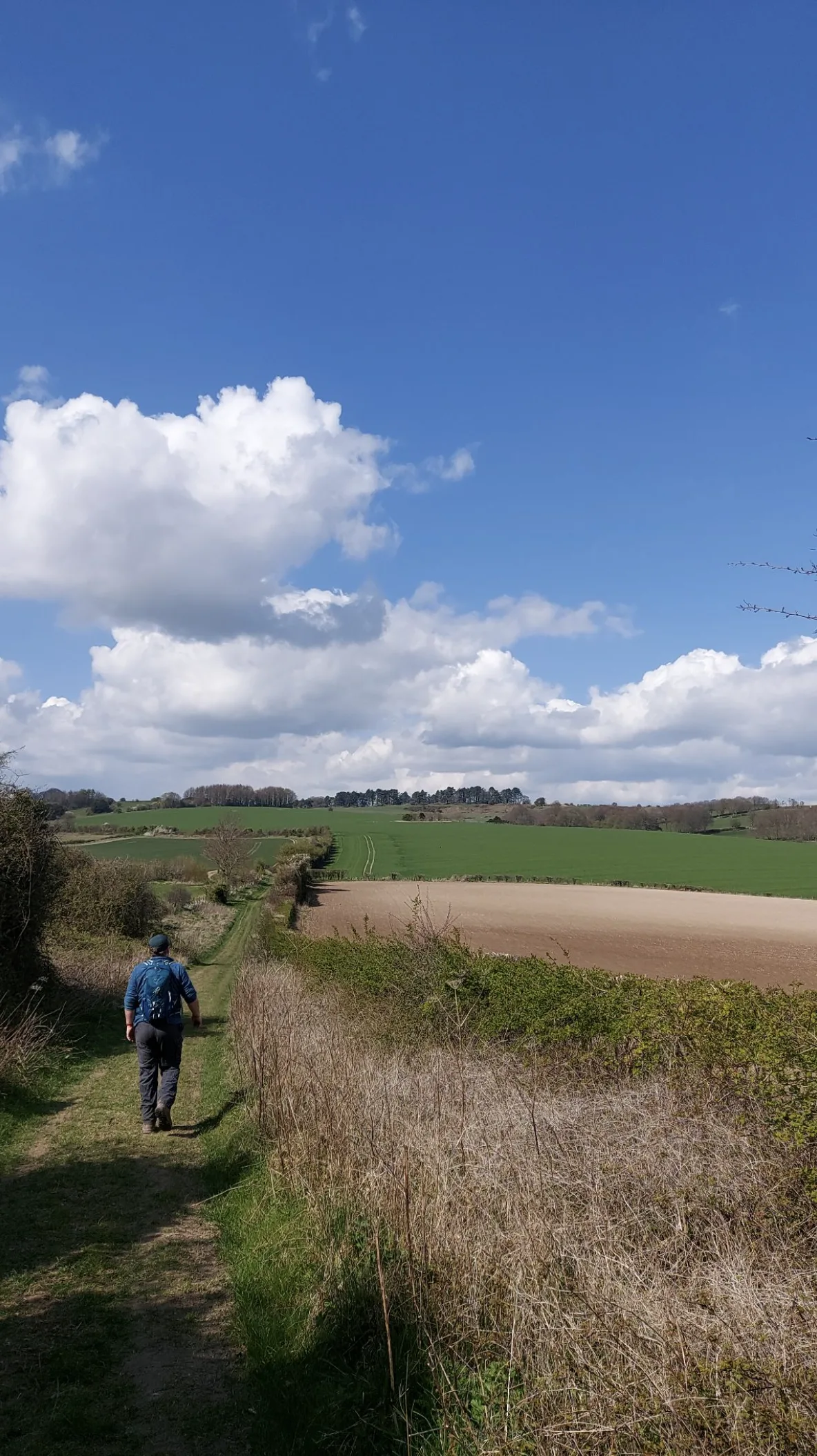
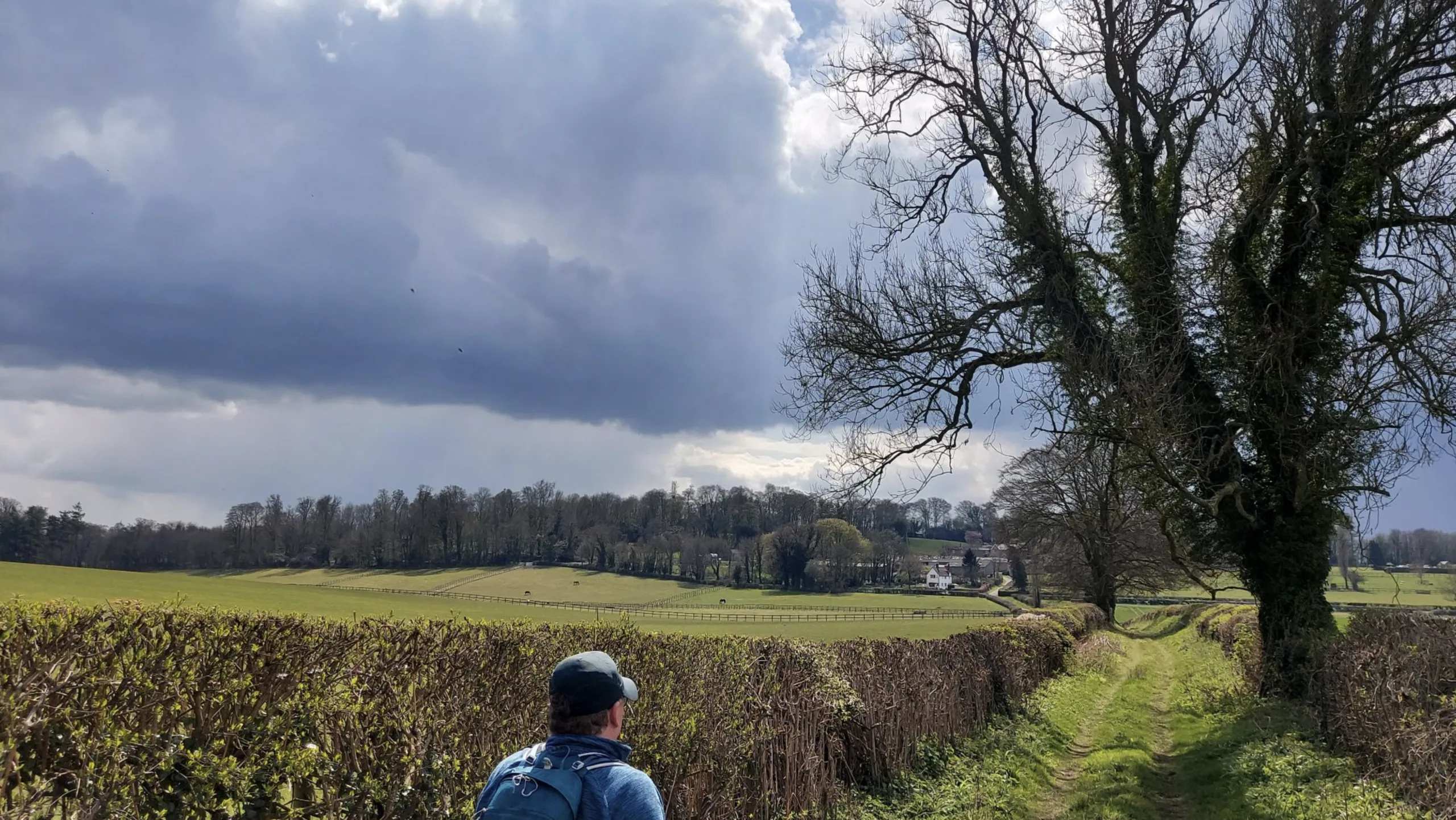
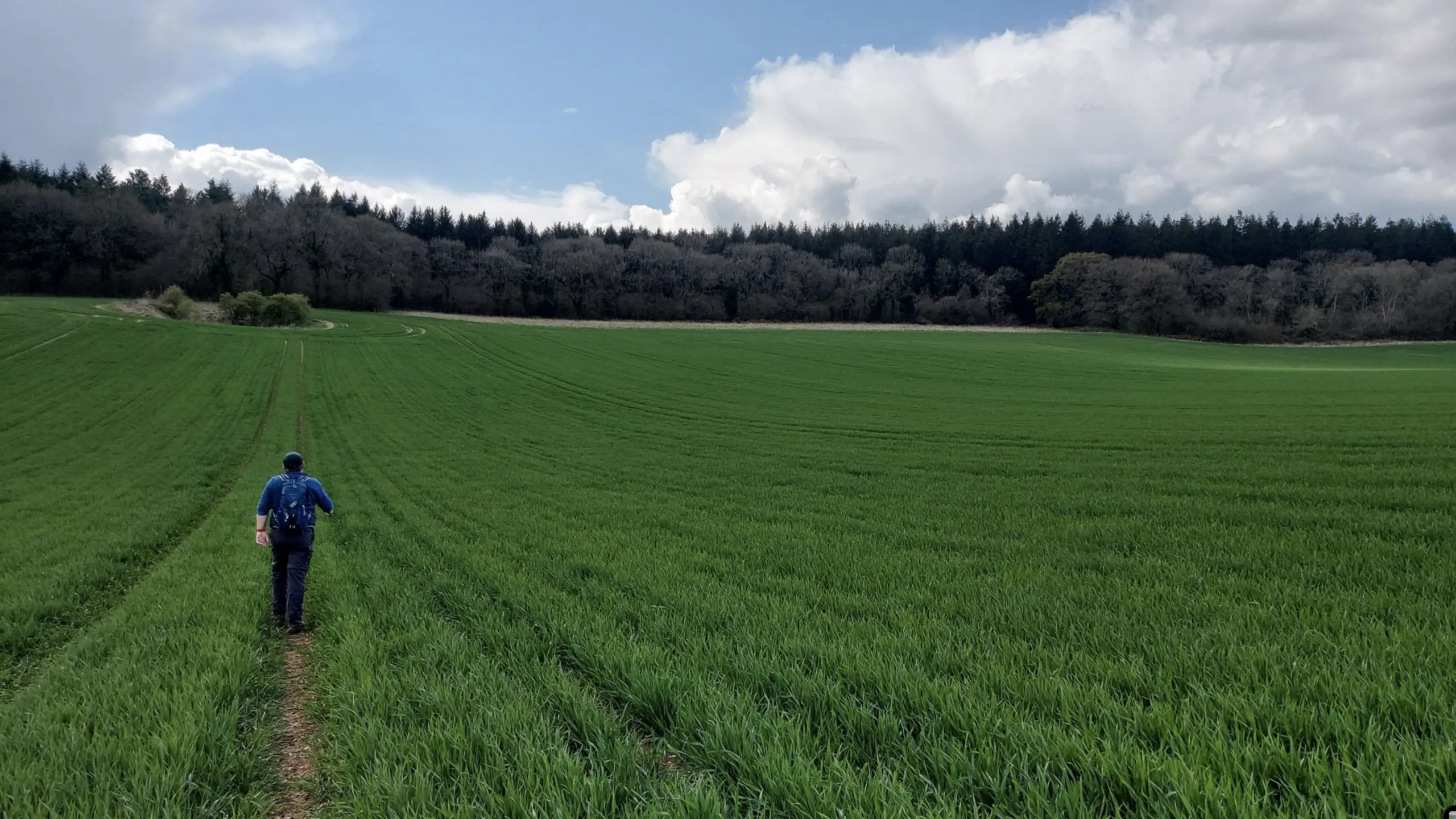
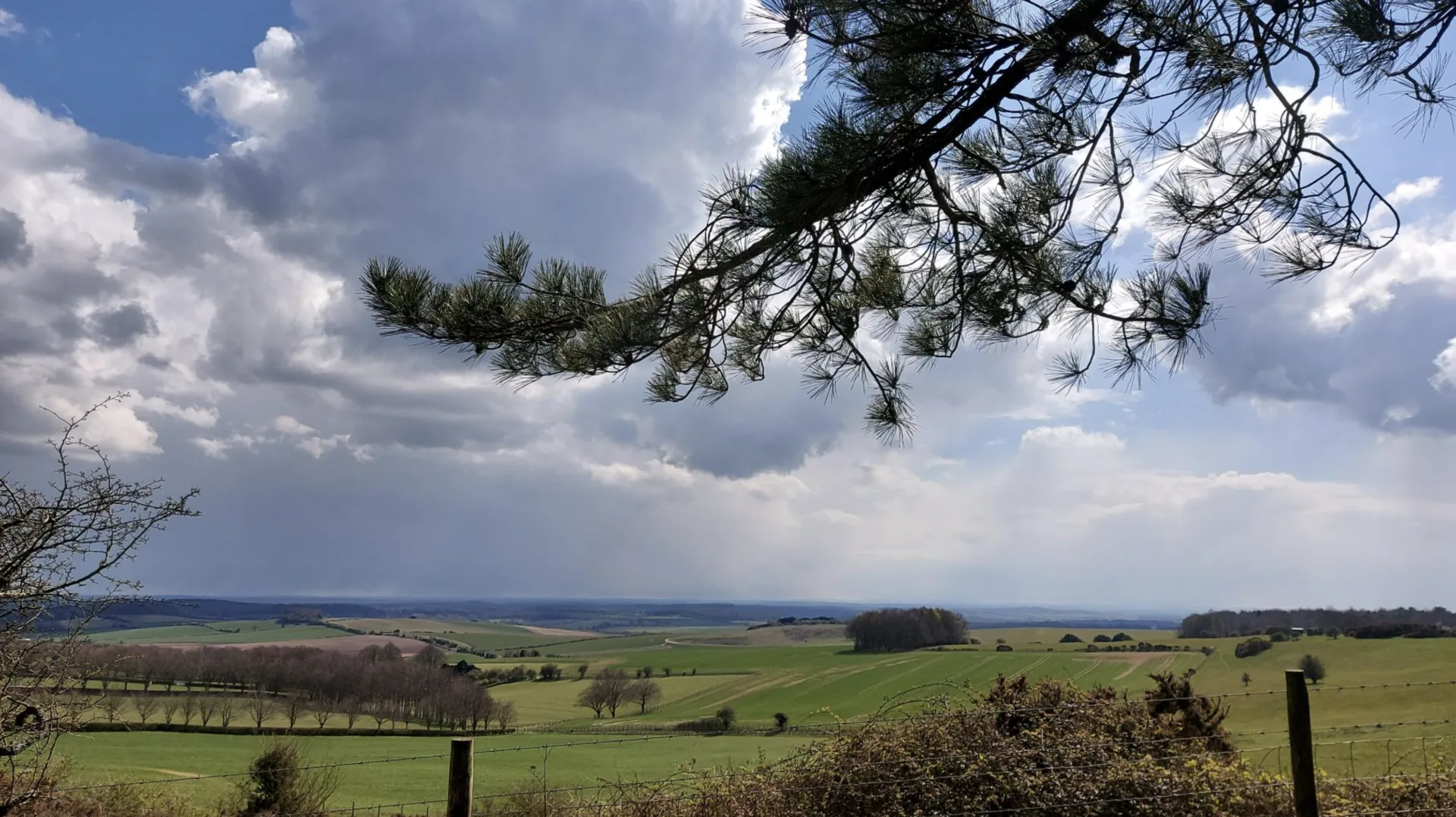
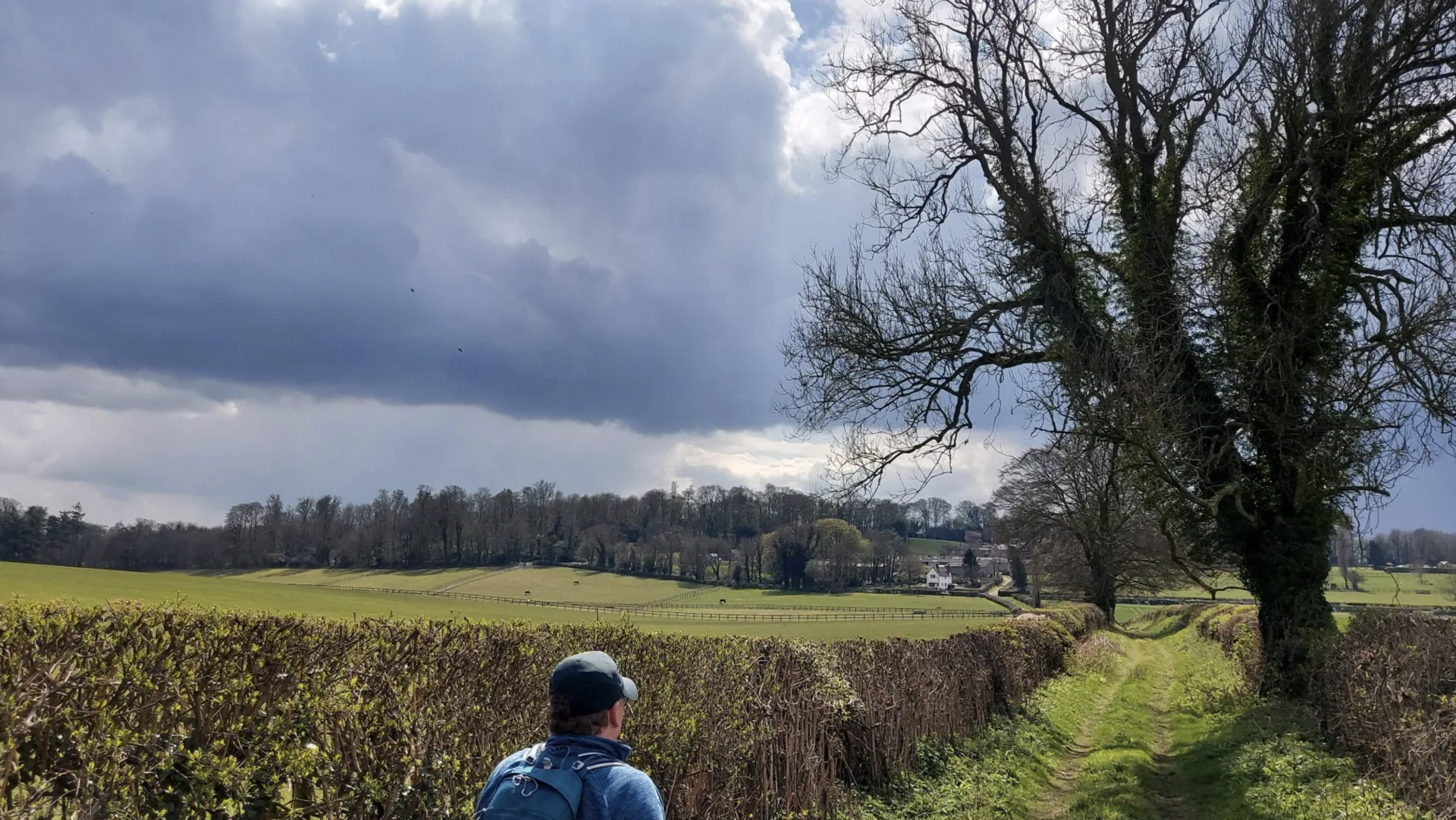
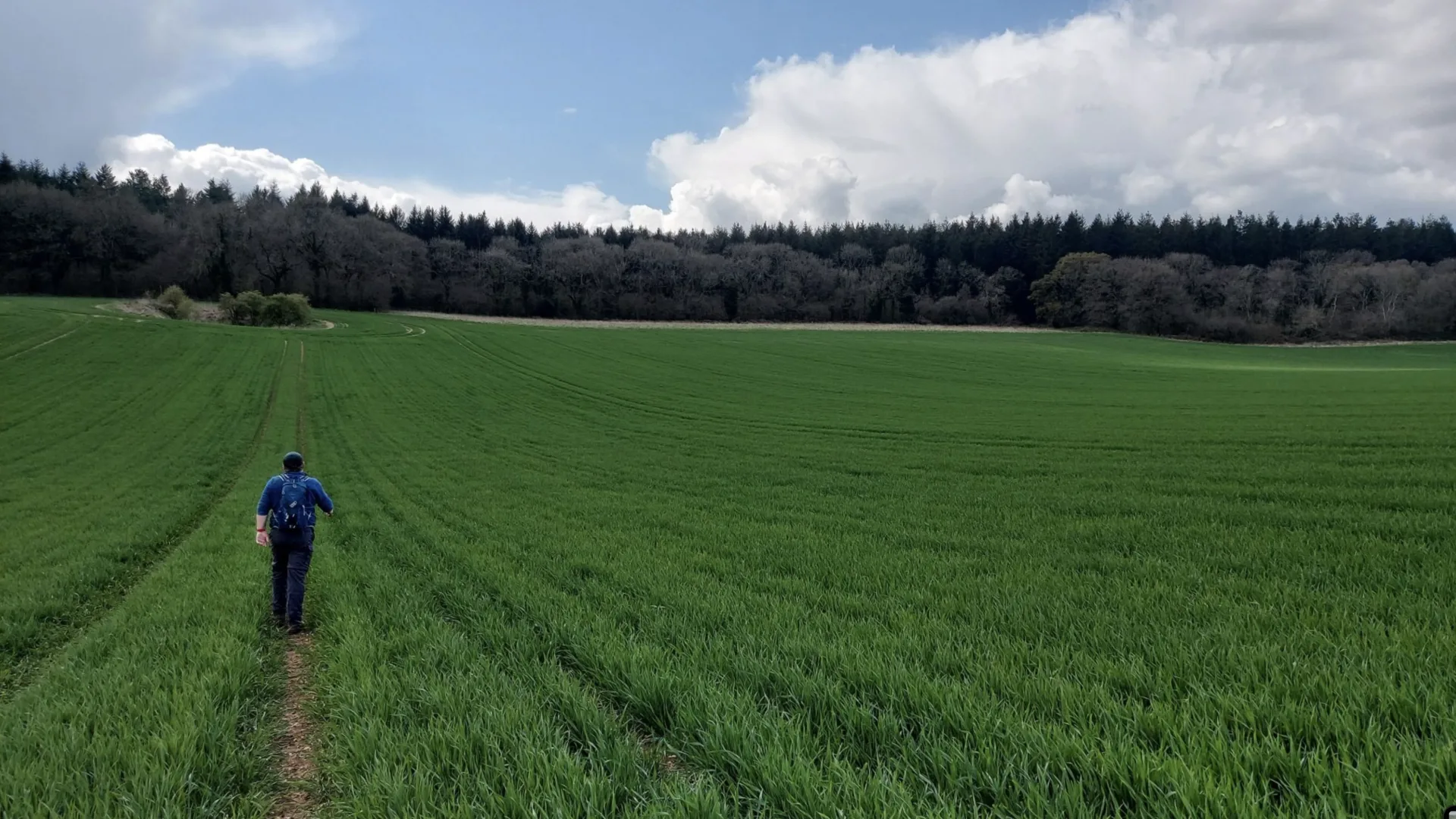
This circular Cranborne Chase walk is a beautifully diverse route taking in a stunning National Landscape of chalk downland, ancient forests, green lanes and wide views.
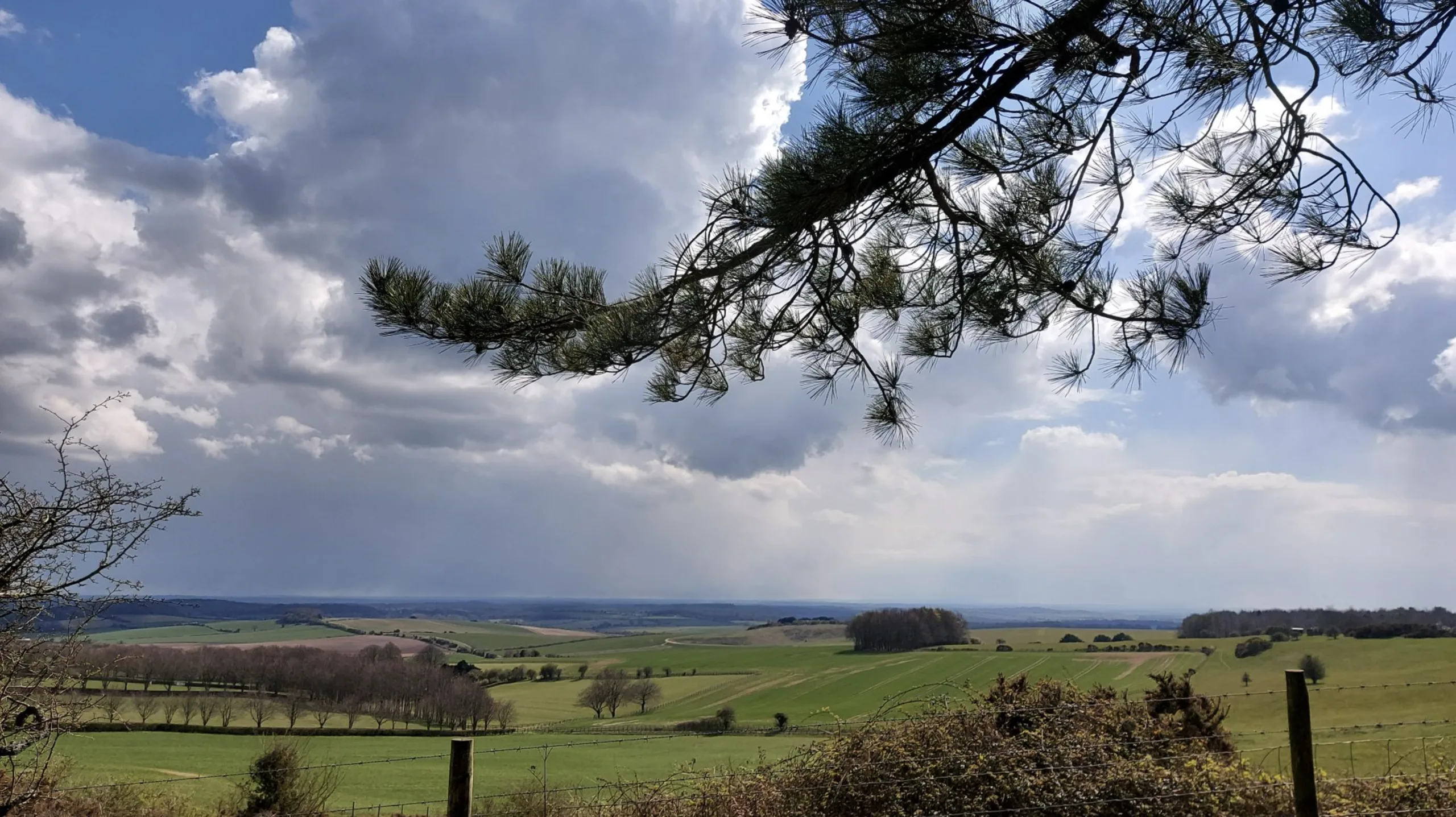
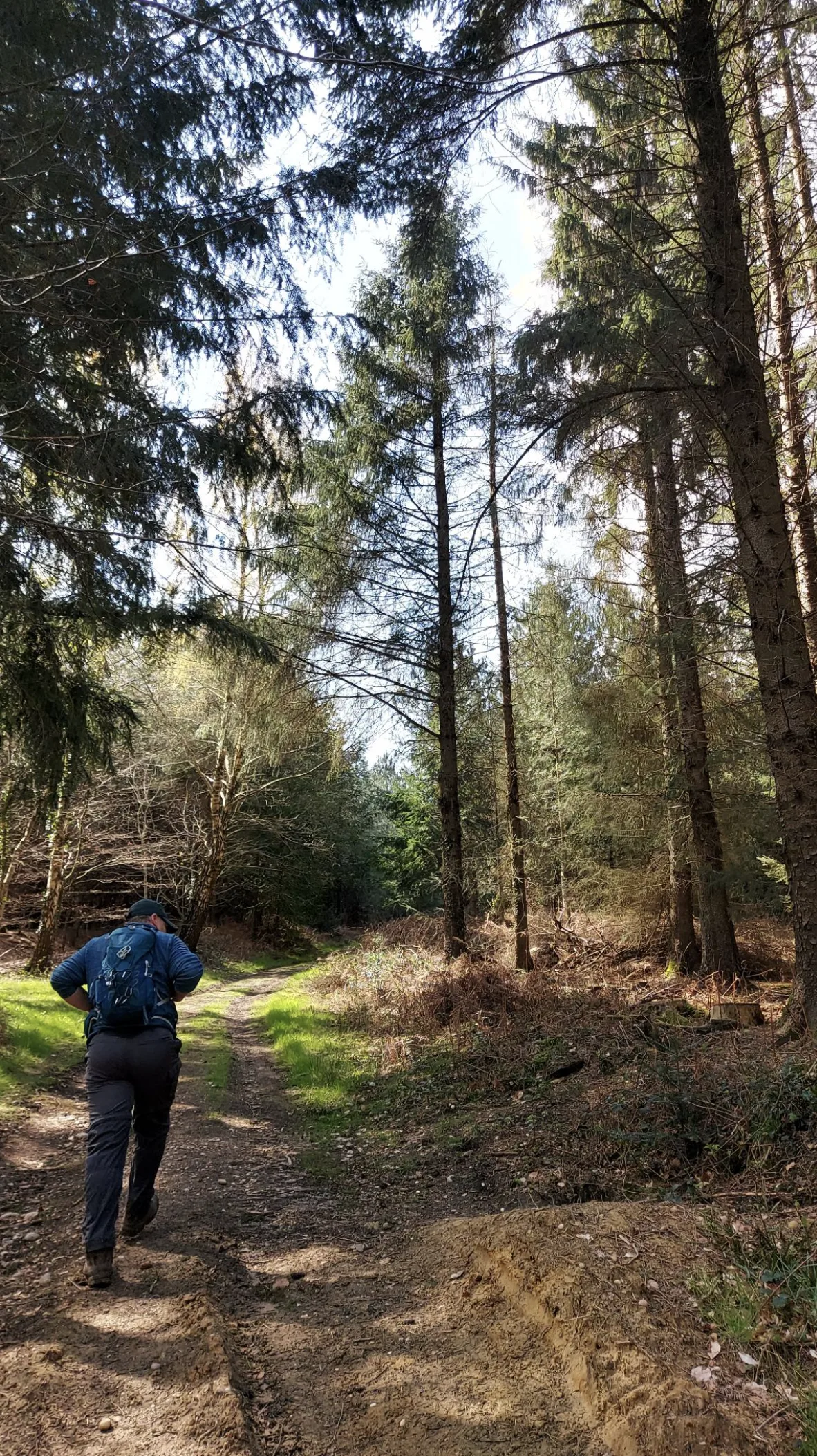
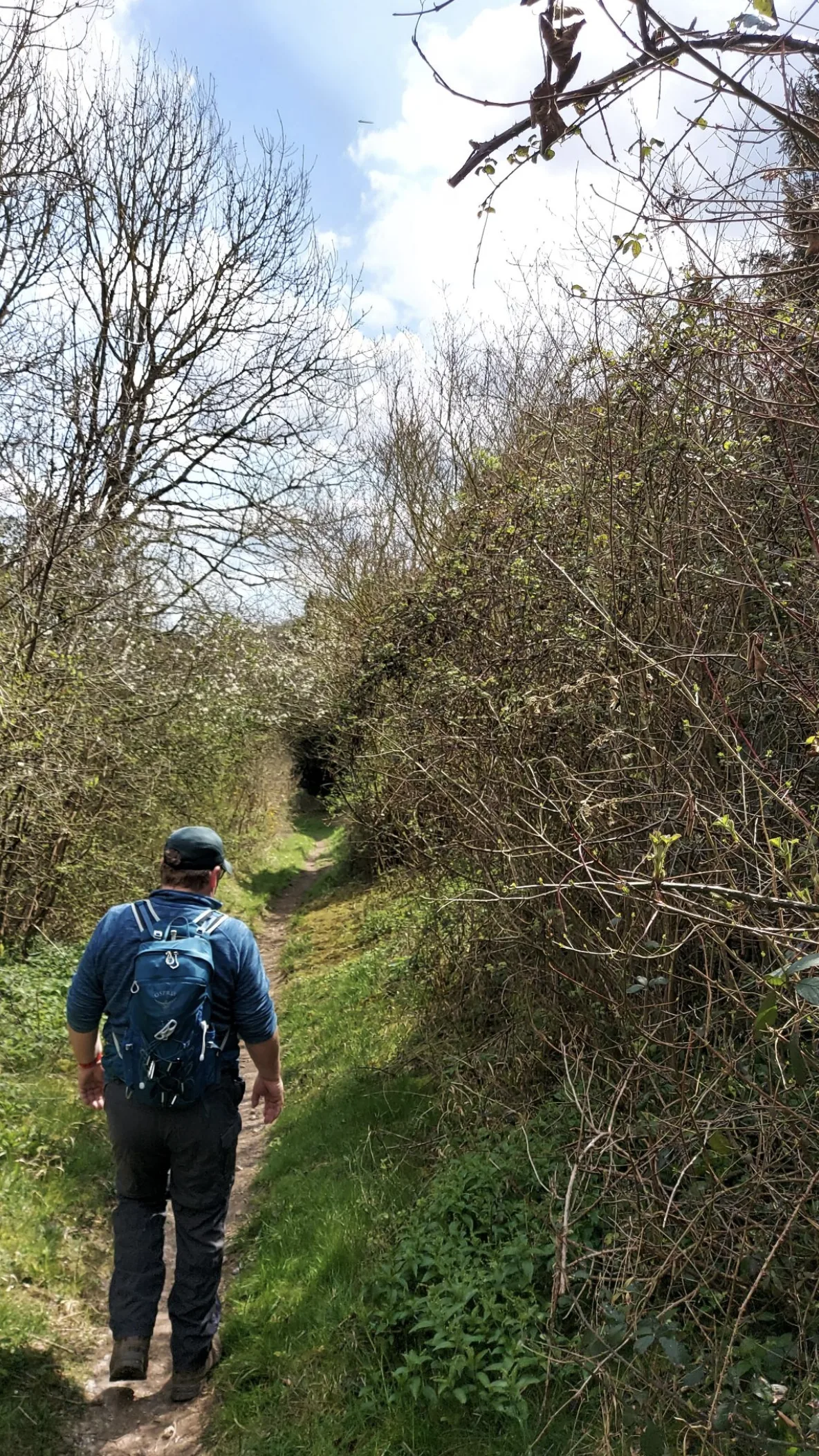
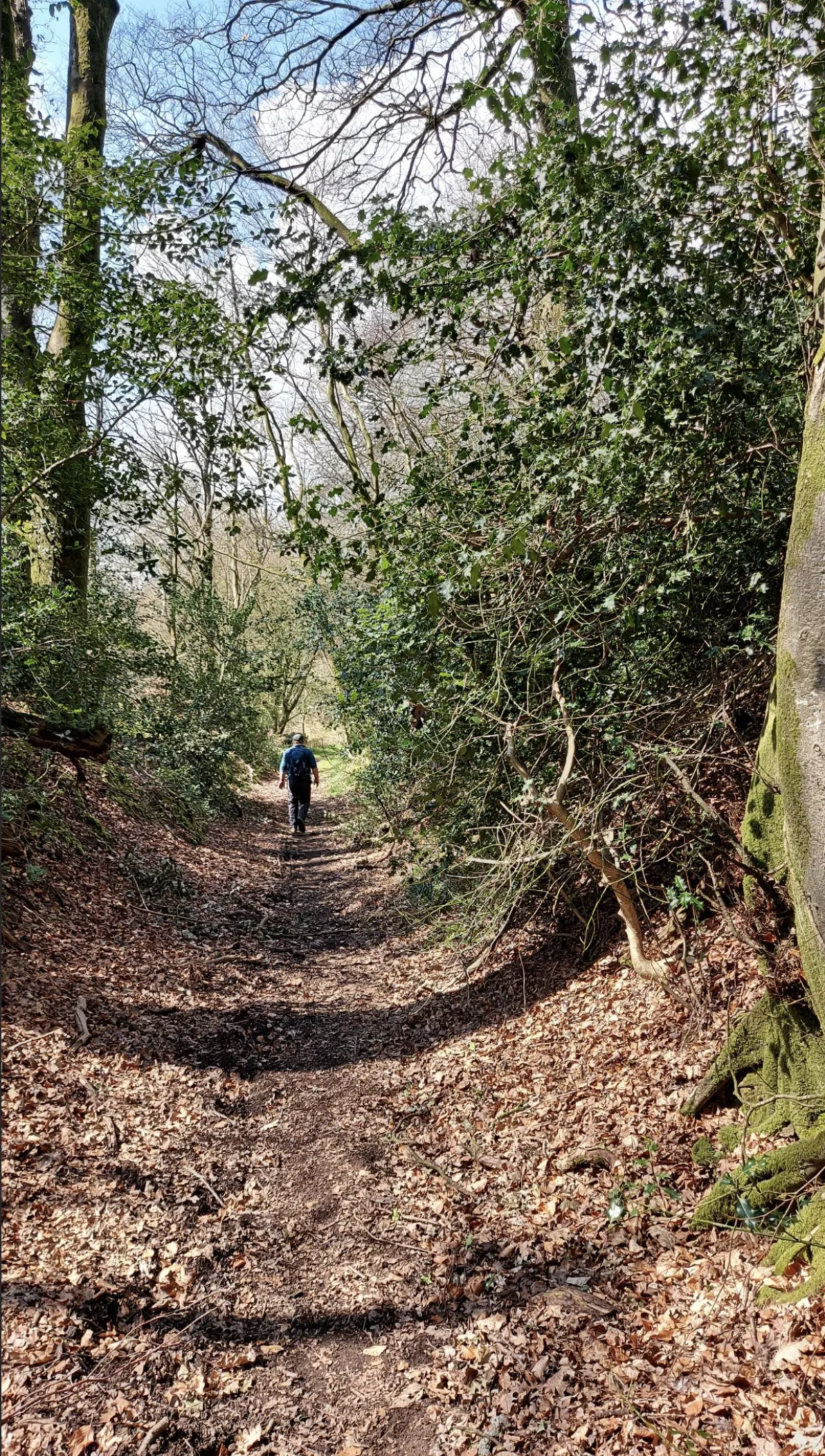
There’s easy parking in the less-well-known Lower Car Park at the back of Martin Down, and then it’s easy paths across diverse Dorset landscapes, climbing the ridge for fantastic views and staying with it before moving into woodlands and descending back across the National Landscape. Your feet barely touch a road, it’s all well-signed footpaths and bridleways.
This route is a personal favourite of ours, and it’s a beautiful route at any time of year (and being chalk downland it tends not to be too soggy even after heavy rain). These images are from late last spring when the bluebells were just starting to appear – but we last walked it to check it just a few weeks ago. It was winter, and the day was grey, cold and damp … and consequently so were the pictures. So I thought I’d cheer your viewing with a little much-missed sunshine instead.
Starting out with easy parking in the less well known Lower Car Park at the back of Martin Down, I always think the first climb from the car is the worst; it’s not steep but it does just Keep. Going. Up. But it’s all easy paths across diverse Dorset landscapes, switching into both the Hardy Way and the Jubilee Trail. When you reach the summit of Pentridge Hill, have a quick explore through the pine trees to appreciate the views on the other side before moving on into woodlands and descending back across the National Landscape of Cranborne Chase. Your feet barely touch a road, it’s all well-signed footpaths and bridleways.
Important Note: If the weather has been wet then do take our alternative, one mile shorter variation here which has a diversion around the corner near Boulsbury Farm. As the track passes through a large pig unit it follows a narrow track which is often unpleasantly filled with slurry: we have repeatedly found it is impassable after wet weather.
Leweston School has been awarded the Royal College of Organists’ highest level of accreditation, recognising excellence in organ teaching, performance and musical outreach.
The accreditation follows a successful submission and assessment visit last term and represents the Royal College of Organists’ most prestigious endorsement – often described as the organisation’s ‘gold standard’. It marks a significant milestone for Leweston’s thriving music department.
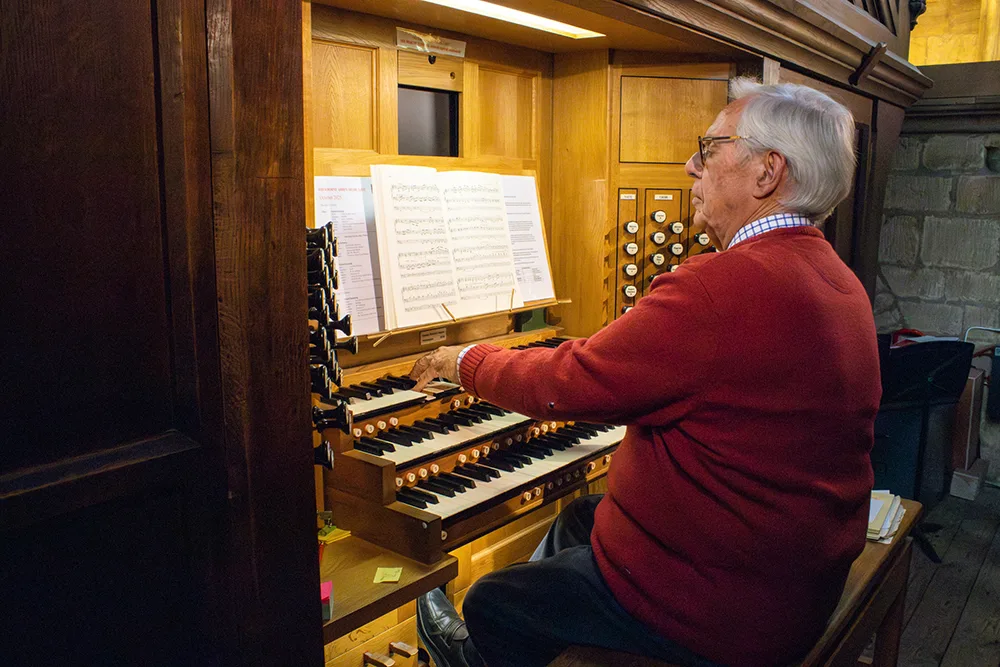
The award reflects excellence in organ teaching, playing and musical development, placing Leweston among schools meeting nationally and internationally recognised standards in organ performance and choral accompaniment. It also acknowledges the work of School Organist Mr Paul Cheater, whose leadership and expertise were central to achieving the accreditation.
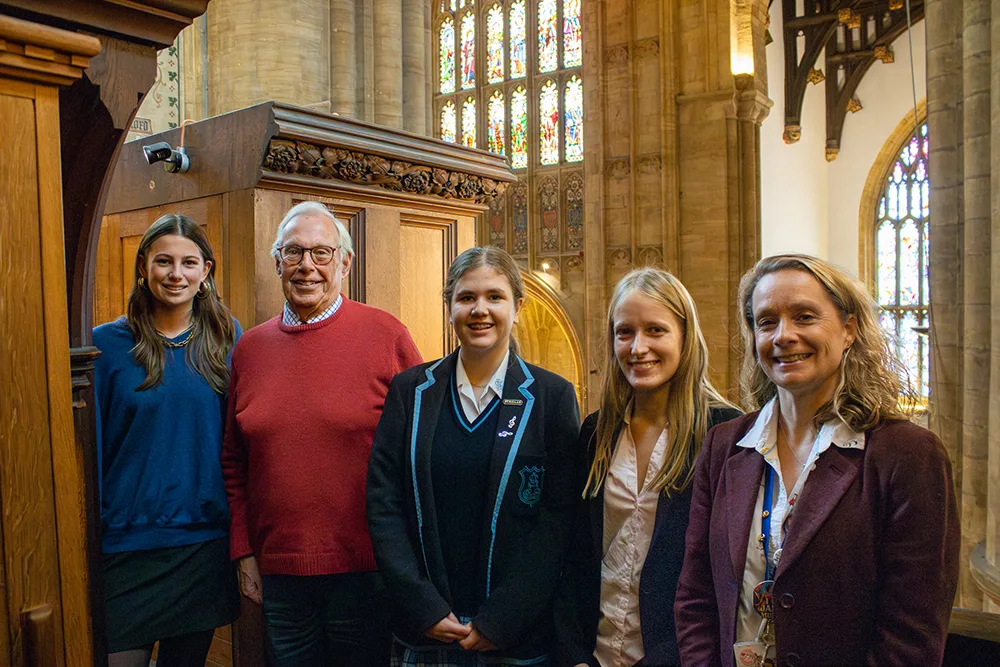
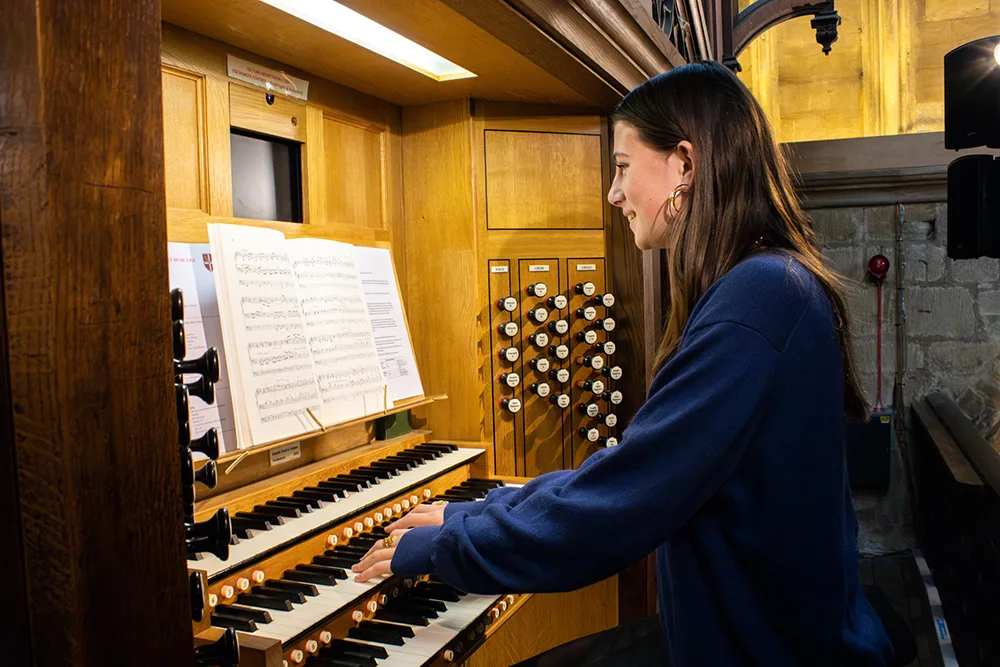
As part of the process, Leweston welcomed an RCO representative for a full-day visit, during which Dr Milestone, Mr Whittle and Mr Cheater were interviewed about the school’s organ programme. Current organ students joined Mr Cheater and former pupil Eleanor Shortman to give a short recital, followed by a demonstration lesson with student Martha B.
The assessor, Mr Simon Williams, was particularly impressed by the number of students who chose to attend the recital voluntarily during their lunch break, including many who do not play the organ themselves.
What the accreditation means for Leweston
Becoming an RCO-accredited school brings a range of educational and cultural benefits, including enhanced opportunities for pupils, with organ students gaining access to the full suite of RCO resources and a structured progression of examinations from beginner to diploma level.
Leweston will also be connected to national networks, receiving invitations to specialist courses, events and conferences, and taking part in initiatives that support organ education. The accreditation further helps attract talented young musicians and encourages visits from high-profile performers. Leweston already hosts termly recitals from renowned ‘celebrity organists’, who offer professional-level performances to the school community.
As an accredited school, Leweston can also act as a regional hub for organ and church music, hosting workshops, concerts and collaborative projects with local schools and churches. This includes outreach to young musicians who may not otherwise have access to an instrument.
Supporting the future of organ music
At a time when the UK faces a national shortage of organists, Leweston’s commitment to training young players is particularly valuable.
The school is proud to celebrate the achievements of its student organists, including Martha B and Penny H, whose enthusiasm and musicianship reflect the strength of Leweston’s organ programme.
Both students benefit from Leweston’s close link with Sherborne Abbey, where they have the opportunity to play the Abbey organ. Martha performed ‘Con Grandezza’ by Charles Vincent as the opening piece for Mr Cheater’s organ recital at Sherborne Abbey last term, and both students regularly perform in the school’s lunchtime organ concerts in the Leweston Chapel alongside guest ‘celebrity’ organists.
Welcome to February’s BV Puzzles page – your free spot for a quick brain workout. Complete the crossword, test your logic with a classic sudoku, or relax with our massively popular seasonal Dorset-themed jigsaw: this month we have some sunlit pussy willow, just as it’s burst into bloom. See Jane Adam’s nature column this month – it’s a top tier winter feast for bees right here. No logins, no printouts – just free puzzles updated every month right here on The BV. Perfect for puzzle fans across Dorset and beyond, our digital puzzles work on mobile, tablet or desktop. Enjoy a quiet moment of challenge with new puzzles published every issue of The BV magazine.
It’s the first BV Podcast of the year, and Jenny Devitt’s pulled together a trio of conversation starters from the January issue – from Dorset Council handing over public loos like they’re Christmas cast-offs, to the unexpected emotional power of a well-meant thank you.
Editor’s Letter – No pom poms this year Laura Hitchcock skips the usual New Year rallying cry and offers something more honest instead: a nod from one tired grown-up to another. “We’re still here. Still showing up. Still muddling through. For January, that’ll do.”
Dorset Insider: Unwanted gifts and the council’s ‘fire sale’ Ever been given a Christmas present you really didn’t want? Try a toxic dump site, derelict loos, or some rewilded verge no one asked for. This month, our anonymous parish councillor takes aim at Dorset Council’s asset disposal scheme – and what happens when ‘devolution’ really means ‘dumping the problem on the parishes.’ “The offers for my own patch include an area of land that we, the parish, already own.”
Grumbler: Is Dorset the county Visit Dorset forgot? A new glossy tourism video has racked up hundreds of thousands of views – and barely shows rural Dorset at all. This month’s anonymous Grumbler isn’t just grumbling, they’re calling out the coastal bias baked into Dorset’s glossy marketing campaigns. Roughly three quarters of the county is rural, and the quiet erasure of inland communities from the county’s public image has real consequences. “You can’t keep selling Dorset as a playground for the already well off, and then wonder why its rural economy struggles to survive.”
The Power of Thank You – John Sloper on Gratitude John Sloper, CEO of Dorchester charity Help and Kindness, joins Jenny to talk about the unexpected importance of saying thank you – and how gratitude can be a radical act in a world that feels increasingly disconnected. “That thank you is a kind of gateway. It builds the fabric of community.”
These stories come from January’s BV – available now at bvmag.co.uk/Jan26. News, opinion, people, places, and the best of rural Dorset – all in one free digital magazine.
The BV – named 2024’s Best Regional Publication in the UK (ACE Awards) and Regional News Site of the Year (Press Gazette). Always worth your ears.
See all the previous episodes of The BV podcast here – or find it on your preferred podcast platform
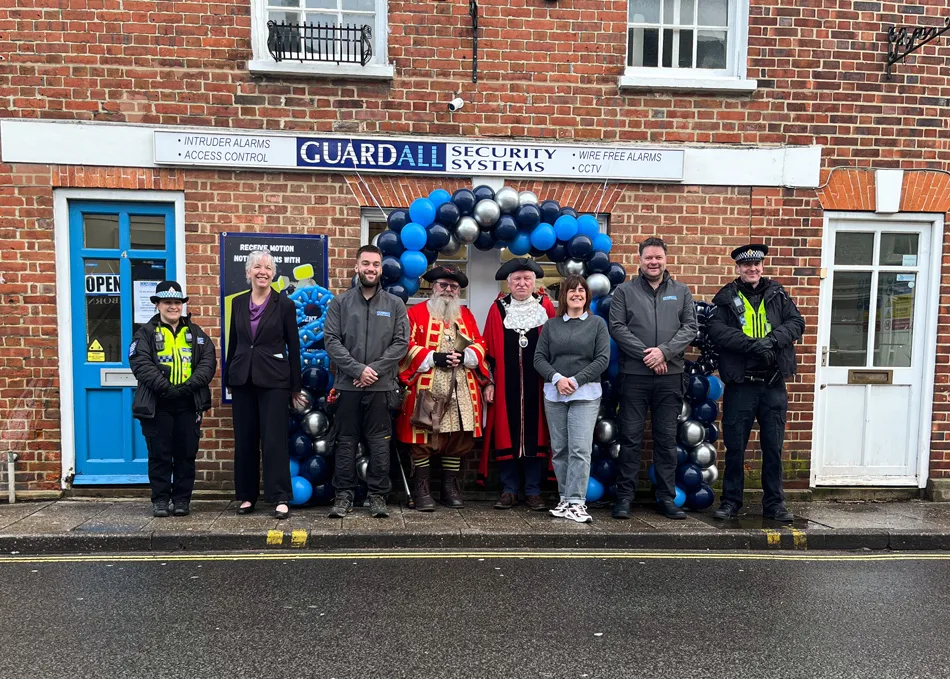
celebrating 25 years in business this January, marking a quarter of a century protecting homes and businesses across Dorset, Hampshire and Wiltshire. Founded in 2001 by David Vowles, the family-run firm has grown from a one-man venture into a trusted regional name. Clients now range from private homeowners and stately homes to national brands including Costa, Toni & Guy and Carpet Barn.
‘This is such a landmark for us,’ says David, who has over 30 years’ experience in the security industry. ‘We’re proud to deliver tailored security solutions – and at competitive prices – whether it’s for a first-time homeowner or a major retailer.’ The business is very much a family affair. David’s wife Sally runs the Wimborne office, son William is a fully qualified engineer, daughter Imogen supports online presence and daughter-in-law Tia helps with marketing. The team marked the anniversary with a visit from the Mayor of Wimborne, Cllr Jeff Hart, alongside local police and representatives from Wimborne BID. Guardall is accredited by the SSAIB, with services that are police- and insurance-approved. It offers 24/7 callouts and prides itself on personal service. ‘Our customers are part of the Guardall family,’ says Sally. ‘Many have been with us for years.’ Looking ahead, Guardall is expanding into network technology to improve home and business Wi-Fi, and plans to recruit more apprentice engineers to continue the company’s legacy.
To celebrate, Guardall is offering 10% off all new intruder alarm installations until 31st March 2026 – quote CODE25Guardall.
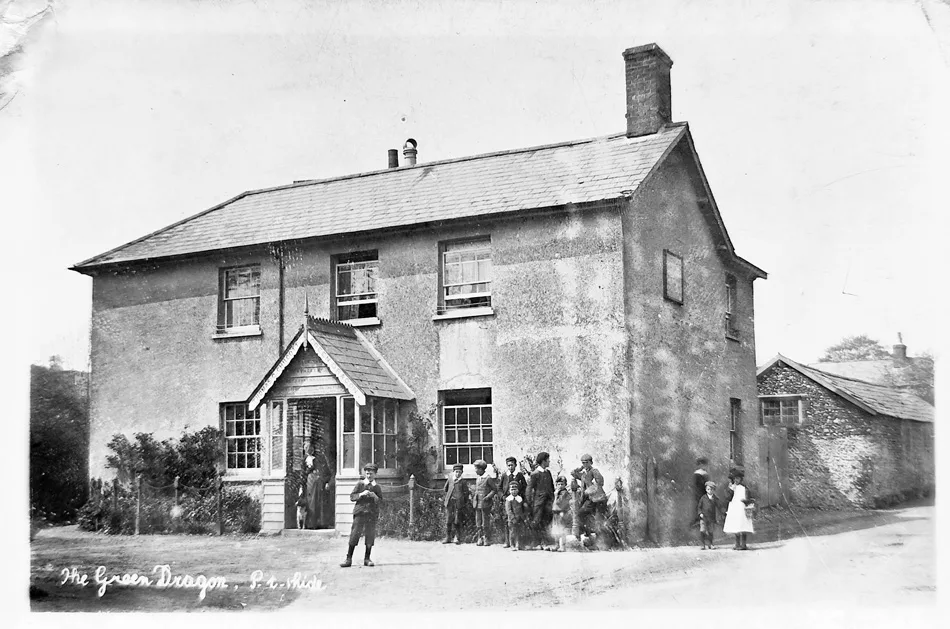
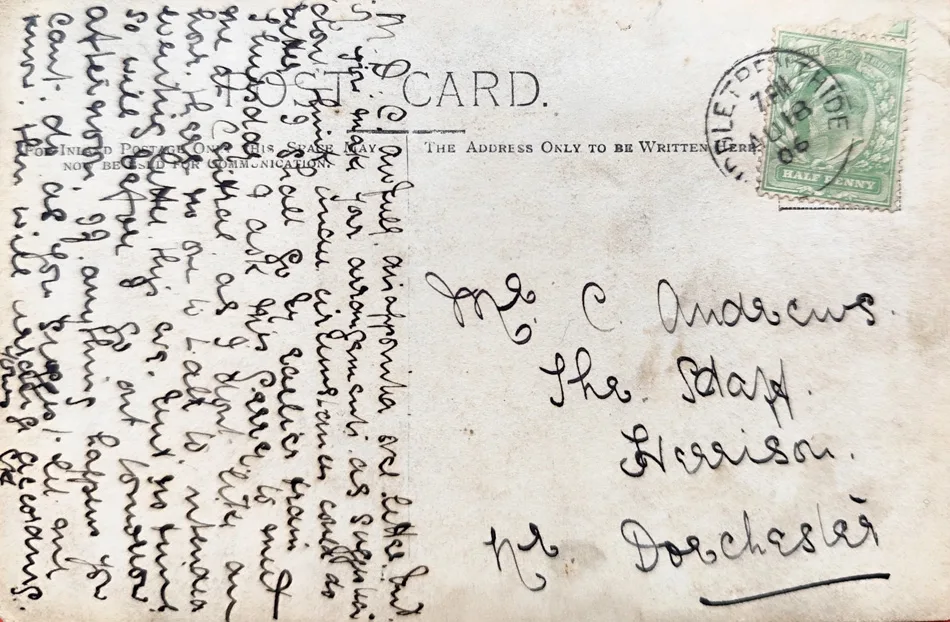
This month Barry Cuff has chosen a 1906 postcard of the Green Dragon in Piddletrenthide. To accompany it we found a news story from an inquest held there just six years later. The following story was reported in the Bridport News on Friday 8th November, 1912.
Quite a sensation was caused in this village on the news being circulated that Mrs. Hunt, wife of Mr. W. J. Hunt, blacksmith, had died suddenly while sitting in her chair after partaking of some bread and cheese on Friday night. The deceased was 69 years of age. On Monday an inquest was held into the circumstances of the death by Mr. F. B. La Maunsell, Bridport, coroner for West Dorset, at the Green Dragon Inn. The following composed the jury: Messrs. A. Baker (foreman), T. H. Payne, W. C. Groves, senr., W.C. Groves, Junr., G.W. Gillingham, F. Peek, J. Hicks, A. Baltitt, G. Gale, A. Davis, P. Churchill, and W. M. Elsworth. After viewing the body, the following evidence was taken: William James Hunt, of Piddletrenthide, blacksmith, said that he was the husband of the deceased, whose age was 69 years. About a fortnight ago his wife. who had before been in good health, fainted. She had suffered from rheumatism for the last year or two. After one fainting fit she seemed better than witness had known her for a long time. Her appetite was good and always hearty. On Friday last she took some bread and cheese and a glass of ale for her supper about 10.30, and was sitting in her chair. Witness thought deceased had dropped asleep. He touched her but she did not move or speak. She seemed gone in an instant. She was still in her chair at the table. Witness rubbed her hands and called to his son, saying “Mother’s gone Charlie, she is gone. She is dead,” The doctor came the following day. Witness was satisfied that deceased could not have taken anything to disagree with her. She had been very short of breath for a long time and had to walk very steadily. Charles Mathew Hunt, son of the deceased, stated that he lived at home with his father, and was a carpenter. He was home on Friday last, sitting in the next room to his mother, having supper by himself. His father called out and said that mother was dead. That was about 10.15 p.m. Witness went and lifted up his mother’s chin, felt her pulse and spoke to her but she was dead. He could not feel any pulse. The fainting fit, referred to by his father, lasted about a quarter of an hour and occurred just after dinner. He (witness) thought it was indigestion. His mother seemed quite well again after and went to his workshop the same afternoon, talking about his work. Dr. Dalton, of Cerne Abbas, stated that he had attended the deceased within the last three or four years, so that she was known to him, but for no serious illness, and be had within the last few months seen her in going past her house. He (witness) considered that deceased died from heart failure, as there seemed to be a distinct history of indigestion after meals occasionally and probably the heart failure was brought on by distention of the stomach. Death would be quite instantaneous. The appearance of the body after death would be consistent with this. Witness saw deceased on Saturday about 11 a.m. A verdict of death from cardiac syncope occasioned by Indigestion was returned.
The Green Dragon is still recognisable today, though it is better known now as The Piddle Inn. The 1906 postcard was sent from the village to Mr C Andrews, simply addressed ‘The Staff, Herrison, Nr Dorchester’. Herrison House was the Dorset County Asylum. Opened in 1863, 1904 had seen the opening of Herrison House for private patients and by 1913 there were 957 patients at Herrison Hospital. The card reads: M.D.C Awfull disappointed over letter but if you make your arrangements as suggested don’t think under circumstances could do better. I shall go by earlier train Thursday & ask Mrs Farrer to meet me at Central as I don’t like an hour there, no one to talk to. Intended evening letter this eve but no time so will before I go out tomorrow afternoon. If anything happens you can’t do as you suggest let me know then will travel according yours AD
It’s that time of year when we’re packing up the last of the festive detritus and looking forward to the first spring flowers … possibly deciding what to do with an unwanted Christmas gift or two. You’ll know the type of thing – something that is clearly of no use to anyone, or which was bought with little real insight into the person it was intended for. If I sound like an ungrateful Grinch, I’m not really … I was simply reminded of another dodgy offer that came my way just before Christmas.
As I mentioned in my November missive, Dorset Council has recently drawn up a list of assets that it wishes to dispose of … by offering them to parish and town councils (well yes, lovely: let’s all write a list of stuff we no longer wish to do. Mine will fill this magazine). I opened the spreadsheet with not a little glee, thinking of opportunities and projects to develop our parish infrastructure, especially with nearly 300 new houses being dumped on our nearest fields. However, I soon came back down to earth with a thud. The list was definitely a ‘wish list’ … but no part of it registered on my wishes. Instead, this list is a grand dump from council HQ of anything that involves work on their part which doesn’t generate income. Or, as I continued to read down the list, things that could cause problems in the future. The offers for my own patch include an area of land that we, the parish, already own. There were patches of grass labelled as ‘picnic areas’ that would obviously need a regular mower – or some hungry goats. I saw that another parish has been offered the opportunity to grab an old dump site, complete with festering toxic waste cocktails that will clearly be an issue in years to come. There were lots of loos looking for new ownership. Obviously they will need to be maintained – and that raises another point: what if no one takes on the loos, and the council decides to close them? How will older people and the disabled manage?
I wish them a seagull As I examined the asset list, I couldn’t find a single thing that would be useful to the parish. What was potentially viable was in reality already owned, either by us or someone else. You do have to wonder about the list’s accuracy, if there are assets on it that don’t even belong to Dorset Council! The entire exercise raises even further concerns for smaller parishes around volunteering and maintenance. Most of our own volunteers who cut the parish grass are in the over-75 age group, and we are not getting anyone younger or fitter coming forward to help with maintenance, so we are increasingly looking at contractors. Plus, some of the work required is heavy labour, where machinery is needed. Then, like every parish, we have a few rewilding gurus hell-bent on turning all our verges into jungles – all well and good until the plants die off and the complaints start because it looks a mess, or you can’t see to pull out at a junction. All this gets me grumbling over my coffee. The fire sale of unwanted Christmas gifts from the council all comes with caveats. Very little that is income-generating will be given to parish and town councils. Naturally, though, the maintenance bills for all of it will need to come from the precept, which means we’ll get the blame for raising it. And where does it stop? Cornwall Council has just decided it will no longer be emptying dog bins and litter bins in some areas, including social housing sites. Not that I want to plant ideas in Dorset Council’s money-saving plans, but just imagine if that happened here? Who does the council think will take on that job, especially with all the issues on accessing waste and recycling centres – and just getting people to pick up dog mess in the first place. I hope the well-meaning Cornish councillor who dreamed up the notion steps in something smelly and nasty – or a seagull pinches their pasty.
Not on my patch And another thing (sorry, I’m on a roll this morning). Parish councils spend a lot of time trying to recruit new councillors. It’s no longer the domain of white middle class retired old men (and yes, I know, most are absolute gems with a plethora of knowledge). The people coming forward today are younger and have families and jobs. Parish councillors are unpaid – there’s a limit to the amount of work they can do when they have other commitments and mortgages to pay. We also have the incoming Millennials and Generation Z, who work entirely differently from the Baby Boomers and Gen X. Good parish councillors work hard. While we are batting off developer number five from trying to create yet more unaffordable luxury homes or working to save the village pub, taking on a bit of grass that needs mowing because the council doesn’t want to do it is not a priority. Frankly, when I desperately need help, advice and support to deal with macho developers determined to turn villages into ticky-tacky dormitory towns, I’m just not going to take on the local authority responsibilities. I want the best possible outcome for my patch – and that includes not making it a dumping ground for other people’s problems.
***The Dorset Insider is a no-holds-barred column pulling back the curtain on local affairs with sharp insight, unfiltered honesty and the occasional raised eyebrow. Written by a seasoned parish councillor who prefers to remain anonymous (for obvious reasons), it cuts through the noise to expose the frustrations of grassroots politics, and say what others won’t. Rest assured, their identity is known – and trusted – by the editorial team. Expect opinion, candour and a healthy dose of exasperation …***
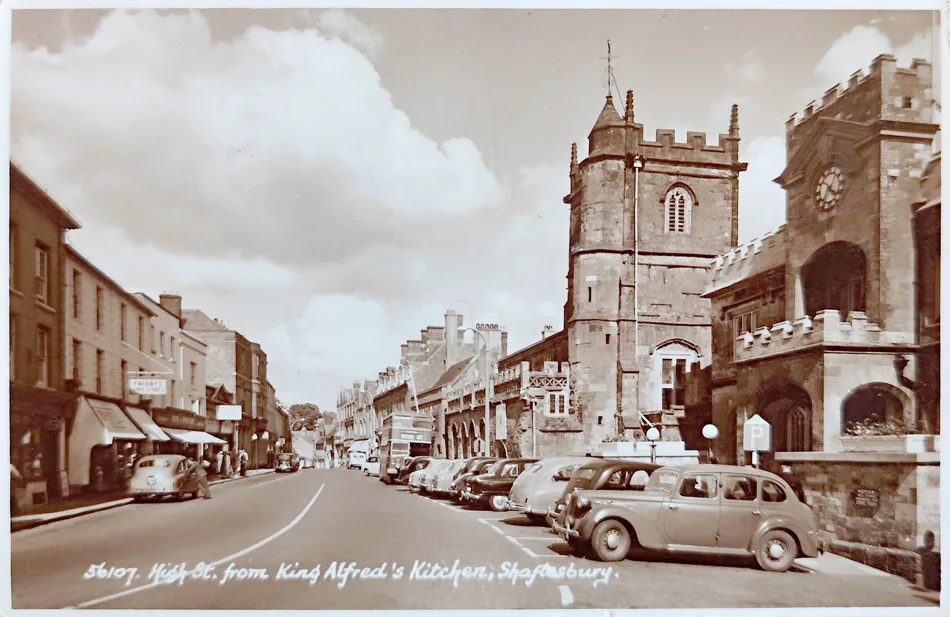
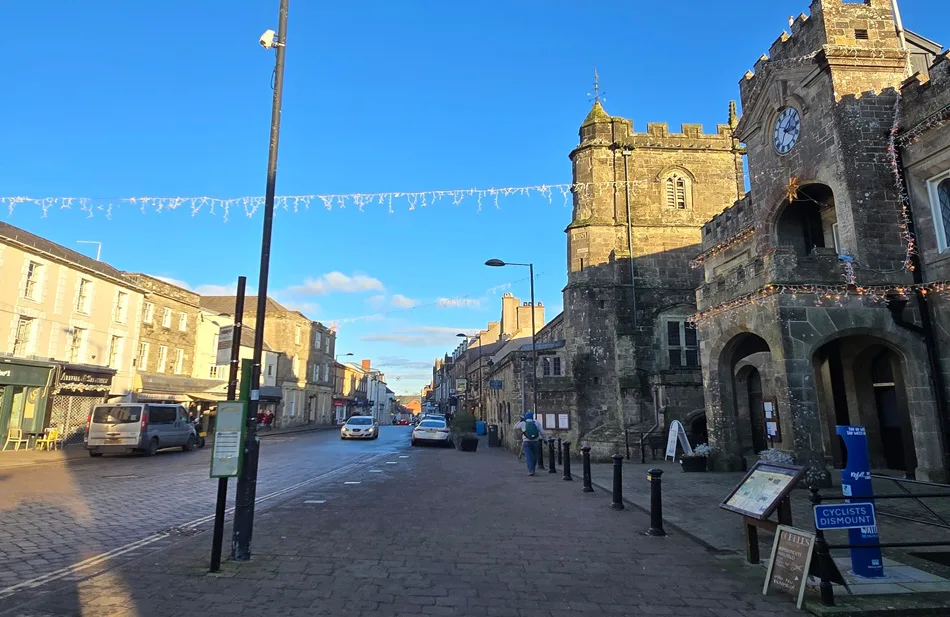
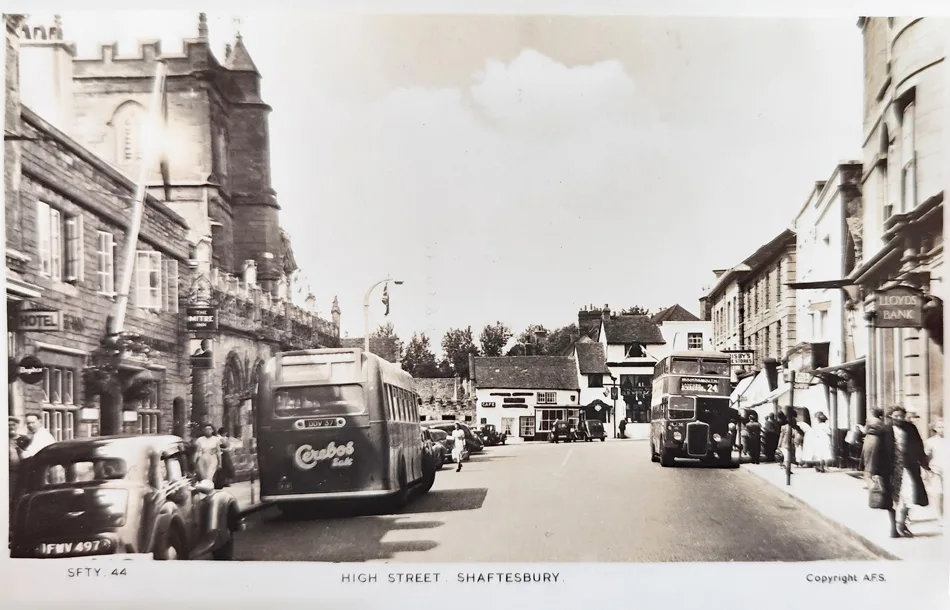
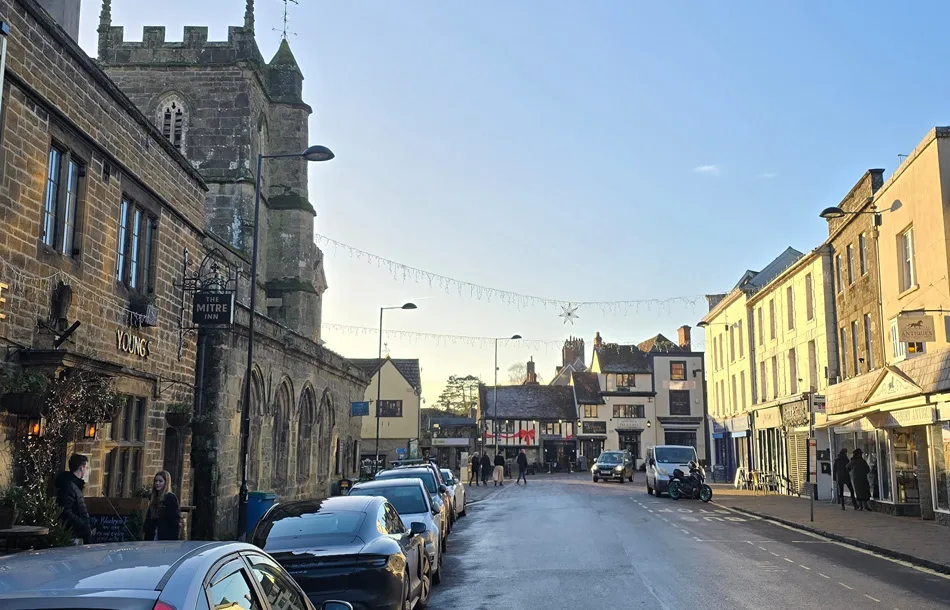
The trio of the Mitre Inn, the church of St Peter and the Town Hall, anchor the sweeping corner of Shaftesbury High Street. Left off the railway map (no doubt due to its hilltop location) and therefore spared large-scale Victorian expansion, Shaftesbury remained tightly clustered, its greensand buildings centred around the High Street, Bell Street and Bimport. After the First World War, Lord Stalbridge sold virtually the whole of Shaftesbury for £75,000. Just four days later the city buyers flipped a quick profit, selling on for £80,000 to a group of Shaftesbury men. In the second 1919 sale, the town’s residents agreed to bid only on the properties they lived in, and the town acquired the fire station, market hall, cattle market, cricket ground and allotments. The two historic postcards were never dated, though vehicles, shops and street life suggest the late 1950s or early 1960s.