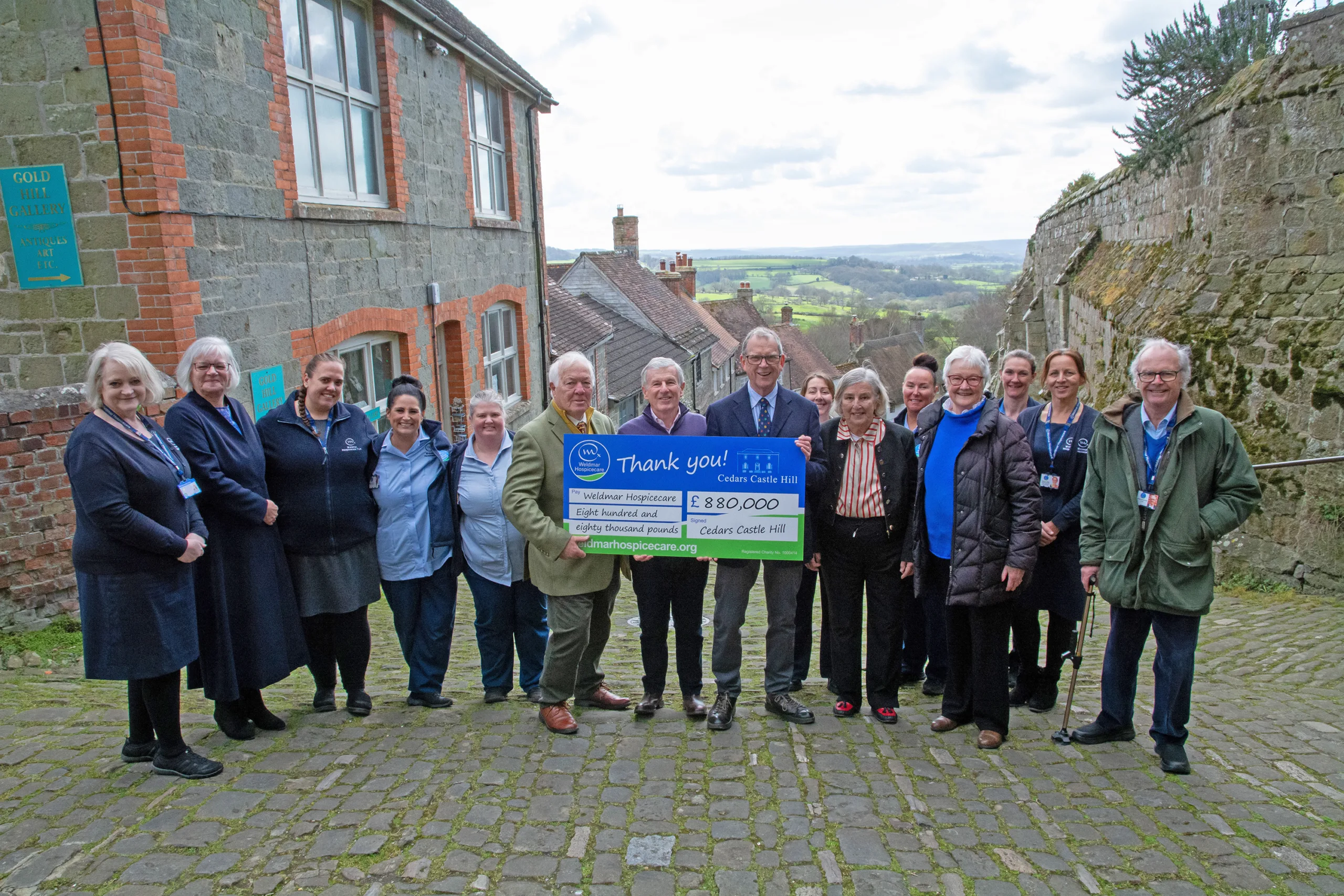
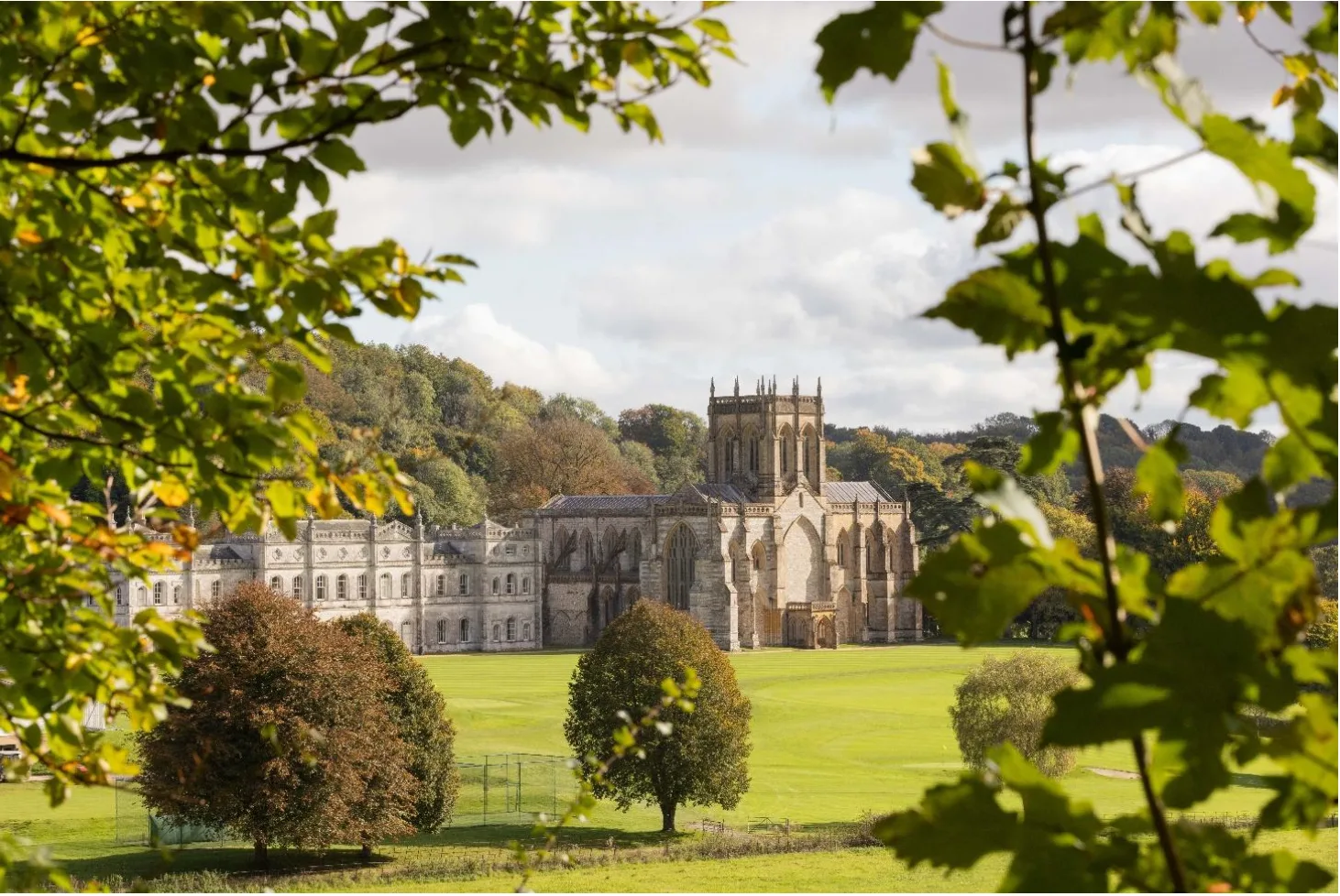
Specialist end of life care across Shaftesbury and North Dorset has been given a significant boost following an £880,000 donation to Weldmar Hospicecare from local charity Cedars Castle Hill.
The funding follows the sale of Cedars Nursing Home to an established care provider and Castle Hill House for development by a family-run business specialising in the restoration of historic buildings. Trustees have directed the proceeds towards supporting local hospice services, ensuring continued care provision in the area.
Trustees from both Weldmar Hospicecare and Cedars Castle Hill, alongside nurses and health care staff from Weldmar’s Specialist Hospice at Home North Dorset hub.
The donation will fund Weldmar’s Specialist Hospice at Home North Dorset hub, which enables patients with life-limiting illnesses to receive care in their own homes. The service brings together nurses, doctors, therapists and counsellors to support both patients and their families, often working alongside GPs and district nurses.
Caroline Hamblett, CEO of Weldmar Hospicecare, said: ‘We are overwhelmed by the generosity of the Cedar Castle Hill Trustees. At a time when hospice funding is under immense pressure nationally, this injection of funds is a lifeline. It ensures our teams can continue to provide comfort and reassurance to families in Shaftesbury and the surrounding area when they need it most.
Cedars Castle Hill has been providing exceptional care for people in Shaftesbury for over forty years now, and we are delighted that their gift will provide a solid foundation for the continuation of care and support of the local community.’
Martin Thomas, Chairman of Cedars Castle Hill, added: ‘As Trustees we’re delighted that Cedar Castle Hill’s legacy will lead to the strengthening of local care and support services so ably provided by Weldmar.
We are also proud to have achieved our twin goals of securing continuity of care for our former residents and job security for our staff, in response to a very challenging economic environment.’
Weldmar supports adults across Dorset who are thought to be in the final twelve months of life, with most care delivered at home rather than in its inpatient unit in Dorchester.
Selina Heaton, who leads the North Dorset hub, said: ‘North Dorset is a unique patchwork of close-knit towns like Shaftesbury and Gillingham, alongside many beautiful but isolated villages. For patients living in rural communities, the idea of travelling for care can be daunting. This incredible donation means we can keep our ‘hospice at home’ moving, bringing expert clinical care and emotional support directly to people’s doors. It ensures that no matter how rural your home is, you aren’t facing a life-limiting illness alone.’
Weldmar Hospicecare is an independent charity which must raise more than £27,000 each day to provide its services free of charge across Dorset.
Martha Brown, a widow married to a much younger man, John Brown, ran a little shop in the tiny village of Birdsmoorgate in the Marshwood Vale of West Dorset. It was not a happy marriage – he openly flirted with a younger woman and drank a lot. One night he returned home late from the other woman’s house and beat Martha viciously. Driven by fear for her life, she grabbed a hatchet and killed him. Later, she tried to claim he had been kicked by his horse, but the evidence pointed to his having been attacked in the house. Martha was found guilty of his murder at Dorchester Assizes, and condemned to death. She clung on to her story until two days before her execution, when she wrote her confession. But although the sympathetic prison chaplain rushed to London with the document it was too late – the Home Secretary was in Ireland and he was the only person who could commute the sentence. Martha was executed on Saturday 9th August 1856. Her story would be just another grim footnote in Victorian court reports if her execution had not been witnessed by a young Thomas Hardy. That shocking event stayed with him, haunting him into old age, and importantly influencing, if not actually inspiring, one of his greatest Wessex novels.
Most people associate William Wordsworth with the Lake District, but the revered poet actually lived in Dorset for two years (see Dorset Life here). He lived with his sister Dorothy in a manor house at Racedown, at the foot of the Iron Age hill fort Pilsdon Pen. The house was owned by the Pinney family and was leased to Wordsworth fully furnished and rent-free. William and Dorothy lived there between September 1795 and June 1797, and Samuel Taylor Coleridge came to visit them from Nether Stowey near Exmoor, where he lived in the late 1790s. Racedown was a short distance from Birdsmoorgate in the Marshwood Vale, the scene of a notorious 1856 murder. Nowadays, Wordsworth fans head to Dove Cottage in Cumbria, but in the early 20th century – with long-distance travel more difficult – Racedown attracted many people who were interested in the life and work of one of England’s greatest poets. One of these ‘pilgrims’ was Thomas Hardy. Lady Hester Pinney described the visit in a short memoir, published in 1966 by James Stevens Cox*, in his Toucan Press monographs on the life and works of Thomas Hardy. ‘Thomas Hardy came to the house as a pilgrim in 1925 and as such signed the pilgrim’s end of the visitors’ book. After doing so, he cleaned the pen on the striped lining of his waistcoat, a thing I remember seeing my father’s business friends do. ‘We had been talking about the years gone by, and as he was leaving and being hurried home by his careful wife, he turned to me and said: “Can you find out about Martha Brown? She lived over there,” and he pointed towards the west. “I saw her hanged when I was 16.” He was bustled into the car, before there was time for more.’
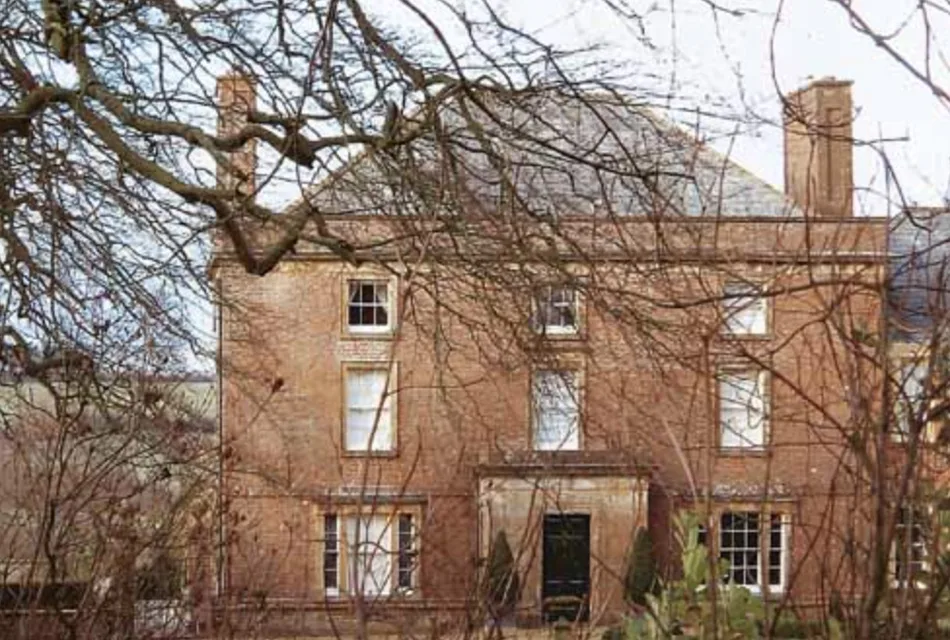
Racedown House, the Pinney family home in the Marshwood Vale, visited by Thomas Hardy as a Wordsworth ‘pilgrim’. Image: Dorset Life
A fine figure Lady Pinney was a district councillor and Poor Law Guardian, and used to visit the old and bed-ridden folk in the Beaminster Infirmary. In her memoir, she wrote: ‘I asked them about Martha Brown. They told me that she was a “wonderful looking woman with beautiful curls.” ‘She and her husband lived at Birdsmoorgate. Martha was about 20 years older than her husband, who, they said, had married her for her money – £50. John Brown was a tranter [a man who did jobs with a horse and cart], kept a horse and did hauling for people. Martha kept a general shop. The other woman in the story, Mary Davies [later Powell], also kept a shop and took in washing. ‘One day, Martha looked in at Mary’s window and saw her sitting on John Brown’s knee. ‘John Brown went to Beaminster on a Saturday with a load of poles and came back in liquor very late at night. He and his wife had a quarrel, and while he was bending down by the fire, untying his boots, Martha hit him on the head with a hatchet. Later she called in a neighbour and said she had found her husband dying at the door from kicks from his horse. The story was not believed and Martha was hanged at Dorchester. ‘Mary Davies started to walk the 25 miles to see the hanging, but when she reached the village of Broadwindsor, three miles away, the people threatened to mob her and she turned back. When I had collected all these stories I sent them to Hardy.’ In his reply thanking Lady Pinney for her report, Hardy wrote of his shame at seeing the execution of ‘that unhappy woman Martha Brown.’ Hardy, then only 16, said his only excuse was ‘that I was but a youth and had to be in the town at the time for other reasons … I remember what a fine figure she showed against the sky as she hung in the misty rain, and how the tight black silk gown set off her shape as she wheeled half-round and back.’ Hardy’s second wife, Florence, also wrote to Lady Pinney: ‘What a pity that a boy of 16 should have been permitted to see such a sight. It may have given a tinge of bitterness and gloom to his life’s work.’ It certainly stayed with him, and undoubtedly informed the development of the story that would become his best-known novel, turned into a play during his lifetime, and later filmed and staged. Tess of the D’Urbervilles ends with the heroine being hanged for the murder of the man who had seduced her, abandoned her, and later dragged her back into what we would now call a toxic relationship.
She had a little axe Martha Brown’s story was vividly recalled to Lady Pinney by one of the Beaminster Infirmary inmates, Jim Lane, who (like Hardy) was only 16 at the time. He recalled John Brown as ‘a bad man’ and described what the villagers believed happened on that fateful night in Birdsmoorgate: ‘Martha went along … and found her husband on Mary Powell’s knee, she was at the window and she see’d un there. She went home and got there first. After John came home, he sat by the fire untying his boots. I expect they had a few words – you know. She had a little axe and she hit him on the head (because he had been along of that other woman.) She did hit him on the same night and the blood did make a stain what never could be got out till the house fell down. ‘Mary Powell, she ought to be hung instead because she did uphold a man to her house. Martha Brown were hung openly at Dorchester and no one’s been hung openly since …’ Martha had money, said Jim, but Mary was younger and smarter: ‘I suppose John liked the younger woman best … but Martha was a nice-looking lady, too. Me and one or two other lads went to see the body on Sunday morning about 12, before dinner, but they wouldn’t let us see it.’ John and Martha were both nice people, he said, but John ‘used to have a drop or two to drink going about on his job.’ Perhaps still thinking about Mary Powell/Davies and her part in the tragedy, he concluded: ‘It is hard to be killed for other folks’ wrong.’ A crowd of three to four thousand gathered to see the hangman William Chalcraft perform his grisly duty. He was reported afterwards to have said that he ‘never saw a criminal die so easily.’ Lady Pinney noted, in her memoir, that Martha’s execution was the first public hanging in Dorchester for 23 years – and she was the last woman to be publicly executed in the town. In its report of Martha’s execution, the Western Gazette of 24th July 1856 looked back to that previous execution, of 15 year old Sylvester Wilkins: ‘In a lark he ignited a piece of tow that had been stuffed into a hole in an adjoining house … The jury recommended the convict to mercy on account of his youth, yet the judge left him for execution and he was hanged on the 23rd March 1833.’
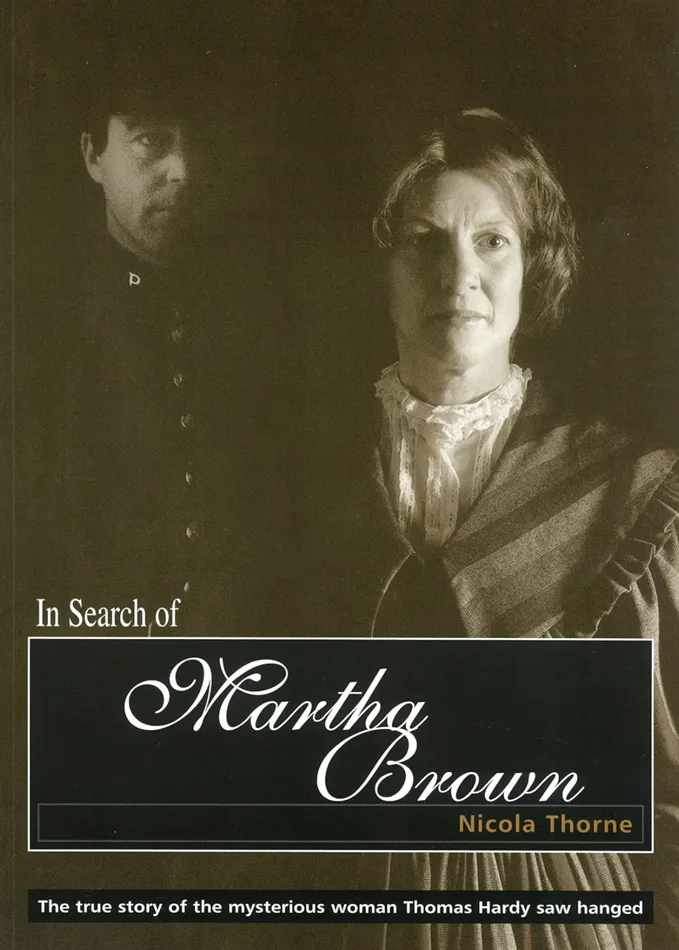
In Search of Martha Brown is Nicola Thorne’s book about her researches into the murder and the trial
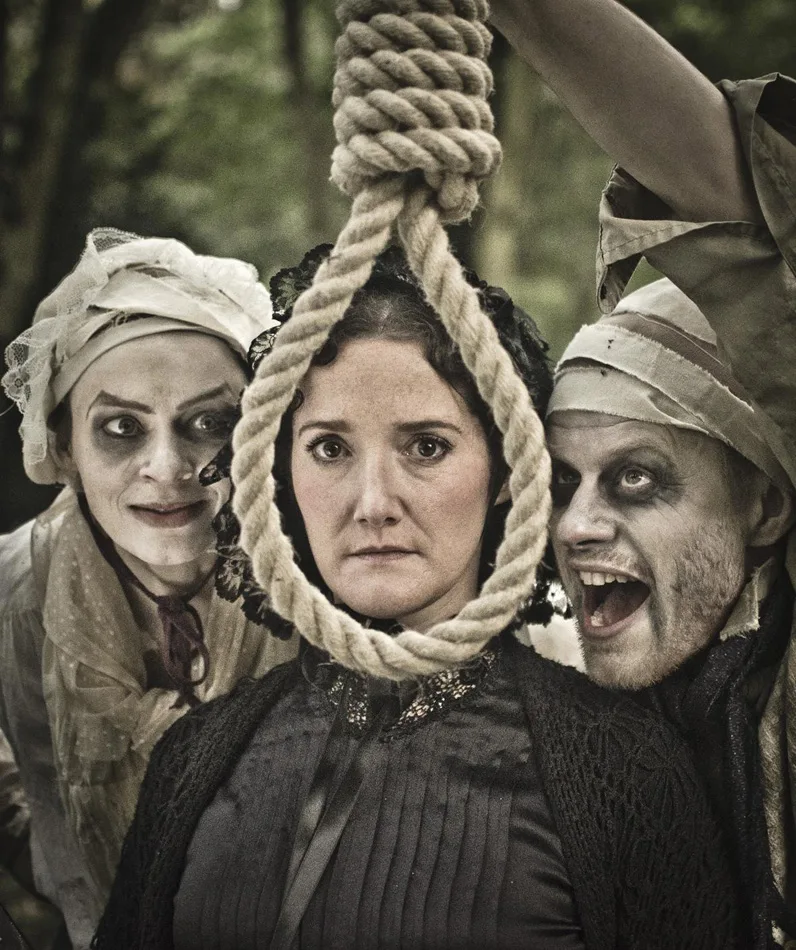
A grim chorus Martha’s story continues to attract interest and comment – most recently in an episode of Lucy Worsley’s Radio 4 series, Lady Killers. The historian and broadcaster travelled to Dorchester to see the old Crown Court in Shire Hall, where Martha was tried and convicted (as were the Tolpuddle Martyrs, 22 years before). Looking at the changes in understanding of domestic abuse and women’s suffering at the hands of men (fathers, brothers, husbands), Lucy Worsley also talked to solicitor Harriet Wistrich, the founder of the Centre for Women’s Justice, about coercive control and the plight of women who kill their abusive husbands – and they considered what the outcome would be if Martha was tried today (listen to the full Lady Killers episode here). The story has, of course, special resonance in Dorset. In 2014 it was turned into a play, The Ballad of Martha Brown, by the locally-based theatre company Angel Exit. The company presented the story in a dark and powerful visual style, with memorable, original music and gleefully black humour. There was a grim chorus of hollow-eyed storytellers evoking a mysterious blend of reality and fantasy played out under the constant stare of the gallows.
The prolific romantic novelist Nicola Thorne, who lived in Dorset for some years, developed the story into a novel, My Name is Martha Brown. The writer, who also wrote as Rosemary Ellerbeck and died in 2025 at the age of 92, became fascinated by Martha’s story and published a non-fiction work, In Search of Martha Brown, based on her own extensive research as well as Lady Pinney’s collected memories and records. The reader who knows of Hardy’s teenage experience is bound to recall it in the final sentences of Tess of the D’Urbervilles, as Angel Clare and ‘Liza Lu look down on the prison where Tess is to be executed: ‘Justice was done and the President of the Immortals, in Aeschylean phrase, had ended his sport with Tess. And the d’Urberville knights and dames slept on in their tombs unknowing. The two speechless gazers bent themselves down to the earth, as if in prayer, and remained thus a long time, absolutely motionless: the flag continued to wave silently. As soon as they had strength they arose, joined hands again, and went on.’
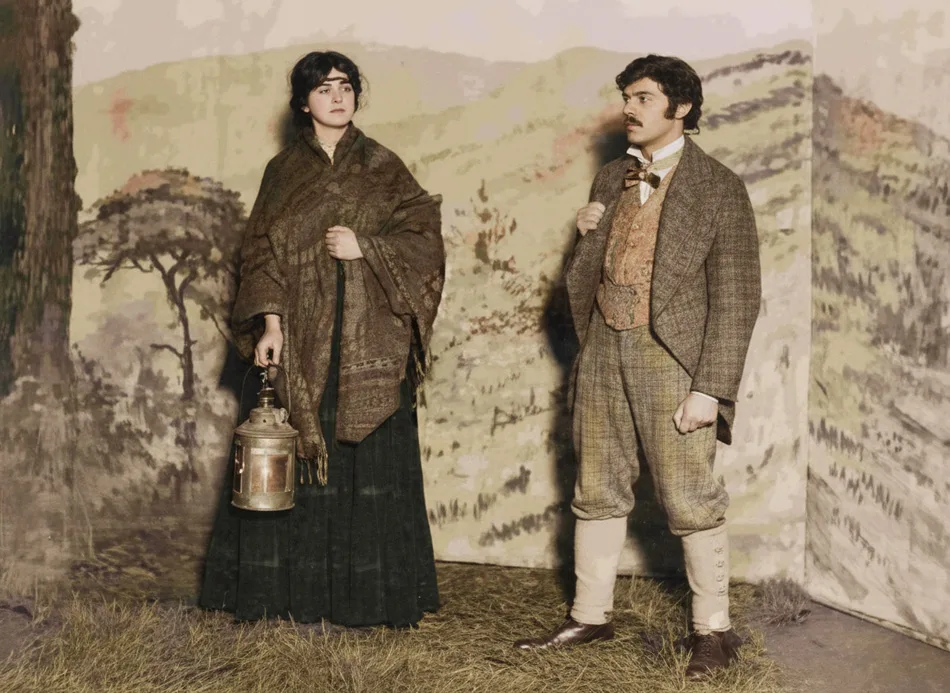
Gertrude Bugler’s mother, Augusta, had attracted the attention of a young Thomas Hardy years before he found fame, and is widely believed to have inspired his creation of Tess of the d’Urbervilles. Decades later, when Hardy returned to Dorchester and formed his Hardy Players, he cast the teenage Gertrude in several productions before choosing her, in 1924, to play Tess herself. The role was still considered daring, and she said in an interview that the character was controversial: ‘A friend of my father was shocked … Even to-day there are people who think I am not quite nice to appear in Tess.’ The play opened in Dorchester on 26th November 1924 at the Corn Exchange. The Daily Mail described it as “less a play in the accepted sense than four outstanding episodes … told in the language of the book”, and reported that the production’s “beauty … lay chiefly in the acting of Tess by Mrs Gertrude Bugler”. Getrude died in 1992. Image above is an enhanced version of an original, showing Gertrude as Tess.
JOB DESCRIPTION: Head of Admissions and Marketing (maternity cover)
9-Month fixed term contract commencing June 2026
Closing date: 12 noon Monday 20th April 2026
RESPONSIBLE TO: Senior Deputy Head
JOB PURPOSE: The Head of Admissions and Marketing will play a central role in shaping the school’s public profile and ensuring families experience a warm, professional and efficient journey from first enquiry through to enrolment. Reporting to senior leaders, you will oversee admissions operations, lead marketing initiatives across digital and traditional channels, manage key events, and act as one of the school’s ambassadors.
Specific responsibilities include but are not limited to the following:
Duties and Responsibilities:
Admissions
• Working closely with the headmaster and other members of the SLT, to have ownership of the school’s pipeline of future pupils which the postholder will manage with the goal of maximising entrants to the school.
• Deliver effective admissions plans to support pupil recruitment, with some input in the ongoing development of these plans
• Manage the full admissions journey, ensuring a welcoming and customer–focused experience for all prospective families.
• Respond promptly along with the Admissions Officers to enquiries and maintain high-quality, personalised communication throughout the process.
• Organise and oversee school tours, open events, taster/trial days, assessments, experience days and other admissions touchpoints
• Ensure compliance with regulatory requirements and the consistent application of admissions policies
• Oversee application and placement testing, ensuring suitability and managing expectations.
• Build strong relationships with educational agents and recruitment channels both in the UK and overseas managing the commercial and administrative aspects of their relationships including contracts and commissions.
• Provide regular admissions reporting and data analysis to inform decision -making.
• Line-manage Admissions team, ensuring efficient, professional and cohesive team operation.
• Gather and analyse information on pupil withdrawal and support retention through effective follow-up.
Liaise with relevant colleagues on bursaries, scholarships, SEND matters and UKVI compliance
• Maintain accurate pupil roll data and oversee registrar–related responsibilities
Marketing
• Implement a dynamic marketing strategy using digital, print, social media, PR and other channels, with some input in the ongoing development of these plans.
• Oversee the school website with the Marketing Officer, ensuring it is engaging, up-to-date, secure and reflective of the school’s values and achievements.
• Monitor website analytics and use insights to enhance engagement and recruitment.
• Ensure consistent branding across all publications, templates, prospectuses and communications.
• Support with creation and updating of marketing resources such as prospectus and infographics.
• Build the school’s media presence and seek opportunities to raise its profile across relevant networks.
• Capture and promote school events, achievements and wider life to enhance reputation.
• Represent the school at events and ensure high quality, professional presentation at all times.
• Identify new markets and opportunities for recruitment; attend fairs, exhibitions and conferences where needed.
• Lead internal and external admissions and marketing events, supporting successful planning and delivery.
• Monitor local, national and international trends, adjusting marketing activity accordingly.
Personal Attributes
You will be a positive, proactive individual who enjoys working with families and colleagues alike. You will bring strong presentational and organisational skills, excellent attention to detail and the confidence to represent the school in a compelling and professional manner. Experience in admissions, marketing or customer–facing roles – ideally within an educational setting – will be a strong advantage but is not a necessity.
For the full job description and how to apply please see and download the PDF below
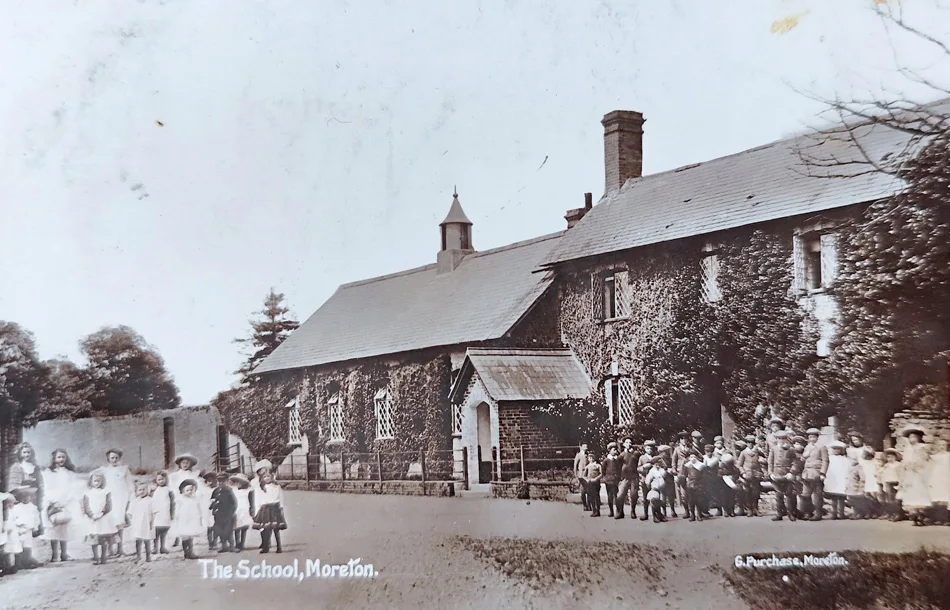
This month Barry has selected a postcard of Moreton School, sent in 1911 (right). The letter that follows was written by Hermann Lea, one of the village’s most notable early 20th century residents. A close friend of Thomas Hardy, Lea was both a writer and an accomplished photographer, working with Hardy to document the real landscapes behind Wessex. He published A Handbook to the Wessex Country of Thomas Hardy’s Novels and Poems in 1905 and later Thomas Hardy’s Wessex. Born in Bristol in 1860, Lea later moved to Dorset and built his house in Moreton, naming it Var Trees – later Vartrees – at Hardy’s suggestion. He seems to have become a regular contributor to local newspapers: a search of the archives shows him to have been an active correspondent, and the following letter, concerning the state of his local roads, appeared in the Western Gazette in July 1912, just a year after the above postcard was sent. It makes strikingly familiar reading in Dorset today …
THE SCANDALOUS WASTE OF PUBLIC MONEY. To the Editor of the Western Gazette, Sir, —My attention has just been called to a notice in your issue of the 2lst, in which it is stated that I made a complaint regarding the condition of the roads near Moreton, That is correct. I am further credited with a withdrawal of this complaint since “the recent rains.” Here, however, there enters a slight inaccuracy, or at least a misunderstanding. The tracks in this neighbourhood – tracks which are by courtesy only termed roads – are always less impassable after heavy rain, but it must be borne in mind that this improvement is of a temporary nature only, and that, after a few hours of wind and sunshine, they quickly relapse into their normal condition. My letter of complaint was addressed to the County Council, and one of their surveyors came here very promptly to inspect the tracks in question. After seeing him I discovered that there were at least four bodies responsible for the upkeep of these tracks, their responsibilities being divided in a somewhat complicated manner. Thus, a few yards came under the guardianship of A. Then B took over the responsibility for a short distance. A entered once more. C had a look in here and there, and D appeared to superintend such portions as the others ignored or repudiated. In my letter of complaint I stated that some portions of these roads were absolutely dangerous, and this fact I am prepared to maintain today – in spite of “the recent rains”. No one who has the least respect for their tyres would venture to drive over these tracts of road: and I can name a dozen people who have told me they invariably walk and push their cycles rather than risk the punctures which would almost inevitably follow if they rode. If I want to drive a car to Puddletown (a distance of four and a-half miles), I go via Affpuddle (a distance of nearly 10 miles). If I want to drive to Dorchester – now, to-day, since “the recent rains” – I am constrained to avoid the direct road (six miles), also the road through Woodsford (seven and a-half miles), and am forced to go via Broadmayne (a distance of nine miles). This is somewhat annoying, certainly: but the most irritating factor is the scandalous waste of money due to the inadequate way in which it is expended on what is facetiously termed *the upkeep of the roads!” I do not wish to pose as an expert on road-making, but 1 do claim to possess a slight amount of common-sense, a possession shared in the main by the labourers who draw the gravel. Let us glance for a moment at the methods chiefly in vogue. The gravel appears to be selected mainly from pits which produce clean stone eminently suitable for concrete work. It is carted and spread on the road. It is then either rolled with a heavy roller designed for rolling in granite, or else it is left to work its own way in by the help of passing wagons, carriages, motor-cars, and bicycles. Where it is rolled the stone is quickly and efficiently reduced to a fine sandy powder. The sun shines, the wind blows, and away goes the road in clouds of dust. Or it rains, and this same dust is washed into the ditches. In the case of such sections as are not rolled, the same process is repeated, but more gradually. The wheels gradually wear two comparatively smooth hollows. Then a man is detailed to rake the unpulverized stones into these grooves, and they are in time reduced to impalpable dust and borne away by wind and rain. The ratepayers’ money is thus spent in a perfectly reckless manner. It would be far cheaper in the long run if a larger initial sum were spent and the road made properly in a workmanlike manner. I make this statement emphatically, and I defy any practical man to prove my contention wrong. Meanwhile we muddle on and grumble, and grumble and muddle on. I am not attempting to place the blame on any individual member of the various Councils, nor on any individual of their staff. I merely state that the methods employed are unscientific, antiquated, provedly inadequate, and disgracefully expensive. Should there be any sceptical readers either amongst the Council or the men in the street, I should be pleased to act as showman and to point out the sections of road referred to. I am, Sir, yours faithfully. HERMANN LEA. Var Trees, Moreton, Dorchester, 9th July, 1912
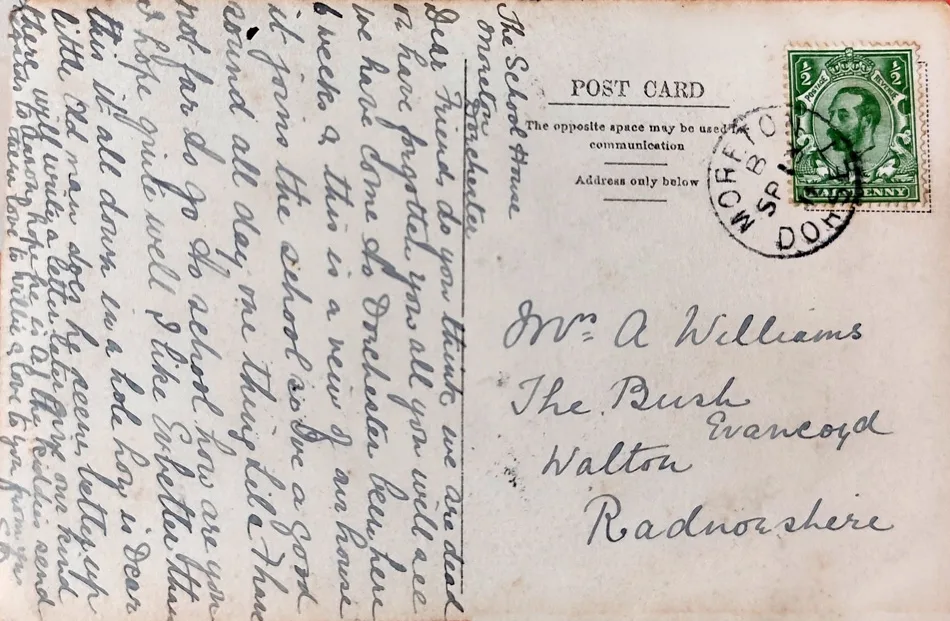
*** The postcard was sent to Evancoyd, in the village of Walton, Radnorshire – presumably the ‘Ev’ mentioned – in September 1911. The back of the postcard reads as follows (the editor has taken the liberty of adding punctuation, as the writer felt no need to do so!): The School House, Moreton. Dear Friends, do you think we are dead, or have forgotten you all? You will see we have come to Dorchester: been here 6 weeks & this is a view of our house. It joins the school, so I’ve a good sound all day! One thing, Lil & I have not far to go to school. How are you? I hope quite well. I like Ev better than this, it all down in a hole. How is Dear little old man, does he seem better up there? Will write a letter later. Give our kind regards to Aaron, hope he is Ok. The kiddies send their love to Willie & love to you from Yrs, CB ***
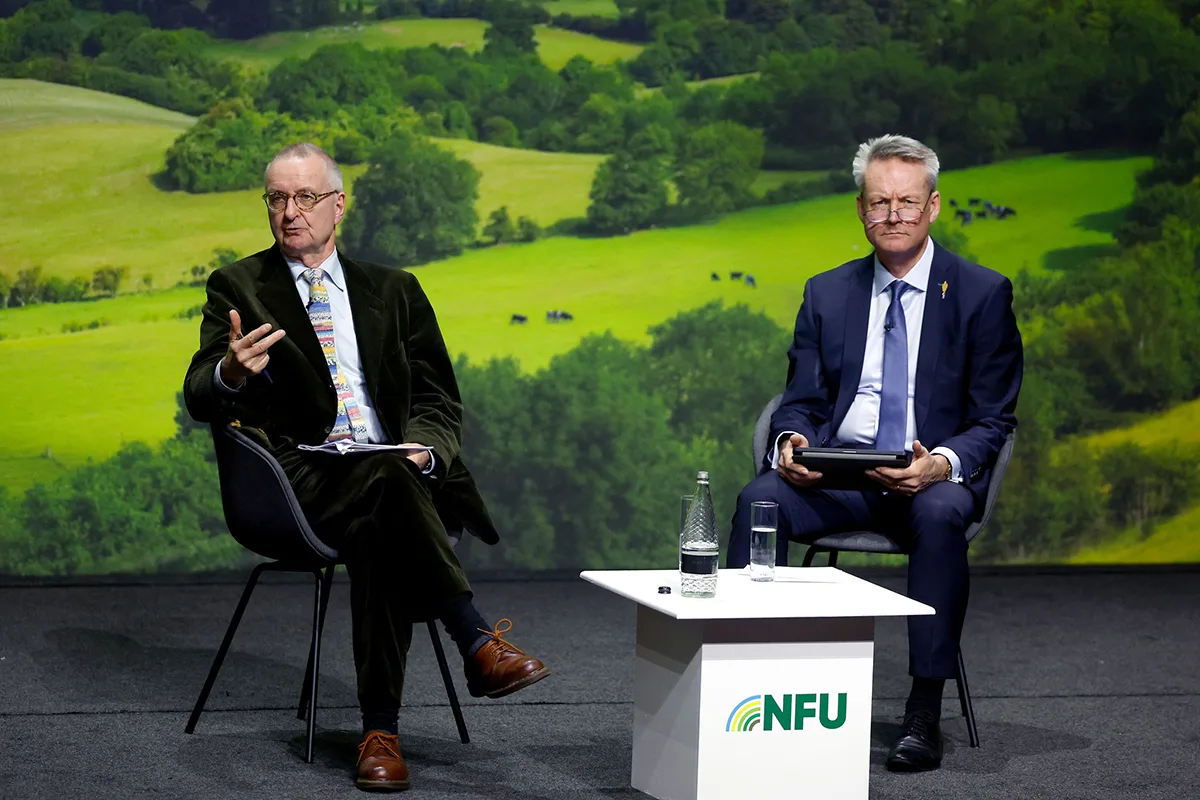
From fragile supply chains to frozen farm budgets, Tim Gelfs says NFU conference laid bare the gap between rhetoric and delivery
NFU deputy president David Exwood (right) in conversation with Professor Tim Lang
Fresh back from NFU conference in Birmingham, I thought I’d share some of the highlights, and my thoughts on some of the speeches. Now, I know that the NFU isn’t everyone’s cup of tea, and not everyone agrees with the direction of travel at times. But – and this is a big BUT! … Who else? The NFU is entwined everywhere that can have an influence on our rural businesses, from local branch level to Westminster. The union even still has policy influence with an office in Brussels. The infrastructure and the specialist knowledge in the teams is second to none. This was borne out by the quality of speakers attracted to conference – there are not many that would get the Secretary of State and the Farming Minister in the room at the same time! The theme at conference was resilience, and first up was Professor Tim Lang to set the scene. He talked about our fragile food system, built on an infrastructure of ‘just in time’, when we should be moving to a ‘just in case’. With so much happening around the world, be it climate, disease or some trigger happy global power, Tim posed the question “if it all went wrong tomorrow, could we all feed our local community?” The short answer is ‘probably not’. If the lorries stopped rolling in to the large retail distribution outlets, it wouldn’t take long for the shelves to empty. One striking question from the floor was on food security: “Do the government understand what it means?” His one-word answer? “NO.” Filled with frustration, it was clear he’d been here before and got the t-shirt. Tim feels that no one is really taking it seriously – and probably won’t until the shelves are actually empty.
Emma actually cares Another key speaker was Ashwin Prasad, CEO of Tesco. Now I make a point of not shopping in supermarkets unless I really have to … having listened to this speech, I won’t be changing my shopping habits! He talked a lot about partnerships and working together to make the food chain more resilient, that Tesco is ‘data driven’ and ‘resilience is financial stability’ … it was a great speech. But when pressed with questions on farm support and profitability, the answers turned a bit woolly. We all know the large retailers are a hard nut to crack – the power they wield is recognised by governments, but no one really wants to level the playing field and share the risk. Then on to our Secretary of State, Emma Reynolds. Personally, I feel that Emma, is probably the first person in that job for some time who actually wants it. Once a minister who seemed destined for backbench obscurity, she was thrust into the cabinet last September, and she has grabbed the position with both hands. She has really listened to rural businesses and engaged in genuine communication. It was also clear at conference she has a great working relationship with the NFU officeholders. She was a large part of the reason for the changes on IHT. But now is the time to start delivering – putting into place policy that actually makes a change on the ground, both now and for the future. Her biggest problem is the Treasury, who just don’t – and seemingly don’t want to – understand rural businesses. Take the new SFI26 agreements: there is a lot of good stuff, they have been made simpler and possibly fairer, but won’t suit everyone, there are winners and losers, as with all policies. The simple fact is there is not enough budget to achieve Labour’s environmental commitments. It’s been frozen for 11 years, cut by a further £100 million for 2027 and it has effectively been allocated under a smoke screen, so that no one knows how much is in each pot. Perhaps Tim Lang’s cynical view is right. Perhaps empty shelves and nature collapse is the only way to concentrate the minds of power.
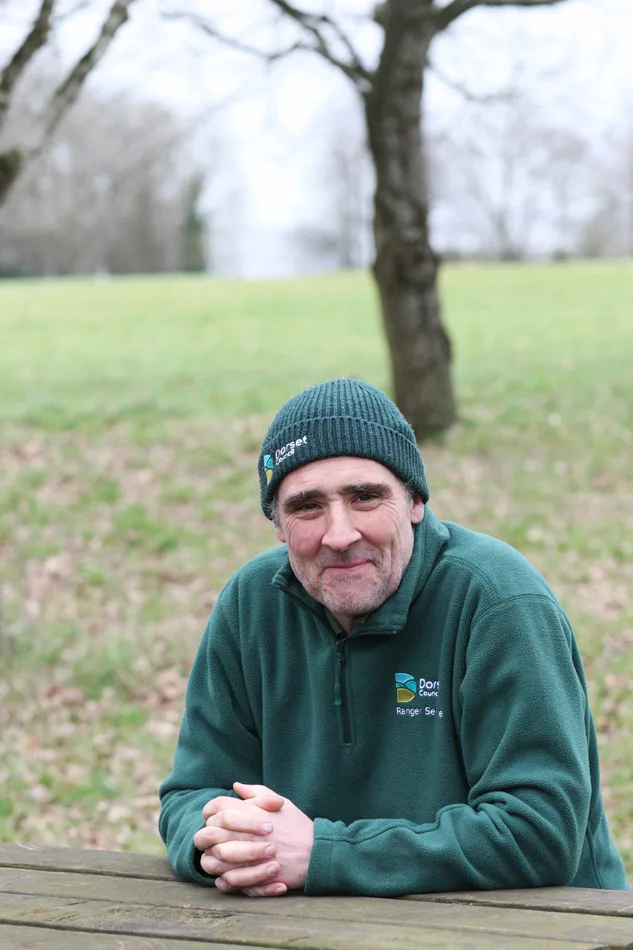
Behind Dorset’s wildflower verges and well-kept footpaths stands Graham Stanley, a senior ranger juggling bats, budgets and public expectations
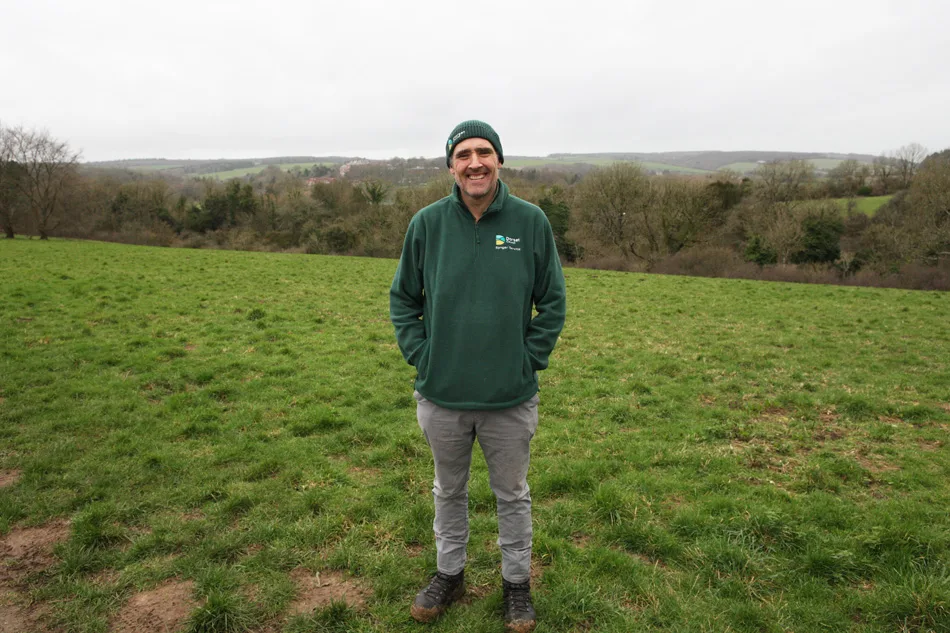
Graham Stanley, Dorset senior ranger. Image: Courtenay Hitchcock
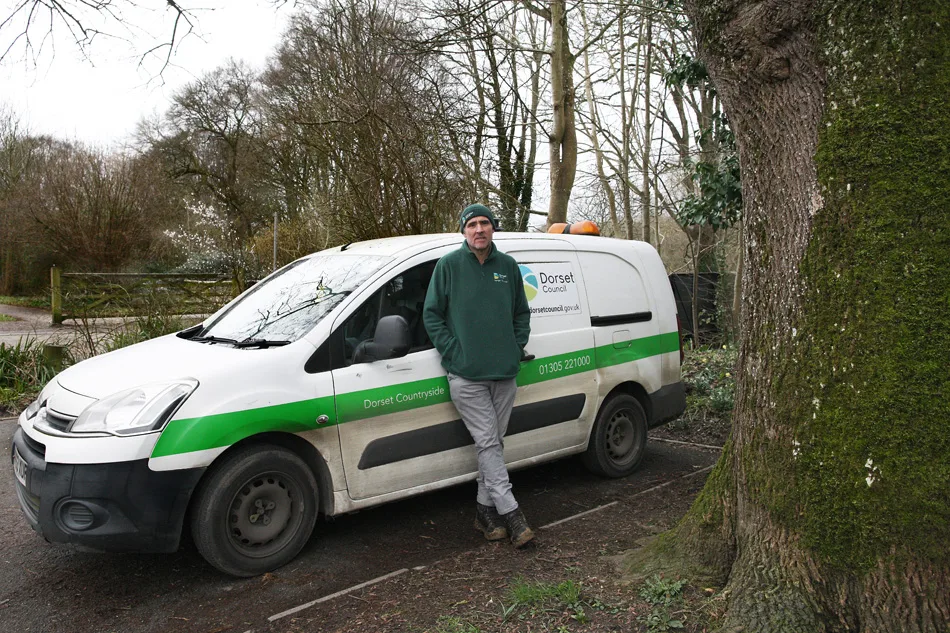
Graham Stanley leaps out of his Dorset Council van armed with a litter picker and bin bag. As we stroll across Milldown Nature Reserve on the edge of Blandford, he scoops up stray crisp packets without breaking stride, his eyes constantly sweeping the landscape. Nothing escapes him. The noticeboard needs attention. Old posters are destined for the bin. But he’s pleased when he spots a homemade sign stuck up by local children: ‘Pick up your dog poo’ artwork. ‘That’ll stay,’ he says, smiling. Further on, he pauses beneath a towering Norway maple, studying its twisted branches. The tree is sick and must be felled, he explains, snapping a quick photo to add to his ever-growing to do list. This is senior ranger life: always thinking two steps ahead. It’s a job he’s enjoyed for more than 14 years and ‘wouldn’t change for the world’.
Graham Stanleys’ ‘patch’ covers more than 1,000 miles of footpaths, bridleways and byways from North Dorset to Purbeck. Image: Laura Hitchcock
Born outdoors ‘I grew up in Derbyshire in an outdoorsy family,’ he says. ‘My dad was a keen hillwalker and birdwatcher. As a kid I was always outside – making dens, having mud fights, fascinated by wildlife. A job outdoors was all I ever wanted.’ He followed that passion by gaining a National Diploma in Countryside Conservation, a Higher National Diploma in Environmental Land Management and formative work experience at Derbyshire’s Carsington Water Reservoir. An opportunity at Dorset’s Moors Valley Country Park tempted him south. Twenty five years later, he’s worked his way up to Senior Ranger, responsible for vast stretches of Dorset’s natural assets: nature reserves, public rights of way, highway verges and even roundabouts. Graham’s patch covers North Dorset and sweeps all the way to Purbeck, reaching to Swanage, Studland and Lulworth. It contains 15 nature reserves, more than 1,000 miles of footpaths, bridleways and byways, urban green spaces, chalk downland and heathland which is grazed in partnership with local farmers. It’s definitely not a lone ranger job,’ says Graham, who leads a team of ten assistant rangers plus apprentices, all trained in land management and traditional countryside crafts through Sparsholt College. ‘My colleagues make this job for me. They range from 18-year-olds just starting out to those nearly retired, and they all really care about the environment. It’s a great team.’ He’s especially pleased to see more women entering the profession – two senior rangers in his team are female. And on the day we meet, a new assistant ranger, Freya, joined the Purbeck crew.
Graham Stanley at Milldown Nature Reseve Image: Courtenay Hitchcock
Rights of Way and roundabouts People often assume rangers spend their days strolling through peaceful countryside. Graham raises an eyebrow. ‘Oh, there’s walking,’ he says. ‘And you do get paid while getting a suntan in the summer. But the job is so much more.’ Much time is spent managing the reserves in his care – places like Milldown, a blend of wildflower meadow, chalk grassland and community greenspace. ‘We balance public access with habitat protection, making sure the land serves both people and wildlife.’ Then there’s Dorset’s extensive Public Rights of Way network: installing new gates, replacing stiles, planning repairs, dealing with seasonal storm damage. The team has had a particularly busy winter due to flooding. Partnership building is another key part of the role, from working with the National Trust and Dorset Wildlife Trust to liaising with private landowners.
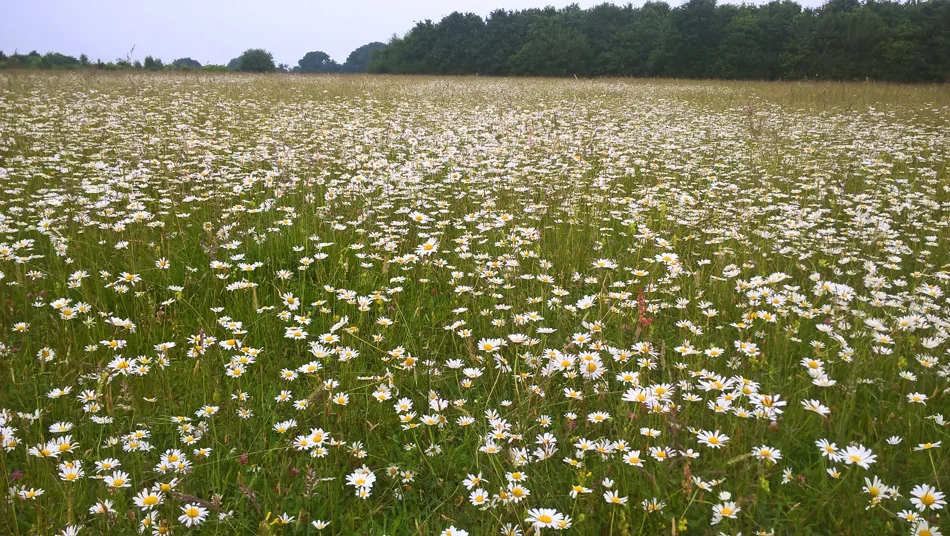
Oxeye daisies on the Milldown Extension. Image: Graham Stanley
‘Are some still shotgun and tweed?’ I ask. ‘A few,’ he says. ‘But most are third or fourth generation, diversifying and adapting their land. I do get to see some incredible historic properties – 16th century mansions and the like – but I’m always just “the man from the council” when I turn up!’ Even roundabouts come under ecological management. His team uses a cut-and-collect approach, mowing no more than twice a year to encourage wildflowers. The Blandford bypass, he says, is ‘chock-a-block with wildflowers in spring and summer. It’s worth a drive out just to see them!’ Not everyone appreciates the look, though. ‘We still get the ‘it’s untidy’ comments, but more people are coming round. Some even ask us not to cut. But safety and sightlines always come first.’
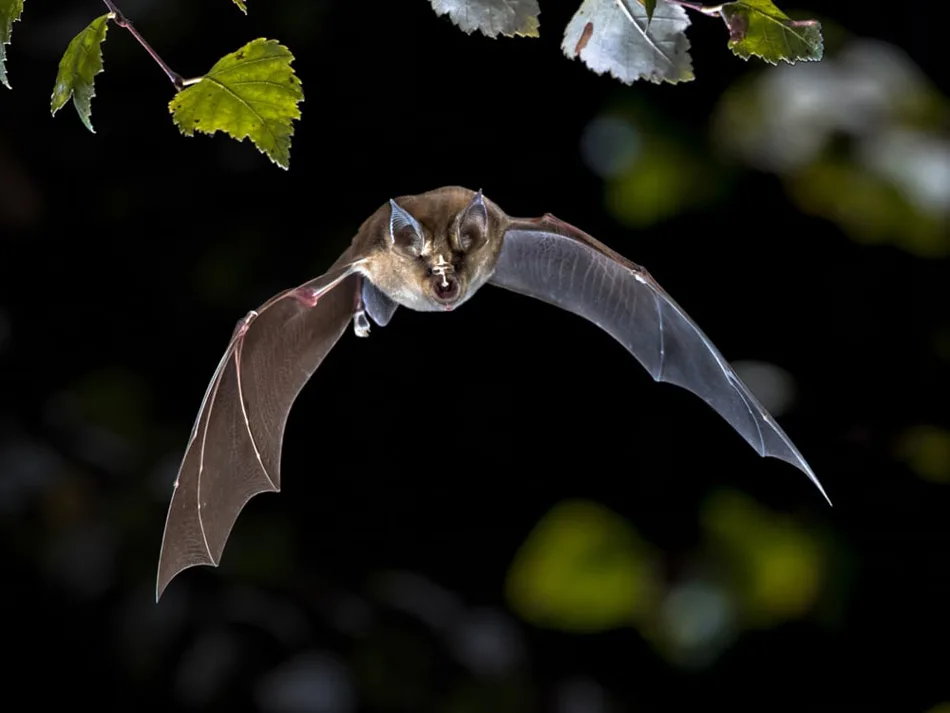
Graham secured the funding and has overseen the 13 acre Milldown Extension’s return to a chalk downland meadow and habitat for one of Europe’s rarest bats, the greater horseshoe
With a more senior position however comes the requirement to organise contractors, budgeting and spreadsheets, business plans and project development. Four out of five days are office based, making sure the teams run smoothly, have the resources they need to do their job and provide best value to the public. ‘Juggling all the aspects of the role is part of the attraction.’
Graham Stanley has been a Dorset ranger for 25 years. Image: Courtenay Hitchcock
A Career Highlight One of Graham’s proudest achievements lies just over the brow of Milldown. A few years ago, he secured funding to buy part of a former arable field. Thanks to subsequent £100,000 investment funding, 70 new trees, 3,500 hedgerow plants, native wildflower seed and habitat improvements for the greater horseshoe bat, the land is now a restored chalk downland meadow, known as the Milldown Extension. ‘Watching it develop every year is fantastic,’ he says. ‘It gives local people more room to roam, easing pressure on the main reserve.’ Right in the heart of urban living – just a short walk to a large housing estate and school – the Milldown is one of Graham’s favourite reserves. ‘In late spring and summer, when the meadow’s out in full flower with ox-eye daisies, salad burnet, knapweed, yellow rattle and devil’s bit scabious, it’s truly stunning,’ he says. ‘Last summer’s bat survey was magical – the sun going down, hundreds of bats swirling above … it was breathtaking.’ Milldown’s importance hasn’t gone unnoticed: it has held the prestigious Green Flag Award from Keep Britain Tidy for the past 15 years.
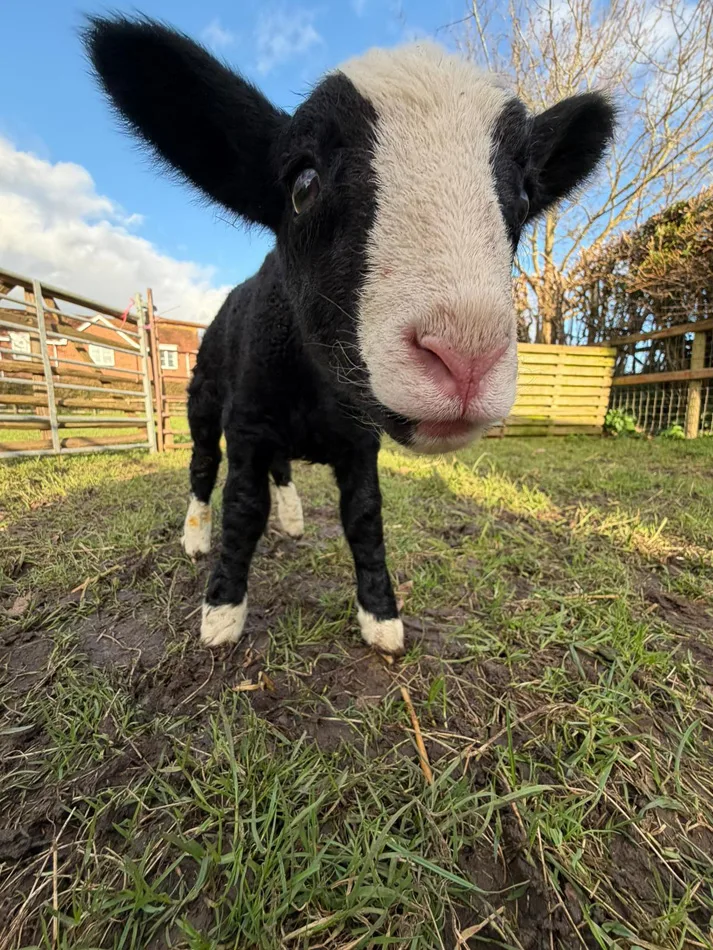
It’s lambing season for Graham and his flock of Dutch Zwartbles
Slasher and sheep Graham’s favourite ranger tool – aside from the litter picker – is the fearsomely named slasher. ‘It’s a long-handled tool, like a scythe, and it cuts down just about anything. It’s just a brilliant bit of kit.’ When he’s not walking the southwest coast path inspecting stiles or knee-deep in a ditch, clearing overgrowth, how does he spend his downtime? Outdoors of course! ‘My passion is my Dutch Zwartbles sheep. It’s lambing season now, so that keeps me busy. Plus walking my dachshunds Margot and Mildred. You could say it’s a busman’s holiday, but I’m just happiest outdoors.’ As we finish our circuit of Milldown, Graham is off again – another piece of litter spotted, another task, another corner of Dorset awaiting his careful, constant attention.
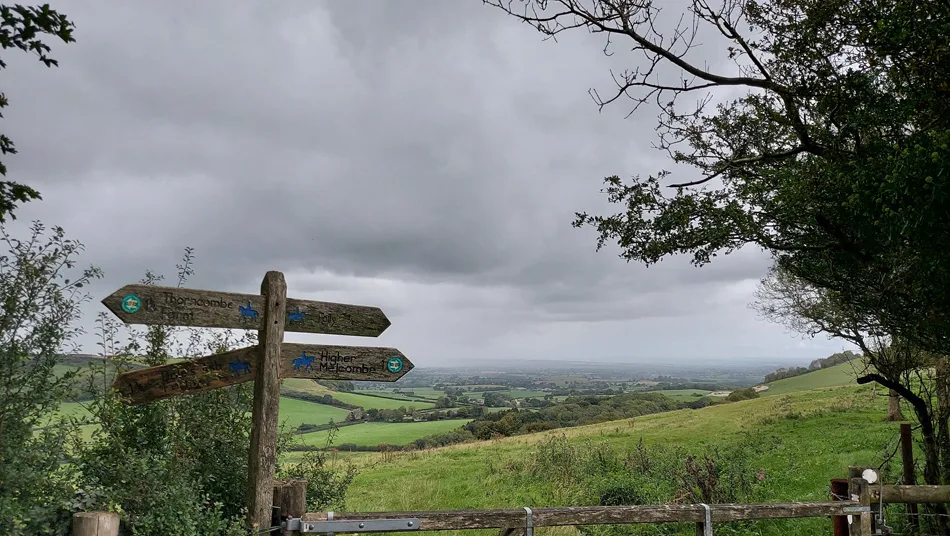
If you’re looking for Dorset walks that don’t require a full day’s planning, specialist gear or a packed itinerary, the less-well-known North Dorset area is a good place to start.
This is walking country in the most straightforward sense – ancient hillforts, open fields, rivers, old sunken tracks between villages and views that reward you. Over the years, we’ve covered plenty of Dorset walking routes, but these are the ones we find ourselves returning to again and again. Just pick a direction and go:
1. Easygoing Okeford Hill quietly special circular | 5.8 miles
This is a frequent visit for us – there are plenty of options and you can simply circle the hiltop for a short afternoon stroll, or dive deeper into Blandford Forest as the full route takes you: the main paths on Okeford Hill get very busy on a weekend afternoon, but this easy circular route soon leaves them behind to explore the quietly peaceful and ancient parts of the forest.
It’s mostly flat, easy to pathfind and ideal for families, with plenty of space for dogs and children to let off steam. In winter it can be muddy, but that’s part of the charm.
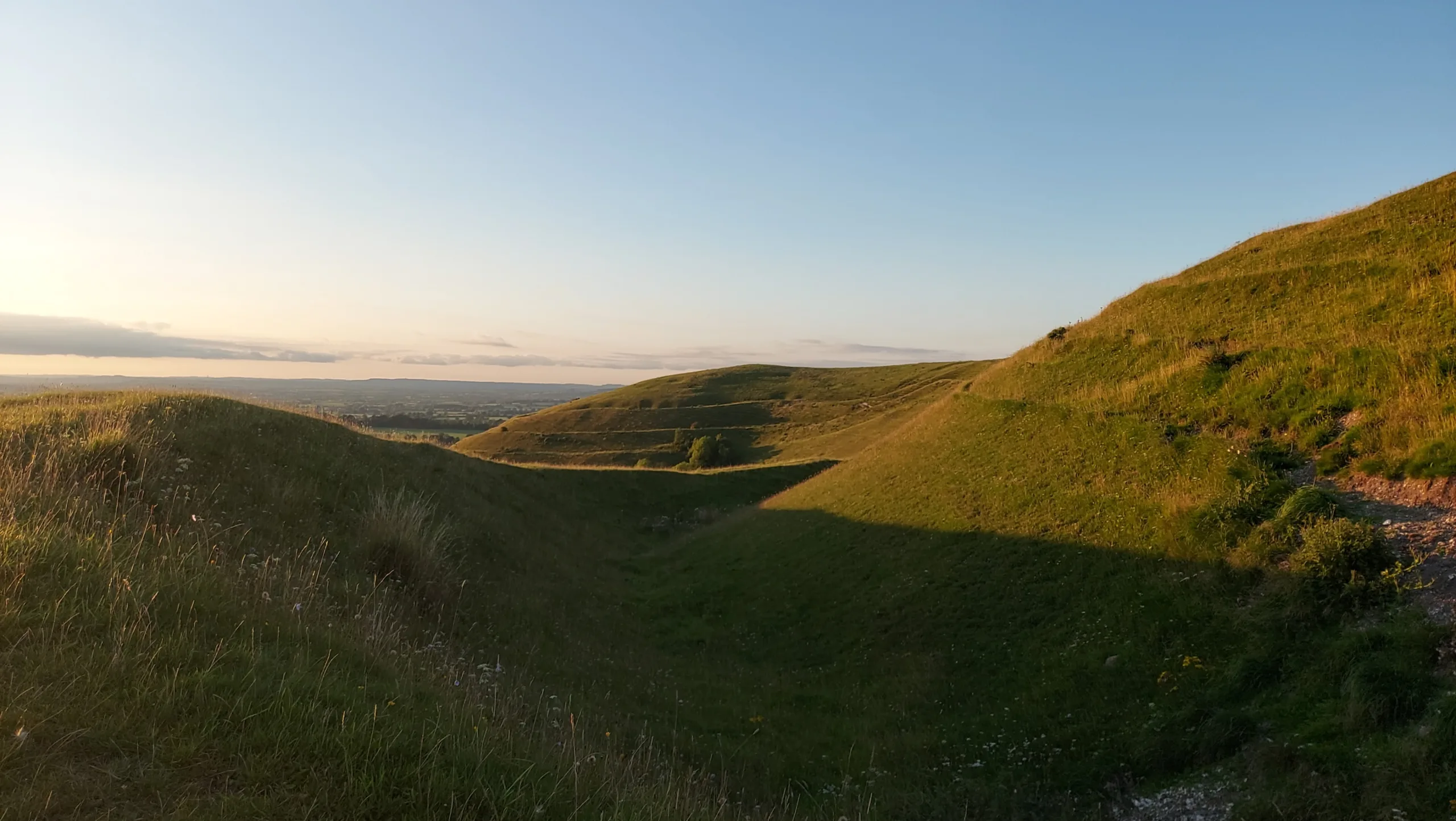
For something more dramatic, Hambledon Hill delivers one of the best views in Dorset. The climb is admittedly lungbustingly steep, but once you’re on top, the pay off is worth every gasp.
This is one of those Dorset walks that feels bigger than it is: it’s spectacular at any time of day, and in any weather. But a summer sunrise or sunset are particularly worth experiencing from the top.
3. Dorsetshire Gap – the finest views in North Dorset? | 6.2 miles
Enjoy big views with ever-wide skies as you complete the circle.
Starting from Lower Ansty (there’s easy parking in the village) there’s a few simple climbs to enjoy the best of Hog Hill looking out over the Dorset Wildlife Trust’s new wildlife reserve at Lyscombe Bottom and then down via the Dorsetshire Gap ridge.
It’s a spectacular walk, and endlessly repeatable — just the best kind of Dorset Walk. See this Dorsetshire Gap walk here
4. Dorset Bluebell walk | 8.7 miles
At any time of year this is a good walk, but when the bluebells are in bloom? It’s unbeatable.
Parking is simple in Winterborne Stickland – there’s plenty of roadside parking in the village, but do be considerate to residents. The route itself is very easy to follow, with a few sharp hills, but nothing too long or too arduous. It is also endlessly adaptable – the woods are criss-crossed with tracks, and it’s a simple matter of choosing a different path if you want a different length route.
5. Bulbarrow Peaks Circular with magnificent Blackmore Vale Views | 14.4 miles
This is one of our favourite long walking routes in Dorset. At 14.4 up-and-down miles you’ll need decent fitness and a full day for this one: it takes us six hours including a stop for lunch. But it’s so worth it – this is such a beautiful routeacross the local big ridges, starting at Rawlsbury Camp.
The paths are clearly signed, the views are huge and endless … but expect tired legs by the end. You have to earn those views, there is a LOT of Dorset hill to climb!
Ancient forests, drovers tracks, the Dorsetshire Gap, minimal roads … it’s just a Dorset dream of a walk. One word of warning – a couple of spots will be very muddy after bad weather, so really good boots a must. See the full Bulbarrow and Rawlsbury Camp walk here
Why walking still works
Part of the appeal of Dorset walks is their simplicity. You don’t need any special equipmwnt – decent shoes, a drink and a free app on your phonew if you want to follow our routes specifically. Then you just walk.
For many people, that’s enough. For others, switching off looks different – something quieter, more sedentary once the boots are off. If that includes online entertainment, it’s worth approaching it in the same way you would anything else: with a bit of research first. Independent guides like this Basswin casino review can help you understand what’s out there and what to avoid.
But if you’re choosing between the two, we’d always take the walk.
Lizzie Crow is better known to most as Lizzie Baking Bird. From her tiny bakery in West Dorset, Lizzie creates an impressive range of sweet and savoury bakes, which you’ll find at Poundbury and Wimborne Farmers’ Markets, Bridport Market and the county’s food festivals and agricultural shows. A member of the Guild of Food Writers, Lizzie has won numerous Great Taste Awards. Find her on lizziebakingbird.co.uk
‘These muffins are delicious for breakfast, dinner or tea! Using our local Dorset Watercress gives a slightly savoury flavour, complemented with a scattering of chocolate (a good bitter chocolate is ideal) and a pop of orange.’ – Lizzie
Makes 10 | prep 20 mins | frosting 15mins | Cooking 25 to 30 mins
Ingredients
125g watercress
50g butter
175g sunflower oil
250g caster sugar
3 medium free-range eggs
310g self-raising flour
30g full fat or semi-skimmed milk
Finely grated zest of 1 orange
100g chocolate chips
For the frosting:
100g butter
250g icing sugar
3 tablespoons of orange juice
Method
Line a 12-hole muffin tin with 10 paper cases around the outside, leaving the two middle holes free (I typically cook my muffins this way as frequently the middle ones don’t cook properly).
Put the oven on at Gas 4/180C. Chop the watercress very finely, ideally in a blender.
Melt the butter and combine it with the sunflower oil in a mixing bowl. Add the sugar, eggs, flour and milk and mix well – the batter will come together quickly and won’t take too much elbow grease.
Stir in the orange zest, chocolate chips and watercress. Divide the mixture evenly amongst the 10 muffin cases and bake for 25-30 minutes, or until they are raised and golden. Test with a skewer – it should come out clean when inserted in the middle. Leave the muffins to cool.
To make the frosting, put the butter, icing sugar and orange juice in a bowl and beat until well blended and light in colour. Top the muffins with the frosting.
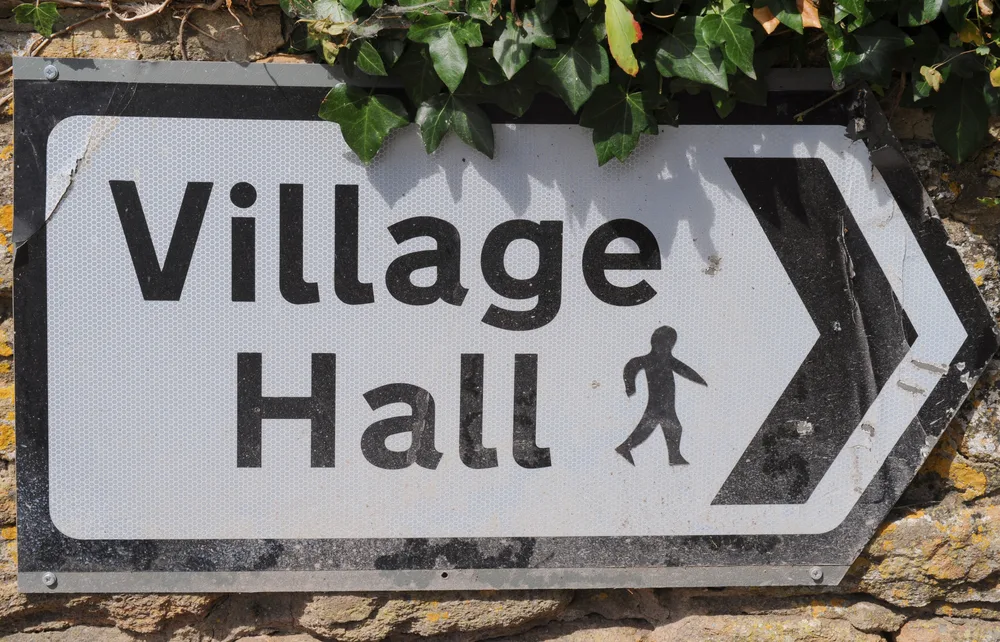
Across the Blackmore Vale, the familiar silhouette of the village hall has long been a staple, yet its role is experiencing a quiet but significant transformation. No longer just the preserve of the occasional jumble sale or parish council meeting, these buildings are re-emerging as vital hubs for a dispersed rural population seeking connection. From converted chapels to purpose-built brick structures, these spaces are adapting to today’s needs, hosting everything from remote working hubs to pop-up cinemas and wellness retreats. This resurgence reflects a deeper desire among Dorset residents to reclaim local spaces for meaningful face-to-face interaction, countering the drift towards purely digital communication.
The revival is not about nostalgia; it is a practical response to the changing demographics and economic realities of countryside living. With local pubs closing and bus routes diminishing, the village hall is often the last remaining public interior where the community can gather without a commercial imperative. Committees are working harder than ever to refurbish these often-draughty buildings, installing Wi-Fi and heating to attract a younger, more diverse crowd. This ensures that the hall remains relevant, serving not just as a museum of village life but as a dynamic engine for community cohesion and local resilience.
Parish halls regain community spotlight
The diversity of events now filling the diary of the average Dorset village hall would have been unimaginable twenty years ago. We are seeing a move away from passive entertainment towards active participation, with halls hosting repair cafes, farmers’ markets, and amateur dramatic societies that rival professional outfits in enthusiasm.
This broadening of scope is essential for survival, as it brings in revenue streams that go beyond the traditional coffee morning, engaging residents who might otherwise commute to larger towns for their leisure.
Also, the advancement of hybrid working has gifted these rural spaces a new lease of life as co-working centres for those tired of the home office. By offering a warm desk and reliable internet, village halls are becoming engines of the micro-economy, allowing freelancers to network without leaving their postcode.
This daily usage keeps the building heated and aired, preventing the damp and decay that plague underused structures, while simultaneously breathing life into the surrounding village during the quiet working week. It depicts an everyday interpretation of the communal hearth, where work and social life naturally intersect.
Fundraising pressures and spending
Despite this renewed enthusiasm, the financial reality of maintaining ageing infrastructure remains a constant headache for volunteer committees. The cost of energy and insurance has soared, forcing trustees to become increasingly business-minded in how they market their facilities to potential hirers.
In a digital age where consumers demand instant gratification and seamless service, village halls must compete for attention against a vast array of online entertainment options. Users accustomed to the slick interfaces of the internet, such as those visiting Gambling Insider to compare secure gaming platforms and payment methods, now expect a similar level of professionalism and ease when booking a local venue.
Many committees are updating their payment methods and reservation systems to meet today’s standards in an effort to close this disconnect. Relying on cash payments and a handwritten ledger is no longer adequate; people expect the ease of digital transactions and transparent online information.
Halls can maintain the viability of the physical space by securing the frequent reservations required to keep the lights on by improving their administrative procedures. The goal of this professionalisation is to get the funding necessary to keep the doors open for the community, not to lose the personal touch.
What this revival means locally
The success of these halls is ultimately a barometer for the health of the wider rural community in Dorset. When a hall thrives, it suggests a village that is engaged, resilient, and capable of looking after its own, especially those who feel isolated.
In Lancashire village, for instance, residents were invited to take part in activities. This ranged from coffee mornings and craft sessions to digital skills support and community drop-ins, highlighting how these spaces continue to serve practical, social and educational roles.
These spaces provide a neutral ground where new residents can mix with established households, breaking down the barriers that can sometimes exist in tight-knit rural settlements. The simple act of sharing a pot of tea or watching a local band creates a web of social support that no government policy can replicate.
The village hall seems set to cement its position as the beating heart of rural life, provided it continues to evolve. As long as volunteers are willing to unlock the doors and residents are eager to connect, these buildings will remain more than just bricks and mortar. They stand as a testament to the enduring human need for physical gathering spaces, proving that even in a hyper-connected world, the most important network is still the one right on our doorstep.