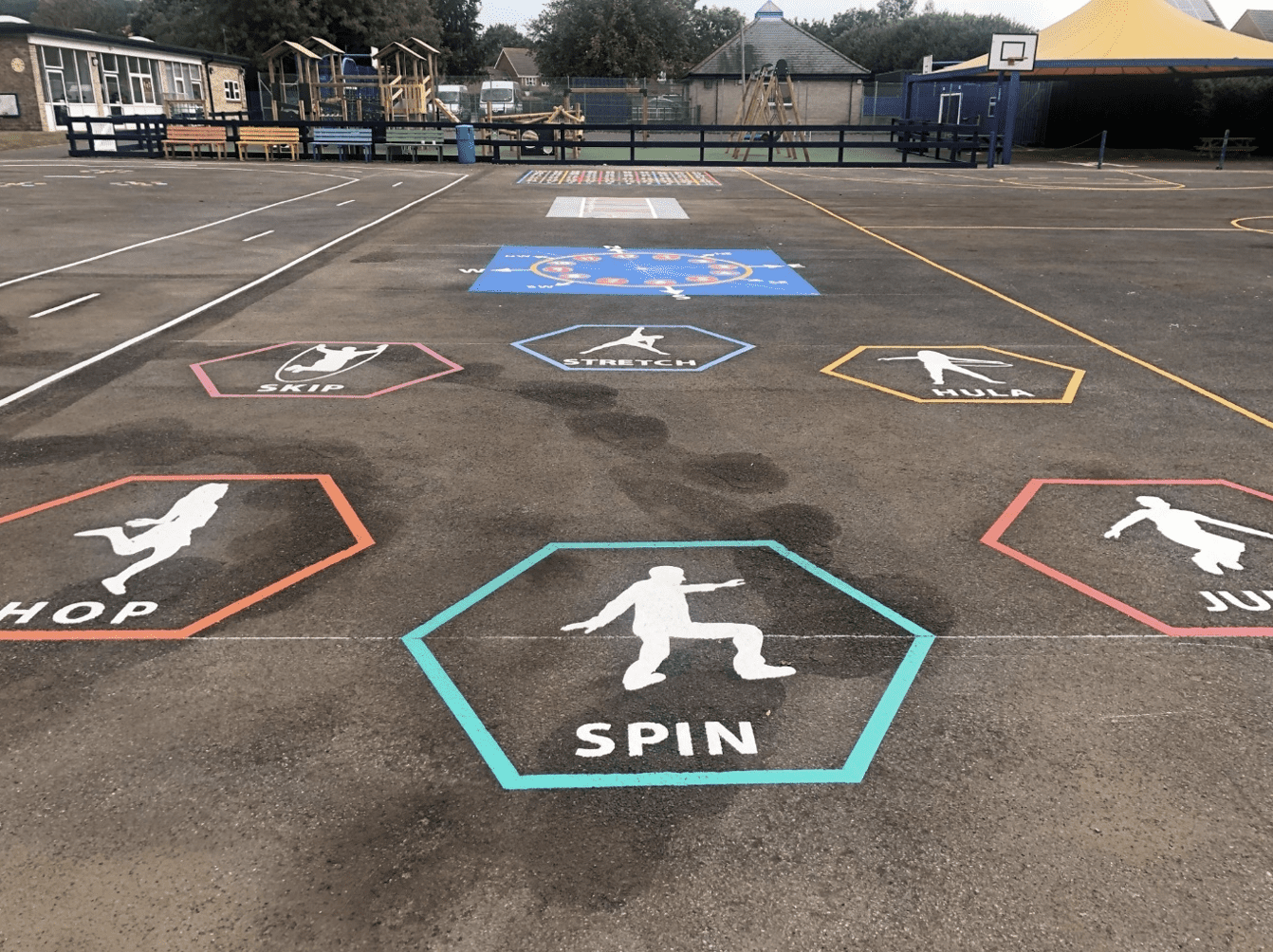
Yewstock School in Sturminster Newton have recently given their school playground an exciting new look with colourful markings to replace the previous tired, old designs. The surfaces now contain decorative games that invite the children to be active whilst having fun outside.
Next to the new playground markings are (l-r) Clive Padgett (Yewstock Headteacher), Jana Hounsell (Geveko), Fiona Wing (Geveko), Karl Whittick (PE Teacher), Bryan Trim (Yewstock)
The new playground markings are bright and engaging, and include a new basketball court, mini roadway, snakes and ladders, activity trail, compass, hopscotch, and phonics and numeracy activities. These have all been very generously provided by Geveko Markings who specialise in using materials that minimise the risk of slippery surfaces, and make play areas safe for children. Bryan Trim of Yewstock school said: “We are extremely grateful to Geveko Markings for so generously providing their time, resources and design skills to produce such fantastic, fun markings. The pupils at Yewstock School will enjoy them for years to come!” Jana Hounsell of Geveko Markings said “We are very pleased that the children enjoy having fun with the games. It is our pleasure to give something back to the community.” Yewstock School is a day community school for children with Profound and Multiple, Severe, Moderate and Complex Learning Difficulties.
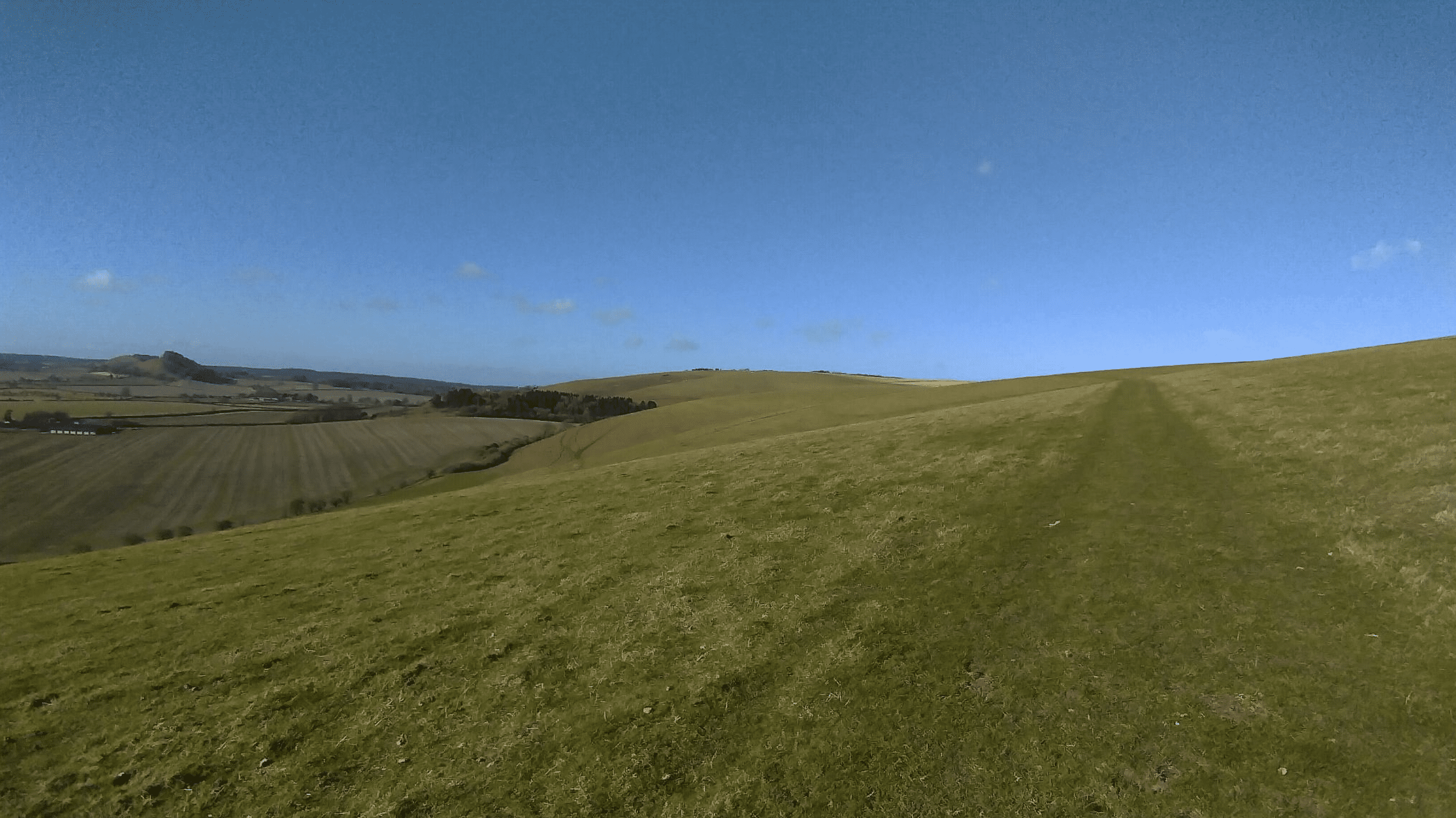
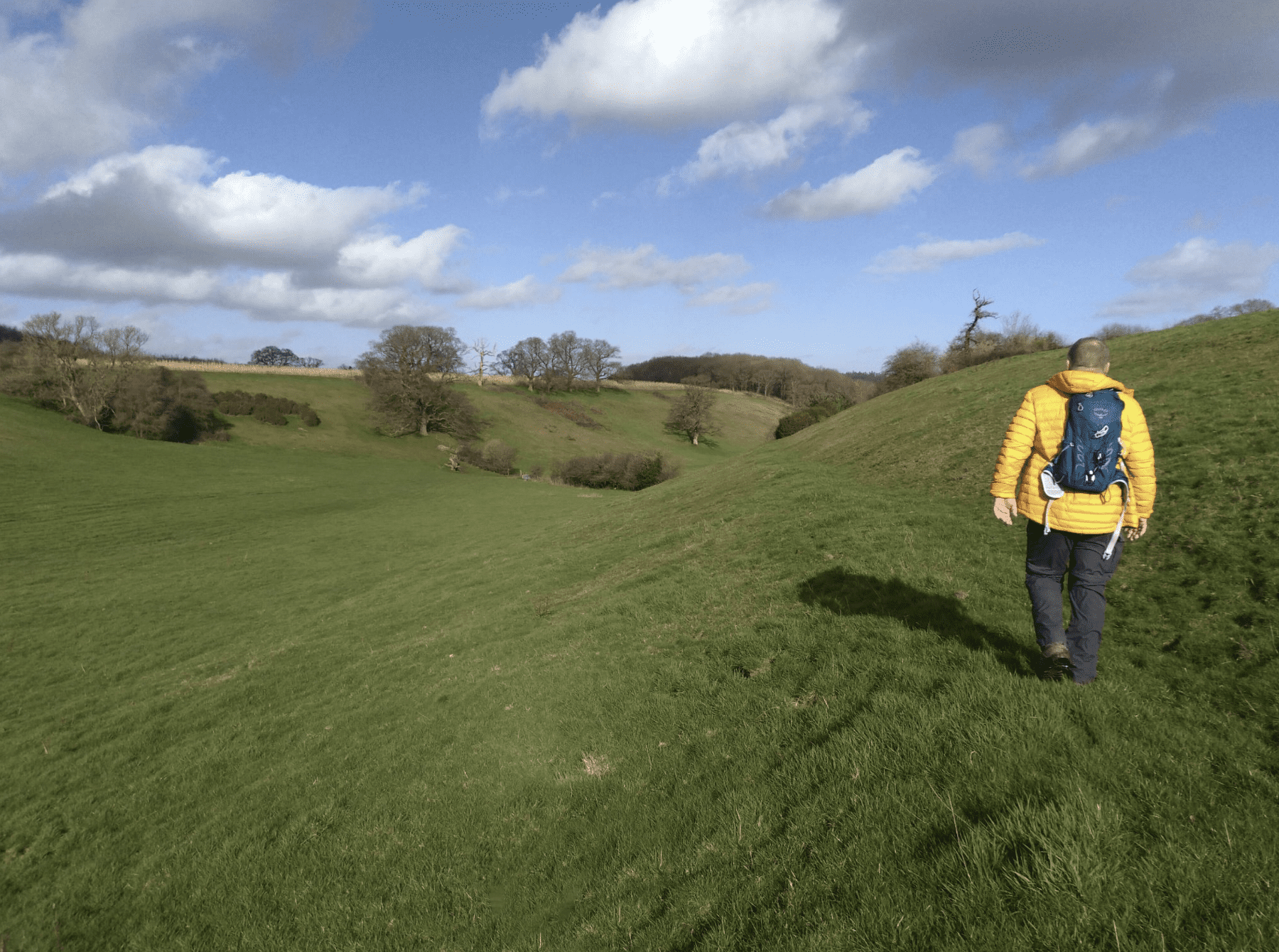
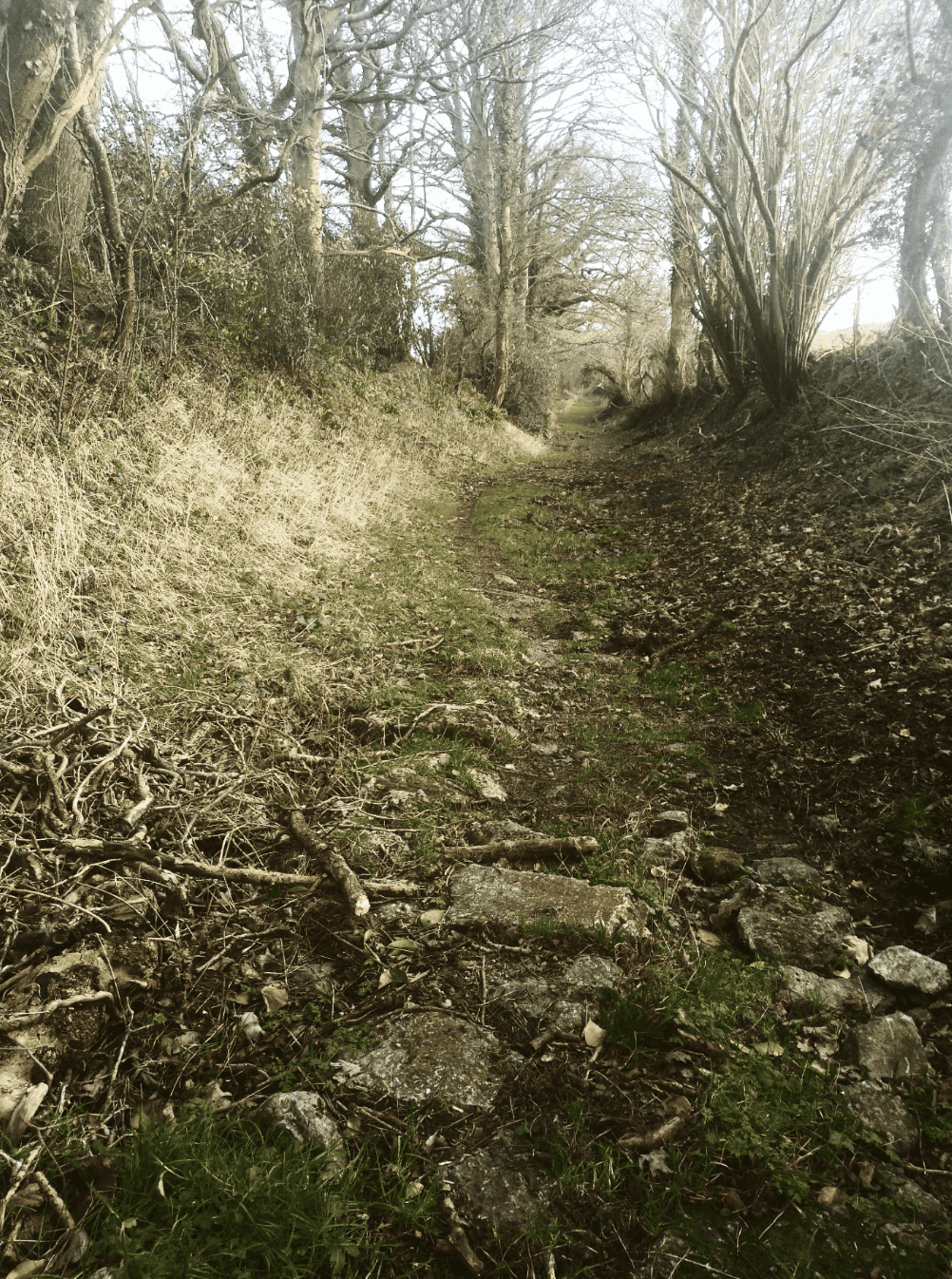
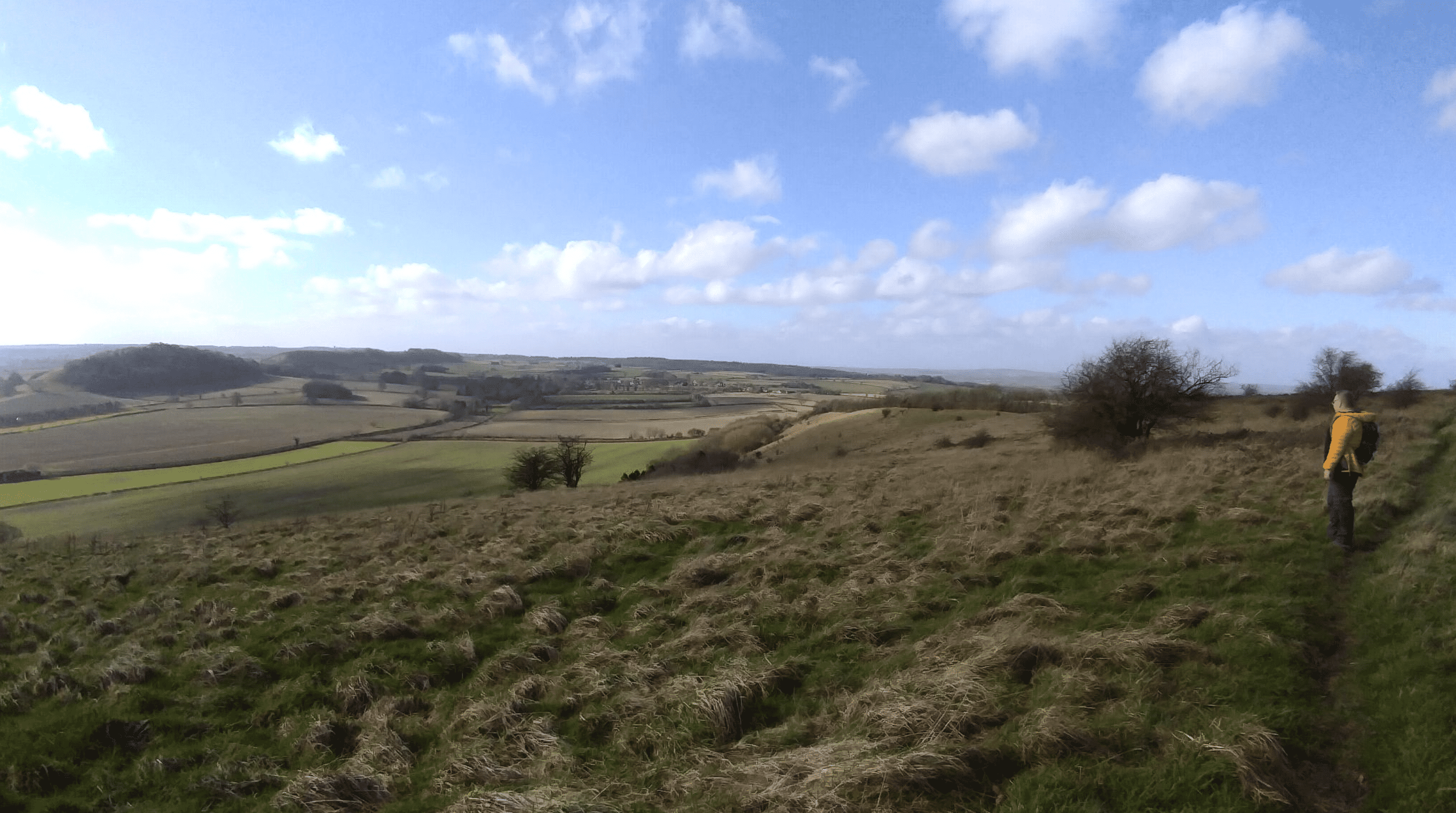
In between the A303 and Warminster is a stunning area which is often overlooked. Head up there (hit Longleat and you’ve gone too far) and you’re rewarded with the broad rolling downland and extraordinary wide views of the ancient landscape that is the West Wiltshire Downs AONB.
To follow this route using the Outdooractive App, please find the route here.
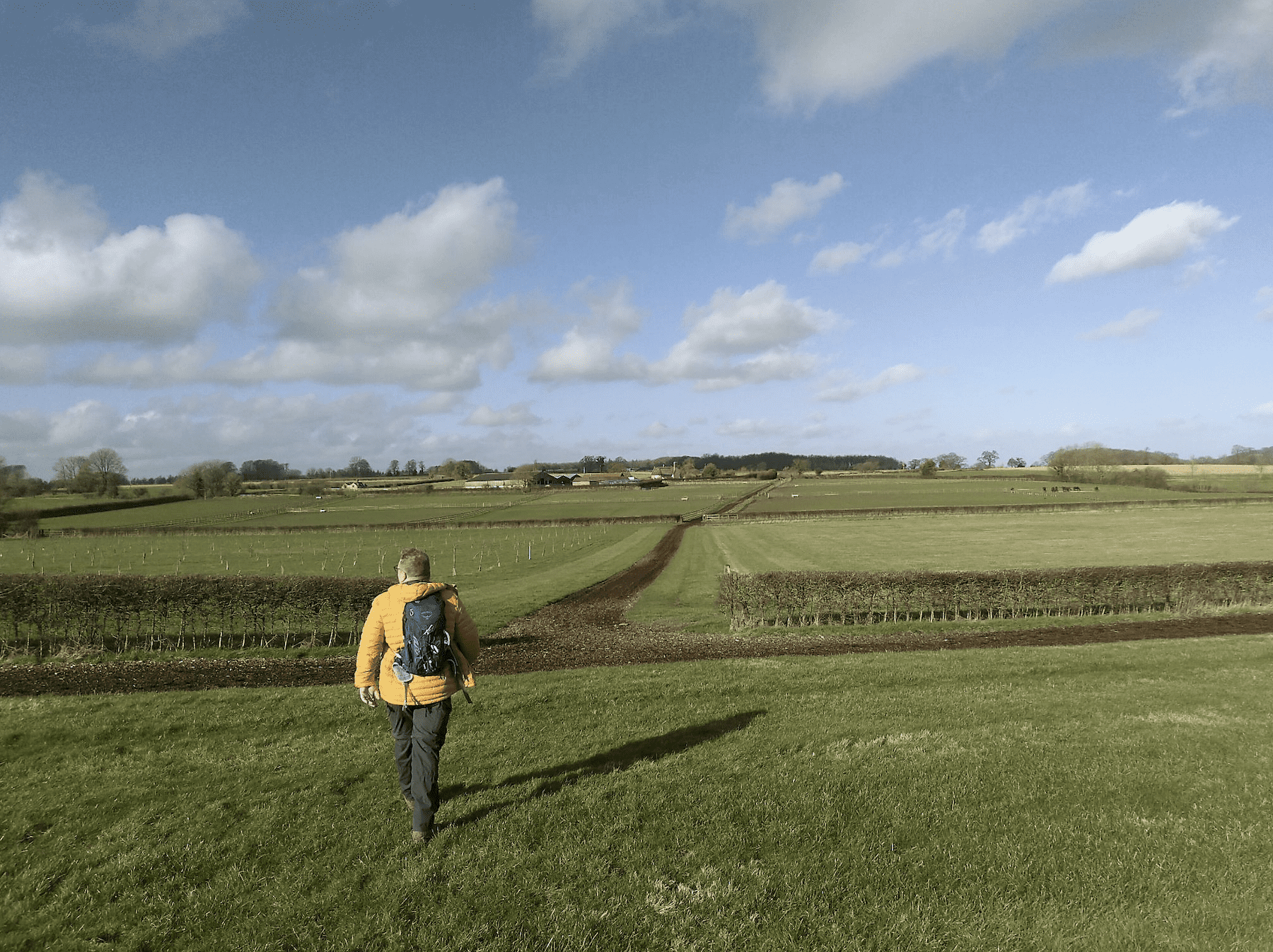
This is a longer hike than we’ve shared for a while – but set aside a day, pack a sandwich and treat yourself, it’s a total stunner.
One word of warning – the start of this is immediately and moderately stiffly uphill; if like me you hate that straight out of the gate, do think about reversing the route!
All the Dorset Walks we feature have been created and walked recently by ourselves, so you know you can trust them – we aim for unpopulated routes with as little road and as many views as possible! You can always see the route and follow it yourself via the free Outdoor Active app – see all our routes here.
Husband and wife team Mervyn and Sue Rose have run Rose Engineering from Sturminster Newton for the last 35 years.
“We’re immensely proud to have been selected as a finalist for the South & South West’s Family Business of The Year Award” said Sue Rose. Founded in 1986 by the husband and wife team, Mervyn and Sue have now been joined by their son, Tom Rose, who brings a new generation’s energy into driving the family business forward. The Family Business of the Year Awards, established in 2012 by Family Business United, are now in their 10th year of celebrating the UK family business sector, recognising the diversity of family firms across the country. Managing Director Tom said, “We’re so pleased to recognise the hard work that my family puts into our business. Taking on the role of Managing Director in the past 18 months, during a global pandemic, has been a real challenge. But to have remained in business and fully operational during this time is testament to the hard work of the whole team.” Spokesman for Rose Engineering, Anita Beaumont, said “We’re proud of our growth and of the hard work all our teams carry out. This [award] is a great way for this to be recognised.” Paul Andrews, founder of FBU and organiser of the upcoming awards explains, “Each year it is an honour to celebrate with some of the very best of British family firms. It is a pleasure to champion the sector and to celebrate the collective contribution that family firms make in terms of jobs provided, income generated and wealth created.” He adds, “Each year we are amazed at the nominations received and and there are always some real gems that are fabulous ambassadors for the family business sector.”
The pupils and staff of Broadmayne First School were excited to welcome an unexpected visitor to their school field this week, in the shape of a helicopter! Piloted by Peter Faulding, the visit was fun, but with a serious message.
Peter Faulding presenting life jackets to the children of Broadmayne First School
Peter is the Chief Executive at Specialist Group International, which supports rescues, both privately and alongside police and fire services across the UK. Peter was involved in a sadly unsuccessful attempt to rescue a drowning child. Consequently he created the Lucas Dobson Water Safety Campaign, and he flew into Broadmayne to speak to the children about the importance of water safety, and to deliver eight children’s life jackets. The children and staff also had the opportunity to watch the helicopter in flight, and have a look inside it. Headteacher, Helen Collings said “Living so close to the coast, and with our own swimming pool on site, water safety is really important to all of us at Broadmayne.” The life jackets will be available for families and the local community to borrow from the school to help keep children safe near the water, whilst allowing them to take a full part in water-based activities.
Matt Brady, creator of Ballet Under The Stars at Hatch House as Director of The Covent Garden Dance Company is celebrating the event’s return this summer, after a three year absence.
On 22nd, 23rd and 24th July audiences in the beautiful 17th century walled Dutch garden venue just north of Shaftesbury can enjoy an incredible line-up of dancers – many of them Principal dancers from companies including the National Ballet of Ukraine, The Royal Ballet, English National Ballet, Paris Opera Ballet and Staatsballett Berlin. Xander Parish returns to the Hatch theatre this year dancing with his wife, Anastasia Demidova.
1. What’s your relationship with the Blackmore Vale (the loose North Dorset area, not us!)?
I have lived in the area for nearly 40 years on and off, it’s very much my base and where my parents settled so it’s really home. One of my enduring memories of the Blackmore Vale was in my early twenties, I used to exercise horses for a Point to Point stables owned by the trainer John Duffossy. John used to have a copy of a magazine rolled up and would clip me round the ear with it every time I turned up late to ride – which was quite often! It didn’t make me arrive any earlier so he was always waiting for me. As a child I would spend much of the holidays fishing on the Stour for pike. Long days of walking river banks and desperately trying to catch the monster pike! A lot of time was also spent riding in the Stourhead woods on the badly behaved ponies of many friends, being thrown off frequently and having to walk home.
2. What was the last song you sang out loud in your car?
That’s a tough one! I’m not really sure … but I have a vague recollection of singing Zero by Imagine Dragons VERY loudly with my stepson Jack not so long ago and the dog hiding his head under the blankets in the Land Rover.
3. Who is your celebrity crush?
It’s a secret … In case they are reading this or if I meet them!! (if I had to say then the genius that is Jodie Comer is wonderful …but so is Scarlett Johansson … both so talented and brilliant!)
4. It’s Friday night – you have the house to yourself, and no work is allowed. What are you going to do?
Hahahahaha … That is between a man and his four walls. But realistically …probably something really boring like DIY… I have a passion for restoring and making things. I recently built a cabin on the lake. Very proud of that. Love staying in it when it is not rented out. (see it on Insta @the_Bruton_BoatHouse 😉 )
5. What was the last movie you watched? Would you recommend it?
I actually had time to watch two movies one Sunday night recently; ‘The Gentleman’ by Guy Ritchie – one of my fave directors – followed by ‘A Good Year’ by Ridley Scott. Love this movie, I’ve seen it so many times but it re-ignites my love or France and living there, the crackling heat, the effortless shabby chic. I lived in France for three years in my late teens and early twenties, it was one of the happiest times of my life.
6. What is your comfort meal?
Mac ‘n Cheese, I make a really delicious one, it’s an old recipe and I love it. I do have a second choice – Heinz Ravioli on toast …with grated parmesan on top.
7. What would you like to tell 15yr old you?
STOP WORRYING ABOUT EVERYTHING! Oh… and finish your studies!
8. The best crisps flavour?
I love a Pringle. But also love prawn cocktail Walkers… Difficult to choose. Actually, Quavers also have a strong place in my life.
9. And the best biscuit for dunking?
This is random, but probably a Fig Roll? Does that count? Or is it a roll excluded? VIP Choccie Hobnob, if so.
10. What shop can you not pass without going in?
A great old fashioned fishing tackle shop. I spent so much of my childhood on rivers and lakes in the shire, fishing and walking. There were some really wonderful old school tackle shops when I was a kid round here. They were always filled with amazing curiosities and inventions, spinning lures and hand-tied flies … It was what I spent my pocket money on. There was always something new to buy to try and catch that legendary monster pike that lurked in the deep pool beneath the weir on the Stour!
11. What book did you read last year that stayed with you? What made you love it?
I re-read Captain Corelli’s Mandolin … It is one of those books. My father gave it to me years ago and said you must read. I then gave it back to him when the was fighting the Big C (a battle he lost in 2016) … It gave him great joy again and always gives me great joy. And yes, (spoiler alert) I cry like a baby when Carlo dies.
12. Cats or dogs?
My amazing dog Panda, who’s three, is staring at me right now, so what can I say? Tibetan terriers are great at sulking, so my hands are tied. He’s always there for me and always happy to see me.
13. What was the last gift you gave someone?
Flowers to my amazing mum. She is going through a really tough time at the moment fighting bone cancer. She is just amazing.
14. What’s your most annoying trait?
All of them? The most annoying is maybe driving my PR mad by always having a million things happening all at the same time. And usually she is on the phone having to listen to me do them! (she is long suffering!)
15. Tell us about one of the best evenings you’ve ever had?
Honestly? The Tenth Anniversary celebrations of Ballet Under The Stars at Hatch House in July 2019. It sounds self-serving but after 10 years of struggle to keep the dream alive, it all came together in such a spectacular way that made everything worthwhile. The whole team felt it. We were already sold out for 2020 just months after that 10th anniversary show. It was a testament to everyone’s amazing work and artistry. Covid unfortunately had other ideas, obviously, so it is great to be back producing our flagship show at Hatch House this summer.
16. What’s your secret superpower?
Never giving up? When putting on live events and shows you always have to think on your feet, it is something you develop over the years. But what you really need more than anything is grit – the ability to not give up. Even when it’s got really tough. Stopping is not an option.
17. Your favourite quote?
“Out of the mountain of despair, a stone of hope”. Martin Luther King Jnr from his ‘I Have a Dream’ speech in Washington DC on August 28th, 1963. So much wisdom from one man, it’s difficult to choose one thing. It is about never giving up, it is about when things look bad or insurmountable … there is always a stone of hope.
18. Chip Shop Chips or Home Baked Cake?
Chip shop chips! Lots of salt and vin – Mere Fish and Chips is great! I always pop in there to grab some on my way to see friends.
19. You have the power to pass one law tomorrow, uncontested. What would you do?
I’d pass a law to allow me to pass a law every year uncontested, so I have more time to think about what law would really make a difference!
interview by Laura Hitchcock
After a three year absence, Ballet Under The Stars at Hatch House is back this summer. On 22nd, 23rd (SOLD OUT) and 24th July audiences in the beautiful 17th century walled Dutch garden venue just north of Shaftesbury can enjoy an incredible line-up of dancers – many of them Principal dancers from companies including the National Ballet of Ukraine, The Royal Ballet, English National Ballet, Paris Opera Ballet and Staatsballett Berlin. Xander Parish returns to the Hatch theatre this year dancing with his wife, Anastasia Demidova.
Originally a wildflower from Asia, Europe’s love for tulips meant that some bulbs were worth more than a house during the height of the Dutch craze for the plant, as Charlotte Tombs relates.
Crating the tulips image – Melanie Ward
The tulip was a wildflower originally growing in Central Asia. It was first cultivated by the Turks as early as 1,000 AD. Mania in Turkey struck in the 16th century at the time of the Ottoman Empire when a particular Sultan demanded certain flowers for his pleasure. The name ‘tulip’ comes from the Turkish word for turban which makes a lot if sense when you consider the shape of both. Tulips remained popular in Turkey, thereafter and in the early 18th Century the tulip era really began. There were tulip festivals and it became a crime punishable by exile to buy or sell the tulips outside the capital.
Some of this year’s Dorset-grown Northcombe Flowers tulips – sold by the stem, bunch or bucket! Image – Charlotte Tombs
Constantinople to Amsterdam The flowers arrived in northern Europe in the 16th century. Their introduction was thought to be by a botanist from Vienna, Clausius, who became the director of the oldest botanical garden in Leiden. He was friendly with the ambassador of Constantinople who sent him a samples of this wonder flower. This is believed to be the start of the bulb fields in the Netherlands today. At this time the tulip was being used for medicinal purposes but by the beginning of the 17th century they were gaining popularity in gardens and the bulbs were beginning to be sold for unbelievable amounts of money. Hybridized flowers were being bred to be very decorative, and in the autumn of 1636 some bulbs were reaching larger amounts of money than a house in Amsterdam! Things came to a crash in 1637 when people came to their senses and stopped buying the bulbs for such high prices. Throughout the 17th and 18th century interest remained high in these bulbs and the Dutch became the true connoisseurs of this incredible flower. It was discovered in the 20th century that the frilly petals and flames on the flowers were actually caused by a virus – this has now been bred out of them, and the fancy tulips are now genetically stable although some are deliberately bred to retain this look.
This year Charlotte planted nearly 2,000 bulbs of 25 different varieties of tulips – she treats them as annuals, as returning flowers are always inferior (her assistant was VERY helpful).
Close planting for longer stems This year I have planted nearly 2,000 bulbs with 25 different varieties. I plant them very closely together so I can get a longer stem (they fight for light and go upwards) which is more saleable. I treat the bulb as an annual and all the spent bulbs are composted. There are some varieties that will come back year after year but the flowers are smaller and less well-defined. British grown tulips are amazing and far superior to the supermarkets ones which are generally mass-grown imports.Some tulips are even scented but this has been bred out of the imports.
by Charlotte Tombs
Charlotte offers Workshops through the year – please see northcombe.co.uk for further details.
Rising costs due to the Ukraine war combined with dry weather spell challenges for farmers, says James Cossins.
Silaging on Rawston Farm in the late 1960s
As has been well publicised April was a very dry month, with only 33mm, or one and half inches, of rain recorded in the month at Rawston Farm. The winter crops seem to be surviving well, with the oilseeds well out in their yellow flowers. The spring crops desperately need a good drink, however, or yields will be reduced considerably. We are currently sowing maize, our final crop of the spring. With the current high cost of fertiliser, we have put a cover of farmyard manure on the fields before ploughing. We hope this will give the crop a good boost to its growth without having to add extra fertiliser. The cattle grazing enjoys the dry weather whilst the grass continues to grow. There is little poaching of the fields, and they are able to utilise the grass to good effect. The milking cows have certainly benefited from going out to grass, and we have been able to save on feeding silage and reduced the amount of bought-in feed that they require in the winter. We now look forward to silage- making, aiming for good quality feed for next winter. Getting the balance between quality and quantity can be challenging, and there is a trend towards cutting more often to improve the quality. Sometimes the quantity can be sacrificed if we don’t get sufficient moisture for the following cuts.
Fun and games In my youth I was very involved with the Young Farmers Organisation, my local club being Blandford – in fact this is where I met my wife Barbara, who was a farmer’s daughter. I have recently been recycled into being involved again with Blandford on their advisory committee. Each year there is a County Rally where all the clubs in Dorset compete with each other in many varied events. I was asked to help with the field events, which involved tractor driving, quad bike handling, tying a load of straw bales, to name a few. A great time was had, with all competitors thoroughly enjoying themselves. The Young Farmers movement is a tremendous organisation to belong to where young people can have lots of fun, meet new friends and learn about life in the countryside. The name ‘Young Farmers’ may be a little off-putting, but anyone under the age of 26 can join in. I am sure by looking at social media or the YFC website you will be able find the details and contacts of your local club; see what goes on and maybe join in!
Shortages predicted The effect of the war in Ukraine seems to be having far-reaching consequences for our everyday lives now. With energy prices sky high it seems food prices and availability are being affected. Vegetable oil (in the form of sunflower oil) is being rationed in some shops, with home-grown oilseed being looked at as a replacement. Harvesting oilseeds in the UK will take place in July, and hopefully making up for any shortfall. Maybe in the UK we should look at the possibility of growing more sunflowers. It is also predicted that there may be a shortage of eggs in the summer, with many producers deciding that it is uneconomical at the moment to produce eggs, due to high feed costs. I think the Government needs a wake-up call on food security for this country and not rely on imports to make up for any shortfall. Finally, let’s hope for some rain for farmers and gardeners whilst we are in the growing season and not to save it up for the harvesting!
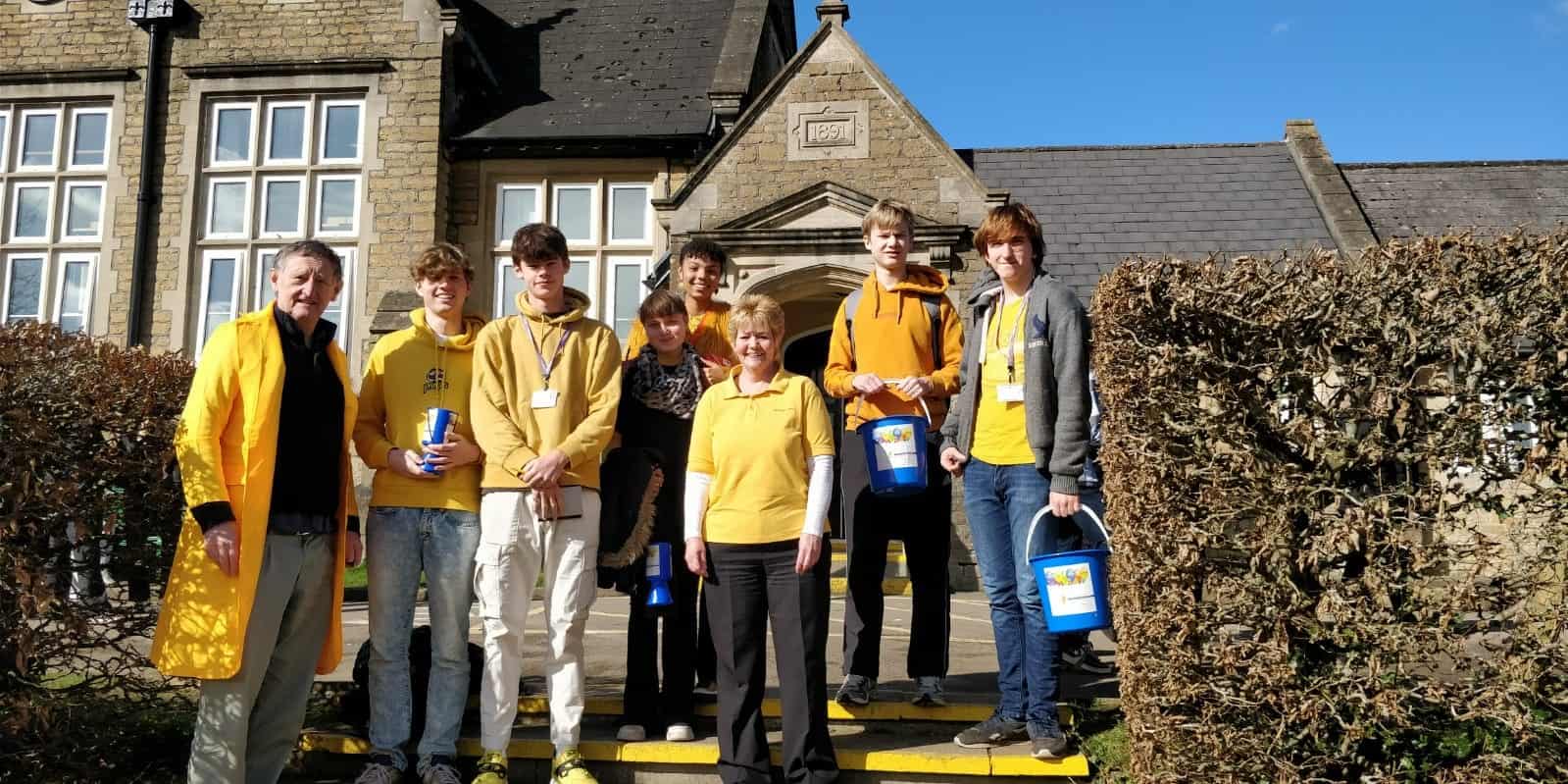
Sexey’s School students and staff have raised more than £1,000 supporting the Children’s Liver Disease Foundation’s annual ‘Big Yellow Friday’.
For the ninth consecutive year, Sexey’s School has supported this cause alongside Tilly, the eldest child of two former pupils who met in Sexey’s Sixth Form, and who had a life-saving liver transplant at 10 months old. This year students attended school wearing items of yellow ranging from scarfs and socks to jumpers, full-length coats and high-visibility jackets. Sixth Form students supported the event by selling yellow cupcakes, made by the kitchen and dining team, and raffle tickets to win some great prizes including a Nintendo Switch, F1 Merchandise and Amazon vouchers. To date the school has helped raise more than £40,000 by holding non-uniform days, coffee mornings, raffles and bake sales. Mr Hill, IT Systems Manager at Sexey’s School said “Thank you to everyone who has once again supported this important cause that has such a personal tie to the school. It’s fantastic that we have raised more than £1,000 to help fight all childhood liver diseases. We are especially grateful to all the businesses who donated prizes.”
‘Forging ahead to restore the past’ seems a good motto for Ian Ring, who owns Newton Forge, the Sturminster-based World Heritage business, whose work is in demand across the UK. Tracie Beardsley reports in A Country Living.
At the age of 11, Ian Ring was ‘mucking around with metal’. He now runs a world heritage ironwork business in Sturminster Newton image Courtenay Hitchcock
At the age of 11, Ian Ring was ‘mucking around with metal’. It was time well spent he’s now running a world heritage ironwork business in Sturminster Newton. As Managing Director of Newton Forge, Ian Ring would be the first to say he’s still happier in the workshop with hammer and anvil than in front of his computer. When we meet, his hands and sweatshirt are covered in carbon iron dust. He’s just finished helping his team constructing a stunning iron spiral staircase for a private client in London.
Shed full of ambition Newton Forge began life in a chicken shed in 1980 on Ian’s uncle’s farm near Newton Hill and now has a portfolio of clients which reads like a ‘Who’s Who’ of historical buildings. They include: The Royal Courts of Justice; The Langham Hotel; Hotel Café Royal; Berkely Square; Blackfriars Bridge; Kingston Lacy and numerous other National trust properties. Ian’s about to tender for roof restoration on the Houses of Parliament and the famous glasshouse at the Royal Botanical Gardens in Edinburgh. Many projects demand non- disclosure and confidentiality agreements – Ian has worked inside some incredible palaces and magnificent mansions – but he must remain tight-lipped about them.
As Managing Director of Newton Forge, Ian Ring would be the first to say he’s still happiest in the workshop with hammer and anvil. image Courtenay Hitchcock
Despite all the grandeur of these huge historical assignments in glamorous cities around the UK, his favourite project is just down the road in Sturminster Newton! The Mayor has just unveiled the restored town pump. A car ploughed into it and the pump, which dates back to 1908, was smashed. “It was a bit like putting Humpty Dumpty back together,” Ian explains. “It was very rewarding as it’s an historical landmark for the town. Being local to our offices, I see it every day.” As an apprentice blacksmith straight from school, Ian exhibited at local country shows, selling handmade fire baskets and wall lights. Six years later, the master blacksmith and his wife Karen started their own company which progressed from chicken shed to a barn in Stalbridge Lane, then to Manston and finally Butts Pond Industrial Estate where it’s been for the past three years.
Even with advances in technology, many of the earliest techniques and tools are essentially unchanged in modern blacksmithing. Blacksmithing hammers come in various shapes, weights, and head styles that perform the different techniques of manipulating metal – Image Courtenay Hitchcock
Training new ‘smiths The 22-strong team has more than 200 years’ experience between them. There’s also keen support for future generations. Students from Kingston Maurward college learn metalworking skills on day-release and some former students are now on the Forge payroll. Ian’s passion for his trade is obvious. ‘’I always knew I wanted to do traditional high-end metalwork,” he recalls. And he’s true to his word. The company’s symbol is an old blacksmith’s hammer and most of the work is done by hand, although the forge also has state-of-the-art equipment. “We do get some work engineered or laser-profiled. Sometimes we may need 3D models which is where the modern side kicks in.” Restoration is now a high proportion of the work in the forge alongside reproductions matching original historical ironwork.
“We’re about to start work on some damaged gates at Hyde Park. That’s a big job in itself, but we’ve also got to work out the logistics of getting the gates back to Dorset for repair” Image Courtenay Hitchcock
“We’re about to start work on some damaged gates at Hyde Park. That’s a big job in itself, but we’ve also got to work out the logistics of getting the gates back to Dorset for repair and work out what we can do safely on-site in London.” It’s no surprise Ian’s not a great sleeper. “I do a lot of problem solving at night,” he admits. “How to crane huge iron railings over the top of a skyscraper when you’re installing balustrades at the Royal College of Surgeons – that sort of thing keeps me awake at night. I’ll come into the office next morning, admittedly a bit sleepy, but I can tell the team – ‘this is how we’re going to do it’!”
-“When I handle ironwork that’s been created hundreds of years ago, I can’t help but think about the boy or man who held it first. Was it the apprentice in his shiny shoes and apron?” – Image Courtenay Hitchcock
Quick-fire questions with Ian:
A-list dinner party guests past or present? Isambard Kingdom Brunel, Muhammad Ali and Winston Churchill. I’d also love to talk to a blacksmith from the past. I write poetry (it’s not very good!) about the ghosts of blacksmiths. When I handle ironwork that’s been created hundreds of years ago, I can’t help but think about the boy or man who held it first, was it the apprentice in his shiny shoes and apron? I love to envisage the back story behind the historical object.
Books on your bedside? I’m an audio book fan. I struggle to get to sleep. I can tune in and may eventually doze off. It’s easier than sitting up and reading a book in bed. I get through dozens and they’re great when I’m on the road working on projects away from home.
Favourite TV show? I don’t get much time to watch TV but I do like the Repair Shop. In fact, I’d love to be on the team!