The Blackmore Vale logo
Home Blog Page 3

‘I won’t give up’: Local world champion devastated by theft of race-winning bike

0

Sherborne’s duathlon world champion Zoe Tucker has been left “devastated” after thieves broke into her garage and stole two high-end racing bikes – including the £7,000 Giant Propel she rode to victory at the World Championships in July.

The theft, which happened overnight between Thursday 7th and Friday 8th December, has shaken Zoe, 47, who had only moved into the property at the end of October. She’d recently replaced the garage door to better protect the bikes, but the intruders forced open a small window and exited with both bikes via the garage door.

Zoe Tucker competing on the bike she used to become world champion, which has now been stolen from her garage in Sherborne. Image © Jackie Roach

“It’s not just the bike,” Zoe says. “It’s what it represents. That bike is built to my measurements. I won gold on it. It’s unique – and the thought of someone just taking it like that… it’s a personal invasion of privacy.”

The duathlon is a race combining a run, a cycle and another run. Zoe became world champion in July after a 5km run, a 19.7km bike ride, and a 2.5km run to finish – not only winning her category but also finishing as the fastest British woman across all age groups.

She discovered the break-in after beginning a training session on her indoor turbo trainer. “I got off my bike to have a look and realised the garage window had been forced open – there were shards of wood on the floor.”

Now training for the European Championships in July and the World Championships in Abu Dhabi next November, Zoe describes the theft as a “game-changer”:
“That was my racing bike. Everything was tailored to me – the fit, the setup, even the aero bars. You can’t just replace that with something off the shelf. In the short term I’m hoping someone may be able to loan me something so I can at least continue training.”

Zoe Tucker training in Dorset lanes on the missing bike

Security at her home has since been significantly upgraded, with new CCTV, lighting and locks now in place. A friend has launched a JustGiving campaign to raise funds for a replacement. “My friends have been amazing,” she told The BV. “I don’t expect the bikes will come back… the red one, the bike I raced on, is so unique I expect it’ll be locked away for a few months and then reappear. But I’ll be looking for it. I won’t give up on it.”

She added: “I just hope someone finds it in themselves to return it, no questions asked – or at least share information that might lead to it being found. That’s my only real hope.

“It was clear the thieves knew what they were coming for. Very few people had been into the garage, and the bikes hadn’t been out recently because of the weather.”

Dorset Police confirmed they are investigating. In the meantime, Zoe hopes her story will raise awareness. “It’s not just about me. I want other people to think twice about how they store and protect their bikes.”

Anyone with information can contact Dorset Police or Crimestoppers anonymously.

The second bike stolen from Zoe Tucker’s garage

‘I have never known it this bad’

0

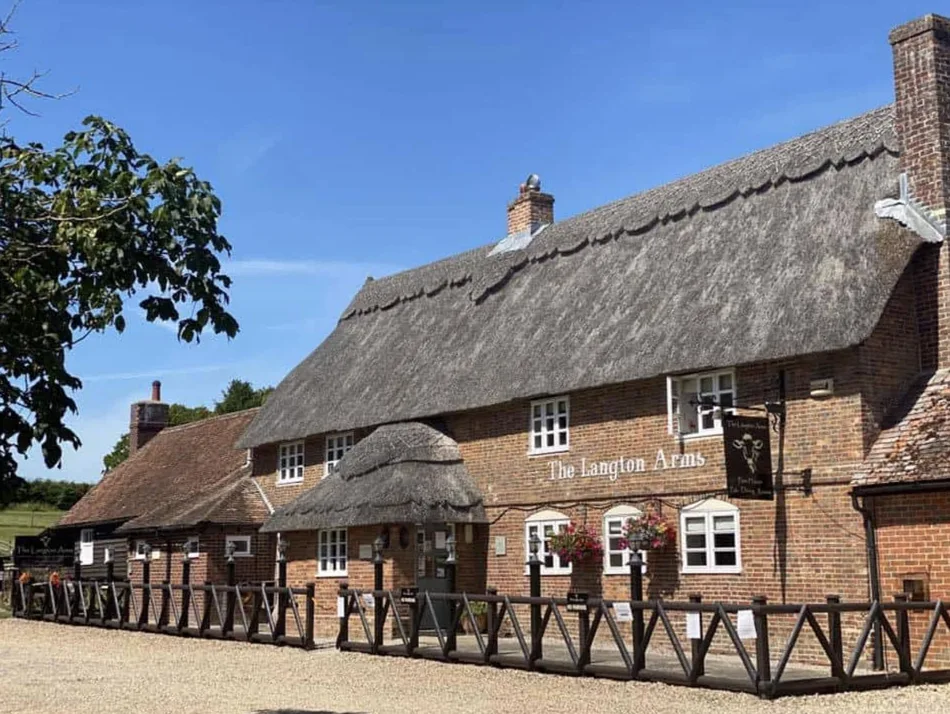
After years of running The Langton Arms, I have never known things to be this bad. In 2004 we suffered a devastating fire.
Rebuilding after that should have been the hardest challenge of my career – but it wasn’t.
We survived COVID and being forced to shut our doors, and we survived the shock of energy price hikes following Russia’s invasion of Ukraine (our electricity bill alone jumped from £25,000 to £68,000 in a single year). Realistically, we should have closed then. We were on our knees.
Over the past six weeks, the British Institute of Innkeeping and our suppliers have urged us to write to our MPs, pleading for meaningful support for the hospitality industry. The truth is the numbers no longer add up. We pay:

The Langton Arms Tarrant Rawston
  • 20% VAT, while supermarkets pay around 2%
  • High business rates
  • National Insurance
  • The ever-increasing living wage
  • Rising food/drink/energy costs
    The system is stacked against small independent pubs and restaurants. When I asked our MP two years ago why no support was coming, I was told that ‘businesses that close are not considered “well run” by the government’.
    That response still devastates me.
    Recently, a local resident even suggested I invite the Hotel Inspector to ‘tell me what I was doing wrong’.
    It shows how disconnected people are from the reality: this is not about poor management – the entire hospitality sector is collapsing. Our small village now has many Airbnbs, all competing directly with our six rooms – yet they pay no business rates, no VAT, and no commercial waste or staffing costs.
    The council tells me the government is “trying to sort it”, but by the time anything changes it will be too late for many of us.
    Across the country, pubs are standing empty, boarded up, and left to rot. These buildings once held communities together. They were – and still should be – part of our national identity.
    Instead, we are witnessing a national catastrophe.
    The government, past and present, has failed to recognise the value of a good community pub.
    If action doesn’t come soon, many more irreplaceable businesses will vanish forever.
    Barbara Cossins

Moved Into A Fixer Upper? Here Are Some Areas To Focus On

0

Congratulations on your new fixer-upper! The prospect of renovating a home can be both exciting and daunting, and it’s important to approach the project with a clear plan and prioritise your efforts. We’ll cover a range of projects suitable for various budgets and skill levels, from essential structural improvements to cosmetic updates.

Start With A Thorough Inspection

You likely had a survey done before purchasing but it’s worth considering a more detailed inspection now that you have full access to the property.

You can hire a chartered surveyor through the Royal Institution of Chartered Surveyors (RICS) to conduct a thorough assessment. They’ll examine the structure, identify any hidden issues, and provide a detailed report on necessary repairs and potential improvements.

Pay particular attention to the roof, foundation, plumbing, and electrical systems. These are often the most critical (and costly) areas in a fixer-upper. Understanding their condition will help you prioritise your renovation efforts and budget accordingly.

Address Structural Issues First

Structural issues can compromise the safety and integrity of your home, and addressing them early can prevent more extensive (and expensive) damage down the line.

Common structural issues include subsidence, damp, and roof problems. Consult a structural engineer immediately if you suspect subsidence. They can assess the severity of the problem and recommend appropriate solutions, which might range from underpinning to tree removal if roots are the cause.

A damp specialist can identify the type of damp (rising damp, penetrating damp, or condensation) and suggest suitable treatments. This might involve installing a damp-proof course, improving ventilation, or addressing external factors like damaged guttering. Roof repairs or replacements can be significant undertakings, but they’re essential for protecting your home from the elements.

Update Your Plumbing And Electrics

Outdated plumbing and electrical systems can pose safety risks and may not meet current UK building regulations.

You can replace old lead or galvanised steel pipes with modern copper or plastic alternatives. This can improve water pressure and quality while reducing the risk of leaks. It’s worth upgrading to a more efficient boiler which can significantly reduce your energy bills. Look for boilers with an A rating for efficiency.

Older UK homes may have outdated wiring that doesn’t meet current safety standards. A qualified electrician registered with NICEIC or ELECSA can rewire if necessary, upgrade your fuse box to a modern consumer unit, and ensure you have enough outlets to meet your needs.

Improve Your Home’s Energy Efficiency

Enhancing your fixer-upper’s energy efficiency can lead to significant savings on utility bills and increase your home’s comfort. Start by assessing your insulation. Many older UK homes lack adequate insulation, particularly in lofts and cavity walls.

Installing loft insulation is often a straightforward and cost-effective improvement. You’ll need to hire a professional for cavity wall insulation, but the savings on your heating bills can be substantial. For homeowners working with a limited renovation budget, it’s also worth thinking strategically about how these upgrades are financed. Just as trading for beginners focuses on learning the basics, managing risk, and reinvesting small gains over time, energy-efficiency improvements often pay off gradually, helping to free up monthly cash flow rather than delivering instant returns.

Consider upgrading to double or triple-glazed windows if your home still has single-glazing. Don’t overlook draught-proofing. Simple measures like sealing gaps around windows and doors, installing chimney balloons, and adding keyhole covers can make a noticeable difference to your home’s warmth and energy efficiency.Refresh Your Walls And Floors

One of the quickest ways to transform the look of your fixer-upper is to refresh the walls and floors. A new coat of paint can work wonders in brightening up a space and making it feel clean and fresh.

Think about the natural light in each room. Lighter colours can help small or dark rooms feel more spacious and brighter. If you’re painting yourself, invest in good quality paint and tools for the best results.

Your options for floors will depend on the existing flooring and your budget. Carpets can be a cost-effective choice for bedrooms, providing warmth and comfort underfoot. Look at more durable options for high-traffic areas like hardwood, laminate, or luxury vinyl tiles (LVT).

Don’t Forget The Doors

Starting with your front door, consider whether it’s providing adequate security and insulation. Many older UK homes have poorly insulated front doors, leading to significant heat loss. Look for doors with good thermal properties and robust locking systems. Composite doors are popular for their excellent insulation and security features.

Look at the condition and style of the interior doors. If they’re in good shape but look dated, you might be able to refresh them with a coat of paint and new hardware. Changing interior door furniture, like adding brass door handles, can make a surprising difference to the overall look of your doors. Look at Corston’s range of interior and front door handles for some inspiration.

Landscape Your Garden

Start by clearing any overgrown areas and assessing the current layout. Consider how you want to use the space – do you need a dining area, a play area for children, or a low-maintenance garden?

A garden designer or landscape architect might be an idea if you’re new to gardening. They can help you create a plan that suits your lifestyle and the local climate. The Royal Horticultural Society (RHS) also offers excellent resources for UK gardeners.

Think about incorporating some eco-friendly features into your garden design. Rain gardens can help manage water runoff, while compost bins can reduce your household waste. Consider planting native species, which are often easier to maintain and better for local wildlife.

Dorset NFU fills the room

0

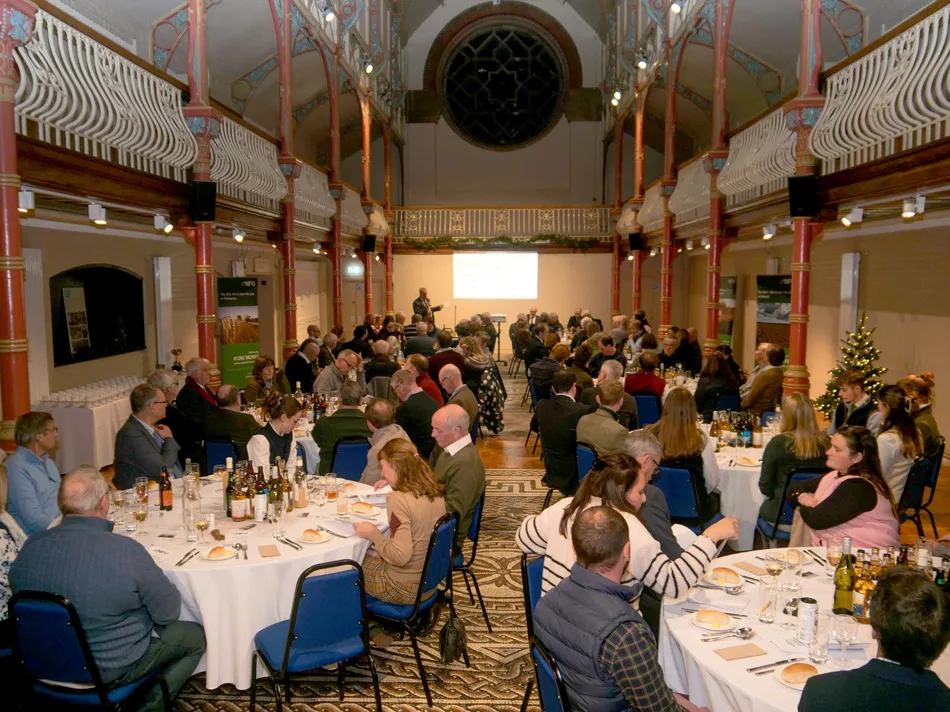
A packed hall was the scene for Dorset NFU’s County Annual Open Meeting at the end of November. County chair Tim Gelfs wanted to put a different angle on the meeting this year. Conscious that farming has just been through a difficult 12 months – both politically and with a long summer drought – he was keen to bring members together. With the help of county advisor Dirk Russell, and Dorset’s six group secretaries, it was decided to mix business with pleasure while celebrating Dorset’s fantastic produce.
Dorset Museum in Dorchester hosted the evening, with members and guests enjoying a look round the exhibits – from the Jurassic period and the Iron Age through to Thomas Hardy. Everyone then found their seats for a three-course meal using Dorset ingredients. Beef, cheese, locally-grown veg … even the watercress for the soup starter came from just outside Dorchester. All served alongside beer, wine and cider, again generously donated by county producers.

Dorset NFU’s AOM was held in Dorset Museum’s grand Victoria Hall

In the room
The county chair and advisor reported on the management team’s work through the year. Tim talked of the importance of keeping MPs and councillors informed of our challenges and views. Of having meaningful conversations, but also of holding them to account when needed.
Improved member engagement was discussed, with new digital tools enabling members to tailor the information they receive. Tim’s vision is to broaden engagement with Poole, Bournemouth and Weymouth: urban councillors still get to vote on rural issues, and they must be well informed when they do so.
Informing consumers – every farmer’s customer – is a duty for all, Tim says, and the NFU must create local opportunities for that to happen. Tim closed by thanking the team for their support, and called for members to step forward and jin them in helping shape Dorset NFU’s work.

Tom Rabbetts, the NFU south regional director, set the current political scene


Regional director Tom Rabbetts followed with a report on the NFU’s recent work. With government, IHT and SFI were the main topics, alongside TB and lobbying of major stakeholders. Tom acknowledged that it has been frustrating at times, not getting the outcomes they have lobbied hard to achieve. But he also pointed out that they have had some good wins, such as the extension to stewardship agreements that are coming to an end. Relationships with DEFRA remain strong, and the NFU is very much ‘in the room’.

Tim Gelfs gave his chair’s report on the management team’s activity this year

Time to listen
After the meeting and meal, there was an open session, and members where invited to ask questions or voice their concerns. There were more strong views than questions around SFI, TB and local engagement, and our Dorset members felt more emphasis should be made on all these three points. They were assured that the NFU are engaging fully, in particular to SFI concerns. Dorset has its own TB team to help drive policy, made up mainly of farmers and facilitated by NFU.
Tim acknowledged all views and will take them forward to the Regional Board and Council.
‘All in all it was a successful night,’ he says. ‘It did exactly what we set out to do: get our members engaged and talking to us, with a decent celebration of Dorset’s produce on the side. It was definitely something to build on, and there was lots to take forward into 2026!’

Art at Home raises £1,000 for farming support charity

0

West Dorset artist Sarah Sclater has raised £1,000 for the Farming Community Network (FCN) through her annual Art at Home exhibition, held in early October at her home near Beaminster.
Now in its eleventh year, Art at Home offers visitors a unique experience: browsing work from international and local artists and makers, all displayed in the intimate setting of Sarah’s own home, Thrae. Over the past decade, the event has featured more than 50 artists and welcomed hundreds of guests from across the country.

Sarah Sclater (left) and Bec Hill of the FCN

‘I continue to love showing people art in this unique setting,’ says Sarah. ‘There’s nothing more satisfying than selling someone their first original piece – and even better when they come back again.’
This year, Sarah chose to support the Dorset branch of FCN, a national charity offering confidential support to farmers, farm workers and their families through difficult times. Run by volunteers who understand the challenges of agricultural life, FCN helps with everything from financial worries and family breakdowns to mental health concerns.
‘We were delighted to receive Sarah’s generous donation,’ says Bec Hill of Dorset FCN. ‘Support like this goes directly to helping us continue our work in the farming community.’
If you or someone you know is struggling, you can contact FCN confidentially via [email protected] or call the national helpline 03000 111 999 (open 7am–11pm every day).
More on Art at Home on sarahsclaterart.co.uk

Sponsored by Wessex Internet

Nina May June Bolam nee Weed

0

5th May 1929 – 22nd November 2025

Passed away peacefully in Dorchester Hospital at 96 years. Will be sadly missed by all her family & friends. A Celebration of her life will be arranged in the new year at the Westend Hall, dates to be announced in a later post.

When Jeanne found a new home

0

When Dale Batten moved her mother-in-law to The Malthouse, she expected safety – not the sense of family she says shapes every day now

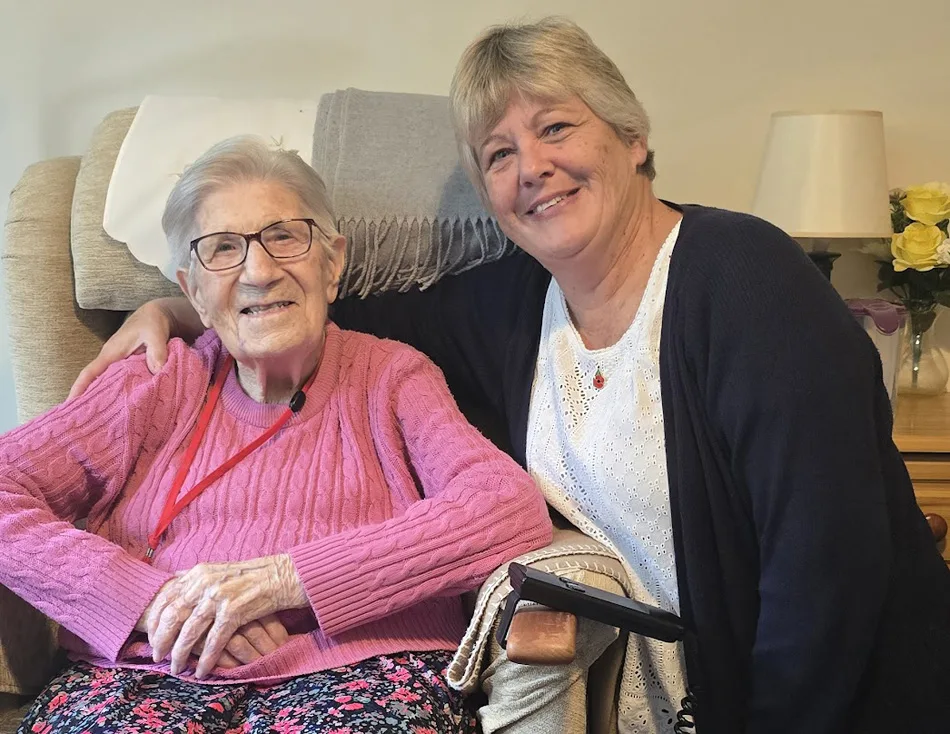
When Dale Batten moved her mother-in-law Jeanne into The Malthouse nearly four years ago, she hoped she’d found somewhere safe and steady. What she didn’t expect was how quickly it would feel like an extension of the family. ‘I wouldn’t wish her to be anywhere else, really,’ she says.

Jeanne, left, with daughter-in-law Dale


Jeanne, 93, had been living independently in Gillingham after losing her husband, with Dale supporting her through the move from Crewkerne and the long, isolating months of Covid. But as Jean’s needs increased, especially overnight, the choice became clear. ‘I couldn’t do it forever,’ she says. ‘But the decision really had to come from Jeanne, and she realised she needed more.’
The Malthouse team visited Jeanne first to assess her needs. ‘They were really kind,’ Dale says. ‘And then she moved in about 10 days later.’ The transition was smooth, though not without emotion. ‘She doesn’t like change. She’s a very private lady.’
Jeanne is profoundly deaf, relying on lipreading and a small whiteboard for communication – and she has periods of hallucination that can make visits challenging. ‘Some days are more upsetting than others,’ Dale says. ‘Some visits are very hard. Some are a lot easier. Today is a good day.’
What has made the difference, she says, is the patience and constancy of the staff. ‘They’re such a wonderful bunch of people here. They really are. If ever there’s any queries or questions, we just message or they phone. The communication is brilliant. It feels like family. That’s the difference. It’s not just a job here.’

Jeanne was thrilled by her trip to the farm, and loves the meet-and-greet sessions with the animals

Genuine care
Daily life is shaped around Jeanne’s abilities. She is encouraged to walk short distances for exercise, though she prefers the reassurance of her wheelchair close behind. She goes for lunch when she can. And when she can’t join group activities, the team bring them to her. ‘They make sure she doesn’t miss out,’ Dale says. ‘She has visists from the therapy dog, and the owls. And they took her to a farm one day – not a group trip, just her – and she loved it. The photos they sent were wonderful.’
The personal touches matter. When Jeanne’s niece visited from Australia – the first time for 35 years – the Malthouse team arranged a cream tea in the garden room. ‘It was beautiful,’ Dale says. ‘They just can’t do enough for you.
Dale sees the contrast clearly when she visits her own mother in a care home elsewhere. ‘You can’t compare them,’ she says. ‘When I go to see my mum, the manager sits behind a glass door. There’s an iPad to check in. No hello, no eye contact. I just go upstairs, see her, and come away.’ She shakes her head. ‘Here, you’re greeted at the door. They ask how Jean is. They fill us in. They genuinely care.
‘She doesn’t want to press her buzzer because she thinks she’s putting everyone to trouble,’ Dale says. ‘I say, “You’re not. This is why you’re here: to be looked after.” She appreciates everything they do.’
The conversation turns to longevity of staff – something The Malthouse is known for. ‘It tells you a story on its own,’ Dale says. ‘The carers, the cleaners, the kitchen team … they all stay. And that says it all, really.’

‘I couldn’t look after Jeanne forever,’ Dale says. ‘But the decision had to come from Jeanne, and she realised she needed more.’

Cared for and valued
Before we finish, Dale tells one final story. She was at the building society sorting out paperwork when a man overheard her discussing care homes. ‘He said, “Do you mind me asking which one?” and I told him it was The Malthouse.
‘A few months later I bumped into him again here – his mum had moved in.’
You can hear the relief in her voice – the sense of having made the right decision.
‘It makes our life easier too,’ she says. ‘You want to know you’ve done the right thing by them. And we do know. If anything was wrong, they’d message us, day or night. We don’t mind what time it is. We just want to know she’s in good hands.’
For Dale, it all comes back to the feeling she gets when she walks in. ‘It just feels like home. Not her old home – that chapter’s passed. But a home where she’s safe, and cared for, and valued. And that’s all you want, really.’
healthcarehomes.co.uk

Creating opportunities for connection and companionship this Christmas

0

It may be billed as ‘the most wonderful time of the year’, but for the elderly and isolated, Christmas can often feel lonely, rather than magical. Age UK estimates that almost a million older people will face loneliness this Christmas – but it doesn’t have to be that way. Taking part in meaningful activities in the company of others can foster feelings of belonging and engagement, boosting wellbeing and bringing some much-needed Christmas sparkle.

Enjoy a festive day care visit or respite break with Somerset Care © Somerset Care Group


For those that would otherwise spend the season alone, day care and respite breaks can offer a valuable opportunity for connecting with others, in the safe, warm and welcoming environment of their local residential care home.
When you spend the day in your local care home, you can access specialist care tailored to your needs, tuck into a hearty, home-cooked meal, participate in festive activities and enjoy the seasonal entertainment on offer. In the run up to Christmas, you can expect activities to include carol singing, festive bingo, arts and crafts (with added seasonal sparkle!), and the chance to simply soak up the festive atmosphere in the company of care home residents.
As well as providing the opportunity for enrichment and companionship in a safe environment, supported by expert carers, day care can offer meaningful connection if family members are elsewhere or unable to visit over the Christmas season.

Feel a part of the magic of the Christmas season with Somerset Care
© Somerset Care Group

A little respite
For those looking for a short seasonal break away from home, a respite break could provide the ideal solution. A temporary stay in a residential care home, complete with expert, tailored care, a respite break is suitable for those who receive help at home with daily tasks, have nursing care to support with a long-term or complex medical condition, live with dementia, are recovering from illness or injury, or are planning for the future.
A respite break ensures that your care requirements are taken care of, so that you are free to enjoy the change of scene, and feel more connected this Christmastime.
For some people, day care visits and short-term respite breaks provide a well-deserved break for themselves and their carers; for others, it provides an opportunity to experience care home life before making longer-term decisions.
Whether you stay for a day, a week or longer, you and your loved ones can relax knowing your care needs are being met.
Not just for Christmas, Somerset Care’s day care and respite services support you to live independently at home, for as long as possible.
For more information and advice, please contact our expert enquiries team on
0800 817 4925 or visit somersetcare.co.uk/respite

England’s oldest medieval shipwreck on display at Poole Museum

0

Visitors to the newly-reopened Poole Museum can now explore the remarkable story of England’s earliest known medieval shipwreck. Discovered in 2020 by Bournemouth University (BU) Maritime Archaeologists off the coast of Studland, the 13th century ‘Mortar Wreck’ is the centrepiece of a new exhibition now open to the public.


The wreck was first spotted by Poole charter boat skipper Trevor Small in the Swash Channel. BU archaeologists, led by maritime expert Tom Cousins, investigated the site and raised artefacts that reveal fascinating details about medieval trade and seafaring.
‘The cargo and items now on display are a testament to the last twenty years’ work by the BU Maritime Archaeology team,’ said Cousins. ‘And our students get to dive these wrecks themselves – this year, they helped survey the Mortar Wreck as part of their training to become scientific divers.’
The vessel, a ‘clinker’-built ship constructed with overlapping timber planks, was dated using tree ring analysis of its Irish oak hull to between 1242 and 1265. Among its cargo were large Purbeck stone mortars, used for grinding grain, and two remarkably preserved Purbeck marble gravestone slabs.
Poole Museum Collections Officer Joe Raine said: ‘It’s been an incredible opportunity to work with BU and to display items that help tell the story of Purbeck stone trade and medieval maritime life.’
The wreck and its discovery featured in a new episode of Time Team on YouTube, which aired on Saturday 29th November – now playing left.

The Mortar Wreck exhibition is now open daily, 10am–5pm, with free admission.

sponsored by Wessex Internet