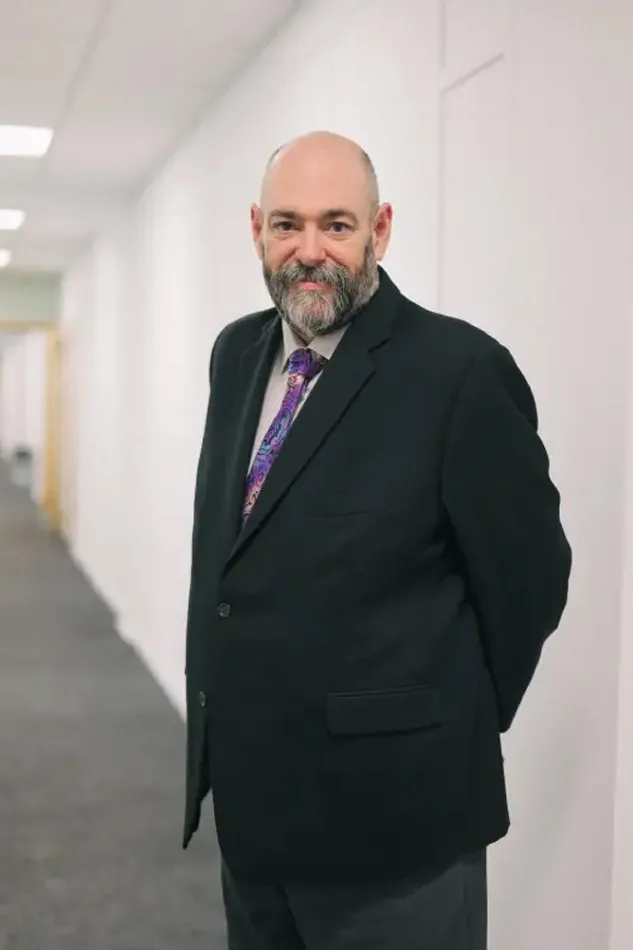
As NHS restructuring ripples through Dorset, dedicated staff faced with confusion and exhaustion are choosing to walk away, writes Jon Sloper
Since the March 2025 announcement of the dissolution of NHS England and the restructuring of Integrated Care Boards – including our own NHS Dorset – many staff have been left in a painful and uncertain position about their roles and their futures. Unclear and shifting deadlines have compounded the trauma of consultation and redundancy processes. So-called “voluntary” redundancies have been offered, yet further job losses are still required. Unknown and shifting deadlines for decisions have compounded the trauma of consultation and redundancy processes. “Voluntary” redundancies have been offered, but further losses are still required. New roles have been presented that existing staff must apply for if they wish to remain in the NHS. However, these roles do not clearly match existing ones, and the new working structures are still under development. Confusion and distress are widespread. At the heart of it all is the sense that years of hard work and commitment can be tossed aside without any apparent consideration. Personal dedication and team commitments have no place in the plan for a – as yet unclear – new model of work. Instead there is a cliff edge as current arrangements end, and at best a poorly fitting parachute into the next phase.
Taking their knowledge HR colleagues and senior managers are also caught in this process, trying to fix the unfixable, explain the inexplicable and implement this mandated redundancy process with as much kindness and empathy as possible – while also being insecure in their own employment. On Radio 4’s Today programme on 25th March, Health Minister Wes Streeting described some senior leadership redundancies as ‘weeding out people who perform poorly in their jobs’. In my experience, not only is that inhuman and insulting, but it is quite the opposite of what is happening. Dozens of dedicated people who have given years of passionate service and supported communities in countless ways are choosing to leave from a place of exhaustion and heartbreak. They are stepping away where they can – and taking their expertise, knowledge and compassion with them.Meanwhile, those who remain are expected to continue delivering a health service that meets rising demand and perpetually shifting political priorities. At times, this is simply too much. Over recent months I have listened to colleagues in tears, frustrated and overwhelmed by uncertainty and hurt by what feels like disregard for their work. Their identity, rooted in a culture of public service, is shaken. For many, redundancy comes at a time of rising living costs and growing financial pressure. The personal toll is heavy. Help and Kindness was, in part, born out of Dorset’s local government reorganisation in 2019, when two unitary authorities replaced the county and district councils. We hoped that if change came again, we could offer support and connection – helping provide continuity as roles shift, people move on and systems are rebuilt. We work closely with hundreds of people in our public sector organisations and are doing all we can to offer our compassion and solidarity as they navigate their way through these times of unprecedented change. We work closely with hundreds of people across our public sector organisations and are doing all we can to offer compassion and solidarity as they navigate this period of upheaval. As these changes continue, kindness and understanding will not alter the outcomes, but they will matter deeply to those living through them. Many are facing the loss of both their jobs and their sense of identity. We send them our love, our gratitude and our kindness. helpandkindness.co.uk
When Jeremy Clarkson’s Farmers’ Choir hit the Golden Buzzer, two Dorset voices were at the heart of a performance carrying more than harmony
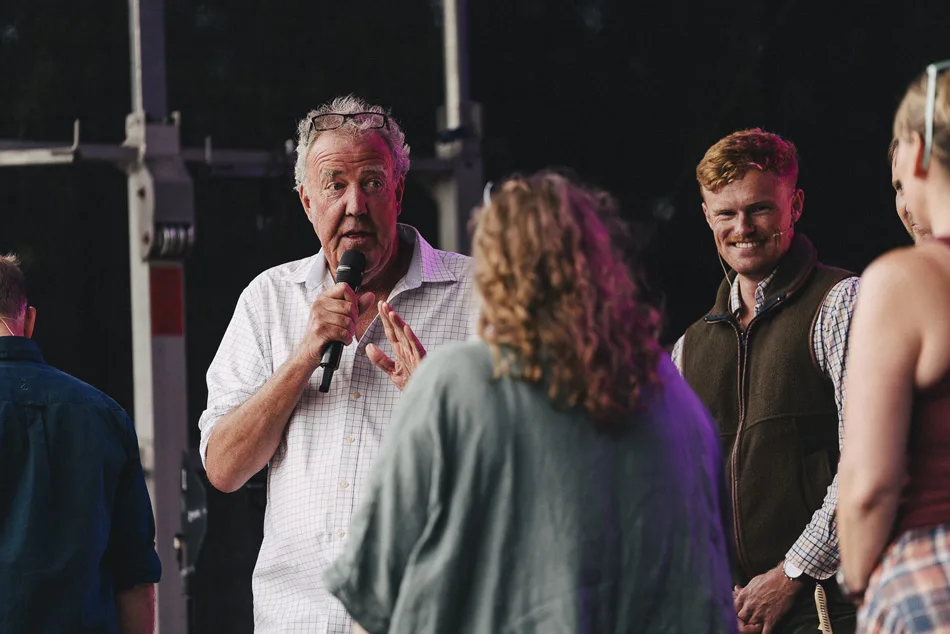
Ben Chick behind Jeremy Clarkson at a choir rehearsal
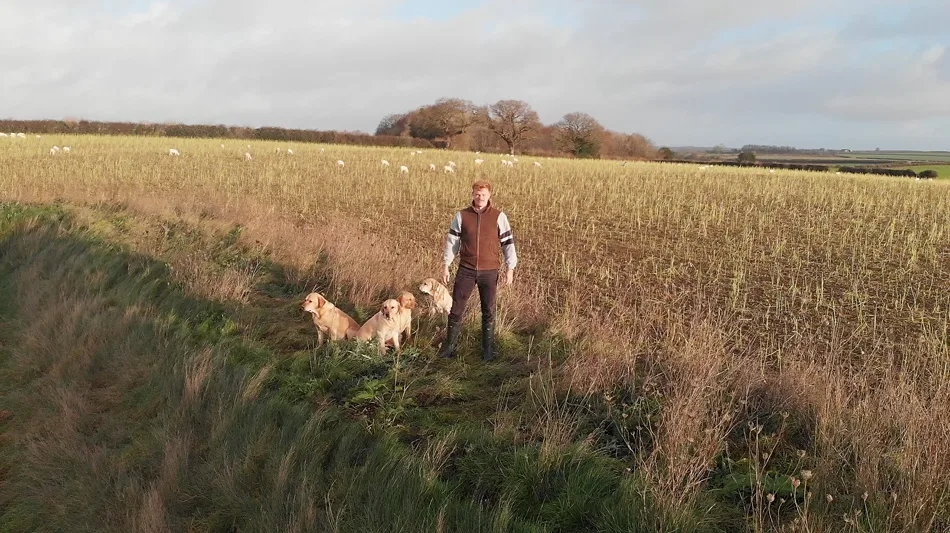
The Hawkstone Farmers’ Choir caused a sensation on Britain’s Got Talent recently. Their singing was so good that a tearful Amanda Holden pressed the Golden Buzzer, giving them an automatic pass to the talent show semi-finals. Within the choir were two farmers from Dorset, Ben Chick and Ellie Maguire. Twenty-seven-year-old Ben farms at Sixpenny Handley and applied to get involved in the choir set up by Jeremy Clarkson. ‘There was an advert for a farming choir,’ he says. ‘When I saw it I jumped at the chance. We all had to record a video of us singing for a minute, so I went up into one of the fields with four yellow Labradors and sang. There were more than 500 applications, so I felt very privileged when they emailed me back to say I had been chosen. ‘I have always loved music. I was in the choir at Clayesmore and was head chorister, I had a Grade 8 scholarship, as I play several instruments. It’s very much in my DNA, but I hadn’t sung for several years. ‘A couple of years ago I got chronic fatigue, which is a bit like long Covid. I still have it now, but singing is really good for that because it stimulates your vagus nerve. It also stimulates your endorphins, so you get that dopamine release and it makes you feel really good, especially when you are with other people in a group. It has been an amazing way to meet up and offload. It has been really helpful to me mentally. Because I’m musical and love harmonies, the feeling of being in a choir when it sounds amazing is just a really cool experience.’
The Hawkstone Farmers’ Choir The Farmers’ Choir was set up by Jeremy Clarkson and includes people involved with farming from all over Britain, people who share a connection to agriculture and a love of singing. About 40 members were chosen. It’s not just farmers, others, including an entomologist and a seed merchant, represent various aspects of the agricultural industry. They first gathered at Jeremy Clarkson’s pub, The Farmer’s Dog, to record playful promotional jingles which have since appeared on social media. Some of these jingles have become known for their rather sweary content and, as a consequence, many have been banned from mainstream broadcasting channels. Ben was among the farmers who recorded those first songs. ‘That was the first thing we did. Jeremy came up with some lyrics with someone else – they must have had a pint or two while writing them, but it was absolutely hilarious. It was totally stupid, but brilliant – and it’s very clever marketing.’
For his audition, Sixpenny Handley farmer Ben Chick ‘went up into one of the fields with four yellow Labradors and sang’
Britain’s Got Talent The choir was selected to audition at the Birmingham Hippodrome on 3rd October last year,but it wasn’t until 21st March that thousands of viewers saw the performance on television. ‘We only had two rehearsals before the Britain’s Got Talent audition,’ Ben says. ‘Going on to the show was an amazing experience. We’re from all necks of the woods. I’m the youngest at 27 and I think the oldest is 74. This is the biggest thing we’ve ever done. It was quite a long day waiting around, and we got our slot around 4pm. ‘There was just so much energy in the room, everyone was so excited.’ For the choir members, it’s about more than just singing: it’s about representing their industry at a time when it is under the greatest pressure. ‘It means such a lot to us,’ says Ben. ‘We are not just another choir. We are representing British agriculture. I’ve lost people I know in agriculture to suicide. A lot of us in the choir have our own stories, and the choir has meant different things to everyone. When we come together and represent the industry, especially in the difficult time currently, it’s a real privilege. At the end of it, the place was electric.’ The judges on the day were Amanda Holden, Alesha Dixon, KSI and special guest judge Stacey Solomon. The choir sang the uplifting anthem ‘One Day Like This’ by Elbow and so impressed the judges that Amanda Holden instantly thumped the Golden Buzzer– the Farmers’ Choir had an automatic pass to the semi-finals. ‘We were all thinking we have a great story and we’re quite good … and then that happened. It was incredible. We were all hugging. I’m the one in the back jumping around like a ninja.’ Ellie Maguire, who lives near Sherborne, was also selected to sing in the choir: ‘From the minute we came together as a choir we knew it was something special,’ she wrote on social media. ‘What started out as some fun adverts is becoming something truly magic. We are all singing our hearts out so that rural communities can be heard. ‘It was unbelievable that we were there and when we got the Golden Buzzer I just lost it. I couldn’t contain the tears – it felt that we really were being seen.’
What Happens Next Ben and the other farmers are naturally looking forward to progressing: ‘The next stage is the semi-finals, and we have some rehearsals coming up soon,’ says Ben. ‘What has been special is the whole ‘coming togetherness’ and the community feel of it all. We are genuinely one big family. The opportunity for us to do this has been magical. It has been a revelation for people to offload the daily struggles, meet like-minded people and sing together.’ The choir was created to support mental health within the farming community. ‘If we win, we’ll be donating the money to charity,’ says Ben. ‘There has never been a more perfect time to support farming. It has been really difficult and I hope this resonates with the public.’
Britain’s Got Talent continues Saturdays at 7pm on ITV1and ITVX.
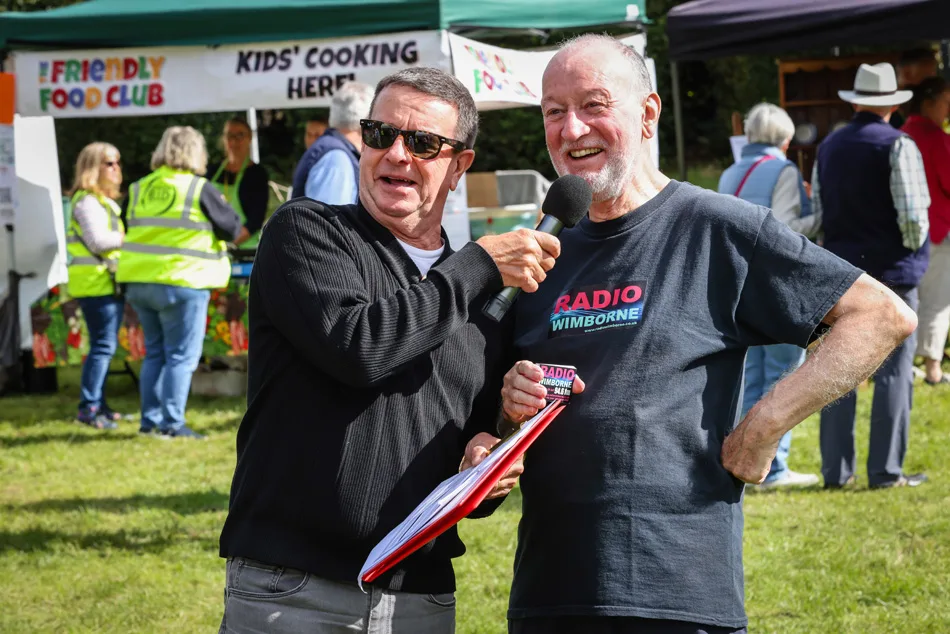
Wimborne Minster’s volunteer-run community radio station faces an uncertain future after being told by Dorset Council that it must vacate its studio premises. On 26th March, the not-for-profit Radio Wimborne was told by its landlord that the building was required for a youth project. While the radio station supports initiatives for young people, it is concerned that no detailed plans or confirmation of funding for the proposed use have been published.
The initial notice gave the station just two weeks to leave. Following vocal and widespread public support on social media – and with supporters out in force to attend a Wimborne Minster Town Council meeting on 31st March – Dorset Council has granted a three-month extension. This allows the station, which broadcasts 24 hours a day, to continue broadcasting from its base at Allenview Hub until the end of June, while it searches for a new home. Jan Britten, Dorset Council’s Executive Director for Place, publicly apologised for the short notice, describing it as ‘premature’ and stressing that the council had no intention of making the station ‘homeless’. The council has explained that although Radio Wimborne’s licence to occupy (Tenancy at Will) does not require the council to provide notice, it has agreed a three-month extension ‘to support an orderly move to suitable alternative accommodation.’ While welcoming the extension, the station has warned that a 12-week timeframe still presents significant challenges. Its broadcasting licence depends on access to suitable studio facilities, adding further pressure to secure appropriate accommodation within a short period.
A vital ingredient Founded in 2004 by local businessman Malcolm Angel, Radio Wimborne began as an online station before expanding to FM and later DAB, extending its reach across north Poole to the Purbeck area. ‘Only this week, the Culture Secretary announced increased support for local radio,’ said Mr Angel. ‘The council’s steps to evict Radio Wimborne seem totally at odds with government policy.’ Beyond its daily programming, Radio Wimborne plays a central role in the town’s cultural life. It provides a platform for local musicians, including live sessions showcasing emerging artists, and regularly supports community events with outside broadcasts and technical expertise. The station also works closely with local schools, offering work experience placements, including opportunities for students with special educational needs. Charities and community groups are supported through free Community Information Messages recorded and broadcast throughout the week. Local organisations, including Planet Wimborne, are supporting the radio station. Trustee Dr Neil Smith says: ‘We were shocked to hear Radio Wimborne might go off air. Over the past few years we have teamed up with Radio Wimborne to help us engage with local people about what we do and they have supported our annual Green Festivals. As keen supporters, we hope a successful solution can be found to keep them on air and promoting the town.’ Wimborne Drama’s chairman Gary Paine says: ‘It’s a vital ingredient in the make-up of the town. A huge hole would be left if Radio Wimborne was forced to vacate, especially with Wimborne celebrating its Town of Culture year.’ Tammy Sleet, manager of Wimborne BID, described the station as a key partner: ‘They help publicise our events, provide outside broadcasts and showcase local businesses on air. We’ve recently worked with them to give Wimborne businesses a regular on-air voice. Losing Radio Wimborne would be a huge blow to the town.’
Jan Britten, Dorset Council’s Executive Director for Place
Requests ignored? Dorset Council has linked the eviction to plans to refurbish the building for future youth provision. Since its opening, Radio Wimborne has been run from a small building in the West Car Park, behind the Allendale Centre, both of which are owned by Dorset Council. A youth cafe was set up at the Allendale Centre in 2019, but closed after only four months due to the lack of both volunteers and funding. Dorset Council’s sell-off of youth facilities across the county included a former youth café in Church Street, Wimborne, and funding was withdrawn from QE Leisure Centre. Radio Wimborne denies claims that it was informed last year by Dorset Council that the radio station building would be required for other uses. The station’s directors say that their application to Dorset Council for a Community Asset Transfer, along with a request to establish costs to purchase the building, has been ignored.In a statement, Dorset Council said it ‘recognises the valued contribution Radio Wimborne has made to the community’ and would ‘continue to engage with the station to support a smooth transition.’ In the mean time, Radio Wimborne says it will focus on securing a suitable new base and continuing its service to the local community.
In this open letter, Trevor Bailey, a long-standing rural development advocate, sets out his case that government policy is driving an unprecedented assault on rural England
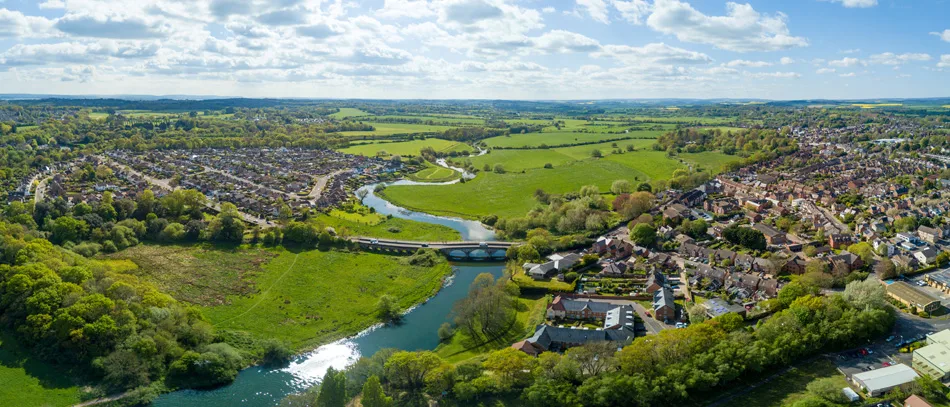
Aerial view of housing surrounding the Stour at Wimborne
In the village of Bourton, where I have lived for most of my life, two large-scale planning applications that seemed outlandish only months ago have now been approved on appeal. They were previously refused by Dorset Council, lie outside the Neighbourhood Plan boundaries, and were massively opposed by local residents. Together they will bring 80 new houses to one small village. The draft Local Plan proposes a further 125. Taken together, these developments would effectively double the population of Bourton. There is no indication that local infrastructure – school, surgery and care provisions – will expand to match, and the village is virtually without any public transport, the bus service having been withdrawn some time ago. Every village to be socially, economically and environmentally distorted without understanding or care; its history and its rooted families overwhelmed and swept away. This is not unique to Bourton. Similar experiences are increasingly being reported across rural areas. Do not imagine that the Neighbourhood Plans on which your community spent time and care will protect your village – they are increasingly being overridden. This bonanza for developers is only the beginning. We have seen development gradually erode the countryside for decades. Even before the government’s new policies, concrete and tarmac were spreading at a frightening rate – now the local authorities will have little say and local people will feel they have none. This may sound alarmist, but the planning system, in which we were supposed to have influence and trust, feels increasingly centralised, leaving villages and small communities feeling like helpless prey. In Bourton, after this precedent, it’s difficult not to see how every inch of land between the existing village and the A303 bypass will be up for grabs. The larger the settlement the more it is targeted for building – look at our nearest town, Gillingham, now several times the size it was when I first knew it, with enormous expansion currently in progress and much, much more to come. This is not about politics: I am not the least bit right wing in my feelings, and I am not a member of any political party. I have, though, spent most of my life working for rural communities in a variety of ways, promoting the economic health of villages, helping small communities plan their futures and providing a voice for country people. This is not conservatism. It is about love of both the country and the way that we live in it.
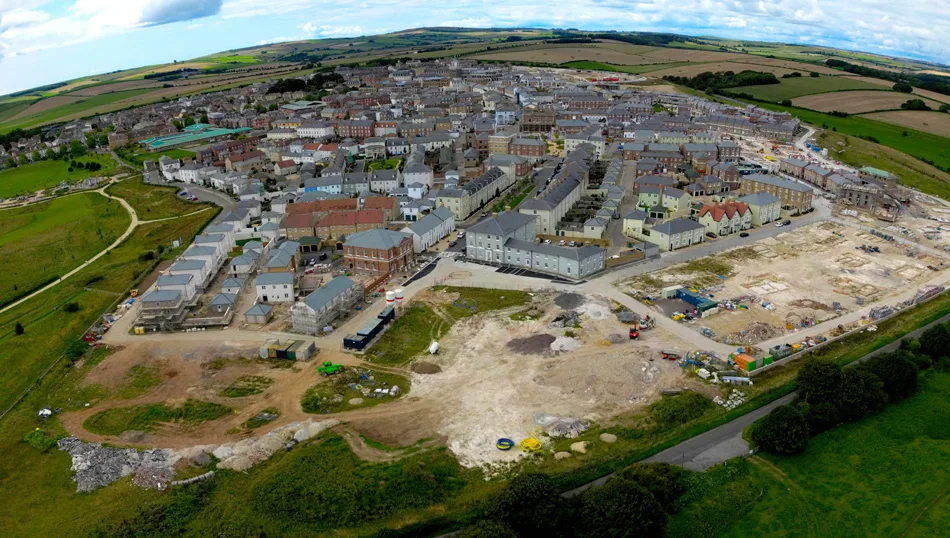
Poundbury housing development in Dorchester
Et tu, Labour I would have hoped for something less destructive from a Labour government, which is supposed to be concerned with social values rather than feeding the profits of ruthless capitalists. A return to the provision of modest amounts of publicly-owned low rent housing for those who cannot afford to buy would have been genuinely welcome. But no. We are faced with a government that thinks urbanisation is the very definition of progress. The countryside is, apparently, ‘unused open space’ that is the easy place to build. And what do we get? A mass of expensive houses for people who already have houses (and money to buy houses), with very little for those in genuine need. Every village to be socially, economically and environmentally distorted without understanding or care, its history overwhelmed and swept away. In reality, of course, there are brownfield sites and empty buildings available throughout the cities. How many massive former department stores can now be found, unused for years and ripe for conversion into housing? How many industrial sites irrelevant to the modern economy? But no, they do not offer maximum profits. Green fields do. There are also many planning permissions already granted but not yet built. Doing nothing allows land to become an appreciating commodity. Meanwhile, more greenfield sites are released.
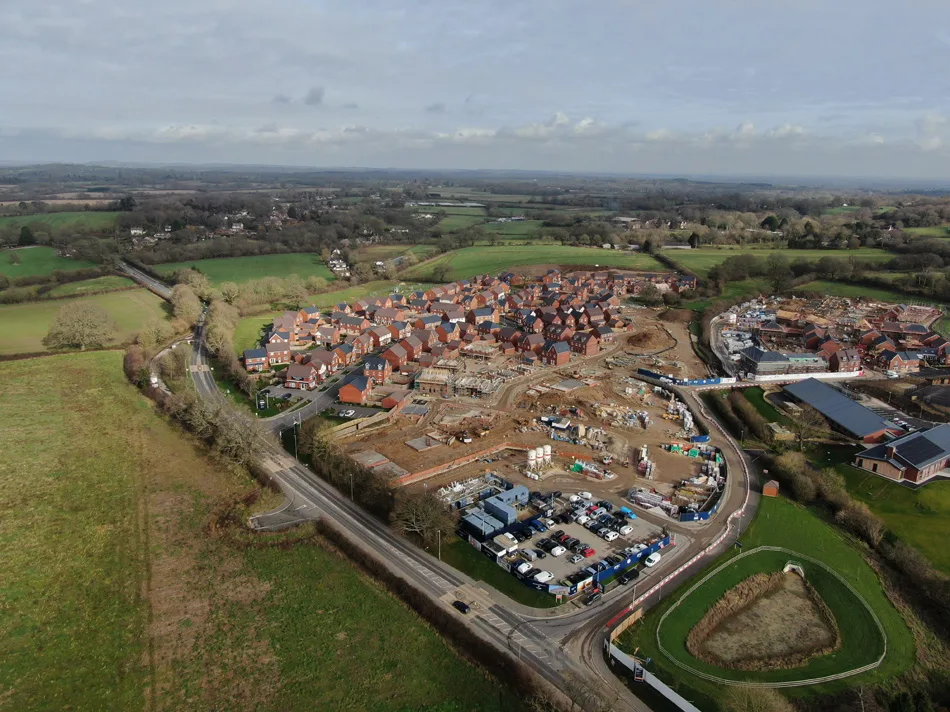
aerial view new housing being built on the outskirts of Wimborne Minister
More than houses There is something else. We need more food not less. The UK has a population approaching 70 million, and increasing. We already import nearly half the food that we eat, costing more than £64 billion in 2024. At a time when there is a more unsettled international situation than most of us have ever seen, that makes us deeply vulnerable. Meanwhile, many farmers feel the government is penalising our already beleaguered family farms. And we cannot grow more food by destroying productive land on a grand scale. The destruction is not just about housing: huge acreages of land are being converted into power stations for the cities. Government permission has already been given for solar installations to cover miles of some of the most fertile land in the country. Yes, we have to generate energy sustainably. But look out over any city – it is one vast roofscape. Why are those roofs not covered in solar panels? Why are those huge tower blocks not covered in solar panels? Why are the great rivers that pass through our cities not used to generate electricity? The technology has long been tried and tested. If, as the CPRE has repeatedly urged, industrial and commercial buildings had to have their roofs covered with solar panels, that would be a vast acreage. Think of all those enormous warehouses, factories, office buildings, retail premises and car parks. There is no reason at all why energy cannot be generated where it is mostly consumed: in the cities. It is time that urban Britain both stopped consuming such a disproportionate share of the country’s resources and also became a bit more self-sufficient.
Fight But no. The countryside is ‘just open space’ – that is where you can pop all the life support systems that the cities want. How on earth were environmental concerns allowed to become an enemy to the health and magnificence of rural Britain? How can the destruction of the countryside be seen as sustainability? I fear there is going to be destruction in rural areas on a scale that we have not seen before. And it will set precedents that should horrify anyone who finds in the countryside something vital. This has begun to feel like a war against the countryside, small communities, farming and food production … and against beauty. If you love the country and our rural life, besiege government ministers, MPs, councillors and media. Rural counties must combine and be heard. Fight like hell.
I came to the slightly surreal realisation this week that we now live in a world where we don’t believe a word the President of the United States says. And it’s not just an American problem – believing and trusting the ‘decision makers’ feels like a big ask right now. We’ve looked at the proposed fire station closures this month – you won’t have missed the headlines, but we wanted to get into the detail. This is one of our emergency services: what is actually being decided is what happens to some of us when something goes wrong and help is further away than it used to be. These decisions rest on data, so when the Fire Brigades Union suggests that the data may already be out of date, it raises a simple question: are we comfortable with what we’re basing this important decision on? In the history section, there’s a photo essay on Sydling St Nicholas in 1947 (one of my favourite features this month, p.64). A photographer captured people going about their day – just a village, being itself – and I find the images oddly moving. They show an unremarkable, deeply rooted way of life. It’s what gives Dorset its shape. Its identity and its memory. And it’s the ever-increasing loss of this very thing that is at the heart of Trevor Bailey’s open letter (p.15). He talks about how government policy is driving an unprecedented assault on rural England – and it’s difficult to ignore the sense that something is shifting. Across the county, communities are increasingly angry that decisions are being made about places, rather than with them. Decision making is much easier if you look at data sets and not at lives being lived. None of this is simple. Dorset isn’t a museum piece, and it shouldn’t be. Villages change. Towns grow. They always have. But there’s a difference between change you choose and change that arrives unwanted, without explanation. And that difference comes down to whether you trust how those decisions are being made. Wishing all our readers a very happy Easter weekend – we’re not immune to choosing change ourselves …
Laura x
On Ukrainian refugee Olena But these are exactly the sort of people we need, yet we have so many that we don’t. They have integrated, they work, they are in education and they care for someone, saving the state from having to fork out. That’s actually making money for the country through taxes, while also saving money. I’d rather have this family in Dorset than a huge number of other people – even some of our own. These people are what it’s all about in a rural community. They integrate and they appreciate – that’s exactly what this country requires. Isn’t it odd how, in this country, the people who get the least help are often the ones who deserve it most? I guess they are easy prey to make examples of. Greg Korbutt, Facebook
I am privileged to know and have worked alongside Lilia, who is outstanding. A huge contribution to this country not only in work ethic but attitude, kindness and moral compass – exactly the kind of person you would want as a neighbour and to encourage to live here. This situation beggars belief and I am lost for words that they are facing this. The incompetence of our ability to process and apply common sense is staggering. Edward Morello please do your best. Lucy Chisholm, Facebook
On Dorset Council and its tax I recently received my Council Tax bill for the coming year. Of course, the inevitable rise. However, what appalled me most was the breakdown. While the various elements were in the region of 5%, the tax for East Stour showed a 26.2% increase over last year. In 2025, the increase was 15.4%. The £27 figure, while not significant in the overall scheme of things, showed an increase of about £25. After a wait of over an hour, Dorset Council returned my call, but no one in that office could give me an explanation of the local tax. In East Stour we seem to get nothing for our money, besides an efficient refuse collection. The drains are always overflowing and never cleaned, there is little street lighting and little in the way of footpaths, especially in the most dangerous areas of the village. This week, our once-a-week Post Office closes. We are continually exposed to speeding motorists, and nothing is done to deter them. In another neck of the woods, I wrote to Dorset Council regarding traffic lights at the junction of the A30, the site of repeated crashes over the years. I will return to this. Last October I wrote to Dorset Council with a simple request: ‘What is the amount that the Council spends on salaries and pensions?’ My initial letter was ignored until I wrote again, and the leader came back with a fudged answer. Eventually I wrote again and copied the letter to our MP. I did receive an answer from the Information Compliance Team, who told me that under the Freedom of Information Act they were to release the requested information to me. The figures show that the percentage contribution of the overall budget is 40% to salaries and 9% to pensions. At the same time I received my tax bill, the council sent out its newsletter. This purports to show how the Council spends its money. No specific reference is made to salaries and pensions. I would suggest that some economies are made by way of staff reductions. The first could be the Accident Prevention Officer, who did not reply to me directly regarding the A30. After my second letter to Simon Hoare, he wrote back to him. Mr Hoare forwarded his reply to me. The Accident Prevention Officer advised us that there would be no consideration of traffic lights at the A30 crossroads until a fatality occurred. I suggest he reads his job description. I could go on, ad nauseam. Jeremy Bloomfield, East Stour
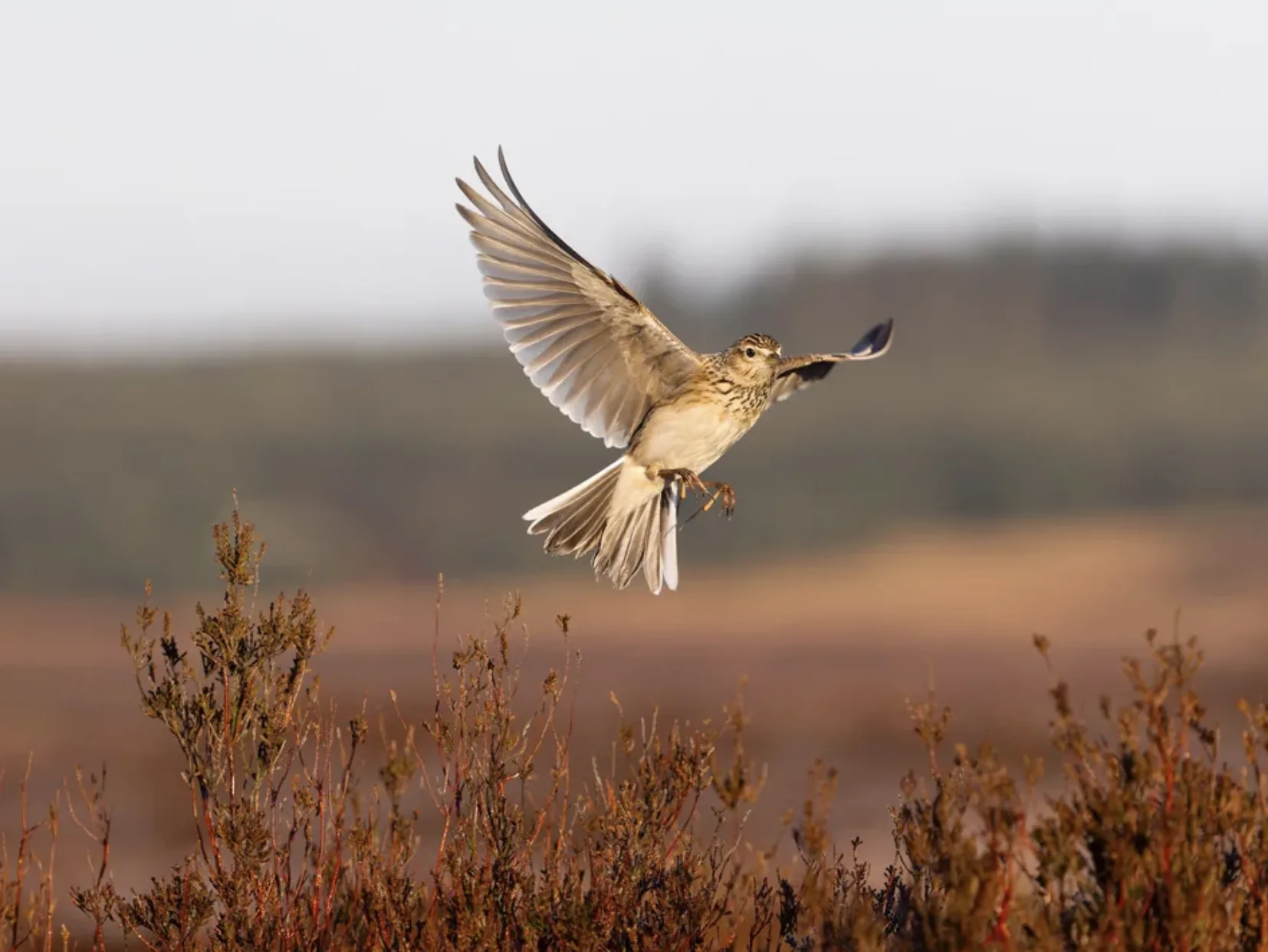
The skylark (Alaudala arvensis) – famed for its soaring songflight, the male skylark delivers a fast, complex cascade. Victorians estimated the birds’ songflight to be at 600m (2,000ft), but in reality most birds sing from around 50m and few ever go beyond 200m (650ft). The average display lasts just over two minutes, but some have continued for half an hour
On the skylark [Jane Adams’ account of] the skylark at Badbury Rings was very moving. Yes, I recall being chilled to the marrow at Badbury Rings in late winter too – sometimes at point-to-point race meetings. Also reminded of George Meredith’s poem ‘The Lark Ascending’ which inspired Ralph Vaughan Williams’ exquisite tone poem: ‘He rises and begins to round, He drops the silver chain of sound Of many links without a break, In chirrup, whistle, slur and shake, … Jonathan Pullen, Facebook
On Roundup and the road ahead The trouble is that glyphosate breaks down into AMPA in the environment. This can cross the blood-brain barrier and cause seizures. Additionally we don’t know is what else it is really doing in the body. The evidence is mounting. Glyphosate was designed to be a weedkiller not a desiccator. Since it was first used extensively in the 1970s the health of people in general has declined, including increased numbers of people with gluten intolerance or similar. More recently it has been used as a desiccator on oil seed rape and grains etc prior to harvest because the contractors need to be able to plan which farm/field they are going to cut next. It is all part of producing cheaper food. We have no real idea of the long term effects on people health of this usage. Jo Nash
On are we wasting our time? – Dorset Insider Great article, but incredibly depressing. This and previous governments of this country and, by association, county councils, have abdicated responsibility for building houses to people whose only purpose is to make a profit. That in itself is not a crime and of course creates work, but when what you’re trying to achieve is a necessary social enhancement to people’s lives – a right to have a roof over your head – profit cannot always be front and centre. I grew up in a council house. Our road was full of ordinary families of every shape, size, colour and creed, bringing up their families. The house is of course no longer a council house, but when it was sold in 1988, it wasn’t replaced with alternative stock. I hate that word for homes: “stock”. It dehumanises what that house was and still is. A home. Remember Town Planning? Not just houses, but parks, doctors, churches, schools, shops … Now it’s just houses and a contribution to the CIL which, if you’re lucky, might provide infrastructure or it might end up being used to repair the Twin Sails bridge in Poole or Rockley Pier. It seems to me there is a great deal of talk about Local Plans, but there are no plans – just numerical targets. The look and feel, the sense of community are all irrelevant. The need is irrelevant. It’s just numbers. Everywhere you drive, characterless orange brick new building estates … or should I call them collections of houses, built in the middle of nowhere, where there is no work, no infrastructure. Are we building for a housing need or simply to keep people and supply chains in work? There is no plan. Just numbers. Steve McMaster
Want to reply? Read something you feel needs commenting on? Our postbag is open! Please send emails to [email protected]. When writing, please include your full name and address; we will not print this, but do require it.
Welcome to April’s BV – where fire station closures meet the farmers’ Golden Buzzer moment, Radio Wimborne fights for its future and Jess Rimmer takes us back between the flags.
We revisit Sydling St Nicholas in 1947, hear the arguments shaping local politics and keep a close eye on what’s happening across our towns and villages.
There’s wildlife, history, farming, opinions and, as ever, photography that makes you stop scrolling and just look. All of it completely free.
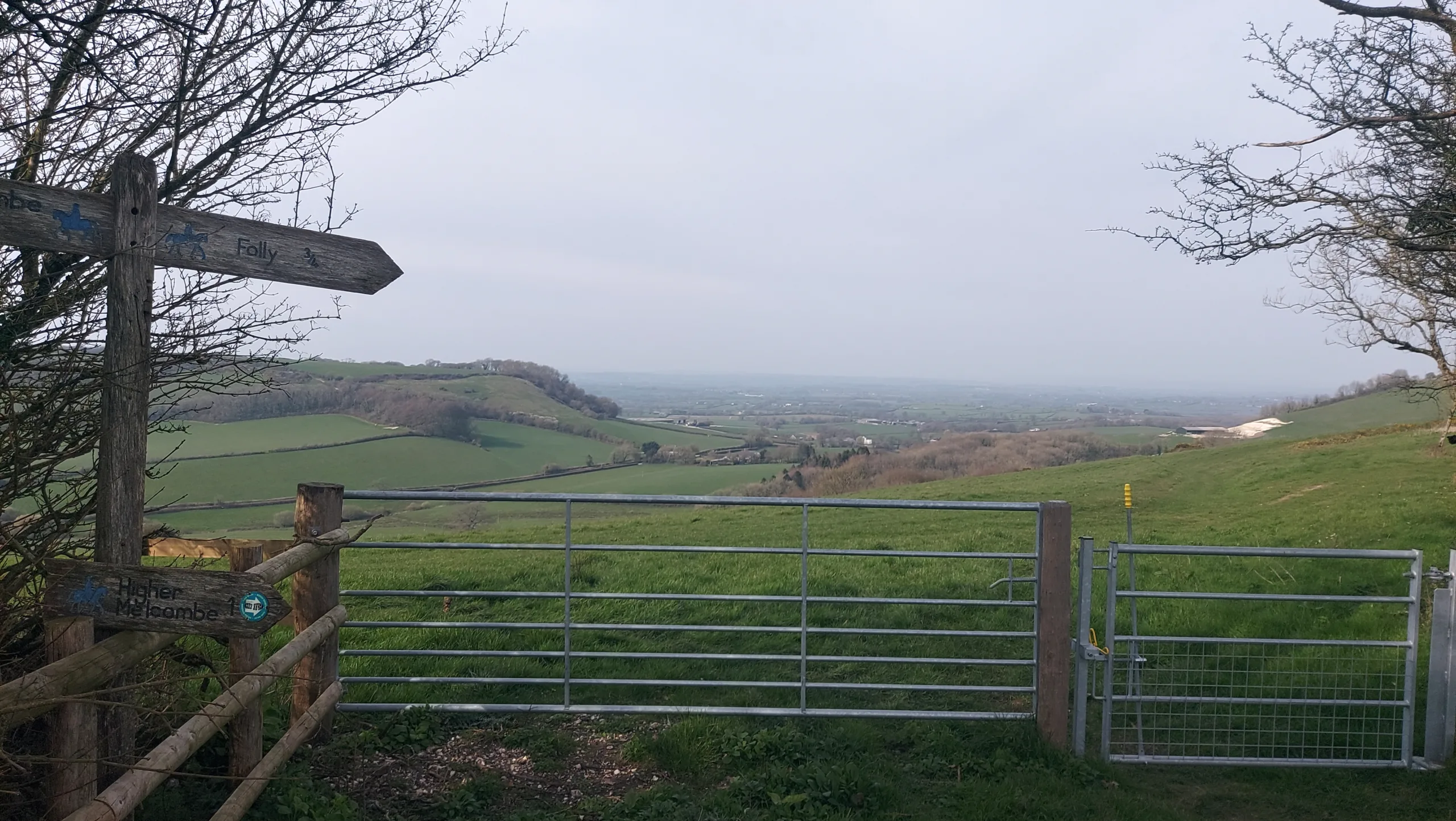
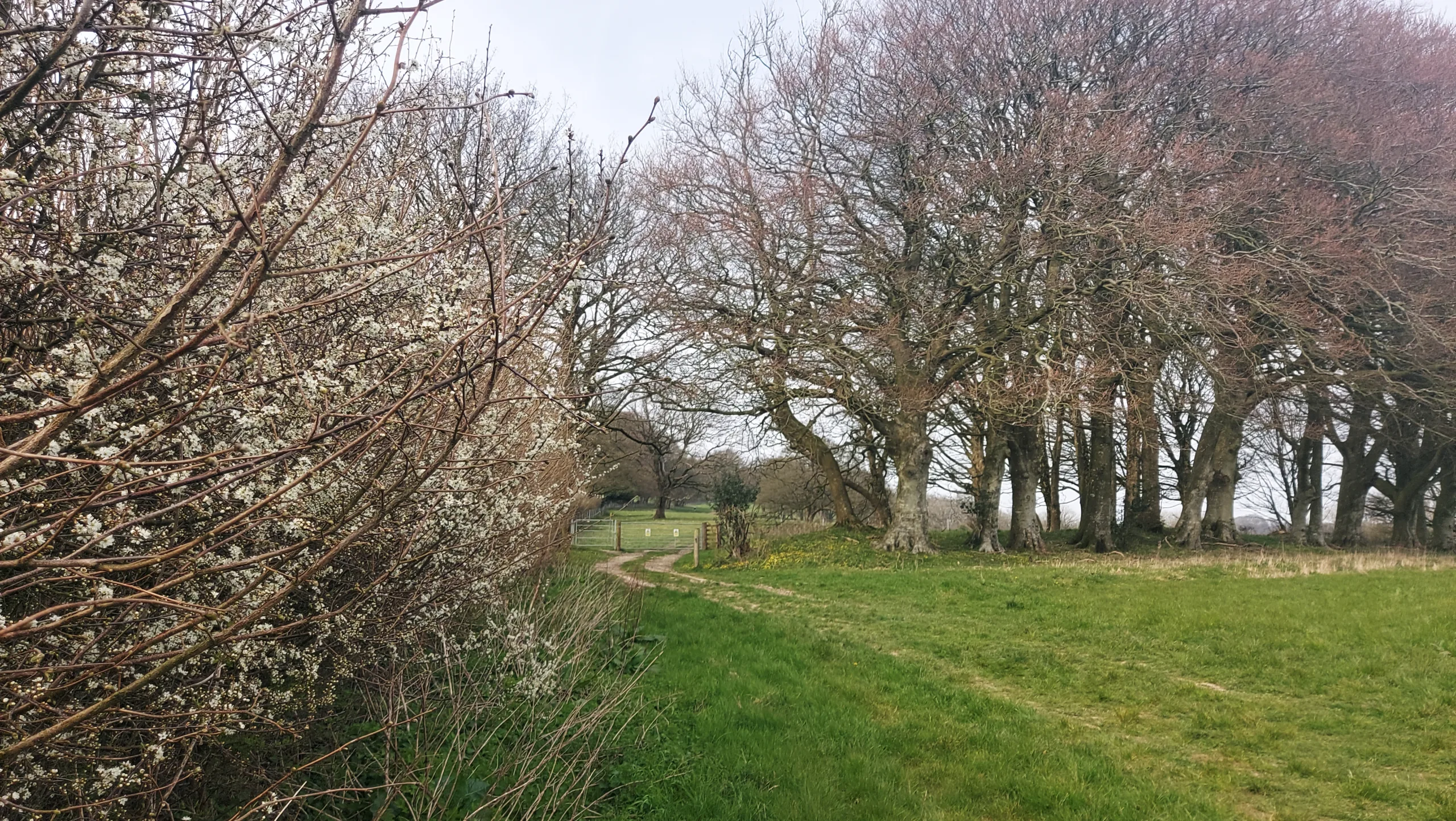
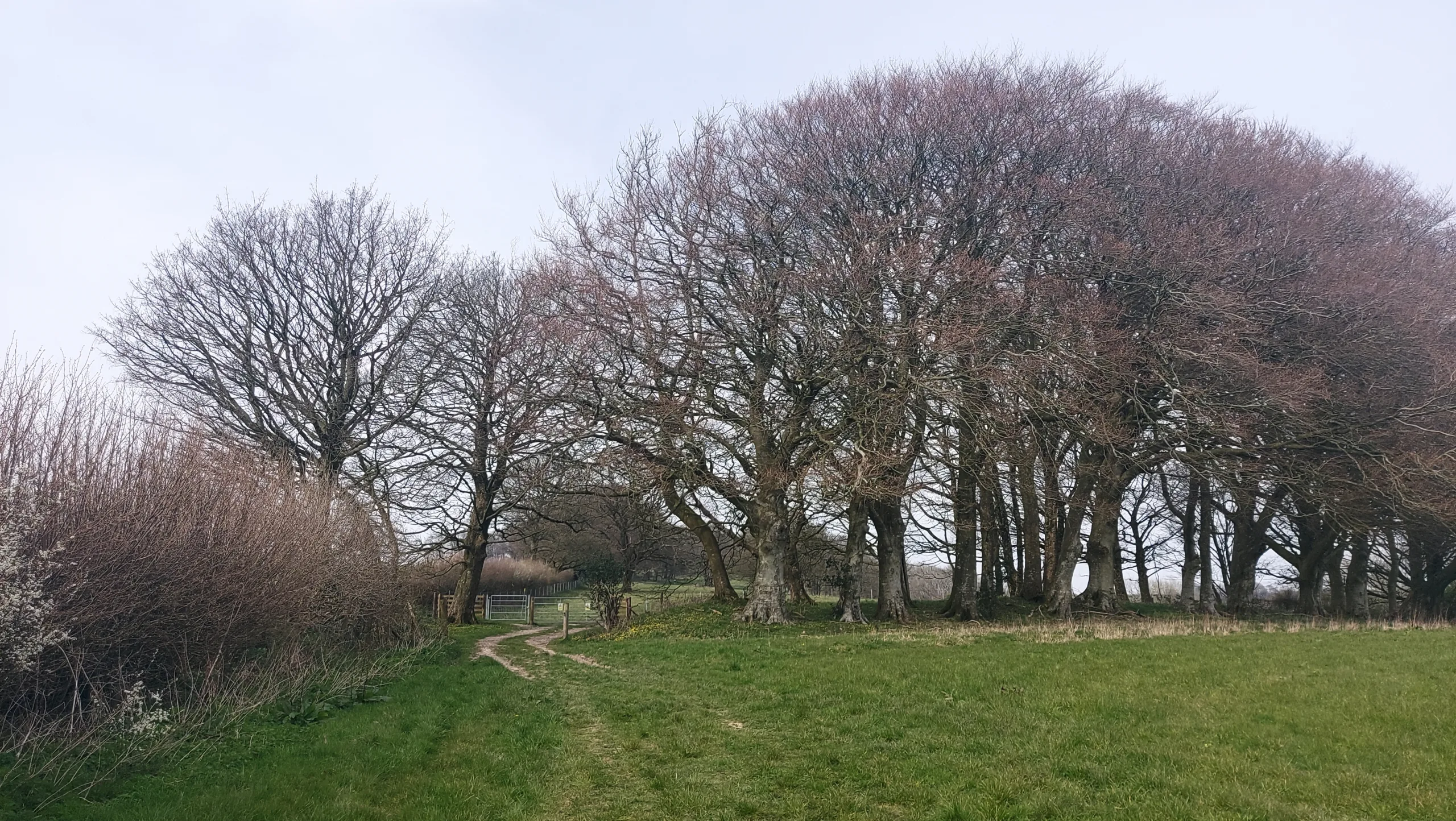
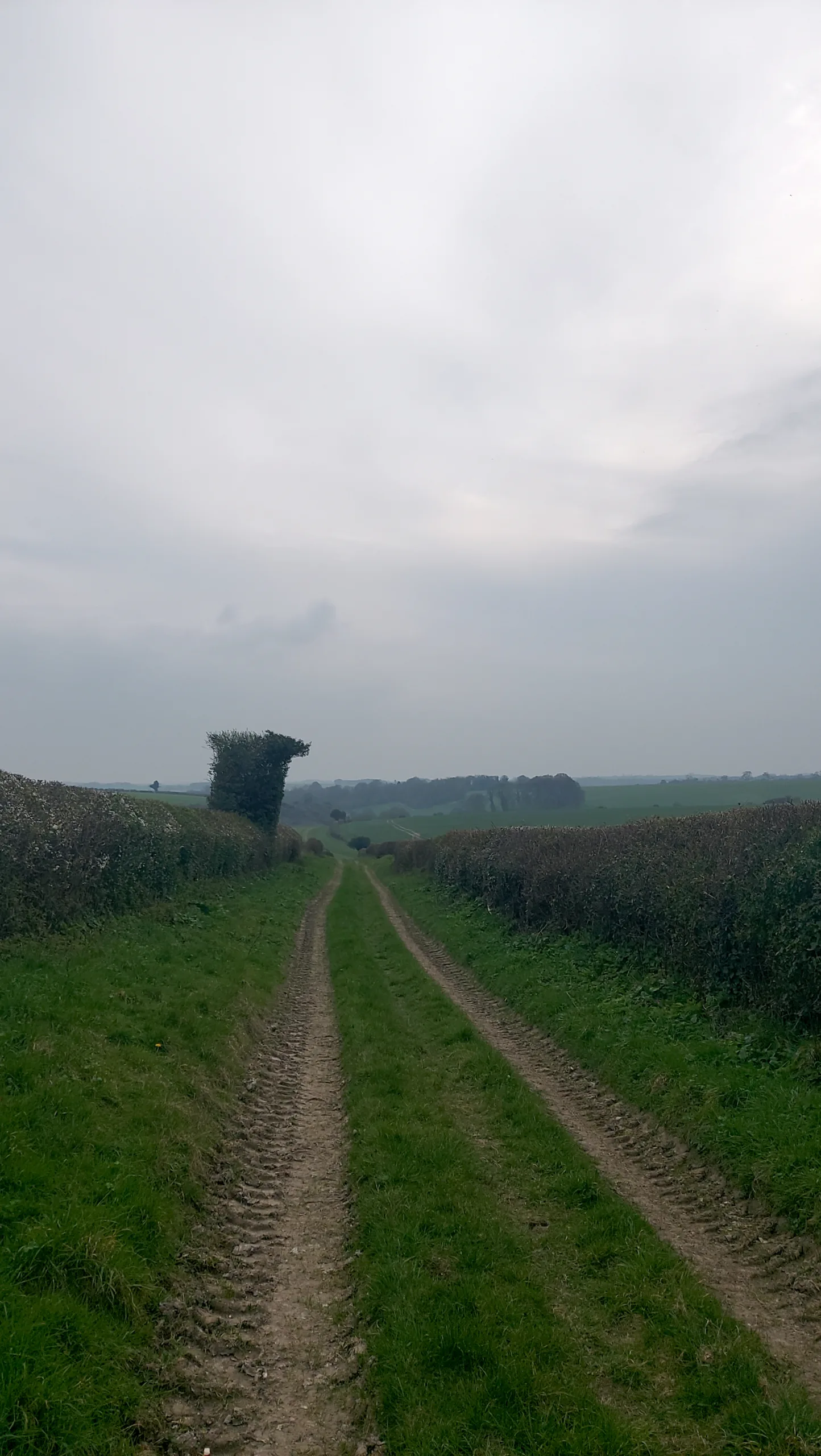
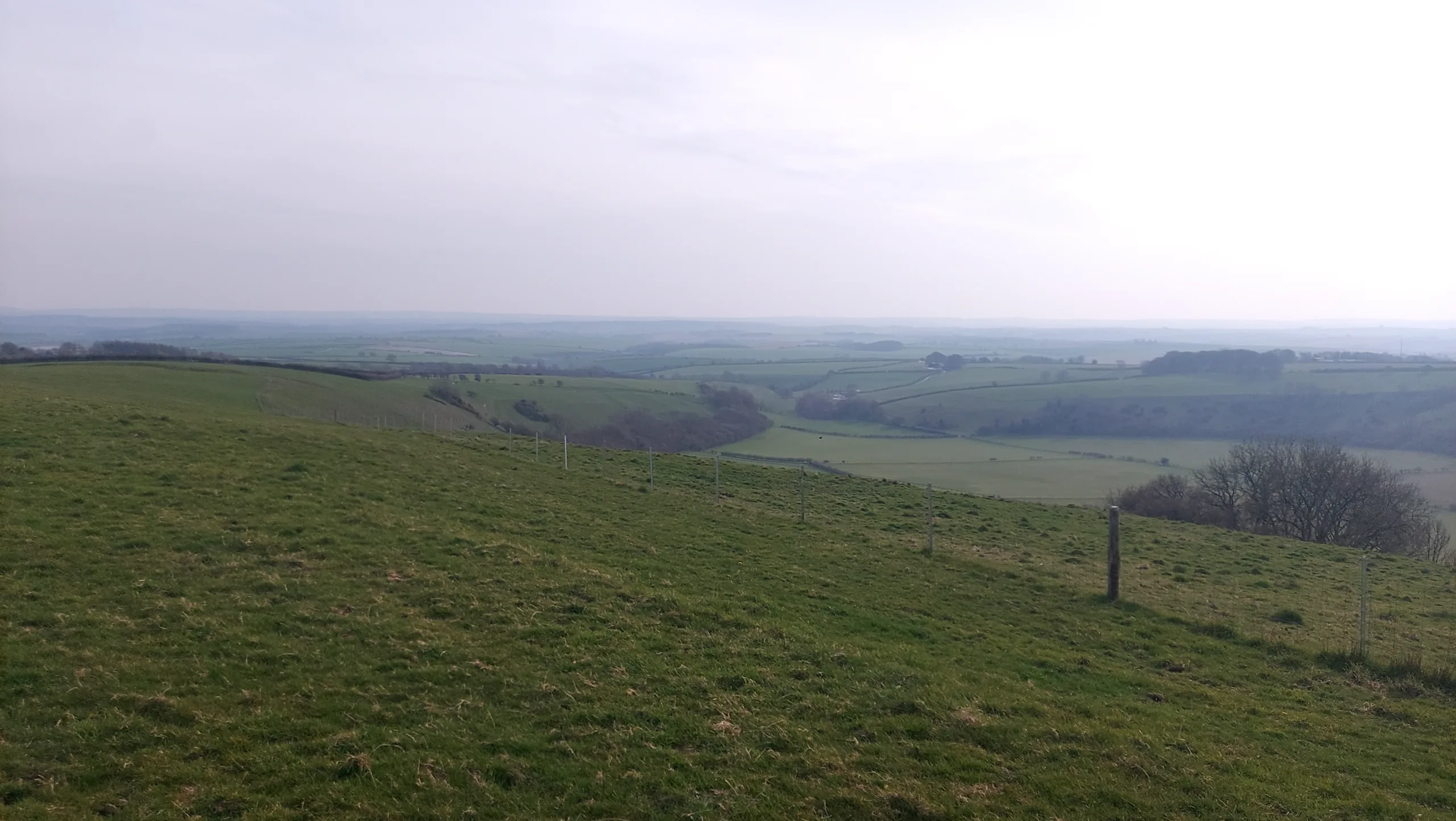
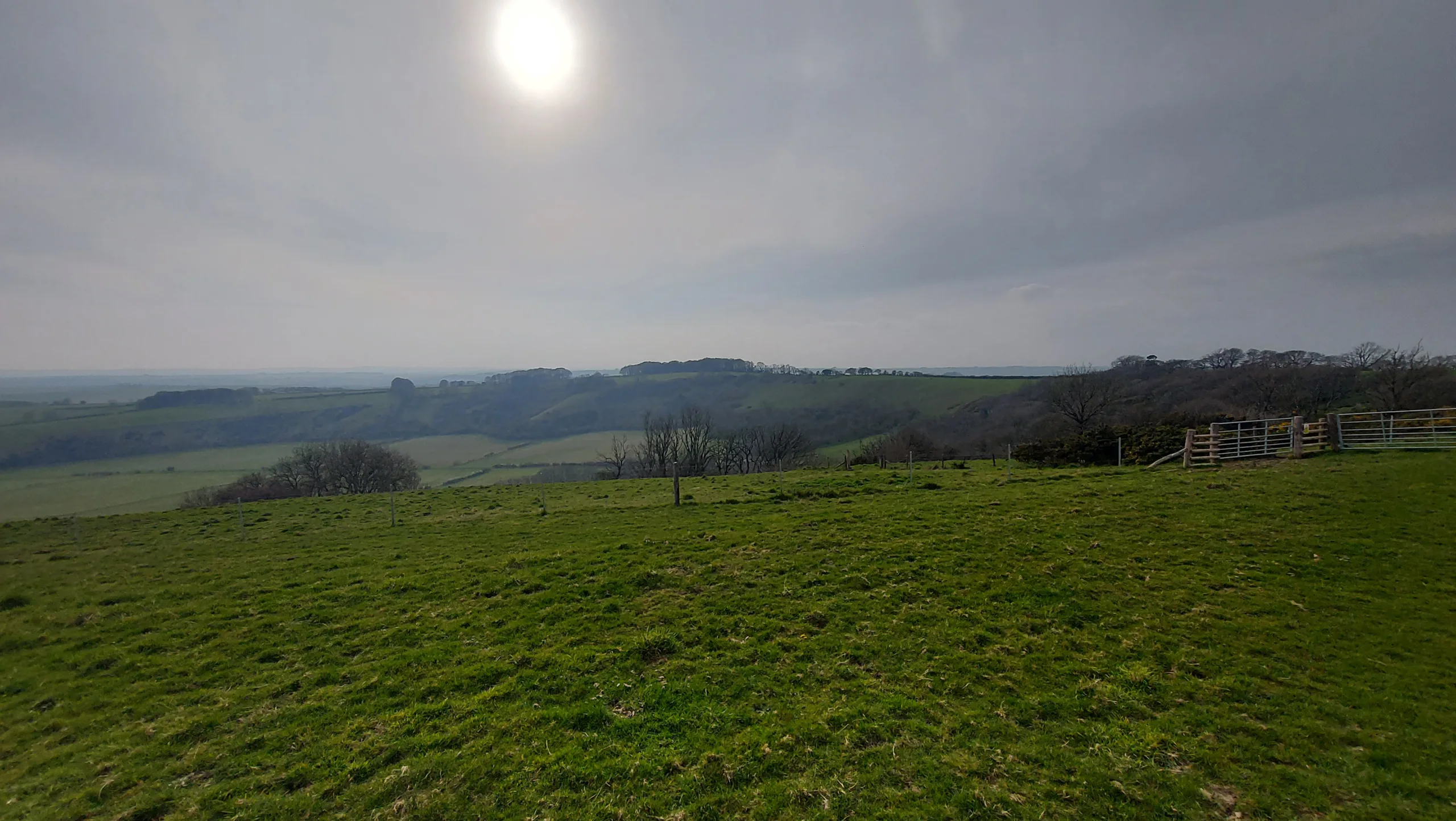
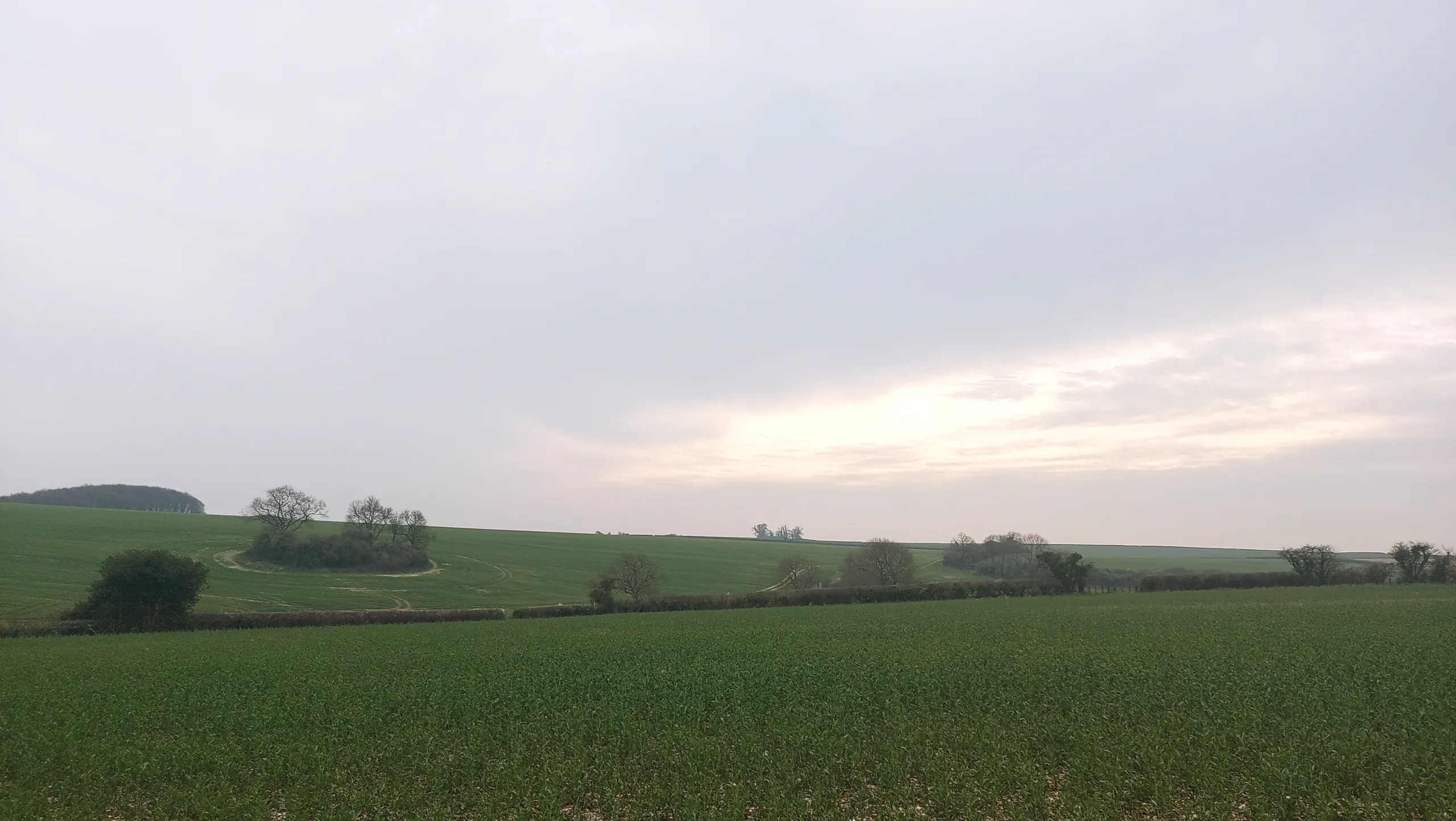
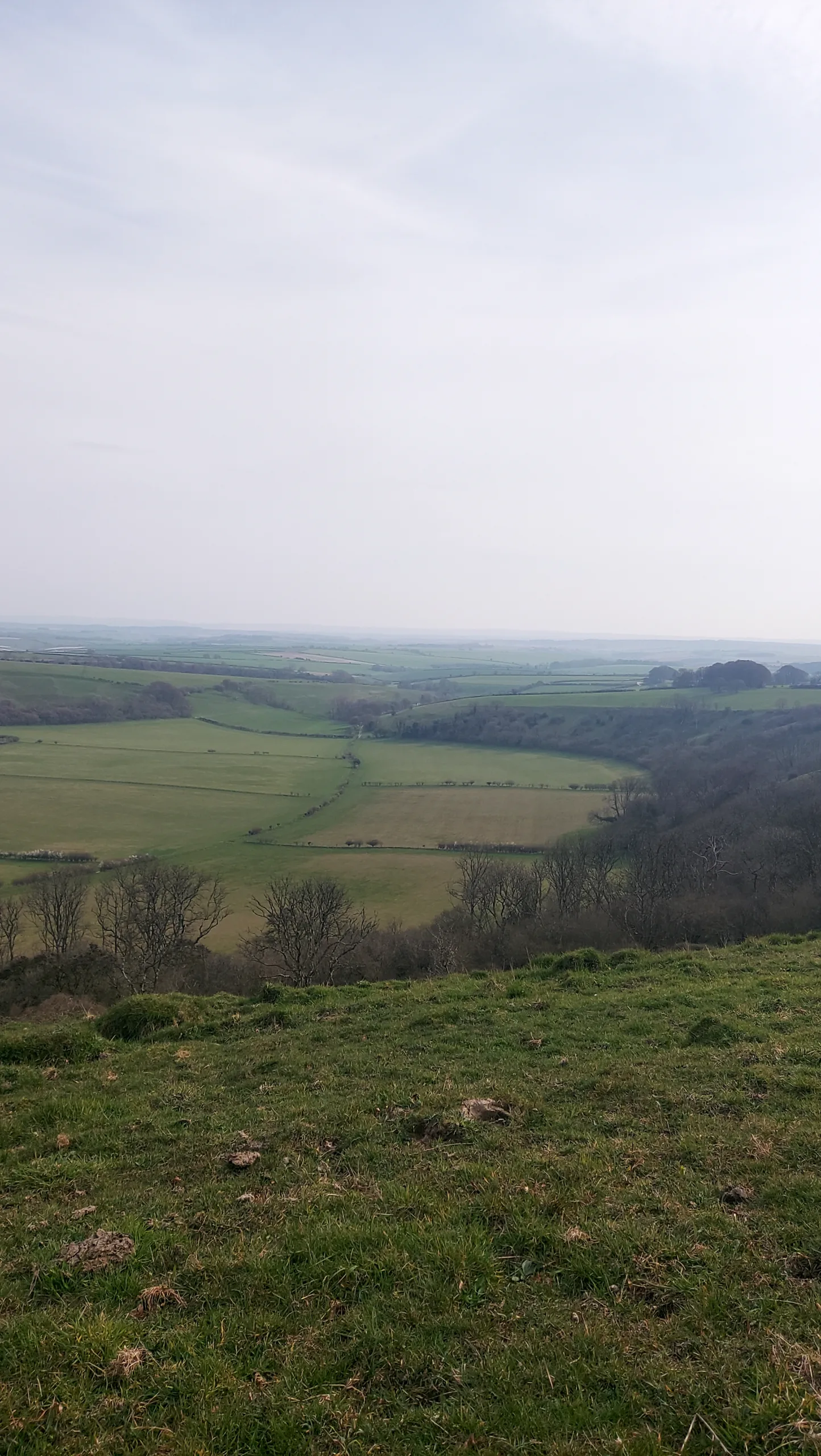
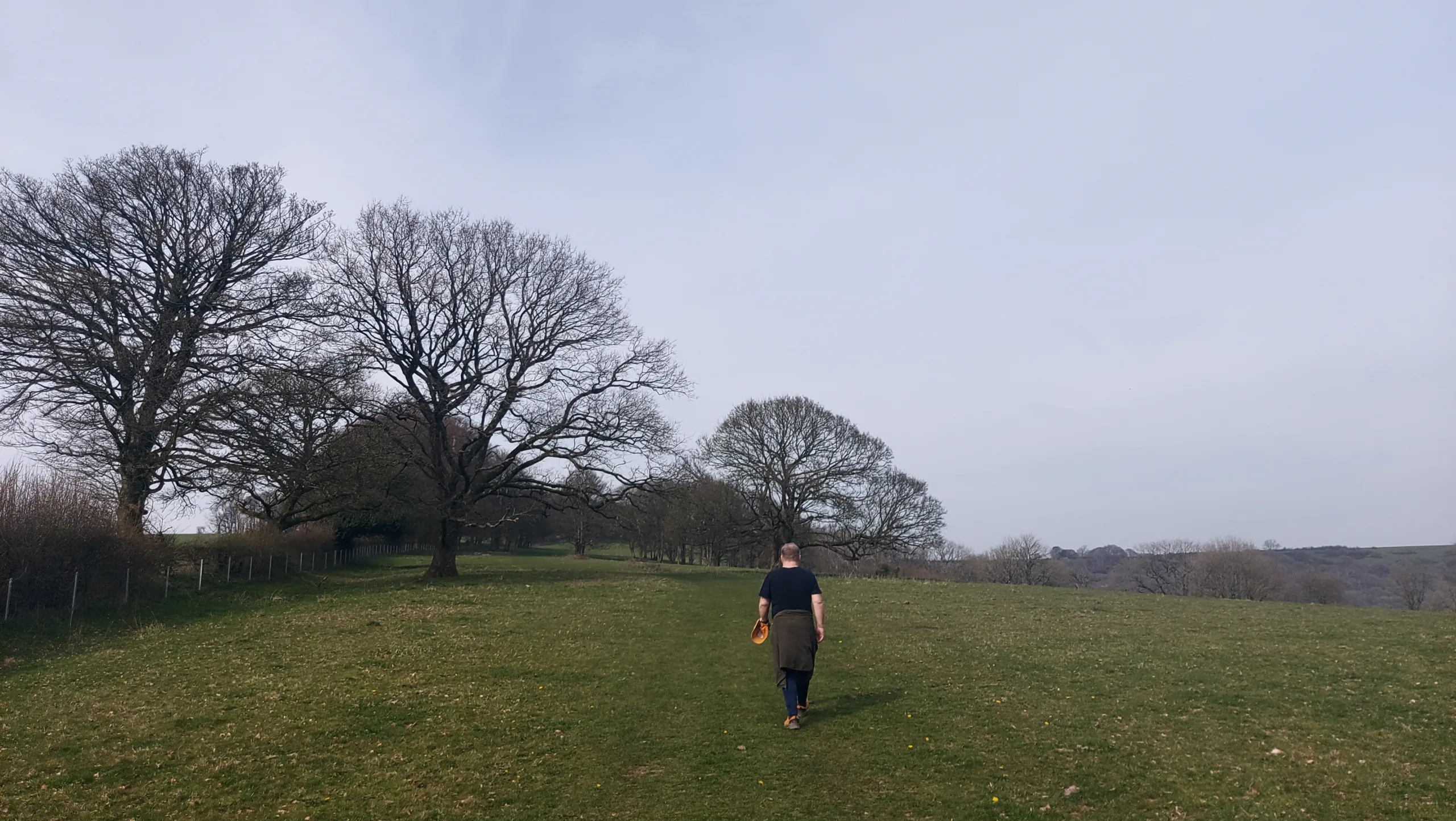
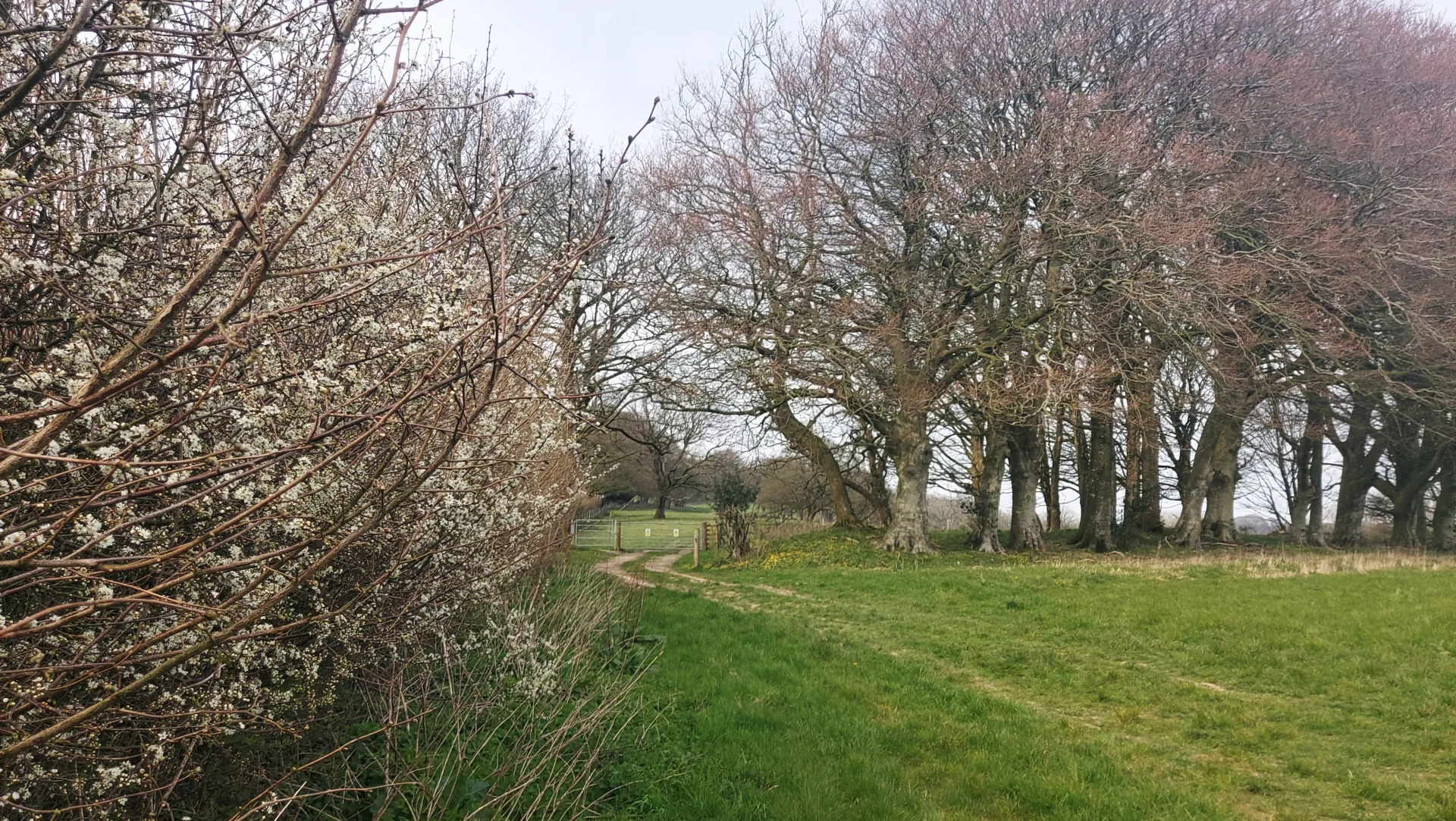
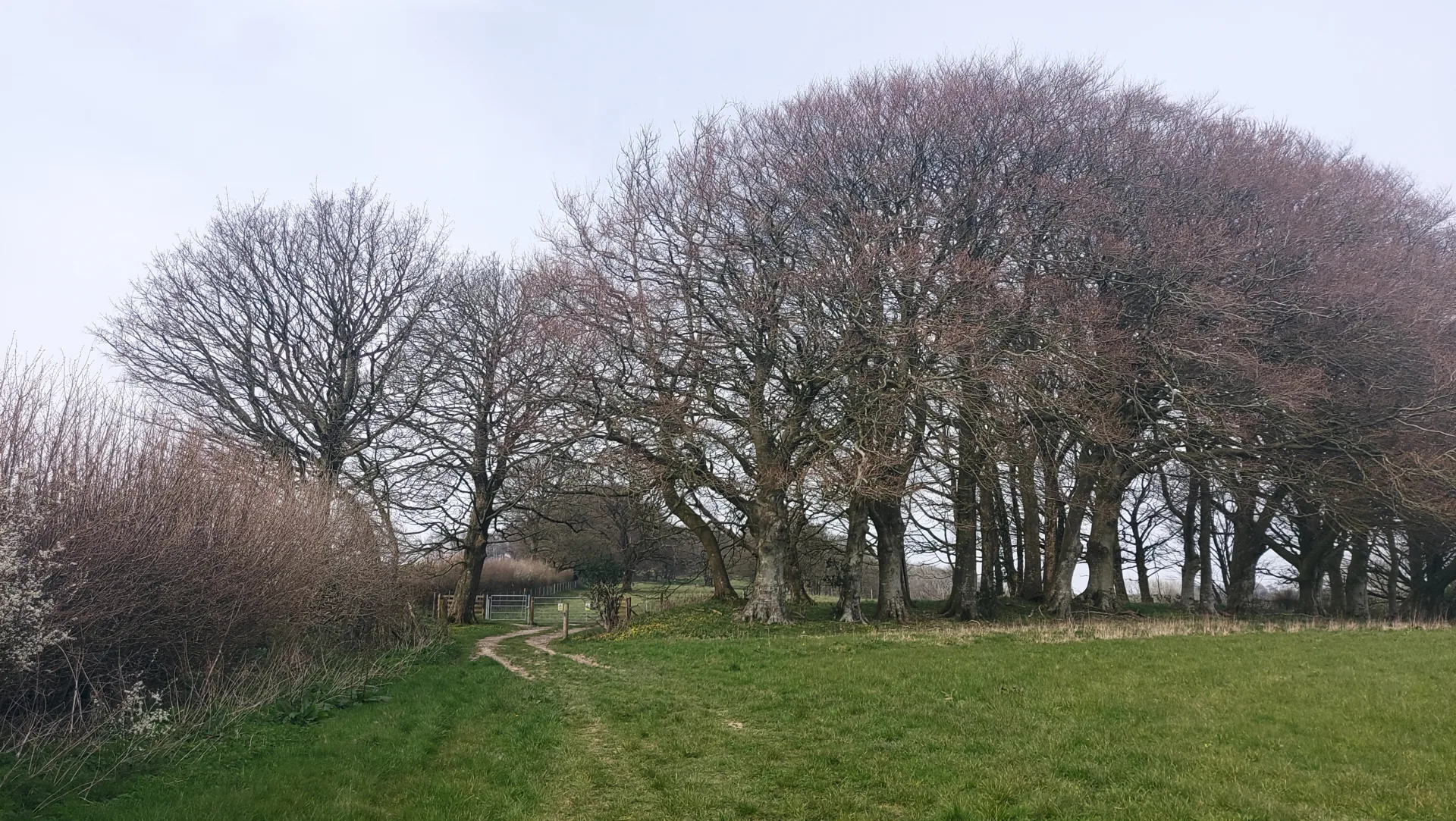
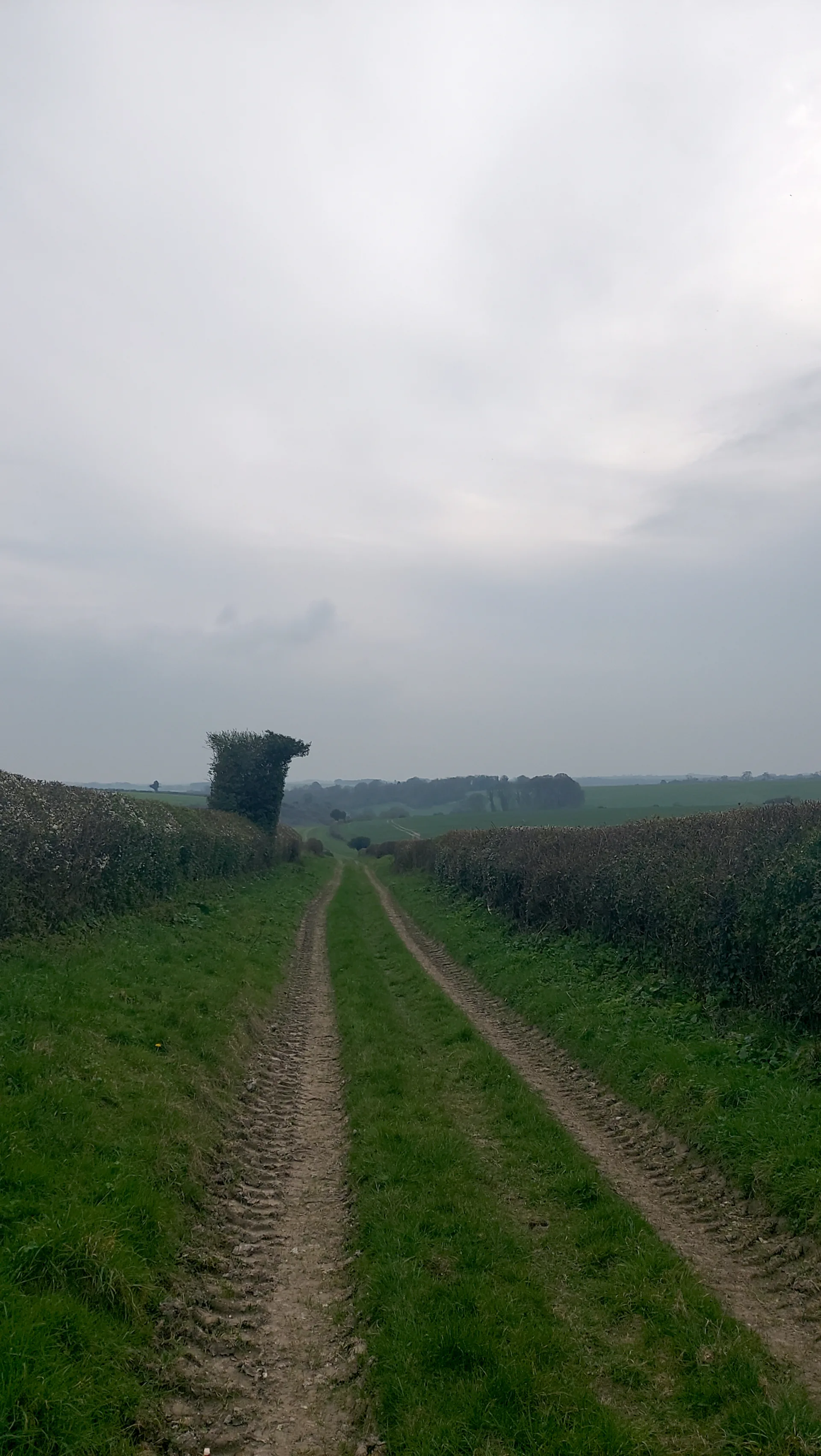
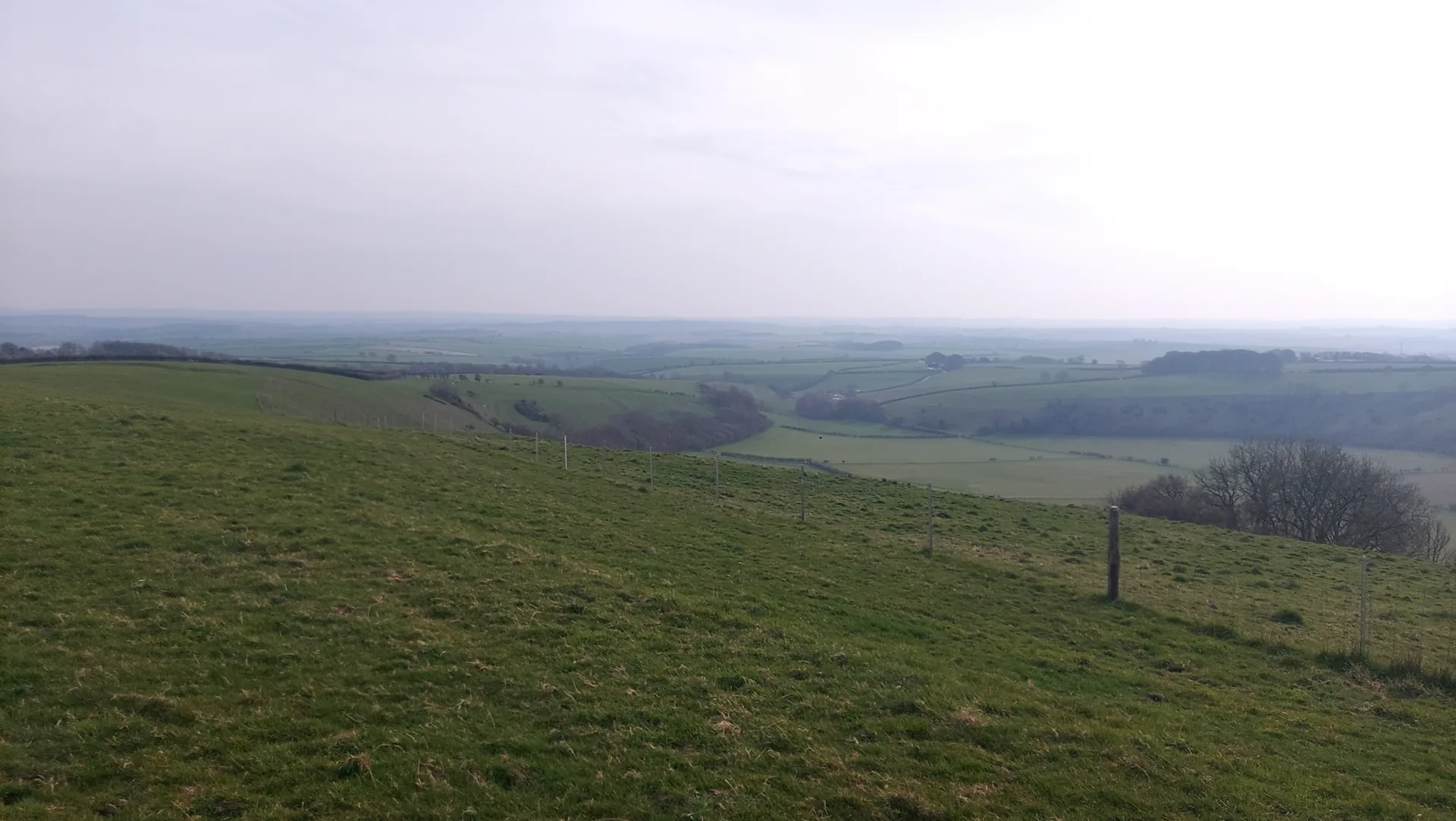
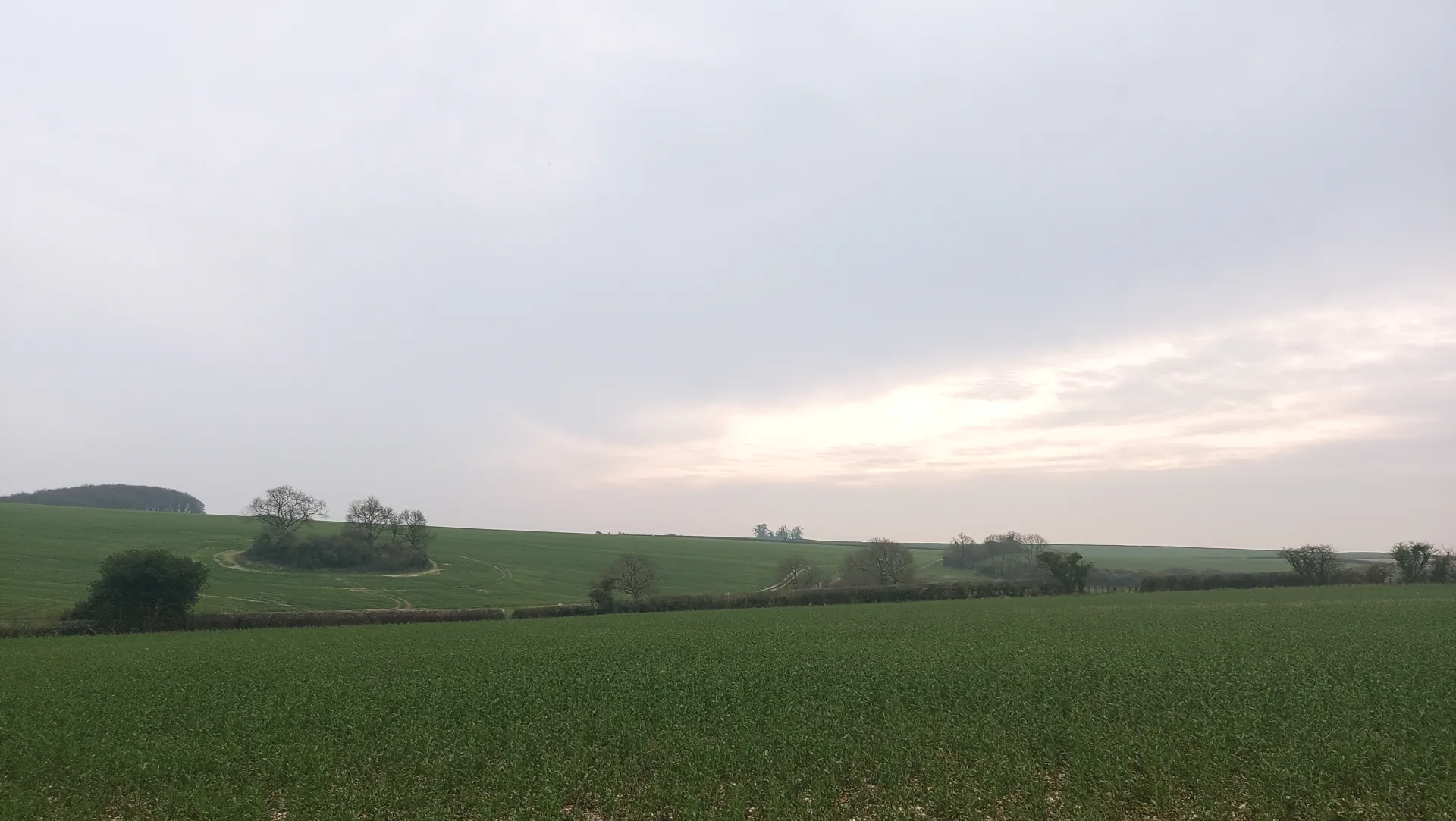
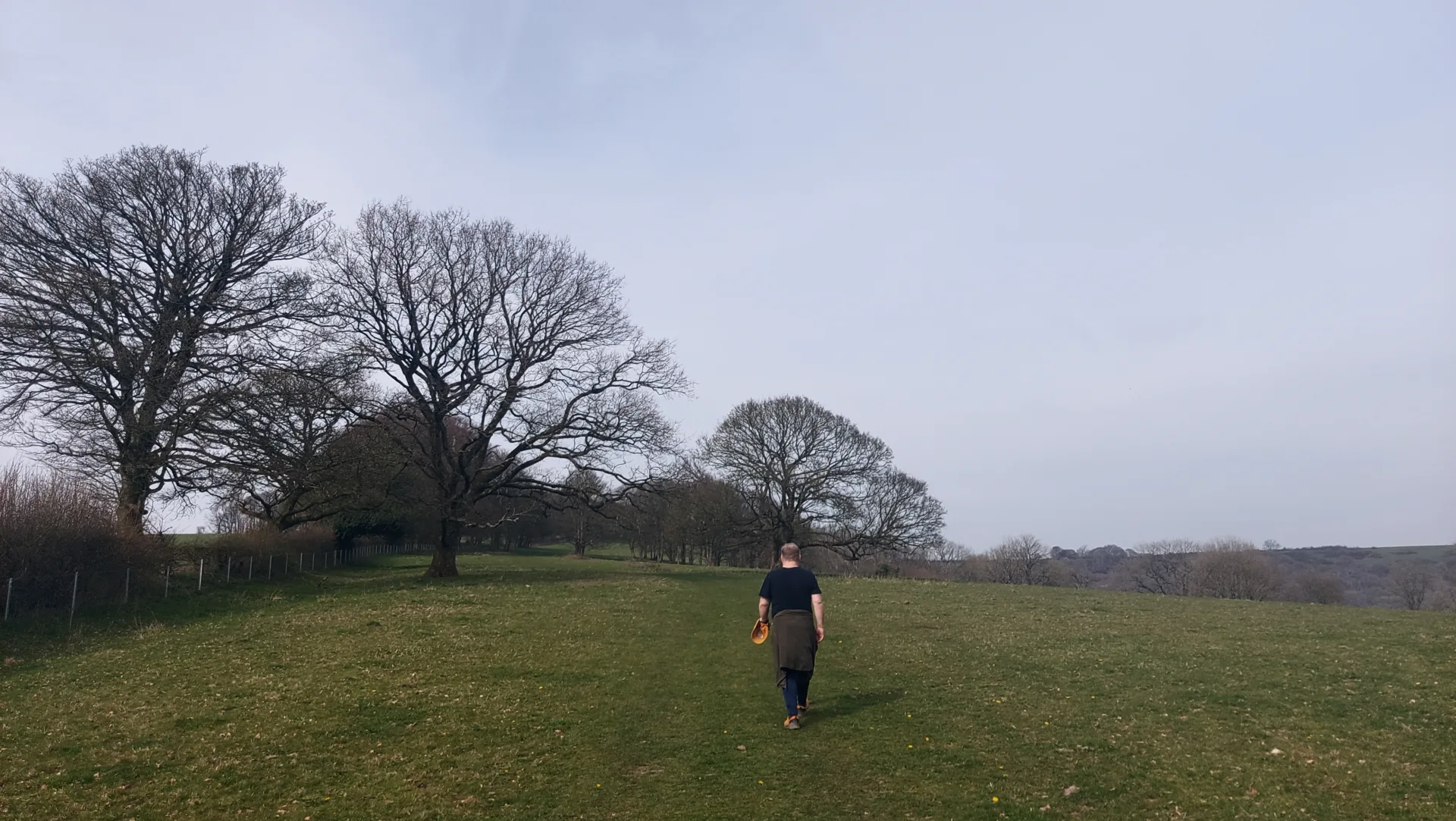
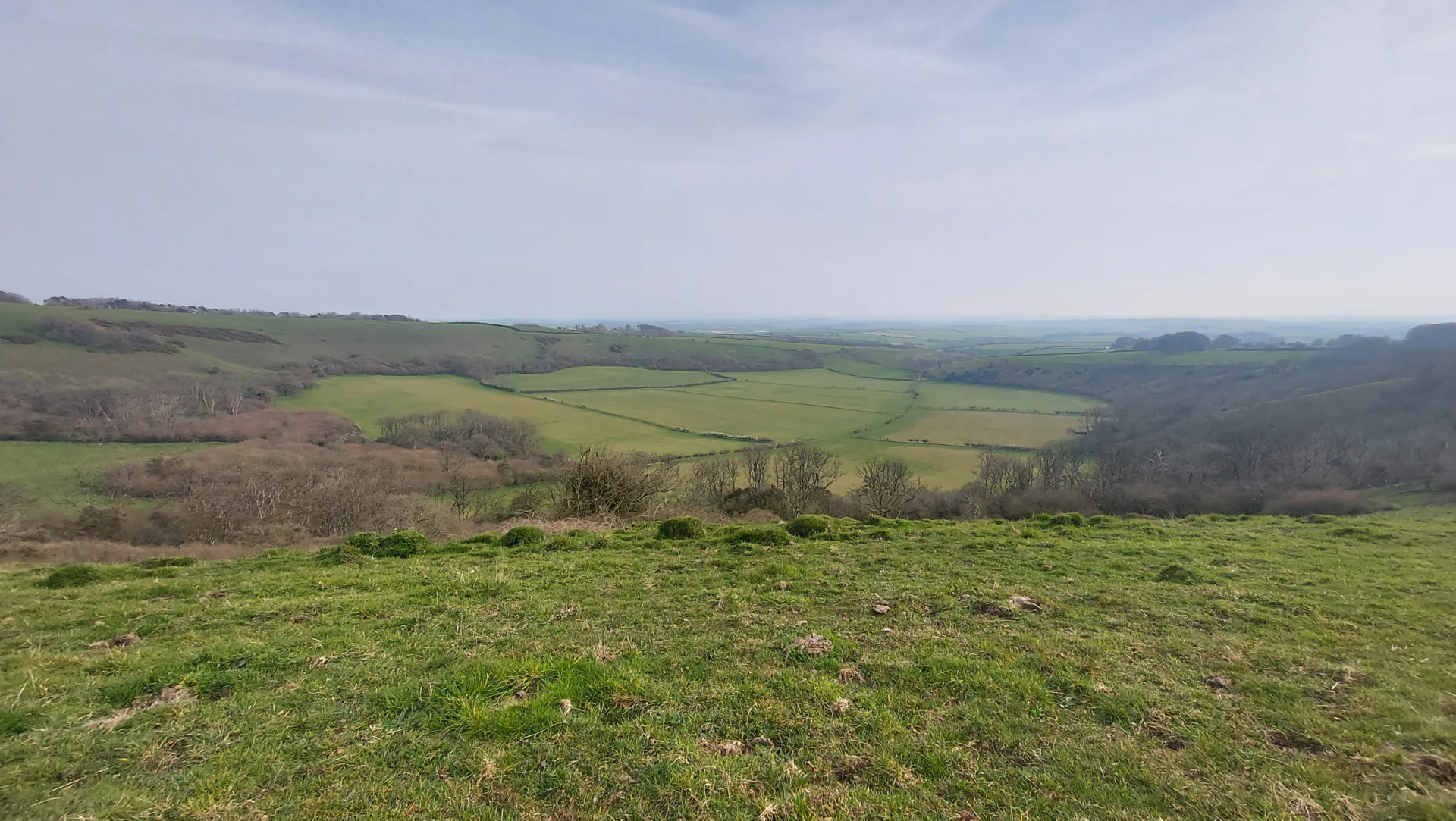
Health issues have meant we’ve not been up for our usual weekend hikes. But the sun finally came out and we wanted to make the most of it: so we wracked our brains for an old, simple route with amazing views but no stiff climbs. Eventually we worked out a little circular that started high and kept mostly to the ridge, giving exactly what we needed.
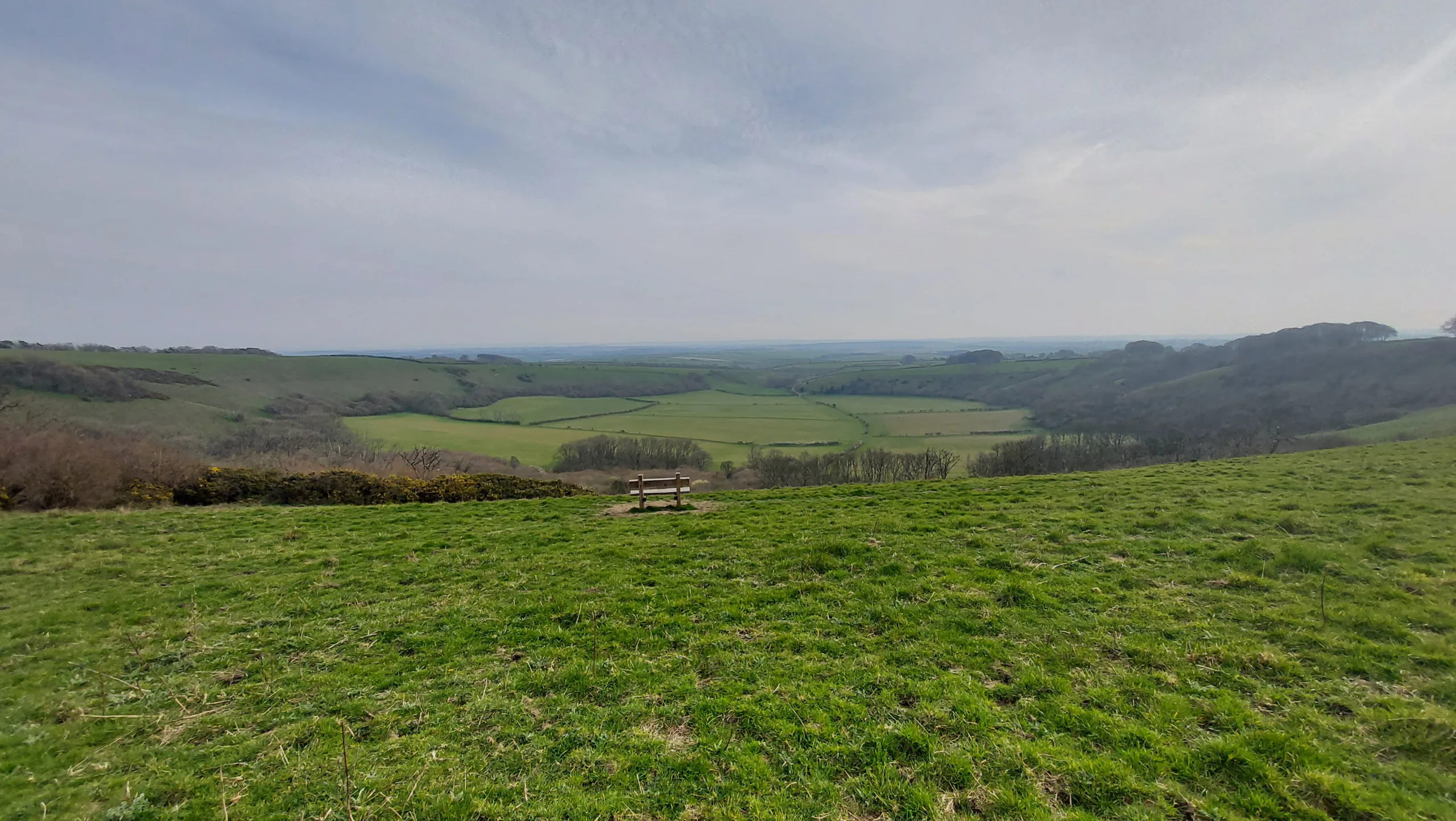
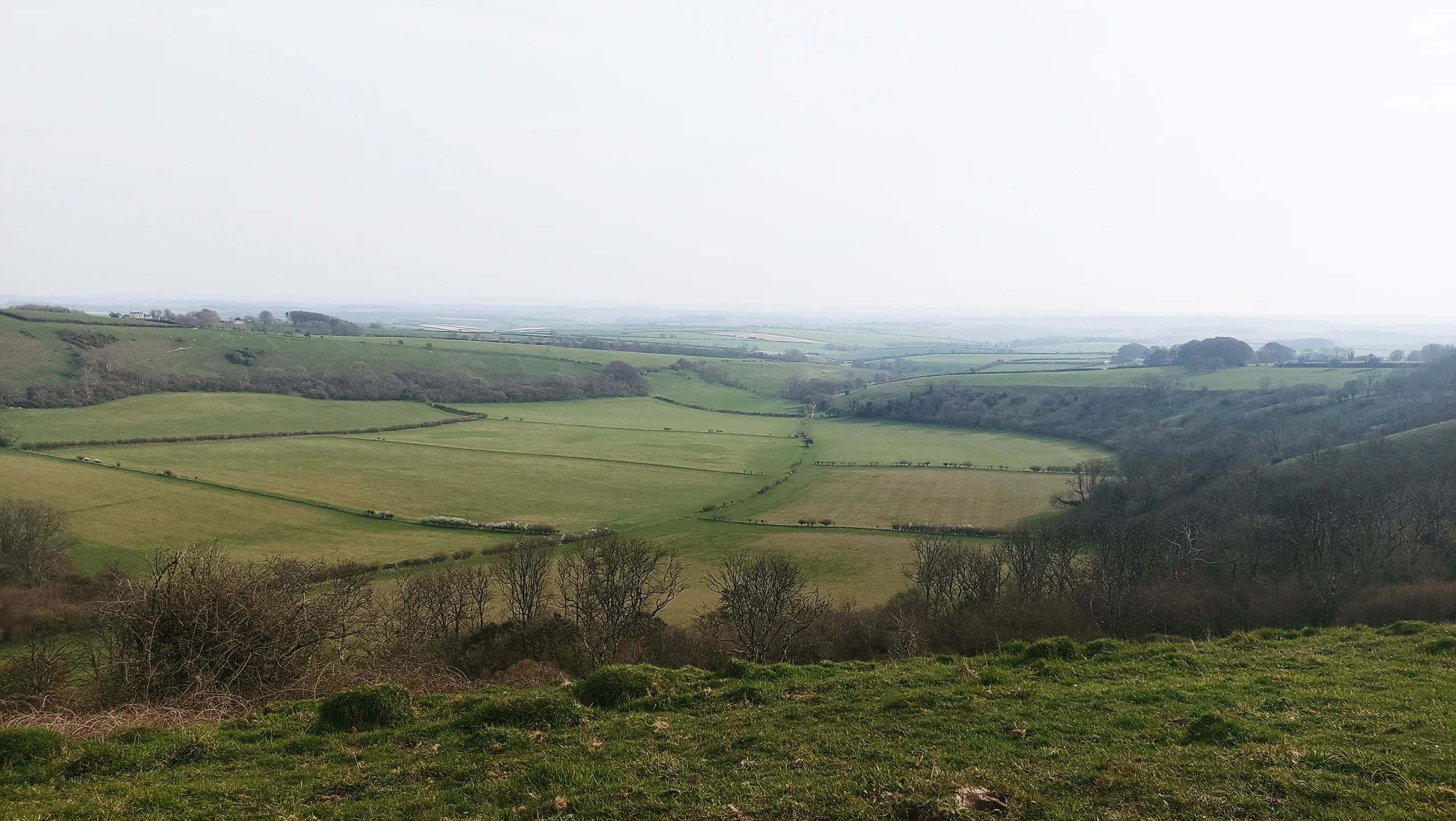
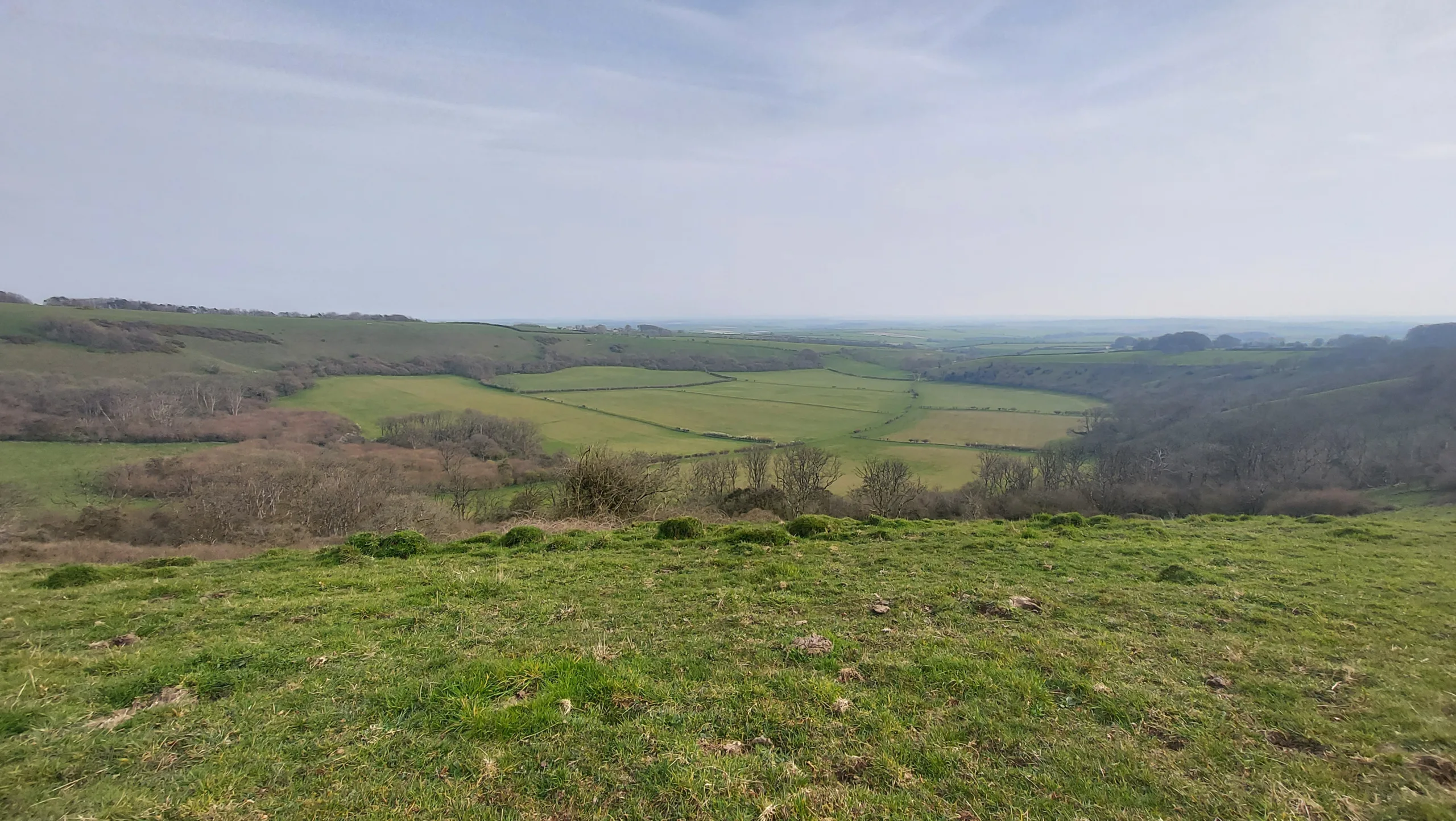
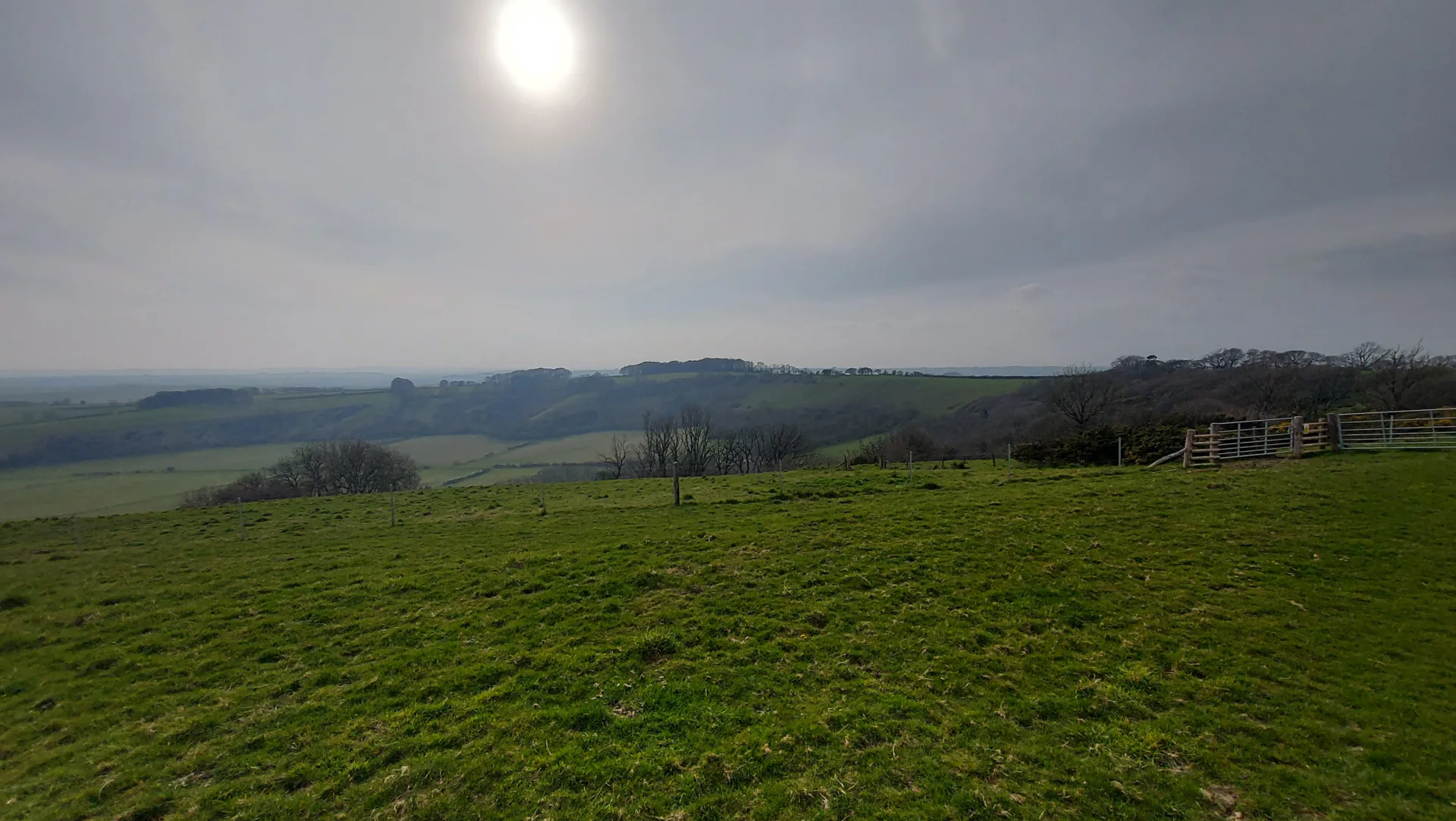
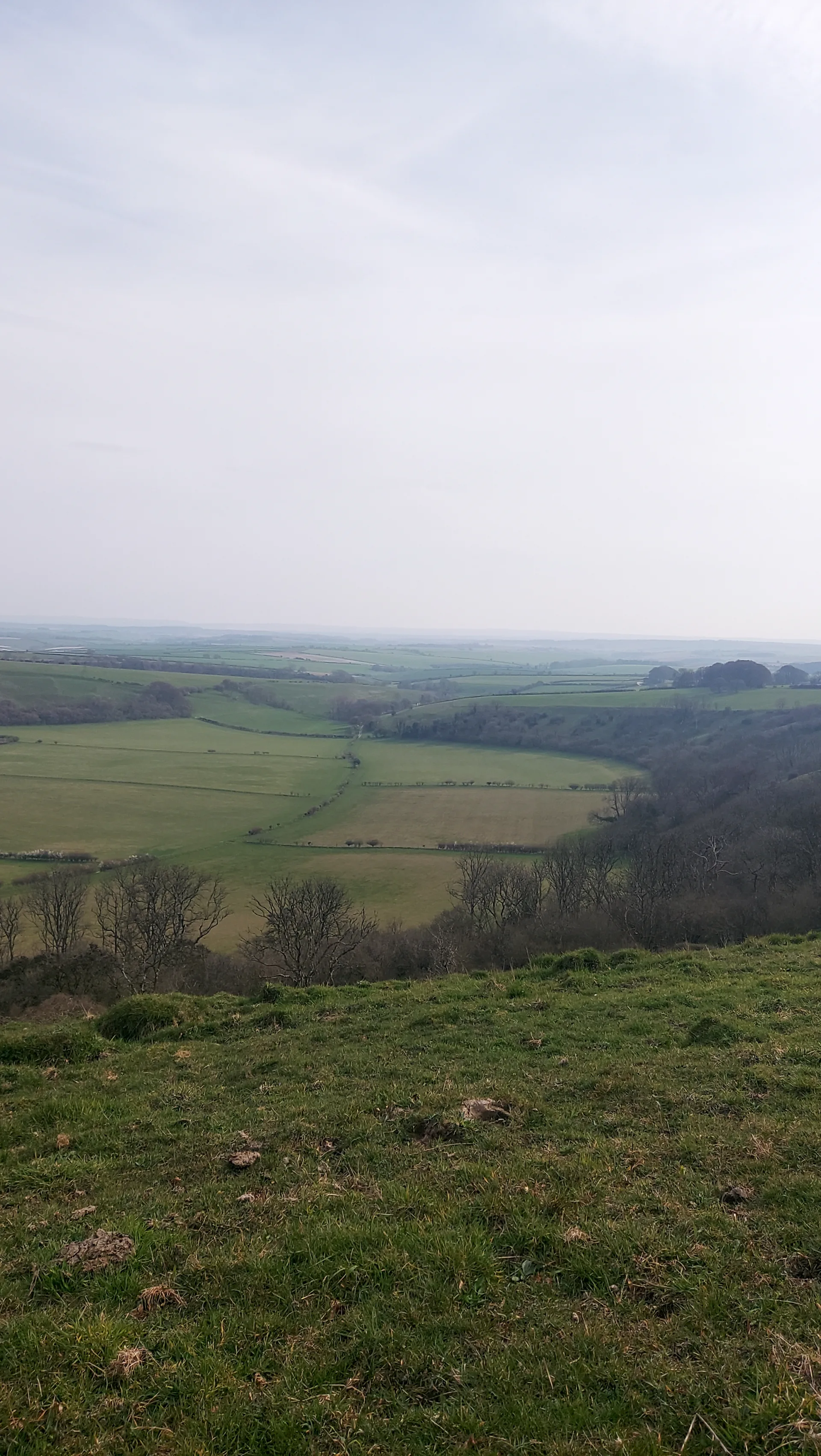
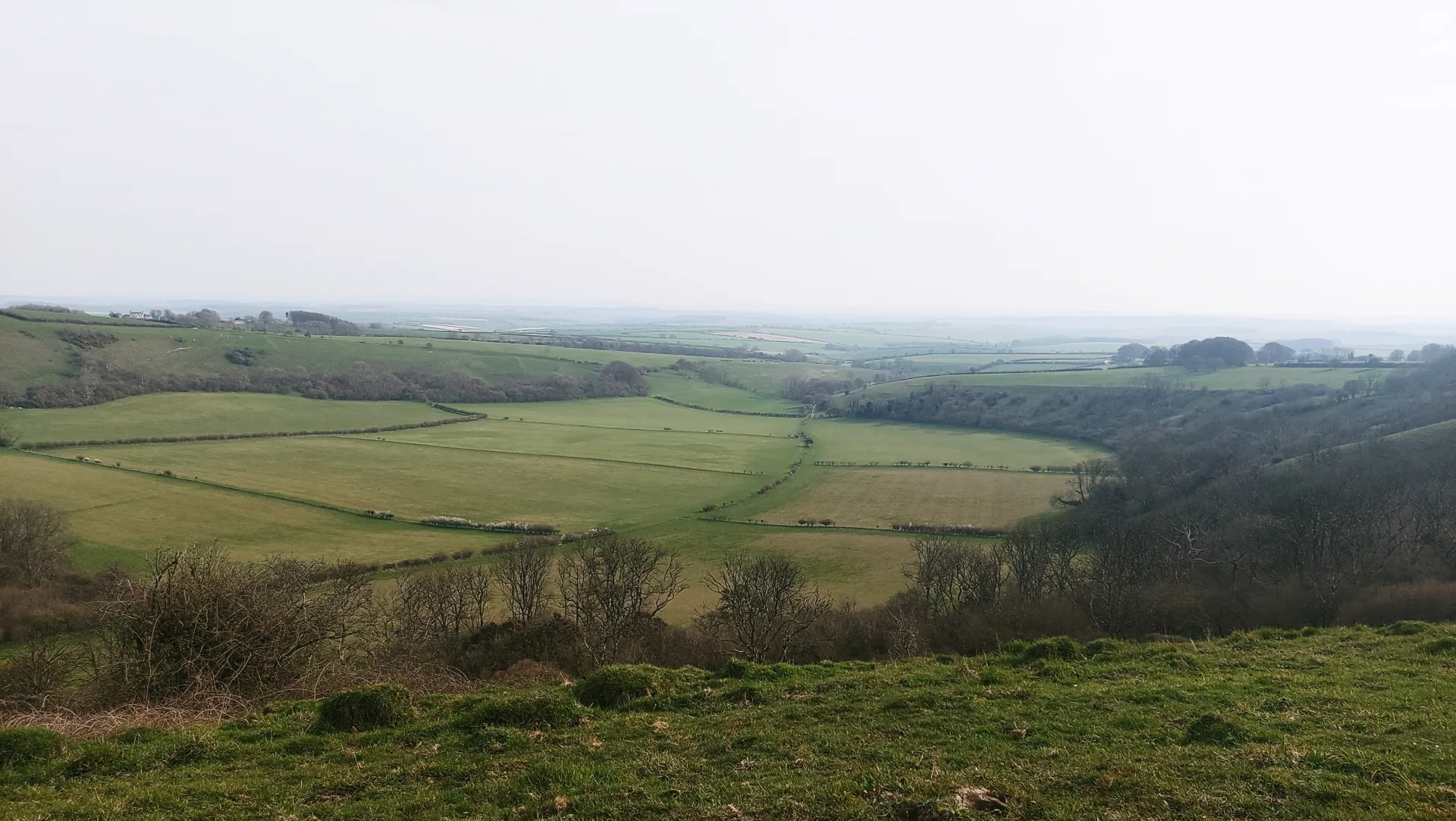
Starting in the small Dorset Wildlife Trust Lyscombe car park, this route takes you around the crest of the horseshoe – Lyscombe Hill into Hog Hill – with wide views most of the way round.
Although you’re up on a ridge, you’ve cheated and parked the car near the top, so the incline is very gradual – you really don’t have to earn the views you get.
At the top of Lyscombe Hill is one of our favourite lunch spots (DWT obviously agree, as they have now placed a bench there) – take a while to sit and face into the horseshoe: it’s a long view all the way to the coast, and it never gets old. We sat for a long time in the hazy spring sunshine, watching a pair of red kites soaring back and forth, occasionally being harried by the furious local rooks.
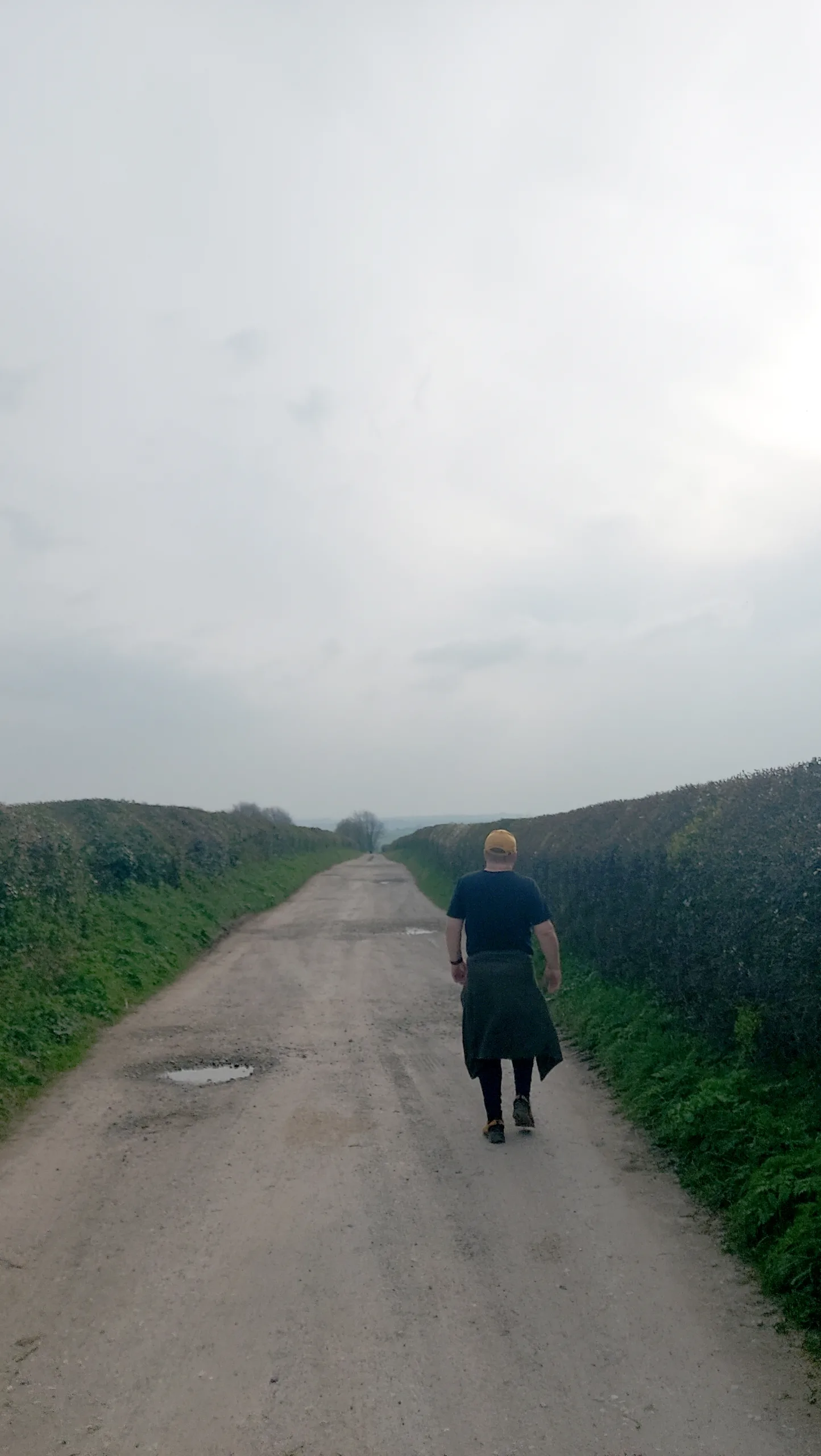
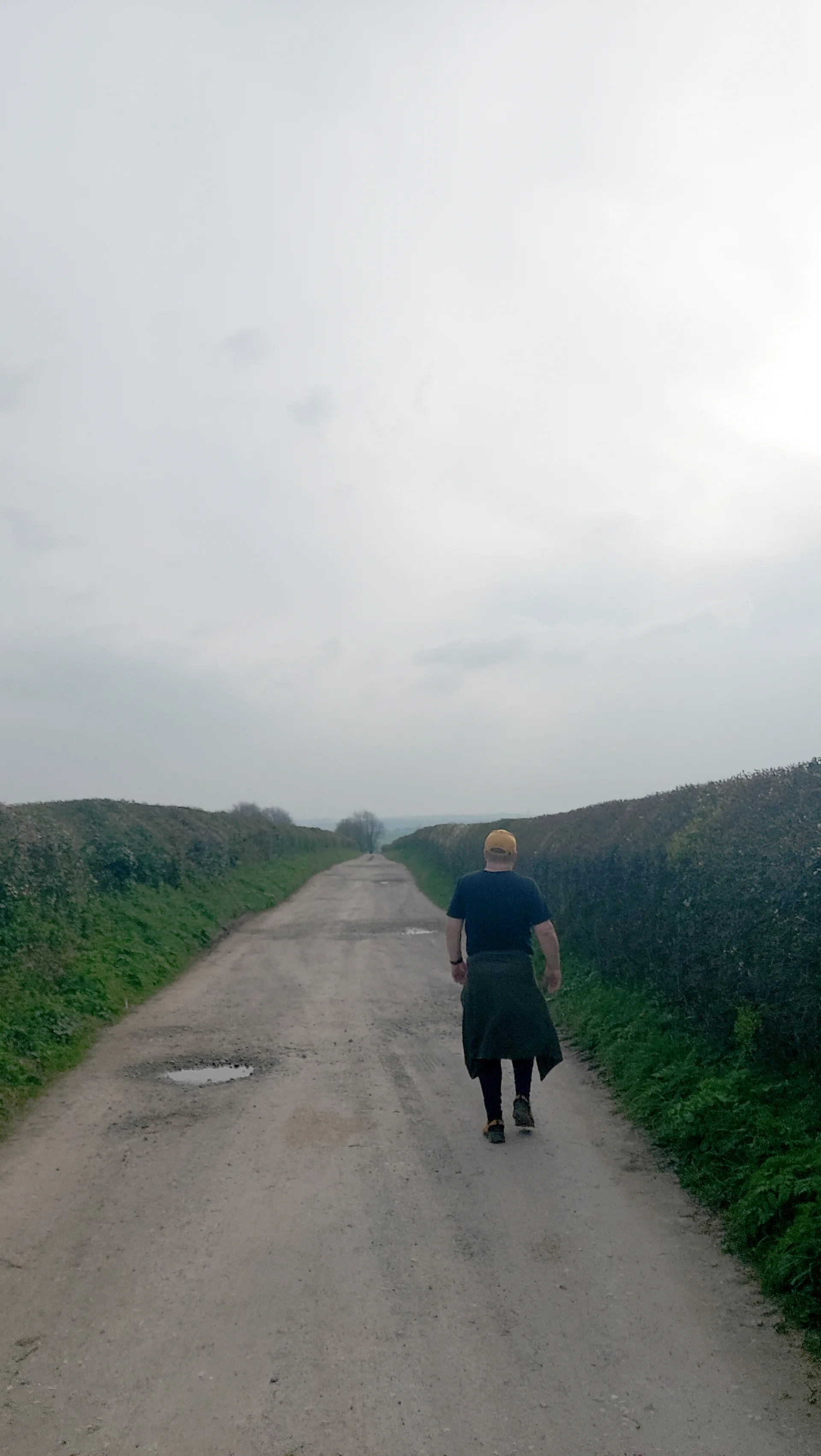
Coming down the other side, we chose not to take the shorter option up the road back to the car – not only because we’re not fans of road walking, even on a very quiet lane like this, but also because it involved a really steep hill section. Instead, we added a little 1.5-mile loop on the other side of the road, which was a lovely way to finish and brought us out right opposite the car park.
It was such a nice little route which I know we’ll return to again and again.
The whole circuit took us just two hours at a very slow saunter – we deliberately took our time and enjoyed every step.
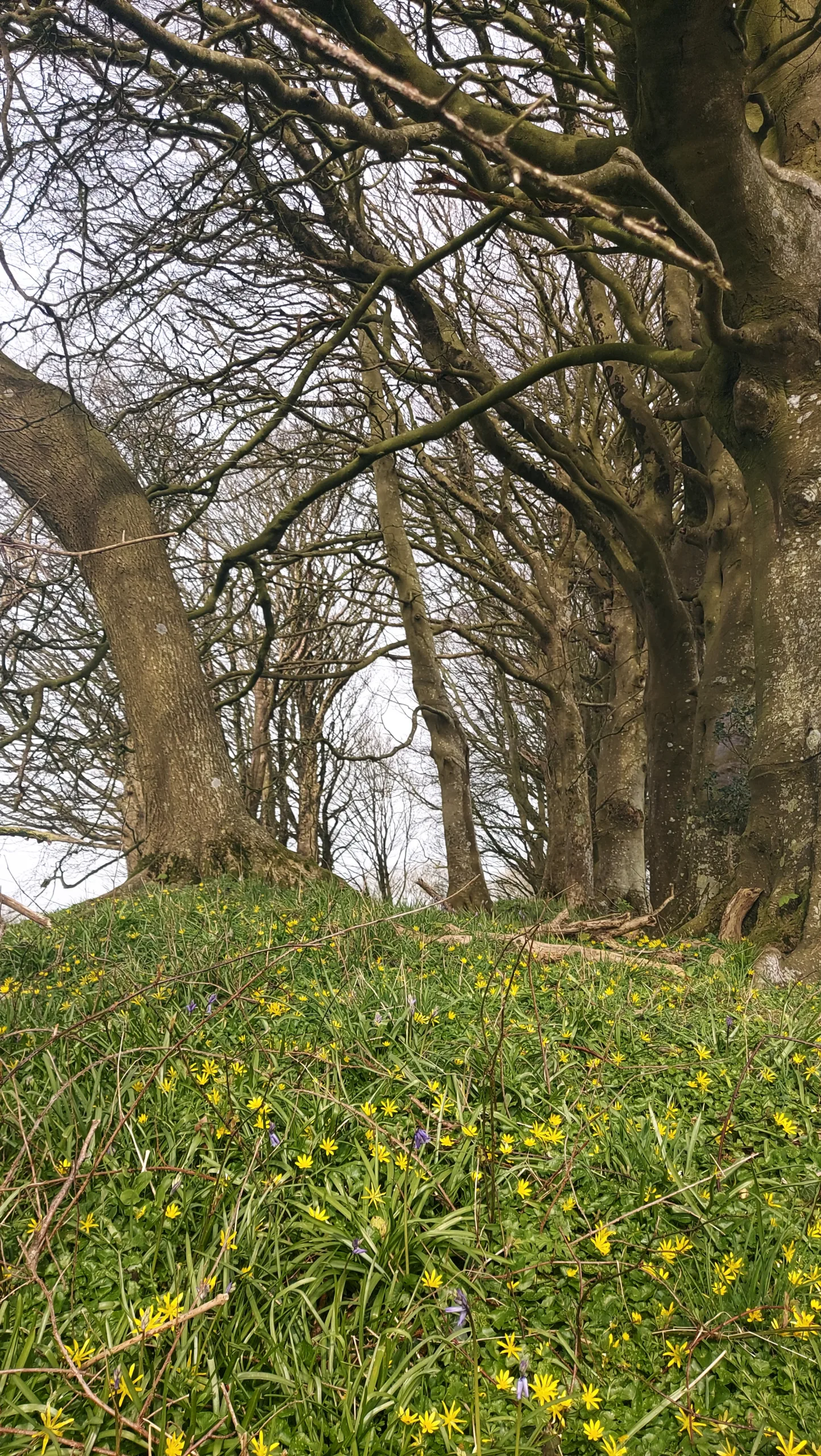
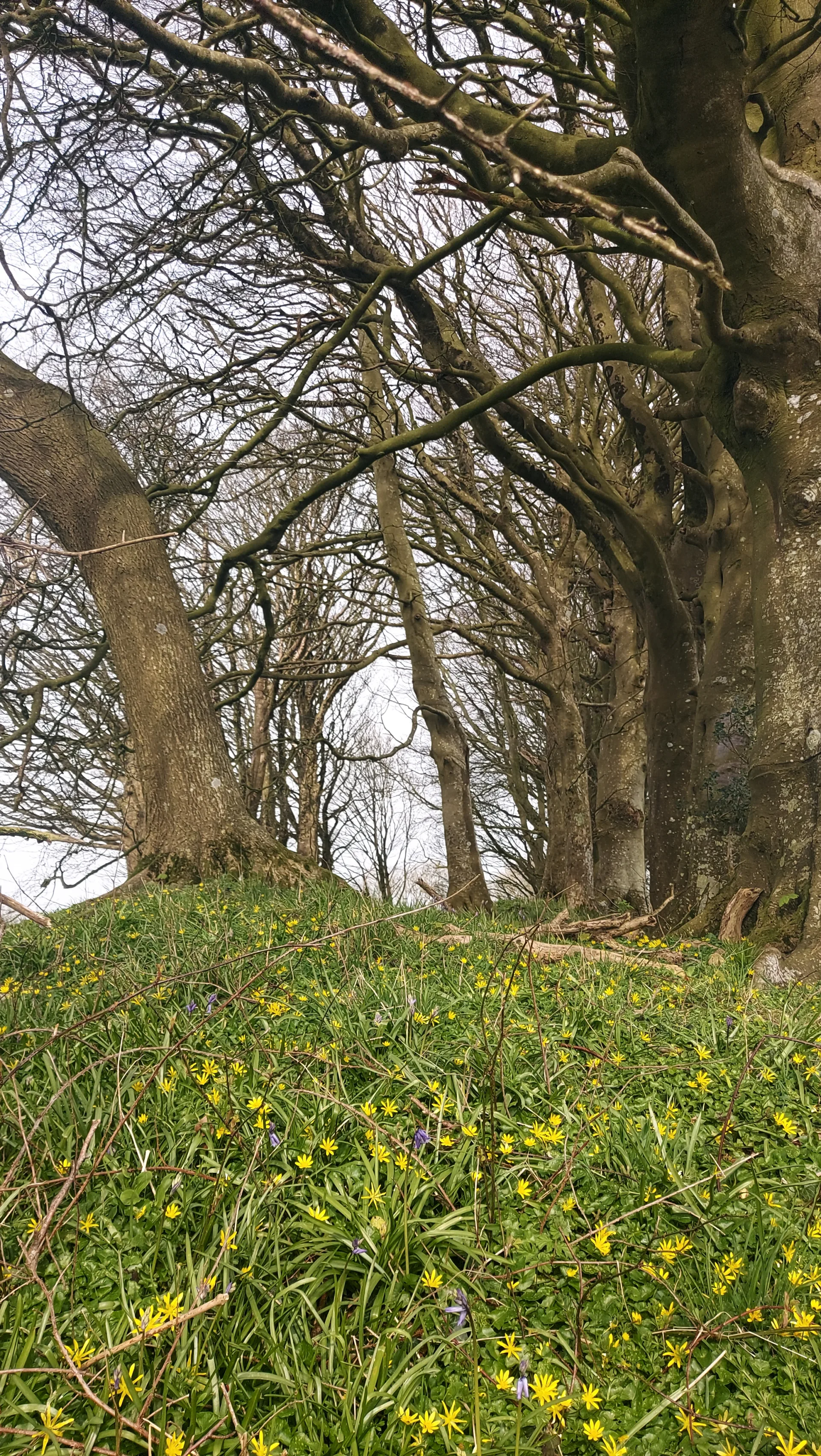
Welcome to April’s BV Puzzles page – your free spot for a quick brain workout. Complete the crossword, test your logic with a classic sudoku, or relax with our massively popular seasonal Dorset-themed jigsaw. This month we have a classic springtime small starry carpet of celandines studded with our first bluebells of the year (we were early: this was taken in the middle of March!). Fair warning – it’s a tricky one. You might need a bigger mug of tea to keep you going.
Perfect for puzzle fans across Dorset and beyond, our digital puzzles work on mobile, tablet or desktop. Enjoy a quiet moment of challenge with new puzzles published every issue of The BV magazine.