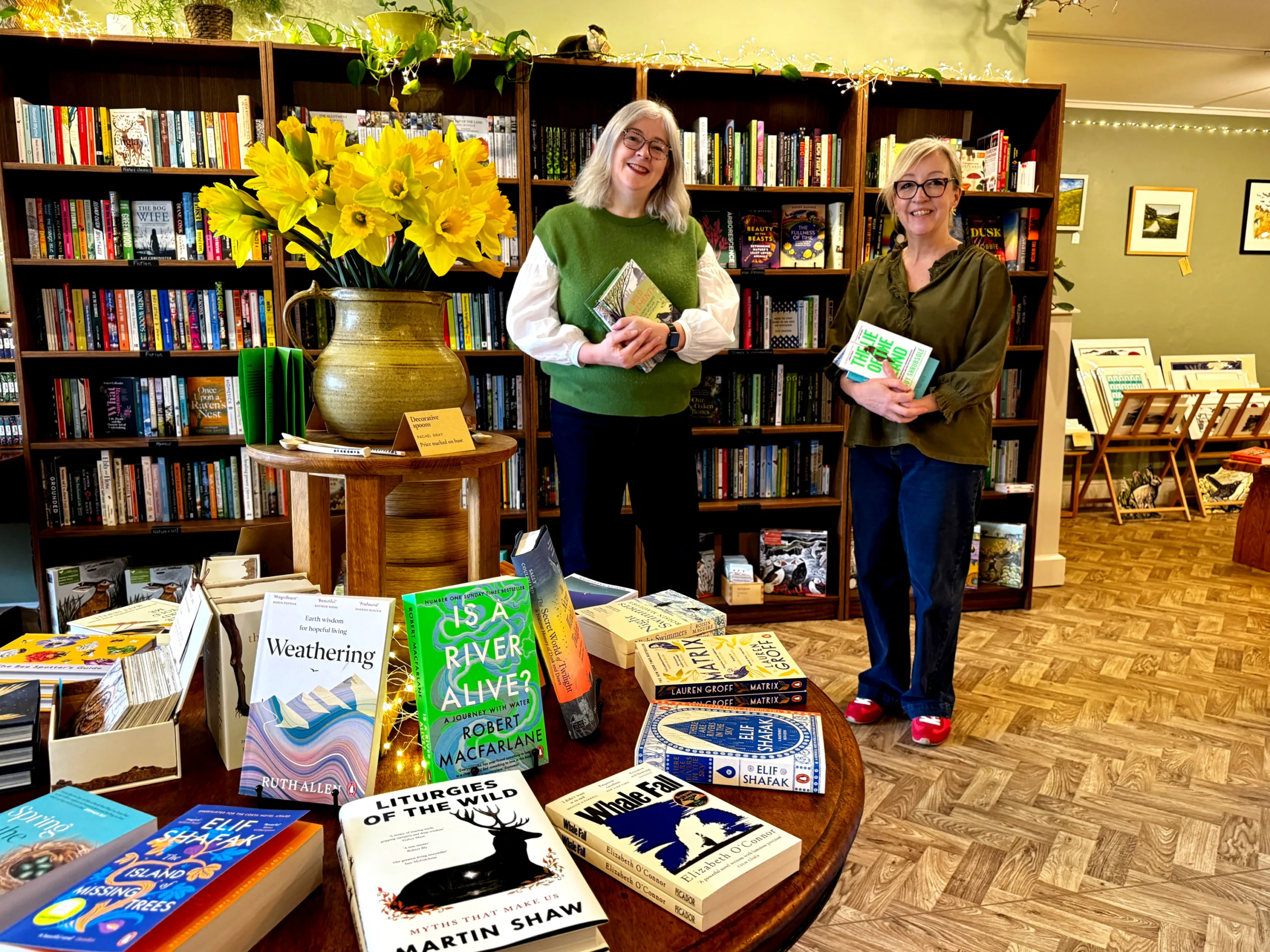
Shaftesbury’s bookshop specialising in nature writing has been named the best independent bookshop in the South West – for the second time in three years. FOLDE Dorset has won the regional title at The British Book Awards 2026, known as the ‘Nibbies’, having previously taken the prize in 2024.
The awards, organised by The Bookseller, recognise independent bookshops that play a strong role in their local communities while continuing to attract readers from further afield. Judges described FOLDE as a ‘destination and haven’, highlighting its recent move into larger high street premises as well as its sustainability credentials, including B Corp status and net-zero operations in key areas. Co-founder Karen Brazier said the award reflected local support. ‘We honestly couldn’t do it without our community,’ she said. Amber Harrison added ‘To be recognised by the industry after such a hardworking year feels very special. We’ve poured so much energy into the shop in the last 12 months – from the intensive two-month renovation of our new premises to deepening our sustainability practices.’ FOLDE opened in 2021 after the pair left corporate careers to create a bookshop centred on nature writing and environmental awareness. Alongside retail, it runs a regular programme of author events in Shaftesbury, bringing well-known writers to the town. The shop will now go forward to the national finals, with the overall winner announced in London on 11 May.
The BV community news section is sponsored by Wessex Internet
A new community learning series focused on environmental action will launch in Wimborne on 20th April.
Greener Wimborne, Better Planet is a joint initiative between u3a Wimborne and local organisation Planet Wimborne, bringing together talks, discussion and practical sessions over the coming months.
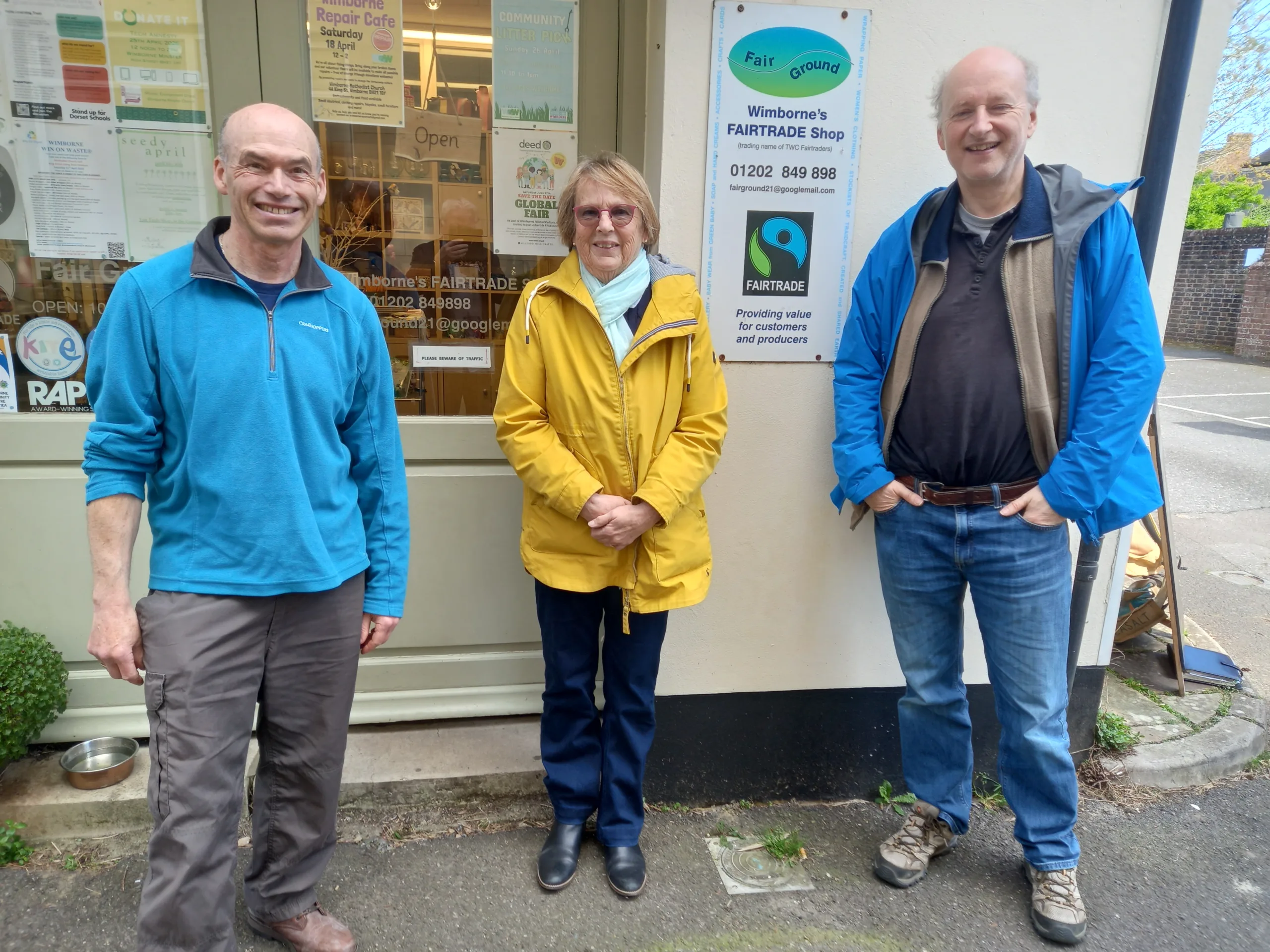
Speakers Dr Neil Smith, Linda Bunting and Adrian Newton from Planet Wimborne
The opening event, What is Planet Wimborne?, takes place at The Reef in Colehill and will introduce the group’s work across the town, including its network of community projects and environmental awards. It will also explore how global frameworks such as the UN Sustainable Development Goals are being applied at a local level.
Planet Wimborne trustees Dr Neil Smith, Linda Bunting and Adrian Newton will lead the session, with organisers aiming to make the series accessible to those new to environmental topics as well as those already involved.
A new series of enviornmental talks organised by u3a Wimborne and Planet Wimborne
The wider programme will cover areas including waste reduction, wildlife-friendly gardening and the role of arts and culture in environmental awareness, alongside a guided walk exploring the local landscape.
Each session stands alone and is designed to combine information with discussion and practical ideas that can be applied locally.
The series is free to u3a members and £10 per session for non-members.
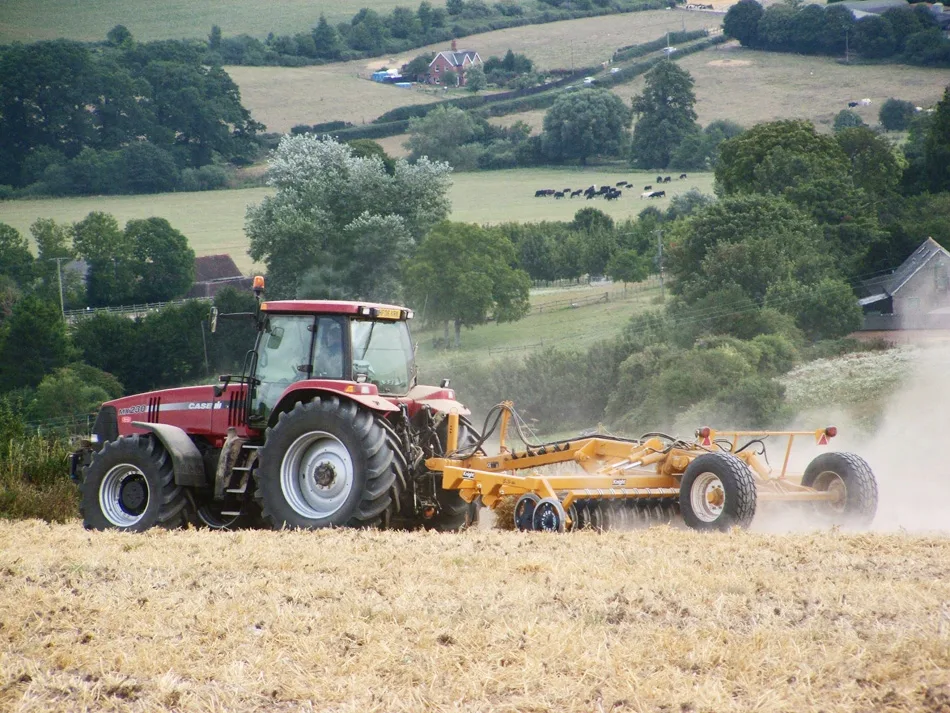
Spring sowing has proceeded at pace over the last couple of weeks, aided by some welcome dry weather – all the more enjoyable following a grim couple of months of record-breaking rainfall. We started over at Thornicombe at the beginning of the month with around 30ha of spring beans. As is usually the case with spring-sown crops, the soil benefits from a bit of a lift with a cultivator: direct drilling doesn’t work as well now as it does in the autumn. After the summer, soils are generally dry and able to absorb moisture as the weather turns; in spring, they come out of winter wet and need time to dry out. A regenerative approach means cultivations are minimised, as tines, discs and tyres can damage soil structure if used too eagerly. However, it always feels like a race to get spring crops in ahead of a potential early drought, so once the sun comes out, you have to move. This year we’ve been trying out a few different cultivators on demo from local dealers, as our old Knight M press – bought new in 2006 for £11,000 – is beginning to show its age. A new 4m cultivator of this type now comes in at nearer £40,000, which is eye-watering. The second-hand market may prove more realistic; quite how manufacturers expect to sell many new machines in the current climate is hard to see. All of our spring beans, wheat and barley are now safely tucked into good seedbeds, awaiting a little moisture and warmth before the fields turn green again. These crops follow over-winter cover crops, most of which have been grazed by cattle. We’ll wait for much warmer conditions before sowing millet, winter bird food and further cover crops.
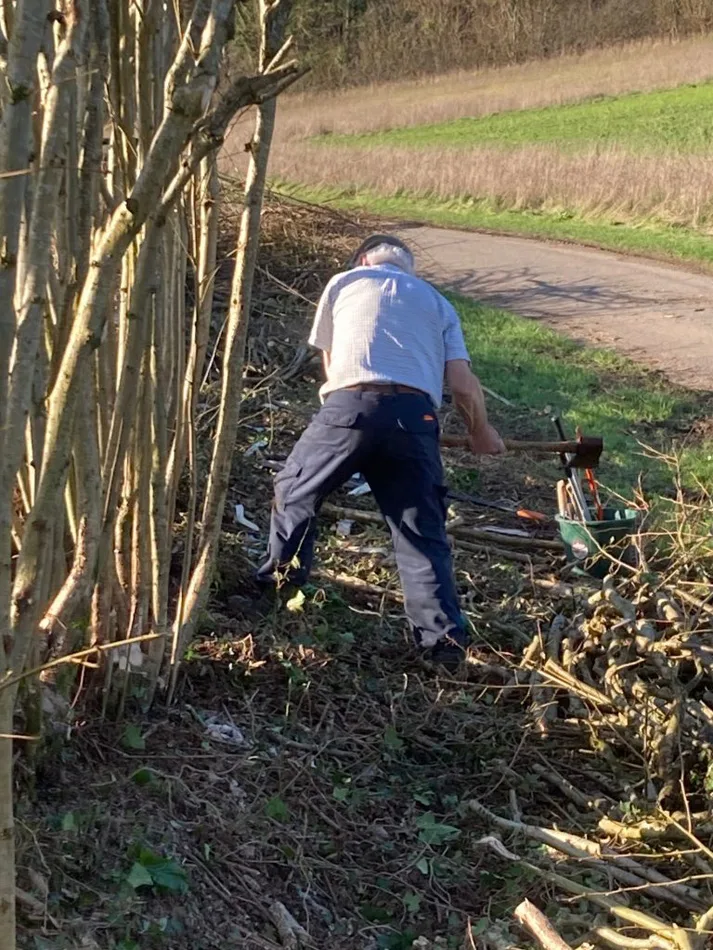
Hedgelayer George at work on the overgrown hazel hedge along the road to Shepherd’s Corner
Our old friend the SFI Our good friend George D has been steadily working his way along an overgrown hazel hedge beside Lime Kiln field, along the road to Shepherds Corner, rejuvenating it by laying. Over the past few years he has patiently reintroduced me to the skills involved – it is a long time since my own hedge-laying course by the cricket ground in Moreton back in 2002. This winter he has also branched out (!) out by training some Great Big Dorset Hedge (GBDH) volunteers, so that they may go forth – armed with billhook, axe and saw – to set to the task of renewing some of the many miles of Dorset hedge that have been surveyed and found in need of restoration. More than 100 farmers across the county have engaged GBDH to come and survey the condition of their hedgerows: it’s the first step towards getting to grips with (in many cases, long overdue) overhauls, by laying, coppicing and gapping up, or simply by incremental trimming with a flail.
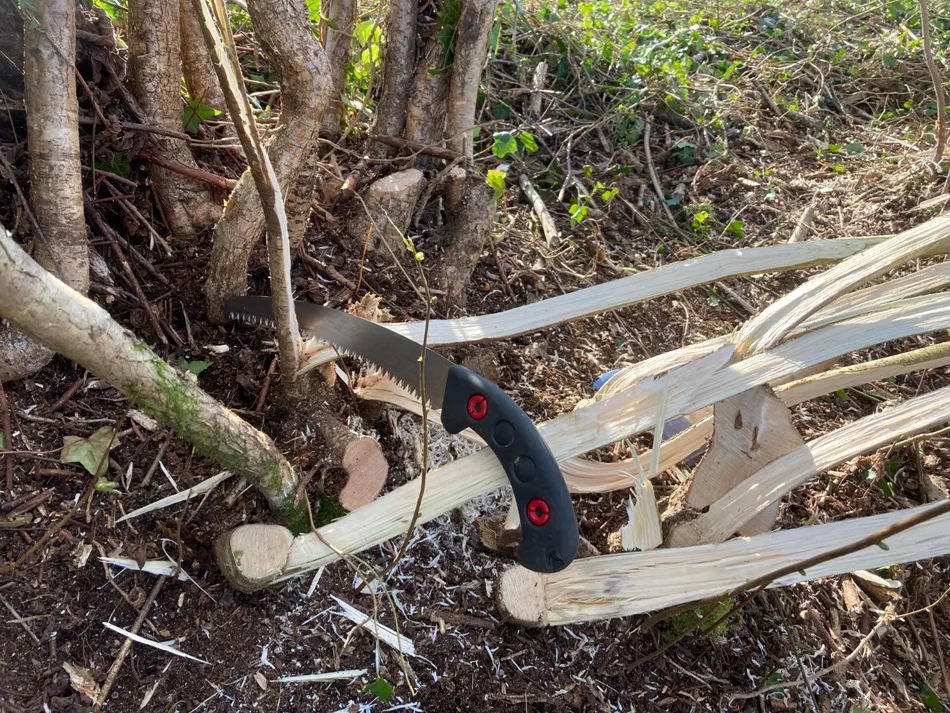
The hedgelayers tools: axe, saw and billhook
Against that backdrop, the latest version of the Sustainable Farming Incentive (SFI26), announced by DEFRA in February, has for some reason dropped the Hedgerow Condition Assessment (CHRW1) option. This was a simple, relatively low-cost payment that encouraged land occupiers to begin assessing and improving their hedgerows. It also created an opening for wider community involvement, something the Great Big Dorset Hedge has successfully tapped into. Since it started, many miles of hedge have been surveyed, gaps replanted and new hedgelayers introduced to the craft. There is now a huge band of around 400 volunteers willing and able to get stuck into the county’s hedges, but without the assessment incentive, the whole project suddenly looks very vulnerable. This is what we are so often up against – the constant moving of goalposts.
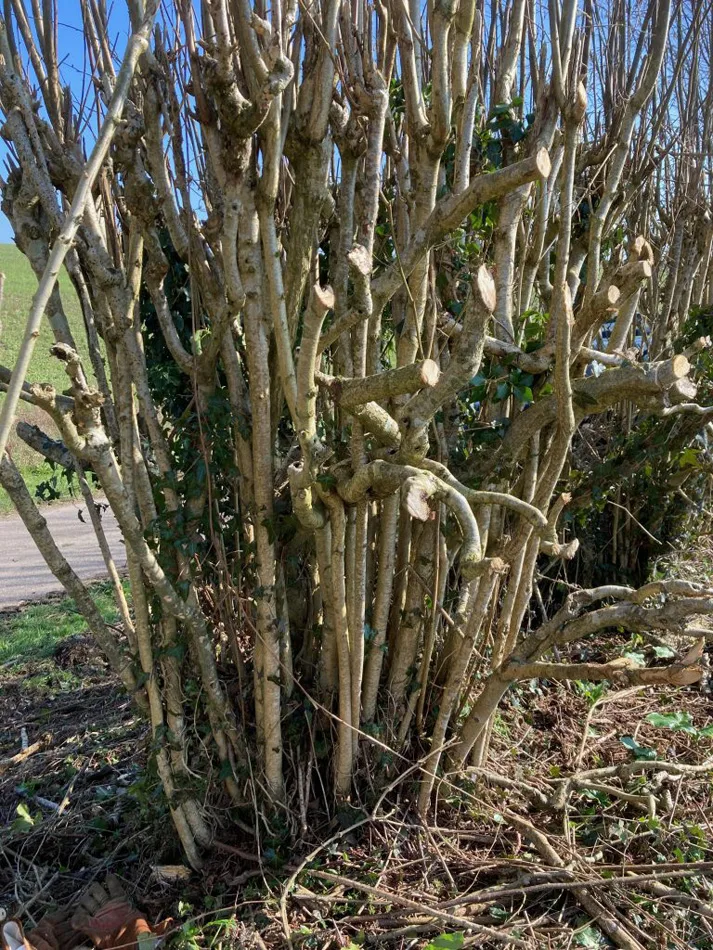
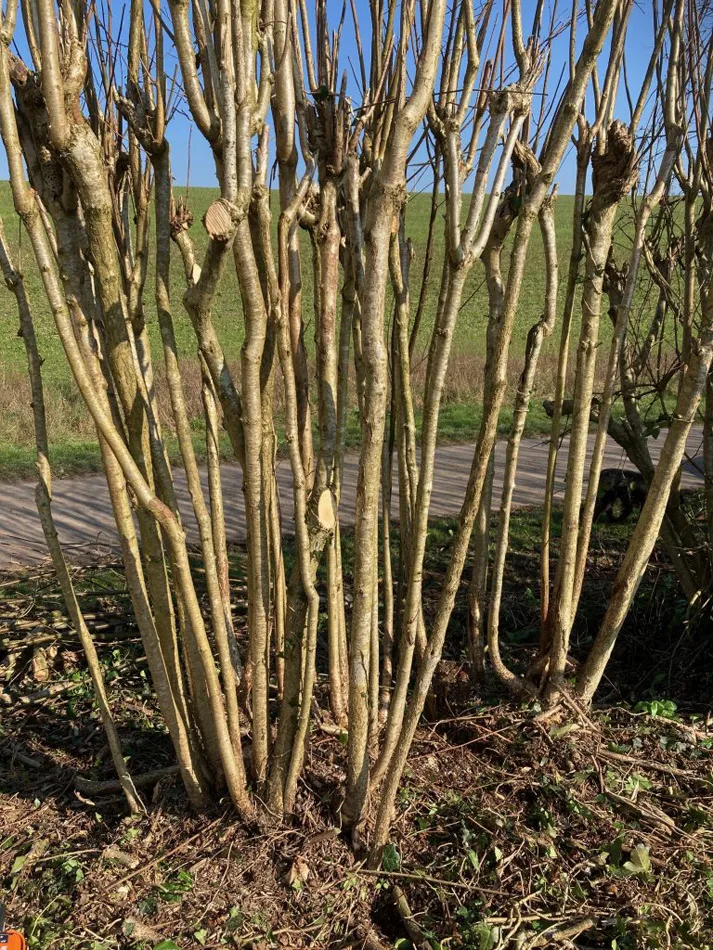
Hazel stool before clearing out, and the same stool ready to lay
The hazel argument The process of laying is slow but satisfying work. Dead or poorly-shaped growth is removed, and the best stems are partially cut and laid over to form a living structure that will regenerate from the base. Hazel is by far the easiest species to work with, producing long, straight stems that split readily – one of the reasons it has been used for centuries in hurdle making and thatching spars. George is a passionate fan of hazel hedge farming, preferably on a seven-year cycle of cutting, and then returning to lay them again without any mechanical trimming in between. This allows the stems to grow straight and usable, rather than developing the knuckles that flailing creates. Will we find someone willing to harvest and market them in seven years’ time though? We have many many miles of hedge on the farm, a great proportion of which desperately need laying, so the big question is should we create an in-cycle hedge along Lime Kiln, or incrementally trim it with the flail next year– and every other year hence – rendering the timber largely valueless, in order to put off the day when it next needs laying for as long as possible? George argues that hazel hedges can outperform traditional coppice in terms of usable timber, thanks to greater light exposure and less competition between stools. I find it hard to accept this (admittedly persuasive) logic, having been brought up to believe that hazel coppice is the ultimate in farmed woodland, a unique habitat that not only produces spars, hurdles, pea sticks and fuel for charcoal production, but is an ecosystem all of its own. After a couple of weeks of laying, however, I am convinced that a hazel hedge is not particularly valuable as wildlife habitat. The long, straight, smooth stems, with few branches unless it has been flailed, offer very little purchase for birds’ nests for example, and there is no ‘bottom’ to it at all, as all stems reach for the sky from day one.
A surprise evening visitor in the winter wheat on the Knoll
Bad ivy When planting new hedge I would never intentionally plant hazel: it would outgrow all other species, and when flailed the leaves unseemly split ends on every stem. Another no for a hedge mix would be elder. It’s poisonous to many animals, grows too fast and seems to possess allelopathic properties (suppresses neighbouring plants). Also on my no list would be any bramble, or wild clematis (Old Man’s Beard), which can ruin a young or re-growing hedge. Another trouble-maker can be ivy, which will appear from nowhere, and needs repeated knocking back. I have to admit it is quite satisfying to cut a ring around an ivy-clad tree, and then watch over the following months as the ivy leaves shrivel and fall, until finally the stems decay and fall away. A tree that is clearly losing its battle with marauding ivy is a sad sight. When it reaches the crown, ivy declares a pyrrhic victory, only to crash to the ground with the defeated tree once it has been suffocated. Don’t get me wrong, ivy has a beauty all of its own, and it supports a wide variety of other species, especially when flowering in late summer, it truly hums. But there’s a time and a place …
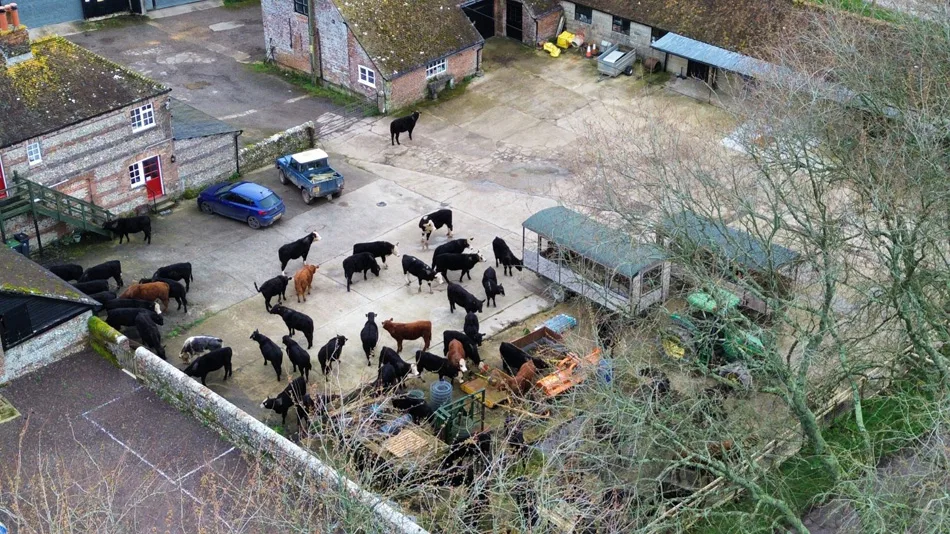
The cows are afraid to pass the tractor shed without cajoling
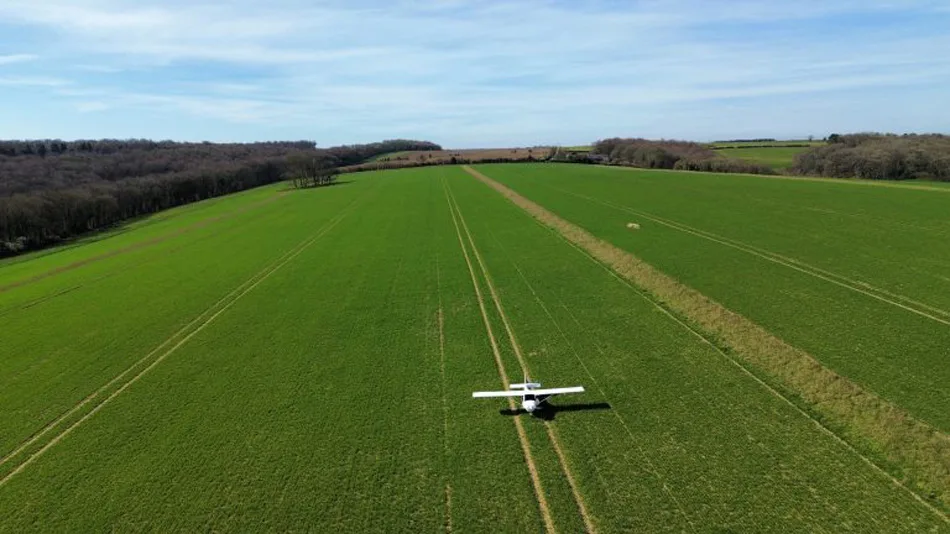
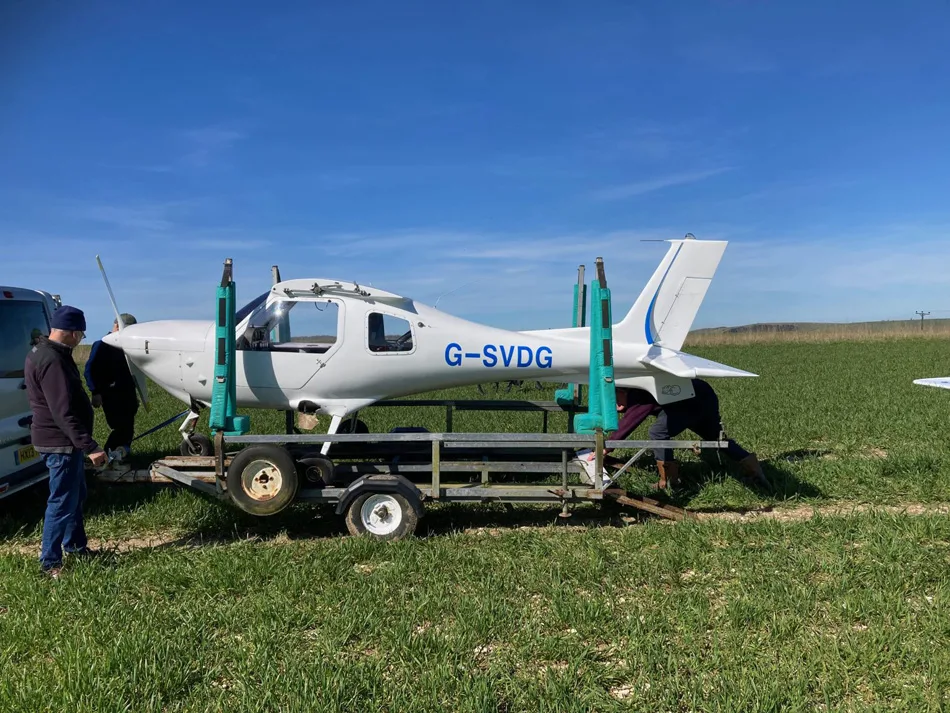
Elsewhere on the farm The pictures below are of a surprise visitor one Friday evening in March. The pilot had to make a hurried landing when the engine faltered – luckily for him the winter wheat crop on the Knoll presented itself, with room to land before the wires. Exactly a year ago this field had just been sown with oats, and the soft soil would have caused the plane to sink in – the landing might not have been so comfortable. Attempts to restart the engine were not rewarded with smooth running, so eventually she had to be loaded up and driven home. And finally, please do enjoy this image of cattle loitering where they should not. They had to be corralled in the ‘tidy’ yard while their mates were carefully cajoled into passing the scary tractor shed: they were supposed to meekly walk straight past and up the track to the next grazing field …
Businesses across Dorset are starting to prepare for some of the biggest changes to UK employment law in years. Although the legislation is already on the statute book, the changes won’t all happen at once. Instead, they’ll be introduced in stages from April 2026 through to 2027, giving employers some time to get ready. If You are an employee, you need to understand how these changes may impact on you.
Ian Girling, CEO of Dorset Chamber
The first wave of reforms is expected from April 2026, including updates to Statutory Sick Pay, stronger family-friendly rights, and new expectations around flexibility. Later in 2026, further measures are likely to follow, such as enhanced protections around predictable working hours and strengthened duties relating to workplace fairness. Some of the most significant changes – including reforms to unfair dismissal rules – are expected to come into force during 2027. For Dorset businesses, now is the time to start planning and it’s vital businesses are prepared for this. That might mean reviewing contracts, updating staff handbooks, and making sure managers understand what’s changing and when. Just as important is talking to your team. Clear, early communication helps avoid confusion and shows employees you’re taking the changes seriously. There are positives too. Greater flexibility can help employers reach a wider talent pool, particularly in rural areas. Clearer and fairer practices often improve morale and retention. Many Dorset businesses are already doing this well, and the new legislation should help create a more level playing field. At Dorset Chamber, we’re supporting members with guidance, updates and practical advice so businesses can prepare with confidence as the changes roll out over the next 12–18 months. dorsetchamber.co.uk
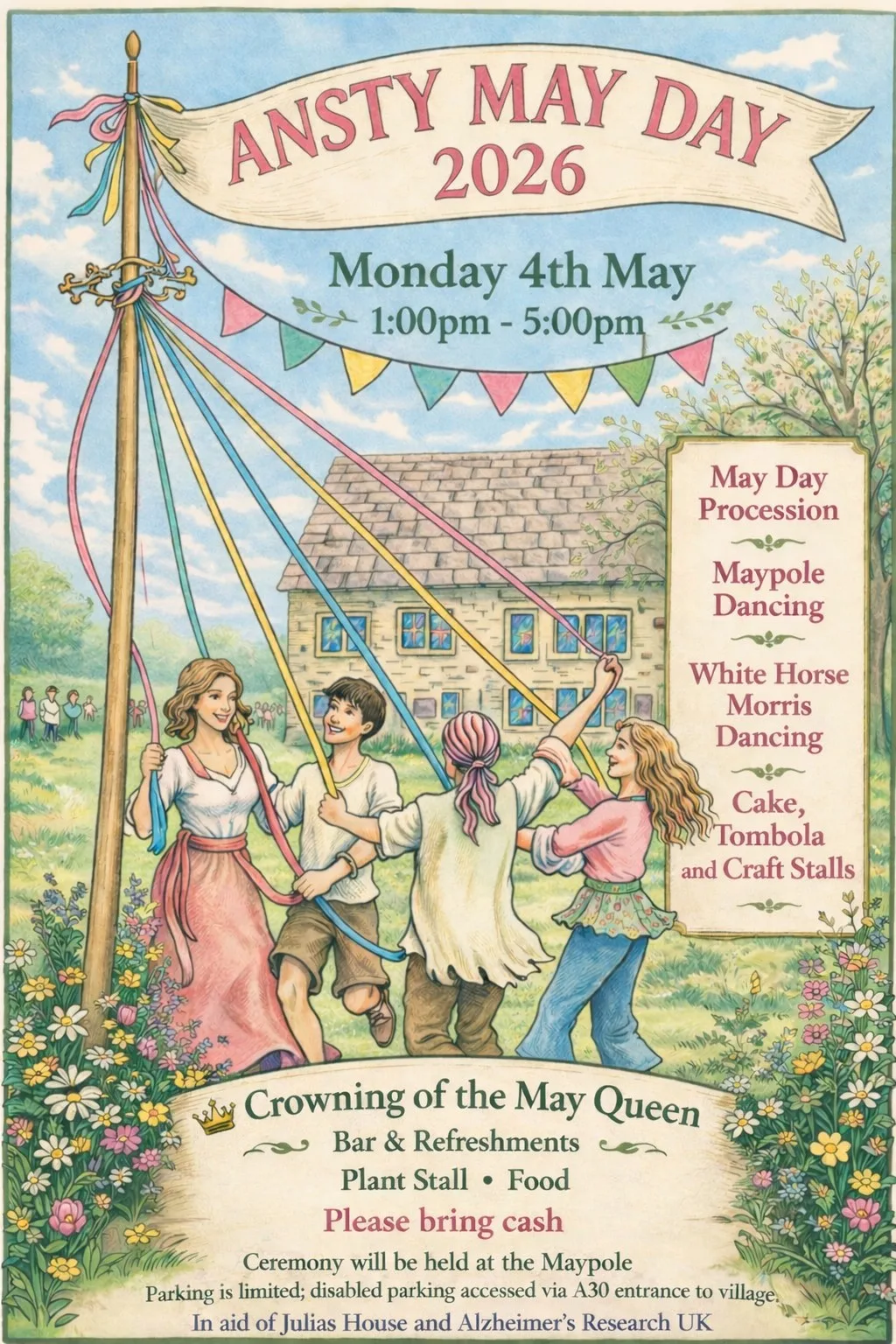
Ansty’s long-standing May Day celebration returns on Bank Holiday Monday 4th May, running from 1pm to 5pm on the village High Street.
The custom dates back to the late 16th century, when the Arundell family of Wardour Castle encouraged local children to dance around a Maypole – a tradition that has continued in Ansty ever since, pausing only during the Commonwealth years of 1644–1660, when Oliver Cromwell’s government banned music, dancing, and public festivities. The current 50ft Maypole stands on the same site as earlier versions: the last a 98ft pole believed to have been among the tallest in England before it was lost in a storm in 1993. All are warmly invited to follow the traditional procession and the crowning of the May Queen and her attendant, before gathering around the Maypole to watch the young dancers weave their colourful traditional patterns, As well as the dancing, the afternoon offers a mix of live music, Morris dancers, stalls, a tombola, hot food and a licensed bar, making it a relaxed and much-loved community event. Proceeds from the day will go towards maintaining the May Day tradition, including future upkeep of the Maypole, as well as supporting Julia’s House and Alzheimer’s Research UK. Further details can be found at anstywiltsparish.gov.uk.
The BV community news section is sponsored by Wessex Internet
We have just two months left – the Love Local, Trust Local 2026 Awards close at the end of May! What a wonderful year it has been, thanks to the incredible support from both longstanding and new sponsors. This year, I know the judges are going to have a tough task – every entry tells an incredible story, and truly, they are all winners.
Barbara Cossins discussing food labelling during a demo at the 2025 Dorset Spring Show
When headlines like “Middle East turmoil sparks renewed food security fears” hit, it reminds us just how essential the work we have been doing at LLTL since 2018 really is. Our governments – past and present – haven’t always treated food security with the urgency it deserves. Across Europe many countries are taking it far more seriously than the UK. Here at home, more farms are going on the market than ever because farmers often don’t feel valued – and yet they are among the most vital people in the world. After all, we all need food on the table and a good drink at our local pub! With tensions in the Middle East affecting energy and food markets, food security should be climbing the political agenda. But while governments debate, we can shine a light on our local heroes. With this year’s awards, let’s celebrate our Dorset and British producers. Let’s help them tell their fabulous stories – about what is being grown, produced, caught, reared, brewed, crafted and cooked here in Dorset. This year, we’ve added a new category, celebrating farmers leading the way in conservation and sustainable practices – visit lovelocaltrustlocal.co.uk to find out more! The deadline for entries is the end of May, so don’t miss your chance to be recognised! Join us at the awards ceremony on 24th September 2026 to celebrate our winners in style. Barbara Cossins
The programme at The Exchange in April includes two great films (The Choral with Ralph Fiennes, and the Oscar-sweeping box office smash Hamnet), the amazing Budapest Café Orchestra, a riot of 50s and 60s Rock and Roll with perennial favourites Lipstick on Your Collar, and the Soul and Swing Big Band – the lovechild of the old local favourite Barrelhouse Blues Orchestra. It’s a typically great selection of entertainment … but on top of all that, on the 11th of April – with no tickets required – it is The Exchange Open Day!
Soul and Swing Big Band
Budapest Café Orchestra
It’s a chance to come and see behind the scenes, as well as finding out just how much you can enjoy at The Exchange between the shows. And how can a community arts centre do so much for the community and the area with no cost to the ratepayers? The Exchange is open from 10am to 2pm on Saturday 11th April. Entry is free, hot drinks are half price and there are homemade cakes too. There’s free parking in Sturminster all day, and The Exchange is waiting to see you.
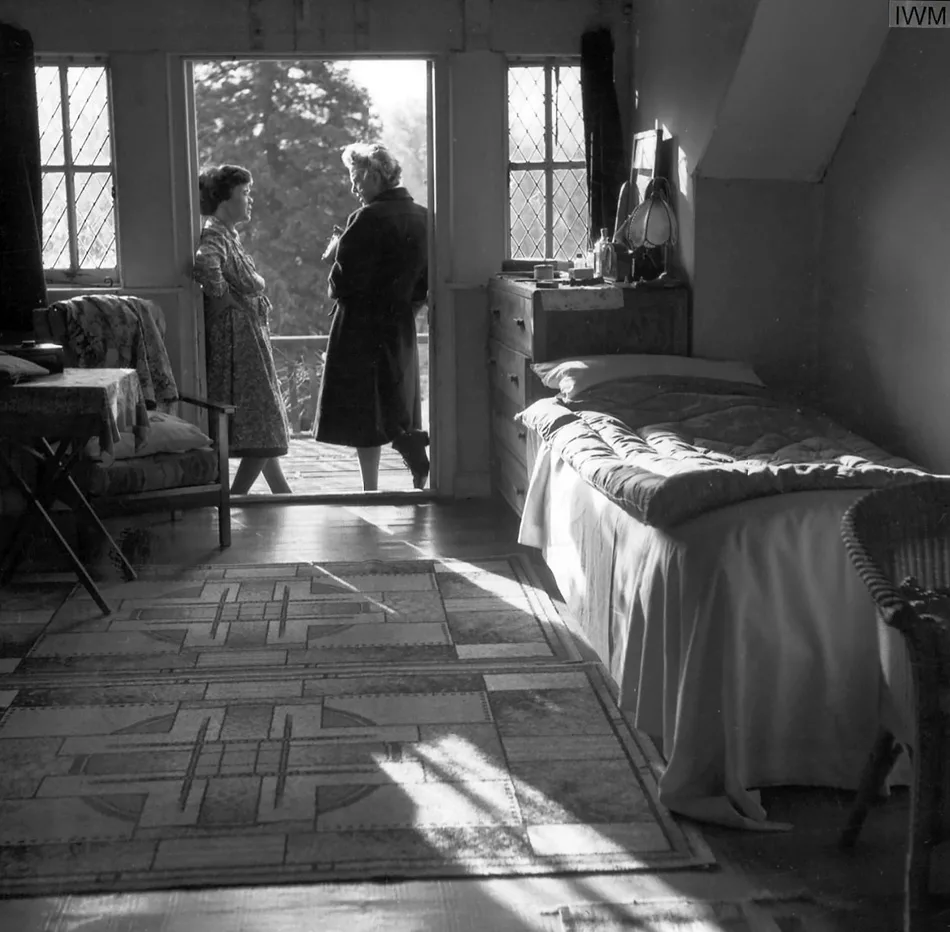
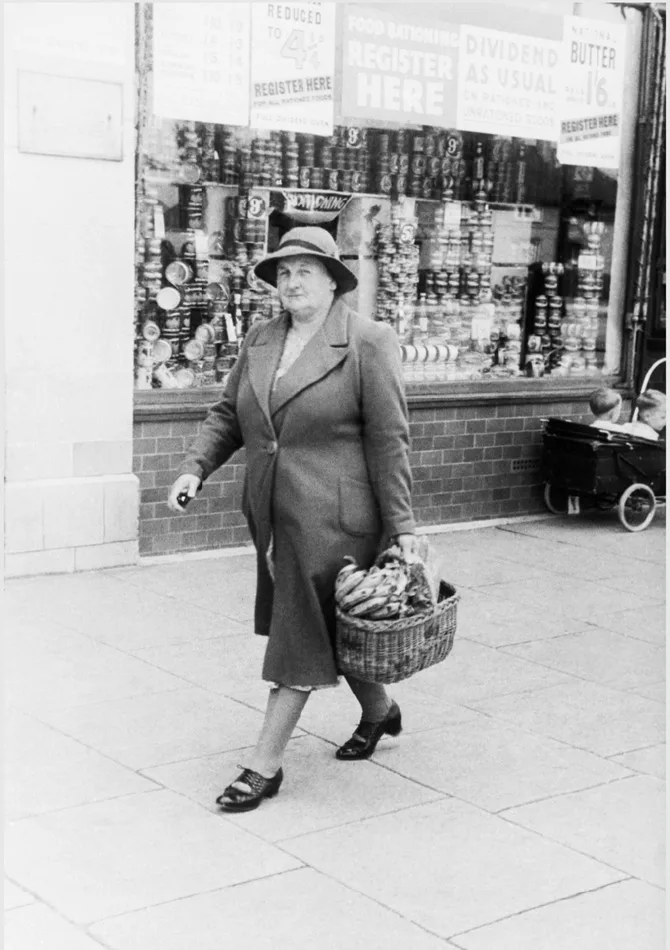
During the Second World War, Special Duty Sections were recruited from the local civilian population to gather intelligence. Led by officers from military intelligence, the network consisted of key men and women, observers and runners. Each member was issued with a code and password, and information was passed along carefully structured chains so that individuals rarely met and could not identify the wider network. In the event of invasion, runners would have carried reports across the front line to British forces. By 1941, however, wireless transmitters had been introduced to speed communication. Special speech-based sets were developed, which were far easier for civilians to operate. Pre-war radio amateurs were recruited into the Royal Signals to design and build the equipment, which was concealed in ingenious ways. Civilian outstation operators transmitted reports to instations manned by the Royal Signals or the ATS (the Auxiliary Territorial Service, the women’s branch of the British Army), who passed the intelligence to army headquarters. Nearly 4,000 civilians across Britain became the ‘eyes and ears’ of the country. They reported careless talk, watched for collaborators and monitored military movements. Sections were trained to identify German officers, units and equipment. Messages were then hidden in dead letter drops – hollow tree stumps, behind telegraph pole ID plates, inside gateposts and many other locations – before being collected by runners and taken to one of around 200 secret transmitters. One such transmitter operated at Anderson Manor near Blandford.
many special duty section operatives were widows of servicemen or wives of those serving overseas
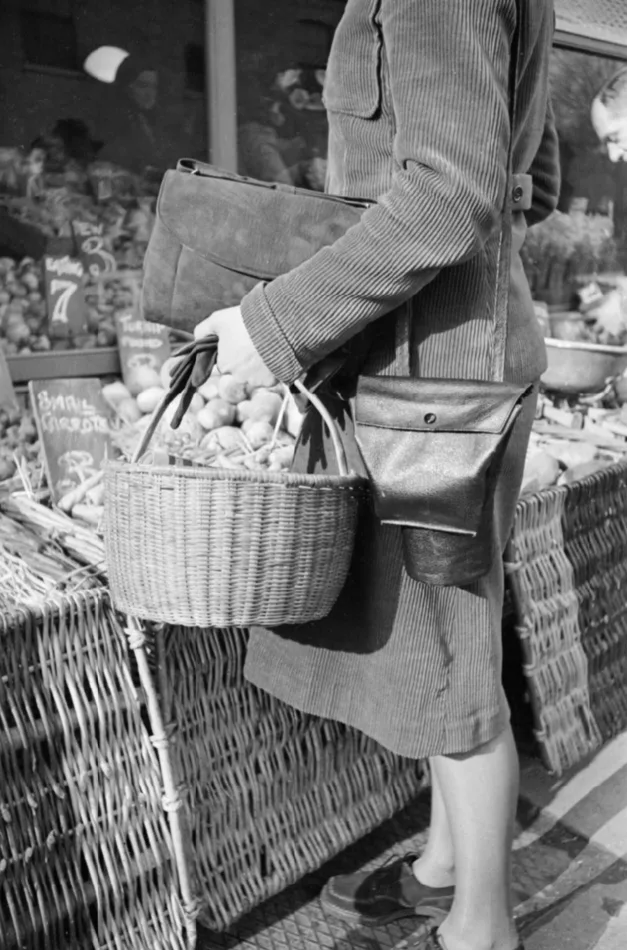
Each wireless station involved 20 to 30 people, from observers gathering intelligence to runners moving reports between drops. The compartmentalised system was designed so that if one individual was captured, the wider network would remain protected. Unlike the Operational Patrols covered in the February issue of the BV, the Special Duties Sections included both men and women. Women were considered less likely to be stopped and searched by occupying forces. Many were widows of servicemen or wives of those serving overseas. Members were sworn to ‘everlasting secrecy’ under the motto Be like Dad – Keep Mum. They were all volunteers, and even today there is no complete list of names. Interestingly, by the time the organisation stood down in 1944, its principal contribution had been its internal security role, eavesdropping on the loyalty of the British populace and monitoring careless talk among the troops massing for D-Day.
Women were considered less likely to be stopped and searched by occupying forces
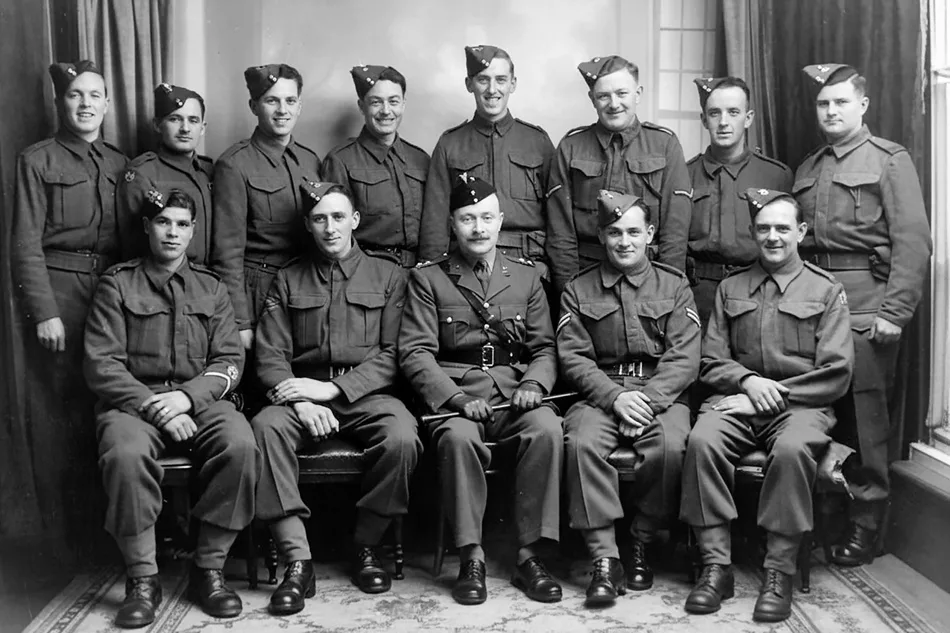
The Scout Sections The Scout Sections formed an early and vital part of the Auxiliary Units structure. These were regular soldiers, each section commanded by a lieutenant, tasked with training the civilian patrols. Their origins lay in the XII Corps Observation Unit under Captain Peter Fleming, the famous writer and traveller. He had arranged for a section of Lovat Scouts to help him. Recruited from the Highlands of Scotland, they included experienced ghillies, skilled in stalking, who had also trained snipers during the First World War. In Dorset, two Scout Sections operated, covering East and West, drawn respectively from the Dorset Regiment and the Wiltshire Regiment. It was intended that Sections would be trained over a three-month period, after which they would in turn train the Auxiliaries. The Dorset Auxiliaries were trained at Duntish Court in Buckland Newton, and then Bingham’s Melcombe House. They had several operational bases, including one near Blandford and another at Duntish. Lord Lovat’s No. 4 Commando, stationed in Dorset, also trained many local members. There is an interesting story told of when the Dorset and Wilts Scout Sections combined to test their new-found skills. The operation was to attack Blandford, which was defended by No. 4 Commando: the Auxiliary Units’ task was to sneak in and place big chalk crosses on strategic buildings and structures to emulate planted bombs. Chalk marks were successfully placed under the bridge and also on the Commandos’ own HQ. The Auxiliaries were completely successful, and were considered to have effectively destroyed the town without compromising themselves or confronting the Commandos in any fighting. Jack Blandford from the West Dorset Section explained to Lord Lovat how they were able to operate without his Commandos realising: the Auxiliaries were not only dressed in black, but they also wore black plimsolls. The sound of the Commandos’ hobnail boots gave their positions away. While Commandos were running along the road, Jack and his comrades were running alongside them in a lower ditch without them realising it!
One of the Auxiliary Units which ‘destroyed’ Blandford – Wiltshire Patrol East Dorset 1942-43. From back left: Jack Blandford, Jack Straker, Ron Hanford. Lionel Stoneham, John Hutchins, Blackie Blackwell, Barret (Busty) Beckford, Slark, Sgt Smith, Lt Geoffrey Brain, Cpl Bob Burgin, Powell. Image courtesy of CART staybehinds.com
Aftermath As the threat of invasion receded and Auxiliary training was completed, many Scout Section officers and men transferred to active service in Special Forces. In 1943 the two Dorset Sections were combined. The SAS in particular recruited former Scout Section members for their expertise in operating behind enemy lines.
Further information on staybehinds.com, and at the Royal Signals Museum which includes a display on the Special Duty Sections.