**UPDATE** Closing date for these vacancies is now Monday 27th October
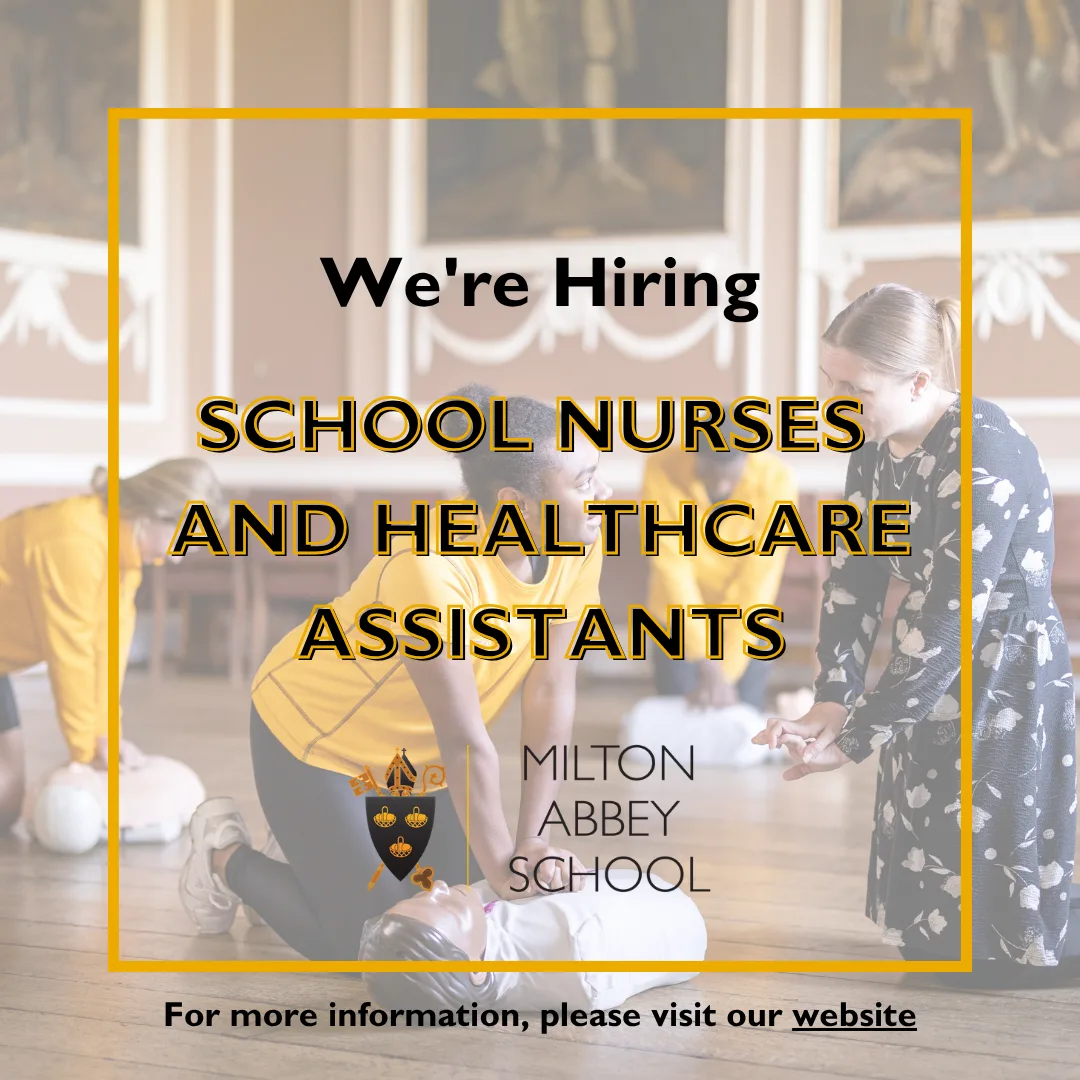
We have exciting opportunities available to join Milton Abbey’s Health Centre as a School Nurse or as an Experienced Healthcare Assistant providing high quality care 24/7 for our pupils. The roles are diverse and rewarding and applicants should be confident to work autonomously and be keen to support and influence the lives of the young people in their care.
Full-time, part-time and bank contracts are available covering the school’s three terms leaving over 20 weeks’ for holiday each year. Successful applicants will work on a rota basis covering nights when pupils are on site (on call cover from home) and weekends (c25 weekends fall within term time). Night cover and weekend work will be distributed equally across the team.
The school offers competitive rates of pay, meals on duty and payment of NMC membership fees
Full job description and applcation pack may be obtained from our website here Working at Milton Abbey – Milton Abbey | Independent School in Dorset or from the school’s HR department on 01258 880484 or email [email protected]. Applications must be submitted on the school’s application form. The closing date for applications is Monday 20th October 2025. We reserve the right to close this vacancy early if we receive sufficient applications for the positions available.
Milton Abbey School is committed to safeguarding and promoting the welfare ofchildren. Applicants may be subject to online and other searches andsuccessful candidates will be subject to an enhanced disclosure check from theDisclosure and Barring Service prior to appointment.Please note that our school is a no smoking site.
Free school meals made from local Dorset produce could provide healthier options, reduce food miles and support farmers, suggests Andrew Livingston
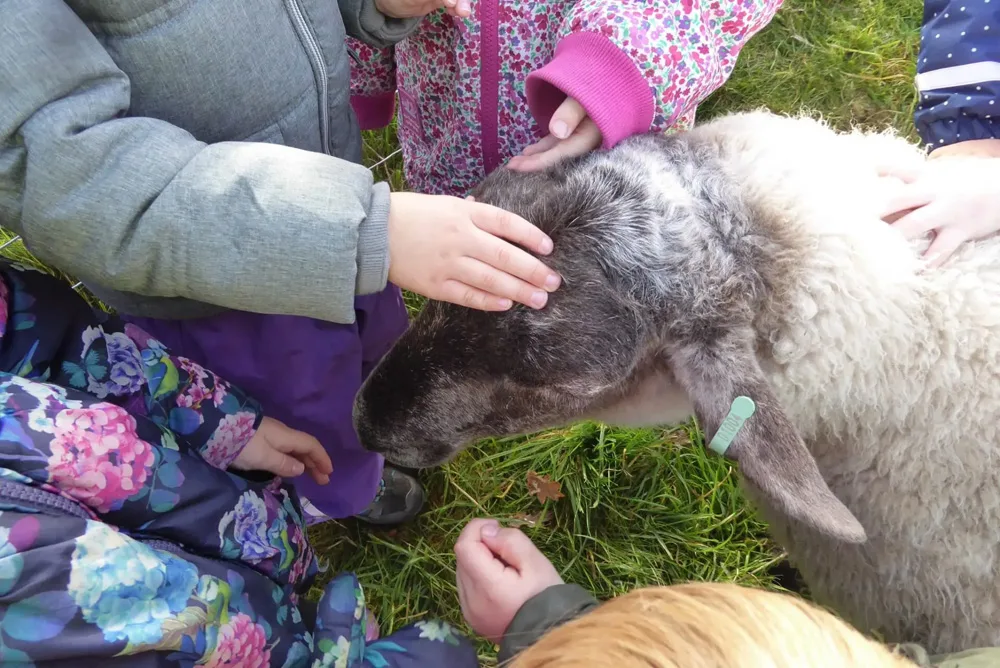
BV columnist George Hosford runs regular school visits to Travellers Rest Farm, where a small flock of sheep – kept just for these visits – happily accept toast. Daisy the ewe is known for her patience with the children, even after all the toast has been eaten. Image: George Hosford
In an age when supermarket supply chains stretch across continents, it’s easy to forget that some of the best food in the world is grown right here on our doorstep. And nowhere is that truer than in Dorset, a county blessed with a combination of rolling farmland, fresh coastal air and a proud farming tradition. With such abundant local produce, why are we not using it to address two pressing issues at once? If the Government is serious about supporting both children and farmers, then the solution is staring us in the face: free school meals, made with local produce. The free school meals programme has deep roots in Britain. It began in 1906 and the idea was simple, but radical: a hungry child cannot learn. More than a century later, that principle still holds. Today, all children in Reception, Year 1 and Year 2 are entitled to free school meals, while older pupils qualify if their families are on certain benefits. But in 2025, with almost all families struggling through a cost-of-living crisis, the debate has reignited over whether free school meals should be universal. What if the answer was in the fields beyond the school gates? Every child deserves a healthy meal at school … and what if that meal could also support the local economy, reduce food miles and reconnect children with the land? By sourcing from Dorset farms and food producers, schools could provide nutrition and education in one go. Imagine school dinners made with Dorset potatoes, seasonal vegetables, milk from our dairies and fresh fruit grown in nearby orchards. This is not some fanciful, romantic notion. It’s practical and achievable. Dorset already has a network of small family farms, many of which struggle to compete with the cut-throat pricing of supermarkets. By creating a stable, guaranteed market for their produce through school meal contracts, farmers would get a fair price and the money would keep circulating within our communities. Instead of funding imports of frozen chicken from thousands of miles away, why not invest in the hardworking families tending fields and herds just down the road?
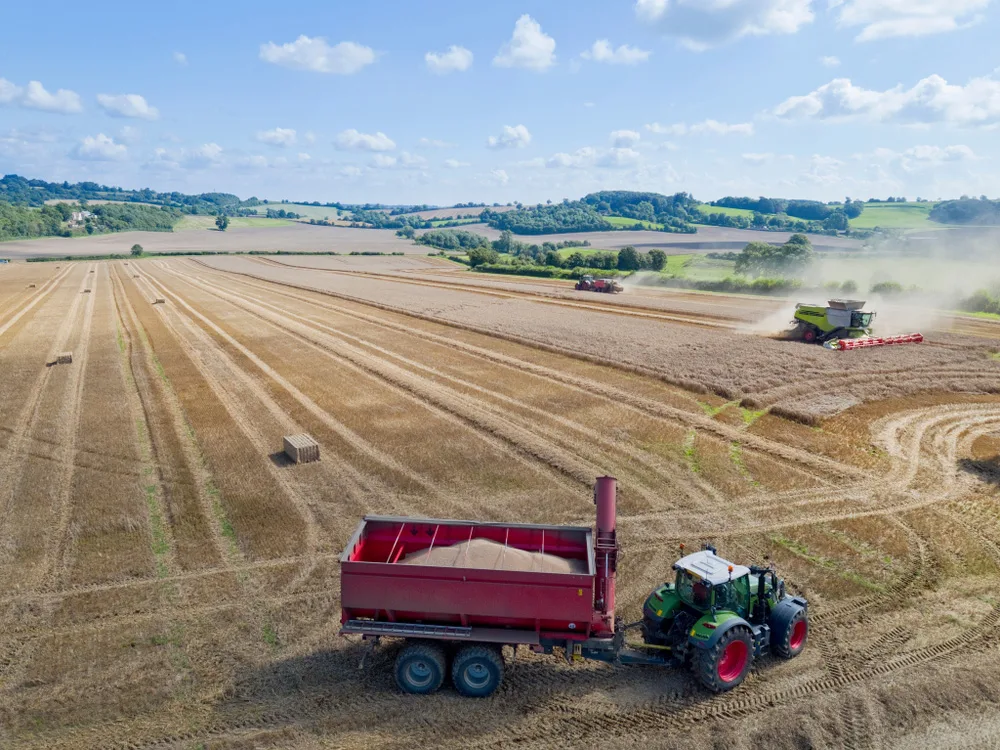
Dorset is a county blessed with an abundance of rolling farmland
There are other benefits too. Food miles are a pressing concern in the era of climate change. The less we rely on produce flown or trucked in from elsewhere, the smaller our carbon footprint becomes. Dorset-grown carrots don’t rack up air miles. Milk from the Blackmore Vale doesn’t need shipping containers. Our countryside could feed our children in a way that is both environmentally responsible and community-driven. And then there is the educational element. Too many children today are disconnected from how food is grown. Free school meals, proudly advertised as ‘from Dorset farms,’ could be reinforced with farm visits, school garden projects and lessons about seasonal eating. I would also tell farmers: ‘If you want this contract , work for it.’ Simply providing the food isn’t enough – farmers have got to be the bridge for these children into the agricultural world … they must get into the classroom and make food fun. Children could learn not just to eat, but to value food … and the people who produce it. This is about more than nutrition: it’s about fostering a culture of respect for farming and the environment. Critics will argue this is costly, but what is the cost of not acting? Rising childhood obesity, rural poverty and climate pressures will be far more expensive in the long term. Redirecting public spending towards local food is an investment in health, resilience and sustainability. Dorset can lead the way here, showing the rest of the country how schools, farms and councils can work hand in hand. We talk a lot about ‘levelling up’ in politics, but often forget that true levelling up starts with the basics – like ensuring every child has a hot, healthy meal. If that meal comes from the fields of Dorset, so much the better. Feeding our children while supporting our farmers is not just good policy … it’s common sense.
Do you agree? Should Dorset pioneer farm-to-school meals? Share your views – [email protected]
Applications for this role must be made on our Hanford Prep application form (on the PDF tab below) and sent with a short covering letter to [email protected]. CVs on their own will not be accepted.
They say it won’t be compulsory. Then they say you can’t work without one. Well, where I come from, if you can’t earn a wage without it, that’s compulsory. No two ways about it. I don’t usually write in to papers, but I love reading the Grumbler bit, and this whole digital ID thing stinks.
We’ve already got passports and driving licences. I’ve had to show mine often enough over the years. You can’t get a job, open a bank account, or hire a van without them. So why now are they suddenly not enough? What’s changed? It looks to me like nothing’s changed, except someone in Westminster fancies a new gadget to keep tabs on us. I tried to picture how we all know this conversation is going to go: “We do already have rules to stop illegal migrants working. And we already have driving licences and passports to prove who we are?” “Yes, that’s not enough.” “Your driving licence and passport aren’t good enough?” “No, not any more, sorry.” “FINE. How do I get a digital ID then?” “Well, if you could just show us your passport or driving licence…” It’s daft. Round in circles. Bureaucracy at its finest.
Marched down the road But what really worries me is where this goes next. First they say it’s just for work checks. Then it’ll be banks. Then benefits. Then the doctor’s surgery. Bit by bit, you’ll find you can’t do much at all without flashing your little digital card. And don’t think they won’t be keeping records of where and when you’ve used it. That’s how these things always go. And what about the people who don’t have the latest phones, or aren’t good with technology? Out in the country we’ve got plenty of folk who can’t even remember their email password, never mind fiddle about with digital wallets and QR codes. We’ve still got villages where the broadband drops out if it rains too hard. How’s a digital ID supposed to work there? Take the Lloyds in Shaftesbury closing. For years, people said “don’t worry, you can just do it online.” Then one day the branch was gone, and if you’re not online now, tough luck. That’s what I fear with this digital ID business. They’ll bring it in and say ‘there are alternatives for those who need them’, but give it a year or two and those ‘alternatives’ will vanish. I know some people will shrug and say it’s no big deal. But rights don’t usually get taken away all at once. They get chipped away at – a new rule here, an extra form there – until suddenly you find you can’t do something you always took for granted. Work, travel, even protest. A digital ID that’s basically a digital dog lead, but all controlled at the press of a button. So no, I don’t trust this scheme. If they wanted to make things simple, they’d use the IDs we already have and not spend (how much?) billions on a new system. But they don’t – and that’s what’s making me stop and think. It feels like we’re being marched down the road towards something we’ll regret later?
**The Grumbler – the open opinion column in The BV. It’s a space for anyone to share their thoughts freely. While the editor will need to know the identity of contributors, all pieces will be published anonymously. With just a few basic guidelines to ensure legality, safety and respect, this is an open forum for honest and unfiltered views. Got something you need to get off your chest? Send it to [email protected]. The Grumbler column is here for you: go on, say it. We dare you.**
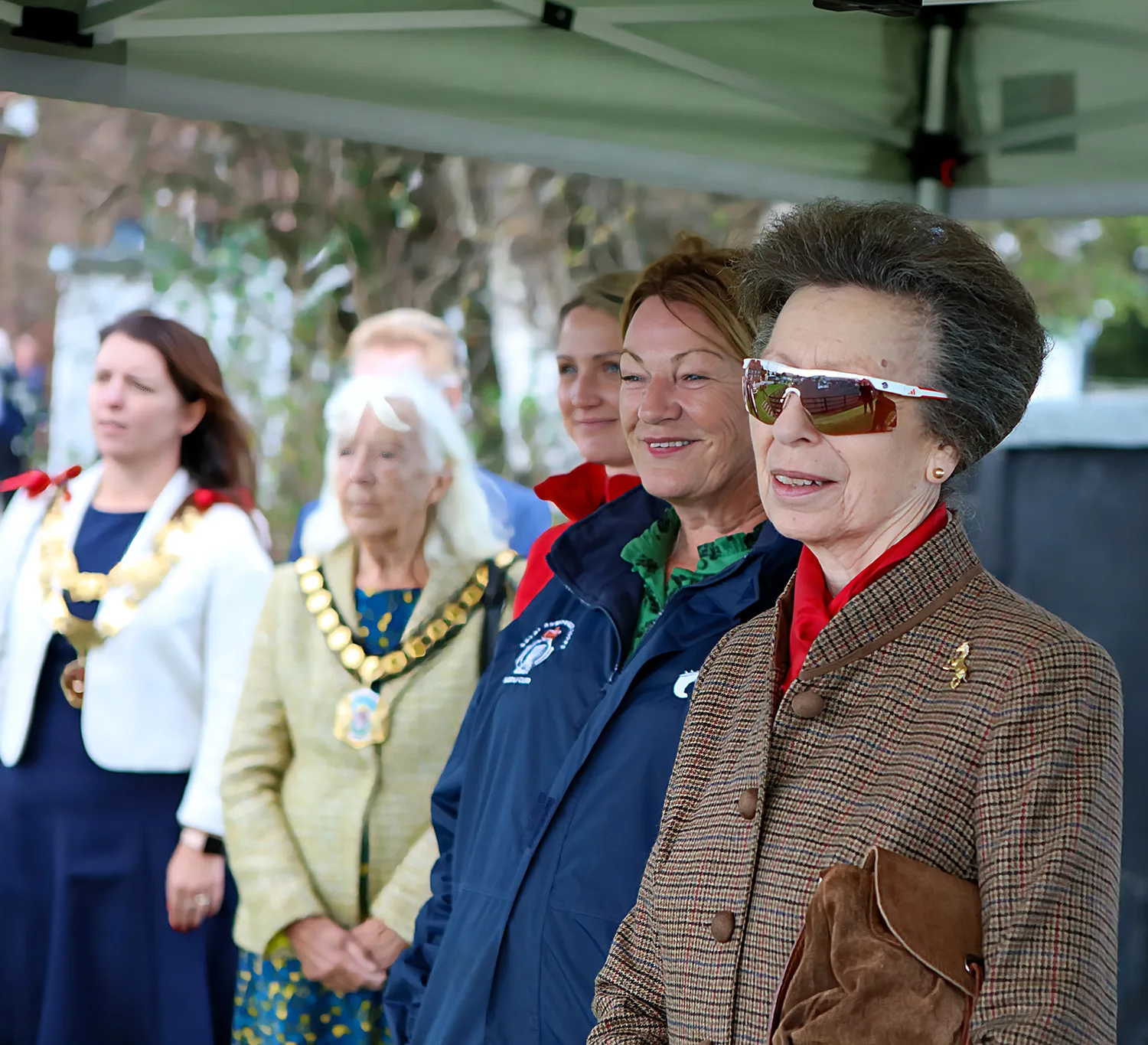
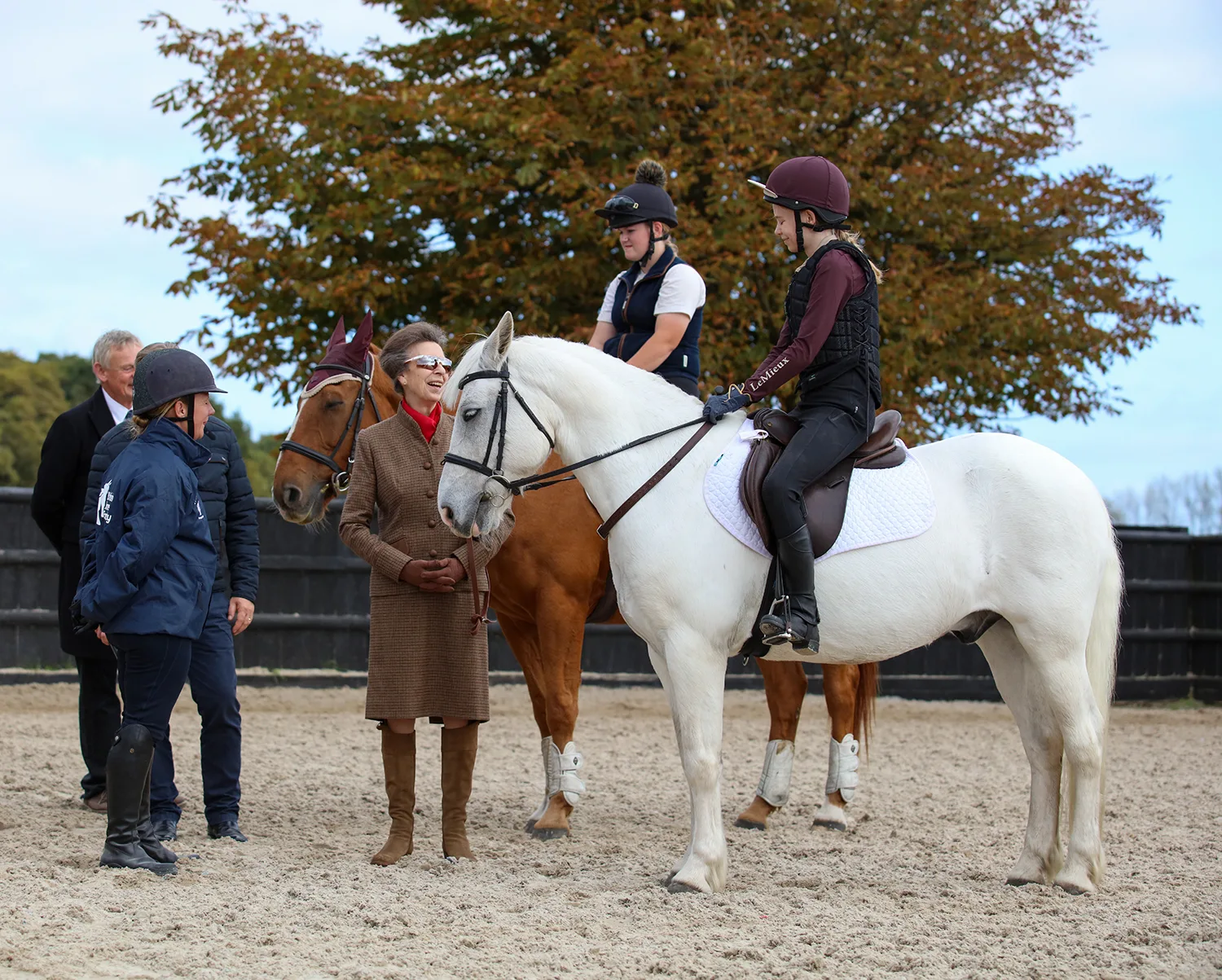
A local equestrian centre that helps young people build confidence and life skills through horses has been praised by both the Princess Royal and actor Martin Clunes during a royal visit last week.
The British Horse Society’s Changing Lives Through Horses (CLTH) programme – which supports young people outside mainstream education – was showcased last month at the Royal Armoured Corps Saddle Club in Bovington. The yard was the first in Dorset to offer the scheme, launching it back in 2019.
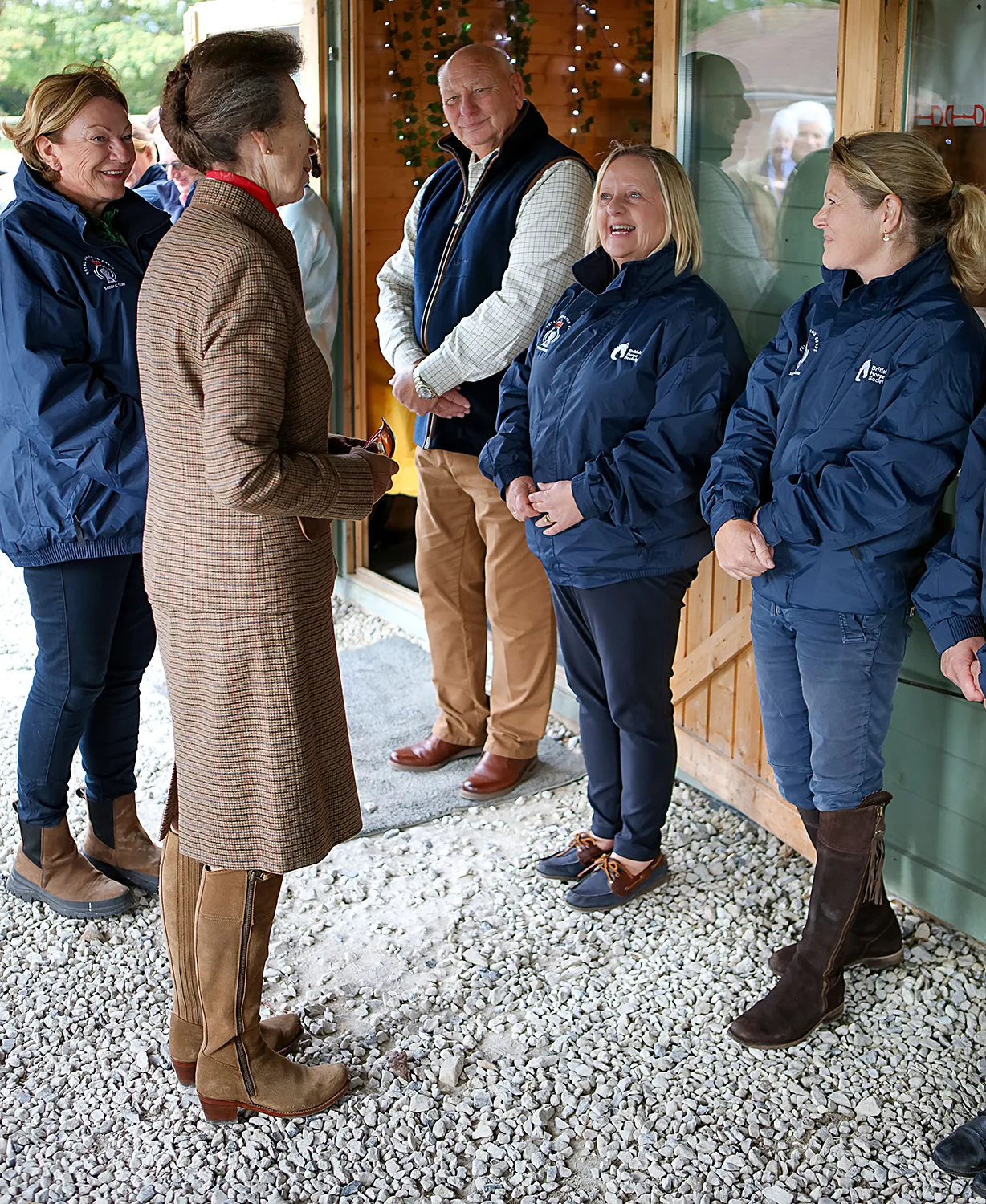
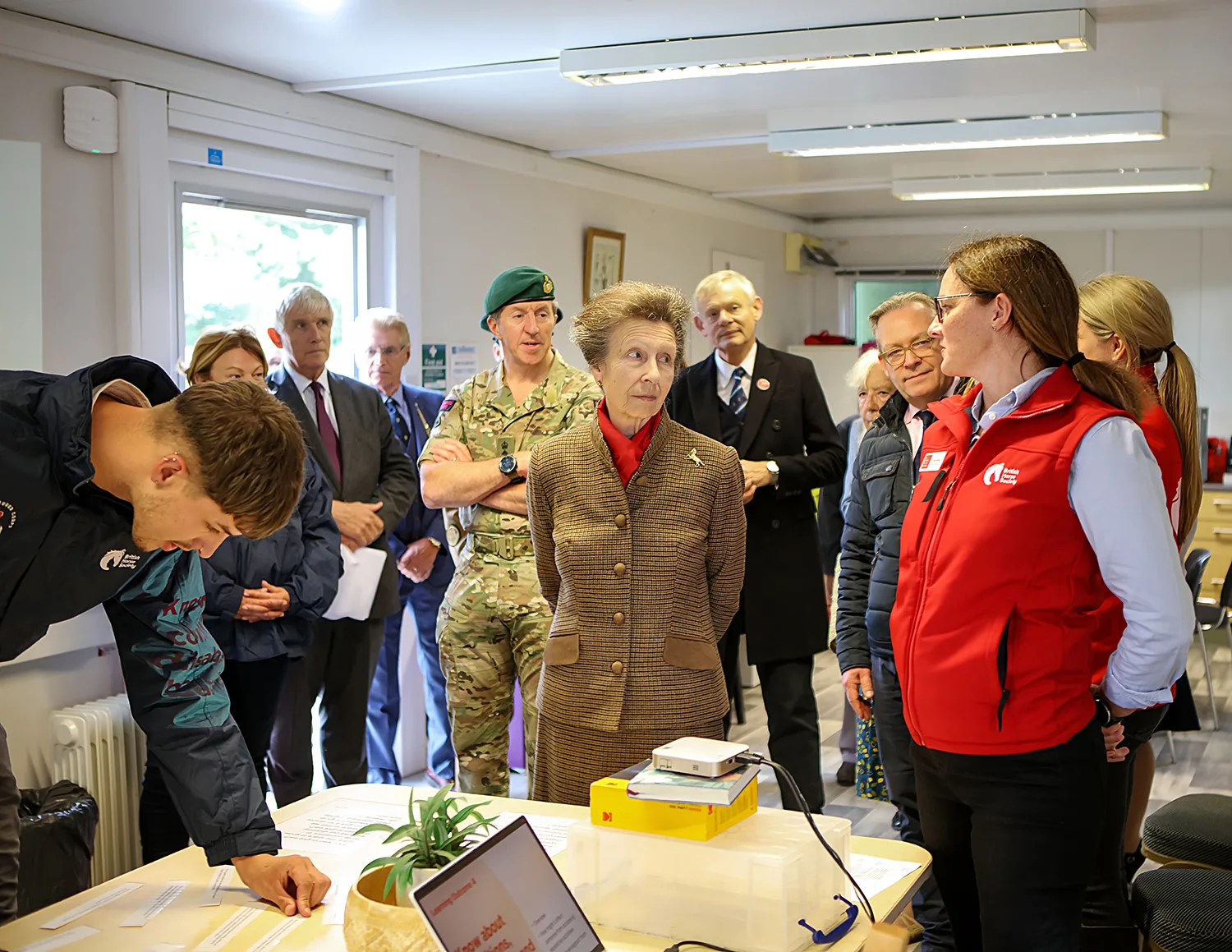
Princess Anne, vice-patron of the BHS, visited the centre to see the work being done through Changing Lives Through Horses and the BHS’s Coaching for All programme. During her visit, she toured the stables, classrooms and arenas, meeting students, staff and volunteers involved in the projects.
Steph Buchanan, manager of the RAC Saddle Club, said the visit was the culmination of months of preparation. She learned in March that the club had been nominated for a royal visit, but it wasn’t until August that she discovered they had been selected by Princess Anne herself.
‘It’s been absolutely awesome for us,’ Steph said. ‘Though we’d just held our British Eventing horse trials the day before, so it’s been a completely mad few weeks getting everything ready. In the last three weeks we’ve been juggling the preparation for the trials along with palace security visits, walkthroughs and timetables – but it was worth every bit of it.’
The Princess watched a packed afternoon of demonstrations, and presented certificates to four young riders who had completed their BHS Stage 1 qualification. One of these was 15-year-old Layla, who was referred to the Changing Lives programme from Wey Valley Academy, having never ridden before. She passed her Stage 1 exam “incredibly well”, Steph said.
Princess Anne also visited the classroom, where trainee coaches were working on their Coaching for All EDI section, before seeing a live lesson for three children in the CLTH programme as part of their Alternative Provision. Along the lines, members of the Household Cavalry demonstrated a practical assignment, while other Changing Lives students, working towards their own BHS Stage 1, were tacking up horses.
Steph said she was immensely proud of everyone involved: ‘The whole team – staff and students alike – were just amazing. The CLTH kids can struggle with confidence at times, but we’d rehearesed how to greet the Princess, and they were perfect. Brilliant. The horses all looked stunning, and the yard has never looked so good, it was spotless – not a blade of straw out of place. It was an astonishing day.’
In her speech, Steph also paid a candid tribute to the Will Does charity, of which she’s a trustee, which supports young people’s mental health. She brought the charity’s outreach bus onto the yard for the event, and said the day carried a deeply personal meaning. ‘I honestly am not sure I’d be here, doing this, if it hadn’t been for the loss of my nephew, Will,’ she said.
The RAC Saddle Club, which operates as a charity open to the wider community as well as the military, is one of 600 riding centres nationwide approved by the British Horse Society.
BHS president Martin Clunes told The BV: ‘It’s great to see the work of both BHS and Bovington Equestrian Centre being recognised in this way. The Changing Lives Through Horses programme is improving the conditions of young people who have slipped through other nets and haven’t been picked up on other radars. It gives them so much – I see it all the time.’
It was a day that reflected the heart of the Changing Lives programme – horses providing a bridge to confidence, connection and opportunity.
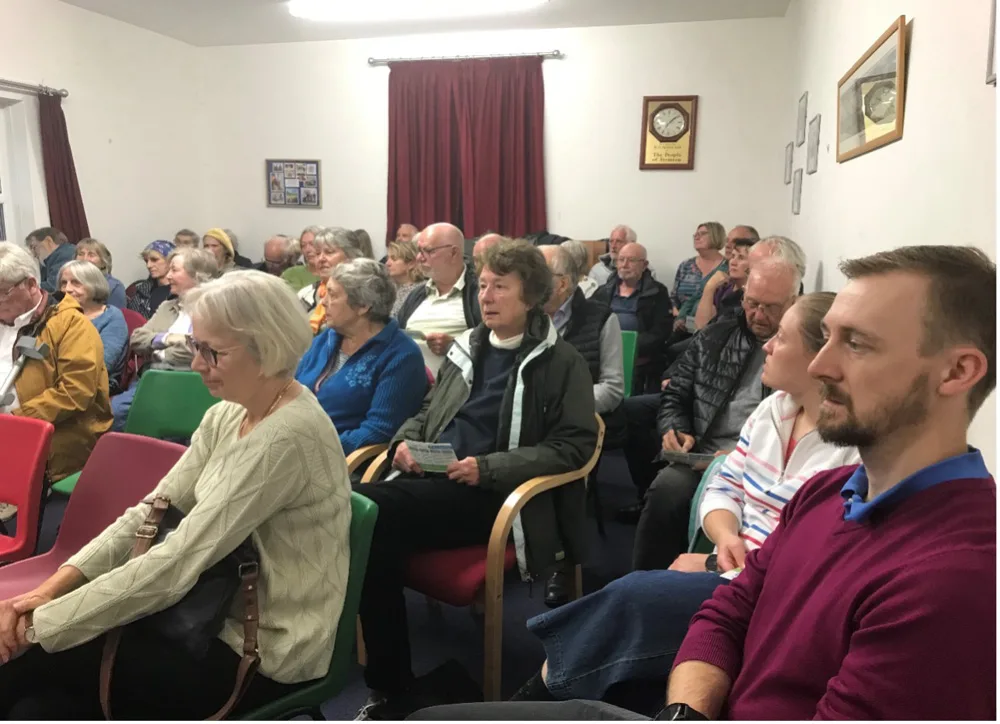
Stratton’s lack of a bus service drew a packed audience of around 45 people to the village hall on 17th September, showing the strength of local concern. The village is about three miles north-west of Dorchester, and the meeting was organised by Dorchester Transport Action Group (DTAG) following their open forum in June, where the challenges faced by villages around Dorchester were raised as a major issue.
Stratton village hall was packed for the meeting to discuss the public transport issue
DTAG chair Stewart Palmer told residents that while reinstating the old 212 bus service was probably unrealistic, there was scope to campaign for some kind of provision. He pointed to Martinstown as an example, where it took years of persistence to secure a service. In the meantime, he suggested exploring other community-based options such as car and lift-sharing schemes, which have worked successfully elsewhere in rural Dorset. The first task for Stratton’s residents will be to establish what sort of service people actually need, how often it would be used and for what purposes. This could include canvassing nearby villages such as Frampton, Grimstone and Bradford Peverell to demonstrate wider demand: ‘A campaign has to start with clear evidence of need,’ Stewart said. Les Scarth, a DTAG supporter who helped lead the Martinstown campaign, described practical steps that had worked there – including surveys, door-to-door conversations and mass email and letter campaigns to decision-makers. William Gibbons, DTAG’s lead for buses, stressed that Dorset Council has £4m of new money available for community transport projects, but warned that it will come down to priorities: ‘You need to make your case and make it the best case.’ By the end of the evening, 22 residents had given their details to form an initial working group. DTAG will support them in launching a campaign and a follow-up meeting is planned in the coming weeks. More details about DTAG at dorchestertransport.org.uk
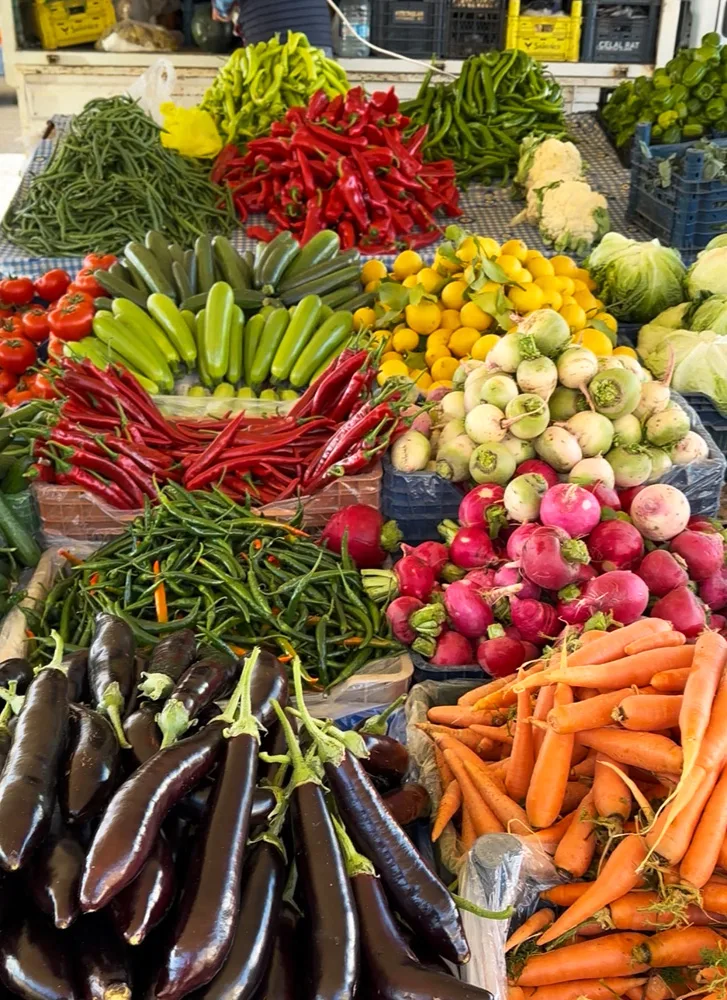
I often write about food production in this unstable world, and today’s world news only reinforces the message. I’m writing this on the last night of a short visit to Turkey. Once self-sufficient in food, the country has badly damaged its agriculture through over-use of underground aquifers. Today it imports just under seven per cent of its food – still far better than the UK, where we manage only 65 per cent self-sufficiency. Some UK sectors are critical: fresh vegetables at just 53 per cent, and fresh fruit a shocking 15 per cent. My cousin, commanding officer of HMS Prince of Wales, is in the Far East, on exercises with allied navies against very real current threats. He and his crew know they are preparing for war.
Local produce on sale at a Turkish market
Back home, most people remain blissfully unaware of how dangerous the world has become. Many commentators now predict a world war within three to five years … if that comes, the UK will be in a dire position, unable to feed ourselves. We need a government that genuinely supports farmers and encourages them to grow more food, ensuring we can feed the nation and survive without imports if disaster strikes.
Instead, ministers seem blind to the collapse in morale across farming. Too many farmers are leaving the industry – some even making devastating life decisions to avoid inheritance tax. In schools, too, we fail to teach children where food really comes from, or how fragile the supply chain becomes in times of conflict. The answer is simple: we must keep lobbying our MPs. We need their backing to grow more, buy more and eat more local. Food production must return to the school syllabus. After the Second World War, Winston Churchill urged farmers to produce more to feed the nation. Keir Starmer should take up the same cry. It’s time to wake up and smell the coffee – or better still, cut the carbon footprint and smell the farmyard muck! Barbara Cossins
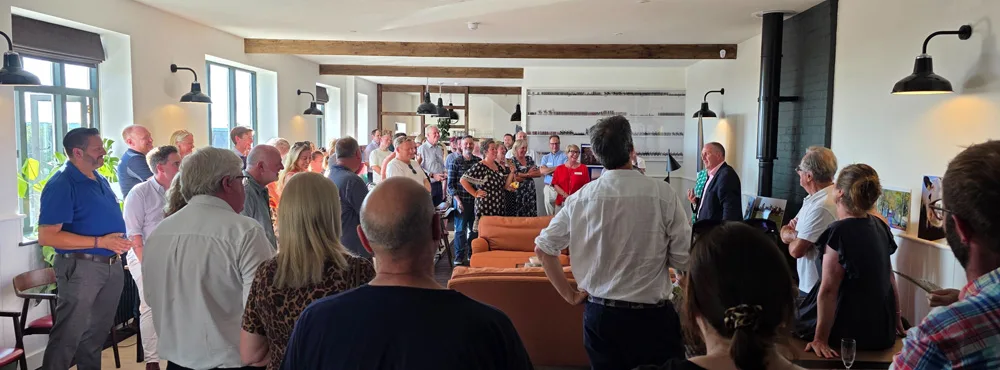
North Dorset businesses are invited to connect, collaborate and grow at the Hinton Workspace Business Expo on Wednesday 12th November – a one-day celebration of local enterprise and ambition. The day will begin with breakfast networking at 9am, before doors open on two floors of exhibition stands showcasing local talent and services. From 10.30am, the focus shifts to expert-led talks across two hubs: the Growth Room, with sessions on sales, funding and AI, and the Wellbeing Room, offering guidance on balance and resilience in business. At lunchtime, a Lunch & Learn panel hosted by Alice Fox-Pitt will bring together five leading local business voices to share insights and experiences.
Hinton Workspace has become a hub for North Dorset business networking
Hinton Workspace, profiled in The BV when it opened, has quickly become a popular hub for rural business, tackling rural isolation and lack of amenities by offering space, support and community for entrepreneurs across North Dorset. Opportunities to get involved in the EXPO include booking a stand space, securing a 20-minute speaker slot, or sponsoring one of the talk spaces – attendance is free (pre-booking is advised as spaces are limited).
When I first asked what type of work I’d be doing as a new parish councillor, I was firmly told that all I would need to do is ‘come to the meetings and listen to the chairman’. In other words, ‘keep quiet and don’t rock the boat’. Reader, I rocked the boat.
But I am not everyone… Parish councils today are very different creatures from 50 years ago, when the same families effectively held a fiefdom over villages for decades. Thankfully, the situation is more open and inclusive today. There is an extraordinary amount of work to do, with difficult challenges, so people with all manner of diverse skills and abilities are valued. Councillors need to be able to turn their attention to a range of issues, from a blocked footpath to a serious discussion about future infrastructure in a village swamped by developments, or the impending closure of a local pub. The majority of councillors work extremely hard in their communities, and a lot of what they do is invisible to the public. But every parish councillor knows that not every councillor pulls their equal weight – and that raises a fair question. How does someone who contributes very little end up in the role at all? While most people realise that this attitude of being a passive representative is very outdated, there are still people around who think the role of a councillor is in name only, simply requiring an appearance at public events and meetings. Every council has at least one person who does absolutely nothing … and it is really frustrating. Typically, the individual turns up at a meeting and sits there, either saying nothing or exposing the fact they have not read any of the papers. They might nod off on occasion, or need to be prodded to keep on track. If they are given a job to do, it never gets done. Some are also alarmingly behind the times – including on equality, diversity and basic workplace conduct. Why do they even sit on councils? For some, it’s a power game. Others miss the meetings they had when they were working full time, and join just to feel important again. One or two join because there’s an impending development spoiling their view, and they think they can stop it (that strategy rarely works) – people focused on a single issue frequently lose interest in everything else. Sometimes people are encouraged to stand as a parish councillor because the community wants an election, and there is a need for enough people to come forward to create the ballot list. That’s fine, of course, but when insufficient people stand for a place on a council, someone will be elected uncontested. The old saying ‘be careful what you wish for’ is absolutely true in this case.
Standing for election requires courage However, at least these people have had the guts to stand in an election, risking being judged by their community – and not being elected in a democratic process. But in order to stand as a candidate, two people need to propose you as a suitable person. If those proposers are aware you’ll contribute very little, why are they putting you forward? I’d suggest asking a few blunt questions before anyone puts a name forward. Can they read a document properly? Do they know what the council actually does? Have they got the time to contribute? And if you’re that candidate, be honest with yourself – and with your community.
It could be you We desperately need a succession plan for local councils – something that actually prepares new candidates, not just scrambles to find warm bodies come election time. We need individuals who have already learned about the skills needed, honed their leadership abilities, and perhaps dipped their toes in the water on a community project would be ready and motivated to contribute – people full of energy, wanting to make a difference, and in a position to step up and serve on a parish or town council. With the voting age limit dropping to 16, younger people need to be actively encouraged to come forward, and an ‘aspiring councillor’ programme would build skills and confidence. Meanwhile, the minority of councillors who do nothing are here to stay – because they have been democratically elected, and like most modern workplaces, you can’t get rid of them. The hard work, then, falls to the remaining team – when being able to spread the workload would help get more done. So. If the person who contributes little to your parish council is you, do your community a favour: find someone better. And at the very least – read your papers.
This month’s side quest And just when I had warned my own regular ‘non-readers of essential papers’ to prepare for meetings properly, along comes Dorset Council with its Local Plan. Apart from carpet bombing almost every field in Dorset with a solar farm or windmills, the lack of communication is astonishing. A lot of landowners had no idea their property was even in the plan! But it gets worse. I’ve spent years frustrated by councillors who don’t read the paperwork. Now I’m being asked to give a formal view on proposed development – without even seeing the plans. How is that normal? For all I know, they’re building a theme park, a sewage plant … or both.
** The Dorset Insider is a no-holds-barred column pulling back the curtain on local affairs with sharp insight, unfiltered honesty and the occasional raised eyebrow. Written by a seasoned parish councillor who prefers to remain anonymous (for obvious reasons), it cuts through the noise to expose the frustrations of grassroots politics, and say what others won’t. Rest assured, their identity is known – and trusted – by the editorial team. Expect opinion, candour and a healthy dose of exasperation …**