Leweston School has marked an exceptional summer in the performing arts, with pupils from Prep 3 through to Year 13 achieving record numbers of top grades in their LAMDA, ABRSM and Trinity College London examinations.
The school’s focus on creativity as an integral part of education was clearly reflected in this year’s results, which saw the majority of candidates awarded Distinctions across a wide range of disciplines – from acting and public speaking to instrumental performance.
Leweston pupils take exams with three of the country’s most respected awarding bodies: – LAMDA (London Academy of Music & Dramatic Art), which assesses drama, communication and performance, and offers qualifications recognised for their equivalence to GCSEs and A Levels, adding UCAS points for university entry. – ABRSM (Associated Board of the Royal Schools of Music), a global authority in music education that encourages strong technical skill and musical understanding. – Trinity College London, whose broad suite of qualifications in music, drama and communication focuses on creativity, expressiveness and transferable life skills.
The higher-level certifications available through these boards contribute directly to UCAS applications, supporting students who go on to study at leading universities, conservatoires and drama schools.
Staff in Leweston’s Drama and Music departments said the outcomes reflect the “collaboration, dedication and hard work” that define the school’s approach. They praised both pupils and teachers for their commitment throughout the year, describing the achievements as a true team effort.
Leweston said the results demonstrate its continuing commitment to nurturing confidence and imagination through the arts – qualities that, it says, prepare young people as much for life as for the stage.
Meet Squish, the yearling giving Tamsin Doar a masterclass in patience, groundwork and prosecco-powered perseverance – one leg at a time
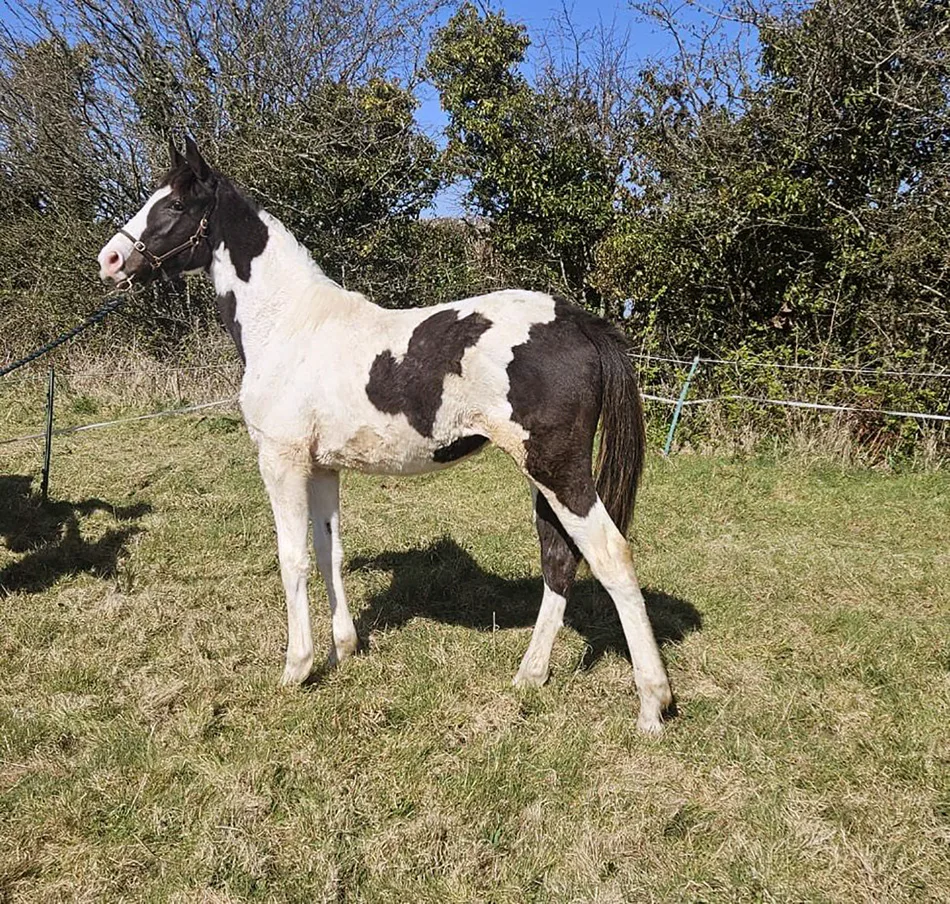
Squish when she arrived – still very much a baby and relatively unhandled All images: Tamsin Doar
While The Sass Queen loves to hog the limelight, she has, surprisingly readily, accepted that she has a young pretender who has to share the attention. Squirrel, a sport horse yearling – ‘Squish’ to her friends – joined our herd in April. While I by no means claim to be a professional, after many years – more than I care to admit – riding and working with horses, I thought of myself as a relatively experienced horsewoman … but I was quickly reminded there is nothing more humbling than dealing with an equine toddler. With horse prices still sky-high, many equestrians are turning to youngsters. They’re wonderful and rewarding – but also hard work. Squish was still very much a baby, relatively unhandled when I bought her. I kept her in a postage-stamp corner of the field to start building a bond – and, frankly, to work out how to catch her. She quickly made it clear that she disapproved of this decision. She escaped on day two, joining The Sass Queen and my friend’s gelding – now dubbed the ‘grumpy uncle’ for tolerating babysitting duties. She regularly escaped over the first few weeks which caused me to question my sanity – what on earth had I done buying a yearling?
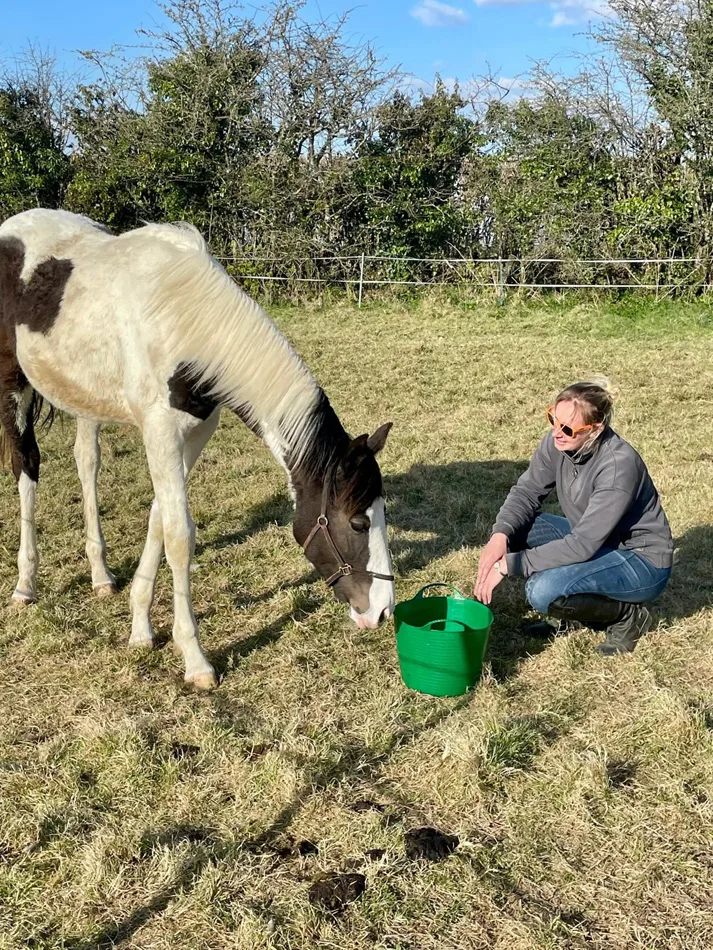
‘I bought her for her kind face and the inquisitive look in her eye.’ – Tamsin introducing Squish to her ‘postage-stamp corner’ of the field
The no-touching zone Squish quickly reminded me, however, how rewarding teaching the basics can be. Initially I could barely get a headcollar on her, but over the next few weeks I’d spend a bit of time just being in the field with them; grooming The Sass Queen, giving her attention and pottering around. Eventually Squish’s curiosity got the better of her and she started wanting to spend more time near me to see what was going on. I bought her for her kind face and the inquisitive look in her eye – something I hope will make her a confident horse who thinks for herself (though, hopefully, she’ll not be quite as opinionated as The Sass Queen). Once we’d established the basics of being caught, we began working on Squish accepting me touching her all over. I strongly believe that youngsters should have time to be babies, but I also believe in the importance of them understanding the basics (being caught, being touched and having their feet picked up), in case of emergency situations where they might need a vet or a farrier. It makes it safer and less emotionally taxing for everyone. Squish was happy for her neck and shoulders to be touched, but not her mane, ears, legs … basically anywhere else. If she could see me in her peripheral field of vision that was fine, but anywhere else was out of bounds. I quickly realised how much we take for granted with our horses –and how much they trust us. For a flight animal, it’s a wonder they will happily stand while we poke, prod, groom and lift their legs up is a wonder. We’d start off with where Squish was happiest being touched, and just gently move around her body. The second she relaxed she’d get a scratch in her favourite spot (on her neck) and I’d turn her back out. Little and often was the key. Now, six months on, she’ll happily let me groom her all over and will stand there half-asleep with the droopiest bottom lip I’ve ever seen.
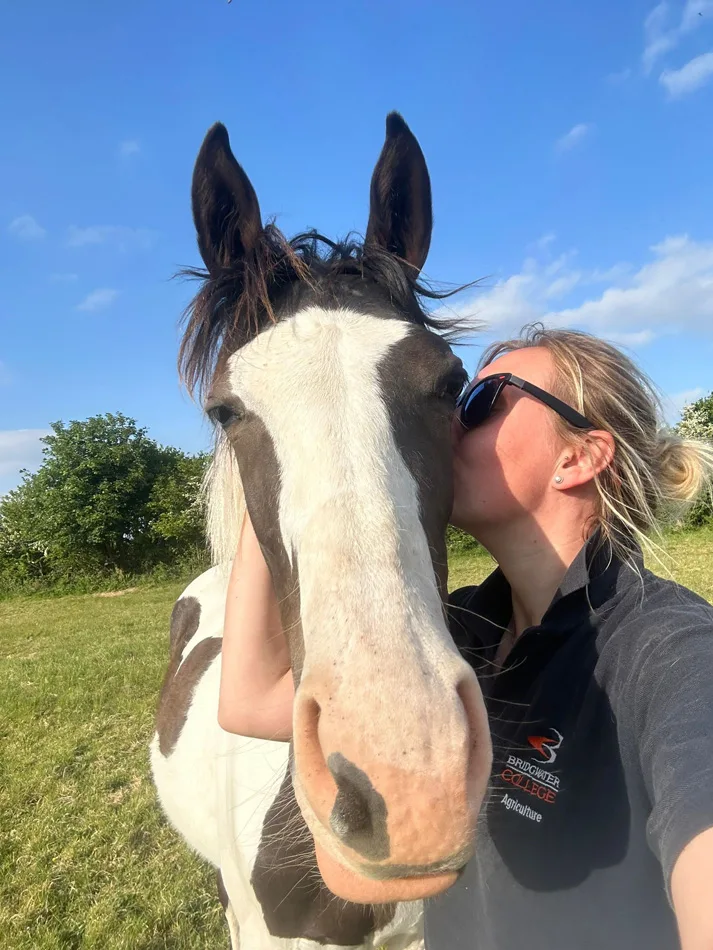
Now, Squish will happily let Tamsin groom her all over, standing half-asleep … with the droopiest of bottom lips
Doing the leg work Next on the list of ‘basic education 101’ was allowing me to pick her legs up. Surprisingly, once she’d understood what I was asking, she readily accepted me picking up her front feet. Again, rewarding the good behaviour was key – not only would I pick them up but I was able to gently move her legs in different directions, much as my farrier would do. Her back legs, however, were a different story: she’d kick out or try to run through whoever was holding her. This made me re-assess: I needed to be able to pick up all of her feet without drama, but I didn’t want to lose the trust we’d started to build. I also needed to keep myself safe! I tried using a lead rope around her hoof – she would let me run my hand down her leg and pick it up using the rope, and if she kicked out I was already out of harm’s way. Once again, immediate rewards, and as soon as she relaxed, she was turned back out to process what I’d asked.
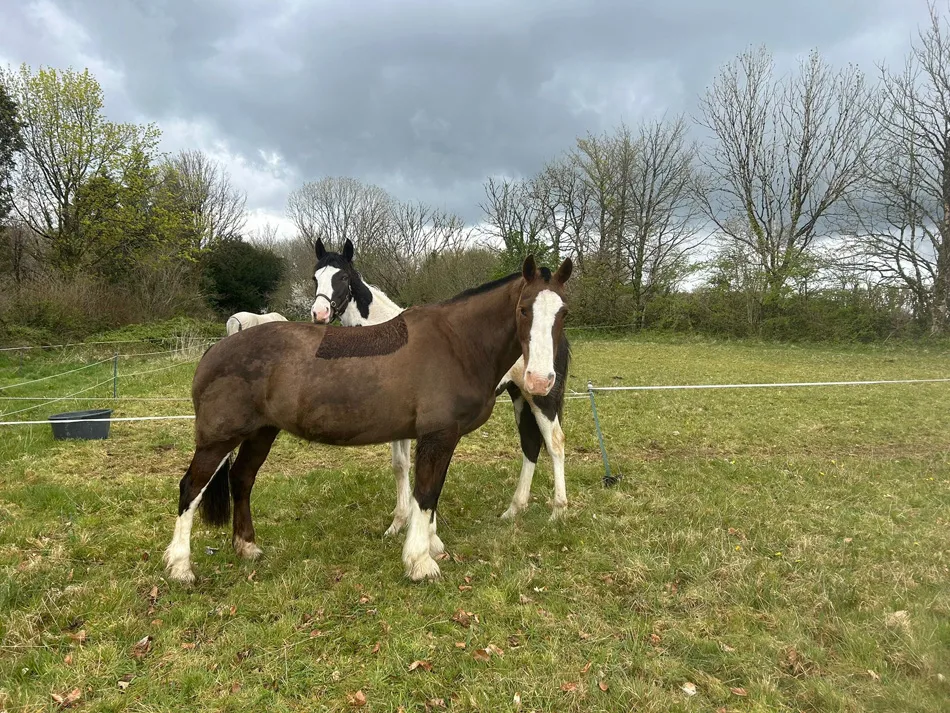
Double trouble – it took just two days for Squish to escape her own perfectly-designed area and break into The Sass Queen’s field: The Sass Queen has been a willing nanny ever since (the less-willing Grumpy Uncle can be seen in the background)
We continued to work on this until she was happy for me to pick up her feet just as I would any other horse. The key was always to go at her pace, and not to rush through. Learning and understanding what the humans are asking is mentally taxing for a young horse, so allowing them time to process everything is so important. Being flexible and adaptable is crucial: what works for one horse won’t necessarily work for another. Finally, my biggest help has been having a good support system. An experienced extra pair of hands makes it safer and calmer for both horse and human. There’s no doubt in my mind that Squish would not have learned everything as well as she has without my friend (Grumpy Uncle’s owner) holding and re-assuring her. But it’s not just Squish who benefitted – my friend has also helped me pick up the pieces when things didn’t go to plan and I felt like we’d taken one step forward and two steps back. She formulated alternative methods with me … and provided equal amounts of prosecco and shoulder-to-cry-on when I questioned my sanity.
Next month: Squish graduates from the field to the big wide world – with a little help from The Sass Queen.
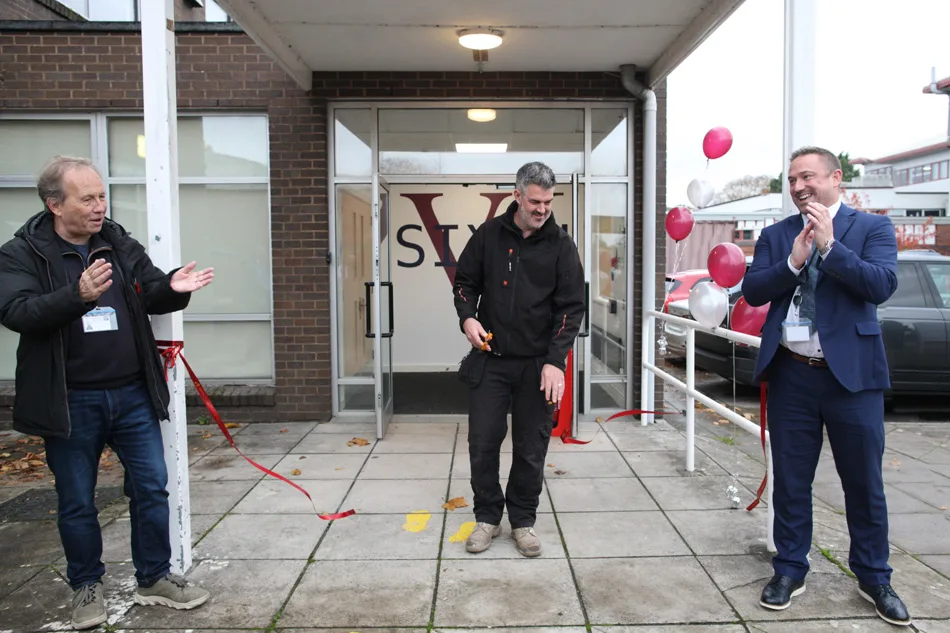
Once a jungle-themed youth centre and now a bright and welcoming Sixth Form hub – a tired old building at The Blandford School has been completely transformed thanks to teamwork, community spirit … and a lot of hands-on graft. Tucked between the school and the leisure centre, the new Sixth Form Centre opened at the start of the autumn term, giving students their own dedicated social and study space for the first time.
The ribbon cutting. From left: chair of governors Jens Bertelsen, site team member Mark Rendell who dedicated countless hours of his spare time renovating the space, and headteacher Alan Jones. All images: Courtenay Hitchcock
‘It’s about giving them somewhere to call their own,’ says site team member Mark Rendell, who was heavily involved in the transformation and dedicated countless hours of his spare time to renovating the space. ‘Before this, they had the Well and their study area, but this is the sixth formers’ own place – a home-from-home inside the school.’ The building – once home to the Blandford Youth Centre – had long been unused and unloved. ‘There were fake brick walls, polystyrene murals, concrete wire … it was all very “jungle” themed,’ Mark says. ‘We gutted the whole place.’
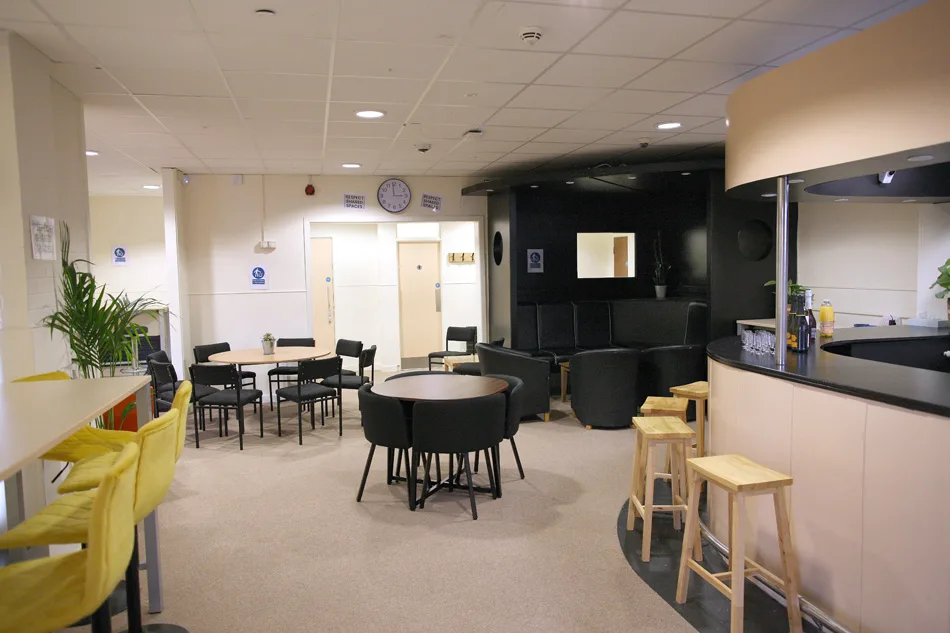
Inside the new sixth form centre
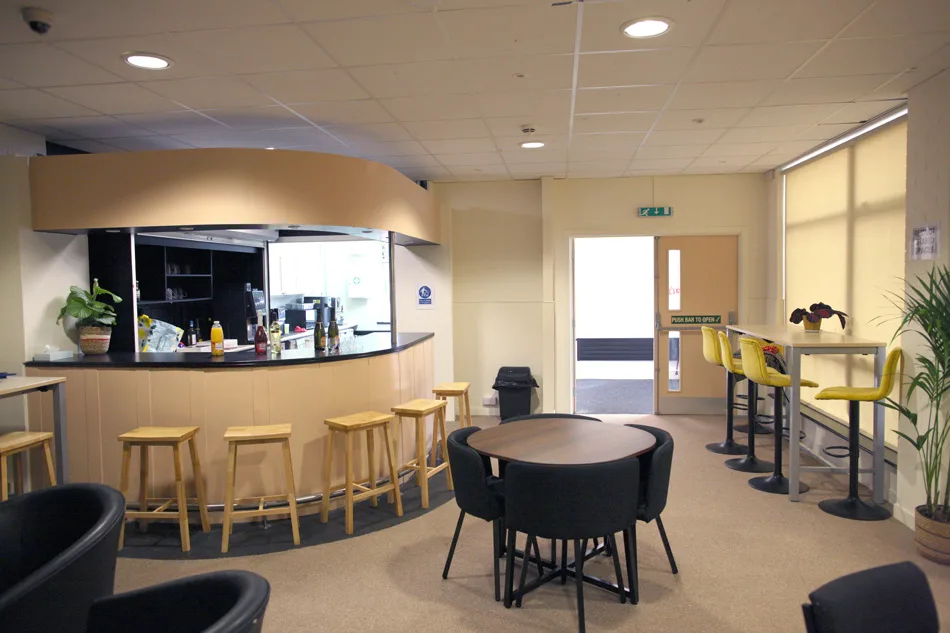
Everything except the carpet was done in-house by the school’s site team – including painting, furniture, and fitting out the kitchen. The sixth form team had long wanted to offer their students a more grown-up, collegiate atmosphere – and this project finally made it possible. Inside, the new space offers a mix of chill-out and light study areas, with bar-style seating and plenty of plug sockets for laptops. There’s full WiFi access, a dedicated kitchen (including a coffee machine on monthly hire), and secure access via swipe card.
The new space offers a mix of chill-out and light study areas, with bar-style seating and plenty of plug sockets for laptops
‘It’s already working well,’ says Mark. ‘Sometimes you walk in and they’re all chatting together, other times they’re working on laptops with a hot chocolate in hand. That’s exactly what we wanted.’ Much of the furniture and kitchen equipment was donated or repurposed – and local support has played a huge part in the project’s success. ‘We asked for a shopping list from the school,’ says John Dalston from Blandford and Stour Rotary Club. ‘Using a grant we gave, we went out and bought everything on it – chairs, kitchen stuff, all sorts.’ The club has a long-standing relationship with the school and is planning more support in the months ahead, including a fundraiser at the Blandford Yuletide Festival in December. There’s still more to come, says Mark: ‘Phase two is upstairs. We haven’t touched that yet. It’ll be the same process – gut it, re-do it all and hopefully make a quiet study area or a social space with little rooms for things like computer work.’
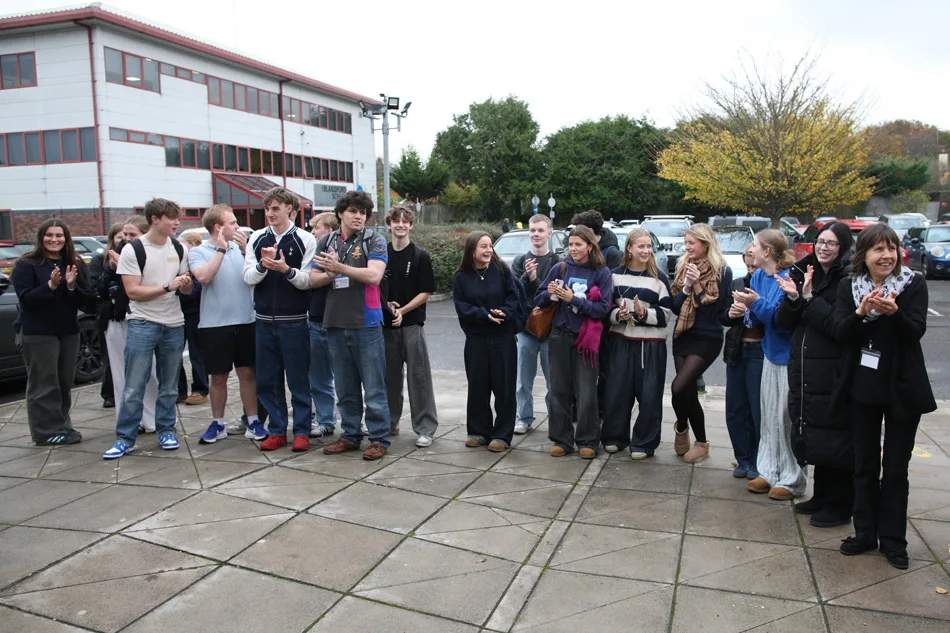
The sixth formers cheered as the ribbon was cut and they were allowed access to their new dedicated social and study space
The school is still hoping for support from the community, too – with wish-list items including a bag rack system, wall art and homely touches to soften the space. ‘It’s not just about making something that looks nice,’ Mark says. ‘It’s about giving our sixth formers a bit of independence – a space that feels like theirs. ‘Somewhere that teaches a bit of life stuff, too: how to make a coffee, load the dishwasher, clear up after yourself – you know … the good stuff.’
This December, take the opportunity to wander along the iconic Park Walk in Shaftesbury – you’ll be feeling fabulously festive as you browse stalls packed with artisan gifts, from handmade willow baskets and unique jewellery to fine teas, cheeses and festive food and drink.Pause for lunch at one of the street food stalls while you listen to music from local performers and take in the stunning views across the Blackmore Vale – then get back to browsing and picking up those last-minute gifts while you warm yourself with a cup of mulled wine.
When the previous organisers had to withdraw, a small group of residents decided they couldn’t let the town’s Christmas market disappear. Run entirely by volunteers, all profits generated through the market will be shared between the Mayor of Shaftesbury’s Charity (this year, the Shaftesbury Youth Club) and the Vale Pantry. Previous Christmas markets have been one of the biggest events in the town’s winter calendar, bringing a vital boost to Shaftesbury businesses as well as the stallholders, who all come from the local area. You’ll find Shaftesbury’s Christmas Market filling Park Walk on Sunday 14th December from 10am – and don’t forget to grab a ticket for the raffle!
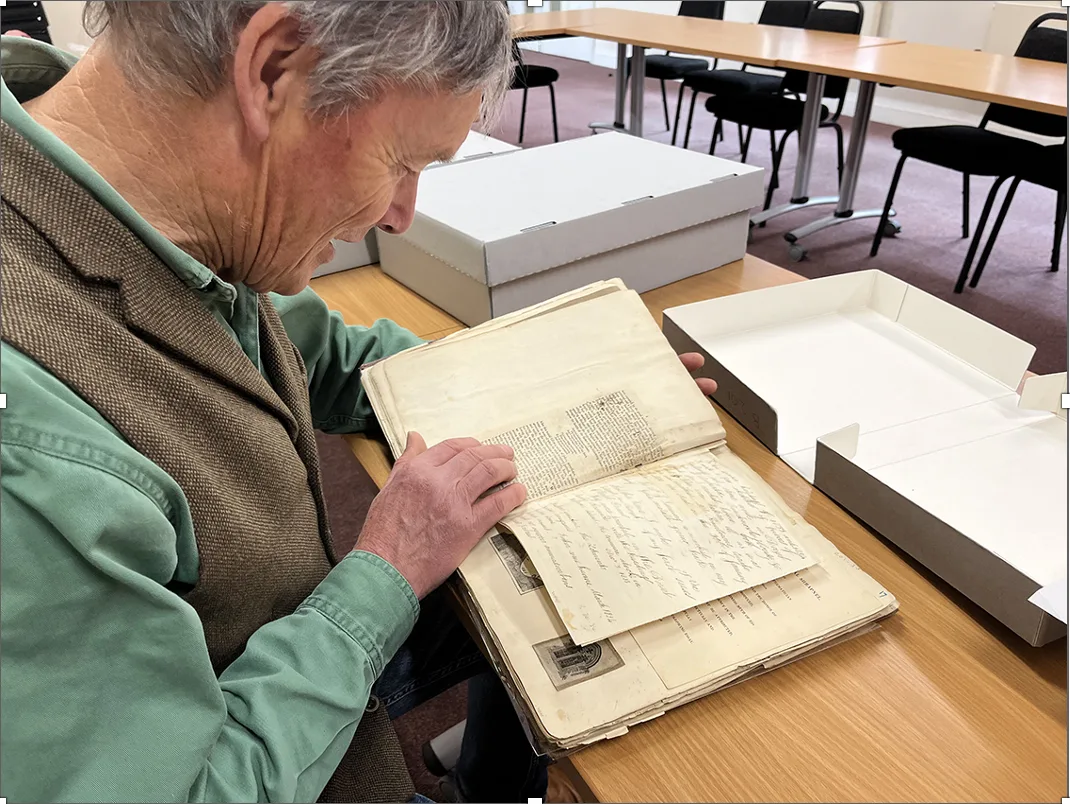
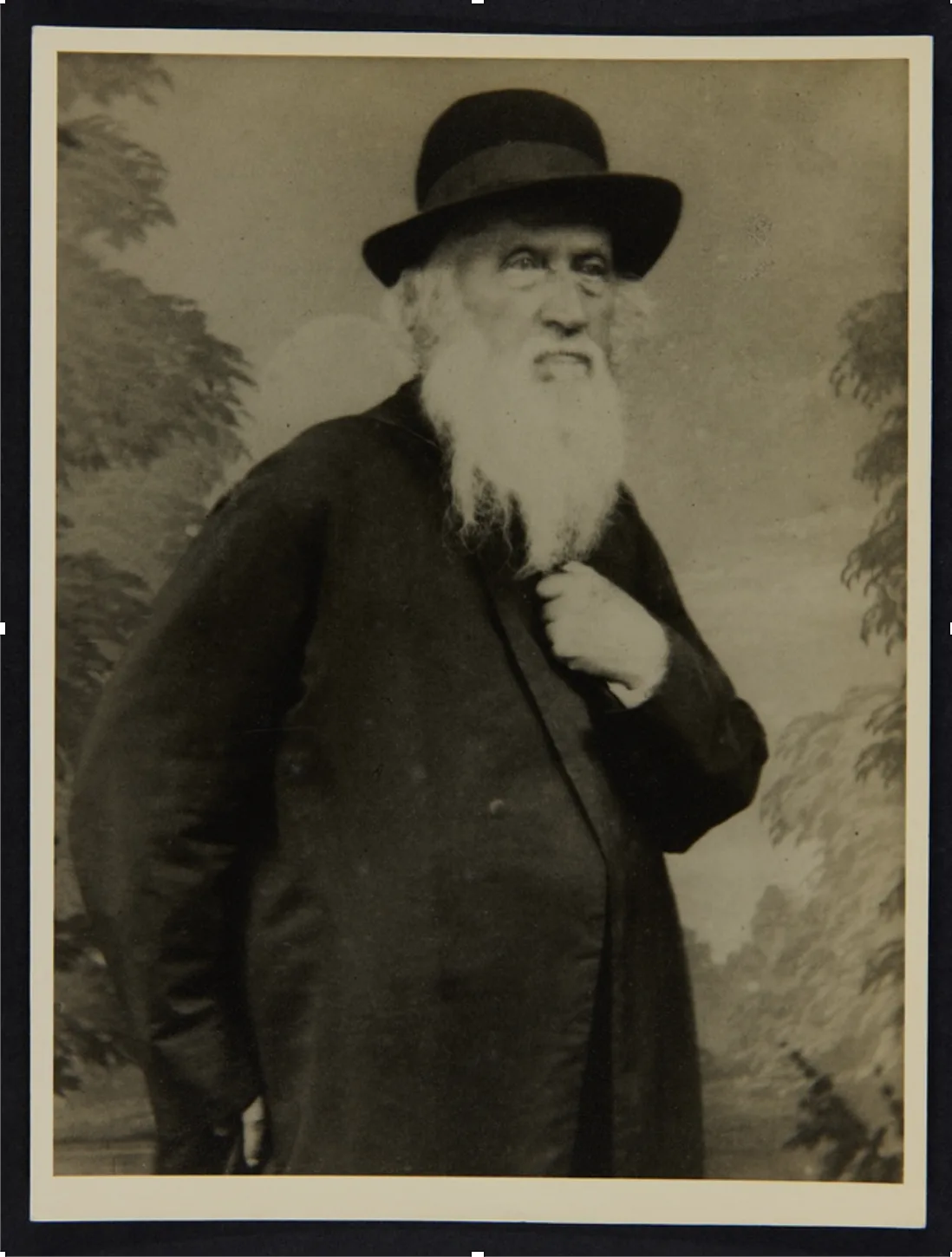
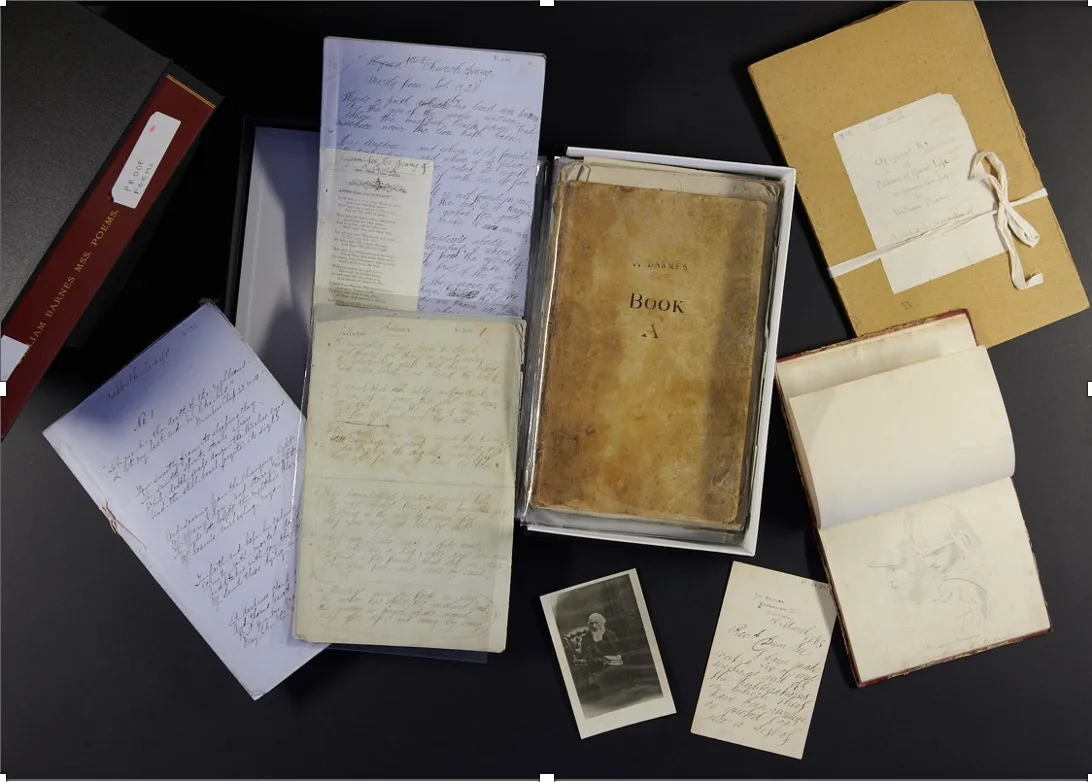
Work to preserve and open up the William Barnes Archive will begin this November, following a major fundraising success by the William Barnes Society. The campaign has reached its £35,000 target, allowing conservation and cataloguing of the poet’s extensive papers to get underway at the Dorset History Centre.
The archive – 65 boxes of letters, manuscripts and personal papers belonging to the Dorset-born poet and scholar – was deposited at the History Centre in 2018 by the Dorset Museum & Art Gallery, which retains ownership of the collection.
The announcement was made at the Society’s recent AGM, where Sam Johnston, Manager of the Dorset History Centre, confirmed that archivist Ruth Burton will lead the project. “This project will make the Barnes Archive more accessible than ever before,” Mr Johnston said. “By the summer of 2026, we’ll have a fully searchable online catalogue that anyone can explore and enjoy.”
Claire Dixon, Executive Director of the Dorset Museum & Art Gallery, added: “We are thrilled that this project will make our collection more accessible. We are looking forward to being able to inform new displays and stories both in our galleries and online, made possible by this new online archive. This is a great demonstration of the value of our partnership with the Dorset History Centre, that enables more people to access and learn from our collections and archives.”
Running from November 2025 to July 2026, the work will involve close collaboration between the Dorset History Centre, the William Barnes Society and local volunteers.
Brian Caddy, Chair of the William Barnes Society, said: “We are thrilled that the ‘Barnes for All appeal’ has achieved its goal. The enthusiasm and generosity of our supporters have been extraordinary. Thanks to this effort, the William Barnes Archive will be preserved and opened up for everyone to discover. We are deeply grateful to the Dorset Museum & Art Gallery, the Dorset History Centre, the Dorset Archives Trust, Dorchester Town Council, and all the generous individuals who contributed to this campaign.”
Updates will be shared through the Dorset History Centre’s newsletter and its monthly lunchtime series From the Stacks, which highlights treasures from the county’s collections.
The William Barnes Society says the achievement marks “a major step forward” in preserving Dorset’s literary heritage and ensuring the poet’s legacy continues to inspire future generations.
From clearing beds to sowing seeds and preparing dahlias for the cold months, Pete Harcom has plenty of jobs to get your patch winter-ready
Once there is a frost, you need to think about how to overwinter your dahlias. Image (and dahlia) by Courtenay Hitchcock
It’s time to clear up for the winter! Gardeners can make use of those odd dry days to allow the clear-up to be done before the harshest winter weather sets in. Clear faded and dying annual climbers such as sweet peas from their supports. Clear up fallen leaves and put them in plastic bags or in a heap to rot down as leaf mould (this may take a year or so) which can then be used as a mulch. Sowing seeds in a cold greenhouse is a nice job to do at this time of year. Some good picks are sweet peas, ajuga reptans (really good for ground cover), cornflowers, astrantias, corydalis solida and allium sphaerocephalon to name just a few! When clearing up flowerbeds, try to keep off wet soil to avoid compacting it. If you must get in there, use wooden boards to spread your weight. It is a good idea to leave plants with attractive seed heads, such as rudbeckia, sea holly (eryngium), teasels, love-in-a-mist and ornamental grasses, as these can provide valuable food for birds in the winter months. They can also be used in flower arrangements. Cut down the old seedheads in spring, when the new growth starts to appear. If you haven’t got to it yet, there is still time to plant spring bulbs and bare-rooted trees and shrubs before the colder weather. Dahlia care Dahlias are not frost hardy and will not survive severe cold, so enjoy every last bit of those dramatic flowers, which are still coming thick and fast in this mild weather. To overwinter your dahlias, you can safely wait until the first autumn frost blackens the foliage before taking action. After the frost – and once the foliage has died back – cut the stems down to about 10-15cm above the ground … and now you must decide whether to lift or mulch … Lift and store (recommended for colder areas or heavy soils): This is the most reliable method for protecting your dahlia tubers. Gently lift the tubers from the soil using a fork, being careful not to damage them. Trim off any fine or damaged roots and leave them to dry for a few days. Store them in shallow boxes, packed around with peat-free compost or dry sand, ensuring the crown is exposed. Keep them in a cool, dry, frost-free place, such as a garage or shed, until spring. Inspect the stored tubers regularly for any signs of rot and discard any that are unhealthy or damaged to prevent rot from spreading. Mulch (for milder, well-drained areas): This simpler method may work well for The BV readers, as Dorset is generally milder than much of the country. Cover the tubers – still in the soil – with a thick layer of mulch, such as bark or composted leaves or straw, to insulate them from the cold.
Barry Cuff takes a look back through his diary at what happened on his Sturminster Newton plot last month
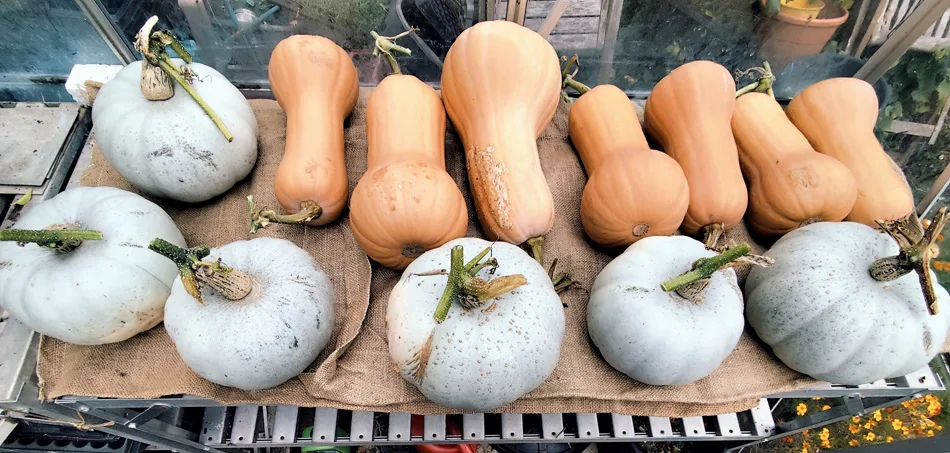
‘Seven crown prince and eight butternut squashes’. Image: Barry Cuff
The autumn weather has been unusually mild, with few nights dropping below 10ºC and no frosts. A balanced mix of sun, cloud and rain kept temperatures frequently above 15ºC, encouraging continued growth and prolonged flowering. As a result, both plants and weeds have remained in bloom well into the season, especially on sunny days. Moth mullein, shoo fly, borage, feverfew and thornapple have all been flowering, alongside cultivated favourites like nasturtiums, dahlias, cosmos and nicotiana. Many weeds are still flowering at the end of the month too: speedwell, red dead-nettle, groundsel, dandelion and gallant soldier are all still showing colour. These blooms have attracted a steady stream of pollinators – including red admiral, peacock, cabbage white, comma and even a clouded yellow butterfly – as well as hoverflies, wasps and, on one occasion, a solitary hummingbird hawkmoth. The ivy in the hedgerow, now in full flower, has also proved especially popular with visiting insects. We’ve planted part of the flower area with wallflowers and Sweet Williams, ready to bloom in 2026.
Groundwork – As old crops have been cleared (runner and French beans, sweetcorn and squashes) the ground was left fallow and quickly produced a flush of new weed seedlings. One small area has been dug where the garlic will be planted in November. Weedy Areas – Strimmed to stop seeding, to be dug in next year. Compost – We have emptied out one of our heaps: we have four, all at different stages. This one was about three years old, and produced more than 30 wheelbarrow loads of excellent compost. Green manure – We now have about 20 per cent of the allotment sown with phacelia. Manure – There was a delay to the arrival date, should now arrive mid-November. Harvesting – We’re still picking carrots, beetroot, parsnip, leeks, celeriac, salad leaves, radish, spring onion, courgette, Chinese cabbage and radicchio. Tomatoes and peppers – Picking the last of these for the year. In store and the freezer – Potatoes, onions, sweetcorn, French beans, garlic and peas. Preserves – This month we’ve made jam from currants and strawberries, and pickled cabbage, beetroot and gherkins. Winter squashes – On 9th October we harvested seven Crown Prince and eight butterfly butternut (the largest weighed 8lbs!) Brassicas – All looking well under a protective net. Still the odd caterpillar and whitefly to remove. Red Drumhead red cabbage, cutting as required Ironman calabrese, producing small side shoots Cheesy cauliflower, last head cut on 29th October Cendis cauliflower, plants starting to produce heads, will be ready to cut late November Brendan sprouts have buttons the size of marbles – they will be ready in December Purple sprouting broccoli, strong healthy plants, will be ready late December onwards Spring cabbage and cauli, both looking well. Fruit – Thanks to the good weather we had two or three pickings of strawberries. It’s been a good year for our conference pears too: they are excellent when poached in home-made wine and spices!
Wincanton Racecourse is gearing up for a thrilling few months of top-class National Hunt action, packed with style, charity and festive racing. This year’s iconic Badger Beer Chase promises not just exhilarating racing, but also a celebration of style. Racegoers can compete for our Style Awards, with categories including Best Dressed and Best Dressed Couple. Prizes are truly spectacular, featuring a Boodles necklace worth £3,000, luxury vouchers from Fairfax & Favor, Hobbs and more.
Following the Badger Beer Chase, we’ll host Discover Racing Raceday on Thursday 20th November, a quieter November fixture perfect for learning more about the sport. If you’ve never been before it’s a great way to start – and why not take a look at editor Laura’s tips from her trip to the races. This day will also feature a charity race for the Keagan Kirkby Perpetual Trophy, rescheduled from the unfortunate abandonment of our Horatio’s Garden season opener. Supporters can donate to the riders via their JustGiving page, helping raise funds for this fantastic cause. We then move into the festive season with PricedUp Military Raceday on Thursday 4th December. This special fixture will include a military riders’ race before the main action, bringing a unique and patriotic twist to Wincanton’s December racing calendar. With top-class racing, style, and charitable events, Wincanton Racecourse continues to offer something for everyone this autumn and beyond.
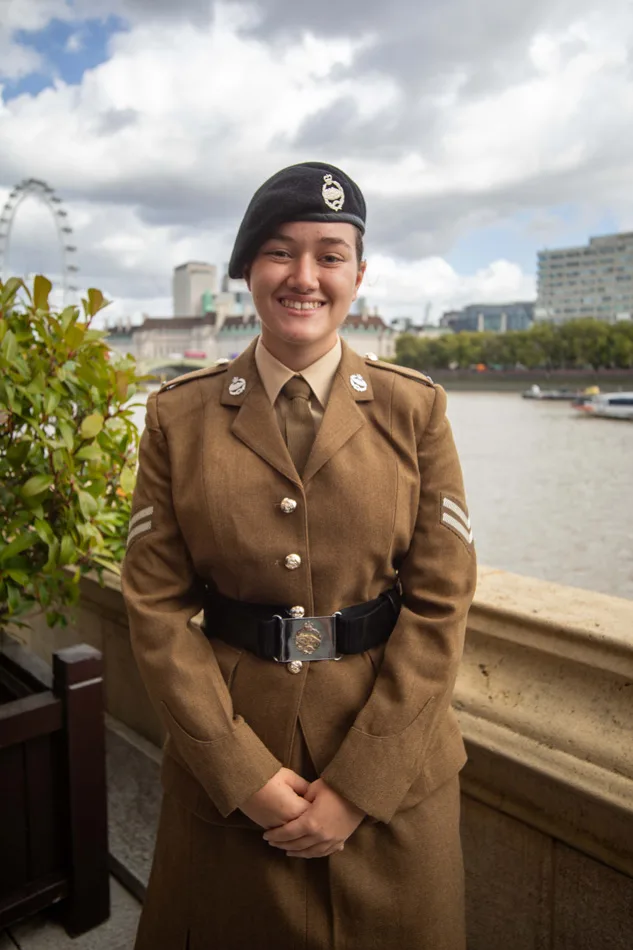
Charlotte Bedford, a 17-year-old from Wimborne, has been named the nation’s top army cadet – recognised in Parliament for her kindness, grit and leadership
The prestigious Cadet Vocational College Westminster Award recognises young people aged 16 to 18 who have shown selflessness, community spirit and a commitment to going the extra mile. This year’s winner was Corporal Charlotte Bedford, a teenager from Wimborne, who received the honour at the House of Lords after a gruelling, months-long selection process.
Getting there Charlotte has been an army cadet for four and a half years. She was nominated for her selfless work with younger cadets, mentoring a student who was bullied, and volunteering with the Royal British Legion’s Poppy Appeal. She also raised more than £4,000 in order to take part in a community project in Cambodia with Camp International. ‘I aged out of girl guiding and my friend asked me to go along to cadets for a bit of fun and a laugh. The Westminster Award is very competitive. The selection process starts with more than 2,000 people and you have to be nominated by your main adult instructor. Then, if you get through, you write a paragraph explaining why you think you’d be good for the role.’ The process becomes steadily tougher. ‘At the third stage, you’re down to the final 45 people and you come together for all sorts of team-building activities. For example, we did a gun run, which was great fun. We had to take the gun apart, put it back together, run with it, take it apart, and get it back together again. Only 12 cadets are left for the final stage. We spent ten days away in Southampton, where we did sailing and velodrome cycling. Then we went to Wales and did caving and some other activities. Along the way we also met local charities such as the RNLI, and we also did a litter sweep in Southampton.’
Just a little further Throughout the selection process, the cadets are continuously observed by the judges – on camera and off – to see how they behave under pressure. Finally, after such a gruelling set of events, all 12 finalists were invited to the House of Lords – which is where Charlotte discovered she was the winner, and was presented with the award by Lord Lingfield. What impressed the judges most was that, in their words, ‘Charlotte remained authentically herself, demonstrating kindness even when the cameras were turned off and the officials weren’t around.’
‘I was so surprised,’ she says. ‘It was really exciting. Everyone was saying well done. I also did a lot of volunteering for this award, and I went to Cambodia this year to help a community build toilets and wells. Next year I’m taking part in a project in Tanzania. One of the reasons elephants get killed is that they come too close to villages, and I’ll be helping to build a metal shield that deters them from getting into danger.’ After such a demanding process, Charlotte says she came away with a new mindset: ‘Just meeting everyone … the whole experience itself was fantastic. I have made friends for life. I had never done caving before, and it was really scary. But it shows that even when you think you have pushed yourself to the limit , you can always go that little bit further.’
Nursing ambition Guy Horridge OBE, Principal and Chief Executive of Cadet Vocational College, praised her achievement: ‘Charlotte is a worthy winner of this year’s Westminster Award and I’m delighted for her, her family and Dorset ACF. The competition was tough, as it always is with so many excellent candidates, but Charlotte just had that extra something that means she is our winner this year. ‘At a time when many young people are viewed less than favourably, Charlotte epitomises what is good about young people, with her selfless commitment to her cadet organisation and other community activities.’ With such a prestigious award behind her, Charlotte is already thinking ahead. ‘I have done a lot of first aid training with the army cadets and it’s made me realise I’d like to be a nurse. I’m hoping to do an adult nursing course and I am interested in mental health. I’ll either apply for university and work in civvy street with the NHS or aim for Sandhurst and do officer training.’