Home Blog Page 435

The Common Carder Bumblebee

0

It seems hard to believe that Autumn is just around the corner. There are few tangible signs yet to herald its imminent arrival… trees and hedgerows are still fully clothed in vibrant lush greens; the garden is abuzz with insects; and swallows are swirling and swooshing in the sky above our house, showing no sign whatsoever that they are soon to begin their epic journey back to Africa.

Image by: Brigit Strawbridge

But change is in the air. Though there are still plenty of bees collecting nectar and pollen from our flowering plants, I am beginning to notice fewer ‘types’ of bumblebee visitors. The life-cycles of most bumblebees are now over for this year. Fresh new queens have already emerged, mated, and gone into hibernation – whilst workers, males, and colony founding queens are no longer with us.

There is one particular species though, that always lingers longer than the others; namely Bombus pascuorum – the Common Carder bumblebee. Common Carders are one of my favourite bee species. I can’t quite put my finger on why this might be, something to do with their gentle demeanour perhaps – and the fact they never complain when disturbed. Not to mention their pretty colouring, which is usually referred to as ‘ginger’ but actually varies from from foxy orange, through rusty brown, to faded gold. The hairs on their sides are mostly creamy white, but sometimes yellow. These bees vary hugely in size as well, so you would be forgiven, as you watched a group foraging together on a flowering plant, for thinking you were looking at half a dozen different species.

Common Carder bumblebees have one of the longest life-cycles of any bumblebee, the colony carrying on producing new workers, males, and daughter queens, well into September, and often into October too. In fact I have this very afternoon come across an active nest, in an old stone wall in the lane near our house, and the bees weren’t even slightly put out as I filmed their comings and goings. Old stone walls are not where I would expect to find this species nesting (which is why I was filming them), as they are noted for nesting above ground, often in tussocky grass, where the founding queen makes use of moss and dry grass to cover their nest

So if you see a beautiful ginger looking bumblebee this month in your garden, or whilst you are out and about on your walks, take a closer look… she’s probably a Common Carder bumblebee.

By: Brigit Strawbridge

Thomas Hardy too miserable to read | Tales from the Vale

1

I expected a storm of complaints about my last column which had a bit of a go at ‘famous Dorset novelist’ Thomas Hardy – he of the droopy moustache and even more wilting marriage to a woman who (understandably) rather went off him.

I rattled on about his misery and bleak view on life. And I explained the rather ludicrous plot of his most famous work, Tess of the Ds.

But almost everybody who bothered to read the piece and who then had the even greater misfortune of seeing me, said they agree. And a female friend in the village said, ‘you’re right, he’s a miserable bastard.’ My friend is rather well spoken and abhors swearing so you can see the strength of her view.

And my old mate (MA in English Lit) said, ‘Have you read The Mayor of Casterbridge? Give us your opinion in the next digital Blackmore Vale Magazine.’

Well, yes I have read it – and it wasn’t the most uplifting few hours of my life – in fact by the time I arrived at the predictably bleak end (after the dreary beginning and unlikely middle) I felt like summoning Jeeves and calling for a restorative Brandy & S (not that I like brandy. Or have a man servant).

And I’m happy to tell you the plot. It’ll save you reading it. But first, let’s recall Tess. In Tess, you’ll remember that the tale implausibly hangs on the fact that two-faced wimp (this is proper non-London book reviewing, this is Dorset book reviewing) Angel Clare was given a letter from Tess explaining (before they got married) that she’d been raped and the ensuing child (called Sorrow, not the greatest start in life) had died. But the letter was slipped under his door and went under a rug and was unread. We’ll leave aside the fact that it’s literally impossible, to do this. I have tried. Pity Thom didn’t – might have had a happy ending and sold more copies. His wife might have thought he was the tops.

In the Mayor of Casterbridge, you won’t be surprised to learn that the plot hinges again on letters going awry, in this case by disgraced ex-mayor Michael Henchard returning incriminating old love letters to his ex-flame, Lucetta, now the shiny new wife of the new mayor, Donald Farfrae (he’s Scottish, you’ll note).

How does Henchard convey these explosive letters to Lucetta in a way that ensures her sordid past will never be known, so that she and Donald (he’s still Scottish) enjoy marital bliss and a public aura of spotless virtue?

Logic again suggests that Hardy perhaps, just perhaps, should have Henchard personally putting the incriminating letters directly into the hands of Lucetta.

But no. That’s too sensible. It’s not Thom’s way.  There’s a danger of a happy ending.

Henchard, although now unemployed and idle, is ‘too busy’ to do this (obviously he’s playing Grand Theft Oxen-Drawn Haycart V) so he hands the letters over to a known wretch, Jopp, who Henchard himself continually belittled, then fired, and therefore might, just might, have a grudge against Henchard.

Result: Jopp takes the letters down the pub, probably Ye Olde Wetherspoons, hands them around and, despite literacy at the time being negligible for such people, everyone has a good read (pointing out grammatical errors, howlers with syntax, clever use of tautology) and the disgraced Henchard ends-up dying in a hovel on Egdon Heath.  And poor Lucetta and Donald are made figures of fun probably but I skipped the end due to the unremitting misery and pressing the bell for Jeeves again. By the time the reader gets to the end she/he realises that that’s another few hours they’ll never get back, all thanks to Hardy being cited as ‘Dorset’s Great Novelist.’

So, for me, while interesting for its historical sociological points, Hardy don’t cut the mustard as literature. I don’t care if it’s artisan mustard lovingly hand-made and sold at a typically successful function in Mappowder village hall, but he don’t cut it.  And he could have cheered up a bit. And trimmed that ‘tache.

Further academic notes on great novels that’ll help students sail through GCSEs are available on application from Vale University Audiobooks (Copyright).

***

Right, the editor’s told me to put some funny-ish stuff in and mention some local people, so I’ll add this: further on the topic of novelists, this time a great, hugely successful living novelist, and young female one at that. I refer to the world famous Tracy Chevalier who, as I write this, is in the Piddle Valley working on her next book which I have no doubt will be another international best seller.

But her response in this issue to a reader’s letter in the last issue did make me smile.

Now what really tickles me about this is Ms Chevalier, despite working hard every day on her new book, and also dealing with a thousand requests from literary magazines and university students all over the world, was still intrigued enough to go out and buy different flavoured crisps to see if her initial judgement that ‘Plain is Sane’ is correct.

Talking of wasps…

In the village shop nearby is a hand written card in the window saying, ‘Wasps Nest Destroyed. £20. Senior Citizens £15.‘

Now I know what they’re saying, but it don’t look good.

Perhaps a mistake?

And on the subject of misreading, there’s a vegan Thai restaurant in Dorch called B8 Café off Trinity Street.

You pronounce the name bait (B Eight) which is London street slang for something that’s unusual but attractive.

And ‘bait’ is a good name as the food looks absolutely fantastic – see their website (LAURA DO THE HONOURS).

Their website says it is still open for take-aways but the restaurant is remaining closed’ then they add, ‘we apologise for the incontinence.’  I’d like to think they meant inconvenience.

My wife says they’ve done it on purpose so they get talked about. Seems to have worked.

More good food

My local, The Antelope in Hazelbury Bryan, has introduced a mouth-watering inexpensive tapas menu. We popped in on a Saturday lunchie not intending to eat. Rhiannon showed us the menu. And we ate. Despite getting second degree burns from the stuffed jalapeno peppers, it was terrific.

My wife ordered fries with hers. Rhiannon’s hub came out to see if we enjoyed it. ‘The fries were amazing,’ Kae said, pulling the dish away from my predatory eye.

‘They’re triple-cooked,’ Greg said proudly.

I just couldn’t resist it.

I said,‘If you’d done them properly first time round, you’d only have to fry them once,’

I just can’t not say these things.

Greg fixed me with ‘the look.’ He had a mask on, but I’m sure he was smiling?

What is a ‘Gentleman?’

‘What’s the definition of a gentleman,’ I was asked by Pete, who, with Sue, runs The Old Chapel stores in Buckland Newton.

Without waiting , he gleefully supplied the answer, ‘it’s a man who can play the bagpipes, but doesn’t.’

Then Pete chuckled at his own wit, while Sue and I shared a sorrowful glance.

Dolly’s best quote

I teach guitar and had a new lovely new little student, a girl aged 10 who wanted to play the Taylor Swift song, Shake it Off. It struck me that these are the same opening chords as Jolene, by the great Dolly Parton.

The little girl’s mum and gran were in my Studio too, so I told them Dolly’s best quote. ‘It costs a lot of money to look this cheap.’

Brief Encounter

There’s a charming note in the window of the lovely old sweet shop by the Abbey in Sherborne.

The advert is from ‘Dave’ who got talking to a lady on the train from Bath to Sherbers. Obviously they got on well. Obviously love-lorn Dave was too embarrassed to suggest they swop phone numbers. But in the note he asks the lady to give him a call (number provided) as he’s keen to meet up.

Now, it takes courage to do that and I hope he doesn’t get too many prank calls and I dearly wish Dave and the lady meet up, continue to get on, get married and have lots of happy children.  If he reads this perhaps he’ll let us know.

All reminiscent of the 1945 David Lean film where Trevor Howard, helping Celia Johnson remove a piece of grit from her eye, says, ‘Aye heppen to be aye doctor’ in that affected upper-class voice used at the time where the ‘e’ is substituted for ‘a’.

They go on to meet regularly – which was a bit saucy in 1945 as the lady was married.

But apart from it being very funny, it allows me to muse on this regarding the film.

Celia, very upset by the painful farewell with Trevor (‘Aym going to Efrica’, don’t think he’s that specific about where, maybe Elgeria) and returns to her dull but worthy husband who, knowing something’s afoot, pleasantly says ‘Whatever your dream was, it wasn’t a heppy one was it.’ No. ‘You’ve been a long wey awey …thenk you for coming beck to me’ and gives her a hug, which maybe he should have done before she strayed.

Now I’m pretty convinced that somewhere in the film, Celia’s husband, doing a crossword, reads out a clue which is from the poet Keats ‘When I behold upon the night-starred face, huge cloudy symbols of a high……’ (7).

Well, that’s the clue. What’s the answer?

Here’s another clue – the answer is what is missing in their relationship.

And for the first correct answer pulled out of a hat, Laura the editor will give the winner an M&S chocolate biscuit. Just one biscuit, not the whole pack.

She’s like that, you see.

By: Andy Palmer

Love Local Trust Local Food & Drink Awards – Your Last Call!

0

We appear to be fast approaching September; the end of the summer, the start of schooling (touch wood, but it’s looking good!), and the countdown to deadline for the last entries to the Love Local Trust Local Food & Drink Awards 2021.

The team at Love Local Trust Local have really enjoyed seeing your entries come in. But if you thought it was too late to enter your business, you need not worry – there is still time!

Love Local Trust Local are looking for local food and drink producers who want to share their passion for their category. The food and drink awards feature categories for the best in dairy, meat, fruit and vegetables, baking, jams and condiments, plus a variety of drinks categories, from alcoholic to non-alcoholic.

There are also some stand-out categories for businesses who offer something a bit different; the Rising Star award is aimed at businesses younger than two years or owned by founders under 30 years of age who are bringing something a bit different to the table.

Larger organisations are now able to enter the Innovation & Diversification, and the Conservation & Sustainability categories. The team received interest from bigger companies who wanted to get involved in these local awards, to showcase the value they were making to impact the local community and the local economy. This prompted Love Local Trust Local to divide these categories into two classes; businesses with 30 employees or under, and businesses with over 30 employees.

The sustainability and diversity categories are so critical to the growth and sustainability of our communities, so this year hopes to unveil some great developments for businesses both big and small, following what was a considerably tough year for us all.

Love Local Trust Local was borne out of a passion for supporting our local food and drink producers, a responsibility to educate the consumer on what they are eating and drinking and how to ensure you know exactly what it is and where it comes from. The organisation is also an active supporter of keeping the local community connected, rallying together to fulfil a greater collective purpose.

The array of categories involved in these awards really help to achieve that goal.

Love Local Trust Local pride these awards on being free to enter, removing any barriers to young or smaller businesses from entering. It is so critical that our food producers, past, present and future, get noticed and recognised within the community, which is the core purpose of the Love Local Trust Local Food & Drink Awards.

The closing date for the 2021 awards is Monday 27th September, so make sure you give your company a chance to get the elevation it deserves. If you’re not a food producer, why not recommend a business you think deserves to get recognised?!

To support the Love Local Trust Local Food and Drink Awards 2021, you can follow along on Facebook, Instagram and Twitter, for all the latest news and updates. You can also pop on over to the Rawston Farm Butchery & Shop to purchase your tea towel or car sticker to show your support for the cause.

Enter here to get your business on the shortlist!

Sponsored by: Blanchards Bailey

How Cheesecakes Beat My Anxiety

0

Dorset’s Creative Cheesecake Maker Celebrates a First Anniversary

Layers of colourful fruits and chunks of chocolate cake toppings draw you into the delicious looking images. It all looks like a scene from a sumptuous feast or Charlie and the Chocolate Factory but this is Dorset and a new business is making waves with its bespoke cheesecakes. The  creations are a world apart from the standard flat based cheesecake most of us associate with the dessert- but who is the person behind all this creative genius?

Lemon Curd Cream Cheese on a digestive biscuit base topped to the brim with a variety of fresh summer fruit and a mixture of chocloates.

 The Dorset Cheesecake Company is celebrating its first birthday, having commenced business in the first lockdown. Owner, Kate Pemble talked to me from her workshop in Corfe Mullen about how it all started.

“I was furloughed in the first lockdown and then had issues with anxiety. My husband and I came up with something to keep me busy and to take my mind off things.”

Kate had always made cheesecakes for friends and family, but stepping out into a wider customer base was her vision – and the Dorset Cheesecake Company was born.

“We just decided to convert a spare bedroom into a dedicated kitchen and sell a few cheesecakes.” Little did Kate know the demand for something different would see the business grow significantly. She had already noticed an opportunity in the market for her no bake cakes.

A Cadbury Dairy milk and Mint Aero swirl cheesecake with a Cadbury chocolate drip, Mint Aero bar and Mint Aero balls, Cadbury Dairy Milk bar and buttons, Reeses chocolates, cups and bar, mint Club Bar, mint KitKat, After Eight mints and bites, Lindor white chocolate truffles, giant rainbow lolly pops, rainbow sprinkles, shimmer glitter and perfectly finished off with a colourful rainbow Happy Birthday topper!

“There are so many cupcakes out there- I just saw a gap and went for it. People are looking for something different.”

If you thought cheesecakes just come in strawberry or vanilla flavours (or even a packet from the supermarket), you are in for a treat. At the Dorset Cheesecake Company there are literally thousands of combinations that will blow your mind. To start, there’s the biscuit base. Will it be Biscoff, shortbread, or Oreo? Then there’s the main filling and the flavours you can have from mint chocolate to lemon curd and strawberry (that’s just a few to get you started). Many of the cakes are decorated with a chocolate or other flavoured drip. And as for toppings, it seems that anything goes from fresh fruit to Percy Pigs, and a range of chocolates and sprinkles. I even spotted a chocolate hippo on one masterpiece.

So what was the most unusual cake that Kate created? “It started out with an Oreo cookie base, a chocolate orange cream cheese filling, a Biscoff drip, and a Reese’s peanut butter choc orange topping. It sounded weird but the customer was delighted.”

 One of the most popular designs is a strawberry and white chocolate cheesecake. Each cake made by Kate is slightly different and the customer gets to choose the design they want for their special occasion or treat. Your imagination could literally run wild with the amount of combinations available. Her first Christmas was a busy one with 10-15 cakes a day being produced.

Pretty pink and yellow cheesecake, a special commission for a little girls birthday party

The beautifully designed cheesecakes are on Kate’s social media channels where a lot of customers find her. That, and word of mouth of course.- they are a talking point at any party. She also makes mini cheesecakes which are popular with a girls (or lads) night in or special treat.

Kate’s plans for the future include expanding her no bake range of products, opening a shop, and providing a delivery service. At the moment the cakes are collection only.

Just looking at the designs is enough to get anyone in the mood for a celebration. They radiate joy with their colourful and tempting array of toppings and decorative touches. The Dorset Cheesecake Company is another innovative local food producer raising the game with desserts and leading us all into temptation with their creations.

To order a cake, visit The Dorset Cheesecake Company on Facebook or Instagram or phone 07590 544577

By: Rachael Rowe

Why we have food poverty in North Dorset

0

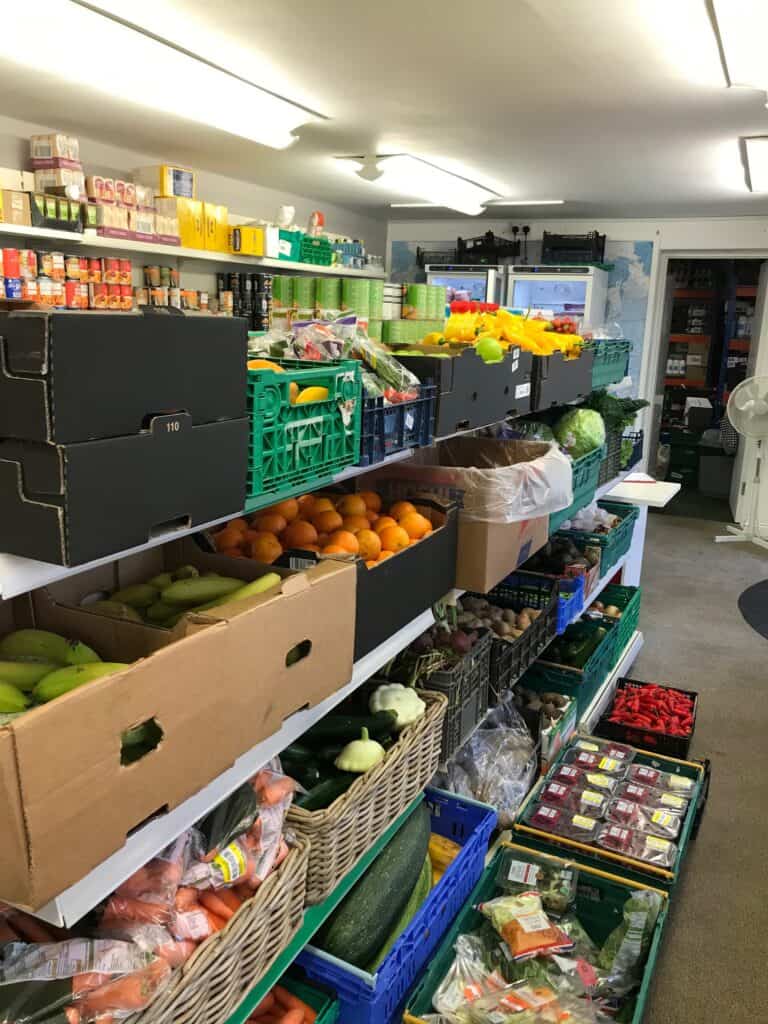
It’s almost a year since the first rural food pantry in England opened in Sturminster Newton. Back then, a lot of people were surprised at the numbers of people needing support. That hasn’t gone away, but there are several stories to celebrate from Vale Pantry, demonstrating how it is making a big difference to people’s lives.

Carole Jones vale pantry – Image by: Rachael Rowe

Carole Jones is passionate about Vale Pantry which she set up with the Blackmore Vale Partnership. “It’s the best thing I have ever done,” she says. Today, 190 families or individuals are being supported. They pay £4.50 a week and can collect a range of foods from the pantry in Sturminster Newton. Fruit and vegetables are free. Since starting last year, 149 individuals or families who were originally helped, no longer need the services of Vale Pantry as they have been successfully supported through a difficult patch in their lives for example, or found work.

Carole and her team have also been looking deeper into the underlying issues that cause food poverty and why it is happening in North Dorset. They found several common threads. Carole explained: “A number of our clients have autistic children or a child with special educational needs. Typically, these children are not diagnosed until five years old. Up to then there is no firm diagnosis so the mums are often isolated. They cannot work or join the usual play groups, are embarrassed and isolated because of the child’s behaviour. Things we take for granted such as a supermarket visit can become a major experience. They are very isolated and stressed and can get depression. We also see older mothers with an autistic child now in their 30’s or 40’s and they are completely on their own. What we have done is set up a support group for these people and their children so they can share experiences and learn coping strategies. The kids can make as much noise as they like and it won’t matter.”

The group will start in September. Another theme emerging from the project are the numbers of people using the Pantry who have fibromyalgia. The debilitating symptoms often prevent them from working, leading to food poverty. The team have linked to Stour Connect so that this group of people can access hydrotherapy to help relieve their symptoms and improve their health so they can hopefully get back into the workplace. It’s an excellent example of how social prescribing works.

Vale Pantry Produce – Image by: Carole Jones

Carole’s team have also encountered people who are unsure how to cook a family meal. They have started producing recipe bags with an instruction card and all the ingredients they need to produce the dish. This week it’s tuna pasta bake.

The pavement outside the Pantry has also turned into a makeshift classroom as two schools recently sent pupils to learn about food poverty and social enterprises.

The team are very appreciative of the donations of fresh food from farms and allotment growers. Gold Hill Organics are just one of the local businesses providing fresh vegetables. Carole explained the difference that can make to someone.

“We had a couple using the pantry. She was unwell and her husband was unable to leave her. They had a budget of £20 for food and had to bulk buy in Lidl so could afford very few fresh products. The Vale Pantry gave them access to fresh fruit and vegetables as well as other foods. As a result their physical and emotional health and well-being has improved.”

Vale Pantry Produce – Image by: Carole Jones

There are opportunities for two more volunteers to support the pantry. The team are also looking for any offers of money or food to keep the service running. They are also preparing to become a registered charity.

It’s quite remarkable how making nourishing food more accessible to vulnerable people can make a big difference to their health  and well-being. And by getting under the skin of the causes of food poverty, people can be supported in a more sustainable way. 

To contact Vale Pantry email or phone [email protected] or call 07968 348481. Details on how to register for support are here.

By: Rachael Rowe

The Bridleways We’re Losing – And What you Can Do About It.

0

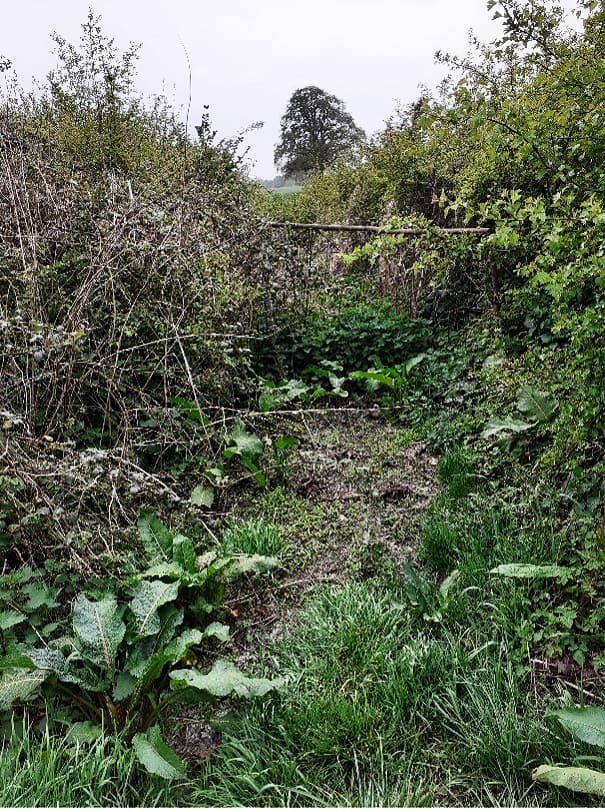
How many of us have met barriers at the end of a bridlepath, usually where the Parish boundary has turned the route into a footpath?

Or an unclassified road, maybe marked as an Other Right of Public Access (ORPA), that is unrideable?

Your local Bridleways Access Officer may be able to help – or you might be able to help them  by following these steps below.

On 1 January 2026, bridleways in England and Wales that aren’t formally recorded will be lost to the public.

Our aim is to safeguard bridleways for public use so that equestrians today and in the future have safe off-road routes to ride on.

These unrecorded routes actually exist in law, but have never been registered on the definitive map, the legal record of public rights of way.

An unclassified Road, that used to be rideable in the 1980s

Just because you currently ride on a route doesn’t mean it’s recorded and protected from being removed. In England, horse riders only have access to 22% of public rights of way; the more of the off-road network we lose, the more horses will have to be ridden on today’s ever more dangerous roads.

The end of bridleway, meets footpath.

The British Horse Society are committed to protecting and preserving the equestrian off-road network. Working together we can ensure that the routes you ride are accurately recorded as safe off-road routes. Here is our step by step guide to check your favourite routes and rides are recorded correctly:

  1. Look at an Ordnance Survey explorer 1:25,000 scale map. It is important to take the time to understand the key to the map. You can view the OS map for free by using Bing Maps (click on the road icon in the top right and select ‘Ordnance Survey’.
  2. Find the routes you ride and check to see if they are marked as a Bridleway, Restricted byway or a Byway open to all traffic (BOAT). If the route is marked correctly you do not need to do anything else!
  3. If your route isn’t marked as one of the above, or if it is marked as something different, you can double check on the local authority’s map – see Dorset’s here
  4. Check if the route is marked as a Bridleway, Restricted byway or a BOAT. If the route is marked correctly you do not need to do anything else, it is safe!
  5. If you have followed these steps and you do not think the route you ride is recorded correctly, you can log your route using the BHS form here or save the route yourself using the BHS’ ‘2026 Toolkit’.
A footpath that needs an upgrade to bridleway or Restricted Byway.

If you would like to find out if someone has already applied for a Definitive Map Modification Order please click here.

by Sara Greeenwood

BHS Assistant Bridleways Officer
BHS AI, UKCC L2

PC Area 14 Centre Co-ordinator 
PC  Assessor E-AH test
RDA Coach

Young local wildlife photographer has first exhibition in Blandford

0

Jasmine’s Photographic Exhibition in Blandford

Jasmine Shiner

It was the antlers that first caught Jasmine Shiner’s eye as she walked down Okeford Hill. Creeping closer, she waited patiently and  focused her camera, getting an incredibly magnificent photo of a stag in a cornfield. The picture is one of several photos displayed as a small exhibition in Scruples Cafe, Blandford Forum.

Image by: Jasmine Shiner

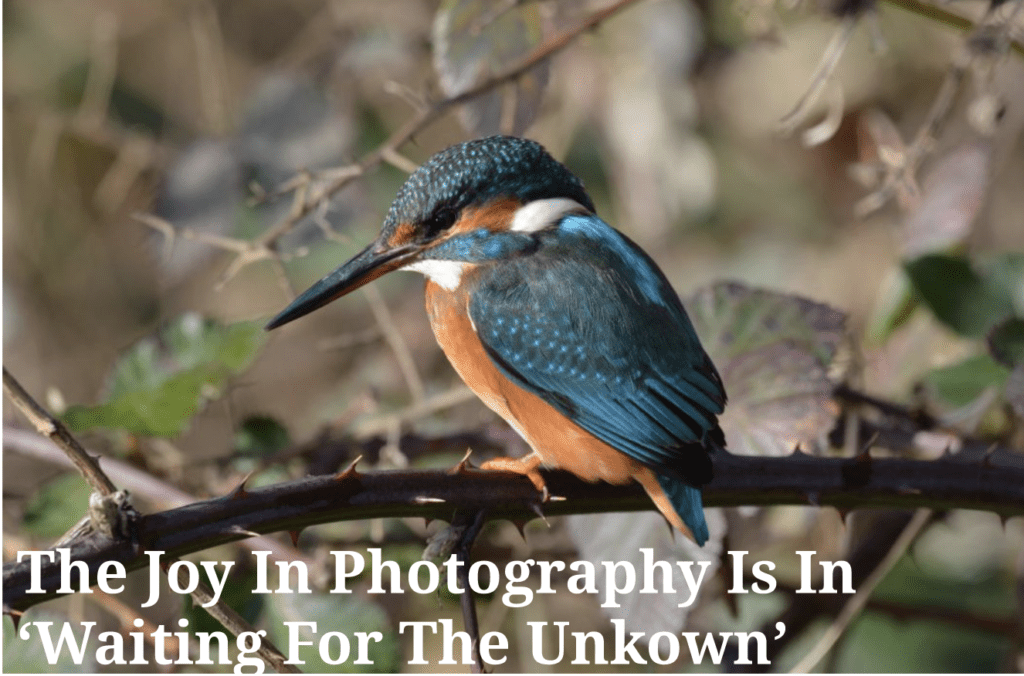
She puts her beautiful kingfisher photo down to luck. “I was down by the River Stour in Blandford Forum and I spotted the kingfisher having a rest on one of the bramble bushes and I managed to get that perfect shot. I then took many more as it darted back and forth up the river for another couple hours or so. I’ve been waiting for a shot like that for years since I started photography.”

Image by: Jasmine Shiner

Jasmine, 25, lives in Okeford Fitzpaine and has always been keen on photography, inspired by walks with her family, looking out for wildlife and learning about them from her dad. It’s also the unknown factor that drives her.

Image by: Jasmine Shiner

“What I love most about photography is the excitement of never knowing what you’re going to come across and capture, and then getting that amazing shot and doing that little dance of joy. Sometimes you’ve gotta take hundreds of pictures just to get that perfect one! “

Image by: Jasmine Shiner

You can see Jasmine Shiner’s photos on display in Scruples Cafe, Blandford Forum. https://www.facebook.com/JasmineShinerPhotography

By: Rachael Rowe

The Ley lines of the Land

0

In search of the ley lines in Dorset. The early morning mist rises on Hambledon Hill, revealing the spectacular Blackmore Vale below it. It is the perfect time for walking before the heat of the day arrives. Treading through the uneven ground and ancient ridges, it is easy to imagine others taking the same route thousands of years ago. But there’s something more about the hill with its magnificent ridges and views that runs deeper than time itself.

Ley lines in north Dorset from Hambledon Hill
image by: Laura Hitchcock

Hambledon Hill is one of several places in Dorset sitting on a Ley line. There are hundreds of them all over the world linking landmarks from the Pyramids of Giza to Notre Dame Cathedral in Paris. A century ago in 1921, Alfred Watkins was standing at a viewpoint in Herefordshire and noticed how certain hills and settlements appeared to run in a straight line.  He went on to write The Old Straight Track in 1925 detailing his thoughts on Leys. But what exactly are they?

A Ley line is a straight route across the landscape, generally invisible to the naked eye, but one that connects landmarks together. Trees, ponds, church spires, cathedrals, castle mottes, and standing stones are examples of features on Ley lines.  Alfred Watkins saw them as prehistoric trading routes or navigational markers. Once the concept emerged, they fuelled the public imagination around mystical things in particular. It wasn’t long before druids and other spiritual believers saw them as powerful energy lines. Many scientists dismissed Watkins’ theory, stating the lines were purely coincidental and completely unconnected with the spiritual ways of life.

ley lines at Knowlton Church

North Dorset’s Ley Lines

It’s no secret that the Blackmore Vale is one of the best places to live but the area is full of Ley lines criss-crossing he landscape.

Hambledon Hill, once a neolithic burial site and Iron Age Hillfort, has several Ley lines traversing it.  It is one of the six apex points connecting the mystical Wessex Astrum to Stonehenge, Avebury, and Glastonbury. Stand at the top of the hill, and several landmarks are in alignment from Hod Hill to churches. Child Okeford is also reputed to be at the centre of several Leys, in its position at the foot of Hambledon Hill.

Considered one of Britain’s largest neolithic sites, the Dorset Cursus is an ancient processional route running six miles in length along two parallel tracks on Cranborne Chase. Although there are a few neolithic barrows left in place today, it can still be walked. The Cursus is aligned to Ley lines and also with views of the winter solstice (see more of the archaelogy from the area surrounding the Dorset Cursus in Martin Green, the most professional amateur, The BV Sep 22)

Close by is the neolithic henge complex at Knowlton, famed for its Norman church inside the ancient structure. There was quite a community here in medieval times but the village was decimated by plague in the 15th century and abandoned. Several Leys run through the henge and it is believed to be one of the most atmospheric and haunted places in Dorset. What drew believers of different faiths to the area across the ages? Was it the views of the equinox sunrise from the nearby Great Barrow or an unseen energy of aligned places? Or, was there some deep sense of spirituality here?

There are all kinds of theories surrounding the Cerne Abbas Giant, but the hill above the iconic landmark is on a Ley line. In the village itself a sacred spring and the church is also aligned with the Ley. The Cerne Abbas Ley runs seven miles cross country to Holwell and to St Laurence’s Church in the tiny parish, named after a holy well.

Coincidental places or deep spiritual energy? Whatever your thoughts on the Ley lines and their connections, there’s one thing for sure. These lines are among some of Dorset’s most beautiful places and a good excuse for getting out and about and appreciating more of the county.

By: Rachael Rowe

What do you get if you combine a dedicated volunteer with a leftover sandwich and a purpose built barn?

1

Owlets at Bere Marsh after 20 year Gap

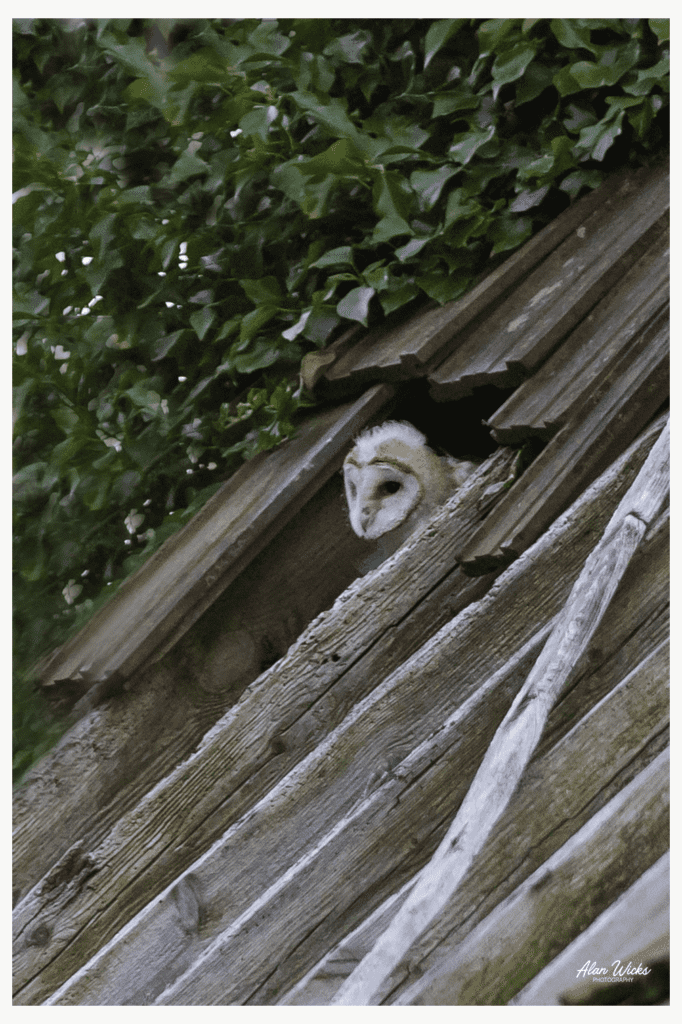
Who can fail to be inspired by the fluffy white face of a barn owl or the sight of these magnificent birds out hunting for prey? Although owls are formidable looking creatures, the environment they need to survive is actually a fragile one. It takes a lot to create the optimal  conditions needed for barn owls to settle in a place and breed. The pair at Bere Marsh had been there for 20 years but never bred owlets. So what happened that made a difference?

Image by: Alan Wicks Photography

Last year, the Countryside Restoration Trust launched an appeal to fund £30,000 worth of repairs to the roof of a tumbledown Victorian barn at Bere Marsh Farm in Shillingstone which was threatening to collapse and force the owls out of their home.  Many local people supported the initiative – North Dorset loves good conservation projects and wildlife. As the money flowed in, the barn was duly restored in three weeks by local roofers, so the owls had shelter and crucially, somewhere to nest.

Bere Marsh has volunteers working with its conservation programme run by the CRT. Photographer Alan “Woody” Wicks volunteers at Bere Marsh and took a special interest in the owls. He has dedicated time to tracking and filming these beautiful birds and is an expert on the subject. His amazing photos and videos are a testament to capturing these moments when the barn owls have been active, and is an insightful appreciation of their beauty. But it was what he did inside the barn with his expertise of barn owl habitats that made a massive difference to what happened next.

Image by: Alan Wicks Photography

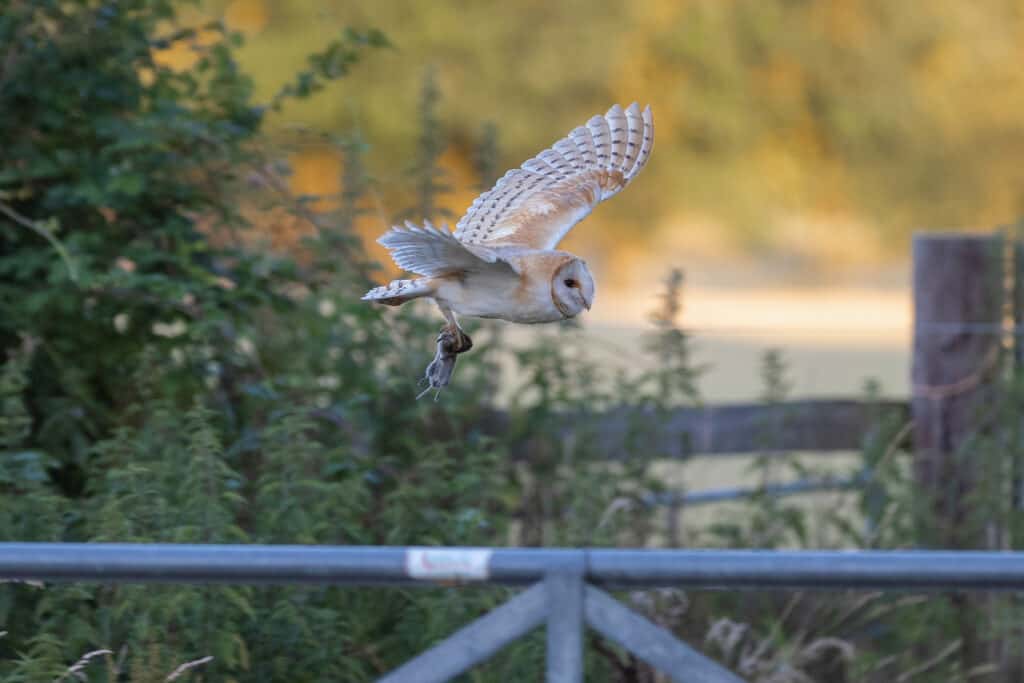
Once the Countryside Restoration Trust decided to give over the whole of the Victorian Barn to the barn owls, Alan set about building a “magnet” for rodents like mice, voles, and rats with hay bales, branches, spent grain, and even leftover sandwiches inside the barn. The rodents duly arrived for the party. Now the birds had a ready made larder they settled, and crucially, had a food store in wet and stormy weather when it was impossible to hunt as a barn owl’s wings are not waterproofed. With parent owls assured of food, their babies grew healthy quickly.

Image by: Alan Wicks Photography

The baby owls now had an environment where they could learn to hunt, watched by mum and dad from the perch above them- as well as developing their flying skills. They have grown quickly into healthy youngsters with adept flying and hunting abilities- vital for survival. The support provided to nurture the family are a major reason why the youngsters have developed so quickly into healthy owls and flown the nest already.

Image by: Alan Wicks Photography

The CRT says that up to 85 per cent of the barn owl population now live in nesting boxes, so to have a traditional barn dedicated to these exquisite birds is an authentic means of encouraging more wildlife to the local countryside in the Blackmore Vale. And with the expertise of people like Alan and the team at Bere Marsh, we can look forward to hearing more conservation success stories.

By: Rachael Rowe