Location: Dorset / Wiltshire, with flexibility. Salary: Competitive, commensurate with experience, circa £60k – £70k Contract: Full-time, permanent. Accommodation: Potentially available if required.
Our client, a Rural Estate enterprise is seeking a highly experienced and commercially astute Finance Director to lead and modernise all financial operations. The Finance Director will be a dynamic and results driven leader with a proven track record of promoting business growth and stability through strong financial management.
The Rural Estate enterprise encompasses two estates of a combined approx. 9,000 acres with wide range of ventures, including arable and livestock farming, commercial and residential property, forestry, sporting interests, and a public house.
Reporting directly to the Trustees and Beneficiaries and working alongside the Estate Manager, the Finance Director will take ownership of the financial management and reporting across both estates. Initiate and control the process of streamlining and developing financial practices and administrative functions across the estates to promote business growth.
Key Responsibilities
Lead on financial strategy, planning, and reporting for both estates
Produce accurate monthly management accounts, budgets, forecasts and financial analysis to agreed timescales
Accurate cashflow forecasting for the multiple estate entities to ensure the robustness of long-term forecasts
Monitor and challenge performance of the estates against budgets and forecasts
Oversee statutory accounts, audit preparation, and compliance
Advise on financial implications of commercial decisions and estate diversification
Management of banking relationships, inc. Estate lending restructuring
Support investment planning and risk management strategies
Drive the integration and streamlining of administrative and finance systems across two estates, identifying opportunities for improvement
Continuously monitor and analyse financial performance across all enterprises to challenge viability
Liaise with trustees, beneficiaries, and professional advisers at agreed timescales to advise on financial and commercial activity and issues
Provide consistent and clear leadership for finance staff and support the wider estate teams
Key Requirements
Professional accountancy qualification (ACA, ACCA, CIMA or equivalent)
Must have strong experience of Xero accounting systems
Ability to formulate robust financial plans and manage their performance
Experience of fund management and inter-estate loan management
Experience in rural estate finance, landed estates, or multi-enterprise businesses
Strong commercial acumen, with the ability to understand diverse business operations
Exceptional communication skills and ability to confidently and accurately report at trustee/board level
Experience with estate management software an advantage
Strategic thinker with a hands-on, solutions-focused approach
A collaborative and discreet working style
What We Offer
The opportunity to shape the financial future of a prestigious and diverse rural estate
A high level of autonomy and direct engagement with trustees and beneficiaries
A varied and challenging role within a values-led, heritage-rich organisation
To Apply: Please send a CV and covering letter to [email protected] or apply via the Fowler Fortescue Indeed page – – https://uk.indeed.com/cmp/Fowler-Fortescue-1 by 27th June 2025. For further information, please contact via email, in confidence, in the first instance.
From weathervanes to war letters and worn stone steps, Richard Nye’s Windelstán gives Mere’s ancient church tower its own haunting voice
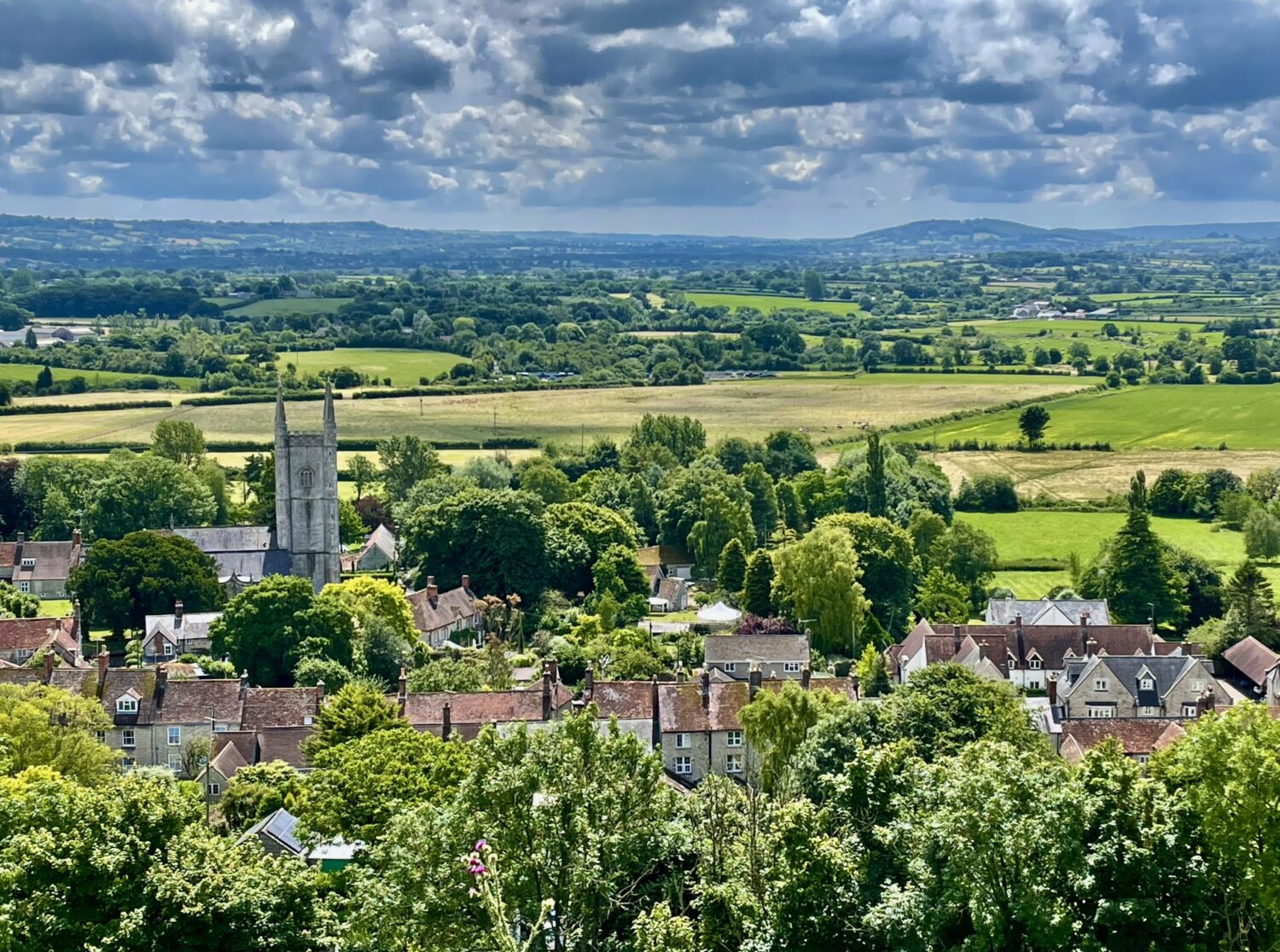
View of Mere with St Michael’s Tower after renovation in 2024
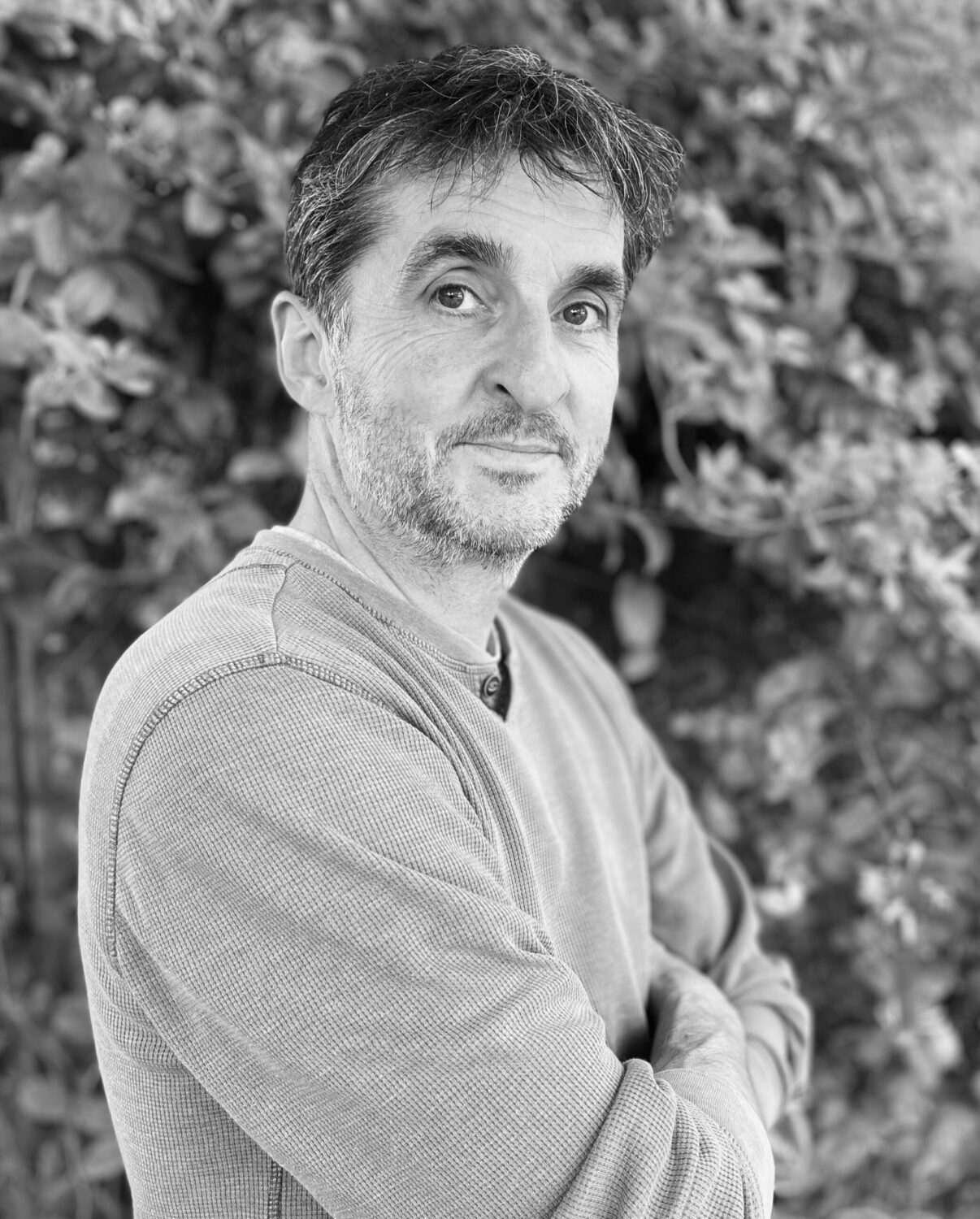
Composing music isn’t straightforward for me. It’s more of a compulsion,’ says Richard Nye, Sturminster Newton resident and Mere’s Composer in Residence. ‘And this project was quite a challenge – I was very aware I needed to get it absolutely right.’ In 2023, a £247,843 National Lottery Heritage Fund grant – along with local donations and other support – enabled the Friends of St Michael’s Church in Mere to restore St Michael the Archangels iconic tower (one of the highest towers in Wiltshire, besides Salisbury Cathedral) and launch ‘The Tower Stories’ project. Designed to bring the tower’s rich history to life, the year-long community initiative explored the stories of the stonemasons, gilders, bell ringers, and townspeople who shaped its past. At its creative heart were two residencies: Jane Borodale as Writer in Residence, and Richard Nye, whose evocative new composition, Windelstán (Old English for a tower with a winding staircase) captures the spirit of the town in music.
Dorset composer Richard Nye is Composer in Residence at Mere
‘I was intrigued – you don’t often get a brief like this,’ Richard says. ‘The committee were fairly open as to what they wanted, but they knew they were after something lasting: “an anthem for Mere”. That became my focus. ‘The first time I went up Castle Hill, once the site of the castle, the sun was shining and the view over Mere and the countryside beyond was just incredible. In that moment, something clicked – I connected with the whole process for the first time. I could see the church tower, and the loose folk tune I’d been toying with since the interview started to take shape. I imagined travelling musicians playing in that very spot, with music, storytelling and entertainment filling the air. It just felt right.’
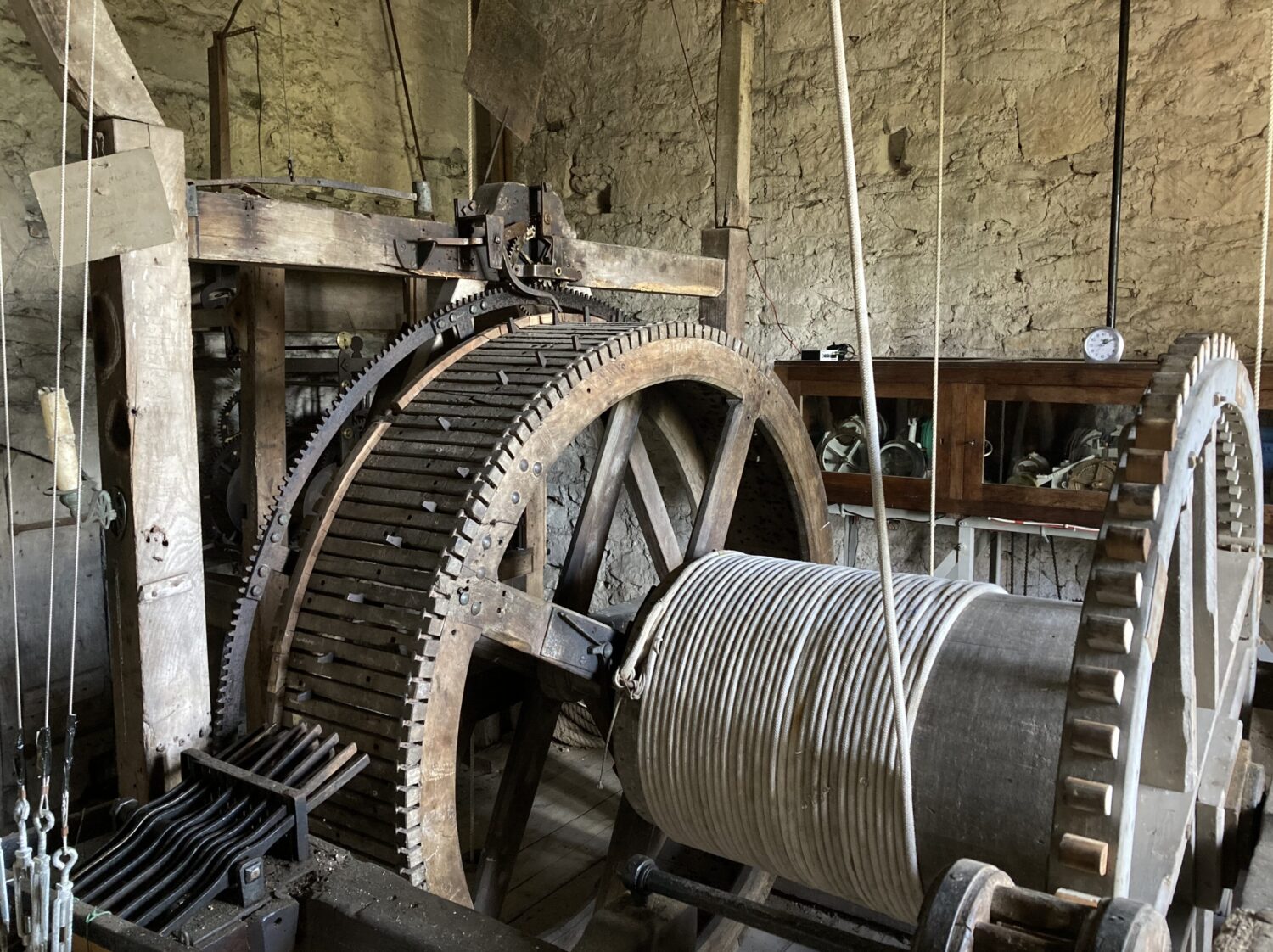
The tower’s bell mechanism works like a giant music box, with pegs on a wheel directing the beel chimes
As Richard worked on the music, the project itself grew. Mere’s Medieval Festival of Fun, planned for the weekend of 21st June to celebrate the tower restoration, was to be the first performance, and being in the open air it needed more than just piano or a small group of instruments: ‘That was the point where I felt I could really go to town on it – and suddenly it seemed to come together. ‘I wanted the tower to have a personality – an ancient and knowing presence. It’s entirely possible that parts of the church have stood for almost a thousand years, watching the town grow and change. That sense of timelessness became the heart of the piece – the tower as a silent witness to generations passing below.’
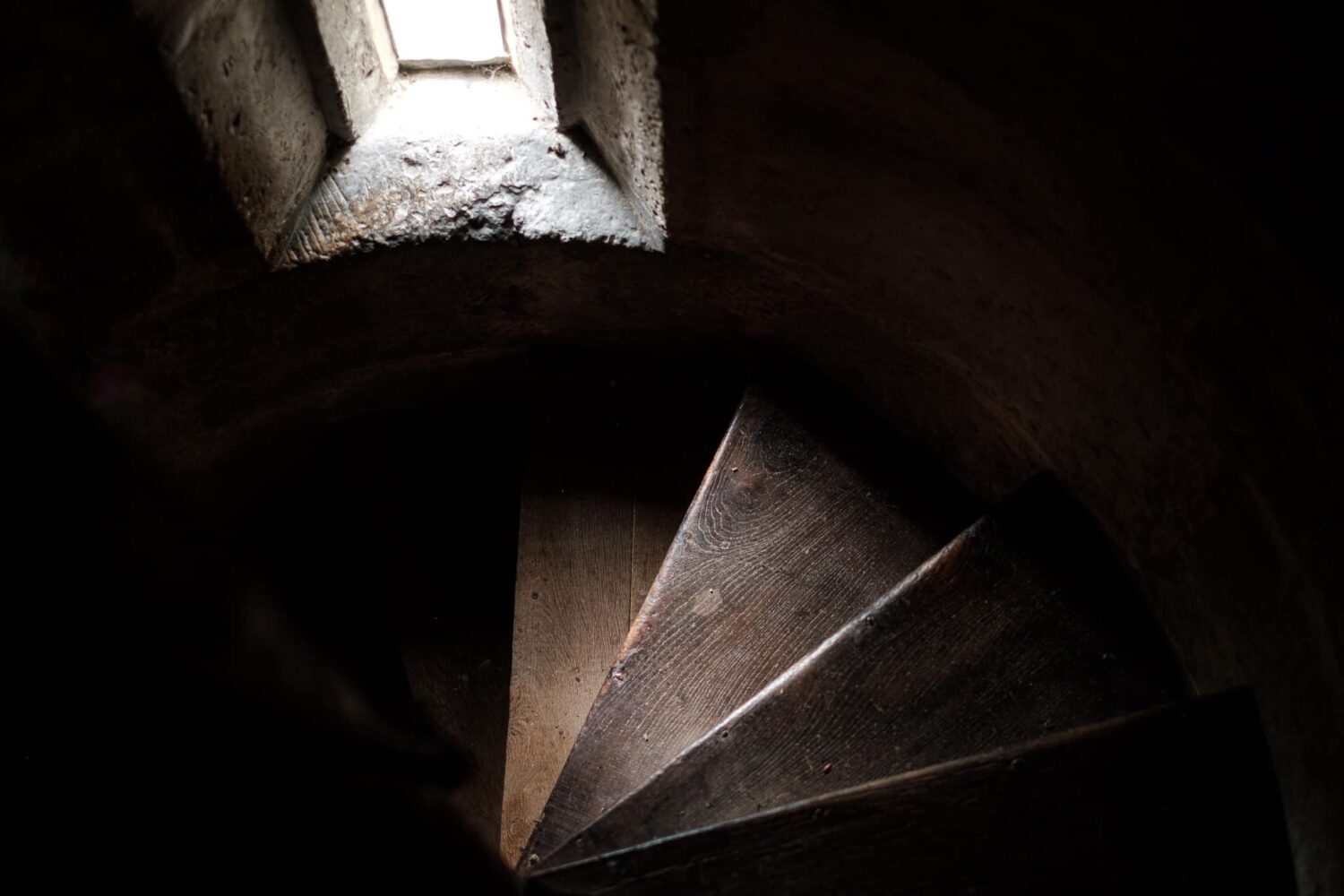
The tower’s spiral staircase has been covered in wooden steps – which Richard ran up at 115bpm
Finding the sound Richard decided to use the tower’s own ‘voice’ – sounds recorded within it – as an instrument to create the music: ‘I didn’t want them to be obvious, apart from the church bells, which I incorporated of course. Kit, the church warden, stopped the clock for me to do that – I’m quite proud I actually made time stand still in Mere! I absolutely adored that day of recording the bells. ‘But I was looking more for the unexpected. For example, I recorded the steps of the spiral stone stair: they’ve got wood over them because they’re worn now, and each one makes an interesting sound. I recorded myself going up at 115 beats per minute – I wanted to get a rhythm, and because each step’s sound is different, I couldn’t just step on one, and keep looping it. So I ran, all the way to the bell ringing room, holding on to a visual metronome and my handheld recorder for grim death. I do not recommend it: and I don’t ever wish to do it again. My poor kneecaps!
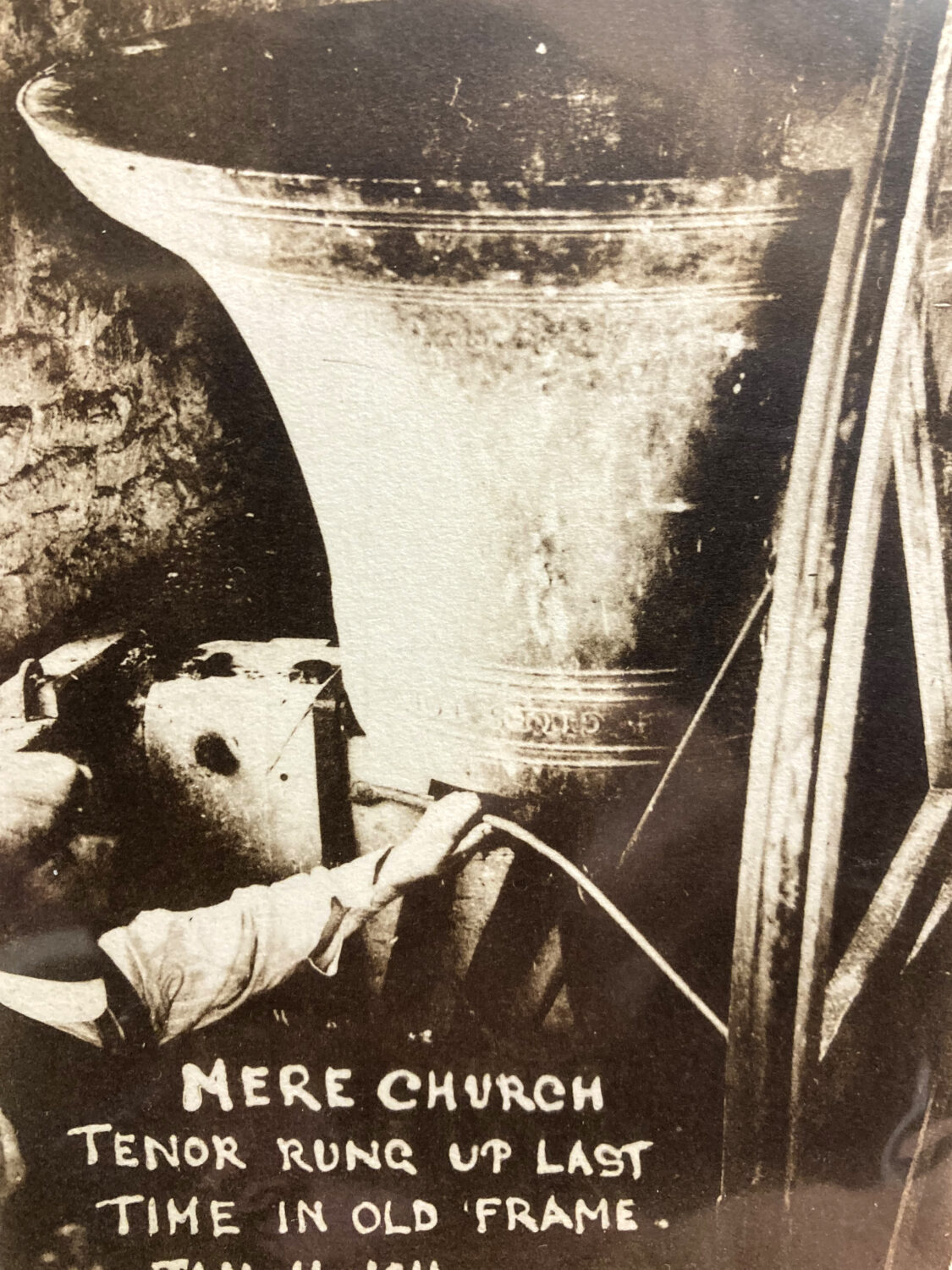
In 1911 the bells were rung in their original frame for the last time – the new frame was not anchored to the tower wall, due to concern the eight bells would bring the tower down
‘I recorded keys in doors – in Windelstán, you can hear the unlocking of the church tower with its huge original key. Another great sound is the door of the bell ringing room closing – I lowered the pitch so it drones, like the low hum of a bagpipe. It’s brilliant, not at all what you’d expect. ‘Using a bit of cardboard, I played various cogs on the ancient clock mechanism. I wanted to get something from each room, and also, importantly, something from the very top of the tower. The issue is I’m quite frightened of heights, and also slightly claustrophobic, and I was on my own… I’d forgotten that a spiral staircase narrows as it goes up, so when I finally got to the top I was feeling so anxious I just wasn’t going to open the door! But then I remembered the damaged weathervanes stored above the north entrance. They’d been removed after damage to the church pinnacles (possibly by lightening), and preserved.Safely indoors, I ran my fingers across the cut-out initials of previous churchwardens – it made an amazing sound. At the start of the piece, through headphones, you can hear that sound moving from one ear to the other – that’s me, running my finger along the weathervanes. The weathervanes became my sound from the top of the tower.’
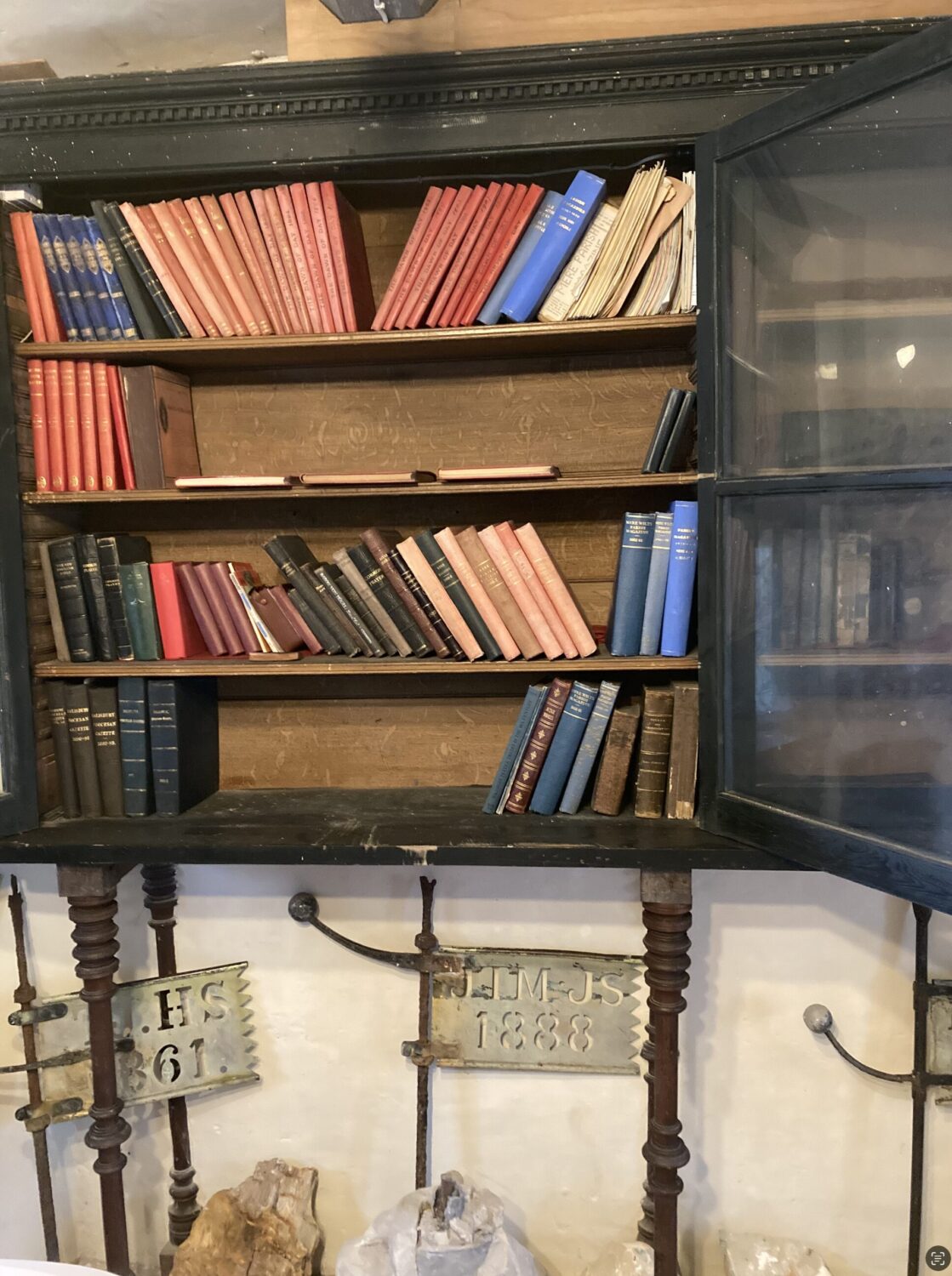
The parish magazine archive has been bound and is stored in the church above the weathervanes – the ones Richard ‘played’
Lyrics from the past While looking for the voices he wanted to hear within the lyrics, Richard spoke to locals about their memories of the tower and spent time in the archives: ‘I spent a morning going through hundreds of images in Mere Museum’s photo archive. And the parish magazines – they’re an incredible record. My dad’s a clergyman, and his letters were always quite personal – I wondered if Mere’s vicars were the same, and they really were. I was drawn into the letters from 1910 and 1911, when the bells were taken out and recast. One vicar apparently thanked everyone during a service, but in the next issue, he offered a fulsome thanks to one particular lady – I imagine he’d forgotten to mention her and could just see her collaring him after the service! ‘The First World War letters… I got completely pulled into them. I just sat there reading and reading. It was a very peculiar feeling. That’s what led to the soloist’s line in Windelstán: I imagined someone far from home, on a battlefield, remembering the tower, singing back to the stones. That melody comes back to them.’ Ultimately, Richard hopes Mere residents will enjoy the echoes of their home, and that those who don’t know Mere might be intrigued enough to visit: ‘Go up Castle Hill, go into the church, hear the bells. The tower tours are open – people can see what I saw, hear what I recorded. Like most people, I’d only ever driven through the town before. But that newness actually helped – it gave me fresh eyes. The place had such a profound impact. When I got back from the interview – regardless of whether I’d got the job – I started just putting little notes onto manuscript paper that came to my head just from being there. Some of those were in the final piece.’ You can listen to Windelstán sung, with all choral parts sung by Richard, on the previous page. The first live performance, complete with full choir, will be on 21st June at Mere’s Medieval Festival of Fun – a free event in the town where Richard will lead Mere School, Shreen Harmony and The Tower Stories People’s Choir. If you’d like to join in, rehearsals are open to all – no experience needed, just attend on June 2nd, 4th, 17th or 18th at 7pm in St Michael’s. For more details of the project, plus details of events, please see thetowerstories.co.uk
A sudden Yeovil maternity shutdown sparked concern for rural mothers and highlights deeper NHS staffing, planning and leadership failures
‘…work-related stress, reportedly caused by a lack of support, a toxic work culture and bullying from management.
Adam Dance, MP
On 19th May, Yeovil Hospital temporarily closed its inpatient maternity services, including its special care baby unit. The hospital is mainly used by South Somerset residents, but a quarter of their patients come from North Dorset. With the closure of a critical service, what happens now for the affected rural communities?
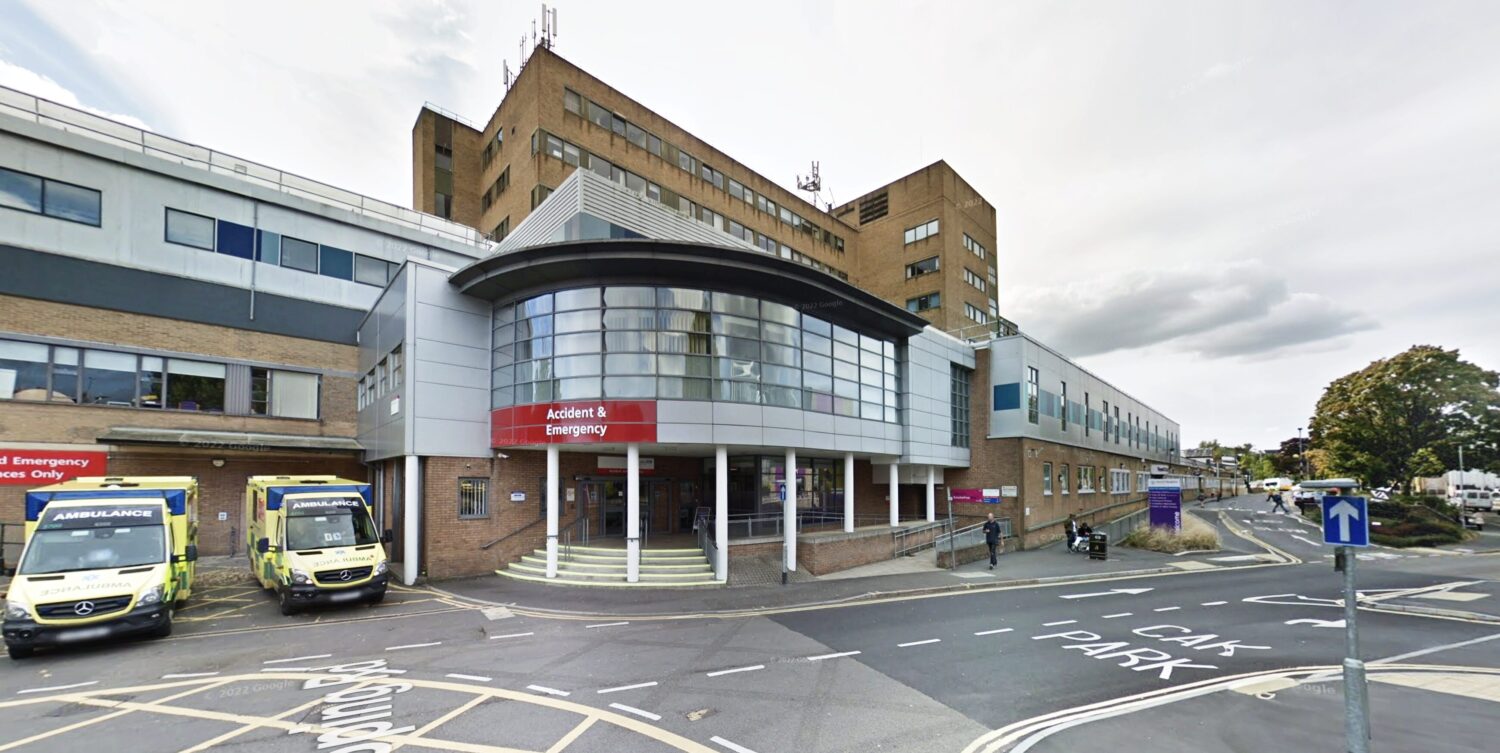
Yeovil hospital
What happened at Yeovil? In January 2025, the Care Quality Commission (CQC) inspected the acute paediatric service (the care of children and young people) and issued a Section 29 safety warning notice, calling for significant improvements. In addition, the hospital currently has high levels of sickness among senior paediatricians (the doctors specialising in children’s care) at Yeovil, which has caused big gaps in the medical rota. Senior paediatricians from Musgrove Park Hospital are supporting the service at Yeovil, to ensure that paediatric inpatient and outpatient services remain open for those who need them. However, the special care baby unit (SCBU) could not be supported in the same way, and had to be temporarily closed on safety grounds. The consequences of this action directly impacted the Yeovil Hospital inpatient maternity service because they now cannot care for any newborns who require care in a special care baby unit, or safely provide care during labour and birth at the Yeovil Maternity Unit.
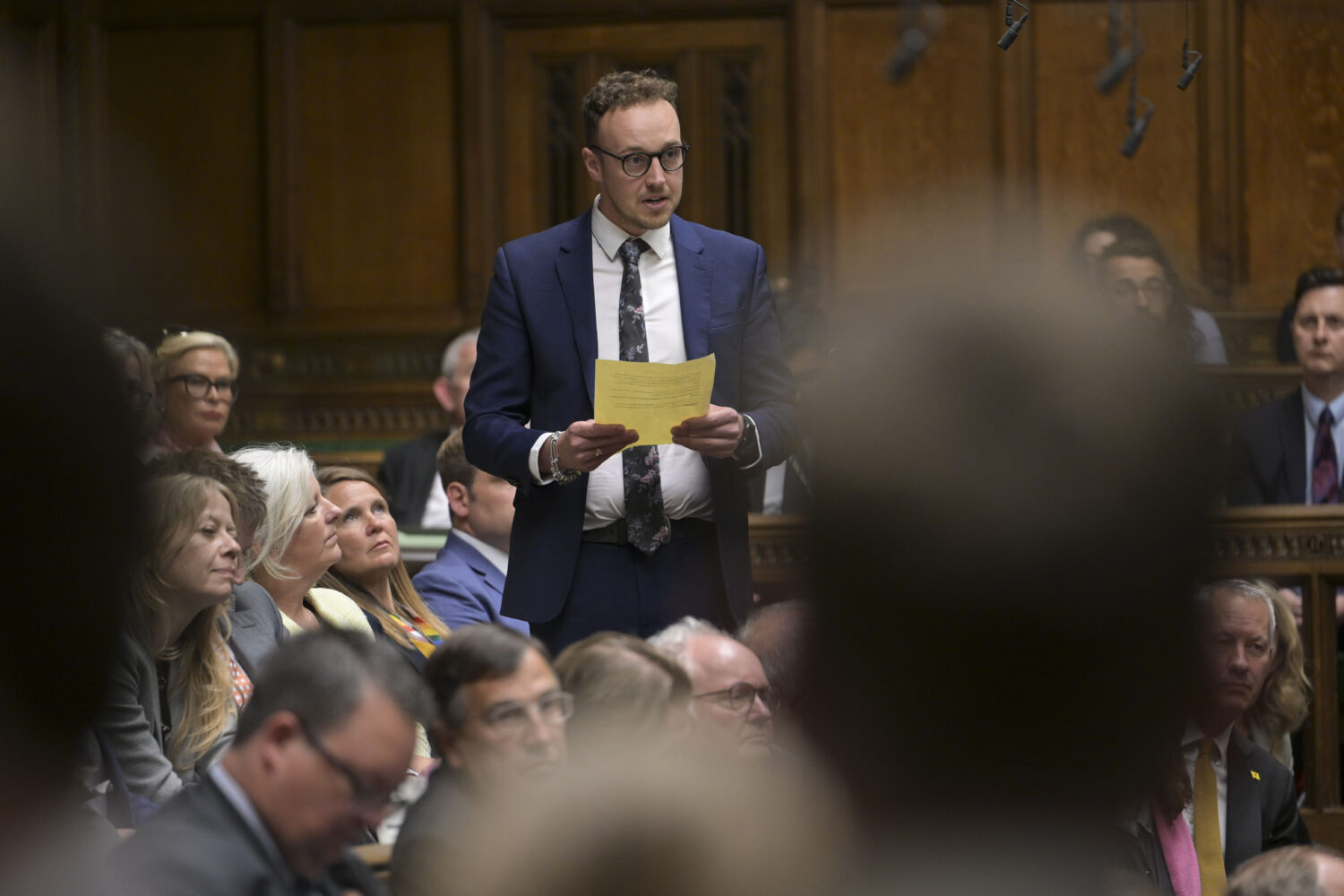
Adam Dance, MP for Yeovil, secured a Commons Debate on 3rd June and outlined some of the challenges faced by staff on the Yeovil site: ‘“’The hospital trust’s leadership team says that high levels of sickness among senior hospital staff caused gaps in the rota, but I have been informed that those staff are off sick because of work-related stress, reportedly caused by a lack of support, a toxic work culture and bullying from management. That is not good enough. Clinicians have been working desperately hard to provide quality care and have been trying to work alongside management to improve the service, but they have found management unsupportive. It seems that the real issue is about management and about supporting and retaining staff.’ (you can watch the debate on ParliamentLive, or read the full transcript of the debate on Hansard)
Adam Dance MP for Yeovil & South Somerset
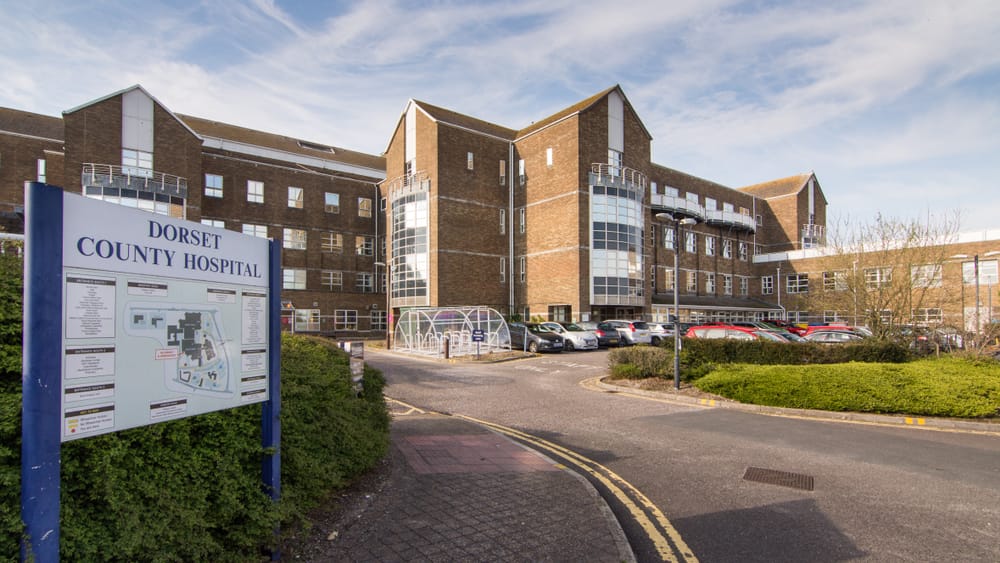
Are there alternatives for expectant mums? Although outpatient services remain in Yeovil, for those women planning to give birth and needing inpatient services, the options are Dorchester, Taunton, Bath or Salisbury. Naturally, the short notice has created anxiety with families and the wider community. The number of births at Yeovil Hospital’s maternity unit is between 1,100 and 1,200 per year. The average occupancy rate of SCBU at Yeovil is 31%, with the average occupancy rate for the neonatal unit at Taunton at 60%. Those 1,200 births will now have to be absorbed elsewhere. Dorchester sees a similar number, averaging around 100 a month. A spokesperson said: ‘Dorset County Hospital is working closely with healthcare partners in Somerset to ensure that all women and birthing people can have the best experience of using our services. We are working to ensure we have the capacity to support all current and new service users’ needs. It is not anticipated that there will be any impact on current service users who are under the care of the maternity and neonatal team at Dorset County Hospital.’
Performance The CQC inspected Yeovil Hospital in 2023, and published a report in May 2024, in which maternity services at Yeovil were described as ‘inadequate’. Musgrove Park Hospital in Taunton was also listed as inadequate. Although Somerset NHS Foundation Trust stated these ratings were unrelated to the 2025 Section 29 notice, there have been concerns about staffing and safety for some time. Dorset County Hospital also received a grading of ‘Requires Improvement’ when they were inspected. A spokesperson said: ‘Following the CQC inspection of maternity services in June 2023, Dorset County Hospital took immediate action to address the issues raised. Specialist advisors worked alongside our maternity team with a detailed improvement plan to take action on all the areas identified to ensure our service users get the high quality and safe services they rightly expect. While reporting some concerns following the inspection at the time, inspectors also praised staff for their levels of care, being focused on the needs of women receiving care, and for engaging well with women and people using the service. They found that women felt well cared for. A follow-up inspection report will be published in due course.’
Dorset County Hospital
One important measure in newborn care is the ATAIN score, which tracks how well full-term babies (born at or after 37 weeks) are kept out of SCBUs. The ATAIN programme works to reduce avoidable harm that might lead to these admissions, helping improve outcomes for babies, mothers and families – with lower scores showing better results. Dorset County Hospital has significantly improved its ATAIN score: ‘During 2024/25, our admission rate for term babies into the neonatal service was less than the national standard (no more than 5%). We are proud of this achievement – our priority is to ensure babies remain with their parents for their care, regardless of where that happens.’ Both the special care baby units at Taunton and Yeovil have similar ATAIN scores at 4.5%, and below the national average, which reflects positively on quality care from clinicians.
Why Wincanton matters When services are moved, journey times are measured to assess the impact. Some people benefit, while others are inevitably left in a rural desert of services. When the travel times from Wincanton to Taunton, Bath and Dorchester are mapped, a car journey takes a minimum of 50 minutes – on a good day. That’s a long time if you are in labour. There’s a similar situation with Henstridge and Castle Cary. A journey that once took 25 to 30 minutes to Yeovil is now significantly longer. Public transport is virtually non-existent … and babies don’t wait for rural bus timetables. The area around Wincanton and Castle Cary is overflowing with planning applications – meaning more people moving to the area, and an increased demand on critical services. Surely this should mean that core services should be available to meet housing need?
Adam Dance is worried: ‘I’m deeply concerned that local families have lost access to maternity care close to home, and that the decision was made with very little notice or consultation. The short timeframe caused real distress for expectant parents and staff alike, and I believe it could have been handled far more transparently. ‘The issues highlighted by the CQC were serious and needed to be addressed, but the Trust had several months between the inspection and the announcement to properly engage with staff, stakeholders and the public. That didn’t happen. We should expect better planning and communication when it comes to something as critical as maternity care. More broadly, years of under-investment in workforce planning and training across the NHS have left services stretched to breaking point. This closure is a symptom of a wider system in crisis, and I’ll keep working to make sure our area is not left behind in finding a sustainable solution.’
However, the situation at Yeovil is a creeping crisis in critical public services across the South West and nationally. Why are some departments just one consultant’s retirement away from collapse, and often teeter on the edge if specialist staff are sick? The wider issue here is a profound lack of recruitment and retention, and, critically, succession planning. Staff also deserve working conditions that do not see them lurch from crisis to crisis on a daily basis. The entire situation points to a need for positive working cultures and for meaningful investment in infrastructure. Somerset and North Dorset deserve better – at the very least, some strategic planning so that people can access the very best healthcare when they are at their most vulnerable. Information about the maternity services in Yeovil can be found on the Trust website here.
Pete Harcom looks at how to save water, keep pollinators happy and tackle weeds, without reaching for the sprinkler or scalping your lawn
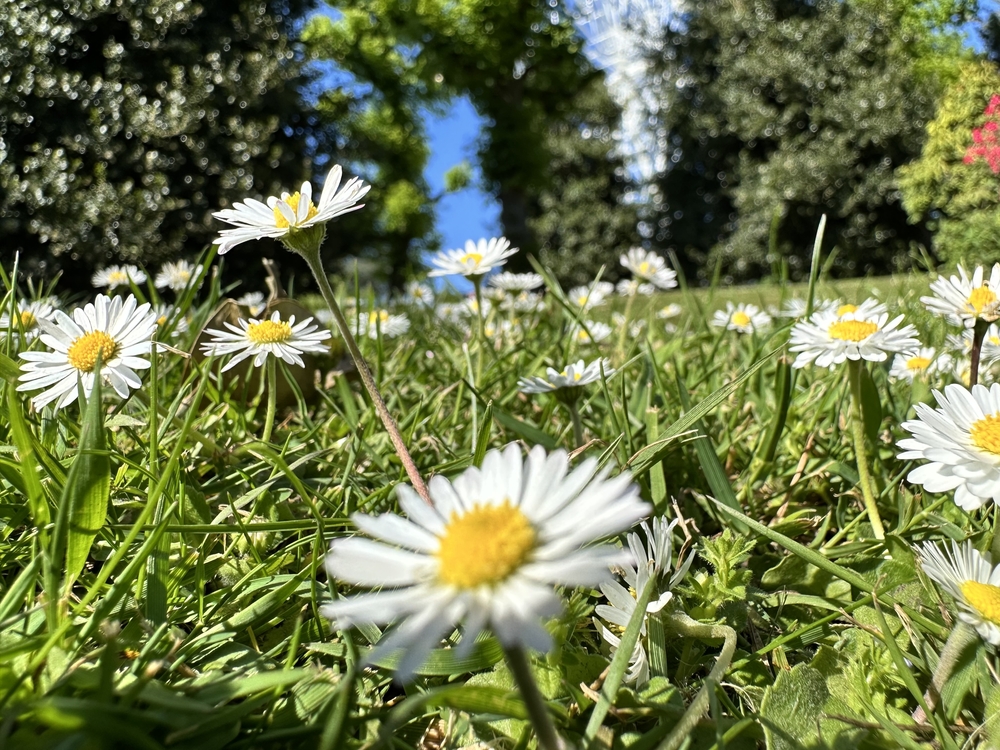
If you followed the No-Mow-May last month, the weeds in the lawn and the borders will now need attention! Remove weeds as soon as you spot them, and make sure to dig out the roots. Don’t be too brutal though – daisies can look very attractive in a lawn, and they are a great plant for attracting pollinators as the flowers are full of pollen and nectar. Maybe think about just mowing a pathway through the lawn and leaving other areas to grow long? This will provide food for pollinators and shelter for other wildlife. The warm weather and the lack of rain we have had are a rmeinder that we need to evaluate how we’re conserving water. Here are just a few tips for saving water in the garden:
Collect rainwater in butts, barrels, old sinks and baths and use it to water plants and top up ponds (making sure that wildlife can get out of any container used to collect water if there’s a chance they can fall in). There are water butts that can be connected to your roof downpipes via a diverter – these are a great way to collect rainwater. Ensure the water butt has a close fitting lid to deter mosquitoes!
Water your garden early in the morning or in the evening: this is when evaporation is at its lowest and the plants will benefit most. But be mindful that slugs and snails will also thank you for the evening moisture!
Mulch or add bark to your flower beds and veg patches – this really helps to reduce evaporation. Mulching plays a key role in both retaining moisture in the soil and providing nutrients, and will also introduce organic matter to the soil, enhancing its structure and its capacity to hold water.
Let your lawn go brown, it helps it to build up resistance – it will spring back to green after it rains! In hotter weather, let the lawn grow a little longer, as it helps keep the moisture in the soil.
Try not to use a sprinkler – it can use up to 1,000 litres an hour. Spot watering at the base of plants is much more efficient than spraying large areas: fit a trigger nozzle to your hosepipe to halve water use and direct the water to where you need it.
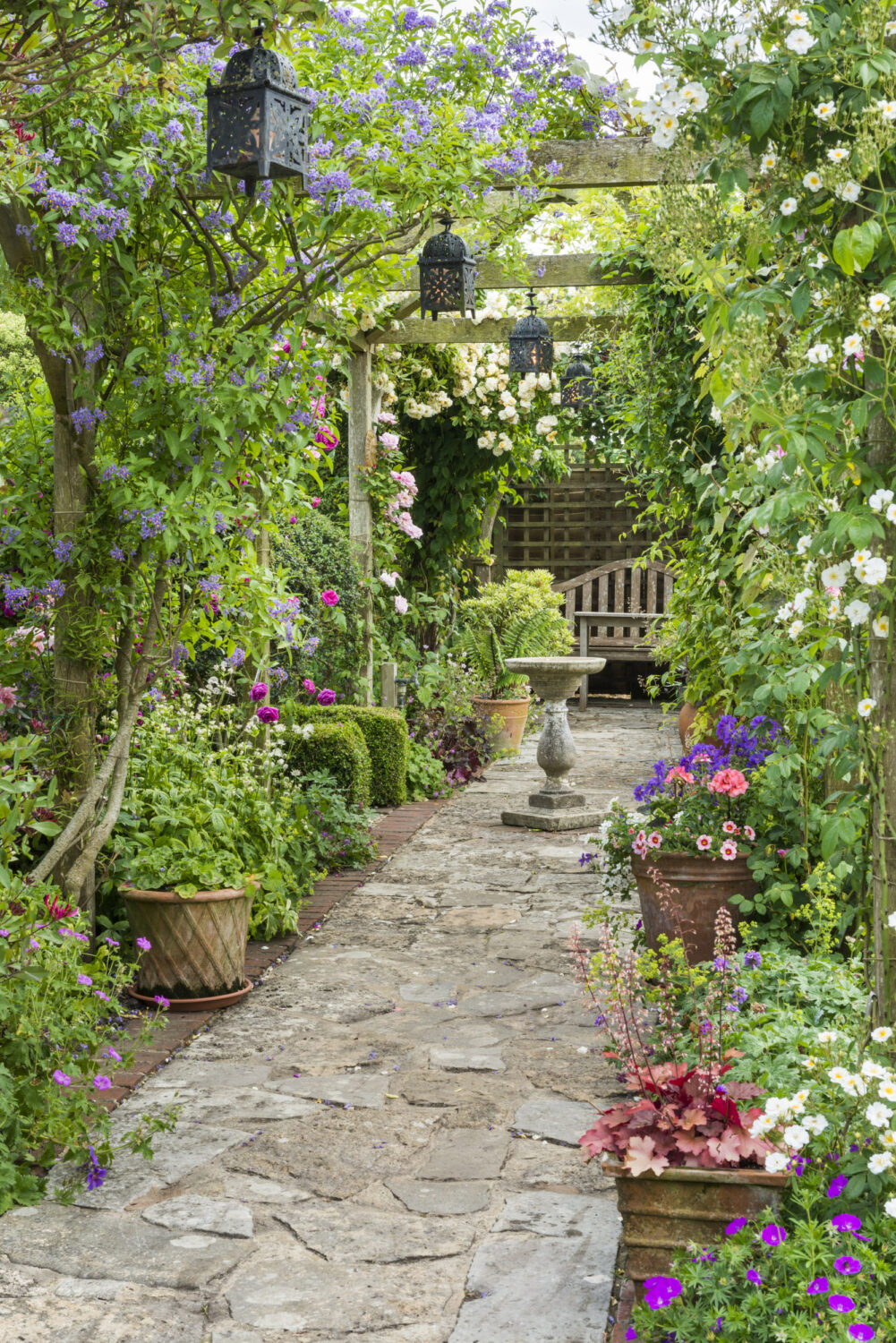
View along pergola with bird bath and wooden bench. Solanum crispum ‘Glasnevin’ and roses. Crazy paving path. Hanging lanterns
Cerne Abbas is well known for its giant, its Abbey site … and for being one of the prettiest villages in Dorset. Since 1974, its annual Open Gardens event has invited the public into a number of its private gardens to raise money for local charities: Now in its 49th year, the 2025 event will raise funds for both The Dorset Wildlife Trust and Cerne Valley Cricket Club. On the 14th & 15th June this year, some 25 private gardens – ranging from compact courtyards to sweeping plots – will be open around the village, with many owners on hand to chat and answer questions. Most gardens are dog-friendly (on leads), and several offer wheelchair access. All are within easy reach of a free car park (DT2 7JF), opening from 1pm. Refreshments – including the much-loved home-made cakes – will be served in the vicarage garden, while a popular plant stall in the village square opens at 1pm. Local pubs and the village shop also provide food and drink options. Recently featured on Channel 5’s Dorset: Country & Coast, this is a perfect summer outing for plant-lovers and garden inspiration seekers alike. Gardens are open 2pm to 6pm each day, and entry is by map, available on the day from the car park or village square: £8 for one day or £10 for both (children under 16 go free). Full details of the event at: cerneabbasopengardens.org.uk
From conflict to coffee and conversation – the Dorset church that made peace, lost its pews, gained a loo … and found its future
The new pew-less St Andrews in Okeford Fitzpaine Image: Derek Day
Five years ago, Okeford Fitzpaine hit the headlines and the international press descended on North Dorset, fascinated by stories of angry villagers up in arms over pews being removed from their local church. The dispute fractured relationships in the village and was deeply upsetting for many people. However, today, St Andrew’s in Okeford Fitzpaine is celebrating a new community space, including a modern servery and an accessible loo.
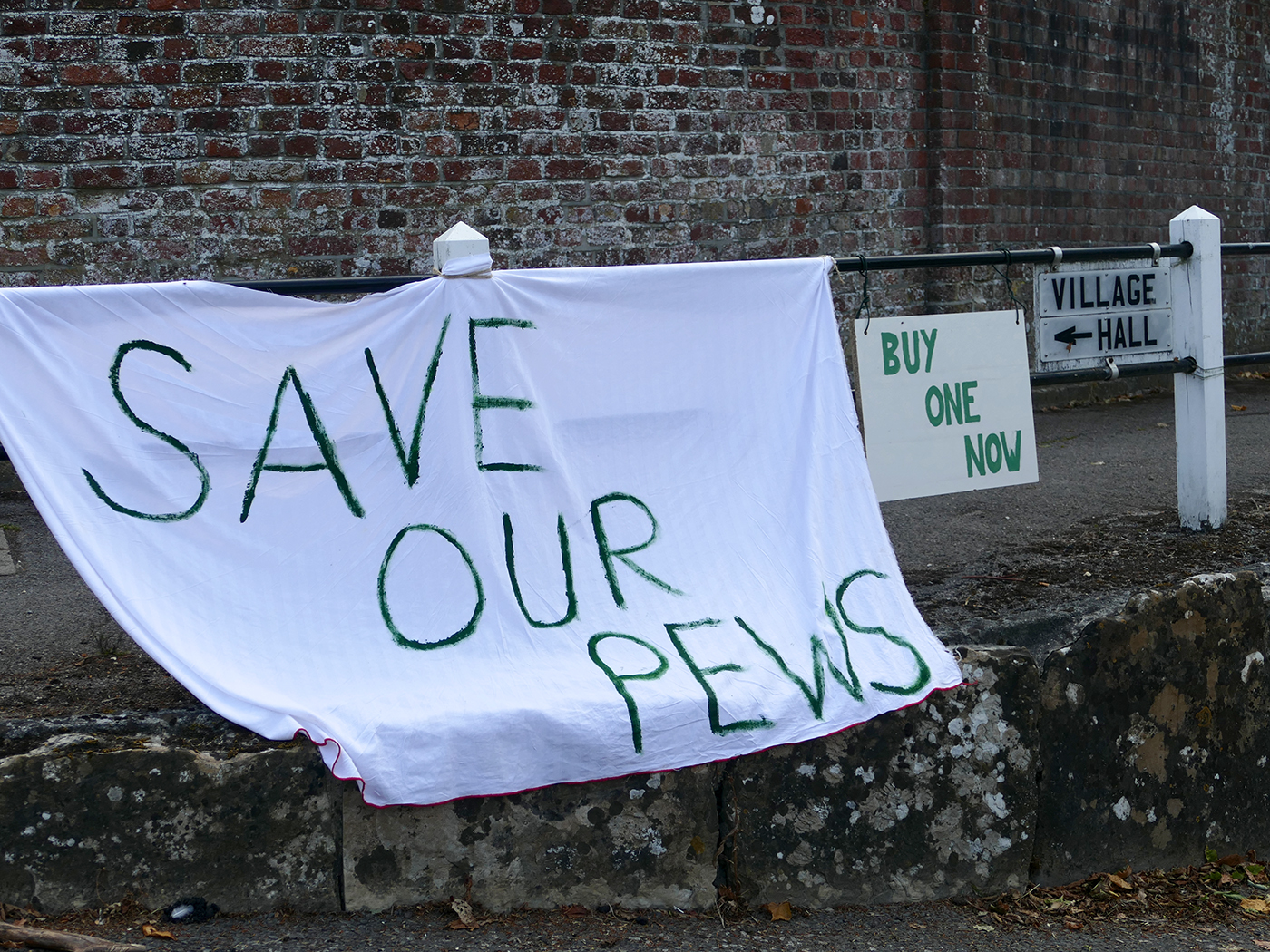
Angry villagers mounted the Save Our Pews campaign from Okeford Fitzpaine in 2020
Why churches need to change In the last ten years, more than 3,500 churches have closed in England according to the National Churches Trust. More than 900 places of worship are on Historic England’s Heritage At Risk register. Church congregations are falling and the historic nature of church buildings means their maintenance is both complex and highly expensive. For an older population, and people with complex health needs, simply getting in and out of narrow pews can also be a challenge. There are also people with medical conditions who want to come to church but are concerned at the lack of loos. Finally, most rural areas rely on clergy who cover several parishes so they do not necessarily live in the parish. There is often nowhere for them to make a coffee or use a toilet – working conditions that would not be acceptable for a basic factory, for example. With rising maintenance costs, churches also need flexibility to remain financially viable. There was significant scepticism over removing the church pews, creating wide and vocal conflict within the Okeford Fitzpaine community, particularly over the perceived communication about the change. However, once the TV cameras left, the community was gradually able to focus on achieving the desired improvements, including gaining grants and hiring the expert contractors required to progress and complete the work. The project threw up some nasty surprises along the way, including a rotten floor which could have collapsed at any moment. Work also revealed dangerous electrical wiring that needed to be replaced before it caused a fire – again adding significantly to the overall cost.
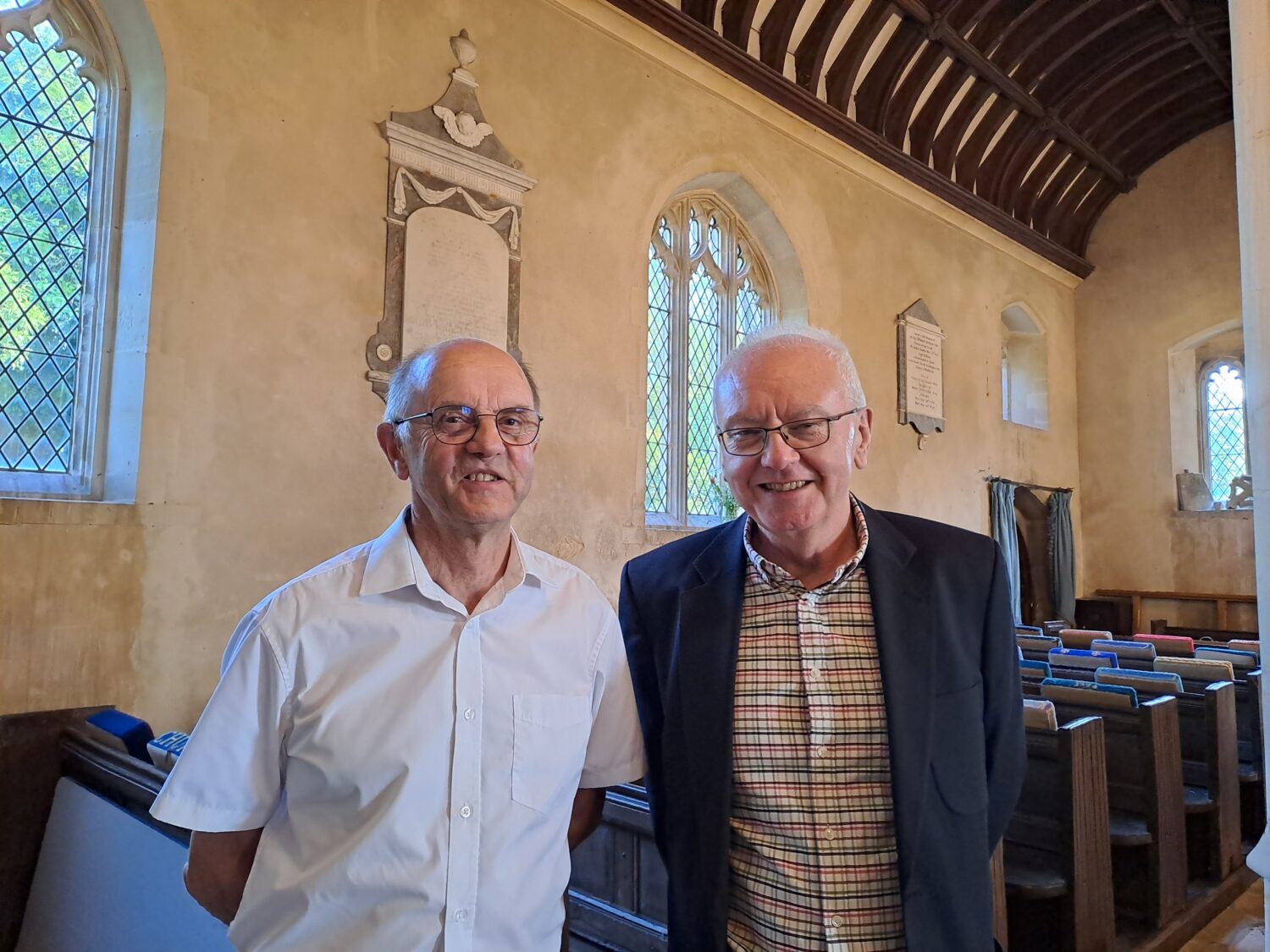
Keith Loveless, left, the architect and Graham Colls, who worked on the project
Parishioner Dilys Gartside was instrumental in managing the project from the start: ‘If anyone had told me this would take ten years, I would have turned around and run in the other direction. At the time, Reverend Lydia Cook was sent to the parish with the remit to lead on this project and to prevent the church from closing. She faced a lot of opposition. We had financial difficulties … but to do nothing wasn’t an option. ‘It took us three and a half years to get a faculty. That’s the Church of England planning permission equivalent, except that it’s nowhere near as easy as getting planning permission for your local council. During the pandemic we were ordered to stop, as all the churches closed, and then later that year we finally started on the nave. We supported work by selling some of the pews, many of which are still in the village, and we focused on areas which would make the church viable – the servery and loo.’
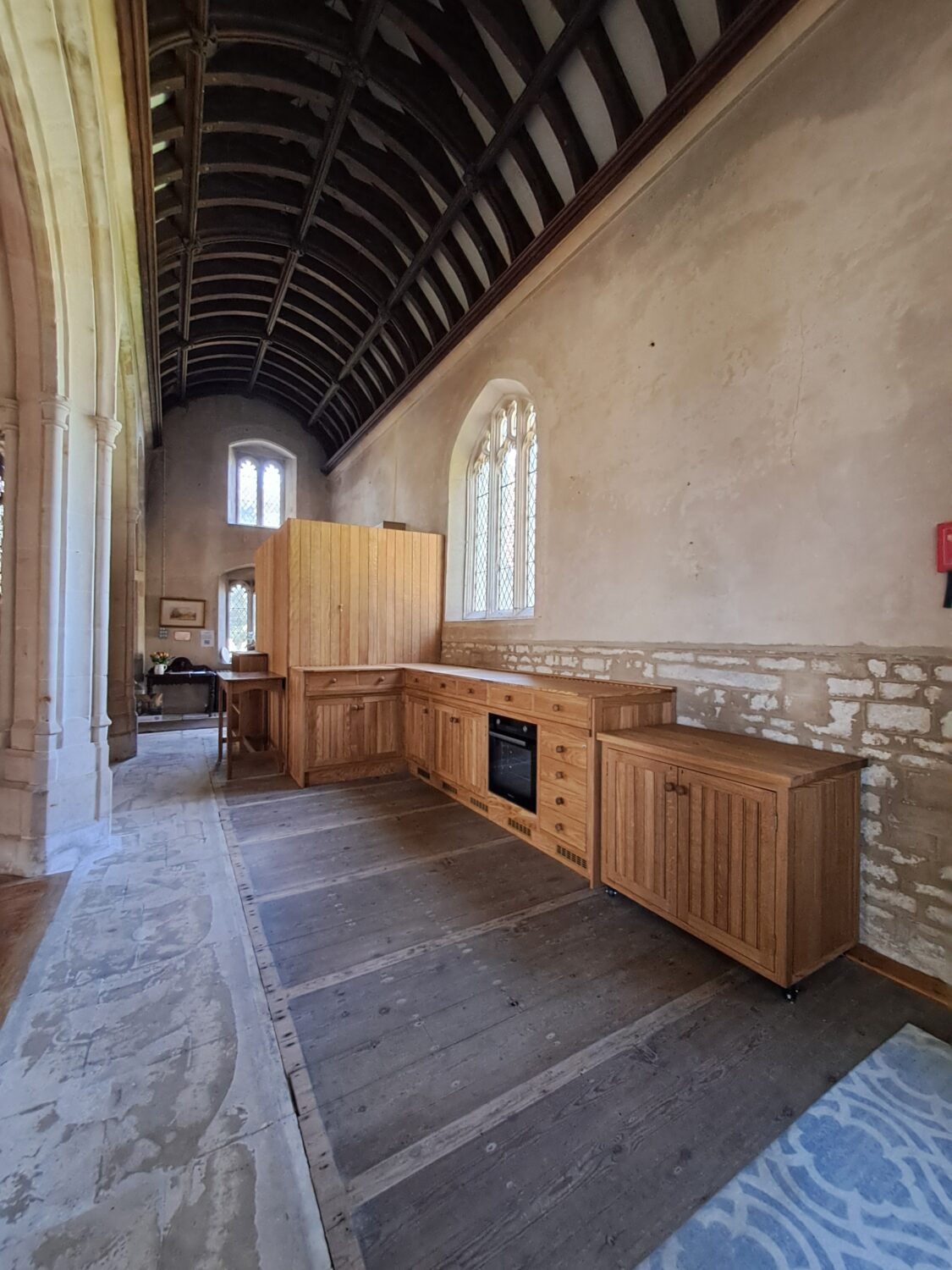
The new servery at St Andrews
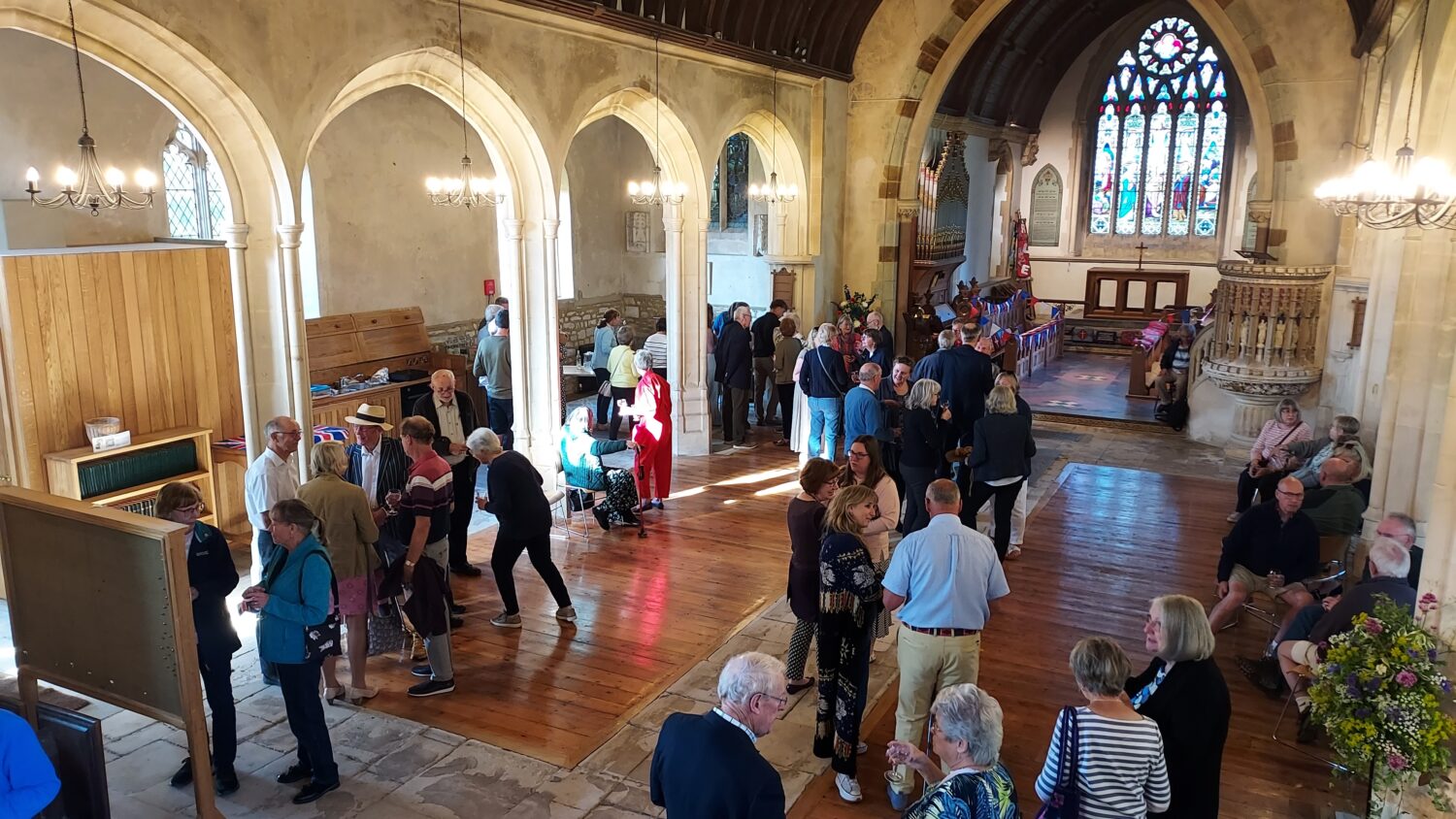
A place of peace On 9th May 2025, when parishioners gathered in St Andrew’s Church to experience the new space created by the re-ordering and removal of pews there were gasps of delight. As people sipped a drink and chatted, one thing became instantly clear: whereas visitors previously used the pews and stood in aisles, today the new flexible area meant that conversation was easier, and people in wheelchairs or with limited mobility were not confined to the back of the church, and were instead able to integrate with everyone else. Curious guests peeked in at the new loo – some wondering exactly how soundproof it was! Keith Loveless, a ‘non-resident looking in’, was the architect who designed the new space. When he arrived in the village, there was still significant conflict, but he refused to get involved, focusing solely on the design and project. His main challenge was the time it took for plans to be agreed by the various committees in the Diocese. ‘It threw up a lot of issues. I got involved in the history of the church and did a pew report, one on the state of the floor, and a font report. Today, seeing it in use … this is just great. It’s all about people. That’s what means a lot to me. We don’t do these things for the sake of doing it. This building is a vehicle for the people of the parish, and on that journey of change the design should help them use the building more.’ The work is not finished yet. There are plans to reposition the font in the baptistery area. Lessons around inclusive communication that came from the unwanted and intense media scrutiny were clearly taken to heart in the village, What was once a subscription-only, church-led magazine has been transformed into a true community publication, now funded by the parish council and delivered free to every household in Okeford Fitzpaine. The Rev Andrew Gubbins, who joined etc Okeford benefice in 2023, led three cheers for the project team: ‘We are thankful for the teamwork, which has come together and overcome some pretty stormy moments along the way! We have rebuilt a place of peace and hospitality and service for the village. The best example we have this year was when the village surprised the church and came forward suggesting a Christmas fundraiser, asking if they could use our church. Churches think they spend their time rolling the ball uphill to get things done, and actually, I think we learned a lesson there. ‘It shows the imagination, the creativity, the energy – it was a remarkable evening. ‘Transformation is possible – and the softly, softly approach works.’
Barry Cuff takes a look back at what happened on his Sturminster Newton plot last month
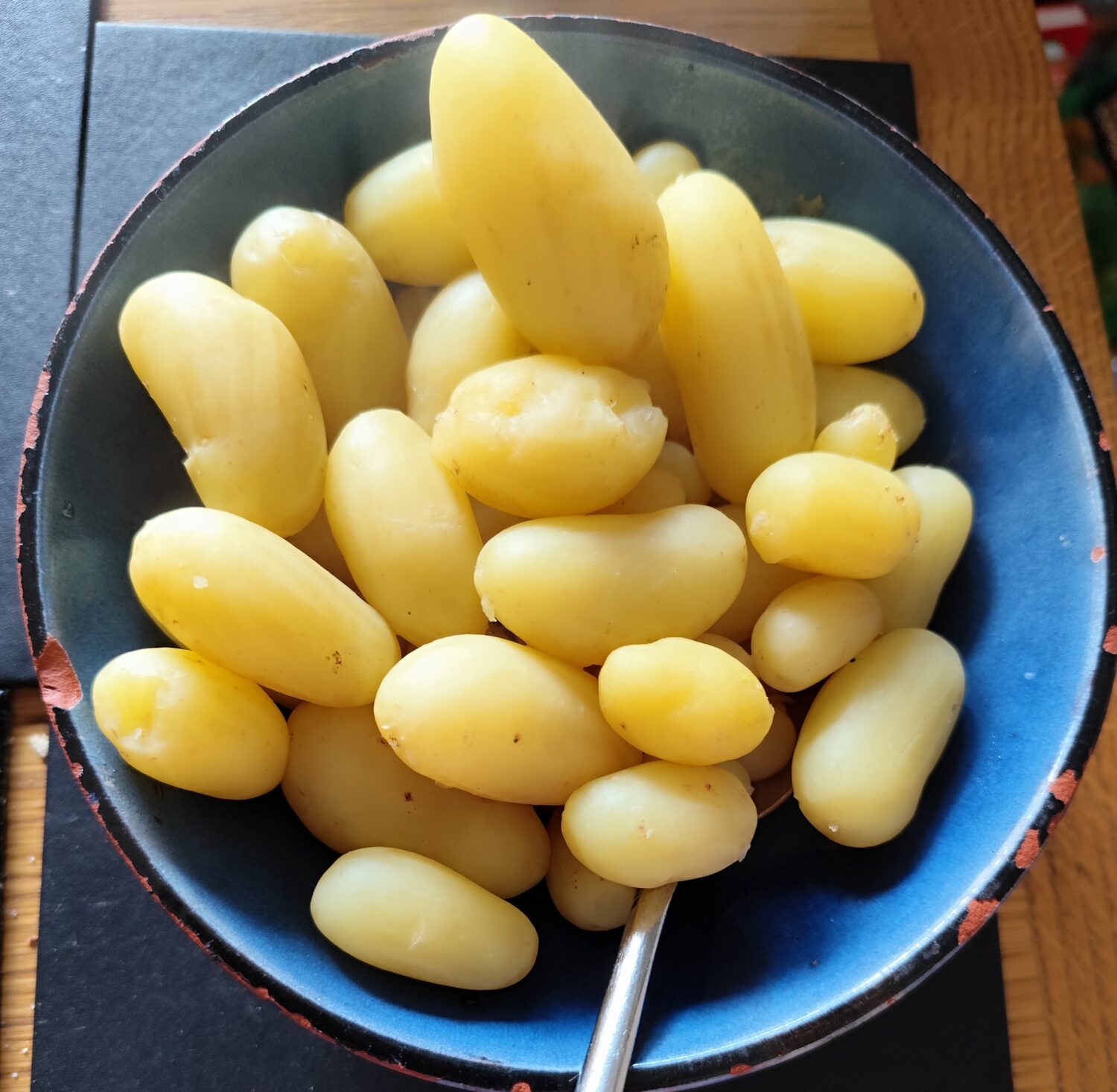
‘Our first new potatoes were as good as any Jersey Royal.’ All images: Barry Cuff
May is our busiest month on the allotment, and even more so this year due to the lack of rain between 24th April and 20th May. Young plants and seedlings needed watering daily, some twice daily. Our potatoes, a thirsty crop, were given 20 to 30 litres of water per row every 3-4 days. Our strawberry plants (laden with flowers) were watered every three days as they started to produce fruit. Our skulkers* produced poorly due to the lack of rain: normally they provide us with a few meals before lifting the new crop.
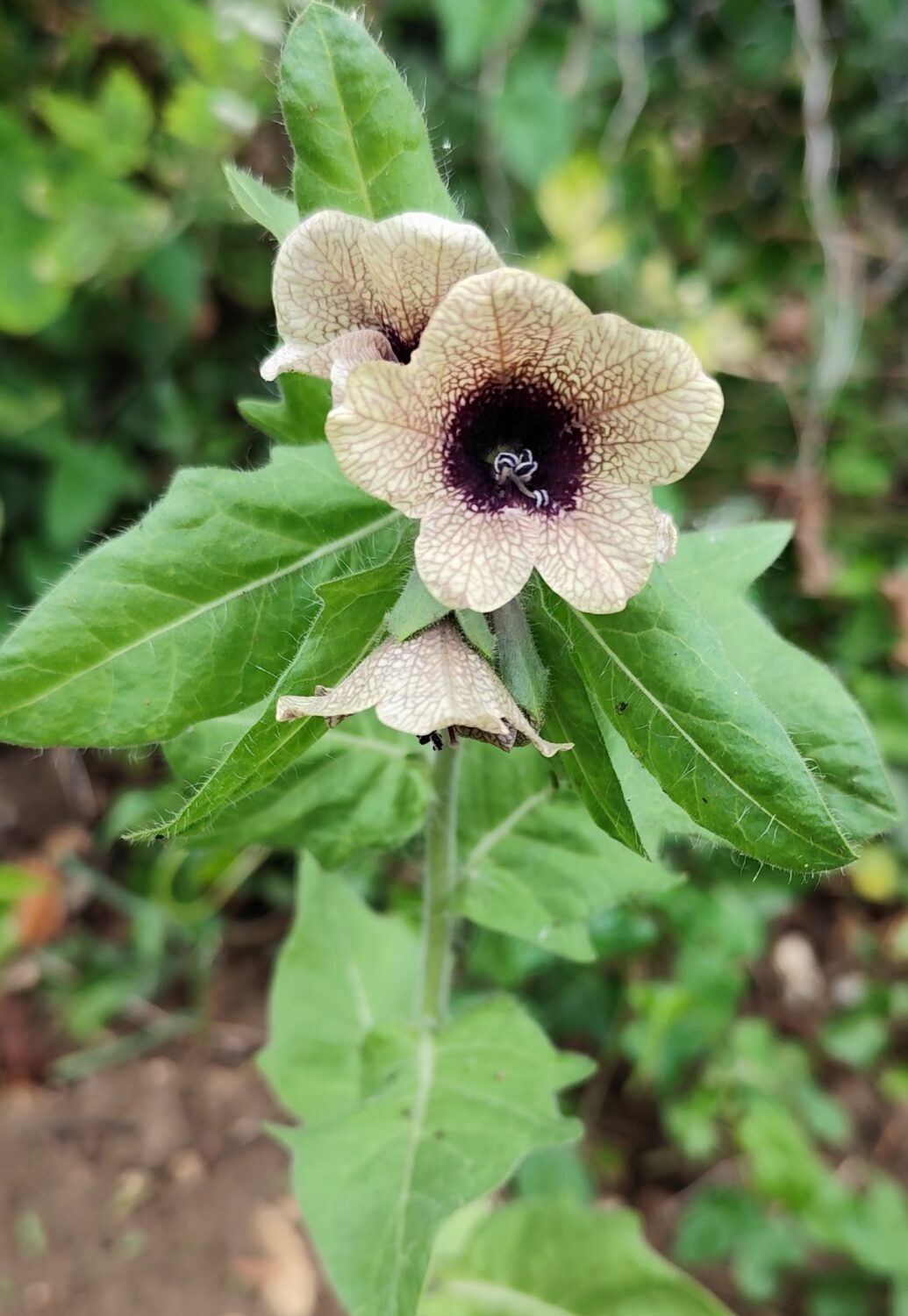
Henbane: ‘a fascinating and poisonous plant’ Historically, henbane was used, in combination with other plants, as an anaesthetic potion, and for its psychoactive properties
1st – Sowed the first batch of Swift sweetcorn in pots. Tied in broad beans, strawed and netted the strawberry patch. Strimmed the hedgebank. Pumped water for the site. 2nd – Sowed Crown Prince squash, Butterfly squash, Defender courgette, Gergana cucumber and gherkin in pots. Harvested our Jazzy potatoes: grown in a large potato pot in the greenhouse – excellent yield from one spud. Our first new potatoes were as good as any Jersey Royal. Also harvested mixed salad leaves and pea shoots. 4th – Sowed Early Nantes carrots. Put fleece over the potatoes due to possible ground frost. 5th – Sowed Moonlight runner beans and Safari French beans in large pots. Sowed the second batch of Swift sweetcorn in pots. Erected cane wigwam and planted out sweet peas against the canes. Put cloches over the first line of peas. Pumped water for the site. 6th – Harvested the first of our spring onions. 7th – Dug a few skulkers (poor due to lack of rain). Sowed the second line of Hurst Greenshaft peas. Pumped water for the site. 8th – Attended the funeral of an old friend and long-time fellow allotmenteer. 9th – Removed fleece from potatoes. Sowed the third line of Hurst Greenshaft peas. Pumped water for the site. 10th – Sowed Moulin Rouge beetroot and some more Early Nantes carrots. 11th – Lost our celeriac seedlings (damped off?**). Cut chicons. Pumped water for the site.
How d’you like them beans?
13th – Sowed the fourth line of Hurst Greenshaft peas. Sowed Cylindra beetroot and mixed radish direct. Sowed Cendis cauliflower in a plug tray. Planted out a block of Little Gem lettuce. Bought 18 Prinz celeriac in plug trays to replace those lost to damping off. Pumped water for the site. 14th – Fed strawberries and put a second string around the broad beans. Sowed a third batch of Swift sweetcorn due to the poor germination we had from the earlier batches. Pumped water for the site. 15th – Weed parsnip rows. 16th – Sowed part lines of mangetout and snap peas. Watered remaining skulkers, and sowed Ironman calabrese in a plug tray. Pumped water for the site. 17th – Picked the first of this year’s strawberries. 18th – Pumped water for the site. Bee plants in full flower (verbascum, Sweet William and Bastard balm). 19th – Erected runner bean canes. Pumped water for the site. 20th – Picked strawberries. Hand-weeded parsnip, onions, beetroot and carrot beds. Pinched out tops of Witkiem Manita broad beans. 21st – RAIN! 22nd – Sowed Early Nantes carrots. Planted out three Henbane which we raised from seed in the border – it’s a fascinating and poisonous plant from the tomato family.
Barry picked at least nine punnets of strawberries during May
23rd – Put net cloches over pea rows. Sowed a plug tray of Little Gem lettuce (by sowing once a month, we maintain a continuous supply). Pinched out tops of Masterpiece Green Longpod broad beans. Removed three garlic plants (white rot). Harvested spring onions, and used the last of the 2024 onions. 24th – Planted out Moonlight runner beans. Sowed Witloof chicory and coriander direct. 25th – Pumped water for the site. 26th – Strawberries in full swing: picked four punnets. 27th – Erected cane wigwam for Grandpa Ott Ipomoea climber. Pumped water for the site. Fed greenhouse tomatoes. Planted out Grandpa Ott. 28th – Erected wire and posts for the first line of peas, plus black cotton and bird scarers to deter pigeons. Picked five punnets of strawberries. Harvested spring onions. 29th – Picked the first broad beans and a bunch of sweet peas. 30th – Planted out Safari French beans and extra Moonlight runner beans. Pumped water for the site.
*Skulkers – a Dorset term for ‘volunteer’ potatoes which were accidentally left in the ground the previous year. ** Damping-off is a fungal disease that affects seedlings, causing them to collapse and die
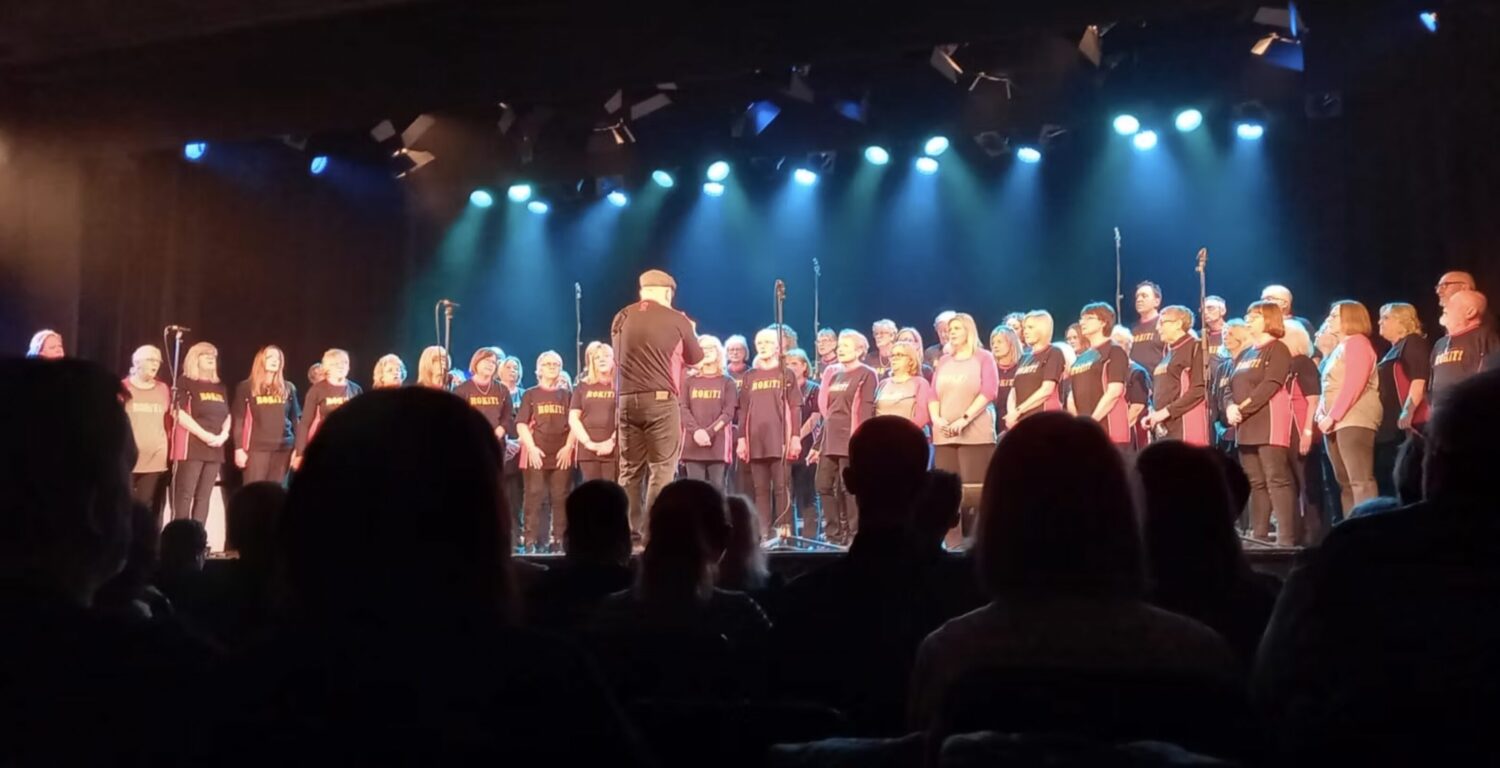
Quimantu is an iconic Anglo-Chilean band performing with charangos, zamponas, quenas, bombos, violins, violas and cellos. In a unique Artsreach community project, Quimantu has been working with Dorset choirs and the Alkyona Quartet to perform Miso de los Mineros – The Miners Mass. This powerful piece fuses British choral tradition with Latin American roots, composed by Mauricio Venegas-Astorga, who fled Chile’s Pinochet dictatorship 50 years ago and made the UK home. The Surtierra Tour concludes at 3pm on Sunday 15th June at The Exchange, Sturminster Newton, where Quimantu will be joined by up to 100 singers from Palida Choir, Shaftesbury School Choir and Dorchester’s Cloud 9 Chorus: each choir will perform from their own repertoire too. In July, The Exchange welcomes back the Aber Valley Male Voice Choir, performing at 2pm on July 26th. Aber Valley are one of Wales’ most successful and popular male voice choirs, singing music that ranges through classic rock, West End hits, famous operetta pieces and, of course, traditional Welsh hymns. They love what they do, are passionate about singing, and enjoy having a great time! The next day, Sunday 27th July at 6pm, The Exchange welcomes ROKiT Choir, presenting Legends. ROKiT is the largest independent choir in the area, featuring more than 80 singers from Gillingham, Blandford, Wincanton and more, and this spectacular performance will celebrate the greatest pop and rock icons of all time. There will be a guest appearance by Nathaniel Morrison, straight from London’s West End, with credits in shows like Sister Act, Moulin Rouge and Choir of Man. Come along and sing along! And to demonstrate the versatility of The Exchange, on the Saturday night, between Aber Valley and ROKiT, you can catch a return performance by Jamie and The Falcons. …. ‘the ultimate party band’ – Brian May (Queen). stur-exchange.co.uk/whats-on
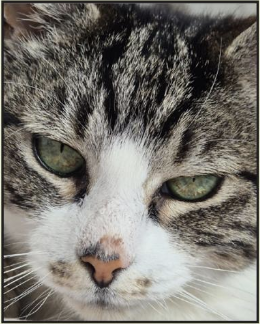
There is a new cat in the Hitchcock household. It’s taken us a long time to get here. After we lost Pog we weren’t sure we could do it again. We live almost on a bend of a B-road that likes to pretend it’s an A-road at rush hour. On the other side: open fields. The siren call of hunting grounds. We couldn’t risk it. I imagined an elderly retiree who’d potter from sunbeam to lap. But the daughter, who took many, many months to rebuild herself after losing her heart cat, couldn’t face falling in love with a cat she might lose all over again in a year or two. Also: no black cats (we’ve had two) and no tuxedos (C’s irrational). And the cat obviously needed to be not too old, but old enough to have road sense, but not, you know, old-old. Picky? Us? After months of rejecting hundreds of rescue cats (feeling like the actual worst humans in the world), there he was: Bentley. Seven years old. Found abandoned with infected teeth. Last known address: near a dual carriageway. Missing four teeth, dribbles when he purrs, desperately needs a safe place to become unafraid again. We drove to Bath “just to look”. C rolled his eyes and reminded me to pick up a litter tray on the way home. Bentley spent most of the first few weeks under the daughter’s bed – on it when she’s in it. He does not like shoes. Or people on the stairs. Or being downstairs. Or the office (upstairs). Or being carried. Or touched. Or breakfast being late. He does like Dreamies. And Lick-e-Lix. And the daughter. He’s now started venturing out, bustling through the house like an anxious middle manager with a clipboard. We ache to scoop up his big, chunky, frightened body with its boxer-glove paws. But for now, the smallest of strokes is all he can manage – unless you’re the daughter, obviously. Someone, somewhere, has hurt him. So we wait. We let him come to us. And that’s absolutely OK. However long it takes.
Laura x
On Mr Farage’s 10m migrants I’ve been astonished recently by the number of people insisting that “millions of illegal immigrants” are responsible for breaking the NHS and the country. This myth seems to be gaining traction online, fuelled by Nigel Farage claiming there have been “over ten million illegal immigrants” in the UK over the last few years. Well now. According to the Office for National Statistics, the entire UK population is currently 69.14 million. That includes legal immigration and all UK births – with British births making up the vast majority of population growth. The total population increase over the last decade has been about three million. Even if all of that increase had come from immigration (which it hasn’t), we’re still nowhere near ten million. As for “illegal immigrants”, or more properly “irregular arrivals” – the government’s own data shows that in 2024, just 38,784 people arrived via small boats* across the Channel. That’s 0.056% of the UK population. To put it another way, at that rate, it would take nearly 1,800 years for those arrivals to equal the size of the current British population. For context, around 68,000 people die from heart attacks in the UK each year. So let’s be very clear: “illegal immigration” is not causing a population explosion. It is not swamping public services. It is not bankrupting the NHS. What is happening is far more familiar – a politician is using fear and misinformation to build a platform. Mr Farage is far from the first to do so, but history tells us this tactic has very dark consequences when left unchallenged. We desperately need honest conversations about migration, housing, the NHS and the future of rural communities. But we also need to base those conversations on facts, not fantasy. *source on gov.uk Edward J, Gillingham
On the closure of the day centres As a mother to an adult son with additional needs, I read your article on the proposed closure of Dorset’s day centres with a heavy heart – and rising fury. These centres aren’t just buildings. They’re lifelines. They provide safety, structure and familiarity for some of the most vulnerable people in our community. My son doesn’t need a pop-up session in a library or a ‘social’ in a pub. He needs a consistent space with trained staff who understand him – somewhere he belongs. MP Simon Hoare hit the nail on the head: this proposal shows no understanding of the geography of North Dorset, or of the people it’s supposed to serve. Closing these centres will isolate users and heap more pressure on already stretched families. This isn’t “modernising” care – it’s stripping it away. Dorset Council must think again. Helen C, near Blandford
On the death of Philip Charlesworth I was heartbroken and furious to read about Philip Charlesworth. When a man is driven to take his own life because he fears what the government might do about a tax, something has gone badly wrong. This isn’t just a tragedy – it’s a disgrace. People in offices talk about “tax efficiency” and “tapering reliefs” like they’re playing a game. On the ground, this is real life. Most farmers are land rich, cash poor – we can’t just sell a field to pay a bill without wrecking the whole farm. The counter argument seems to basically be: “Why shouldn’t farmers pay tax? Nurses and dentists do.” But that misses the point entirely. Farming relies on owning and passing down enough land to keep a business viable. If you’re forced to sell it off, you may no longer have a working farm at all. Most farmers aren’t making big profits. Spreading inheritance tax over ten years still isn’t possible if there’s no spare cash. Nurses and doctors (and we’re grateful for every one of them) don’t need to pass down land in order to do their jobs. Their wealth usually comes from salaries, pensions, rising house prices. Compare that with running a farm is like comparing chalk with cheese. Jane S, by email
I don’t live in Dorset but the same applies to Somerset. Where is the ‘joined up thinking’, the ‘holistic approach’ and all the other buzzwords that amounted to nothing but suggest an approach that is definitely needed if these are to be sustainable communities? And don’t get me started on the house design. Ruled by greed. Marcia Parkinson, Facebook
It’s not just Dorset. We were told by our Town Council in Somerset that developments can’t be objected to on the grounds of lack of local infrastructure. It’s a fundamental flaw in UK planning and absolutely ridiculous! Holly Phillips, Facebook
No doubt replicated across the whole of the South West. Developer-led housing rather than local needs-led housing, with no genuine effort to build what we need, at prices we can afford. Sadly we live in a world where profits override everything, and communities and the environment are given little or no consideration as the balance sheet is all that matters. Our planning rules and the lack of any meaningful enforcement allow developers to bend the rules to suit themselves and on the whole the public sit and watch quietly as the West Country is destroyed. Julie Chant
On Volunteering I retired at the age of 70, and it only seemed right and proper with all this free time that I was going to have that I actually did some volunteering. Little did I know that free time during retirement is a fallacy – for some strange reason you seem to be busier than when you were at work. I’m three years in now and still trying to work out why. I tried volunteering for several charities around North Dorset, but for one reason or another, they didn’t suit me. I eventually realised it was because I’d had a lifetime of attending a certain place at a certain time: I resented doing that once I was retired! Finally I tried hospital driving for The Friends of Blandford Hospital. I would really recommend it as a form of volunteering – you choose the jobs you accept, and you get to meet some really interesting people. So if you’re interested, give the friends of Blandford Hospital a call on 01258 450095. Nigel Barrow, via email
Want to reply? Read something you feel needs commenting on? Our postbag is open! Please send emails to [email protected]. When writing, please include your full name and address; we will not print this, but do require it.