Happily we’ve seen a number of encouraging developments recently, clearly showing that the political left is steadily gaining support both here and abroad. Disappointment and dismay at the performance of the Labour government has no doubt contributed to the sharp increase in membership of the Green Party, which now numbers more than 150,000 and is still rising. That makes ours the UK’s third largest party membership – much needed and welcome news for everyone concerned at the toxic and divisive nature of much of today’s politics. Here in Dorset we’re delighted to welcome our share of the enthusiastic new members, eager to be part of a positive vision for our county and country, and keen to counteract the political drift to the right which sadly includes the Labour Party. Right-wing claims that the British public wants radical change are correct … but that doesn’t mean we want to fall into an authoritarian fascist state. While there has also been recent good news about the recovery of some species, following targeted conservation efforts, the fact remains that the window of opportunity is rapidly closing for us to deal with the twin challenges of global warming and the destruction of the natural world. One thing that’s certain is that the future is going to be very different from the present, and whether it will be better or worse is up to all of us. Which leads me to express my huge thanks to Sustainable Dorset and Zero Carbon Dorset for organising the excellent third Dorset COP, held in the Sturminster Exchange on Sat 1st November. The well-attended day was filled with workshops, creative actions, community connections and conversations about topics such as rural energy ownership and community power. The workshops I attended were all packed to overflowing, and the many exhibition stands served to highlight the large number of organisations in Dorset that are working hard to address our challenges. It was particularly pleasing to see so many younger participants, many of them already well informed and speaking with great passion and enthusiasm. They contributed hugely to the event, raising everyone’s spirits! Ken Huggins North Dorset Green Party
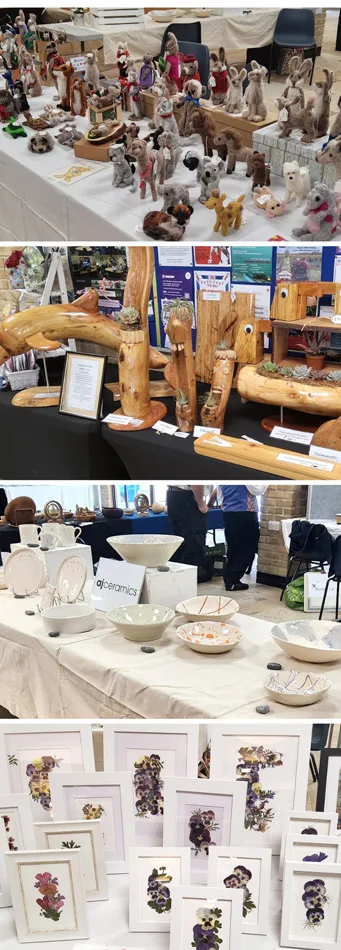
Every month, Sturminster Newton’s craft community comes together under the glass atrium of The Exchange for Crafts at The Exchange – a friendly market run by Becky’s Beads of Dorset. Local jewellery maker Becky realised that although Dorset has plenty of talented crafters, there were few affordable places for them to sell their work and meet customers face to face. The first market took place soon after – and it’s been running on the first Saturday of every month (except January and February) ever since. Now a regular fixture on the town calendar, Crafts at The Exchange hosts around 20 stalls, with a changing mix of local artists and makers. Expect everything from jewellery, ceramics and woodwork to textiles, candles, soaps and glasswork – much of it handmade within a few miles of town. Many stallholders offer bespoke commissions, and entry is free. All profits from the event are donated back to The Exchange to help maintain the building.
Stur’s creative thread Sturminster Newton is known for its craft shops and creative energy. Hansons, the town’s fabric and sewing centre, continues to be a haven for quilters and dressmakers, while Beads with a Twist offers workshops and supplies for jewellery makers. Green Lake Craft Studio provides crochet and knitting kits, handmade bags and regular craft classes. The Exchange itself supports local artists through its Bibbern Gallery, which runs a programme of monthly exhibitions – anyone interested in showing their work can contact the Exchange team for details. As winter approaches, many await with eagerness the annual Handmade for Christmas at the Workhouse Chapel on Bath Road. Now open daily until 24th December (9.30am to 4.30pm), it offers a huge range of carefully-curated gifts and decorations made by local artists.
Visit the next market Crafts at The Exchange runs from 9am to 1pm, with free parking opposite. Upcoming dates: Saturday 8th November Saturday 6th December The December market coincides with the town’s classic car rally in Station Road car park – another good reason to visit, browse, and enjoy a morning in one of Dorset’s most creative small towns.
Meet our new food writer – Lizzie Crow is a familiar face at just about every food event in the county, better known to most as Lizzie Baking Bird. From her tiny bakery in west Dorset, Lizzie creates an impressive range of sweet and savoury bakes, which you’ll find at Poundbury and Wimborne Farmers’ Markets, Bridport Market, and across the county’s food festivals and agricultural shows. Passionate about supporting local producers, she sources ingredients as close to home as possible. A member of the Guild of Food Writers, Lizzie has won numerous Great Taste Awards for her exceptional bakes. Find her on lizziebakingbird.co.uk
The sweet and earthy flavour of canned pumpkin puree is added to traditional American cornbread. This is a delicious quick ‘bread’ you can serve with a strong tasty cheddar (try openairdairy.co.uk) or alternatively make a delicious honey butter (I can recommend meggymoosdairy.co.uk and filbertsofdorset.co.uk) to slather on, straight from the oven.’ – Lizzie
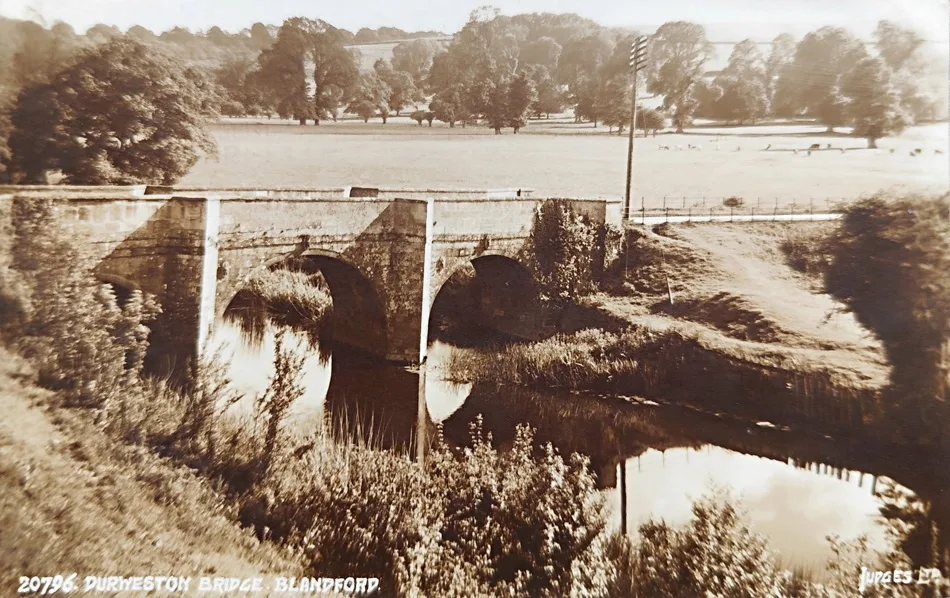
This month Barry Cuff has chosen two holiday postcards from more than a century ago
Durweston Bridge was built in 1795 for Henry Portman to divert the main road away from his Bryanston estate. Replacing a ford, it was damaged by traffic from its earliest days: a newspaper report from 1837 describes the first incident – two racing riders returning from Blandford Fair took the turn too fast, one horse hit the bridge and caused both animals (and their riders) to be catapulted into the river. In 1887, a brewers’ carthorse bolted coming down Stourpaine Hill, crashing into the bridge and throwing the driver into the river. In 1929 came the well-known incident of the lorry which, when its gearing snapped as it turned onto the bridge, crashed through the wall and hung precariously over the edge. This led Blandford Rural Council to draw Dorset County Council’s attention to the narrowness of Durweston Bridge, stating it was ‘inadequate for present-day traffic’. The minutes of the meeting show the County Council resolved that the question of widening be considered at a later date … the bridge has never been widened, and in 1955 it was designated as a Grade II* Listed Building.
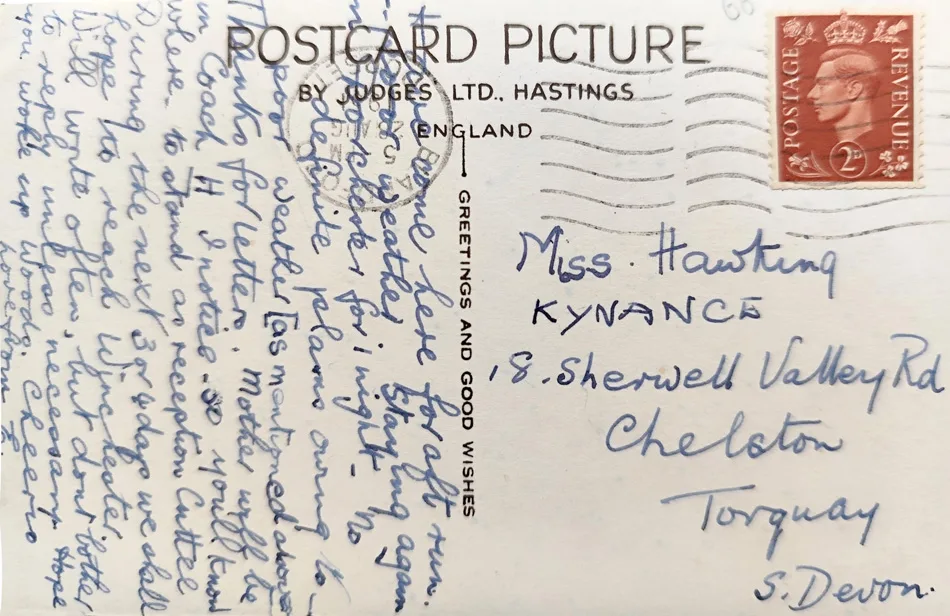
This card was sent to Miss Hawking on 28th August 1951: I have come here for aft. run – poor weather. Staying again in Dorchester for 1 night – no definite plans owing to poor weather [as mentioned above]. Thanks for letters. Mother will be in Coach H I notice – so you’ll know where to stand as reception Cmttee. During the next 3 or 4 days we shall hope to reach Winchester. Will write often, but don’t bother to reply unless necessary. Hope you woke up Woods. Cheerio. Love from E
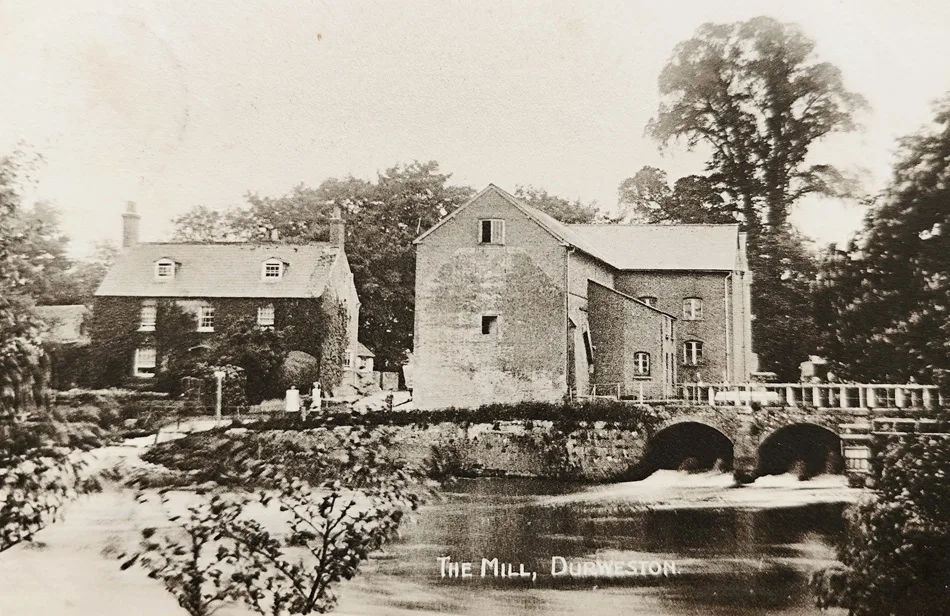
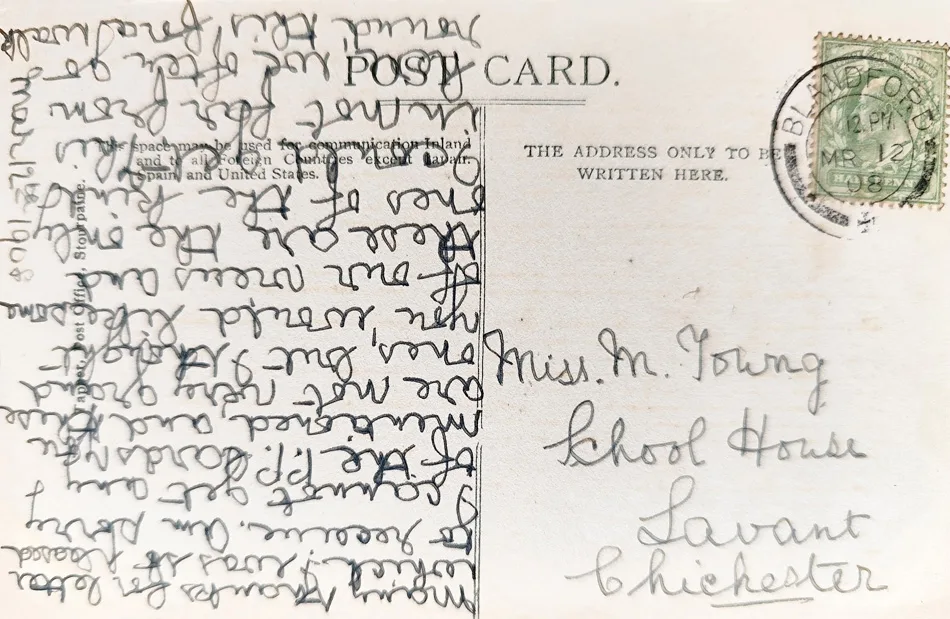
Few spots on the Stour are more picturesque than Durweston Mill, with its large millpond surrounded on two sides by trees and bushes and set against a background of white-painted hatches and a three-storey mill building tastefully converted to four large apartments. The millpond used to be even bigger but decades of silting-up has now created an island on its eastern side. The drop from millstream to pond is reputedly the deepest on the Stour. While the Mill House across the road is Georgian and now Grade II Listed, the former mill building dates from about 1932, when fire destroyed its own Georgian predecessor. As well as a flour mill, it also produced porridge oats during the war and had a spell as an animal feed factory before closing for good in 1969. It later became a boarding house for girls from Croft House School, Shillingstone. The ground floor has been flooded four times since the mill closed, most recently on Christmas Eve 2013. A modern view of the postcard scene can be found in the current AirBnB listing for a holiday apartment at the property. When this postcard was sent to Lavant, West Sussex, in 1908, when the postcard was sent, the mill was still a flourishing business. The Western Gazette carried an advertisment that year for ‘Stone made STANDARD and Brown FLOURS, wholemeal, etc. Manufactured from choice wheats.-f. Rickman, Durweston Mills, Blandford.’
Postcard, sent to Miss Young at the schoolhouse in Lavant and dated March 12th 1908, reads: ‘Many thanks for letter which I was so pleased to receive. Am sorry I cannot get any of the PP cards of the mentioned and these are not very grand ones, but I thought you would like some of our views and these are the only ones of the kind I could get. This is not far from here, we often go round this for a walk.’
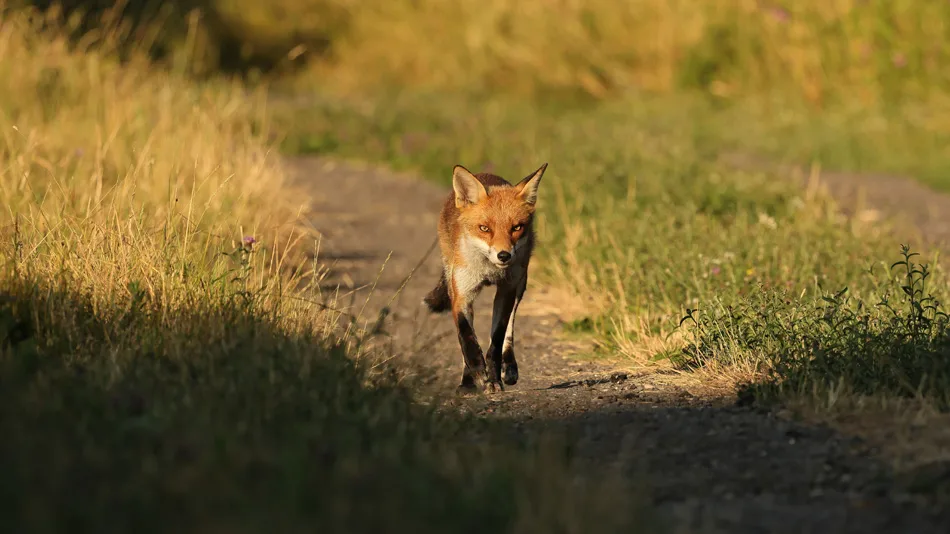
From hedgerows to high streets, young foxes are on the move this month says Jane Adams. They’re restless, reckless and alone.
The UK’s only native fox is the red fox, vulpes vulpes. It is the top of the woodland food chain, with a diet of everything from birds and beetles to rabbits and rats
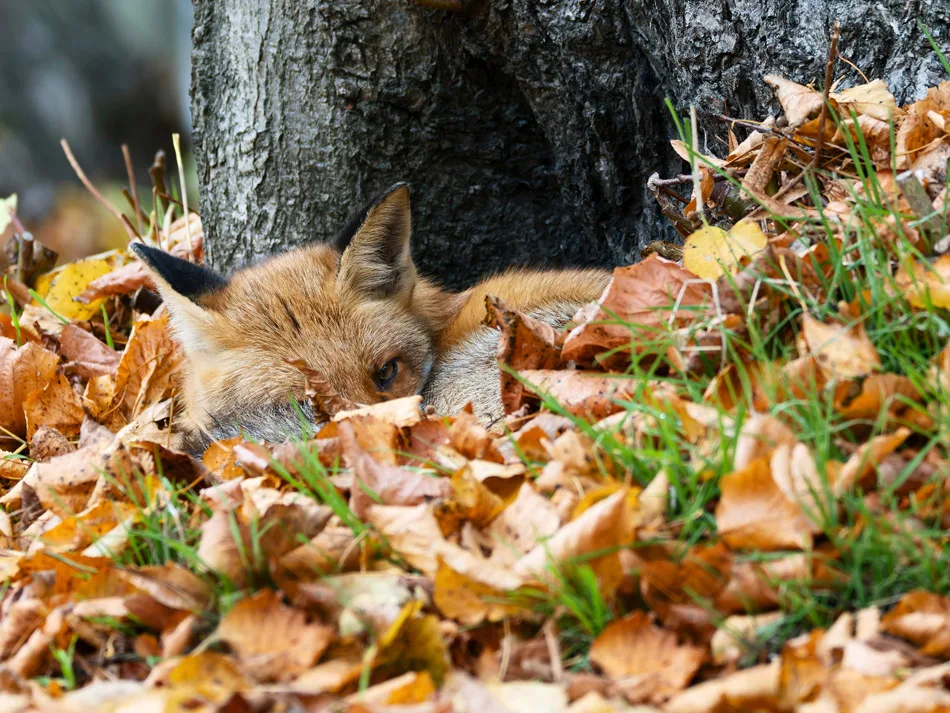
As the nights draw in and the air grows sharp, young foxes grow restless. The cubs who spent carefree summer days playing, sleeping and eating are now almost fully grown: with the first frosts, many are leaving home. Across Dorset’s towns, villages, farmland and woods, these youngsters are setting out into unexplored territories, yelping and yapping as they stray further from their natal home. Family dynamics change as cubs grow – by November, siblings are fighting and squabbling over food, and though some will stay, most males will leave and try to find a territory of their own.
Risky business Our Dorset foxes will probably only travel a few kilometres before settling. In the countryside, hedgerows and woodlands provide safe routes to follow, with pavements and gardens playing a similar role in towns. Occasionally, young males will roam much further – up to 20 kilometres – something that no doubt helps bring diversity to future bloodlines. But leaving home is a risky business. At dusk, when foxes are most active, many of these young adventurers will die, hit by cars and lorries on roads. Territorial disputes with resident adults will leave some injured, and unfamiliar surroundings make it harder to find food, leaving them weak and vulnerable. As desperation sets in, you may see these juveniles more often, taking greater risks and venturing nearer to people (and the odd hen house …) in order to survive. Not every youngster leaves home, though. Some females will stay in the natal earth and as well as sharing food, will help raise the next litter in spring, helping the family group as a whole. This flexible social structure is part of why foxes do so well. There’s a reason they are known as ‘canny’!
We see juvenile foxes more often in autumn: as desperation sets in, they’re taking greater risks and venturing nearer to people
Wild drama Right now, these dispersals are happening all around us: a flash of red fur in your headlights on Cranborne Chase; a sharp yip or yap piercing the night air in Sturminster Newton; or the tip-tapping of claws on the pavement as you walk home from the pub in Wimborne. All fleeting glimpses of a wild drama playing out on our doorsteps. This month, drive with even more care at night and keep dogs on leads along well-used fox routes. That way, we can give the next generation of wily (though hopelessly naïve) Reynards a fighting chance of survival.
Fox-watching tips
Best time? Dusk or dawn, when foxes are most active and on the move.
Where to look? Along hedgerows, woodland edges and quiet side roads
What to listen for? A sharp yip or yap often signals a young disperser
With dogs? Keep them on a lead to avoid disturbing foxes (and to lessen the chance your dog will roll in newly-deposited deliciously stinking fox faeces!)
How to watch? Stay quiet and keep your distance. Enjoy sightings without approaching (or feeding)
SERO, a local charity raising funds for local causes and Julia’s House Children’s Hospice, is hosting two Christmas Wreath Making sessions on Friday 5th December at Hazelbury Bryan Village Hall.
Woman making Christmas wreath of spruce, step by step. Concept of florist’s work before the Christmas holidays.
Each session – one morning, one afternoon, will include a wreath-making demonstration, all materials, a glass of bubbly and a warming lunch of homemade vegetable soup and rolls. Places will be limited to 15 per session, and everything needed to create a beautiful festive decoration is included. £40 per session – please email [email protected] for booking and further information
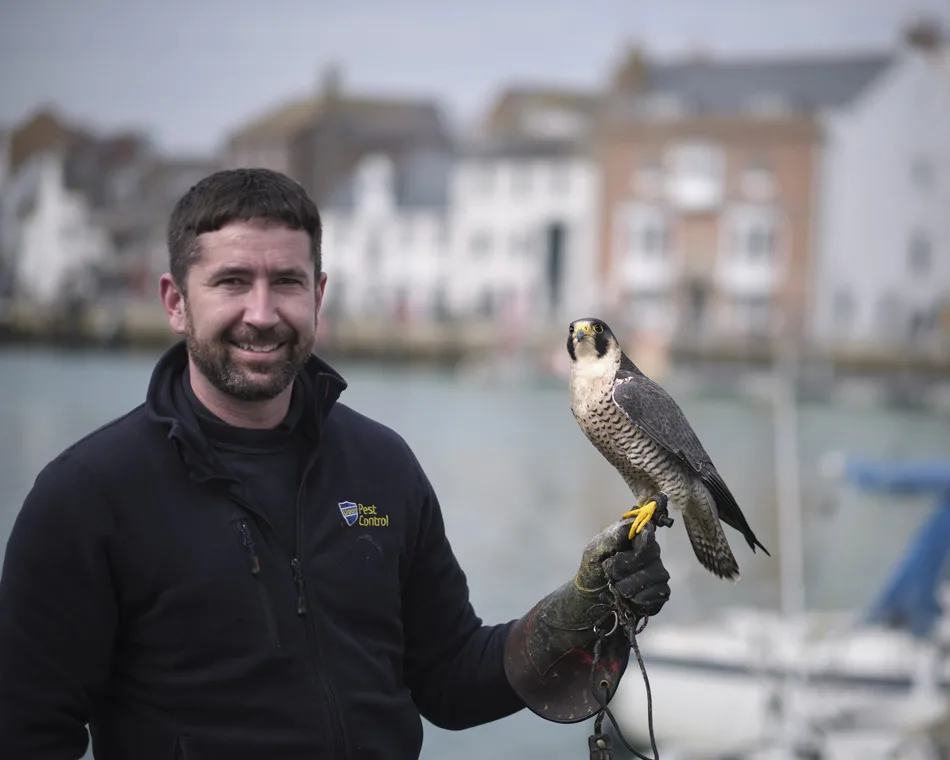
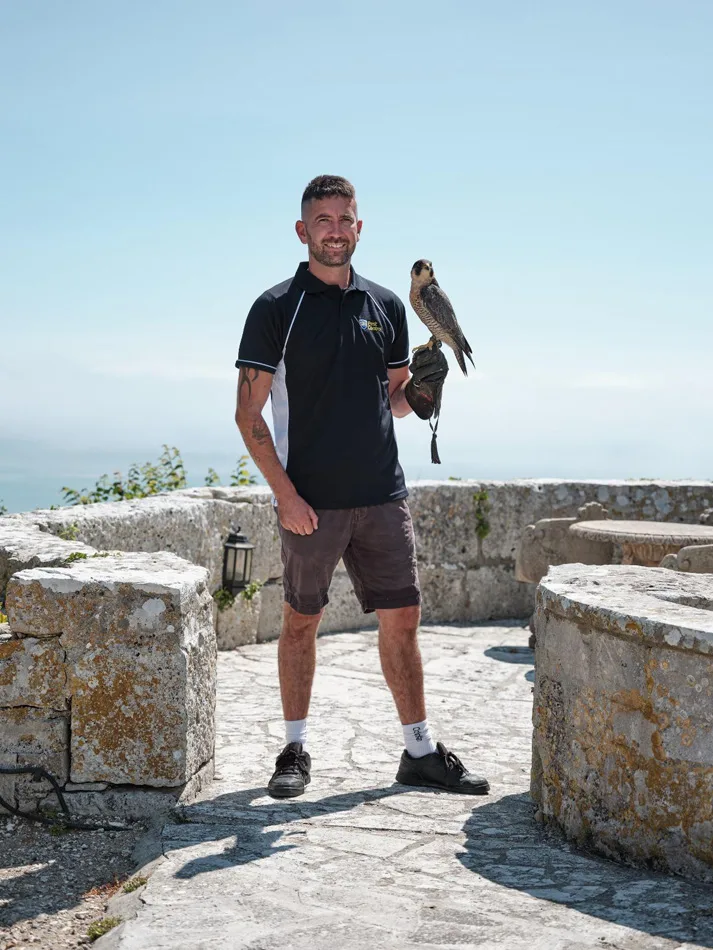
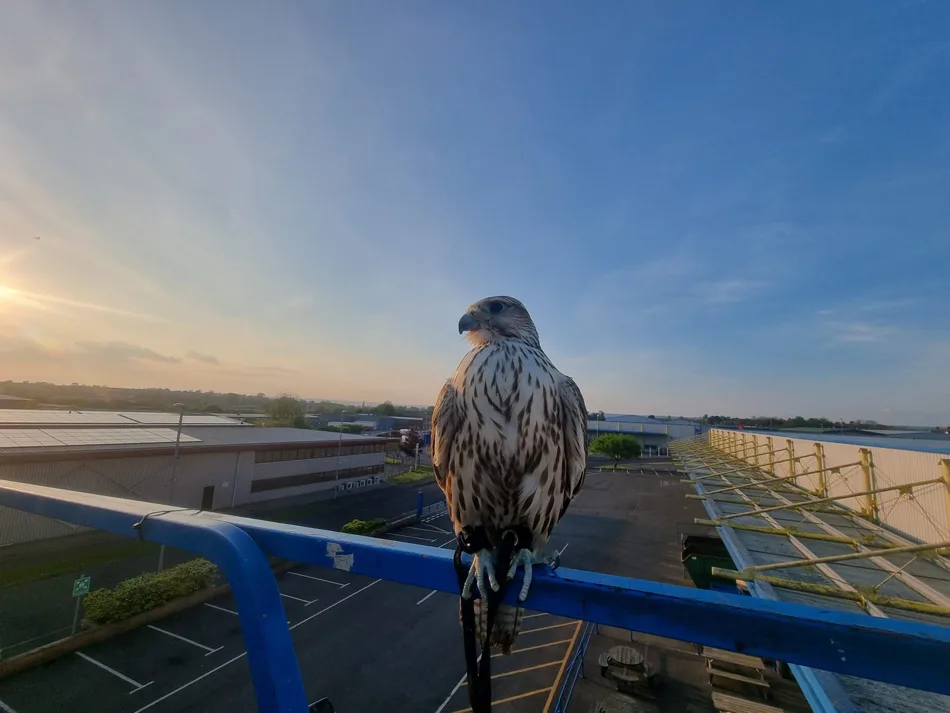
The poet WB Yeats wrote, “falconers are born, not made.” That’s certainly true of Ryan Ashworth. He was just five when he found an injured kestrel and his passion for birds of prey was ignited. ‘Being that close to something so magnificent and wild just stuck,’ he recalls. Decades later, Ryan is a full-time pest control technician and falconer for Dorset-based business, Urban Pest Control, flying birds of prey across rooftops of hospitals, castles, commercial and private estates. His birds are not for show – they’re working predators, part of a modern, site-specific strategy to disrupt infestations and restore balance. A self-confessed ‘bird geek’, Ryan jokes that someone could pickpocket his wallet when he’s talking about his birds. He clearly loves what he does. ‘Bird abatement is hard to get into because it’s such an awesome job,’ he says.
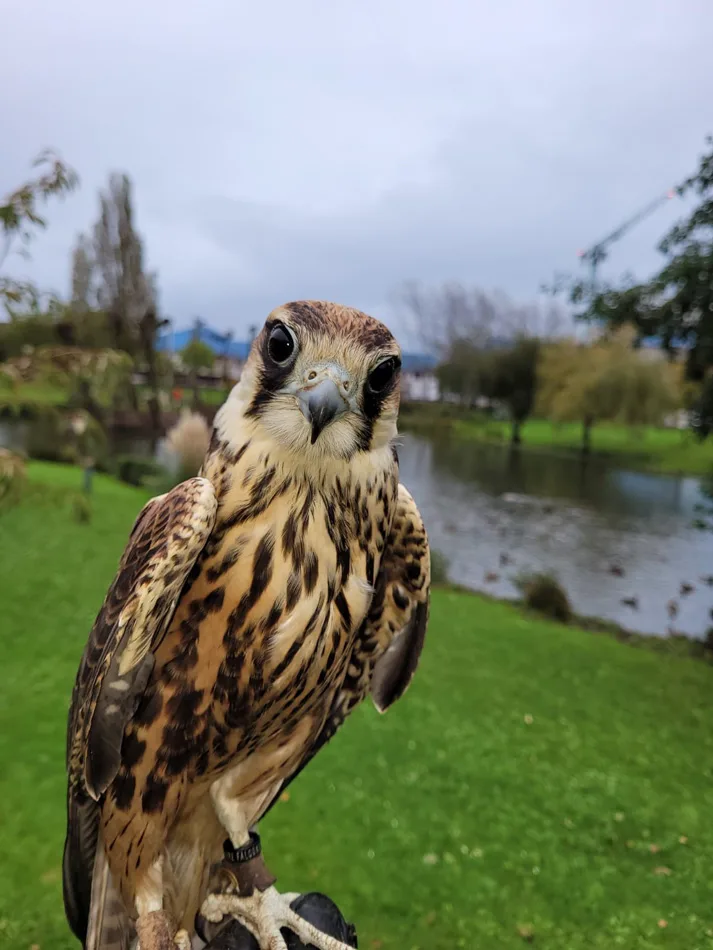
Maverick, a lanner falcon
He’s also a fierce advocate for conservation. ‘Peregrines only exist today thanks to falconers. We noticed the DDT crisis affecting their chicks. We acted,’ he says. He also finds it ironic that anyone can own a bird of prey in this country without a licence. ‘You can buy a bird online with no idea of just how much commitment falconry demands,’ he rails. Raised a gamekeeper’s son, his countryside childhood was filled with feeding pheasants, beating shoots, working spaniels, shotguns and dog training with his father. It was a true field-to-fork existence, with his mother teaching him to skin deer and prepare game. School? A struggle. Passion proved a better teacher. He joined the King’s Troop Royal Horse Artillery, then did a stint as a bathroom and kitchen fitter. But the call of the wild never left him.
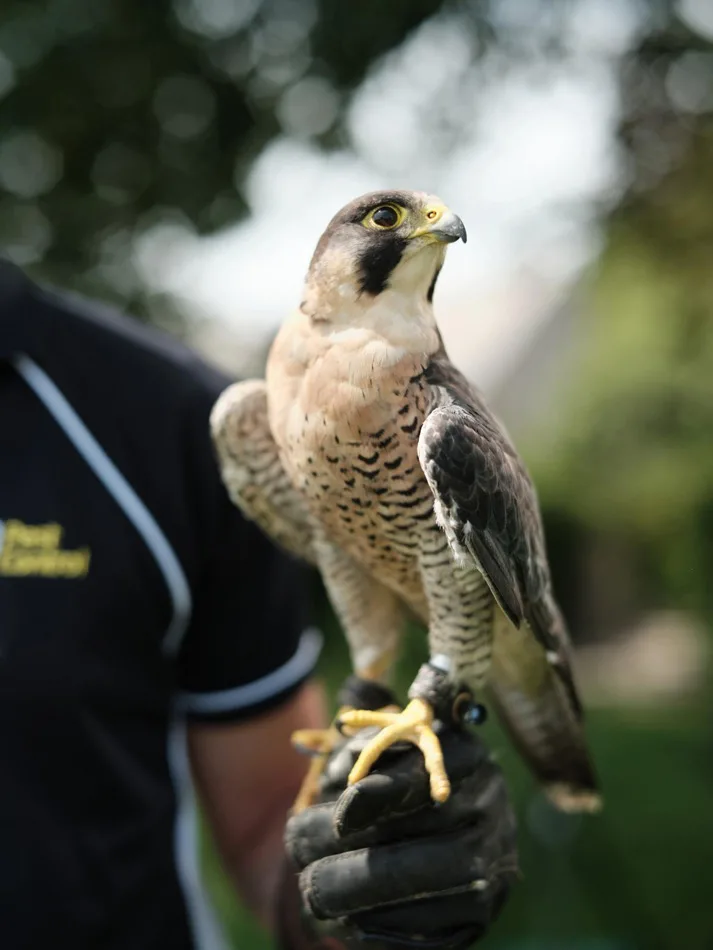
‘I followed my heart,’ he says, ‘hunting with air rifles, ferreting and lamping rabbits. It was reliving what I had with dad.’ Ryan was inspired by Martin Ballam of Xtreme Dorset Falconry Park, who is still his mentor. He began training a Harris Hawk, unusually working it at night – hawks don’t typically hunt after dark. But Ryan saw potential. ‘It’s one perfect form of nature chasing another. Raw and real.’ Today, Ryan’s co-workers are his team of five birds – Jesse, a tiercel (male) peregrine falcon; Harris hawk Emily; Betty, a gyrfalcon; Ace, an Asghar tiercel saker falcon; and Maverick, a lanner falcon – each chosen for their temperament and aerial skills. The peregrine, fastest animal on the planet, reaching speeds of 200 miles an hour, is his favourite. Emily, the ‘wolf of the sky’, is a tireless workaholic. ‘She’d work all day if I let her,’ he says.
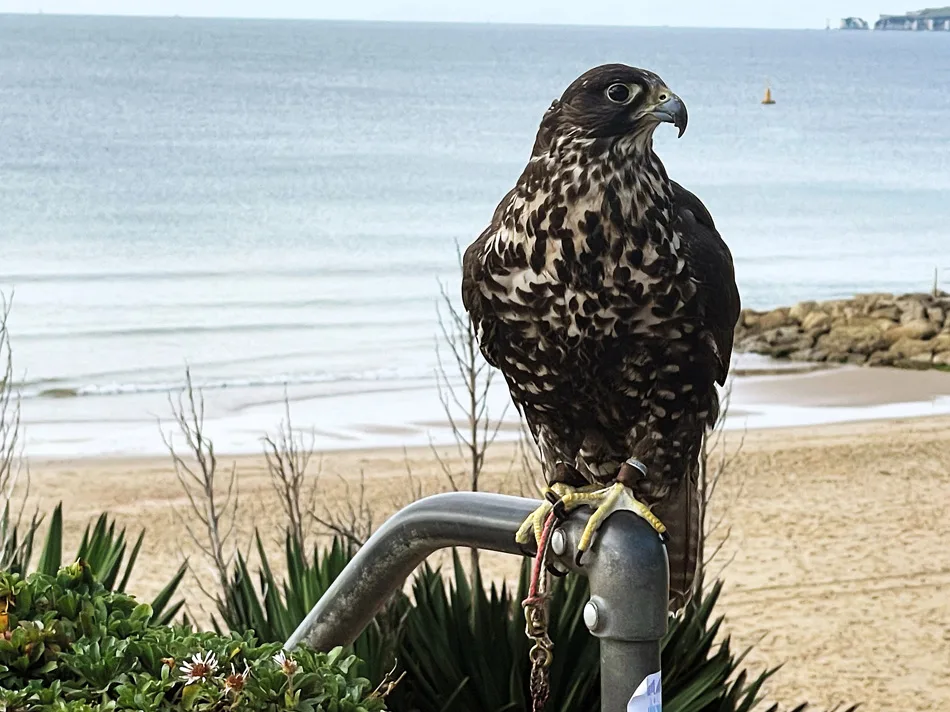
Betty, a gyrfalcon, enjoying Branksome beach
Feathered workforce Each bird is different, with its own fears and triggers. Ryan’s manning process, whereby he acclimatises birds to human presence and builds trust, ensures they can cope with everything they encounter. ‘It’s not about starving them,’ he explains. ‘It’s appetite-based. You wouldn’t eat a roast dinner before a run, would you?’ As soon as the birds have worked their shift they’re rewarded with their full day’s ration. And unlike human employees, they rarely take a sickie. ‘They’re happy to work in all weathers,’ Ryan says. ‘It’s me that’s not so keen. I spend so much time on castle turrets and rooftops, I have had to overcome my fear of heights.’’ Ryan’s work is gritty, technical and deeply instinctive. He thoroughly assesses each site – Dorset NHS premises, Portland’s Pennsylvania Castle, a sprawling factory site in North Dorset – and plans accordingly. ‘Risk assessment is paramount. Am I on the roof? Are the birds flying or patrolling static on the glove?’ His birds patrol ledges, disrupt breeding gulls and chase pigeons. ‘I’m essentially flying in the fear factor,’ he explains. ‘Imagine someone scary knocking on your door every five minutes. You’d move out quickly!’ He supplements falconry with modern-day deterrents – spikes, nets and strategic advice. ‘Even just moving a bin to another area of a car park can make a difference.’
Ryan and his peregrine, Jesse, at Highcliffe Castle, where they work to control pests and restore balance
On one large factory site his falconry solved problematic guano build-up on solar panels, inhibiting eco efficiency. ‘Scaring gulls away meant less poop on the panels: energy efficiency was back to 97 per cent – a huge reduction in cleaning costs.’ In public spaces, the feathered workforce tackles health and safety issues. Aggressive gulls during breeding season can seriously injure unsuspecting people. ‘A protective parent gull knocked a hard hat clean off my head,’ he says. ‘And guano causes slips, respiratory issues and ornithosis, a disease-causing respiratory problem like asbestosis.’ His own birds have accidently injured him too. Having taught his Harris Hawk to hunt at night, the bird mistook his torchlit beard as furry prey. ‘It was totally my fault,’ says Ryan. ‘I thought I was blinded. My eye filled with blood and the pain was excruciating. But I calmed the bird first. That mattered more.’
The pecking order Ryan can work up to 14-hour days, with inevitable scrapes and scratches, then returns to feed, weigh and clean his birds: ‘They come first,’ he says. ‘Even on Christmas Day. Perhaps that’s why there’s an urban legend that falconry is a top reason cited in divorce cases in America,’ he says. Ryan’s lucky. His partner Jess happily tolerates the birds, even allowing the stunning peregrine, Jesse, into their kitchen to meet me. Ryan is also keen to get the younger generation interested. He visits schools with his birds. ‘Their faces are a picture,’ he beams – just like that five-year-old boy discovering that injured kestrel.
Books by your bedside? A TV remote and pest identification logs. I’m no reader! A-list dinner party guests? Tutankhamun – ancient Egypt was the only school subject that engaged me. David Bellamy. Dorset falconer Ronnie Moore – he trained and hunted the same Golden Eagle for 30 years, and he wrote the brilliant ‘Memoirs of a Hunting Falconer.’ And Chris Packham – as the waiter! He does great things for wildlife, though we do clash on some issues!
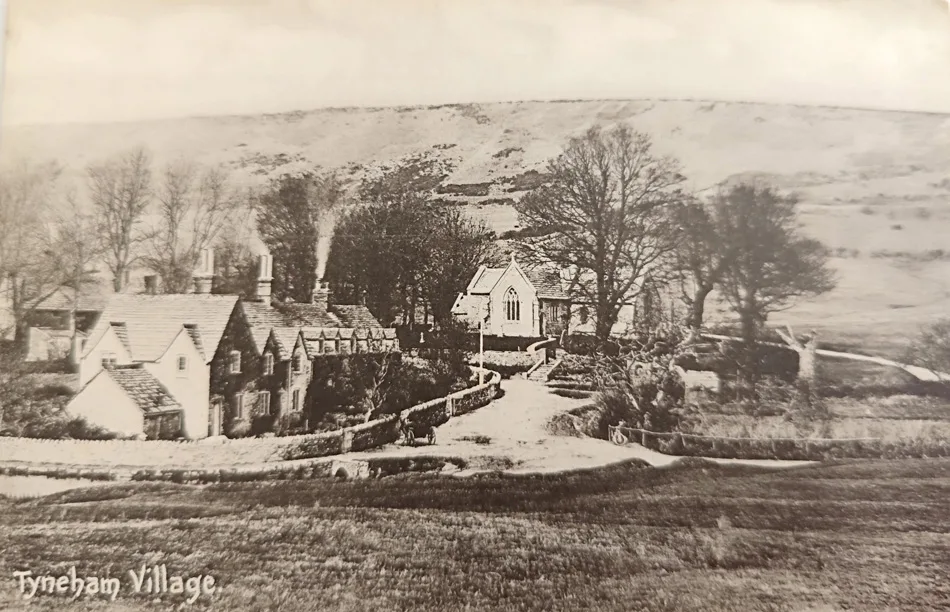
Tyneham, on the isle of Purbeck, s often referred to as Dorset’s ‘lost village’. It had a population of 23 households in 1086, putting it in the largest 40 per cent of settlements recorded in the Domesday book – though evidence of a settlement at the site dates back to the Iron Age. Its recent history, however, is one of wartime sacrifice, military requisition … and an enduring connection to a past that continues to fascinate thousands of visitors.
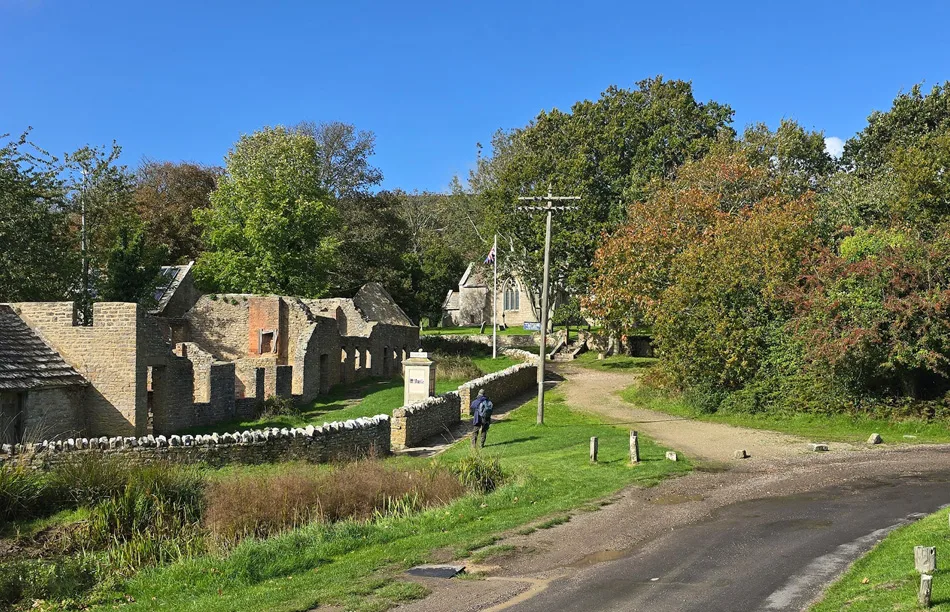
Tyneham, c.1910, with The Row on the left – inhabited and chimneys smoking, but no sign of the phone box yet. Somehow, the hill behind seems far higher a century ago, too. ‘Then’ postcards courtesy of the Barry Cuff Collection, and ‘now’ images by Courtenay HitchcockThe scene today – The Row is just tumbledown ruins now but the wall remains, as does the church among the trees
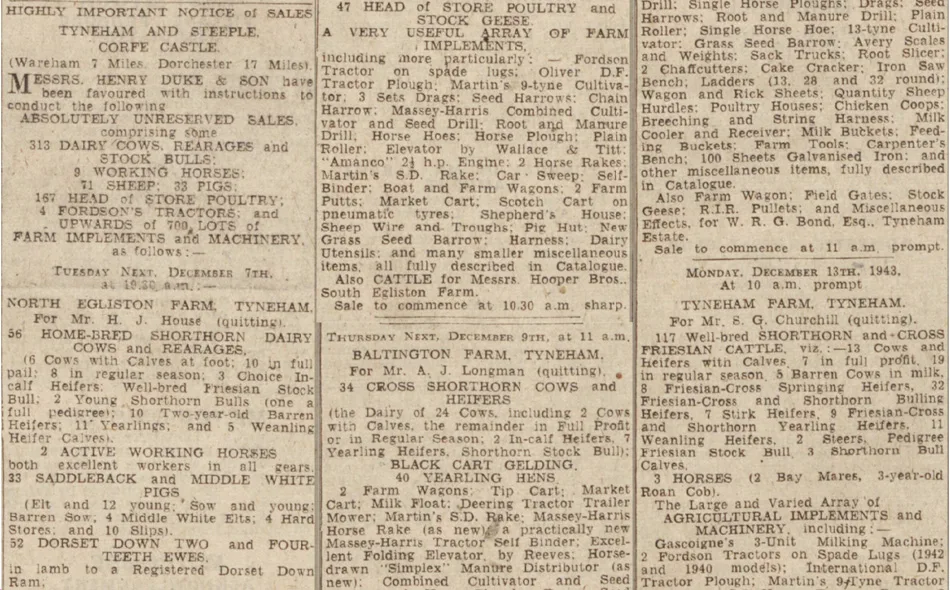
On 16th November 1943, the Ministry of Defence issued an evacuation order to Tyneham’s 225 residents, giving them just 28 days to leave. The village, located in the secluded Tyneham Valley, was required for military training ahead of the Allied invasion of Normandy. Secrecy surrounded the evacuation due to its connection with the war effort and preparations for D-Day. No media coverage appeared at the time – only a single, cryptic “highly important notice of sale” in the Western Gazette. Published on 3rd December 1943, it advertised the swift liquidation of Tyneham’s four farms. Over just four days, everything from livestock to farming equipment was sold off. In total, this included ‘313 dairy cows, rearages and stock bulls; nine working horses; 71 sheep; 33 pigs; 167 head of store poultry; 4 Fordson tractors; and upwards of 700 lots of farm implements and machinery.’
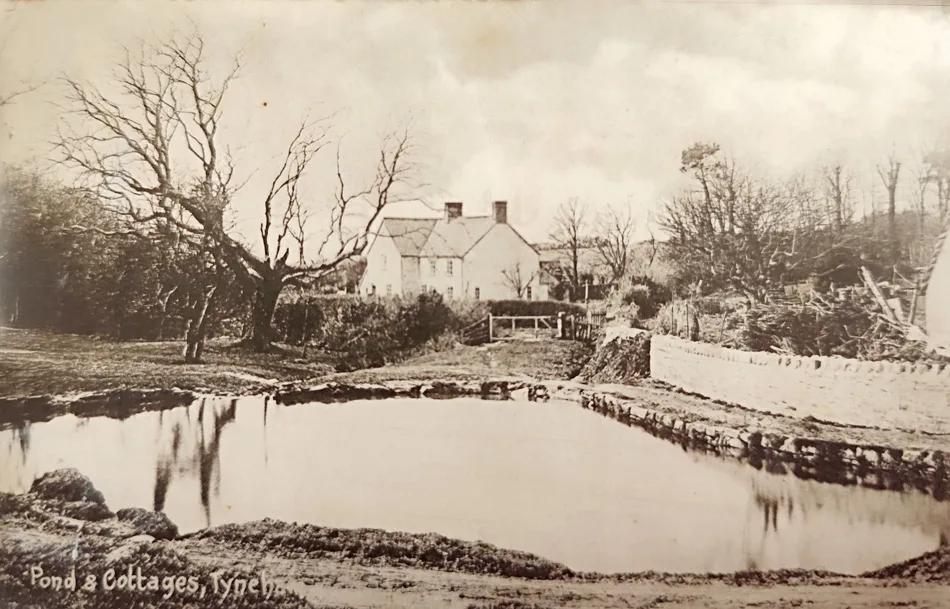
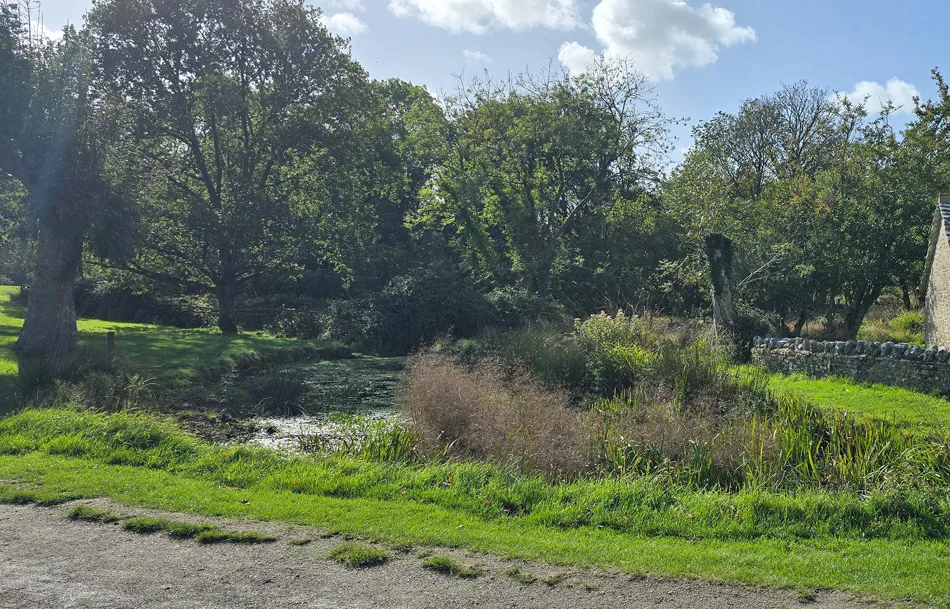
Looking across the pond to Gwyle Cottages – a pair of semi-detached properties. The gwyle (pronounced goyle) means “a wooded glen near the mouth of a stream”Today the pond has filled in and the ruins of the cottages are no longer visible from this spot, buried deep within decades of tree growth
The sudden and complete loss of their farms, with little warning, must have left the farmers devastated. Like all of the villagers, they were forced from their homes, but they also saw their livelihoods – built over generations – stripped away in mere days. The last of Tyneham’s 225 inhabitants left by 17th December 1943, all believing they would eventually return. A note pinned to the door of St Mary’s Church by Evelyn Bond, wife of the Lord of the Manor, pleaded for the village to be treated with care and expressed hope that one day the villagers would return. Sadly, that day never came. The valley, along with Tyneham and its surrounding land, was taken into military ownership, and despite decades of campaigning, the villagers never regained their homes.
Extracts of Dukes’ auction notice of the 1943 farm sales, published in the Western Gazette on 3rd December 1943, listing everything from bulls to galvanised buckets
Tyneham the “ghost village” is still on an active Ministry of Defence site, so it is only open to the public for about 150 days a year, when there is no military activity. For more information on the history of the village, do look at tynehamopc.org.uk
Wessex Internet has completed its Project Gigabit rollout in rural North Dorset, delivering full fibre broadband to 6,490 homes and businesses previously considered among the hardest to reach. The work forms part of the government’s national programme to extend gigabit-capable connections to communities excluded from commercial broadband plans.
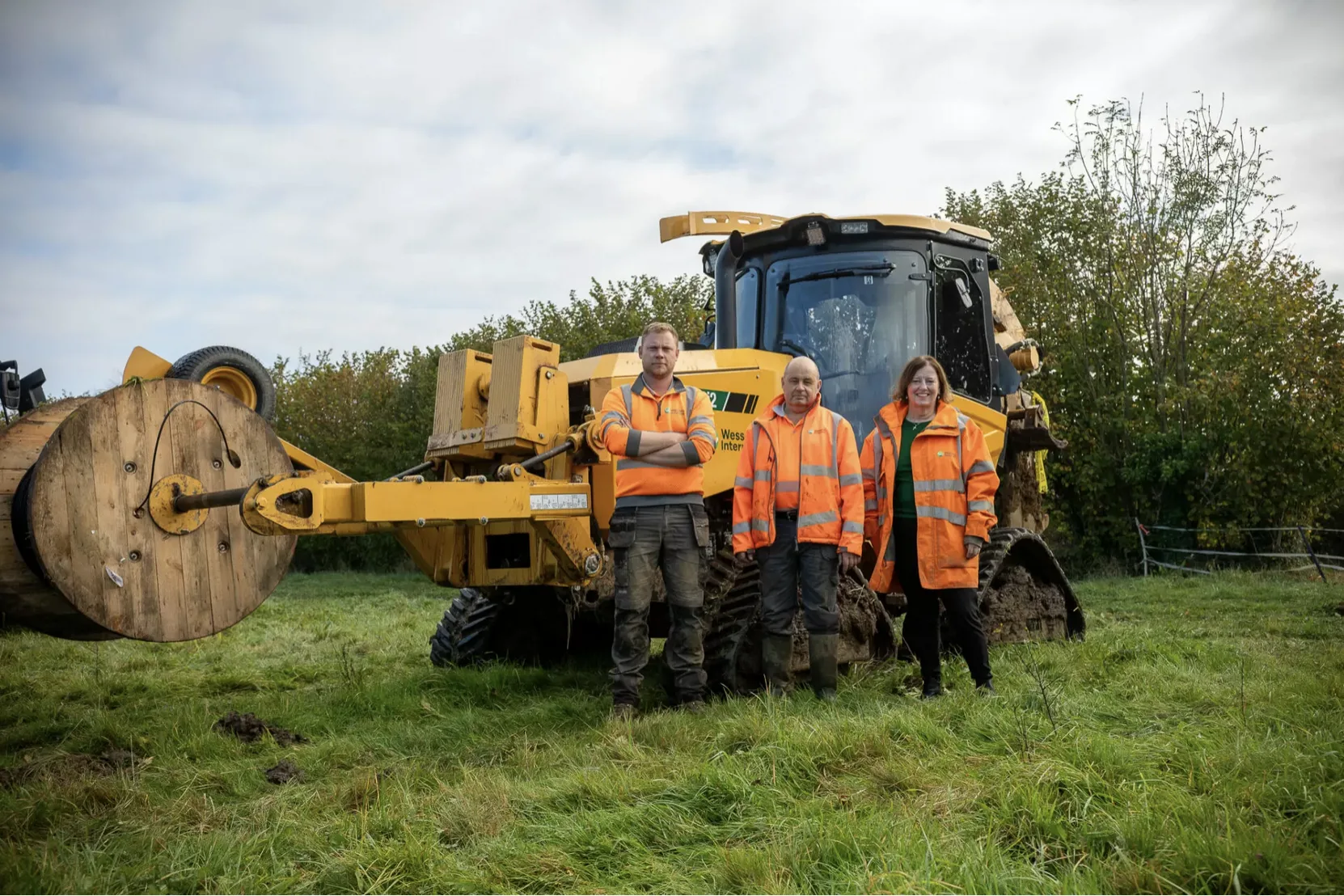
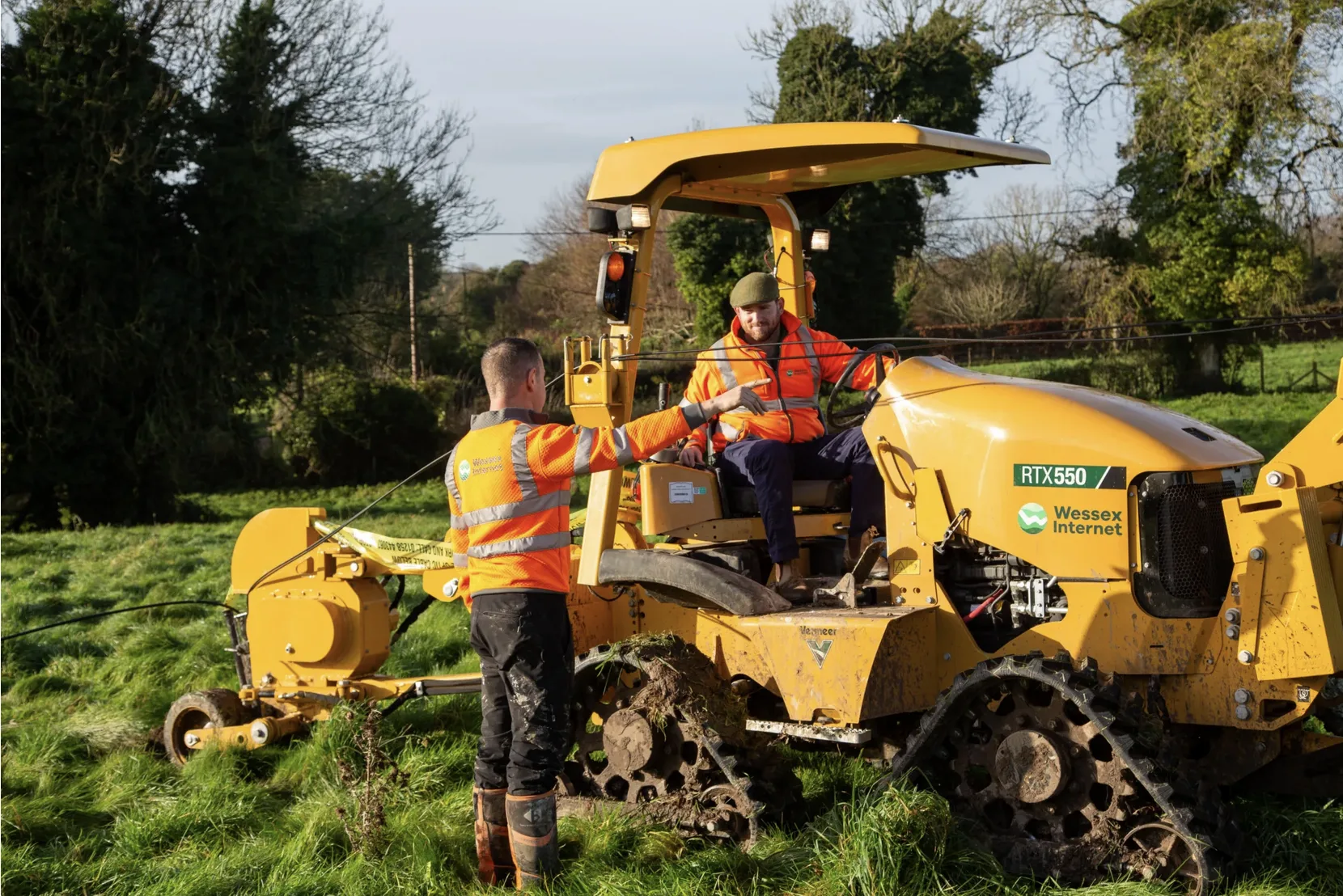
Wessex Internet’s network build team members Jason Hinkins and Ian Cook, along with Dorset Regional Engagement Manager Christine O’Grady at the build site in Halstock.
The rural broadband provider was awarded the £6 million North Dorset contract in August 2022 and has finished the three-year project on time and within budget. It was the first company in the country to secure a Project Gigabit contract through competitive tender and is now among the first to complete one, as well as the largest to date.
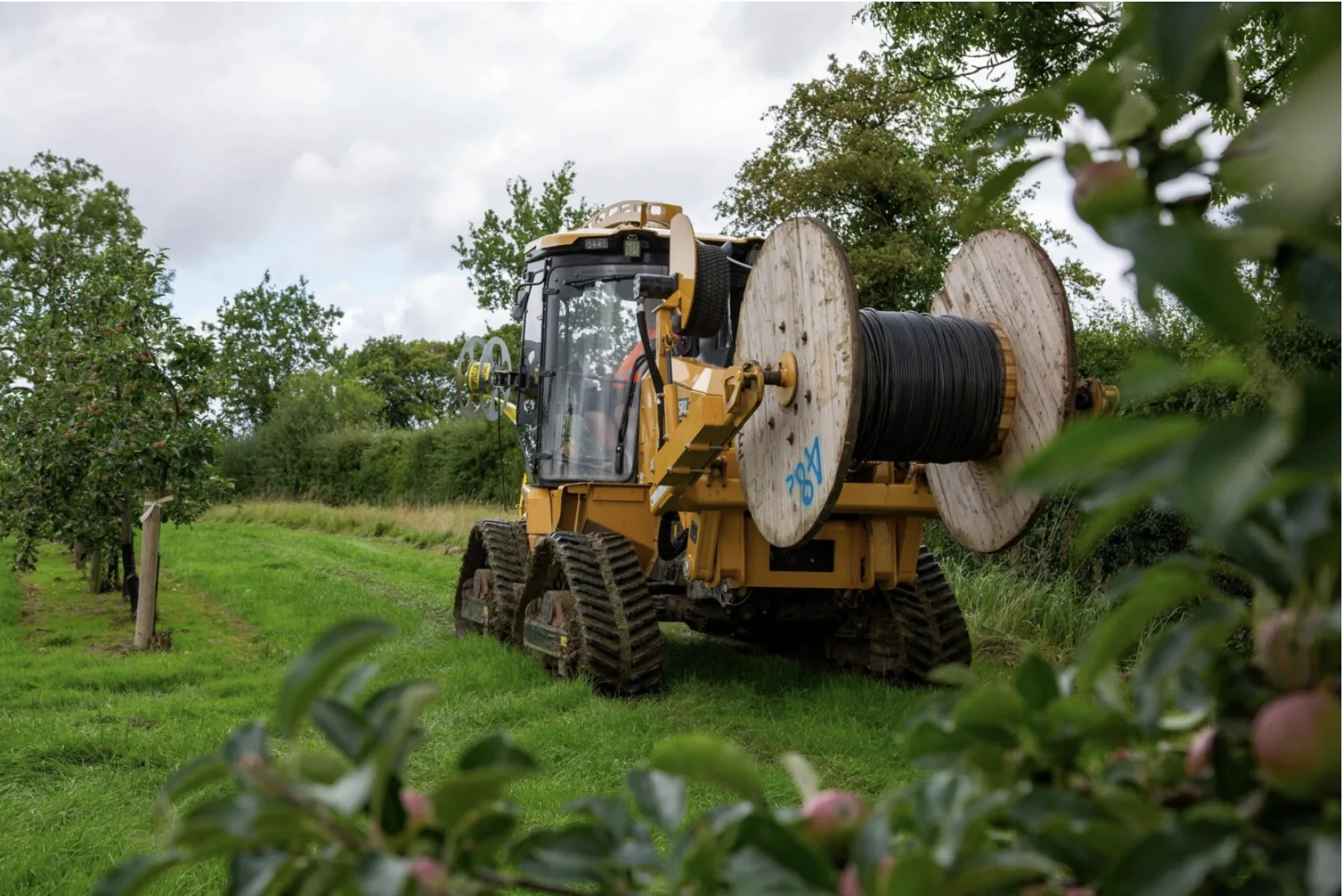
The build has focused on some of Dorset’s smallest and most isolated communities. Work began in Bishops Caundle before extending across Cramborne, Hazelbury Bryan and East Stour. Wessex Internet used specialist rural construction methods to lay 1,770km of cable across farmland, limiting the need for roadworks and reducing disruption. The company also held more than 200 meetings, drop-ins and events across the 150 communities included in the contract area to support residents and businesses switching to full fibre.
Wessex Internet’s success lies in working with the land, not around it: laying cables through fields in partnership with farmers and landowners
Alongside the main rollout, the company has continued its Community Hub initiative, connecting over 40 village halls, churches and similar community spaces for £1 per month.
Telecoms Minister Liz Lloyd said: ‘Today’s milestone in North Dorset shows we’re delivering the critical infrastructure our country needs. We’re building a stronger Britain where everyone, no matter where they live, can benefit from world class connectivity. Whether you’re running a farm, working from home or helping the kids with homework, lightning-fast broadband removes barriers and creates opportunities.’
Wessex Internet
Wessex Internet CEO Hector Gibson Fleming said: ‘We are immensely proud to have delivered in rural Dorset — on time and to budget. This is a strong example of how government subsidy can transform communities, bringing world-class connectivity to thousands of homes and businesses that have long been overlooked. For us, the true measure of success is seeing the impact on our customers’ daily lives, and we are excited to continue this journey as we expand our network across the region.’
The company is now progressing further government-funded contracts across South and West Dorset and South Somerset, totalling £72 million, alongside additional investment from the National Wealth Fund.