Yeovil care home praised for compassion, consistency and culture of excellence
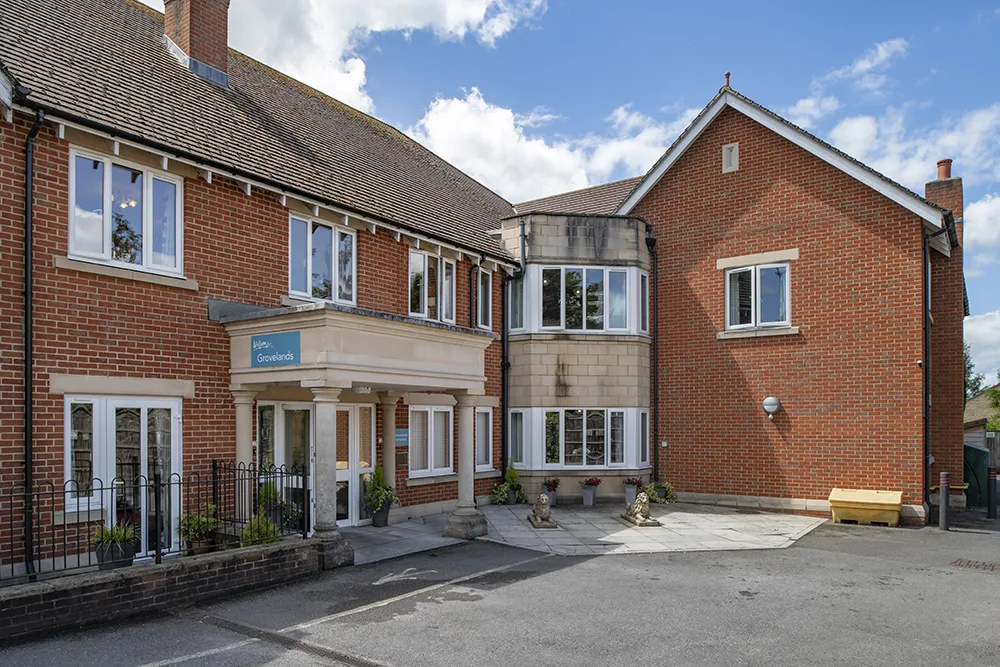
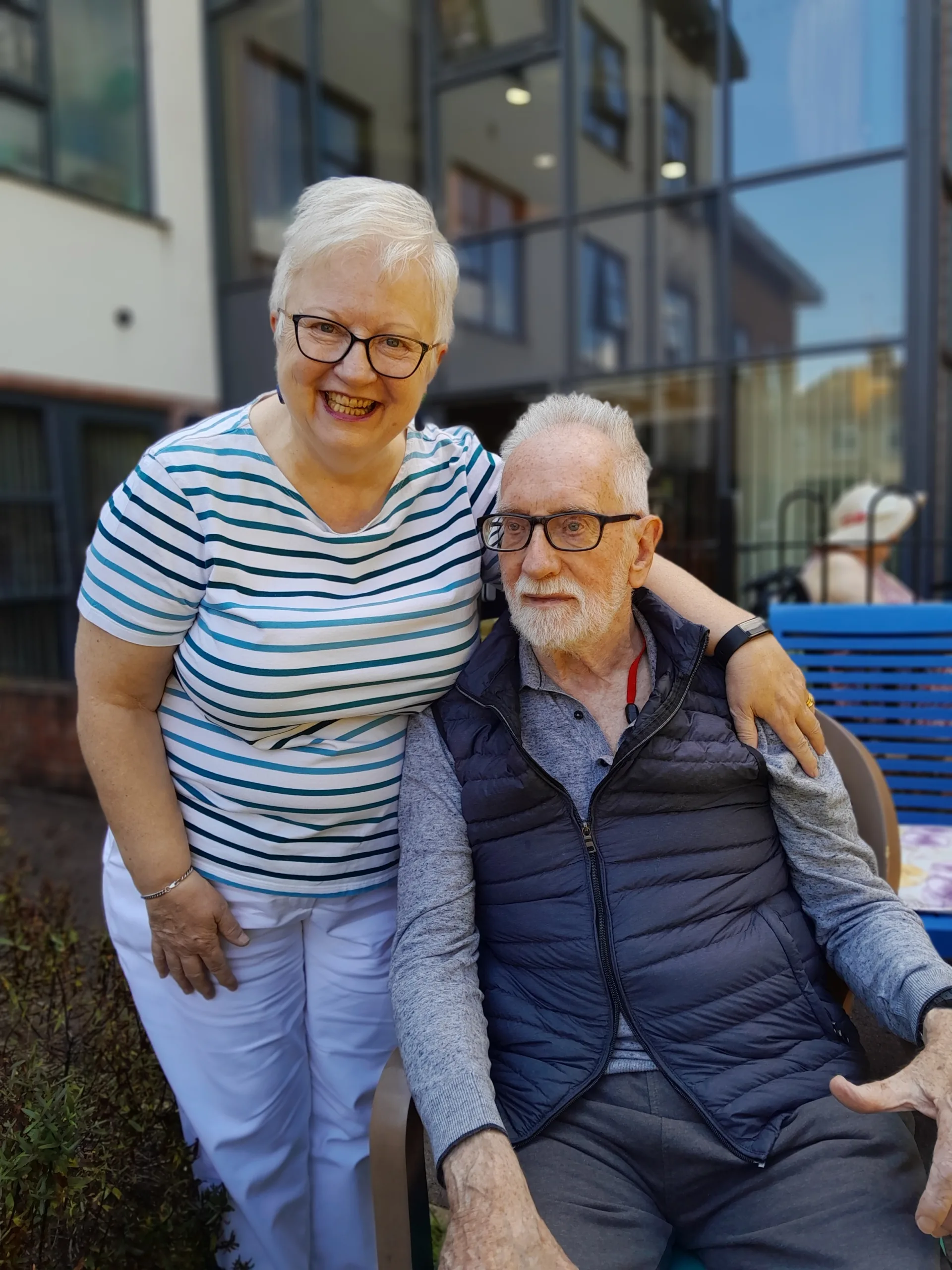
Staff and residents at Grovelands care home in Yeovil are celebrating after being rated ‘Outstanding’ by the Care Quality Commission (CQC) following an unannounced inspection earlier this year.
The residential, respite and dementia care home has now held the CQC’s top rating for eight consecutive years. The latest inspection, carried out in July and published this month, praised the home as ‘Caring’ and ‘Well-led’, highlighting what inspectors described as ‘a deeply embedded culture of continuous learning and improvement’.
Residents at Grovelands, the report found, are ‘supported by a consistent, compassionate, and dedicated staff team who demonstrated kindness, respect, and genuine care in their interactions’. Inspectors also commended the team’s focus on promoting ‘independence, dignity, and choice’, and creating a ‘culture of empowerment and inclusion’.
Grovelands has also received strong independent reviews, with a 4.9-star Google rating and a 9.9/10 average on carehome.co.uk. One verified reviewer wrote:
‘What an exceptional home!!! Whilst visiting a family member who is being cared for during his final stages of life, I can only say that they are amazing and a blessing to him, such dedication and determination to give him the very best possible care, what an amazing team of professionals. I work as a senior manager for another care provider nationally and can safely say that the team here are absolutely incredible and if I could box what they do and take it away I would!!!! Praise to the team and management team for leading such an incredible home.’
‘I can’t put into words how lucky we have been to place Mum in this lovely home. We feel very privileged. All staff from bottom up and top down are superb, professional and friendly. They look after Mum’s wellbeing in all aspects. Her needs are met often above and beyond, and exceed all expectations. It remains “her home”. A big thank you to you all. You ALL work very hard to achieve this. Thank you again.’
Karen Cheshire, Registered Manager, said:
‘I am incredibly proud that the round-the-clock compassionate care our team provide for our residents has once again been recognised with an “Outstanding” rating from the CQC. To receive and retain this highest accolade from our regulatory body is a reflection of the dedication, compassion, and excellence that our entire Grovelands community demonstrates every day. This rating is made even more special by the response it has prompted from the families of those we care for, who tell me that they expected nothing less than “Outstanding”! It is truly heart-warming to hear that the praise in the report reflects the positive experiences of our residents and their loved ones, as they are the reason we are here. On behalf of the whole Grovelands team, I want to say “thank you” to everyone who trusts us with the most precious thing there is – the care of a loved one. Your trust and partnership continue to inspire us to deliver the very best care and to keep striving for excellence. We look forward to continuing to provide outstanding care together, with your ongoing support.’
Grovelands is part of the not-for-profit Somerset Care Group. For more information, visit www.somersetcare.co.uk
Rupert Hardy from North Dorset CPRE explains why Dorset’s Local Plan Consultation matters – and how best to stop some of the worst housing proposals. Please read this – it is so important!
Once Dorset’s latest housing estate … fresh from the 1600s
Over the last year or so there have been two events of seismic proportions hitting Dorset. The first was the election of a government clearly unsympathetic to rural areas, and the second is this Local Plan (LP). Some people may not be aware that Dorset Council (DC) is preparing a new LP which sets out policies and development proposals for the next 17 years. The current consultation focuses on potential housing sites, with other aspects to follow. The previous Dorset administration tried and failed to do this in 2021, after an avalanche of objections. The draft LP will not be published until summer 2026 – by which time it will be too late for any meaningful influence from the public.
A flawed formula for housing need The government imposes a rigid “Standard Method” to calculate housing need. It starts with existing housing stock, then inflates numbers to reflect affordability – a blunt approach that doesn’t reflect Dorset’s reality. We do not agree with the standard method: local prices are distorted by second homes and wealthy incomers, with much of the county is covered by protected landscapes. But the National Planning Policy Framework requires DC to show that it has examined all avenues for meeting government targets. CPRE considers housing need to be far lower than these targets: DC has said publicly the figures are unrealistic. The government’s target is 55,000 homes over 17 years. Some of this is already covered by existing permissions, neighbourhood plans, and ‘windfalls’ – leaving 35,000 to 40,000 to come from new sites. DC is putting forward even more than this – roughly 15,000 more – to allow for landowners withdrawing, cross-boundary need (though this is unlikely, given most authorities are in the same boat), and sites being ruled out later. To give perspective: Dorset has been building around 1,600 homes a year. The new target is 3,246 homes a year – double the recent rate.
Where are the sites coming from? Most were submitted during the Council’s “call for sites” and assessed under the Strategic Housing Land Availability Assessment (SHLAA). Sites originally deemed unsuitable – often outside settlement boundaries – are now reclassified as “opportunity sites”. CPRE questions the merits of many of these, particularly the less sustainable ones outside settlement boundaries. The focus has primarily been on finding sites in the towns and larger villages, but given the magnitude of the housing required, DC are now proposing to move settlement boundaries, with new developments of up to 30 homes being added to smaller villages. These changes risk exposing rural communities to speculative development.The rationale is to help small local builders, but settlement boundaries exist for a reason: they are a vital line of defence for the countryside. One of the reasons CPRE was founded was to stop exactly this kind of creeping urbanisation. We’re also disappointed that town centre regeneration is not included in this phase of the LP. With high street retail in decline, we urge more imaginative new uses for brownfield sites.
Who will be most affected? Bishop’s Caundle is likely to be the worst-hit village in the Blackmore Vale – sites have been proposed for 301 homes in a village of around 400 inhabitants, who will be engulfed. Residents of Motcombe, Hazelbury Bryan, Marnhull and Milborne St Andrew will also be pretty unhappy reading this consultation, given the numbers. Sherborne will be the worst affected town, with suggested sites for 2,083 homes: current population is 10,300. The least affected is Sturminster Newton, but all the North Dorset towns and most large villages have to expect more developments on top of what is already happening. North Dorset and Sherborne CPRE stands ready to give advice. Around 8,800 homes are proposed in “opportunity sites” across North Dorset: those next to towns are more likely to proceed. Village sites may well be ruled out down the line due to infrastructure shortfalls or unsustainable locations. Overall, though, North Dorset communities will be drowning their sorrows less than other parts of Dorset (this is no help to those affected, of course). Elsewhere in Dorset, proposed numbers for Crossways, Lytchett Matravers, Lytchett Minster and Upton, Wool and Sturminster Marshall are frighteningly high. Towns like Weymouth, Wimborne and Dorchester face major expansion – and ‘Norchester’ (a large site north of the county town) an ever real threat now a masterplan has been commissioned. The logic for this is that employment prospects are better in adjoining Poole/ Bournemouth and Dorchester/Weymouth. The latter has suffered more deprivation than other Dorset towns – but it has now received £20m in regeneration funds. DC are also preparing to commit to at least one New Town – but most take 10 to 15 years before they are shovel-ready, so that discussion will not impact this LP much.
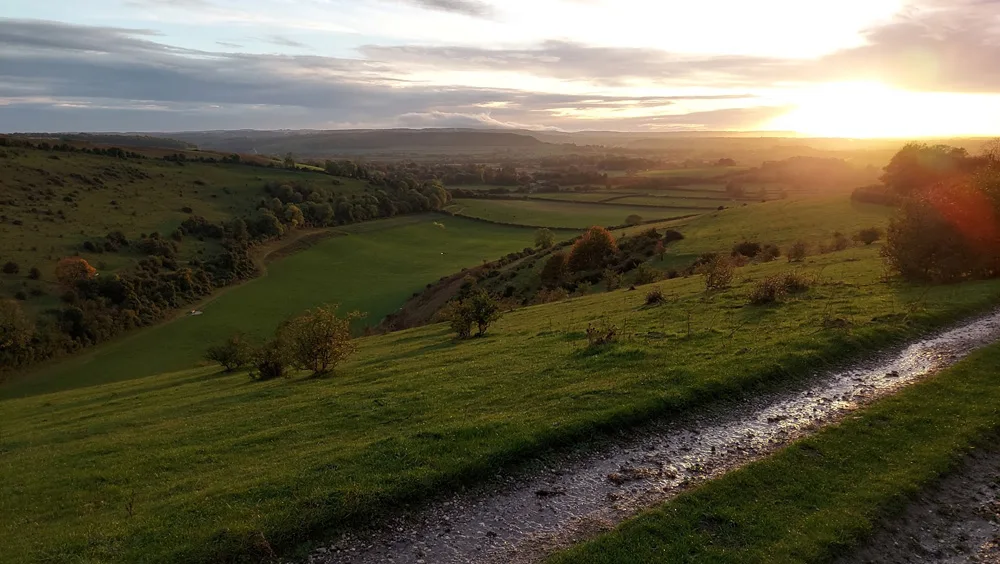
One of North Dorset’s finest lookouts – the view from Rawslbury Camp across to Nordon Hill, Dorsetshire Gap and Nettlecombe Tout
Consequences if this goes ahead If all these houses are built, the impact will be appalling. Roads will be overwhelmed – and there are no serious plans for transport improvements. Our already-stretched infrastructure, especially healthcare, will struggle to cope. Dorset Council acknowledges this but has limited control – GP surgeries are private businesses, even when they’re providing NHS care. Meanwhile, there’s little here on the affordable and social rented housing which Dorset desperately needs, rather than the four-bedroom executive homes the national housebuilders love to sell, which attract incomers rather than helping the young in Dorset on low, local salaries. Dorset Council would like to build more social housing – but has no clear plan or funding route.
A few bright spots We applaud the Council’s proposal to phase many of the sites, buying time in the hope of a change of government policy in four years’ time, in favour of one less hellbent on concreting over the countryside. We also support efforts to include employment sites alongside new housing. And CPRE is especially pleased to see Design Codes covered, with a push for local vernacular homes built to net zero standards – a welcome shift from the soulless, inefficient “Noddy boxes” developers too often impose.
What you can do If the Council, armed with compelling evidence from local communities, can show that certain sites are unsustainable and unsuitable for development, then they can reduce the housing numbers. Lower targets reduce the risk of failing the Housing Delivery Test – which triggers the dreaded “presumption in favour of sustainable development”, opening the door to speculative development. As some suggest the government focus is on basic LP numbers, rather than the delivery of them. We suspect that many sites will not get developed for other reasons too: in particular the limited capacity of the housebuilders, who are simply not interested in flooding the market with new houses they cannot sell.
How to respond Please respond to this consultation, even if only to challenge some of the most egregious housing sites seeing the light of day. Your local knowledge of flooding, car dependency, wildlife and infrastructure is invaluable. If you have constructive suggestions, Dorset Council also wants to hear them. Visit dorsetcouncil.gov.uk to see the plans and take part in the survey: you have until 13th October to respond. At the very least contact your parish or town council, which will certainly be responding, and which can consult Dorset CPRE for help. Let’s stand together to protect our countryside for future generations.
Simon Hoare MP admits past failings, and warns that if government and opposition don’t deliver, the vacuum will fuel populism and protest votes
Simon Hoare MP
I cannot believe that we are in the ninth month of the year – time appears to be turbocharged at the moment. As the nights (regrettably) draw in, I hope you had a good summer, whatever it is you did. If anyone has ever seen a hard copy of a speech given by a government minister, it always says at the top: CHECK AGAINST DELIVERY. What this means is that the prepared text might not be read out in full. An event that happens before the speech is given may require an off-the-cuff response. A minister (I know I certainly did it) might riff and extemporise to amplify a point or add colour. Alternatively, whole chunks of speeches might not be used, if you read the room and recognise the audience isn’t ‘with you’. So, there is a difference between what has been written down and planned to be said, and what is actually delivered. Therefore, journalists always need to make sure the minister has said what it was claimed the minister would say (thank you, Sir Humphrey) before writing an article declaring: “the minister said …” So. Let me start with a mea culpa on behalf of my party. Too often, we said what we were intending to do … and didn’t always follow through on it. In short, we did not check against delivery. There were events which got in the way of that delivery – Covid and Ukraine, for example – but sometimes it was simply a case of taking the eye off the ball. It is too easy, when in government, to say something in a speech – still more so after a No.10 summit: “this will be done”. The assumption is that simply by the heartfelt saying of it, the thing promised will, as if by magic, happen. That is not always the case. Policy must be driven hard and with a forensic application of energy and will. The current government has fallen into the same trap, but at a much earlier stage. Remember Mission-Led Government? Five departmental, cross-cutting themes that would revolutionise the doing of government. Well we might remember, but the government is apparently suffering from amnesia. Ministers can make all the grandiose pledges they like, but if there is no monitoring of delivery, then it is doomed before the first step is taken. People are also not fools. We no longer fall for the Emperor’s New Clothes stuff. Ministers can tell us one thing, but if we are experiencing or feeling something different – or the complete opposite – then we know exactly who to believe … (hint: it’s not the minister). We see a slowing economy, rising costs, collapsing business confidence, inflation on the up, taxes entering the stratosphere… and yet ministers tell us we are privileged to be living in some sort of Labour nirvana. Saying something over and over again does not make it true – or any more believable – if it is entirely counter-intuitive to daily lived experience. Some current ministers appear to have taken political advocacy classes from Iraq’s Chemical Ali: “there are no allied tanks on Iraq’s soil,” while they were plainly visible in the background. The disappointment in my party when in government – and the growing despair with Labour now – is, of course, fuelling the popularity of Reform. This is understandable, but it will prove to be unsustainable. The only thing Mr Farage has ever delivered is speeches: by his own hand, he has delivered nothing. His easy, headline-grabbing slogans, shouted as he jumps on yet another passing bandwagon, have no substance. Delivering in politics is not about the what, it’s about the how. Farage has drunk too deeply of the Trump Kool-Aid, and he is giddy at the thought of some kind of UK presidential executive power. But in a parliamentary democracy, executive power does not rest in one pair of hands. Farage’s idea of appointing a cabinet from outside Parliament is a nonsense: ministers must be accountable to Parliament. His random plan for deportations is simply not deliverable at the click of a PM’s fingers. So, there is a clear challenge to both government and opposition if we are to deflate the Farage ego. Government must deliver. We in opposition must work up credible, deliverable alternatives. The why, what and how need to be stark. In short, we must both check against delivery.
It’s a delicate balance: rural tradition, public opinion, and the spotlight of a major agricultural show. So when the Hound Parade commentary at this year’s Gillingham and Shaftesbury Show veered into a lengthy diatribe about the need to preserve fox hunting at all costs, it felt like the commentator had misjudged the moment – and the audience.
The Grumbler
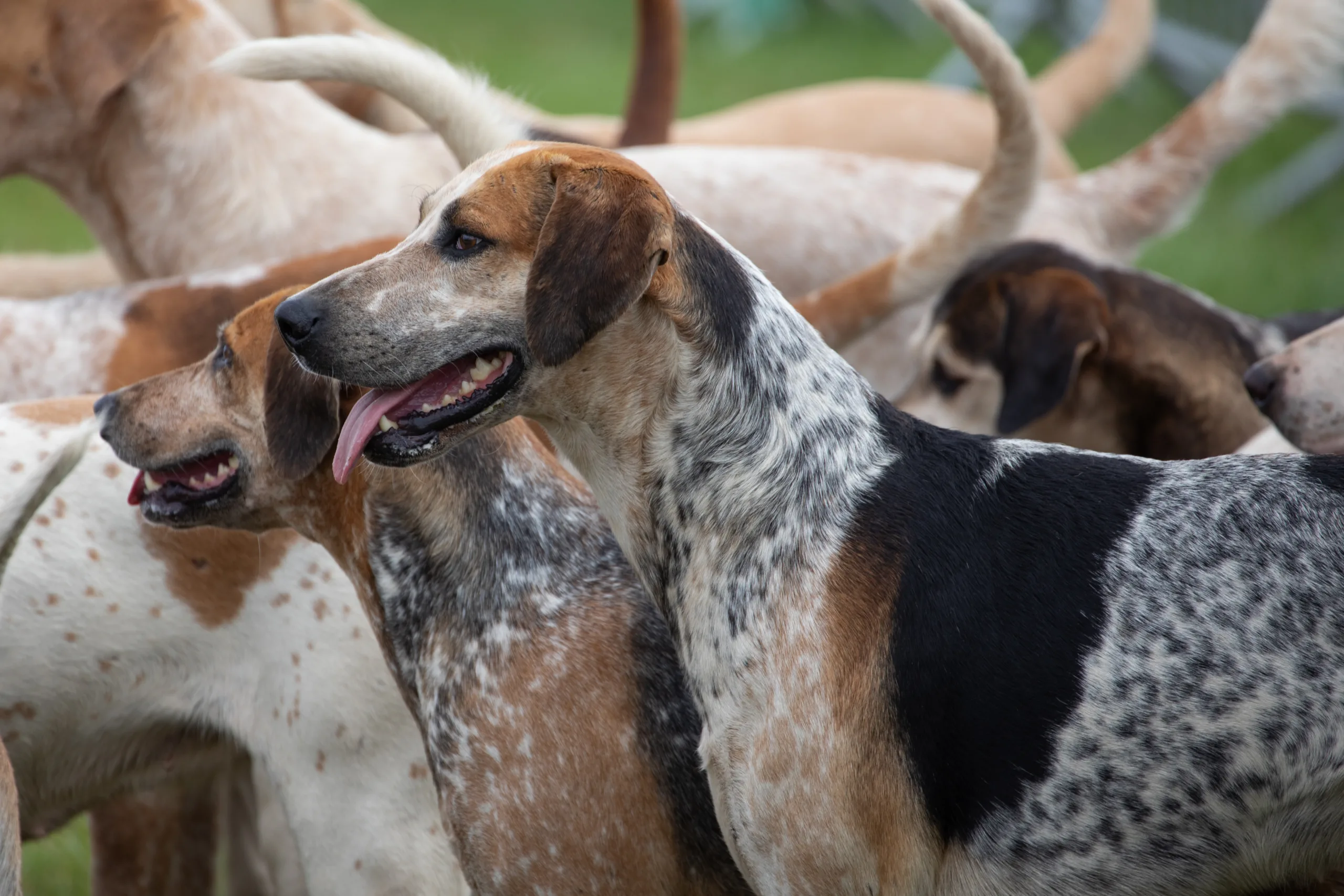
While I am not a fan of fox hunting, I have no particular objection to hounds being part of the show. They’re part of rural life, and the packs of foxhounds and bloodhounds parading were fine examples of their breeds. But turning what should have been a celebration into a soapbox for a controversial agenda was, frankly, a betrayal of the show’s organisers – and an insult to the intelligence of those watching. It’s a shame, because the rest of the show was exactly what it should be: a landmark in the farming calendar, showcasing the fantastic work our local farmers do and bringing a bit of joy to what is often an isolating, thankless industry. The main ring at the show acts as a venue for entertainment, education and celebration and, on the whole, it did just that. We were entertained by the motorcycle and jousting displays, educated about the evolution of horsepower via heavy horses, steam engines and vintage tractors, and we celebrated the prize-winners in the livestock parade. Only the Hound Parade struck a discordant note.
‘It’s not as important as mine’ As a historian I am a bit of a pedant when it comes to matters of fact. The presenter started his introduction to hunting with hounds by explaining that it was “introduced to England by the Normans”. This is wrong: hunting with dogs in England goes back way further than the Normans. Vikings, Saxons, Celts and Romans all left behind documentary evidence of using dogs to hunt. What the Normans did do, which he alluded to when he mentioned Cranborne Chase and the New Forest, was to enclose vast tracts of land as hunting reserves for the aristocracy. What he didn’t mention, of course, was that most of our ancestors could have been summarily executed for so much as setting foot on that land. He went on to explain that fox hunting came about from the 18th century – but again, rather neglected to mention the social context in which it was created: a deliberately exclusive and aristocratic pursuit at a time when land was increasingly enclosed and the ordinary man could be hanged or transported to Australia for poaching a rabbit or pheasant. Thankfully, those days are gone … although, of course, only the comparatively wealthy can afford to ride to hounds today. But the commentary would have us believe that everyone in the countryside has forgotten the injustices of the past, and is now squarely behind the hunt. The commentator did concede that many people were opposed to hunting, and that they were entitled to their opinion – although he didn’t really seem to entertain the idea that it was legitimate for a democratically elected parliament to outlaw something that had gone on for a couple of hundred years. The overall tone was that “you’re entitled to your opinion as long as you understand that it isn’t as important as mine”. I think we can count ourselves fortunate that Westminster doesn’t always side with tradition, or we would also presumably still have cock fighting, bear and badger baiting, slavery and witch-burning, on the grounds that they, too, were fine old English traditions. (Mind you, having seen some of the comments on the Daily Telegraph’s recent article about the Gillingham and Shaftesbury Show’s decision to ban those hunters with criminal convictions from the show, it seems that some members of the Countryside Alliance probably think that banning those things was all part of a plot by a woke metropolitan elite.) The commentator meanwhile told us how he had been threatened by a large hunt saboteur in a balaclava. This is, of course, totally unacceptable. There is no place for that kind of behaviour, and it has to be said that the violence and tactics of some anti-hunt protestors completely undermines their position. Sadly, hunt followers are not angels either … but this was ignored.
Hounds parading at G&S Show Dorset
Intrinsic, indispensable and inevitable Perhaps the most annoying part of the commentary from the Hound Parade was the element of moral blackmail at the end. If hunting with hounds is banned, the “hounds and horses will have to be put down – and it will all be your fault”, we were told. “Hounds are pack animals which cannot adapt to domestic life” – this seemed a particularly odd statement just at the moment that the children in the audience were being invited to meet and pet said hounds. It was followed up with the equally baffling statement that “without the hunt, the rural economy would pretty much collapse and be left without vets”. Personally, I find it hard to imagine that hunting puts so much into local vets’ practices that it outweighs all their other streams of income. Finally, there was the claim that “hunting is not just fun for the hunters, but for the hunt followers, large numbers of whom would be left with nothing else to do”. The implication was that a lot of the audience were hunt followers, and were naturally on the same side. I wasn’t convinced. I was left with the feeling that an attempt was being made to railroad the audience into backing hunting by implying that it is an intrinsic, indispensable and inevitable part of country life which naturally benefits all who dwell in our rural area. Unfortunately, it was another example of modern-day post-truth history, where a wealthy minority is seeking to manipulate opinion by appealing to a past that never was. Most people who were at the show, I suspect, are like me: the descendants of agricultural labourers or tenant farmers. I dare say that Norman barons and 18th-century fox hunters thought nothing of horse-whipping our ancestors if they weren’t quick enough to tug their forelocks. It’s a bit rich to expect our support now.
The Grumbler – the open opinion column in The BV. It’s a space for anyone to share their thoughts freely. While the editor will need to know the identity of contributors, all pieces will be published anonymously. With just a few basic guidelines to ensure legality, safety and respect, this is an open forum for honest and unfiltered views. Got something you need to get off your chest? Send it to [email protected]. The Grumbler column is here for you: go on, say it. We dare you.
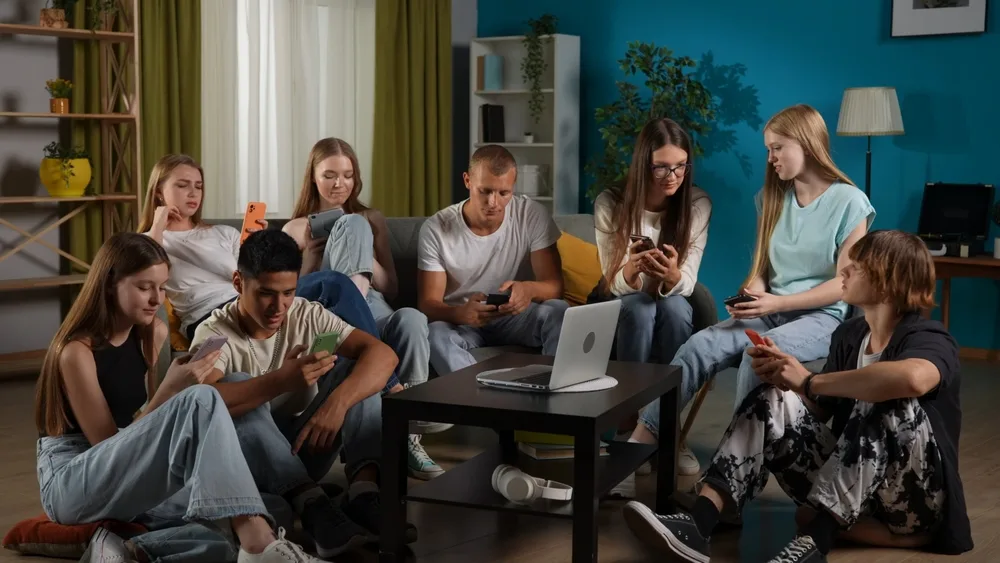
The Vale Family Hub has secured funding through the #iwill fund to run an ambitious new project for local young people aged 10 to 20. The team aims to recruit 15 to 20 participants – and if more apply, no one will be turned away.
Working together, the cohort will receive training and mentoring to deepen their understanding of mental health and complete a programme leading to a Level 2 qualification in health and wellbeing. The aim is twofold: to help each young person better understand their own mental health and to equip them to support their peers when needed.
Once trained, the young wellbeing champions will mentor and support classmates and friends, and contribute to the wider community by signposting to help, reducing stigma, and campaigning for stronger awareness of mental health and wellbeing issues.
A core part of the programme is Social Action. The group will identify the issues that matter most to them and design their own responses – whether that’s campaigning, volunteering or fundraising. They will have a collective budget to support their plans and will be supported throughout by the Vale Family Hub team.
An initial meeting is scheduled for Saturday 27th September at 10am at the Vale Family Hub. Parents are welcome, though not required to attend. To help the group gel quickly, a team-building away day will be arranged.
The Vale family Hub
The project will begin at the end of this month and run until the end of May 2026. Regular meetings will be held, and each participant will be kept in touch by email, phone or whatever works best. The Hub sees this as a chance for every young person involved to grow, try something different and gain experience that could be useful long after the project ends – for CVs, ACAS forms and more.
Find out more or get involved
If you have questions or would like to join, please contact:
When Marg’s son and daughter-in-law needed a break for themselves, they wanted to make sure that Marg also had a lovely holiday. Living just next door, Kim and Joanne were used to being able to check in on Marg regularly, to make sure she was safe and happy. If they were to feel comfortable with the idea of going away, they needed the reassurance of knowing that her care needs would be met in their absence. Booking a respite break seemed the ideal solution, with round-the-clock care available for Marg, who could also enjoy a little holiday of her own!
Having lived on the outskirts of Yeovil since the mid-1960s, Marg wanted to stay within familiar surroundings, and near her extended family. A respite break at Grovelands residential and dementia care home in Yeovil ticked all of the boxes for Marg, Kim and Joanne. ‘Being able to use the respite facility at Grovelands gave us the freedom and peace of mind to enjoy a holiday,’ says Joanne. ‘We knew that Marg would be well looked after. What we hadn’t expected was the lift in Marg’s spirits when she returned home! During her stay at Grovelands, Marg made new friends, enjoyed the food, drink and activities on offer, and even had her grandchildren and great-grandchildren come to visit! The experience was such a positive one that shortly after returning home, Marg booked to return for another respite break at Grovelands, later in the year. Marg said: ‘I enjoyed the trips out, and appreciate the kind attention I received from all the staff. And I enjoyed all the food and activities. ‘My room was very pleasant and I’m looking forward to staying again soon.’ Karen Cheshire, Registered Manager of Grovelands, added: ‘Respite breaks can provide a wonderful insight and introduction to life in our care home community, and are also offer a brilliant option for those needing care and support for a short while. ‘We are happy to offer respite care at Grovelands, and really enjoy seeing firsthand the positive impact of companionship and stimulating activities on an individual’s wellbeing. ‘We are delighted that Marg enjoyed her first stay at Grovelands, and look forward to welcoming her back again soon.’
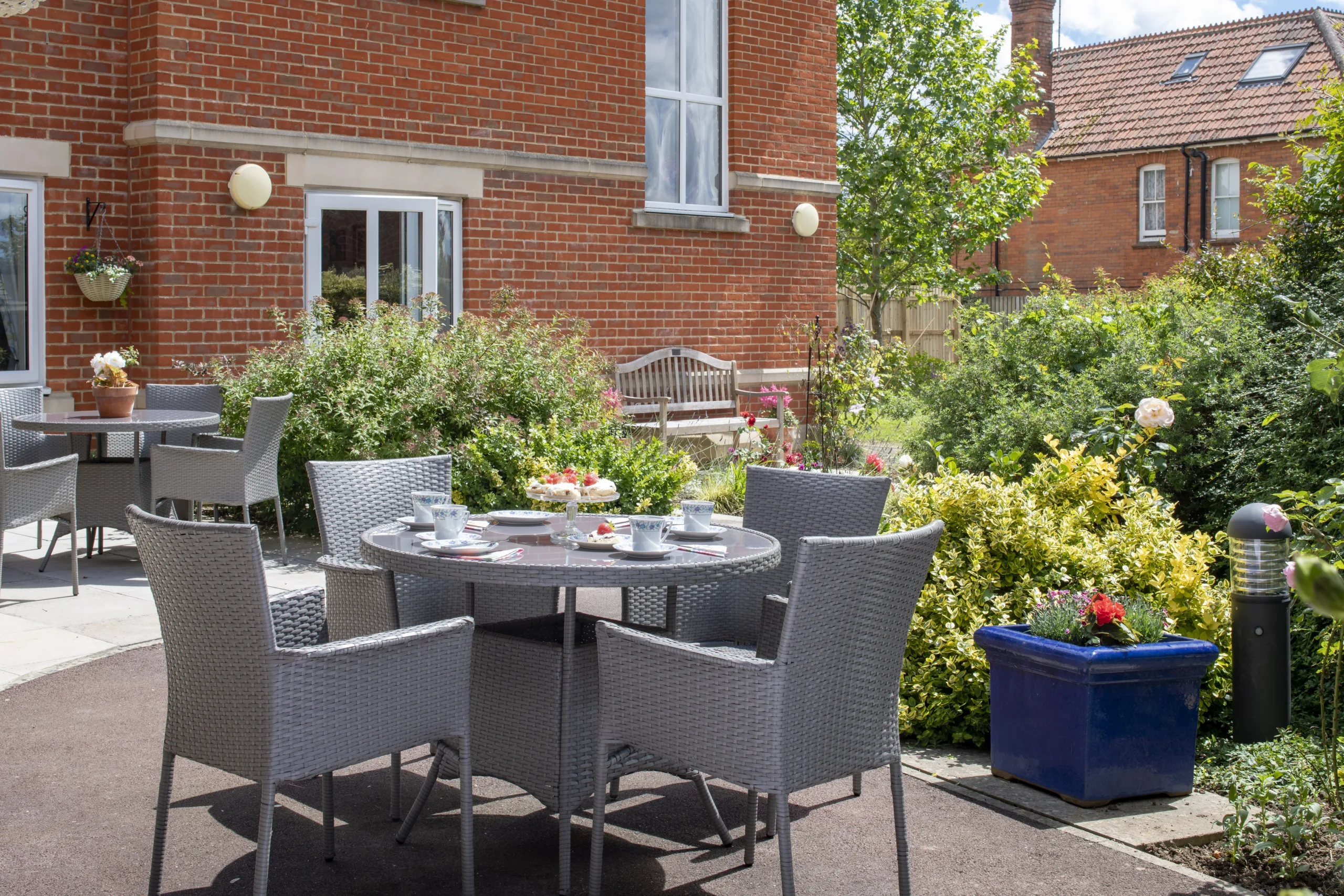
Part of the not-for-profit Somerset Care Group, Grovelands is rated ‘Outstanding’ by the Care Quality Commission, and 9.9/10 from independently-verified customer reviews on carehome.co.uk. The home offers respite breaks, residential care and specialist dementia support, all within a purpose-built and homely environment. Somerset Care’s day care and respite services support you and your loved ones to live independently at home, for as long as possible.
For information and advice, please visit somersetcare.co.uk, or contact our expert enquiries team on 0800 817 4925.
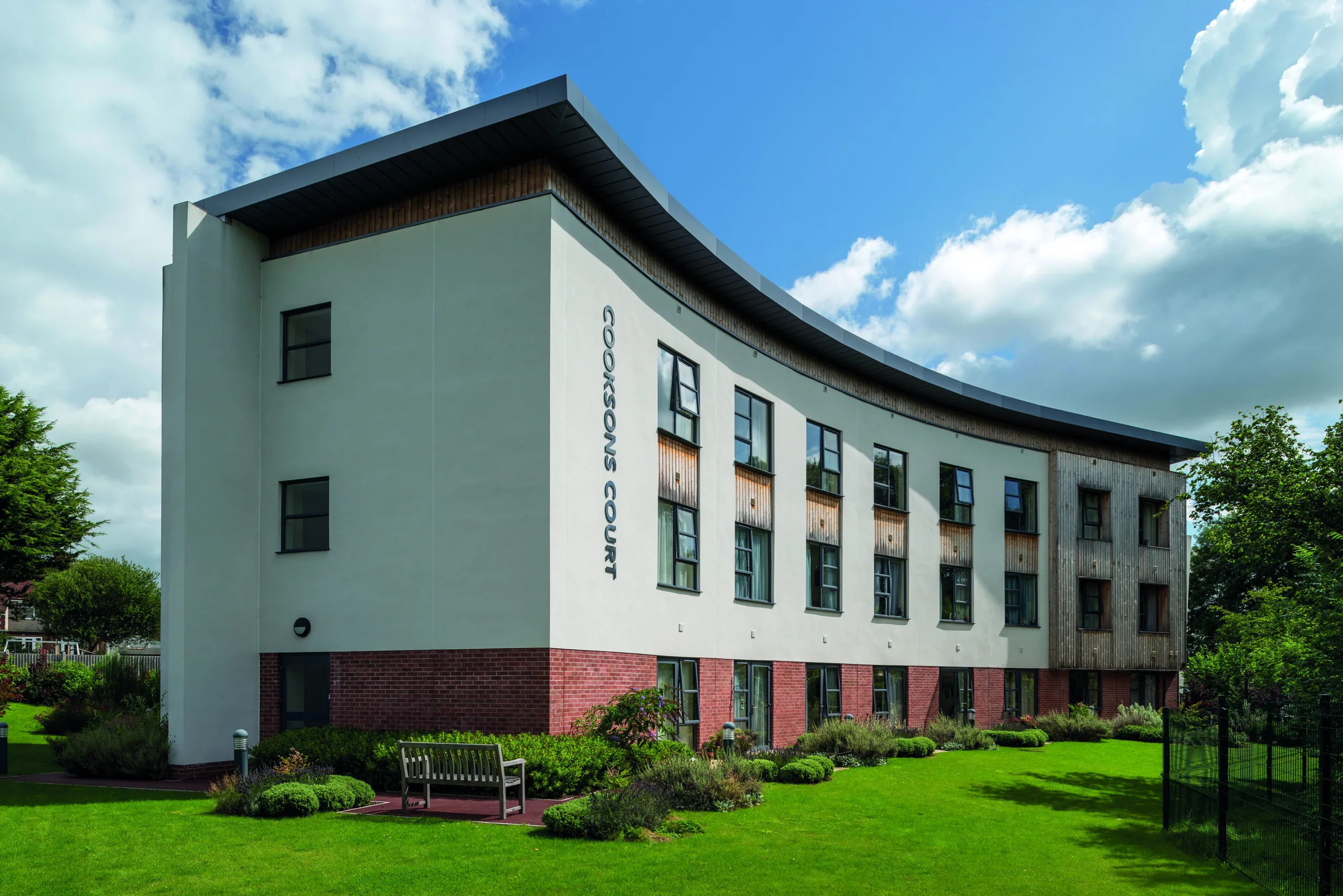
When Geoff moved into Cooksons Court in Yeovil last autumn, it marked the start of a difficult but ultimately life-changing journey for both him and his wife, Julia.
Geoff lives with dementia, and after a rapid decline in his wellbeing, Julia knew he needed professional, ongoing support. Cooksons Court, a residential and nursing care home run by not-for-profit Somerset Care, came highly recommended.
“The decision to move my husband, Geoff, into a care home came after a rapid decline in his wellbeing. There was no time for a gradual transition; he needed professional, ongoing support right away,” Julia said.
Over time, thanks to the patience and support of the care team, Geoff settled in – and the couple now consider Cooksons Court a second home.
“Geoff gradually began to feel like part of the Cooksons community,” said Julia. “For us, Cooksons Court became a place of stability and in many ways our second home and port in a storm.”
Their story is one of many shared by the home as it marks its 10th anniversary this week. Since opening in 2015, Cooksons Court has supported more than 2,000 people with residential, nursing, dementia and respite care.
Manager Kristie Chubb said: “We recognise that the people we support are individuals with life stories to tell. It’s our privilege to support them – and their families – through every step.”
Cooksons Court will celebrate the milestone on Friday 19th September with a day of community entertainment and reflection.
A monastery raid, an affair, public disgrace and a priest’s throat slit on a London street – the shocking tale of long-planned revenge
In 1337, a priest from a quiet North Dorset village was brutally assassinated in broad daylight on a London street. His throat was slit. His belly stabbed. The killers melted into the crowd. For centuries, the motive – and the mastermind – behind the attack remained a mystery. But new research by Cambridge University criminologists has finally pieced together the story. And at the centre of it all is Ela Fitzpayne: a noblewoman of Dorset. She was also a monastery raider, and a woman bent on revenge.
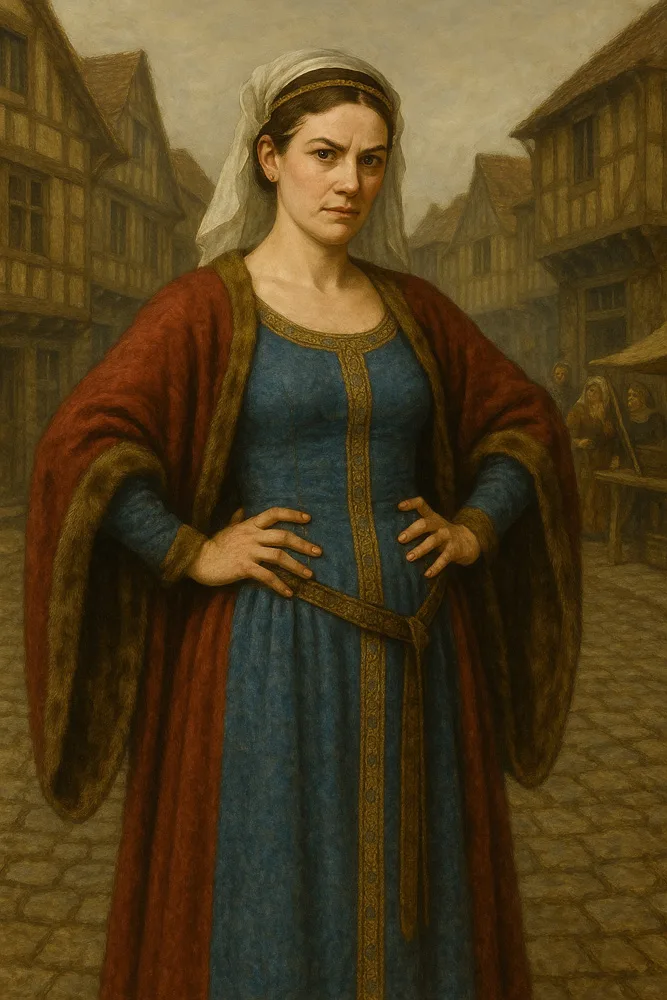
Illustration of Ela Fitzpayne, a 14th century noblewoman who was ‘proud, independent and somebody who didn’t easily bow to authority’, generated with AI for illustrative purposes – not an original artwork
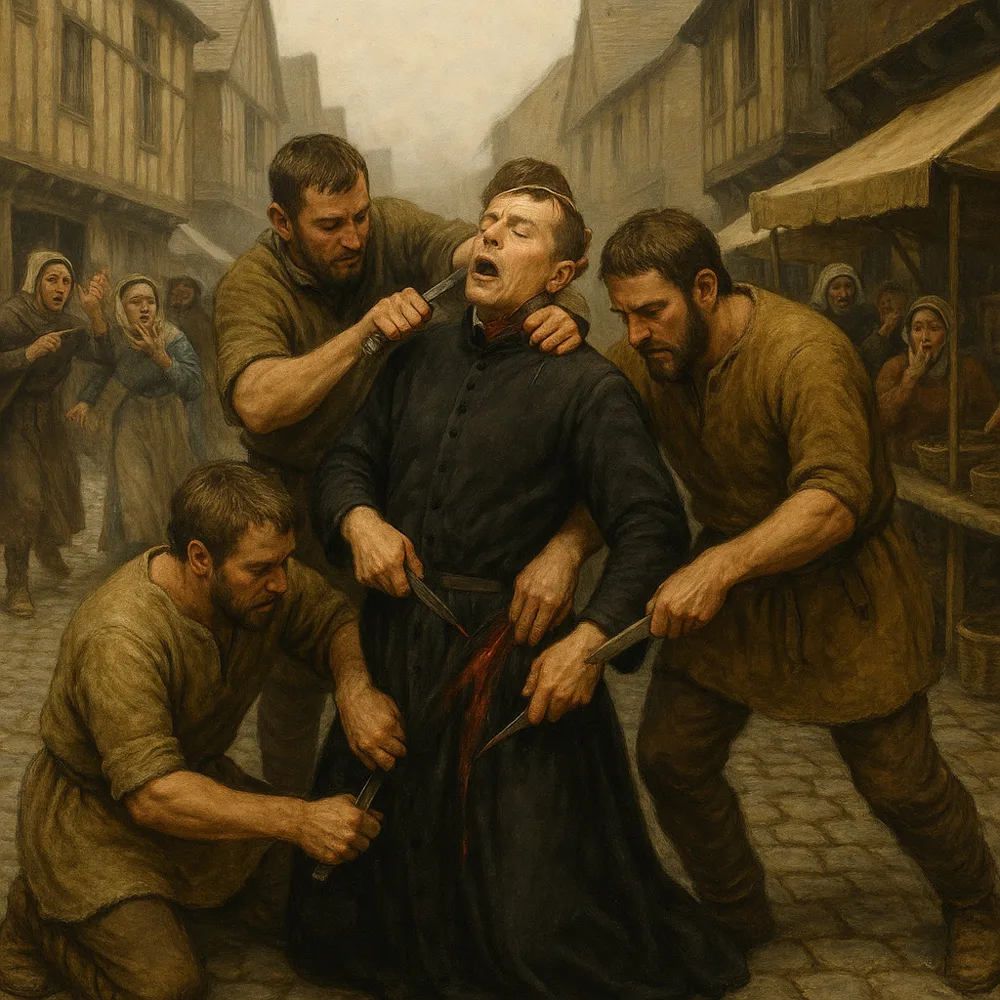
Okeford Fitzpaine connection It’s hard to imagine what life was like 700 years ago in Okeford Fitzpaine, just before the Black Death swept through Britain. In 1320 it was a rural settlement with a parish priest named John Forde, and the Fitzpaynes, local landowners who wielded considerable power. Ela, the wife of Sir Robert Fitzpayne, was not just an average well-born nobleman’s wife. In 1322, she, her husband and the priest John Forde led a raid on a Benedictine monastery in Somerset. They made off with eight oxen, 140 sheep, 60 lambs and 30 pigs, damaging property along the way. The theft was serious – both because of its scale and also its timing, coming amid heightened tension between England and France. John Forde’s involvement in the raid demonstrated his loyalty to the nobility and not the church. That same year, the Archbishop of Canterbury accused Ela of multiple romantic affairs – including one with Forde – as well as the theft from the monastery. He decreed a deeply humiliating public penance: to walk barefoot, bearing a candle, the length of Salisbury Cathedral. She was ordered to repeat the act every autumn for seven years. The humiliation, it seems, continued to fester. When the Archbishop died in 1333, Ela saw her opportunity for revenge. Four years later, John Forde was in Westcheap, near where St Paul’s Cathedral now stands, when a team of assassins struck. Ela’s brother Hugh Lovell slit the priest’s throat. Two former Fitzpayne retainers, Hugh Colne and John Strong, followed up with a knife to the stomach. Despite the murder happening in front of several horrified onlookers, the perpetrators were unable to be found. The sheriffs were ordered to arrest the fugitives, and years later, in 1342, Hugh Colne was indicted while imprisoned at Newgate.
Illustration of John Forde’s murder, generated with AI for illustrative purposes – not an original artwork
A 700 year old paper trail The case came to light thanks to Dr Manuel Eisner, Wolfson Professor of Criminology, who has led a project revealing hundreds of medieval murders in London, York and Oxford. ‘My main research is about the causes and prevention of violence in the modern world, ‘ he says. ‘However, I am fascinated by history, the subject I first studied. For me, it is like a distant mirror, giving us a glimpse into strange and different worlds, but at the same time helping to better understand our present. ‘I study the Coroners’ rolls – the documents by officials who led investigations of violent deaths in the Middle Ages. These investigations were conducted shortly after a body was found, so they are quite close to the event. Some of the more detailed reports shine a dramatic spotlight on a brief moment and place many hundreds of years ago. ‘They make me curious: why did these violent outbursts occur so often? Where and when did they happen? Who were the perpetrators, the victims and the witnesses? And how was violence, and how society reacted to it, different from these days? ‘Many records were lost, of course, but 14th century England was quite bureaucratic. Documents relating to Royal matters, such as the investigations by the coroner, were sent to London, where they were archived. Often, the coroner’s investigation is the only trace we can find of the involved individuals. For others, however, we can find more information in other surviving sources: tax rolls, registers of public duties, involvement in other criminal cases, Royal pardons or lists of people on trial in assize courts.’ In Ela’s case, clues came from a number of entirely separate source documents: ‘There are two letters by the Archbishop of Canterbury to the Bishop of Winchester, accusing her of adultery and also refusal to comply with the imposed religious penalties. There are also documents of the activities of Royal courts, where she is listed among a group that raided a monastery in Stogursey in Somerset. Combining these and other documents allowed me to piece together a rich story of the background to the events that led to the murder of John Forde.’
Why kill John Forde? But why was Ela’s wrath directed at the priest? Manuel Eisner has a few thoughts on what she was like: ‘It is hugely difficult to judge a person’s character on the basis of a few documents written by others: but I imagine her to have been a proud and independent person, somebody who didn’t easily bow to authority. She appears to have broken gender roles – cattle raids by landowners against neighbours were common, but I have not found a single other instance where a woman was involved. ‘Whether she actually did have a romantic relationship with the Chaplain of Okeford Fitzpaine, John Forde, we don’t really know. The archbishop, it seems, had nothing but hearsay as evidence, and was possibly motivated by misogynistic slander against a member of the nobility. ‘However, the very public accusations and excommunication must have seriously harmed Ela Fitzpayne and her honour, even if her husband was a highly regarded supporter of Edward III. ‘If, as I suspect, John Forde was the origin of the allegations against Ela, she must have been deeply wounded, furious about the breach of loyalty, and keen to take revenge for the humiliation she had suffered. ‘She waited for five years, until the right moment to assassinate John Forde arrived.’
To see this case, along with hundreds of other historical murder mysteries, explore it on the Medieval Murder Map here. Dr Manuel Eisner will give a talk on his work and on Ela Fitzpayne’s story in Okeford Fitzpaine in March 2026.
Running alongside the Dorset Local Plan consultation is another, almost as important: the Local Transport Plan, a joint plan between Dorset Council and BCP Council, with proposals to improve public transportation acoss the whole county. It’s an interesting read with fascinating statistics. Will we finally get an all-singing, all-dancing public transport system that works in North Dorset? Or will car drivers in Dorset soon be made to feel like social pariahs? The more I read, the more disillusioned I became …
The document states that 46 per cent of Dorset residents – almost half of us – struggle to access services, compared with just 18 per cent across England. This is simply unacceptable and must change. The dearth of decent bus routes, especially at weekends and evenings, makes it challenging for those such as healthcare workers to get to and from work if they don’t drive. Many of our hospital services, including heart attack and stroke centres, have been centralised in Poole and Bournemouth. Admittedly, most patients are discharged as soon as they can open their eyes these days, but if you do need to visit a loved one and don’t drive, there is simply no direct public transport from rural areas to these centralised hubs. Elderly residents, who don’t drive or don’t like asking for help, routinely spend £20-30 on taxis to get to doctors’ appointments. These are not people who can walk or cycle – and as a county with increasing numbers of frail older people, the current transport system is no help at all. Why do some older people jump in a car just to get to the village shop? Because the road is so uneven, buckled from decades of patchwork repairs, with no pavements: people are terrified of falling over and ending up in a nursing home. There are reports that the government will soon require the over 70 age group to have compulsory sight tests in order to drive. While every driver should have regular sight tests, over 70s will at some point need to consider limiting or giving up their car. This will place more pressure on Dorset’s public transportation system, which needs to be designed to meet the needs of residents in rural communities, not just the tourists visiting the coast or the conurbations. In order to prevent social isolation, any reform must take into account this projected increase in non-drivers – and especially in all those lovely villages about to be turned into dormitory towns by the housing plan.
Green dream, rural nightmare Most notable in the document is the desire to improve public transport in order to reduce car journeys to save the planet: according to the council’s own data, a third of Dorset’s road traffic emissions come from journeys of less than five miles. It might be laziness … but if you have ever cycled or walked in competition with a tractor or an HGV on a country lane with no pavement, you’ll understand why people drive. A car is currently essential in rural Dorset. Unless the Dorset planners are hell-bent on marooning rural residents in their villages, we need to see radical improvements. Whether it’s school runs, job interviews or medical appointments, the reality is simple: for most people, our public transport doesn’t cut it. I carry a laptop, meeting notes, and equipment. I often need to be in more than one place in a day … If I relied on a bus in Dorset I would be out of a job. Even when there are buses, they are slow, indirect and rare. Why spend two hours getting to Yeovil or Dorchester when I can drive it in 40 minutes? And there’s no direct service to stations like Poole, Salisbury or Gillingham – there should be. Then there’s the fantasy of cleaner fuels. Encouraging alternatives to petrol and diesel is all very well, but have you seen the price of hybrid or electric vehicles, even second hand? Most are unaffordable on an average Dorset wage. And that’s before we look at the charging point deserts across the county. And for younger people, it’s worse. The basic expense of buying a car and obtaining insurance is astronomical. So where are the affordable, functioning connections to get them to jobs? This is a generation that wants to use public transport – but the network isn’t there. It’s little wonder so many leave the county. This is where the council should be thinking creatively to implement a transport system that works: perhaps something like the Swiss bus system where every single town and village is connected hourly, and all residents can apply for a discounted travel pass for public transport (how about a Dorset Pass for rural residents?). People use it – because it works. Finally, I smiled when I saw the aspiration to ‘improve transport options where there are new housing developments’. The council has enough difficulty simply getting developers to restore a blocked-off footpath, never mind improving a transport system. The roads around our towns are congested as it is – there needs to be a radical solution for the coming increase in sheer volume of traffic on our historic narrow streets. We all know that travelling between Bournemouth and Poole is an endless journey of horror, thanks to traffic congestion. But I think if someone used a carbon monoxide monitor at the pinch points through Sturminster Newton at rush hour they would probably get a shock at the volume of traffic fumes in a tiny rural town. The Transport Plan is aspirational, but it’s really important residents read it and try and shape it. Lastly, I think the small print says it all: to summarise, ‘any and all of these developments are dependent on funding being secured’. Given the Government’s “love” of Dorset, the car will most likely remain a necessity to get from A to B.
The Dorset Insider is a no-holds-barred column pulling back the curtain on local affairs with sharp insight, unfiltered honesty and the occasional raised eyebrow. Written by a seasoned parish councillor who prefers to remain anonymous (for obvious reasons), it cuts through the noise to expose the frustrations of grassroots politics, and say what others won’t. Rest assured, their identity is known – and trusted – by the editorial team. Expect opinion, candour and a healthy dose of exasperation …