This month’s issue is a delightful mix of everything – think of it as a sweet tin full of buttons.
Somerset Confidential investigated the case for a new air ambulance by DSAA – a fascinating deep dive. We also cover TWO rogue trader cases scamming vulnerable Dorset residents out of more than £150,000 for unnecessary, shoddy work.
Farming’s shifting into high gear (you can tell harvest’s done): Andrew Livingston may have sparked a movement (we’re sensing a real campaign brewing here at BV HQ), NFU county chair Tim Gelfs is taking on climate change – and dramatic TV graphics – and George Hosford is shopping for combines based on their ability to not spill his tea.
There are stellar local business stories, a fiery letters page (the fallout from last month’s story), a smorgasbord of community news bites, and a wild love triangle that had Dorchester agog in 1901.
It’s all Dorset, and all yours! 🙂
Never printed. Occasionally argued over. Always Dorset. The BV October issue – digital-only and always free.
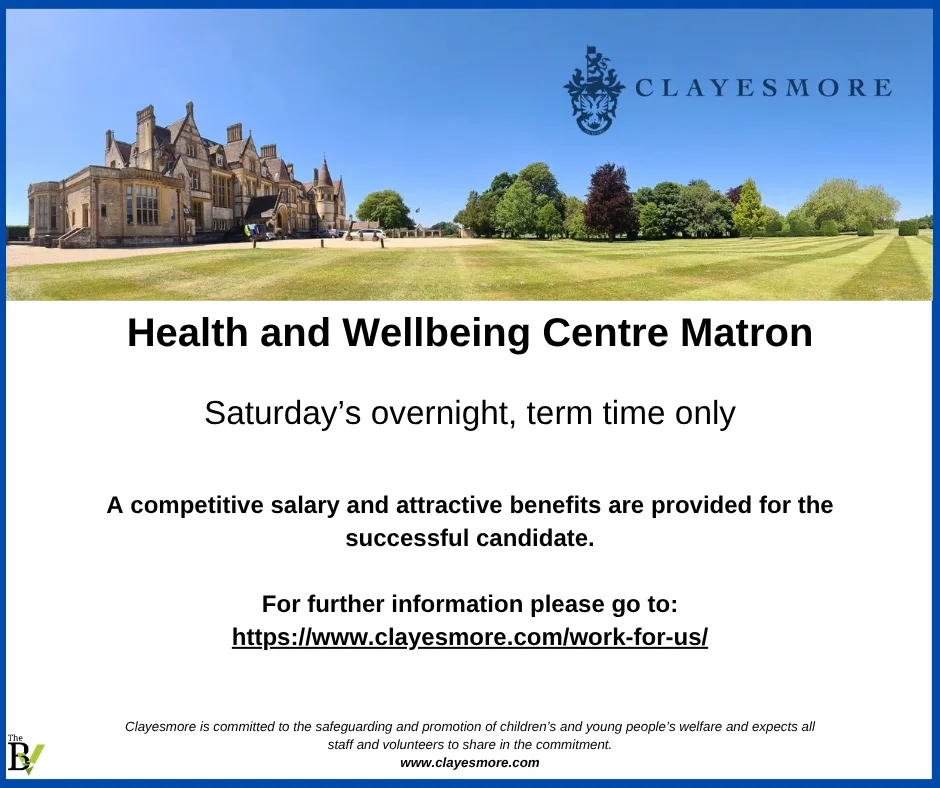
An exciting opportunity has arisen for a responsible and well organised individual to be part of our friendly team in the Health and Wellbeing Centre, working a Saturday evening and overnight into Sunday shift to ensure that the highest standards of pastoral and medical care are in place. The hours to be worked are 6pm every Saturday evening and overnight into Sunday until 5pm during term time.
The successful candidate will be confident working unsupervised and have excellent personal interactive skills with young people, their parents and staff. Preferably qualified in Paediatric and general First Aid (training can be provided if not already qualified) and with previous experience of working with young people, you will work with the team of nursing staff to ensure the smooth running of the Centre.
A competitive salary and attractive benefits are provided for the successful candidate.
For further information and an application form, please go to:
Clayesmore is committed to the safeguarding and promotion of children’s and young people’s welfare and expects all staff and volunteers to share this commitment.
We adopt a fair and consistent recruitment process which is in line with Keeping Children Safe in Education Guidance. This includes online checks for shortlisted candidates. All offers of employment are subject to an enhanced DBS check, satisfactory medical fitness, references, and where applicable a prohibition from teaching check.
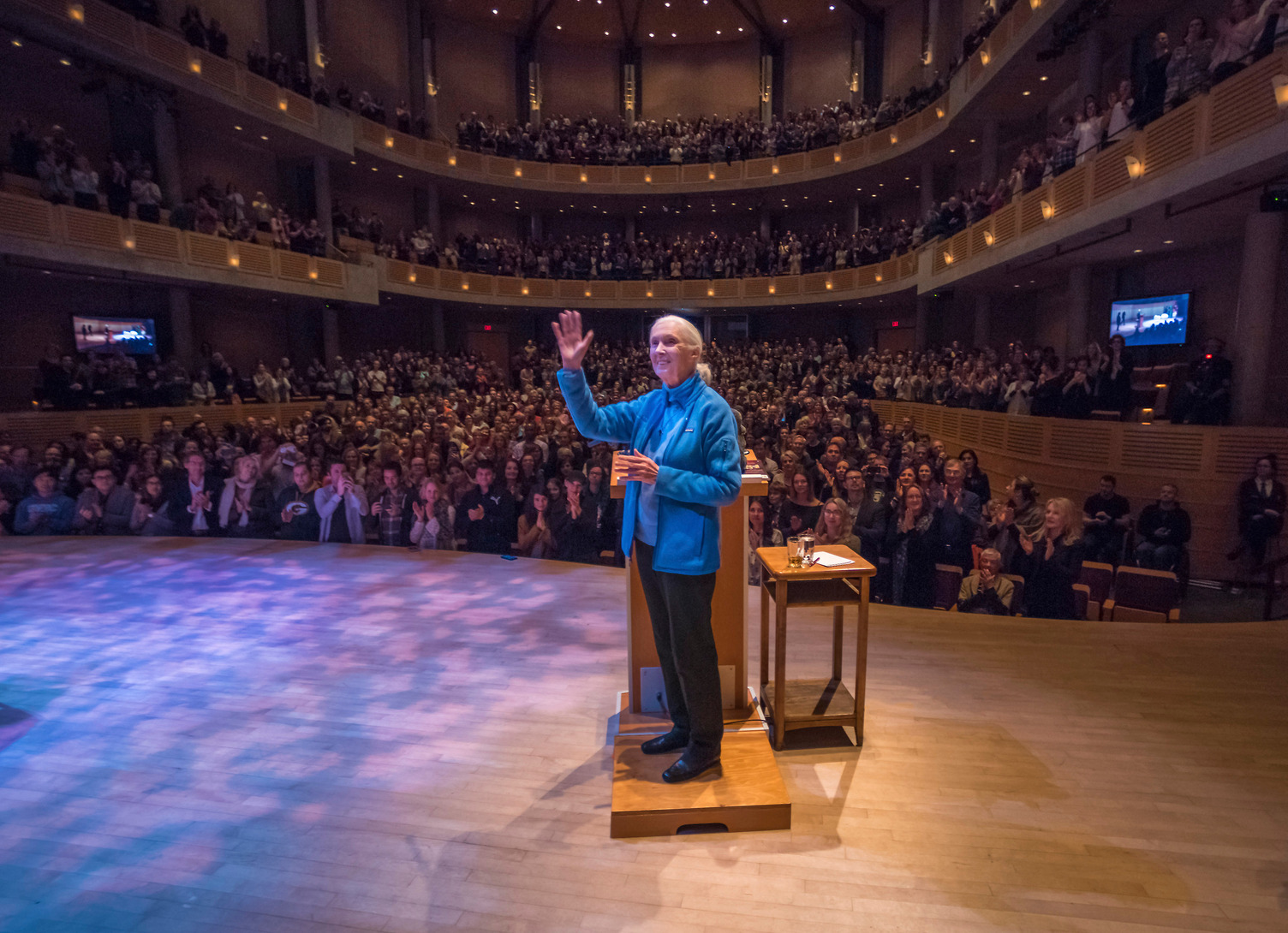
Dr. Jane Goodall, renowned ethologist and lifelong advocate for the natural world, has passed away at the age of 91. Known for her groundbreaking research on chimpanzees in Tanzania, her legacy goes far beyond science. She redefined how we view animals, understanding them as sentient beings with emotions and personalities.
Though born in London, Jane spent her early childhood in Bournemouth during the Second World War, living with her mother and grandmother. When I interviewed her in July 2023, she spoke fondly of West Cliff and her Dorset roots. ‘Dorset is always home,’ she said.
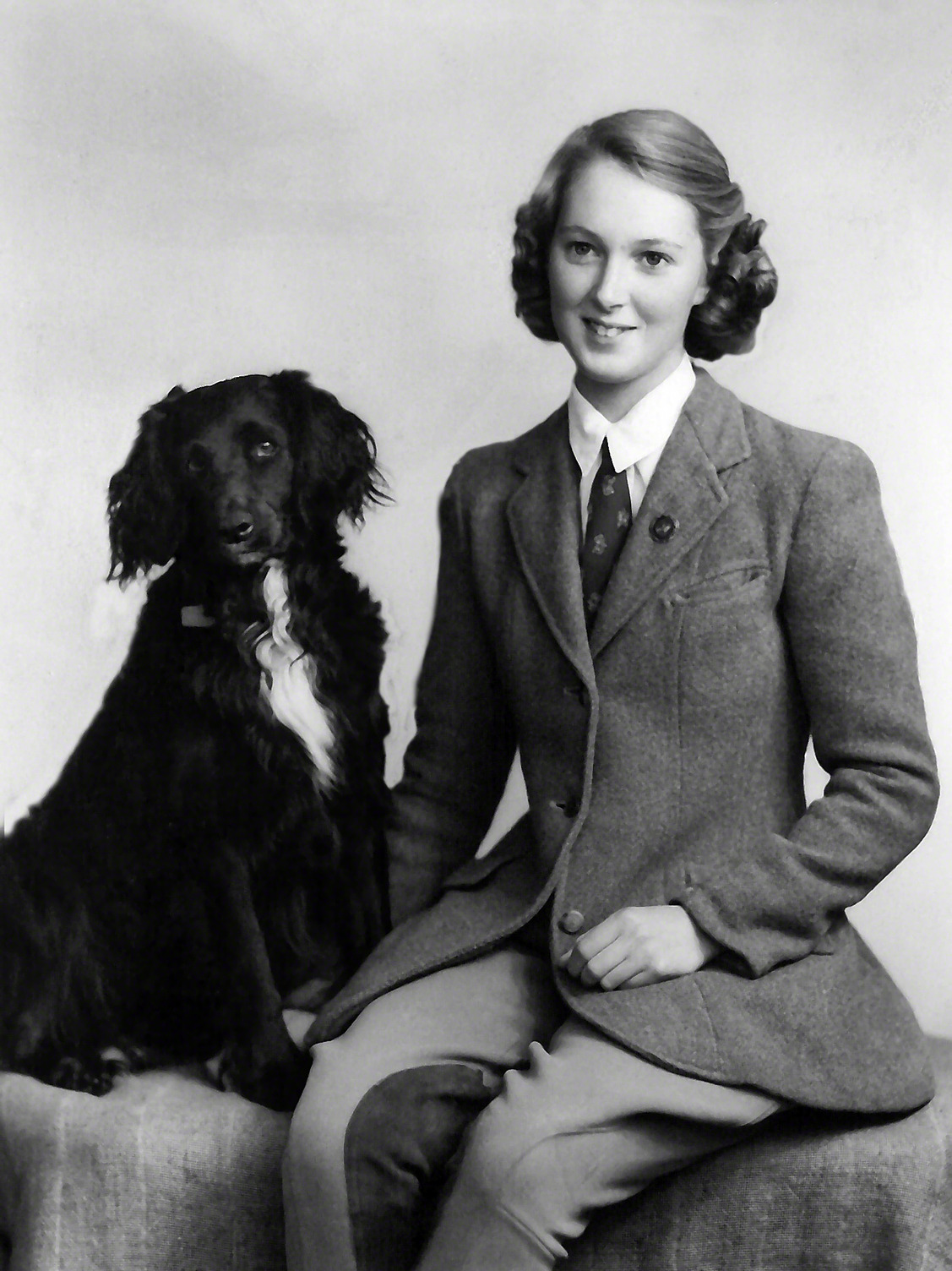
Jane Goodall with her friend Rusty. Taken in Bournemouth 1954.
Written on the back: “Jane and Rusty the Inseperables”
Her path to Africa began early. ‘When I was ten, I dreamed of going to Africa, living with animals and writing books about them,’ she told me. With little money but her mother’s unwavering support, a series of chance opportunities allowed her to follow that dream – eventually meeting the paleoanthropologist Louis Leakey in Kenya. He recognised that her lack of formal scientific training might actually be a strength: she could observe without preconception.
At Gombe, Dr. Goodall spent decades observing chimpanzees in their natural habitat, making discoveries that shook the scientific world – such as the revelation that chimps use tools. She famously defied tradition by naming the chimpanzees she studied, showing them as individuals with distinct personalities and emotions.
Dr Goodall took delicious delight in answering our Random 19 questions – and while I’m sure she’s had many more intellectual interviews, I may be the first to discover her horror at biscuit dunking: ‘I HATE the very thought of dunking ANY kind of biscuit!’
I was told, rather firmly, that after 89 years on the planet she could not possibly pick out a single best evening. She then promptly began sharing a few memories of magical times: ‘Perhaps sitting out by the Platte river at sunset, listening to the sound of thousands of sandhill cranes as they fly in, formation after formation, to roost in the river. ‘There were many ordinary, special evenings with my mother, long ago (British authorities complained that a young woman should not be living alone in the jungle, so her mother Vanne accompanied her daughter as a chaperone for four months). We would sit round a little camp fire, lit by a hurricane lamp, almost always accompanied by Terry the Toad and sometimes a genet, who became tame. I would sit and just tell Mum about what I had seen during my day in the forest. ‘Closer to home, New Year’s Eve with my family in Bournemouth was always special, when all the lower rooms were lit by only candles, waiting for midnight.’
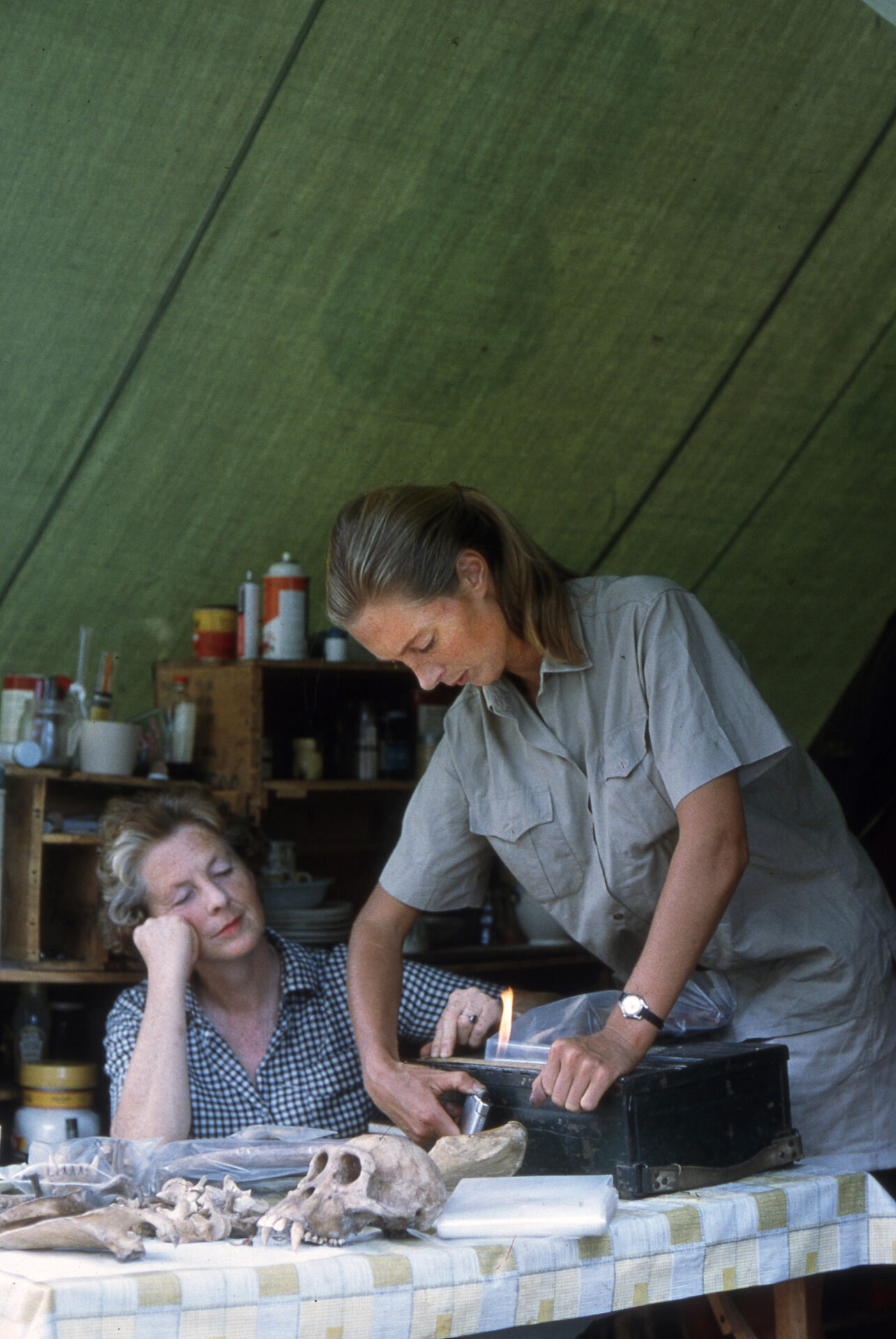
Jane Goodall and her mother Vanne sort specimens in her tent in Gombe Stream Chimpanzee Reserve.
I learned that she loved to read on her kindle – books were cumbersome for a traveller – and Lord of the Rings was her constant companion on long flights: ‘I love it because it is a completely imaginary world – yet it’s so very real. The Dark Lord is a combination of Putin, Bolsonaro and Trump. The black riders and the orcs are the CEOs of the extractive industries, animal traffickers and so on. We need to hugely increase our Fellowship of the Ring, and we all have to be prepared to join the fight to save planet earth.’
Her love for animals was also evident when she spoke about her childhood dog Rusty, who sparked her belief that animals have personalities and emotions. ‘Rusty taught me that animals have personality, reasoning power and emotions,’ she said. She had a deep fondness of ‘walking the streets in the old parts of London, Paris, Vienna, New York etc – in the NON touristy parts!’ and found secondhand curiosity shops irresistable. The sound that made her happiest? Beethoven’s Moonlight Sonata on childhood summer evenings: ‘After I’d gone to bed, I’d hear my grandmother playing the Sonata on the piano downstairs, window wide open, and the smell of roses coming through my open bedroom window. I still think of it.’
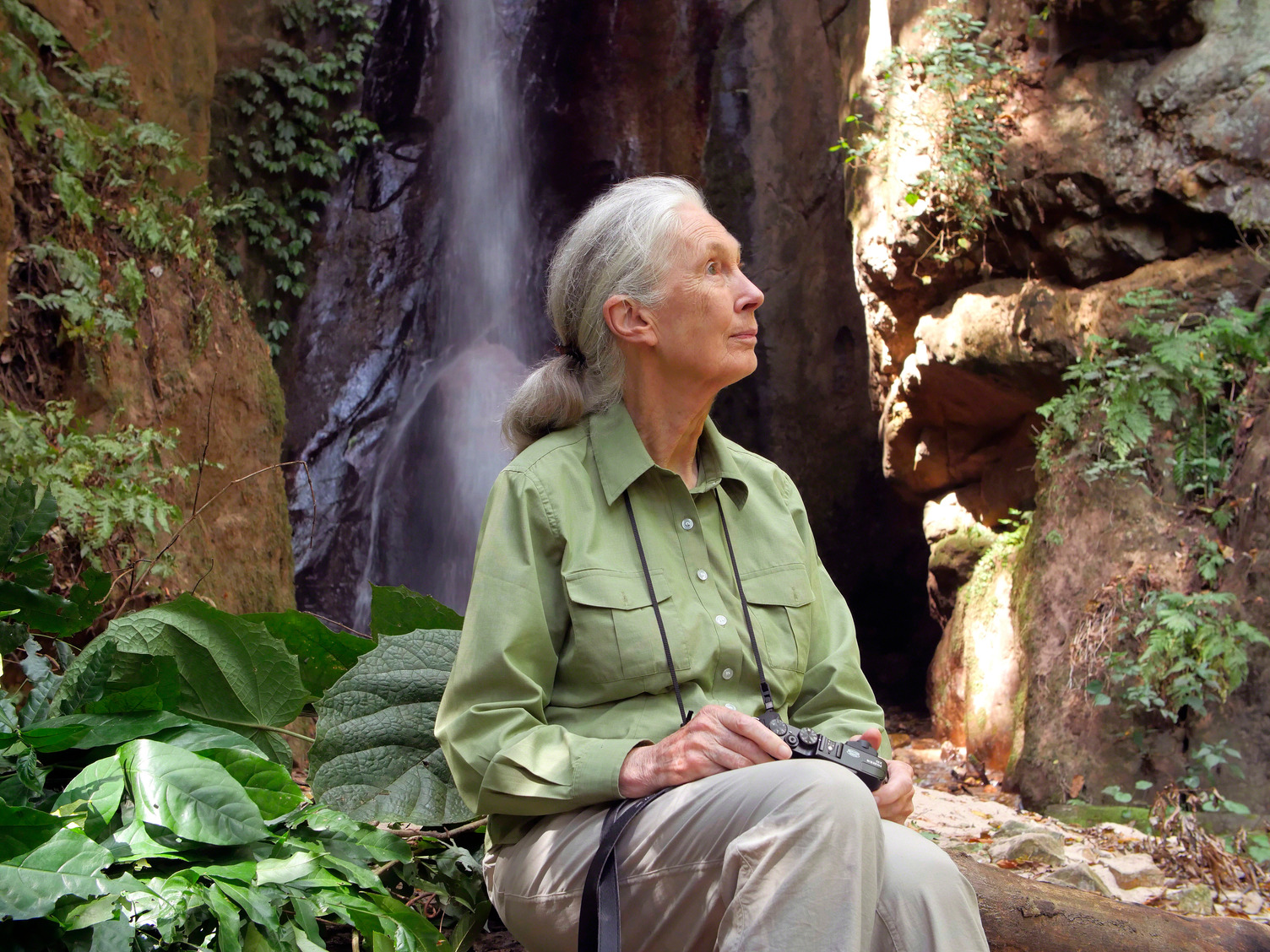
Dr. Jane Goodall beside a waterfall in Gombe National Park, Tanzania
When I asked how she would like to be remembered, she didn’t hesitate: ‘Two things, if that’s not greedy? The first is for helping to change attitudes about the true nature of animals – that they are sentient. They can feel emotions. They can feel pain. They are not just things. The second is for starting the Jane Goodall Institute’s youth programme, Roots & Shoots. It’s now in 69 countries (and growing), and involves hundreds of thousands of young people from kindergarten to university. Even adults are joining in now – there are some 1,600 groups in the UK alone.’
Dr Jane Goodall leaves behind a legacy that continues to inspire millions to act, speak up, and protect the natural world – not just for the animals, but for ourselves.
Welcome to October’s BV Puzzles page – your free online spot for a quick brain workout. Complete the interactive crossword, test your logic with a classic sudoku, or relax with our seasonal Dorset-themed jigsaw: this month we have the Moto-stunt International fire jump at Frome Agricultural & Cheese Show (and yes, we’re cheating, we know Frome’s just over the border in Wiltshire!) No logins, no printouts – just free puzzles updated every month right here on The BV. Perfect for puzzle fans across Dorset and beyond, our digital puzzles work on mobile, tablet or desktop. Enjoy a quiet moment of challenge with new puzzles published every issue of The BV magazine.
On Sunday 5th October at 3pm, St Gregory’s Church, Marnhull, will host a special concert as part of its Harvest Thanksgiving weekend. The programme will be given by the church’s own organist, Gordon Amery. Born on the Wirral, Gordon studied piano and organ as a child and became organist at Irby Methodist Church at just thirteen years old. After a long break from playing, a twist of fate brought him back to the organ in 2002 at Gillingham Methodist Church, where he went on to organise concerts to fund a major restoration of the instrument. Over the years he has arranged and performed in programmes spanning classical, folk and jazz.
Gordon Amery
Since the closure of Gillingham Methodist Church in 2023, Gordon has taken up the post at St Greg’s. His career has seen him play some of the country’s finest instruments, including those at Salisbury Cathedral, Birmingham Symphony Hall and Liverpool Anglican Cathedral, where he gave a recital in 2010. For this Harvest concert, Gordon will perform a selection of music by English composers, concluding with Percy Whitlock’s striking Plymouth Suite. Admission is free, with donations in aid of church funds welcome. Refreshments will be served after the concert. Details are available from Gordon on 07817 379006 or via the ‘Music at St Greg’s’ Facebook page.
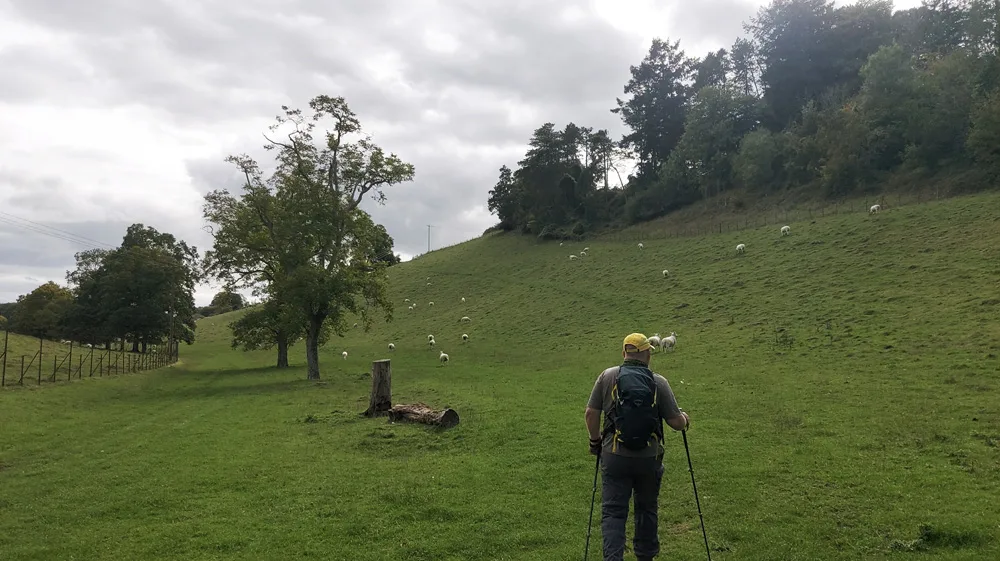
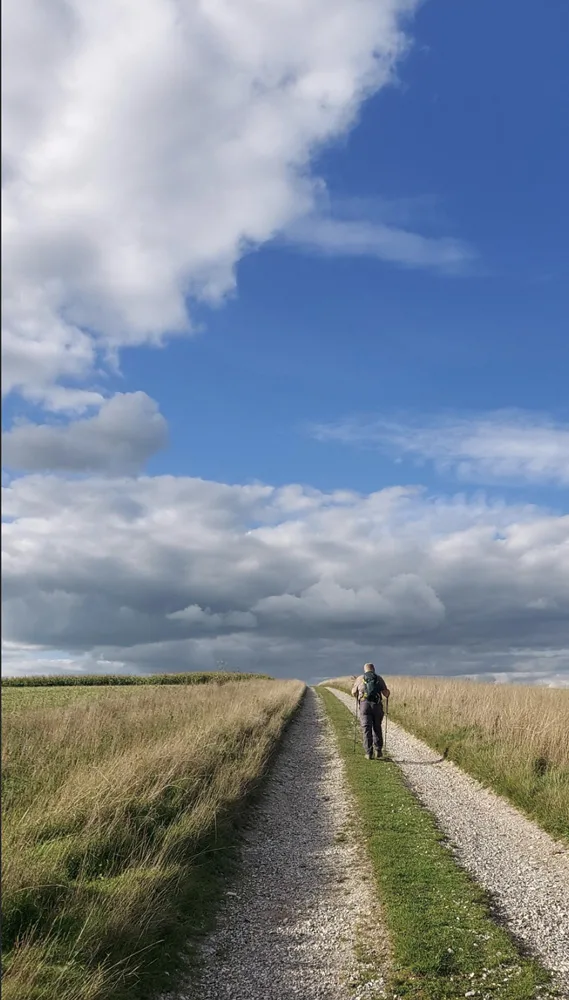
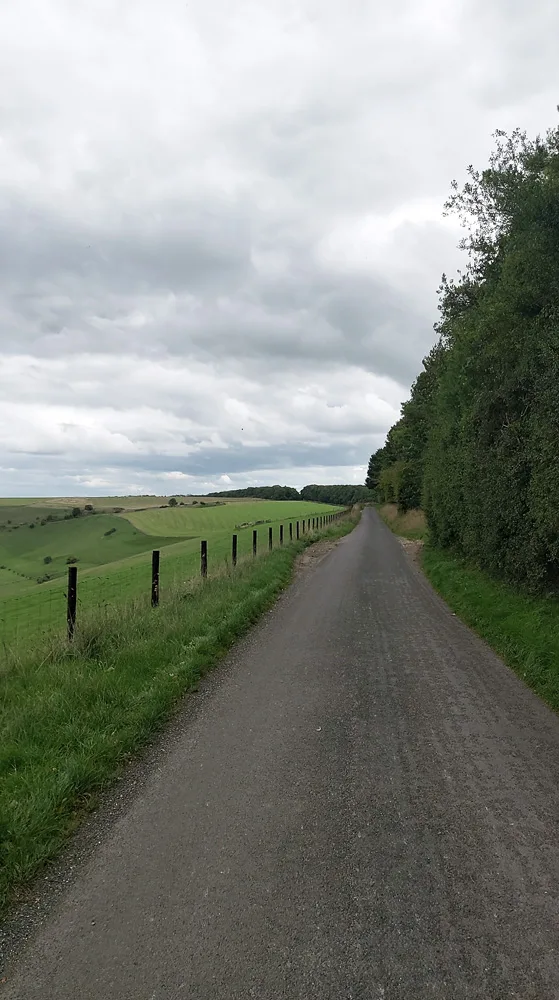
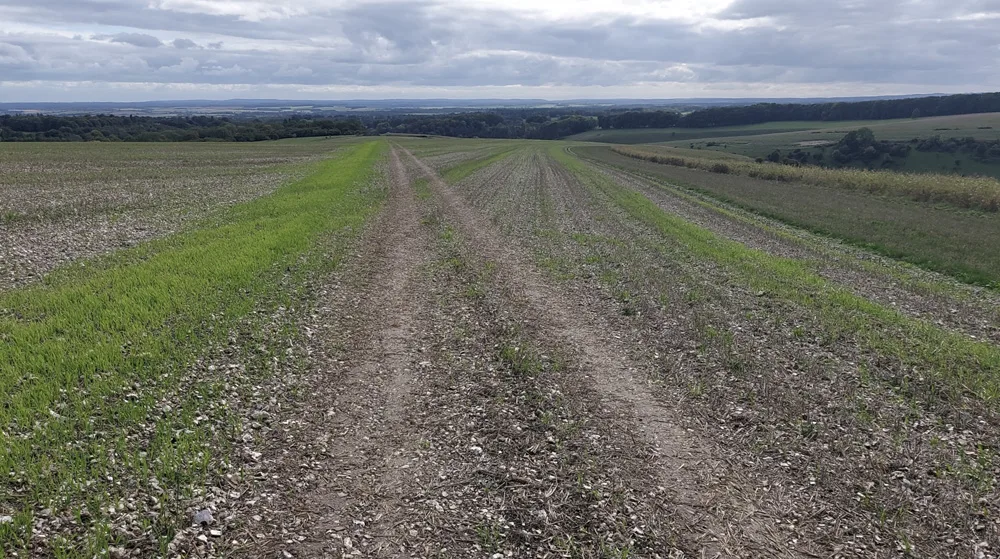
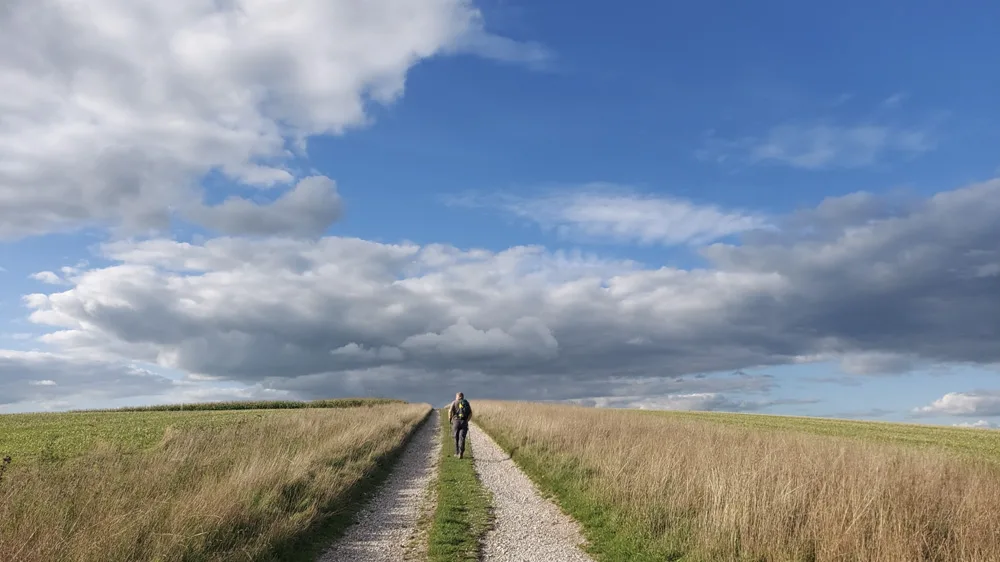
This is a lovely new variation on one of our favourite old walks – we took almost three hours to slowly enjoy what is a simple triangular route, with two miles of flat walking along the Ox Drove, followed by a gentle two-mile descent, and a steady two-mile climb back to the car. Be not afeared – the uphill section is fi-i-ine!
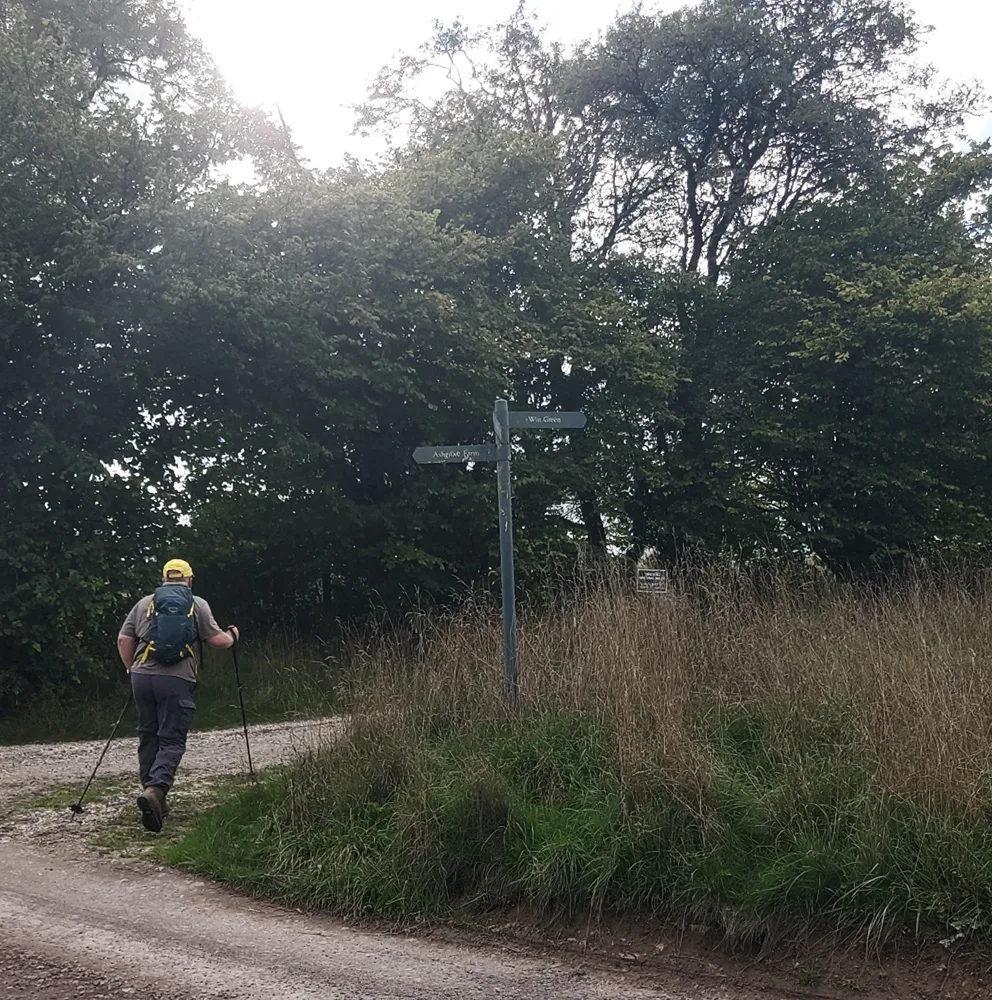
Start from the (free) parking area on Win Green. Although the route immediately follows the Ox Drove, if you’re new to Win Green we recommend detouring across the grass track over the hilltop to the trees, then joining the Ox Drove from the far side – it’s worth it for the view.
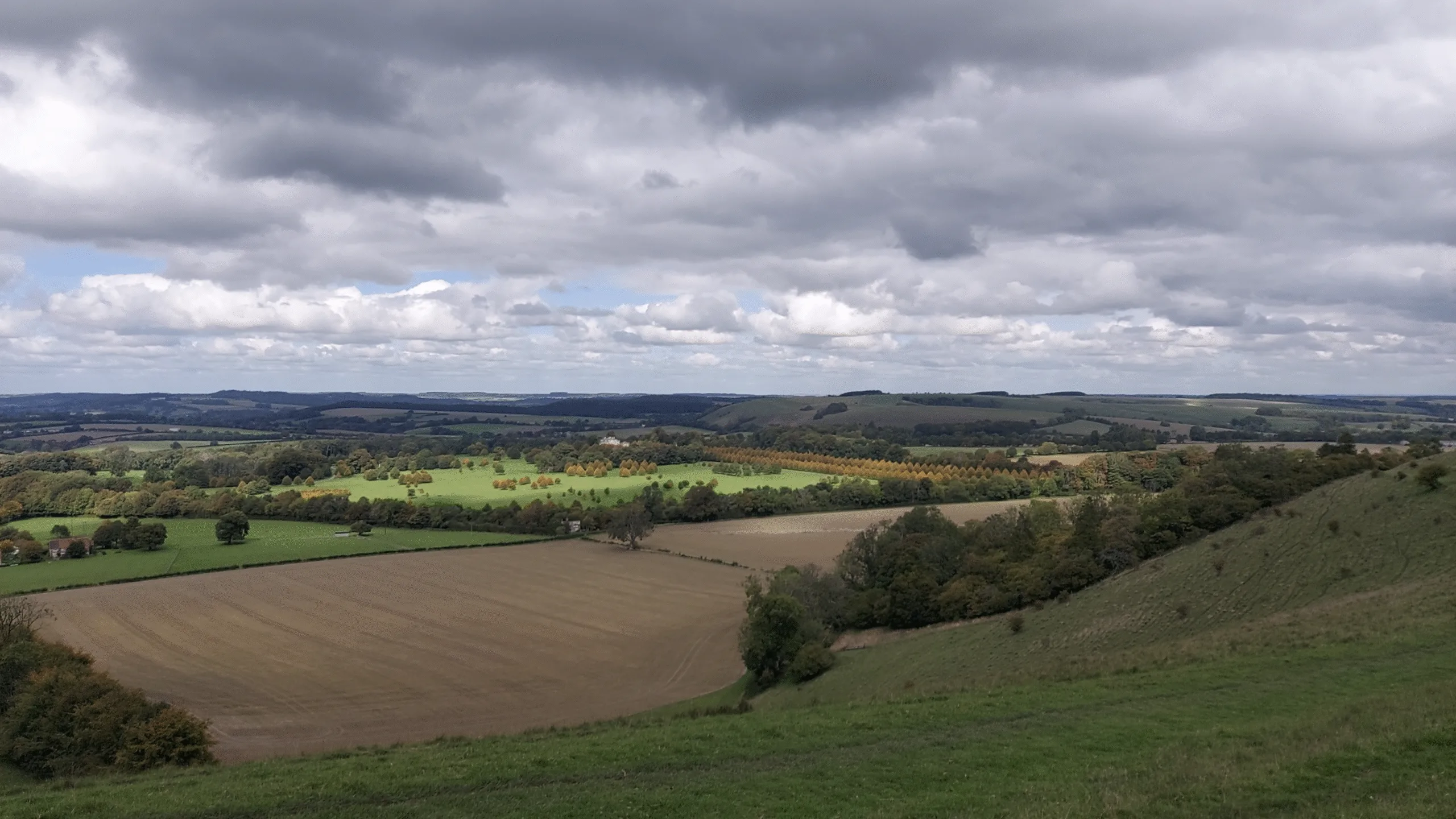
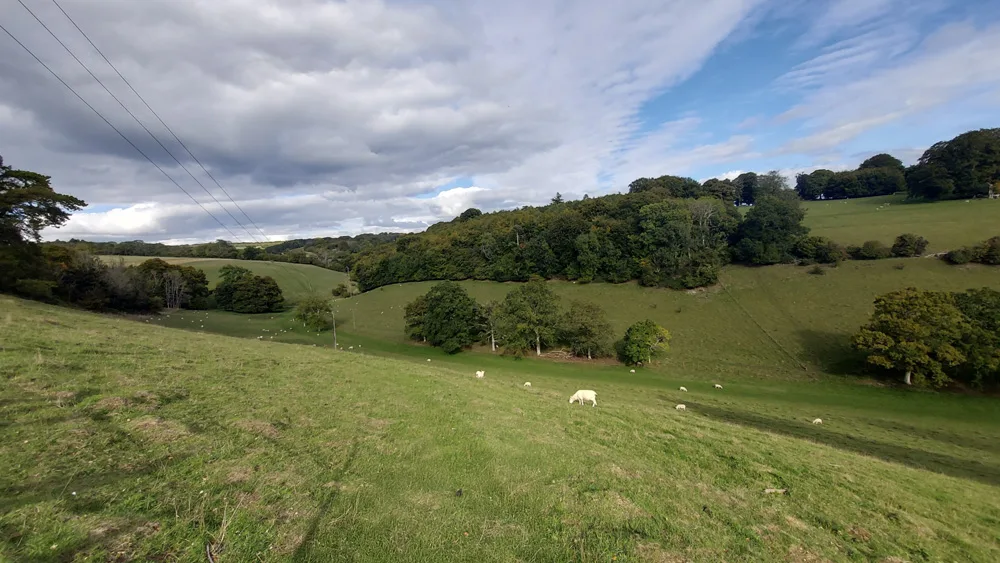
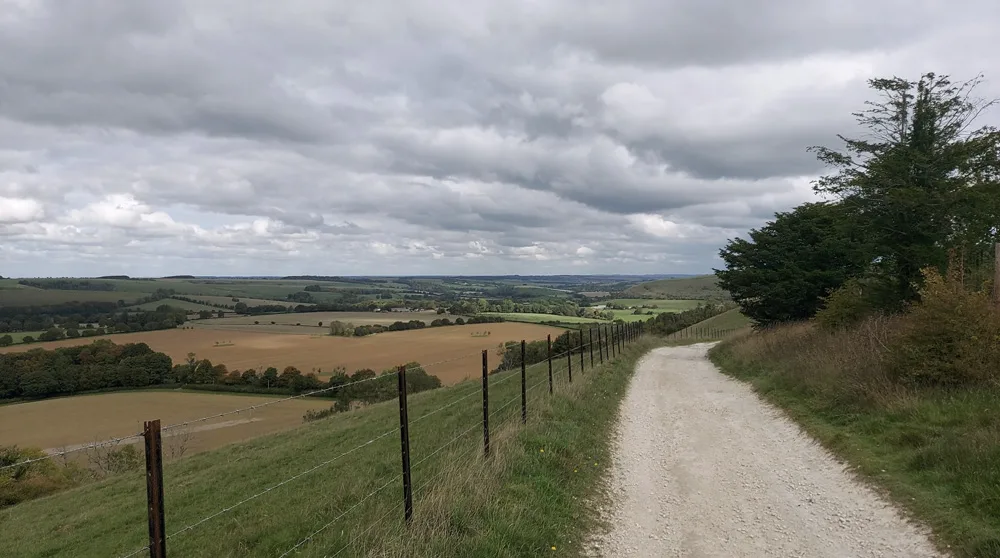
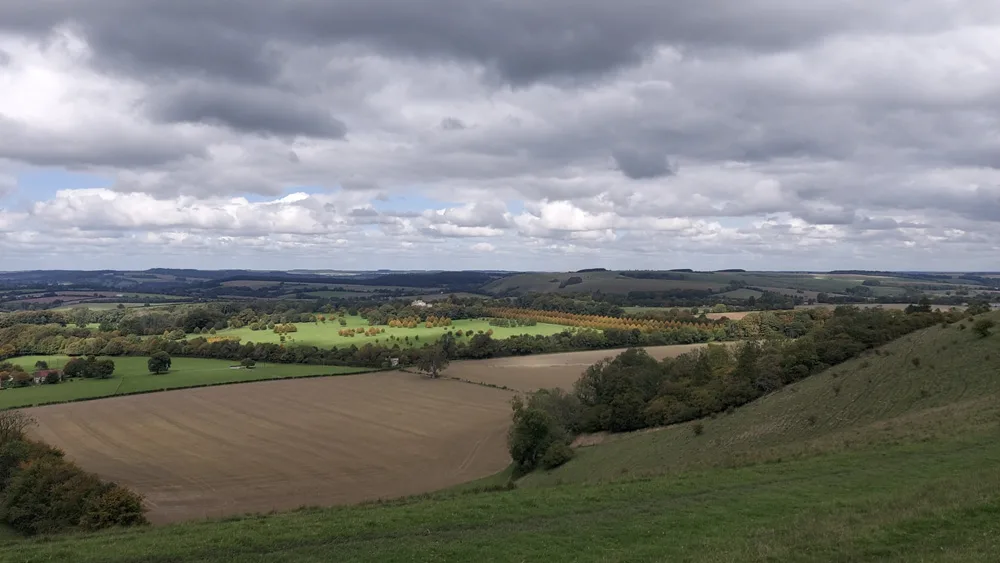
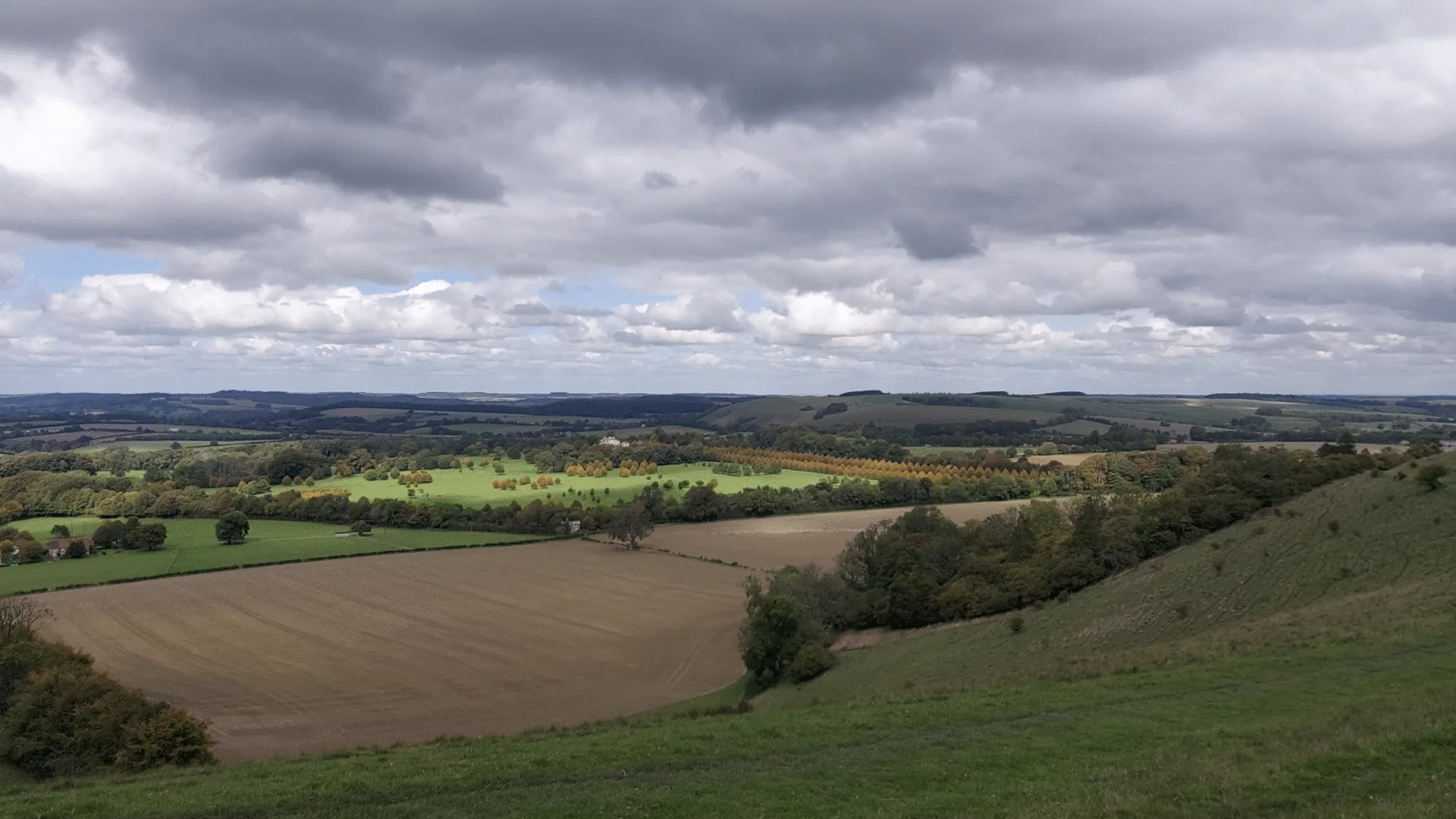
The view from the Ox Drove across Lord Rothermere’s estate, with its tree avenue lit in the sunshine
From there, simply follow the track downhill to the road, then keep going straight until your right turn.
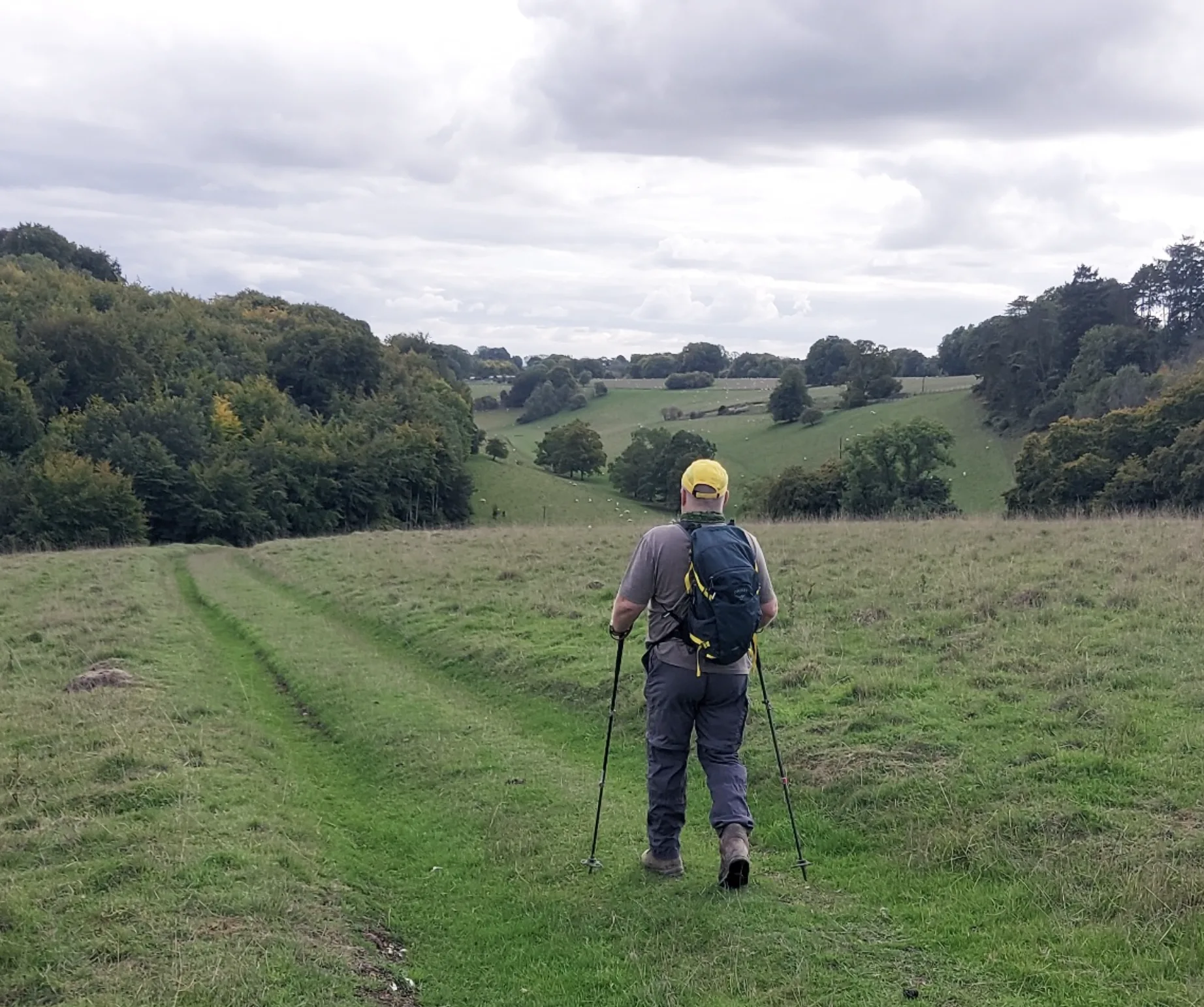
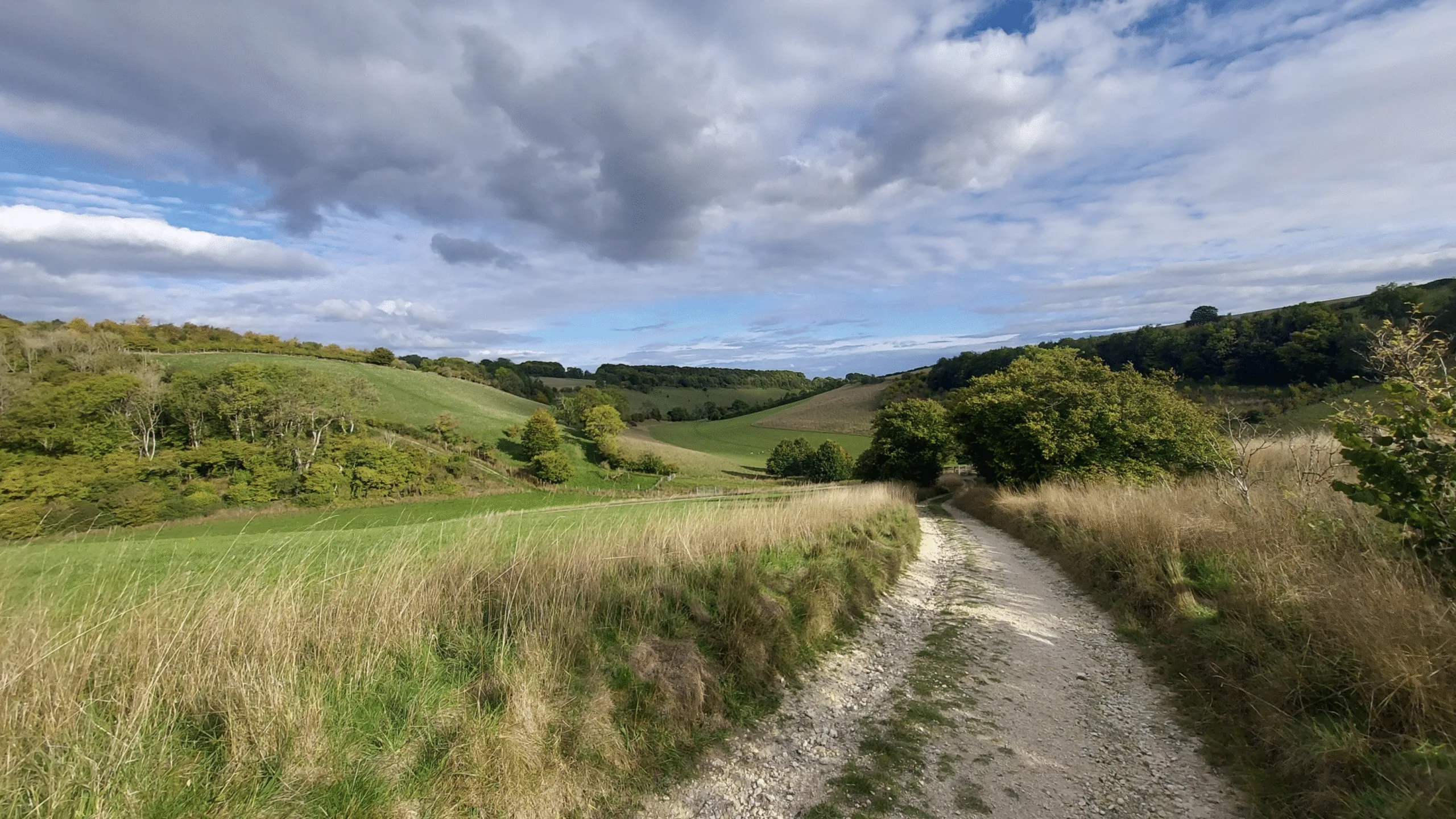
We love the long, easy descent through Rotherley Down – though be warned, there’s a short but sharp uphill near Munday’s Pond (which doesn’t ever seem to actually exist…).
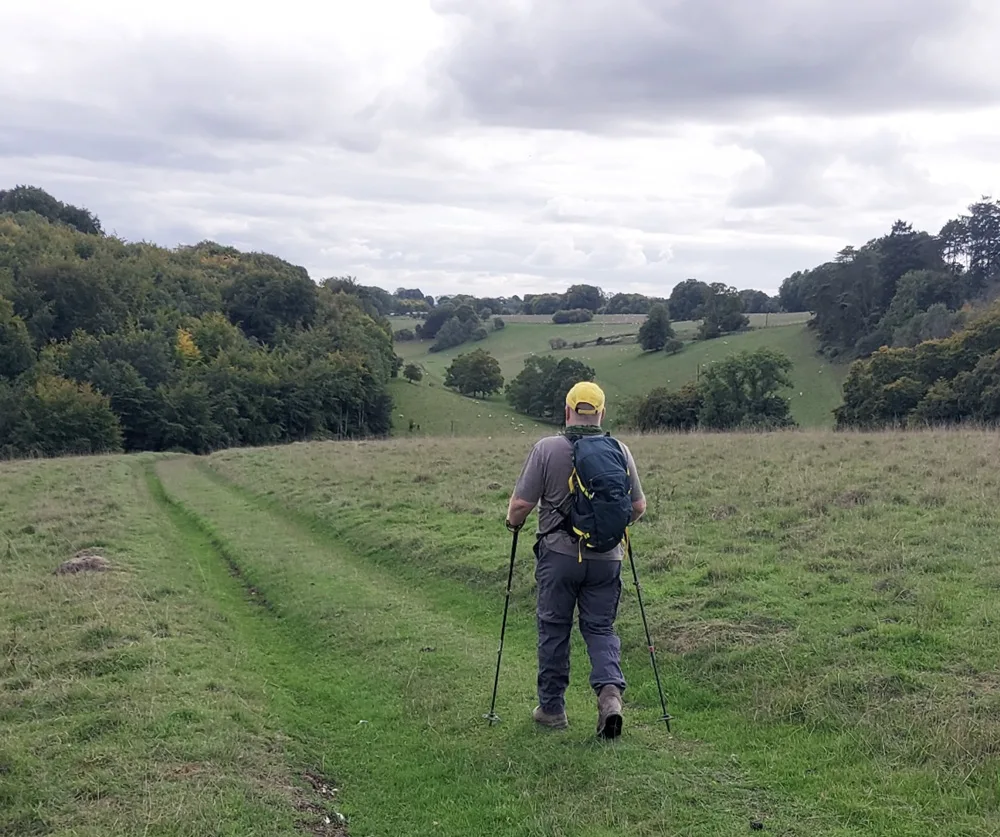
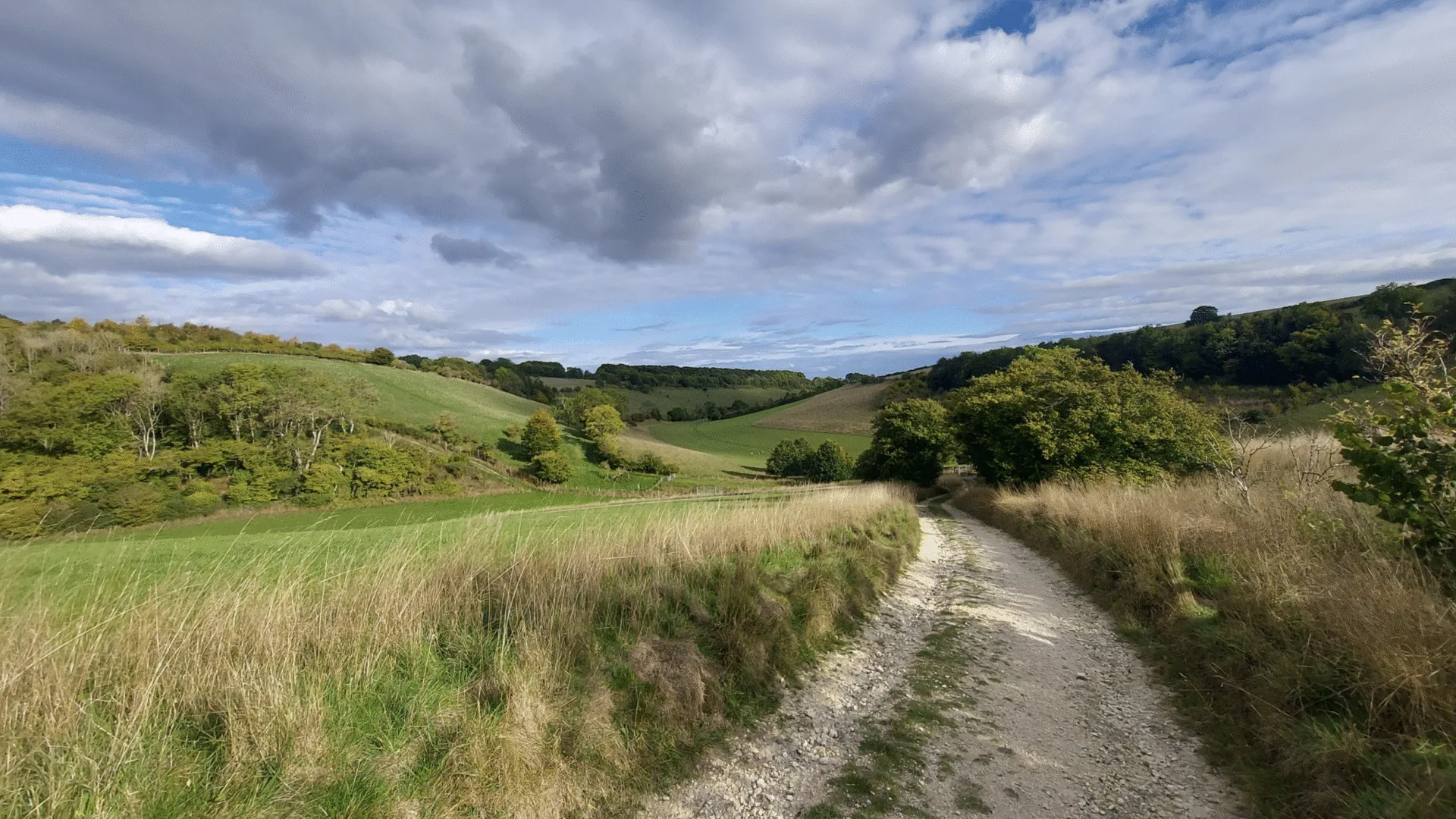
Descending Rotherley Down towards Mundays Pond
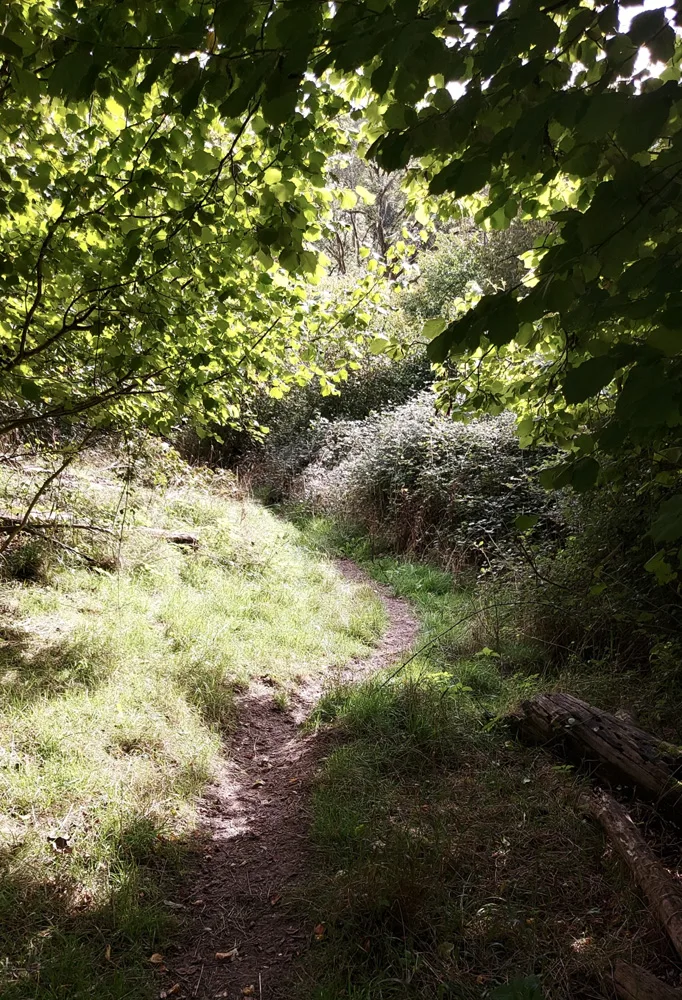
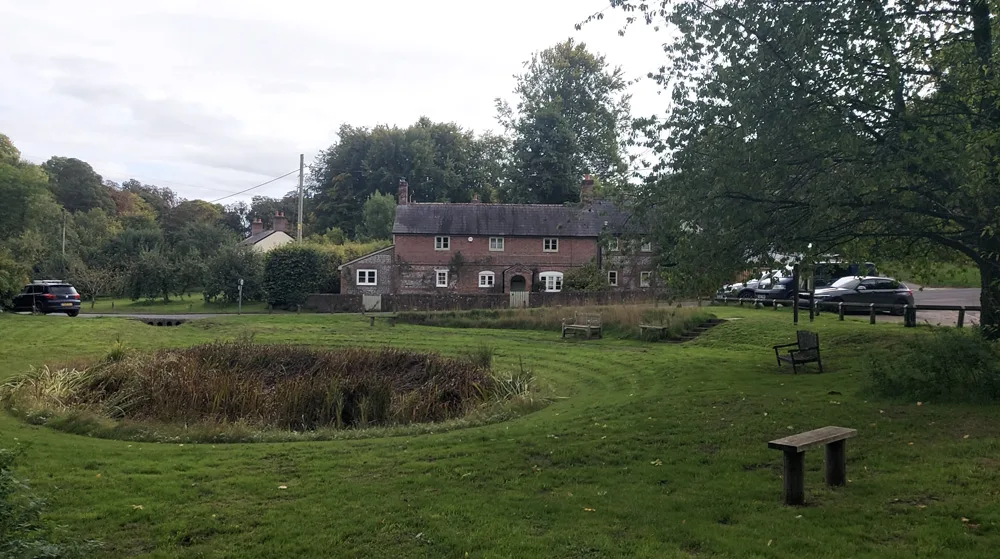
Next comes a short, winding wooded drop into Tollard Royal. If you fancy a break, you can detour left to the King John Inn for a pint – just remember, you’ve still got a two-mile climb back to the car!
Once you reach Ashcombe Bottom, don’t be tempted to follow the Wessex Ridgeway towards Guy Ritchie’s Ashcombe House – that way lies a rather long gloomy track followed by a brutal climb from Under Win Green.
Instead, bear left and begin your gentle ascent on the Hardy Way, soaking up the bright views as you saunter your way back to the car.
A government pledge to cut regulatory costs for small businesses by 25% is being met with cautious optimism from Dorset’s SME community, amid long-standing frustration over red tape and administrative delays.
Peter Gallanagh, UK CEO at Azets
The plans, part of the new ‘Backing Your Business’ strategy, include simplified licensing, modernised corporate reporting, and reduced compliance burdens. But leading advisory firm Azets – which has offices in Poole and Blandford – says the key test will be whether business owners see any real change in their day-to-day workload. ‘We’ve been here before – “cutting red tape” sounds great, but SMEs will judge it on delivery,’ said Peter Gallanagh, UK CEO at Azets. ‘That means fewer duplicative forms, faster licensing, simpler tax processes, and regulation proportionate to business size. Until owners feel it in their everyday workload, it’s just words.’ Azets, which specialises in advising SMEs, said regulation continues to erode productivity, with delays and duplication making it harder for small businesses to invest and grow. It welcomed the government’s ambition, but warned that similar pledges have been made by successive administrations without meaningful results. ‘What matters now is that these reforms translate into tangible outcomes for business – and are felt on the ground, not just written into policy papers,’ added Peter. Azets is calling for practical metrics to track progress, such as reductions in compliance hours and simplified documentation. With many Dorset SMEs still cautious about future investment, the firm said real reform could provide a much-needed boost to business confidence and economic growth across the region.
AI is changing how we work – Dorset Chamber’s Ian Girling asks if it’s cutting corners, or simply a smart tool, no different to spreadsheets or templates?
Ian Girling, CEO of Dorset Chamber
The rise of artificial intelligence in the workplace has sparked a growing debate: is using AI a form of cheating, or is it simply the next evolution of workplace tools? I speak to many people in the business community who almost feel like a fraud or have a sense of guilt when they use AI in the workplace, whether that’s creating a job description, putting a presentation together or solving a business problem. The reality is AI offers a new way to streamline tasks, boost productivity, and reduce human error. However it’s true to say the rapid adoption of AI has raised ethical questions about fairness, authenticity, and professional responsibility. On one hand, using AI can be seen as no different from relying on software, templates, or reference guides. Tools such as grammar checkers, financial modelling software, and automated scheduling systems have long been accepted as part of modern work. In this respect, AI is just another step forward, helping us save time on repetitive tasks and focus more energy on the wider creative and strategic opportunities. Many businesses actively encourage its use because it can cut costs, enhance accuracy, and drive innovation. However concerns arise when AI is used without transparency or when it replaces rather than supports human judgment. For example, if an employee submits AI-generated work and presents it entirely as their own, without oversight, some may argue this undermines trust and accountability. Similarly, relying too heavily on AI could erode essential skills, leaving individuals less capable of independent problem-solving. Ultimately, whether AI use is considered “cheating” depends on context, intent, and honesty. If employees are transparent about when and how AI is used—and if it enhances rather than replaces their contribution—it should be viewed as a legitimate tool. But if AI use is concealed, misrepresented, or used to bypass learning and effort, it risks crossing into unethical territory. In conclusion, AI is not inherently cheating. Like any tool, it is how we use it that matters. Clear workplace policies, combined with open conversations about its role, can ensure AI becomes a partner in progress rather than a shortcut that undermines integrity. So – the big question – is this written by me or AI? The truth is it’s a bit of both. AI has done all the heavy lifting and produced the bulk of the copy and I’ve made some small tweaks to personalise the tone. What would have taken me an hour has just taken me 10 minutes.
Planning battles, Saxon skeletons, public transport woes and a fox-hunting fallout – this month’s podcast covers 1,300 years of rural life, and why the next few weeks could shape the next 30.
Editor’s Letter: Not Quite Pumpkin Season Laura reflects on the month’s sudden turn from drought to downpour, the return of green fields, and feels a quiet mourning for al fresco breakfasts and picky teas. Plus, she urges attention on the Dorset Plan:
“It’s the blueprint for how Dorset looks, lives and grows for the next couple of decades – and we’ve got just a few weeks to shape it.”
Sherry Jespersen: What the Dorset Local Plan Really Means Former chair of North Dorset’s planning committee, Cllr Sherry Jespersen, joins Laura to explain why the Dorset Local Plan is not just a boring bureaucratic document – it’s the most important planning consultation in decades.
“The government gives the numbers, but it’s not Dorset Council building the houses. There’s a mismatch between ambition and reality – and it’s residents who live with the consequences.”
Sherry breaks down how planning actually works, what people get wrong on social media, and why now is the time to speak up – whether you’re worried about infrastructure, affordability, school places or transport.
Dorset Insider: Roads to Nowhere This month our anonymous parish councillor takes a razor-sharp look at Dorset Council’s Local Transport Plan – a document full of admirable goals … and almost no money:
“If you’ve ever cycled in competition with a tractor on a country lane, you’ll understand why people drive. In rural Dorset, the car is still a necessity – and public transport doesn’t cut it.”
6,000 Saxons and a Shallow Grave In Iwerne Minster, archaeologists have uncovered one of Dorset’s largest Anglo-Saxon cemeteries – 6,000 burials from a period spanning 300 years.
Courtenay Hitchcock joins lead archaeologist Richard McConnell on site, where the discoveries are helping to reveal the lives (and curious deaths) of our early Christian ancestors.
“There’s one grave where a second body was squeezed in – and they had to remove the first one’s head to make space.”
The Grumbler: Foxhounds and False History This month’s anonymous opinion piece is from a local historian who took issue with the hound parade commentary at the Gillingham & Shaftesbury Show – and its one-sided sermon on fox hunting.
“The implication was that the rural economy will collapse without hunting, and that every spectator supports it. I wasn’t convinced.”