

With frost easing and wildlife stirring, March offers gardeners a final window for planting, dividing and preparing for a busy spring
If weather allows and the soil isn’t frozen, March is a good time to prepare your flower beds or create new ones. Once the soil is workable, dig in a 5cm (or more) layer of compost or well-rotted manure, add a general-purpose fertiliser, and apply some mulch on top.
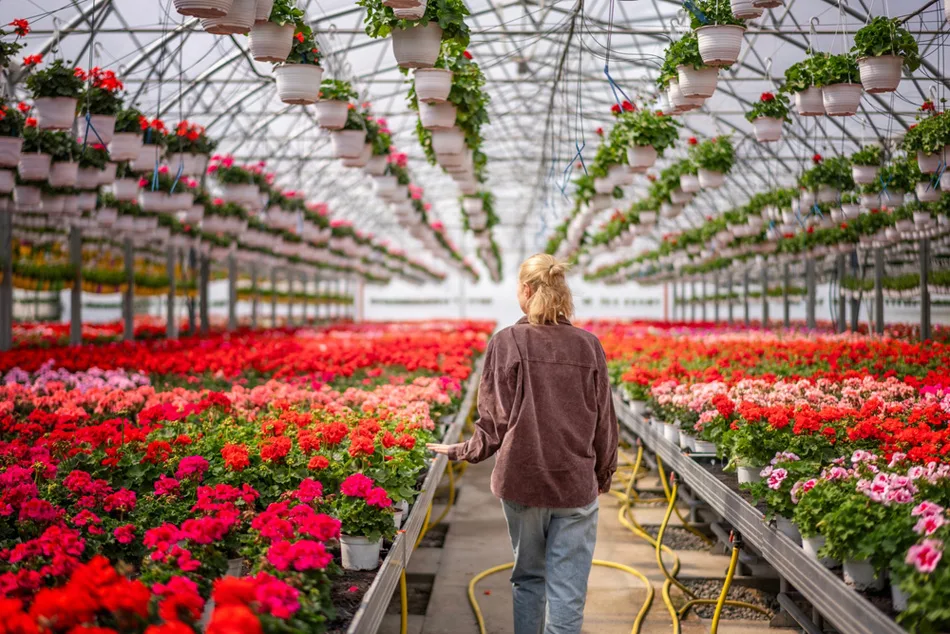
Annual flowers can be sown from March onwards: rake soil to a fine tilth on a dry day and protect the seedlings from frost with cloches or horticultural fleece. It’s always best to wait until late March before buying the year’s tender plants such as fuchsias and pelargoniums, unless you have good frost protection.
Clear the winter’s moss and algae from paths and driveways using a pressure washer or patio cleaner. Baking soda can help dry moss out, making it easier to brush away after a few days.
March is the last chance to plant bare-root trees and shrubs, and also the final time to prune bush and climbing roses. Take them back to strong stems, cutting no more than 5mm above a bud. Deadhead the daffodils as the flowers fade, but allow the foliage to die back naturally.
You can also finally deadhead last year’s hydrangea flowers before any new growth begins: cut stems back by about a third.
Slugs can’t be eradicated, but populations can be controlled. Please avoid slug pellets as they harm wildlife. Alternatives include traps (such as beer traps), barriers like sharp grit, eggshells or wool pellets, or removing slugs by hand at night.
Nematodes are another effective option, available from garden centres. They target slugs in the soil without harming other animals and provide around six weeks of protection. Keep soil moist after application for best results.
Plant summer flowering bulbs such as lilies and gladioli this month. Anemone coronaria tubers need particularly well-drained soil, so add grit to the soil when planting to ensure that drainage is sufficient and to avoid waterlogging.
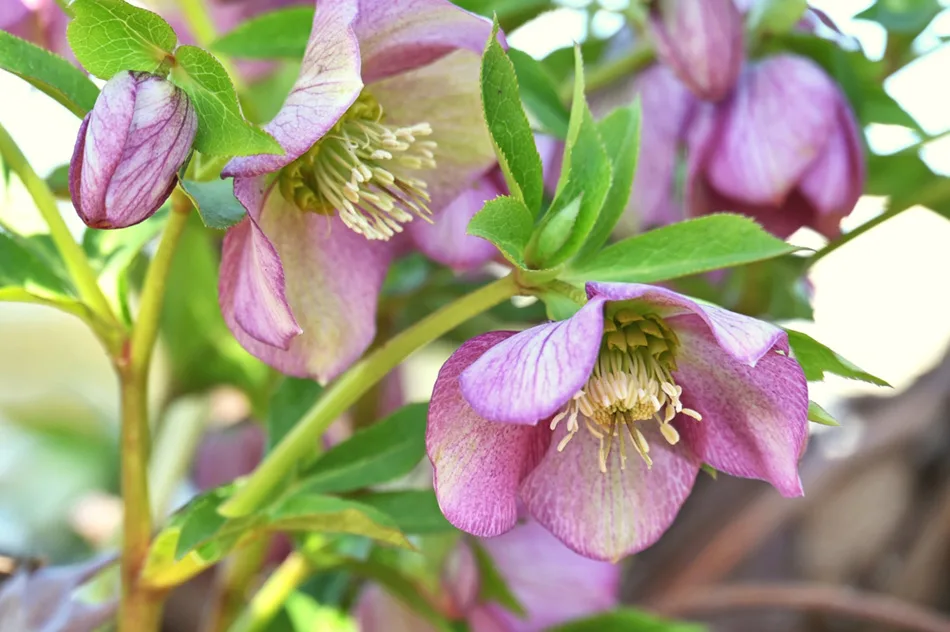
Divide your hostas this month too, before they come into leaf, and also hellebores and polyanthus-type primulas after flowering.
In the pond
March is the key month for breeding amphibians – always fun to watch for if you have even a small pond. Frogs start breeding first, laying clumps of jelly-like spawn at the pond edge, joined by toads a couple of weeks later. Finally, newts return.Shine a light into the water at night to see males performing a courtship dance to woo females. Female newts will then wrap eggs individually in leaves of marginal plants such as water forget-me-not and Veronica beccabunga (a great name that!).