

Secret civilian networks, hidden transmitters and chalk-marked raids reveal how Dorset prepared for invasion in the shadows, writes Rupert Hardy
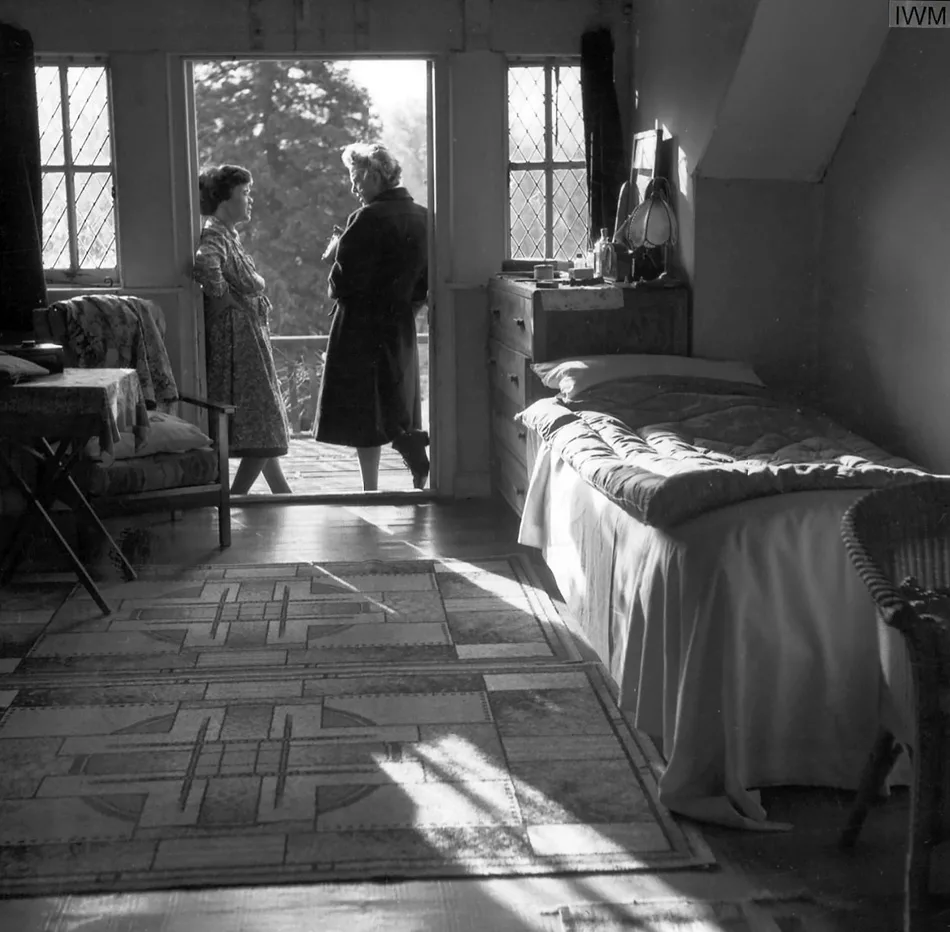
IWM (PD 426) © MINISTRY OF INFORMATION SECOND WORLD WAR OFFICIAL COLLECTION
During the Second World War, Special Duty Sections were recruited from the local civilian population to gather intelligence. Led by officers from military intelligence, the network consisted of key men and women, observers and runners. Each member was issued with a code and password, and information was passed along carefully structured chains so that individuals rarely met and could not identify the wider network.
In the event of invasion, runners would have carried reports across the front line to British forces. By 1941, however, wireless transmitters had been introduced to speed communication. Special speech-based sets were developed, which were far easier for civilians to operate. Pre-war radio amateurs were recruited into the Royal Signals to design and build the equipment, which was concealed in ingenious ways. Civilian outstation operators transmitted reports to instations manned by the Royal Signals or the ATS (the Auxiliary Territorial Service, the women’s branch of the British Army), who passed the intelligence to army headquarters.
Nearly 4,000 civilians across Britain became the ‘eyes and ears’ of the country. They reported careless talk, watched for collaborators and monitored military movements. Sections were trained to identify German officers, units and equipment. Messages were then hidden in dead letter drops – hollow tree stumps, behind telegraph pole ID plates, inside gateposts and many other locations – before being collected by runners and taken to one of around 200 secret transmitters. One such transmitter operated at Anderson Manor near Blandford.
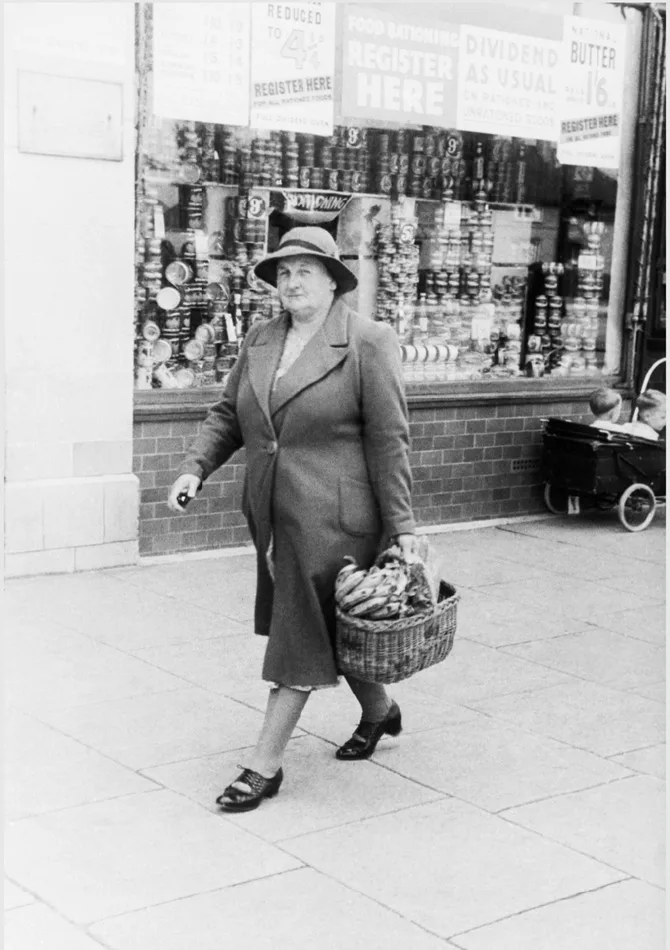
Each wireless station involved 20 to 30 people, from observers gathering intelligence to runners moving reports between drops. The compartmentalised system was designed so that if one individual was captured, the wider network would remain protected.
Unlike the Operational Patrols covered in the February issue of the BV, the Special Duties Sections included both men and women. Women were considered less likely to be stopped and searched by occupying forces. Many were widows of servicemen or wives of those serving overseas. Members were sworn to ‘everlasting secrecy’ under the motto Be like Dad – Keep Mum. They were all volunteers, and even today there is no complete list of names.
Interestingly, by the time the organisation stood down in 1944, its principal contribution had been its internal security role, eavesdropping on the loyalty of the British populace and monitoring careless talk among the troops massing for D-Day.

The Scout Sections
The Scout Sections formed an early and vital part of the Auxiliary Units structure. These were regular soldiers, each section commanded by a lieutenant, tasked with training the civilian patrols. Their origins lay in the XII Corps Observation Unit under Captain Peter Fleming, the famous writer and traveller. He had arranged for a section of Lovat Scouts to help him. Recruited from the Highlands of Scotland, they included experienced ghillies, skilled in stalking, who had also trained snipers during the First World War.
In Dorset, two Scout Sections operated, covering East and West, drawn respectively from the Dorset Regiment and the Wiltshire Regiment.
It was intended that Sections would be trained over a three-month period, after which they would in turn train the Auxiliaries. The Dorset Auxiliaries were trained at Duntish Court in Buckland Newton, and then Bingham’s Melcombe House. They had several operational bases, including one near Blandford and another at Duntish.
Lord Lovat’s No. 4 Commando, stationed in Dorset, also trained many local members. There is an interesting story told of when the Dorset and Wilts Scout Sections combined to test their new-found skills. The operation was to attack Blandford, which was defended by No. 4 Commando: the Auxiliary Units’ task was to sneak in and place big chalk crosses on strategic buildings and structures to emulate planted bombs.
Chalk marks were successfully placed under the bridge and also on the Commandos’ own HQ. The Auxiliaries were completely successful, and were considered to have effectively destroyed the town without compromising themselves or confronting the Commandos in any fighting.
Jack Blandford from the West Dorset Section explained to Lord Lovat how they were able to operate without his Commandos realising: the Auxiliaries were not only dressed in black, but they also wore black plimsolls. The sound of the Commandos’ hobnail boots gave their positions away. While Commandos were running along the road, Jack and his comrades were running alongside them in a lower ditch without them realising it!
Aftermath
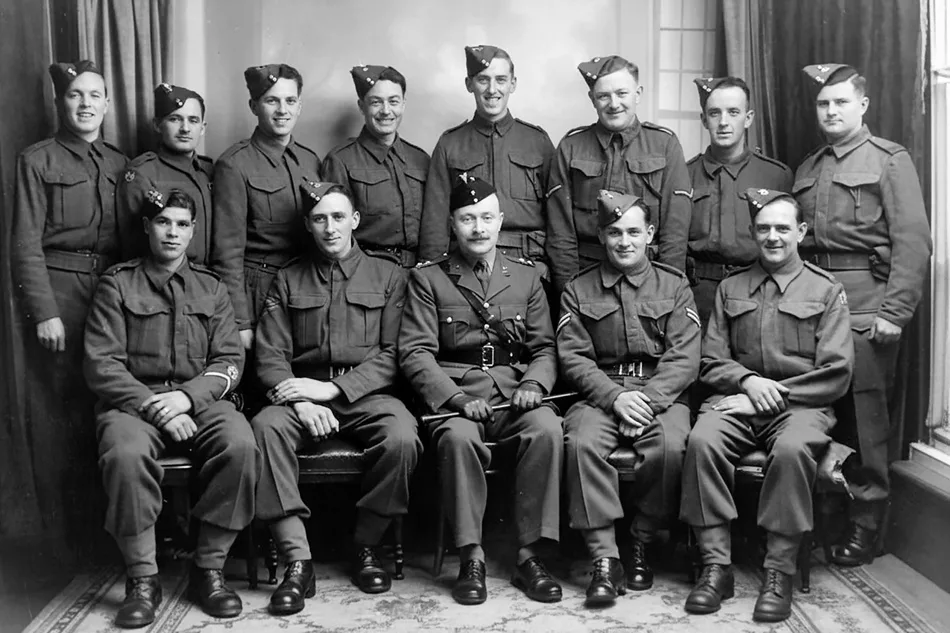
As the threat of invasion receded and Auxiliary training was completed, many Scout Section officers and men transferred to active service in Special Forces. In 1943 the two Dorset Sections were combined. The SAS in particular recruited former Scout Section members for their expertise in operating behind enemy lines.
Further information on staybehinds.com, and at the Royal Signals Museum which includes a display on the Special Duty Sections.