

Among the artefacts in the Royal Signals Museum’s new Cold War exhibition is an object that looks entirely ordinary: a British Army beret. Yet its unlikely survival tells a small but remarkable story from a little-known front of the Cold War.
The beret belonged to Brigadier (Retd) Ian Cameron-Mowat, who as a young officer served with Brixmis – the British mission responsible for gathering intelligence on Soviet forces in East Germany during the tense decades of the Cold War.
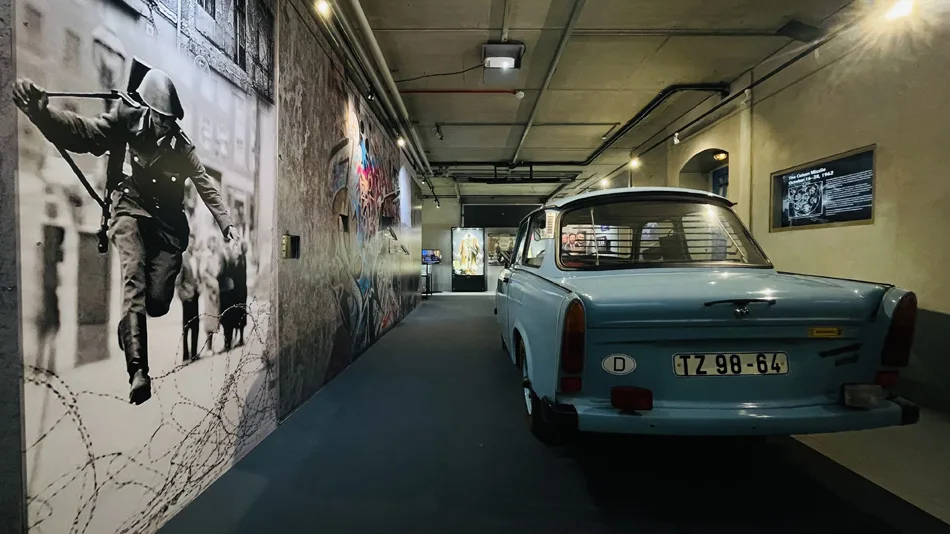
Operating in three-man patrols, often travelling cross-country in modified Mercedes vehicles, Brixmis teams observed Soviet military movements across the German Democratic Republic. The work demanded nerve, patience and a willingness to operate under constant scrutiny. Encounters with Soviet patrols were common, and the line between observation and confrontation could be thin.
Ian’s fluency in Russian made him well suited to the role. He could switch convincingly between Moscow and Leningrad accents and pass himself off as a Soviet officer if needed. “That golden thread of unconventional work stayed with me throughout my career,” he says.
One winter patrol provided a story that has now become part of the museum’s collection.
After a freezing night sleeping in the snow near a Soviet installation, Ian realised the following morning that his beret had been left behind. They backtracked 50 kilometres to retrieve it – and found it frozen solid beneath a cow pat in the field where they had slept. Thirty-six years later, that same beret – now cleaned – sits in the Royal Signals Museum.
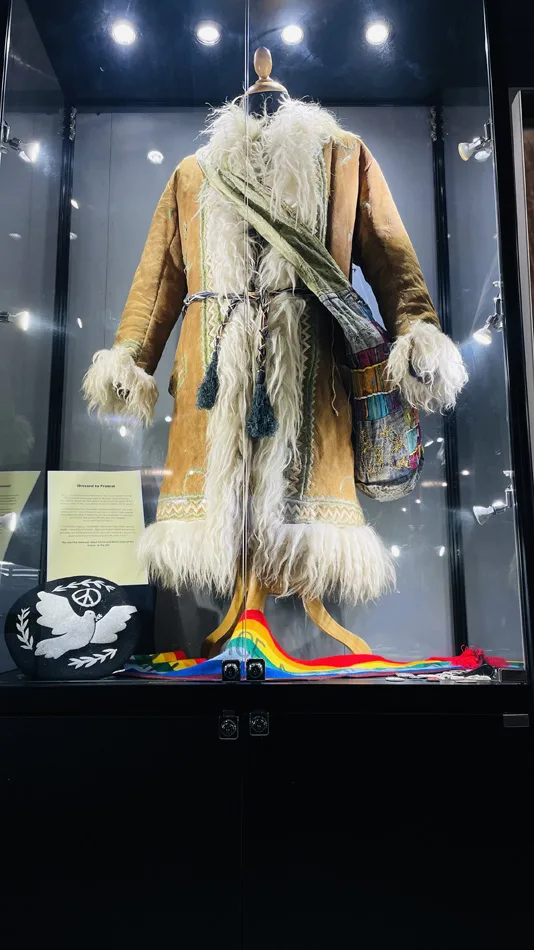
It is one of many personal stories explored in the museum’s new exhibition Cold War – in the Shadow of the Bomb, which looks at the human experiences behind one of the most tense periods in modern history. Alongside the intelligence work in East Germany, the exhibition also gives a voice to those who resisted from home. Carrie Costain and Rosemary Carcaterra were among the women who gathered at Greenham Common to protest against the presence of American cruise missiles on British soil.
‘This is the best thing I can do to protect my family,’ Carrie says she told a police officer who questioned why she was there. ‘Not staying at home making a meal, but protesting against nuclear weapons.’
The women of Greenham faced hostility, arrests and sometimes violence. But they spoke of acting from a sense of moral responsibility, clear about why they were there.
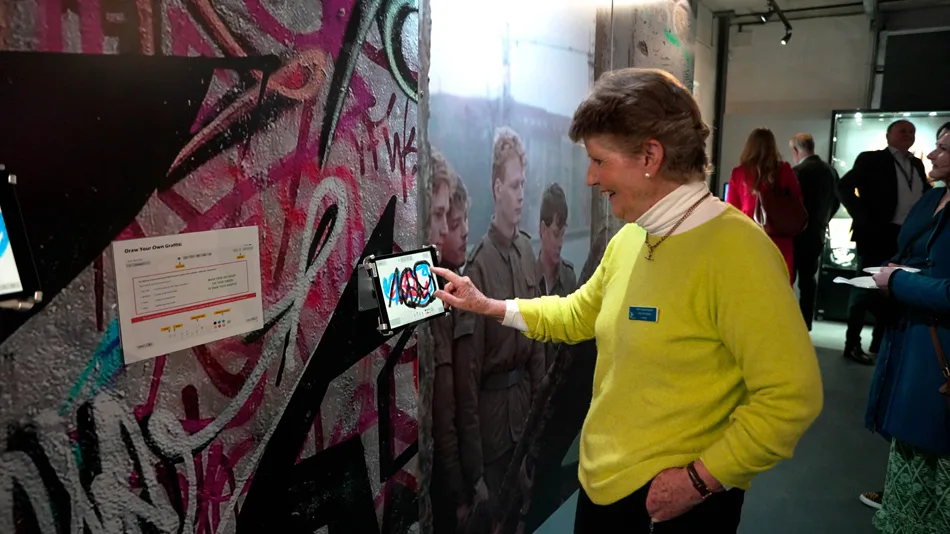
Together, they show how the Cold War was experienced not only through diplomacy and military strategy, but in the daily lives of soldiers, civilians and protesters.
Cold War – in the Shadow of the Bomb is now open at the Royal Signals Museum at Blandford Camp. Adult visitors must bring valid photo identification to access the camp.royalsignalsmuseum.co.uk