

With a third of Dorset residents now over 65, Jon Sloper argues ageing well is about connection, confidence and everyday kindnesses
There is an increasing focus on age in Dorset. Manchester’s average age is 31: Dorset’s is 51. Almost a third (30%) of our county’s residents are older than 65. I think it gives Dorset a unique opportunity to to lead the way in showing how communities can age well – together
As we age, our needs change: the balance of our dependence on each other shifts. The years pass, and some things take more effort and we lean on others a little more. Instead of being the provider of support for others, we are increasingly in need of their support. Sometimes these are transitory changes, others are long-term.
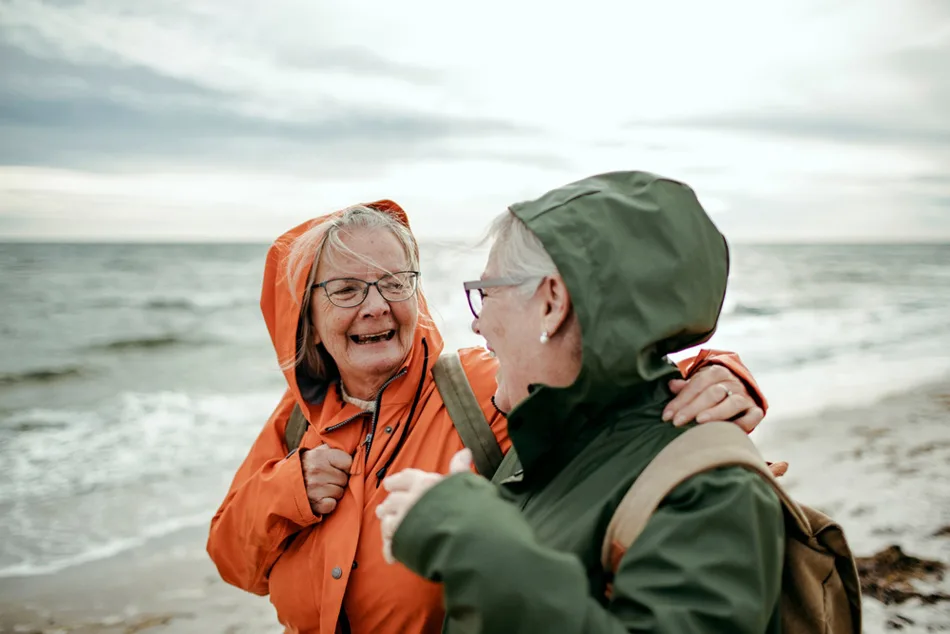
One blunt and rather tired old story is that we become increasingly dependent as we age. Words like ‘frail’ and ‘elderly’ carry cultural connotations of weakness, deficit and incapacity. I don’t think this helps – and I don’t think it is true. At Help and Kindness, I work with people of all ages, including those in their 80s and 90s, and words like weakness and deficit are the last I would use to describe them. They are as bold, fearless, compassionate, self-reliant, kind, engaged and energetic as anyone I’ve met – of any age. They live an interdependence that is as vibrant and fulfilling as anyone could imagine.
I ask them about it often: ‘What has made you who you are now?’ The answers are very human and ordinary: ‘I came from a large family, we had to learn to look after one another from a very young age.’
People often say that their values came from a grandparent or other significant adult who inspired them to look outwards, to serve others, when they were younger, and these values have lasted a lifetime.
They are honest about how life changes, and the need to be happy to receive, as well as give, support while not giving up on things.
Stoicism and gratitude feature highly. They are adults – grounded, wise and quietly practical. Being involved with other people is always mentioned: people from other walks of life and age groups. In their stories they also talk about little (and larger) things that make a difference. Some talk about the importance of their family, others talk about healthcare they’ve received, some reflect on their faith, others mention the home or community they live in. There are also things that help – from apps that make things easier to gadgets that help with hearing or mobility.
A stitch in time
The people that I’ve spoken to don’t need to be wrapped in cotton wool, ‘put out to pasture’, or shut away from society. There is often a list of small things that they need in their lives that make a big difference – a bench half-way to the shops where you can stop to catch your breath. Accessible, clean and safe public toilets. Being able to pick up a neighbour to go into town together. Having large print instructions for things. Someone to sit with the person you care for so you can get to an appointment. Someone stopping to say hello. A phone line to call, or person to speak to, for advice, rather than being expected to find things online. They talk about needing things for a little while, not forever, and things that are a ‘stitch in time’ to help them get back on their feet.
These relatively little things benefit us all and make a huge difference to everyone who finds things difficult from time to time. Whether our needs are associated with age, illness, mental health difficulties, disabilities or other challenges in life, it is the little things which can powerfully change our lives for the better.
When we think about ageing, I think we uncover so many issues that affect us all – along with opportunities that can help us all. That park bench is a great place to socialise. That large print leaflet helps any of us with sight issues. Those ‘good toilets’ are essential to help many people feel confident about visiting places away from home. That phone line or the local library can be used by anyone who isn’t either confident or able to get online.
We can see that interdependence is key. Need and support are not one-way streets. The older people I speak to are also providing support themselves, and are much needed by others – as much, if not more, than the support they receive. We recognised this when we set up Help and Kindness. Our strapline ‘Find help – give help – work together’ expresses this approach.
With so many of us living longer, Dorset has a chance to show what ageing well really looks like – communities that look out for one another, small acts of kindness that keep us connected … and a shared understanding that we all need a little help sometimes.
helpandkindness.co.uk