

Jack Clarke highlights a standout year for Dorset Wildlife Trust, with restored habitats, rising species numbers and strong public support
From the opening of our state-of-the-art wildlife observatory on Brownsea Island to a boom in dormouse numbers, here are some of the wild highlights and successes of 2025:
Species Survival Fund Success
2025 marked the final full year of our Species Survival Fund project, which concludes in February 2026. Launched in March 2024, the project is supported by the Government’s Species Survival Fund to restore and create over 500 hectares of habitat across 18 sites in Dorset.
Thanks to the dedication of our staff, volunteers and partner landowners, we have so far:
- rewilded 356ha of degraded grassland and arable land
- restored 96ha of meadows, downland and heathland
- enhanced 37ha of wetland habitat
- restored 1.6km of river and 12 ponds
- created or maintained 2,100m of hedgerow.
More than 3,600 volunteer hours helped make this possible. This work has already benefited species such as hazel dormice, dingy mocha moths, great crested newts, Sandwich terns and heath tiger beetles.
Record spoonbill numbers
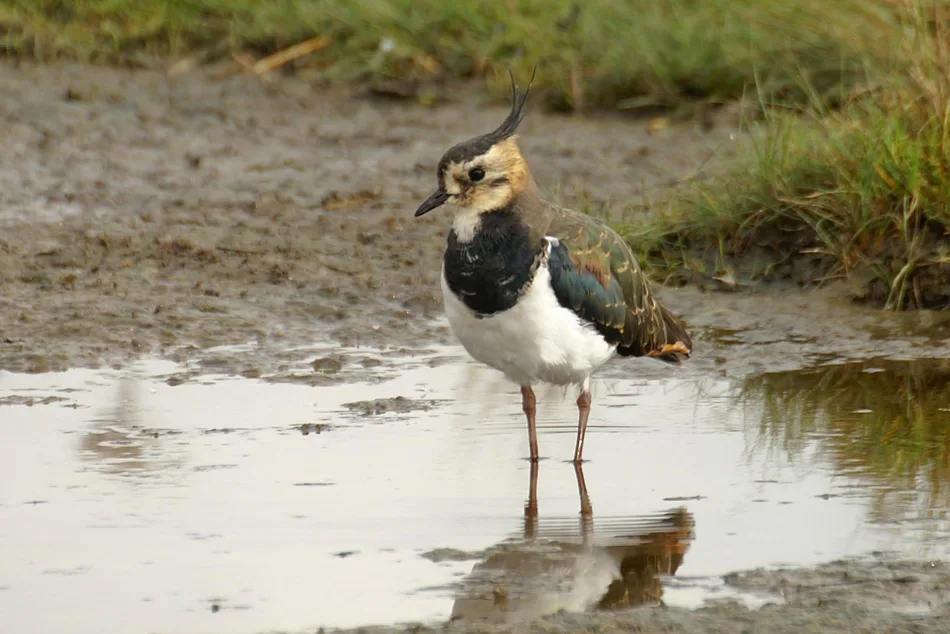
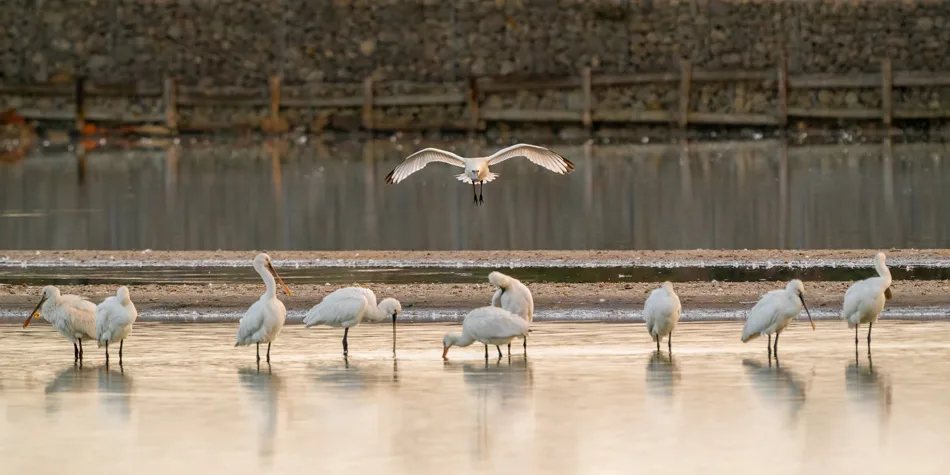
Brownsea Lagoon is a vital feeding and roosting site for birds throughout the year, but autumn 2025 delivered something extraordinary: record-breaking spoonbill numbers.
While it was once exciting to see 10 to 20 spoonbills, on 30th September we counted an incredible 115 – the highest ever recorded for Brownsea, Poole Harbour and Dorset.
The opening of The Lookout
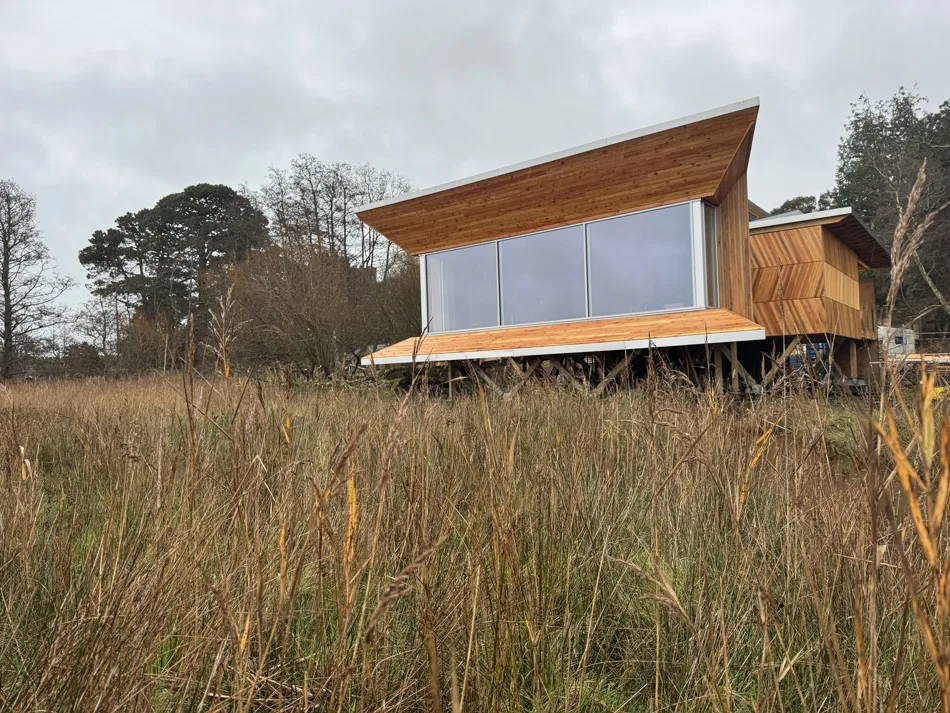
In March we unveiled The Fine Foundation Lookout, a new wildlife observatory offering panoramic views across Brownsea Lagoon. Reached by boardwalks to minimise disturbance, The Lookout forms part of our Wild Brownsea project with the National Trust, supported by the National Lottery Heritage Fund and our members.
Since opening, The Lookout has helped visitors discover Brownsea’s wildlife in new ways and deepened public understanding of the lagoon’s importance for wetland birds. Brownsea Island is closed over winter for habitat management, but the observatory will reopen in spring 2026.
Water for Wildlife target reached
Our Water for Wildlife appeal, launched in September, has surpassed its £30,000 target thanks to our members and supporters. These generous donations will help us create and restore wetland habitats, strengthen ecosystems and support species such as lapwing, water voles and great crested newts – a powerful demonstration of what supporters can achieve together.
© Daphne Wuenn
Dormice thriving at Powerstock Common
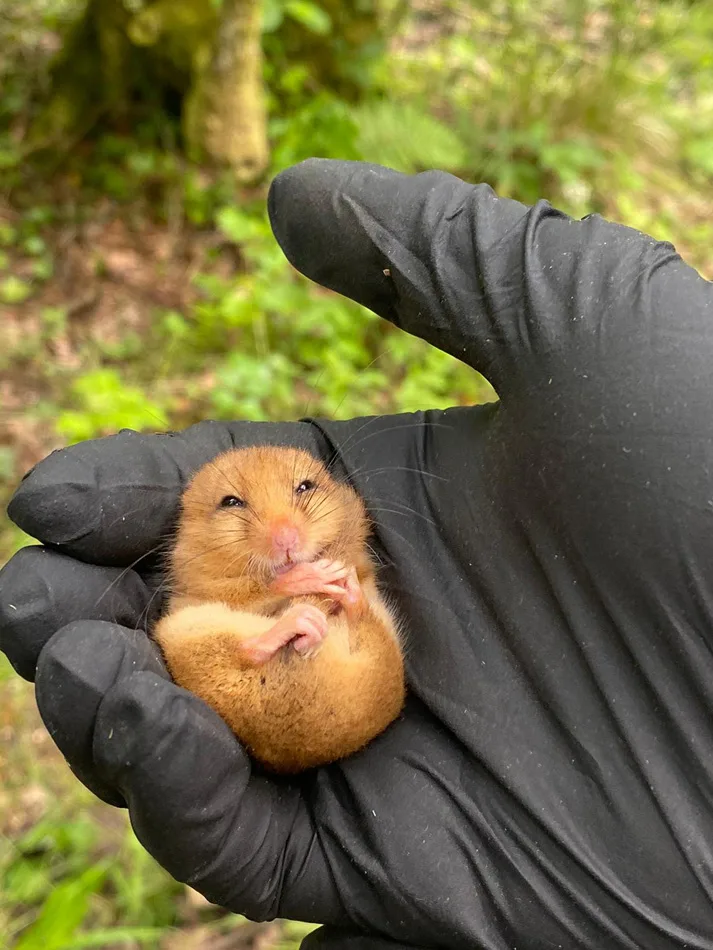
One of the year’s most uplifting findings came from Powerstock Common, where our ecology team recorded nearly 50 dormice in monitoring boxes. They included late season breeding females, suggesting a strong breeding year locally, likely due to the warm summer.
Nationally dormice have declined by 70 per cent since 2000, highlighting the importance of continued habitat management and monitoring.
Visit dorsetwildlifetrust.org.uk to learn more about these projects and campaigns, and to see what Dorset Wildlife Trust has planned for the coming year.