

There are counties in England with a food reputation that precedes them: Yorkshire for its puddings, Cornwall for its pasties, Kent for its orchards. Dorset has long sat in that company without always receiving the same level of national recognition. That is beginning to change. What was once understood locally as a matter of quiet pride is now drawing attention well beyond county borders, and the reasons are rooted in something more substantial than trend.
The combination of landscape, farming tradition, independent producers, and a culture that genuinely values provenance has positioned Dorset as one of the most interesting food counties in England. Not in a fashionable, fleeting sense, but in the way that takes generations to build.
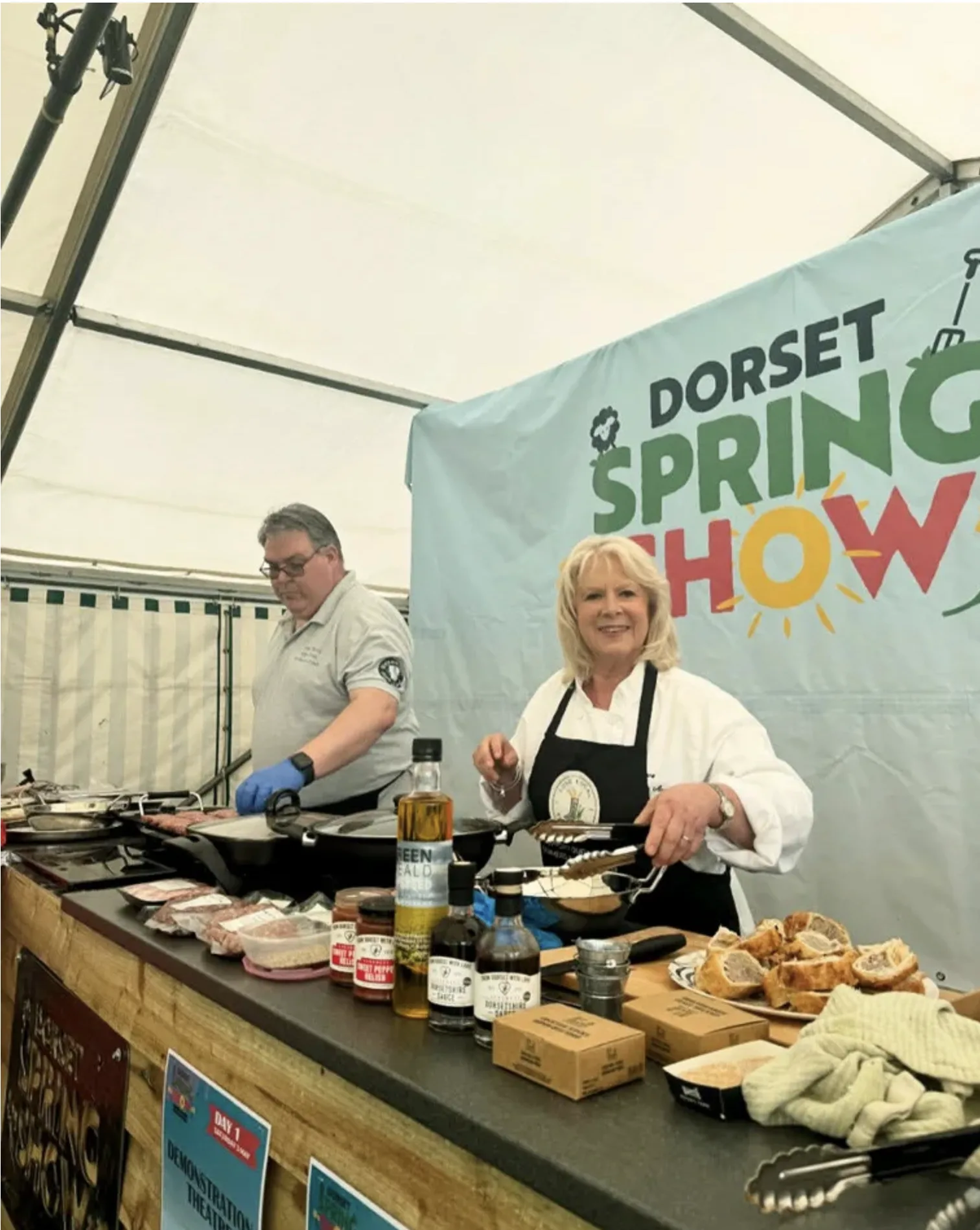
The Awards That Make the Case
External recognition has a way of confirming what locals have known for years. In 2024, Dorset producers secured 53 Great Taste Awards, the food and drink industry’s most respected independent accolade, including four of the coveted three-star awards, which are given only to products judges describe as extraordinary. The full results were reported by Dorset Biz News, covering a haul that spanned everything from artisan dairy to small-batch drinks producers.
Fifty-three awards from a single county, in a competition drawing nearly 14,000 entries from 115 countries, is not an accident. It reflects a density of serious producers working at a high level, many of them operating from small farms and kitchens that have been refining their craft for years without needing outside validation to keep going.
Land That Does the Work
Dorset’s food quality starts with its geography. The county sits in a part of southern England where varied soils, a mild climate, and a landscape that shifts from chalk downland to rich clay vales creates conditions suited to a wide range of produce. The Blackmore Vale itself, with its heavy, fertile pasture, has long been some of the best dairy country in England. The Jurassic Coast fringes bring their own character to fishing and coastal food traditions.
What this means practically is that Dorset producers are not fighting their environment. They are working with land and conditions that have supported quality food for centuries, and the best of them understand that intimately. The cider orchards, the cheese dairies, the vegetable growers working in market garden traditions that predate supermarkets by hundreds of years; all of it draws from the same source.
The Producers Who Define It
What distinguishes Dorset’s food culture from mere local cheerleading is the calibre of individual producers who have built genuinely respected names. The county’s cheese makers alone would put many regions to shame. Dorset Blue Vinny, with its protected designation of origin status, is the most historically rooted, but it sits alongside a newer generation of artisan creameries producing cheeses that compete seriously at national level.
The drinks scene has followed a similar arc. Dorset’s cider tradition runs deep; the Blackmore Vale was a prolific cider-producing region as far back as the 1700s. That heritage has been picked up by a new wave of producers who are applying craft methods to apple varieties grown locally and pressing in small batches. The result is a cider culture with genuine depth, a long way from anything mass-produced.
Add to that the county’s growing reputation for wine, its independent breweries, its smoked and cured meats, and its coastal seafood, and the picture becomes harder to reduce to a single category. Dorset’s food identity is plural by nature.
Baking and the Slower Traditions
Alongside the producers attracting wider attention, there is a quieter but equally important strand of Dorset food culture rooted in home baking and the kind of recipes that travel through families rather than food magazines. Tea breads, fruit loaves, and simple bakes using local butter and eggs have never gone out of fashion here, partly because the quality of the base ingredients has always made them worth making.
That tradition has a practical simplicity to it that feels very Dorset. A proper tea loaf made with good local butter, steeped dried fruit and a slow bake is not a complicated thing, but done well it is difficult to improve on. These are recipes that reward patience and decent ingredients rather than technique, which is exactly what a county with Dorset’s larder lends itself to.
Food, Evenings and How Rural Life Has Changed
One of the more interesting shifts in rural Dorset life over the past decade is how adults spend their evenings. The county’s village pubs and independent restaurants remain central to its social fabric, but the reality for many is that a long working day, combined with distances that make casual going-out less straightforward than it is in cities, means that home-based entertainment has grown in importance.
The online leisure market has expanded considerably to meet that. One area that has seen consistent growth among UK adults is interactive online entertainment, particularly formats that offer something more social than passive streaming. For those who enjoy a flutter, the range of newly available casino sites for UK users has grown notably, with new platforms entering a well-regulated UK market and offering live, hosted formats that hold attention in a way that older, automated versions never quite managed.
Why Provenance Still Matters Here
In many parts of England, the conversation about local food has become somewhat abstract; a marketing angle rather than a lived reality. In Dorset, provenance still means something more grounded. Farmers markets in Sturminster Newton, Shaftesbury, and Sherborne draw genuine producers rather than repackagers. Farm shops with direct connections to the land they sit on remain a regular part of how people shop. The supply chain between field and table is, in many cases, still short enough to be visible.
That is not nostalgia. It is a practical food culture that has been maintained because enough people in the county still value it, and because the producers who built it have passed on both their knowledge and their standards. The result is a county where the food genuinely reflects where it comes from, which is rarer than it should be.
Dorset’s food reputation did not arrive through a single moment or a well-funded campaign. It accumulated through the work of producers, farmers, bakers, and cider makers who were more interested in getting things right than in getting attention. The attention, it turns out, followed anyway.