

Few indicators are as revealing as insects. After decades observing them, DWT’s Hamish Murray has a sober assessment of Dorset’s natural balance
All images: Hamish Murray
For more than 45 years, I’ve watched Dorset’s wildlife on an almost daily basis. And I have observed significant changes, especially in insect populations. They are useful barometers of environmental change, as populations respond rapidly to changes in land management, climate, development and other factors. The dramatic decrease in insect abundance is well documented – a car journey through the countryside no longer results in a fly-splattered windscreen, and long gone are the days when a single hogweed flower hosted a dozen different hoverflies.
However, while many species have become scarce or disappeared, the new millennium has also brought additions to Dorset’s insect fauna: dragonflies like the Norfolk hawker, small red-eyed damselfly and the southern migrant hawker. Forty years ago, I was delighted to find a rare long-winged conehead … nowadays they are one of Dorset’s most abundant bush-crickets. Similarly, Roesel’s bush-cricket and lesser marsh grasshopper have spread dramatically across the county and the southern oak bush-cricket, first recorded in 2001, is now well established in woodlands.
Sadly, the ticking ‘song’ of the common green grasshopper is a less frequent sound, and the loud, summer evening chorus of great green bush-crickets has diminished in recent years.
The planting of exotic trees and shrubs in gardens and the wider landscape have allowed many associated insects to colonise the county.
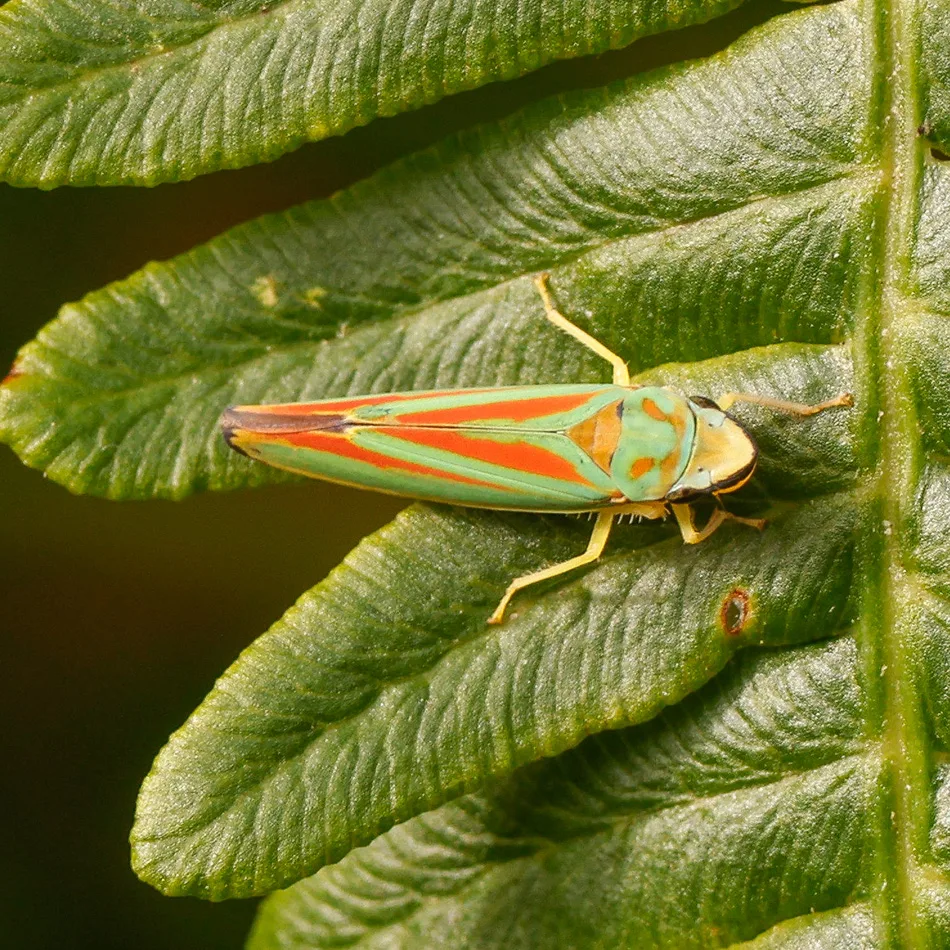
The colourful rhododendron leafhopper thrives on its eponymous food plant, while tamarisk now hosts several recently-arrived bugs, including the tamarisk leafhopper and the tiny Tuponia mixticolor.
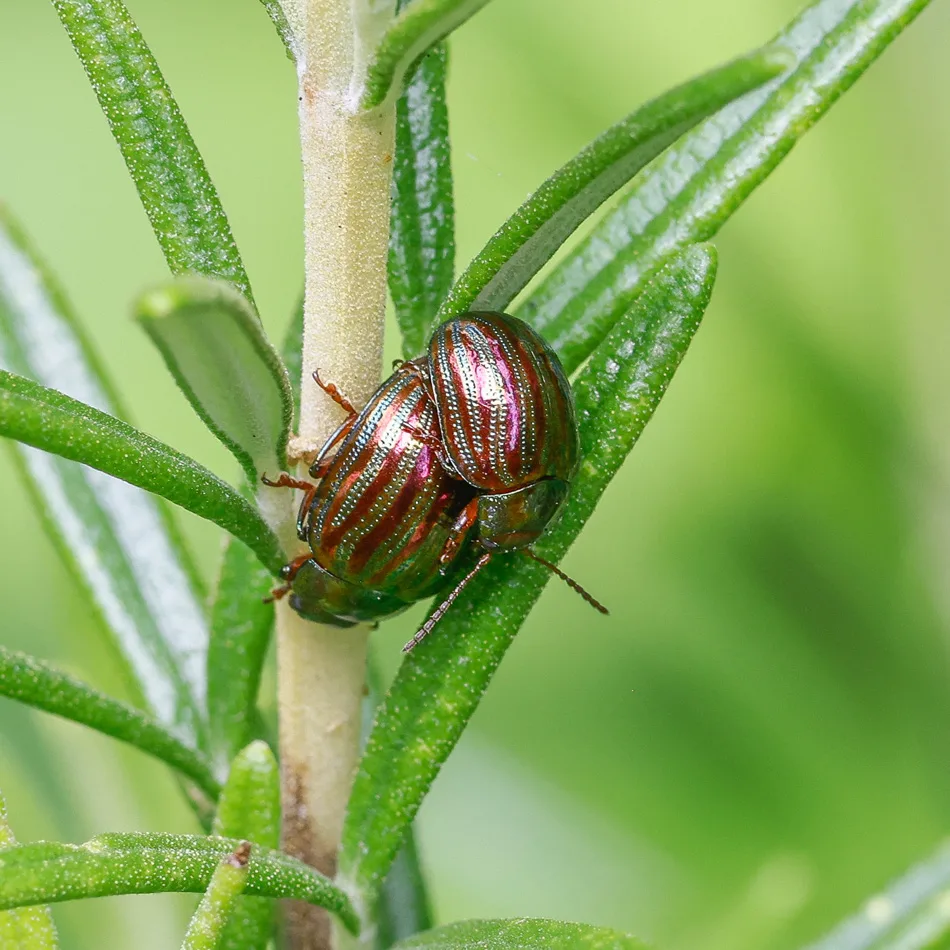
The cypress carpet moth has colonised much of Dorset in the past 30 years, as have several species of moth associated with holm oaks, including the sombre brocade which was first discovered at Durlston in 2008. Rosemary and lavender plants provide a home for another recent colonist, the colourful rosemary beetle, while the harlequin ladybird, which arrived in Britain 2004, is now one of our most common ladybirds.
Wish I’d paid attention
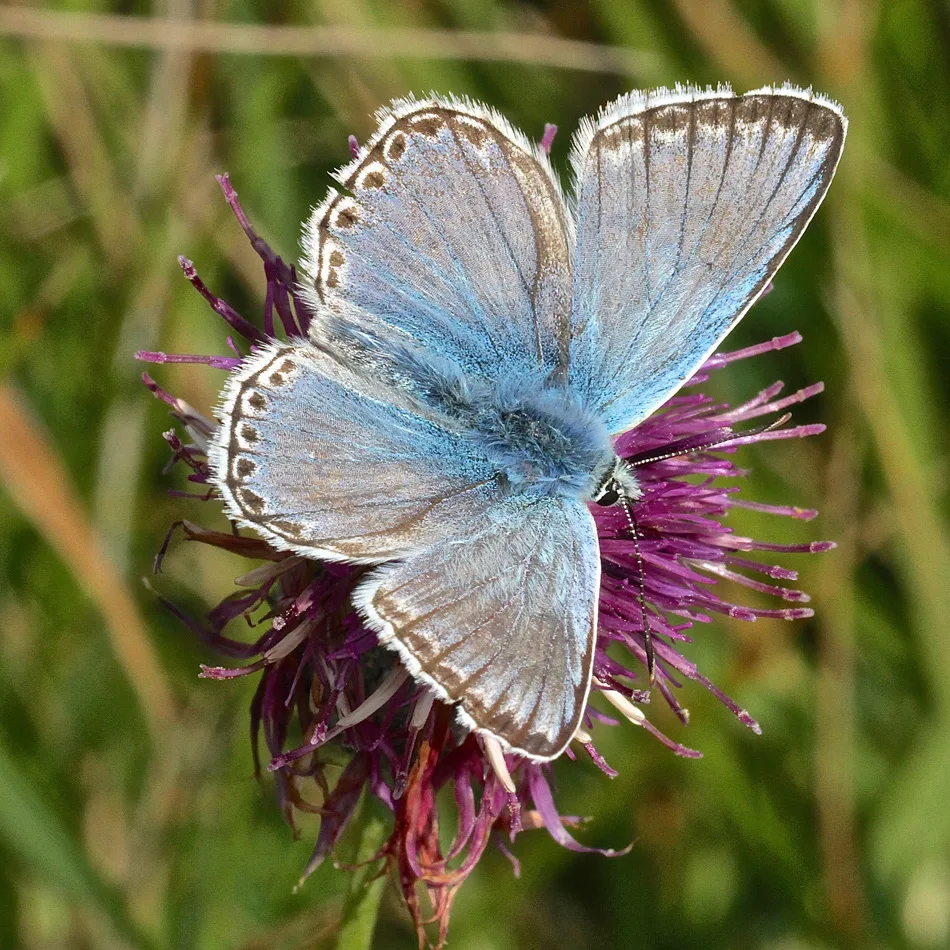
Butterfly populations are well studied in Dorset, with monthly transect walks carried out at more than 60 sites across the county. These have highlighted the fluctuating fortunes of many species on a year-to-year basis. In my own corner of Dorset, the long-term decline in the numbers of chalkhill blue and grizzled skipper has been particularly noticeable: on the other hand, counts of Essex skipper, brown argus and ringlet have seen a steady rise.
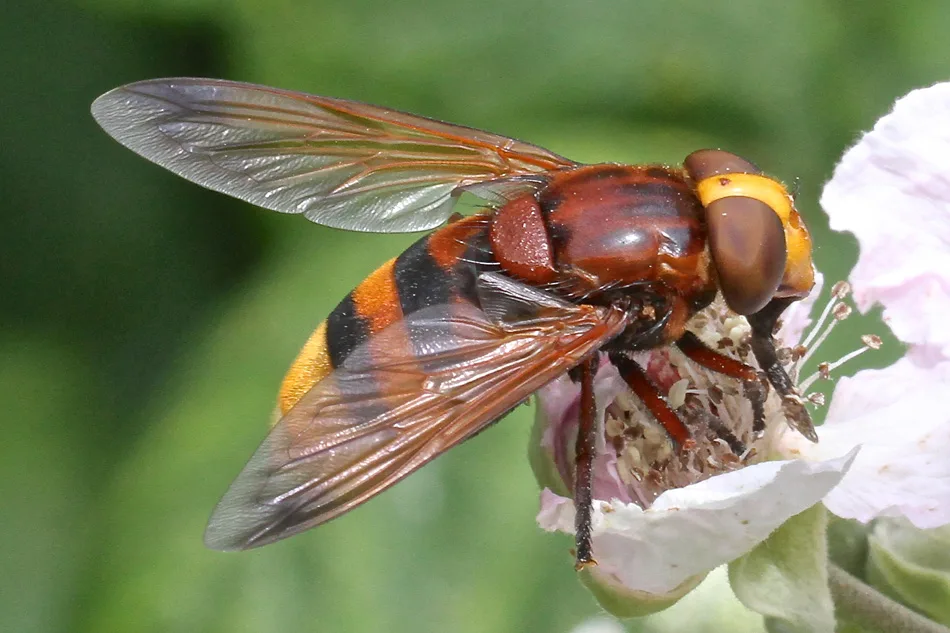
While the populations of many fly species have dwindled alarmingly, a few have bucked the trend. The locust blowfly, once a rare migrant, is now an increasingly common sight, as is the downland villa, an insect I waited nearly 40 years to see in Purbeck. The spectacular hornet hoverfly is one of the few hoverflies to have increased in recent years. Last year, I found the parasitic fly, Cylindromyia brassicaria for the first time at Durlston: there appears to be a thriving population now. Another parasitic fly, Ectophasia crassipennis, which only colonised the UK in 2019, is now well established in Dorset.
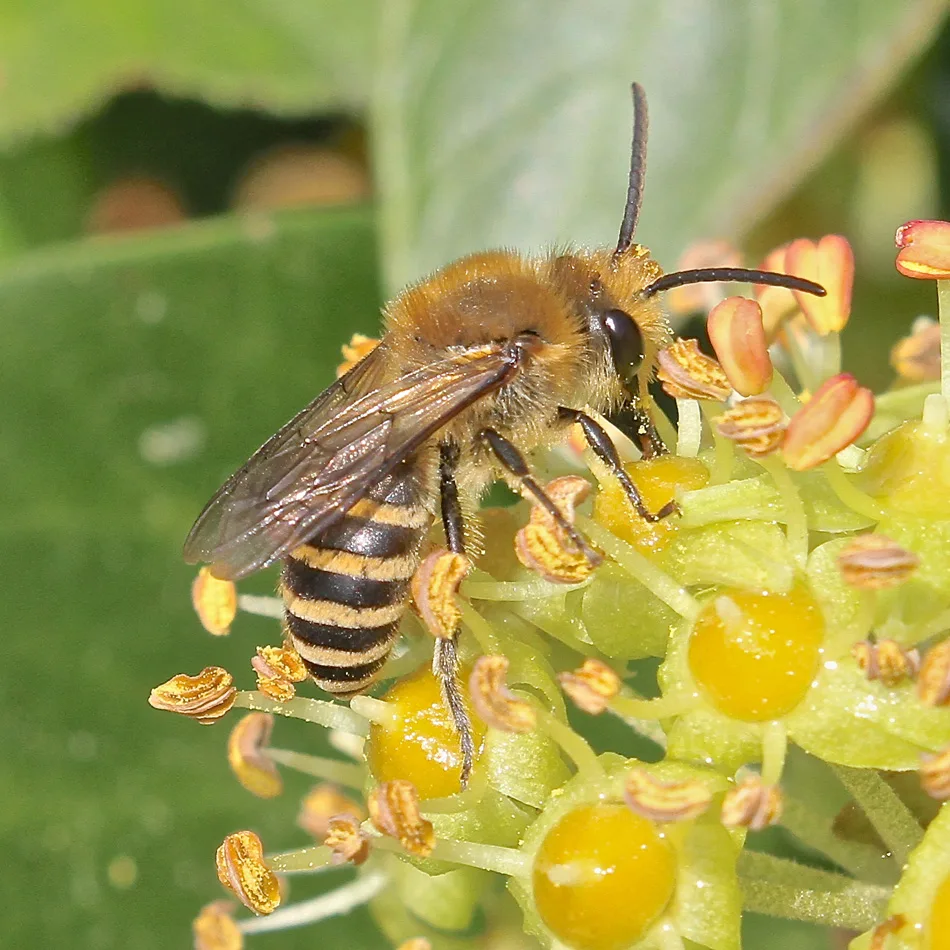
The tree bumble bee and ivy bee, which were first seen in 2001 are now two of our most common bees. On the debit side, if I had known that the Purbeck nomad bee shown to me by a visiting entomologist in 1982 was possibly the last one ever seen in Britain, I would have paid more attention!
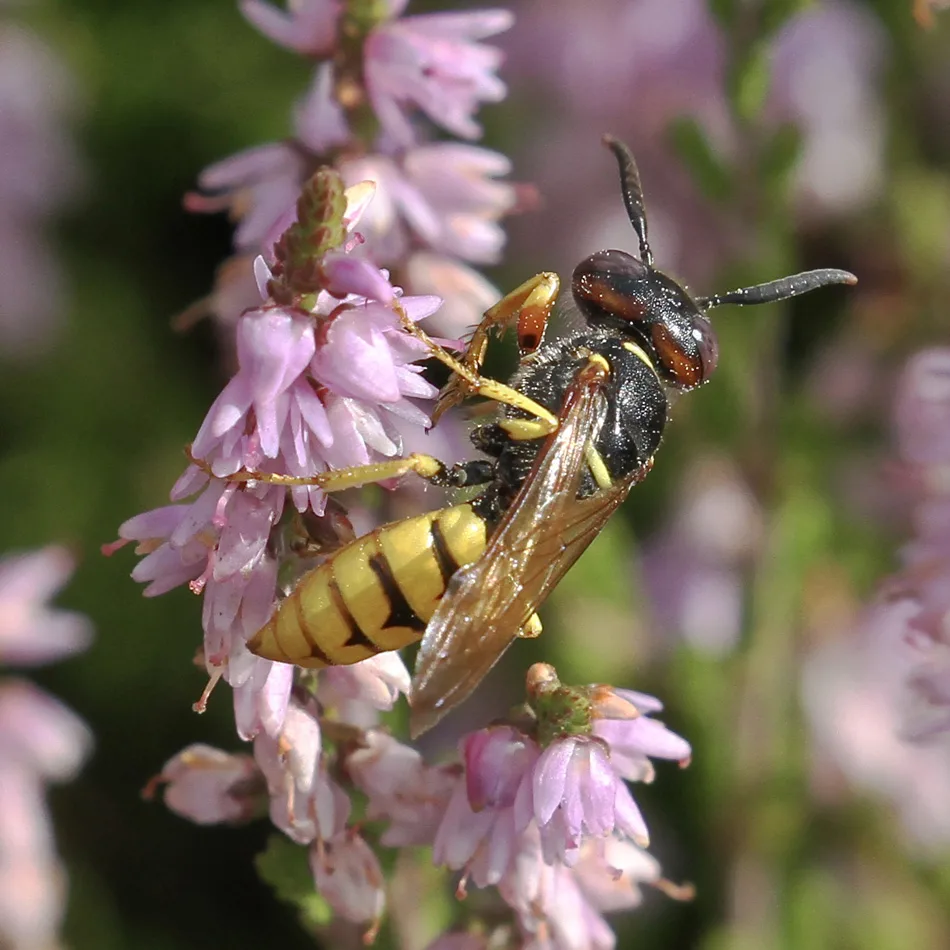
The status of many wasps has also changed: the fearsome bee wolf, once considered a great rarity, is now commonly seen, and often far from its heathland strongholds.
Although conservation in Dorset has seen striking success stories and many new insect species have colonised the county, the overall balance sheet is in the red, with more losses than gains.
However, through careful reserve management, new land acquisitions and partnerships with farmers and other land managers, Dorset Wildlife Trust is working to reverse these declines and ensure our unique wildlife can be enjoyed by future generations. – dorsetwildlifetrust.org.uk