

As winter rain returns, Andrew Livingston looks to Dorset’s real flood defences – the fields and hedges doing the work concrete can’t
Stick your hand out the window and you’ll probably notice it’s started raining. Those hot dry summer days are a distant memory, and all we’re left with is the constant reminder to take a coat with us.
Wet winters aren’t a new phenomenon (in fact, in the south west they’re quite the norm!), but the day this publishes, 5th December, is the ten-year anniversary of Storm Dennis, which drenched the north of England and flooded more than 5,200 homes, wracking up a whopping bill of more than a billion pounds for the storm damage.
It’s almost become a yearly tradition: somewhere across the country, that one local yokel kayaking to the shop for a pint of milk. Funny when it’s not your community – heartbreaking when it’s your own cherished belongings floating around on the television news.
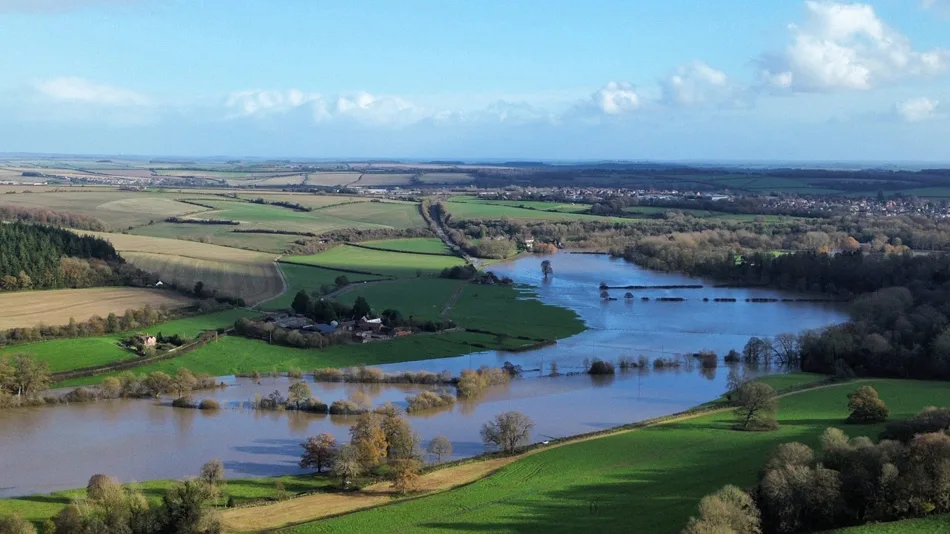
Image:
George Hosford
Nature’s reservoir
Yet every time it happens, we act surprised. Out roll the sandbags, up go the emergency alerts, and down goes morale. The weather seemingly worsens each year: maybe the real question isn’t how to mop up the mess, but how to stop it ever getting that far.
And here’s the funny thing: the best flood defence strategy isn’t a multimillion-pound wall or a concrete-lined river channel. It’s something far simpler, far older, and far more Dorset: it’s slowing the water down before it even reaches the towns.
Farmers have been whispering this for years. Nature has been shouting it. And now, finally, policymakers are catching on that the landscape itself can do half the work – if we let it.
Across the county, you can already see the beginnings of a quiet revolution. Fallen timber is being turned into leaky dams that hold water back just enough to calm a river’s temper.
Wetlands that were drained decades ago are being welcomed back, allowed to store winter rain (almost like they’re nature’s own reservoir …). Big chunky hedges are being replanted to slow runoff from sloping fields. And farmers are focusing more on improving soil structure so fields can stop acting like tiled bathrooms and start behaving like the giant sponges they are, again.
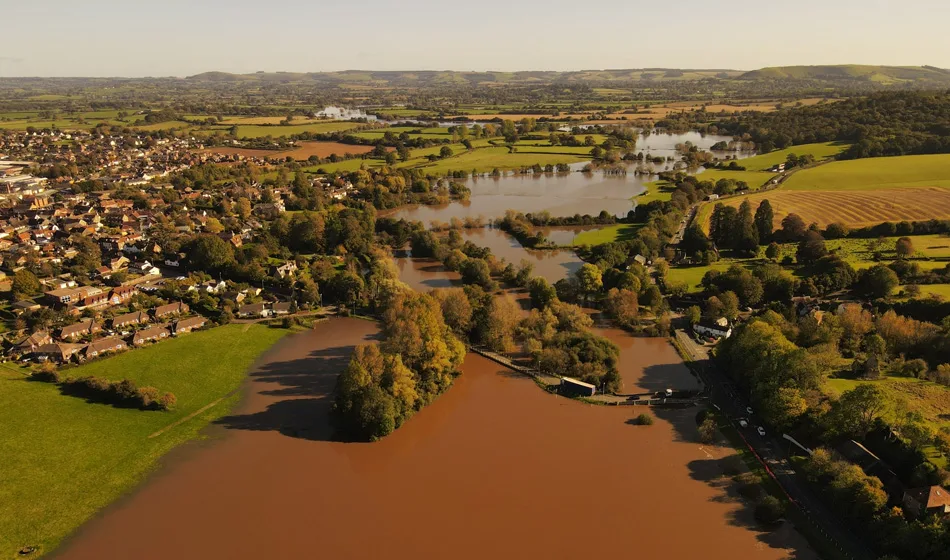
It’s already out there
Our constant battle with flooding can no longer be seen as a rural headache or a ‘farmers’ problem.’ In reality, upstream fields and downstream shopfronts share the same raincloud. What happens on the hills decides what happens on the high street.
I’m not suggesting that farmers set up a Godfather-style racketeering scheme (“Give us money or we’ll flood your business …” shakes fist threateningly). But maybe it’s time we invested in solving flooding rather than diverting it.
Dorset’s best flood defence won’t be found behind a council desk or in a contractor’s warehouse. It’s already out there, upstream, waiting patiently in fields, hedges, wetlands, and those famously meandering rivers. It’s often said that farmers are simply custodians of the land – but we are also tarnished as abusers of the environment, and that couldn’t be further from the truth. The land under farmers’ wellies is their livelihood – they must protect it so it remains viable for the next generation trying to scrape a living from it. In other words, if we look after the land, the land will look after us. And with storms getting punchier and puddles getting bigger, that might just be Dorset’s most important business investment of the next decade.