

From clearing beds to sowing seeds and preparing dahlias for the cold months, Pete Harcom has plenty of jobs to get your patch winter-ready
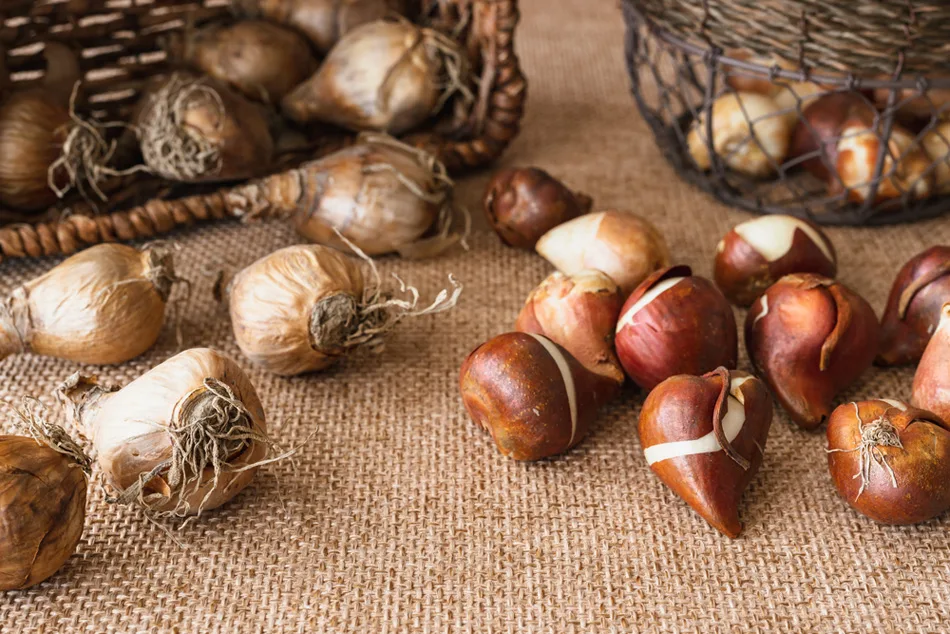
November and early December is the ideal time to plant tulips – plan ahead now, and your spring self will thank you for it! They are very easy to grow if you follow a few basics.
Ensure the soil (in pots or in the ground) is enriched with compost, and is well drained – try adding some grit when planting. Tulips are fully hardy, and can be planted in pots or borders, in full sun or partial shade. Plant at least three times the depth of the bulb, approximately 15 to 20cm (6 to 8 inches) deep – with the pointed end facing upwards – and around 10cm (4 inches) apart.
Keep pots just up off the ground on pot feet to prevent water-logging.
If you are worried about mice or squirrels getting to the bulbs, you can put some chicken wire over them. I find prickly bramble or holly twigs work well to deter them too.
Water just after planting, but try not to water too much. When shoots appear a high-potassium feed such as tomato fertiliser will help the blooms.
Other jobs this month
Spread some gravel around hardy alpine and rockery plants – they like dry ground, and this helps to keep them from getting waterlogged.
Even with our modern milder winters, it’s a good idea to bring any pots of fuchsias or pelargoniums into a greenhouse or potting shed to ensure protection from frosts (do ensure they are free of slugs and snails!).
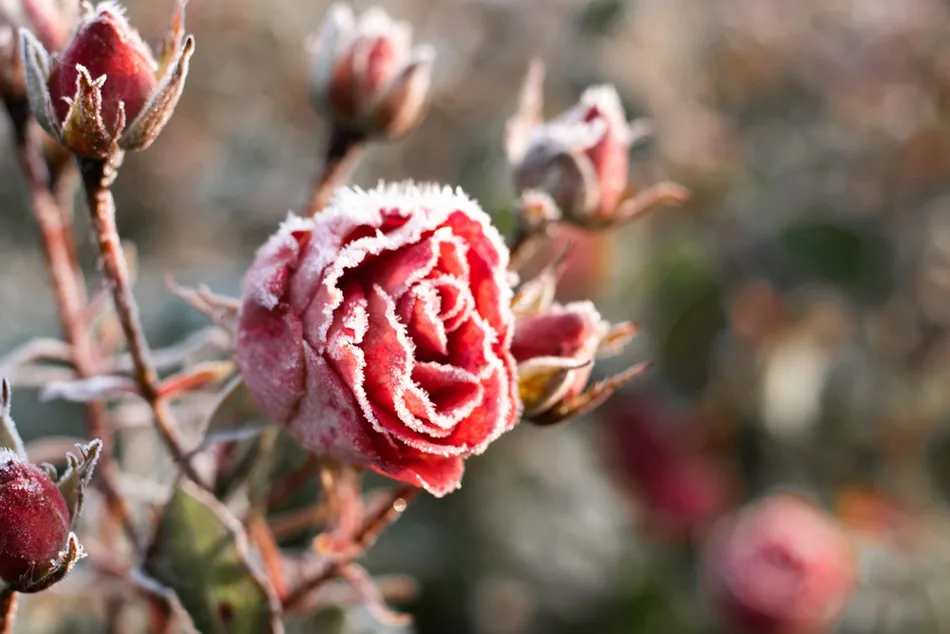
Prune your climbing roses and any tall standard roses to help reduce wind rock – prune old flowered rose shoots to a third of their length. Acers can also be pruned in December, and check all your climbers to ensure they are adequately tied in and supported.
Leave the Hydrangea spent flowers heads on the plants – they help protect flower buds that form lower down the stems.
Avoid disturbing any large piles of leaves now – leaf piles are amazing for wildlife, providing shelter and also a great nesting spot for hibernating animals, like hedgehogs, frogs and countless insects. Hang fat balls and bird feeders around the garden too, and ensure they are clean and regularly filled.
Now’s also a good time to clean up those gardening tools! Bring them into the shed, clean them off, sharpen and oil them. And now you are ready for spring!