

Across the Blackmore Vale, the familiar silhouette of the village hall has long been a staple, yet its role is experiencing a quiet but significant transformation. No longer just the preserve of the occasional jumble sale or parish council meeting, these buildings are re-emerging as vital hubs for a dispersed rural population seeking connection. From converted chapels to purpose-built brick structures, these spaces are adapting to today’s needs, hosting everything from remote working hubs to pop-up cinemas and wellness retreats. This resurgence reflects a deeper desire among Dorset residents to reclaim local spaces for meaningful face-to-face interaction, countering the drift towards purely digital communication.
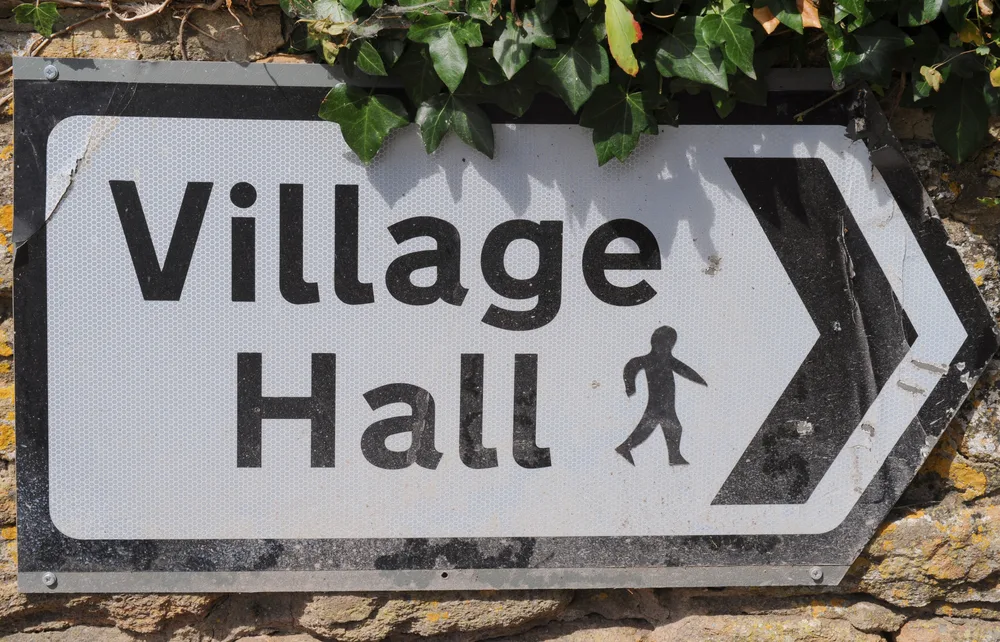
The revival is not about nostalgia; it is a practical response to the changing demographics and economic realities of countryside living. With local pubs closing and bus routes diminishing, the village hall is often the last remaining public interior where the community can gather without a commercial imperative. Committees are working harder than ever to refurbish these often-draughty buildings, installing Wi-Fi and heating to attract a younger, more diverse crowd. This ensures that the hall remains relevant, serving not just as a museum of village life but as a dynamic engine for community cohesion and local resilience.
Parish halls regain community spotlight
The diversity of events now filling the diary of the average Dorset village hall would have been unimaginable twenty years ago. We are seeing a move away from passive entertainment towards active participation, with halls hosting repair cafes, farmers’ markets, and amateur dramatic societies that rival professional outfits in enthusiasm.
This broadening of scope is essential for survival, as it brings in revenue streams that go beyond the traditional coffee morning, engaging residents who might otherwise commute to larger towns for their leisure.
Also, the advancement of hybrid working has gifted these rural spaces a new lease of life as co-working centres for those tired of the home office. By offering a warm desk and reliable internet, village halls are becoming engines of the micro-economy, allowing freelancers to network without leaving their postcode.
This daily usage keeps the building heated and aired, preventing the damp and decay that plague underused structures, while simultaneously breathing life into the surrounding village during the quiet working week. It depicts an everyday interpretation of the communal hearth, where work and social life naturally intersect.
Fundraising pressures and spending
Despite this renewed enthusiasm, the financial reality of maintaining ageing infrastructure remains a constant headache for volunteer committees. The cost of energy and insurance has soared, forcing trustees to become increasingly business-minded in how they market their facilities to potential hirers.
In a digital age where consumers demand instant gratification and seamless service, village halls must compete for attention against a vast array of online entertainment options. Users accustomed to the slick interfaces of the internet, such as those visiting Gambling Insider to compare secure gaming platforms and payment methods, now expect a similar level of professionalism and ease when booking a local venue.
Many committees are updating their payment methods and reservation systems to meet today’s standards in an effort to close this disconnect. Relying on cash payments and a handwritten ledger is no longer adequate; people expect the ease of digital transactions and transparent online information.
Halls can maintain the viability of the physical space by securing the frequent reservations required to keep the lights on by improving their administrative procedures. The goal of this professionalisation is to get the funding necessary to keep the doors open for the community, not to lose the personal touch.
What this revival means locally
The success of these halls is ultimately a barometer for the health of the wider rural community in Dorset. When a hall thrives, it suggests a village that is engaged, resilient, and capable of looking after its own, especially those who feel isolated.
In Lancashire village, for instance, residents were invited to take part in activities. This ranged from coffee mornings and craft sessions to digital skills support and community drop-ins, highlighting how these spaces continue to serve practical, social and educational roles.
These spaces provide a neutral ground where new residents can mix with established households, breaking down the barriers that can sometimes exist in tight-knit rural settlements. The simple act of sharing a pot of tea or watching a local band creates a web of social support that no government policy can replicate.
The village hall seems set to cement its position as the beating heart of rural life, provided it continues to evolve. As long as volunteers are willing to unlock the doors and residents are eager to connect, these buildings will remain more than just bricks and mortar. They stand as a testament to the enduring human need for physical gathering spaces, proving that even in a hyper-connected world, the most important network is still the one right on our doorstep.