Home Blog Page 16

Batters review dismantles the ‘0.6% myth’ and warns farming is being priced out of survival

0

Minette Batters’ long-awaited Farming Profitability Review, published today, delivers a forensic challenge to one of the most persistent assumptions in Whitehall: that farming is economically marginal and therefore politically expendable.

The review confronts head-on the pervasive view that farming does not matter because it contributes just 0.6% of GDP. In raw terms, farming directly adds £10.5 billion to the UK economy (GVA, 2024). But Batters is clear that this figure tells only a fraction of the story – in counties like Dorset, where farming underpins not just food production but jobs, land use, water management and village economies, the consequences of that miscounting are felt daily.

She calls on Defra and the Office for National Statistics to reassess how farming is counted in GDP, pointing to international evidence showing that better accounting of supply-chain multipliers can increase a sector’s recorded value by as much as 80%.

UK farming underpins an agri-food supply chain worth £150 billion – around 6% of total UK economic output – supporting 4.2 million jobs across manufacturing, logistics, retail and hospitality. That is 13% of all employment in Great Britain. The sector also generates £25 billion a year in food, drink and feed exports. Remove domestic farming, the review argues, and that entire economic ecosystem is destabilised.

MInette Batters’ long-awaited Farming Profitability Review 2025 has been published

At the same time, UK food self-sufficiency has fallen to 65%, down from 78% in the mid-1980s. Britain is now increasingly reliant on volatile international markets while holding its own farmers to higher environmental and welfare standards than most competitors. In rural counties like Dorset, that decline is not abstract – it plays out in land use decisions, livestock numbers and the long-term viability of family farms.

Batters describes farming as ‘our only remaining primary manufacturing sector that still exists in every county across the country’ – reframing agriculture not as a lifestyle choice, but as nationally distributed economic infrastructure.

The review is blunt about cost pressures. Since the start of the agricultural transition, machinery prices have risen by 31%, while wage and energy costs have surged. The Office for Budget Responsibility forecasts input costs will be 30% higher in 2026 than in 2020. Yet the £2.4 billion English farming budget has remained broadly static since 2007, never uprated for inflation.

Trade policy comes in for particular criticism. While countries such as the United States, Australia and New Zealand routinely include farmer representatives in official trade delegations, the UK does not. Despite the UK being widely recognised as ‘one of the most prized food markets in the world’, Batters notes that overseas delegations arrive with clear priorities for their agricultural sectors, while British farmers are largely absent from negotiations.

‘Every trade delegation like the recent one to India, led by the Prime Minister, should have a farmer representative from each of the Devolved Administrations,’ she argues, ‘sitting alongside the best of British businesses – selling British and Welsh lamb, British and Scotch beef, Northern Ireland pork and English apples and cheese to international markets.’

The review recommends formally including farming representatives in future UK trade delegations, bringing Britain into line with competitor nations where farmers sit at the table when market access is negotiated.

Section 2.3 shifts from diagnosis to opportunity. Batters argues that government support should focus on growing demand for British produce at home and abroad, rather than subsidising survival. She points to British Airways’ sourcing of Rodda’s clotted cream, Netherend Farm butter and Tiptree jam as evidence that strategic public procurement and export alignment can open markets for distinctive regional brands.

A reset of supply-chain law to curb unfair practices and rebalance power between farmers, processors and retailers, alongside a clear shift away from paying landowners simply for holding acreage.

The recommendations are wide-ranging, but the direction of travel is unmistakable. Batters argues that food security must be treated as critical national infrastructure and hard-wired into planning, trade and economic policy, rather than handled as an environmental afterthought. She calls for a reset of supply-chain law to curb unfair practices and rebalance power between farmers, processors and retailers, alongside a clear shift away from paying landowners simply for holding acreage.

Planning reform is framed not as a marginal issue but as an economic lever. In counties like Dorset – where reservoirs, slurry storage, renewable infrastructure and modern livestock buildings are routinely delayed or blocked – slow planning decisions directly cap productivity, resilience and environmental progress.
The review argues that faster approval of on-farm reservoirs, renewable energy and modern buildings is essential if farms are to improve productivity, strengthen resilience and meet rising welfare and environmental standards.

Above all, the review stresses the need for policy stability. In a sector where decisions on breeding, planting and investment are made years before any return is realised, operating without long-term regulatory and financial certainty is not merely inefficient, but fundamentally destabilising. Without clarity on trade standards, environmental requirements and future support, Batters warns that confidence will continue to drain from the sector, taking investment, skills and domestic food production capacity with it.

The underlying challenge is cultural as much as economic: and in a county where agriculture still shapes landscapes, employment and supply chains from the Blackmore Vale to the coast, that cultural shift would be hard to ignore. The review asks government to abandon the complacent idea that farming is simply ‘growing things we can always import from elsewhere’.

Instead, it makes the case – firmly and with evidence – that farming builds value, sustains jobs, anchors rural economies and underwrites national resilience.

What gives the review its weight is not who commissioned it, but who wrote it. This is not a ministerial vision document or a civil service compromise, but a practical blueprint grounded in how farming actually functions – economically, operationally and over time. Batters’ argument is not that farming could become a cornerstone of the UK economy, but that it already is.

The question the review leaves hanging is no longer whether farming matters, but whether government is prepared to act as if it does.

Read the full report here
Black Pug Books

0

She wrangled Queen, Frost and the Rolling Stones – 50 years on Victoria Sturgess runs Black Pug Books with the same wit, grit and eye for a story

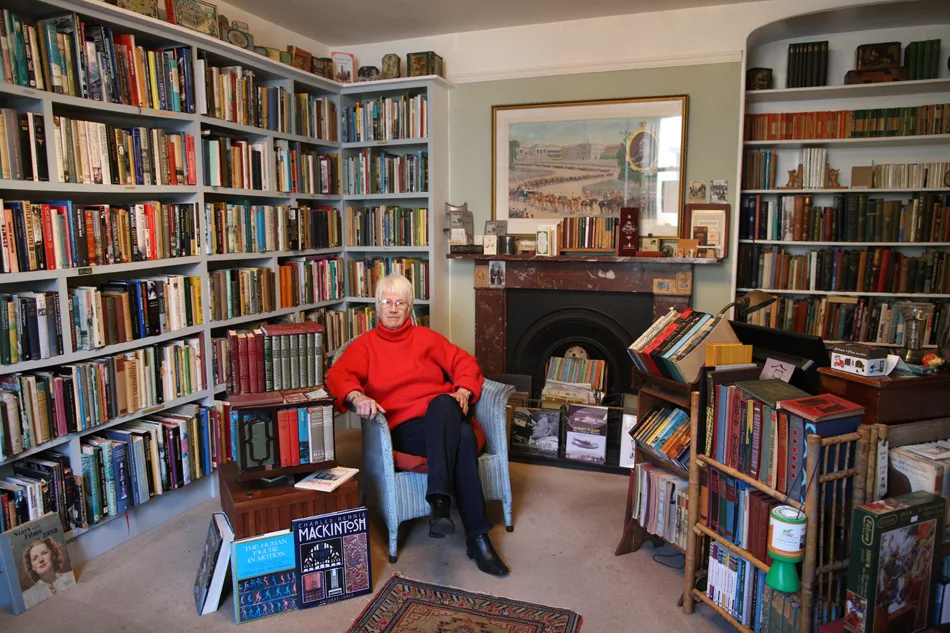
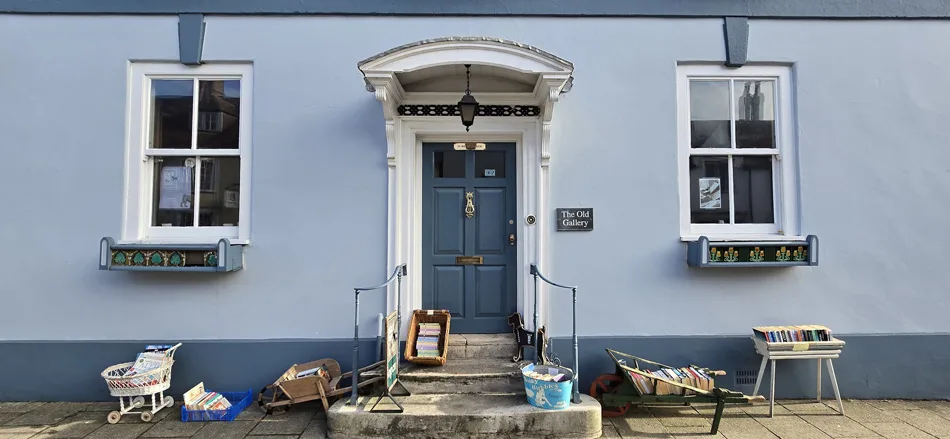
Vintage prams and tin pails filled with books lure passersby into Black Pug books. Images by Courtenay Hitchcock

In Elstree Studios, music director Bruce Gowers is cadging ciggies (something he was renowned for) from his trusted production assistant and right-hand woman Victoria Sturgess, as she’s trying to make conversation with a shy, awkward man with striking cheekbones, slightly buck teeth and intense dark eyes. Four hours later, one of the world’s most iconic pop videos, Bohemian Rhapsody, is “in the can”. Victoria recalls that day 50 years ago: ‘For us it was just another day. We were slightly annoyed we didn’t finish in time for last orders at the pub!’

Victoria Sturgess in her beautiful Georgian home – which is also Black Pug books.


The video was ground-breaking, launching the career of Emmy award-winner Gowers and propelling Queen into the supergroup stratosphere. It kept Bohemian Rhapsody (all five minutes and 55 seconds of it) at number one in the music charts for nine weeks.
‘We had such fun with the special effects,’ says Victoria, explaining how the disembodied heads of Queen floating in halos were created simply with cameras and monitors. ‘It’s called a visual howlround. The camera looks at its own image on the monitor output’. The result – a four-way harmony shot that mirrors the cover of Queen II album.

Victoria was music director Bruce Gowers’ production assistant


That day was just one highlight in a career that reads like a roll call of entertainment legends, including comic pianist Victor Borge and Hollywood’s Ethel Merman (‘she knitted between takes’). Victoria worked on the first live pop concert in Hyde Park, filming supergroup Blind Faith with Ginger Baker, Stevie Winwood and Eric Clapton, and later the Rolling Stones.
Film producer and impresario Robert Stigwood enlisted her for the Bee Gees’ cult film Cucumber Castle, in which Vincent Price, Lulu and Spike Milligan all made cameo appearances.
‘Thanks to Stiggy, I earned enough money that summer to buy a flash sportscar,’ she grins.

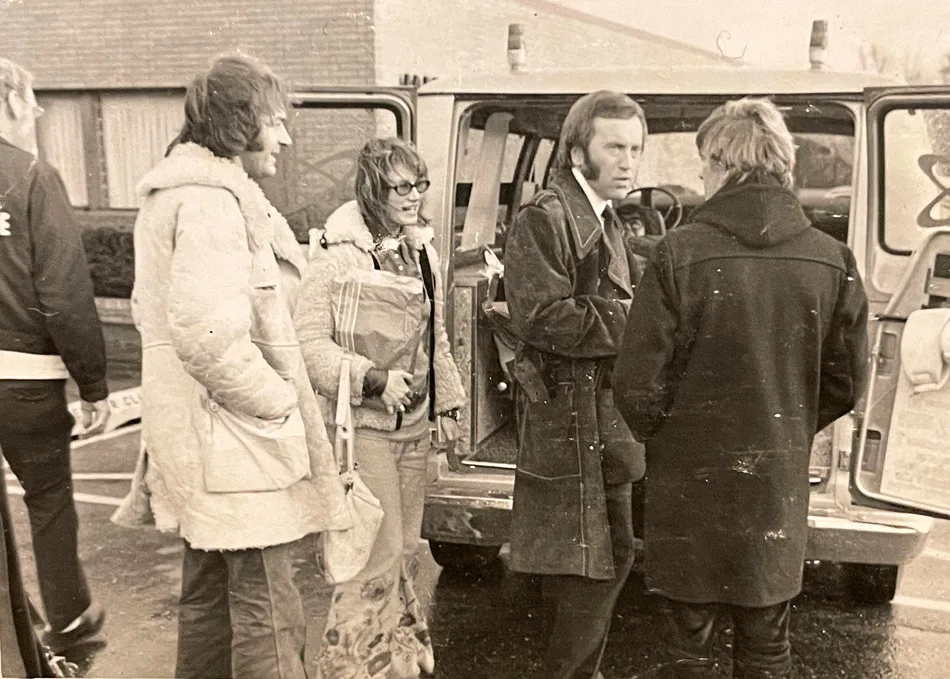
Bruce Gowers, Victoria and David Frost using an ambulance to get through a road block from Peoria to Chicago along Route 66 so they could get back to the UK from the USA in time to go live about Nixon

Fashion to Frost
Turning down university for “life experience,” her first job was at Vogue magazine, organising shoots for photographers David Bailey and Helmut Newton. ‘Demanding, but great fun,’ she says. ‘I had suffered 12 excruciating months at the London College of Secretaries in Regents Park to appease my father, but I did learn French shorthand. That’s what got me the job at Vogue, aged 18 – I could take dictation on the Paris collections straight from the French editors verbatim over the phone.’
From there she moved into television, rising quickly at Southern TV and then London Weekend Television (LWT), where she became a principal production assistant – one of the highest production roles in what was then a very male-dominated industry – while still only in her early twenties.
She travelled the world with journalist and interviewer David Frost, covering Nixon and the Watergate scandal, thriving on the adrenaline of live TV. ‘Bad for the heart, good for the bowels!’ she says.
It was the heyday of black and white television. ‘At that time, LWT had more than 2,000 staff! It was such a fantastic industry to be in, maybe because there were only three TV channels. The celebrities treated you with respect, because they needed you as much as you needed them. And we knew how to handle hellraisers like Ollie Reed. As a production assistant, I was the power behind the throne – PAs open lots of doors … or firmly close them!’

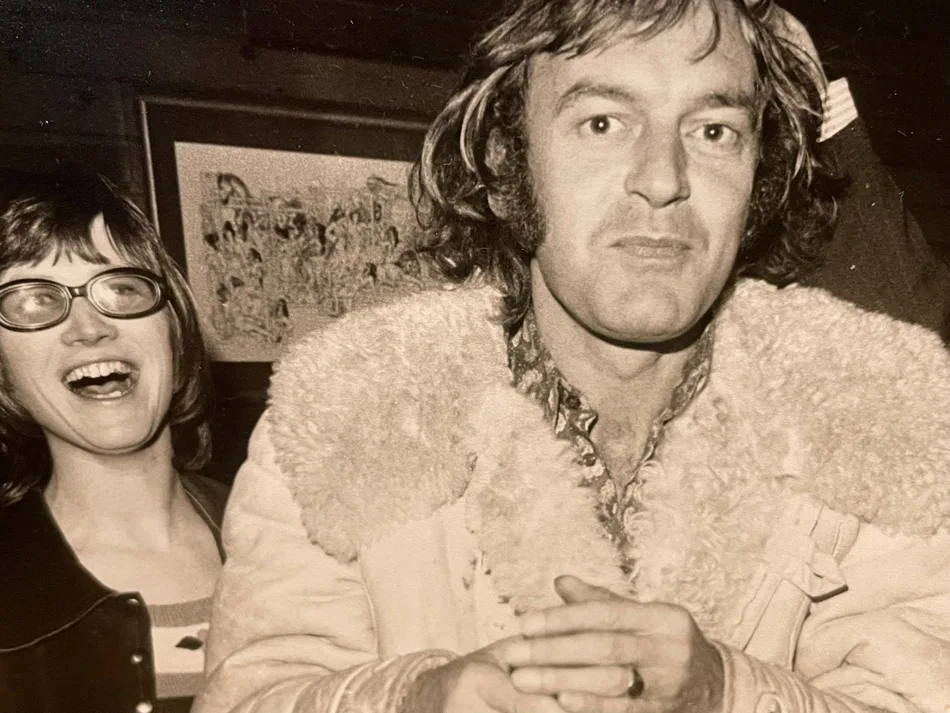
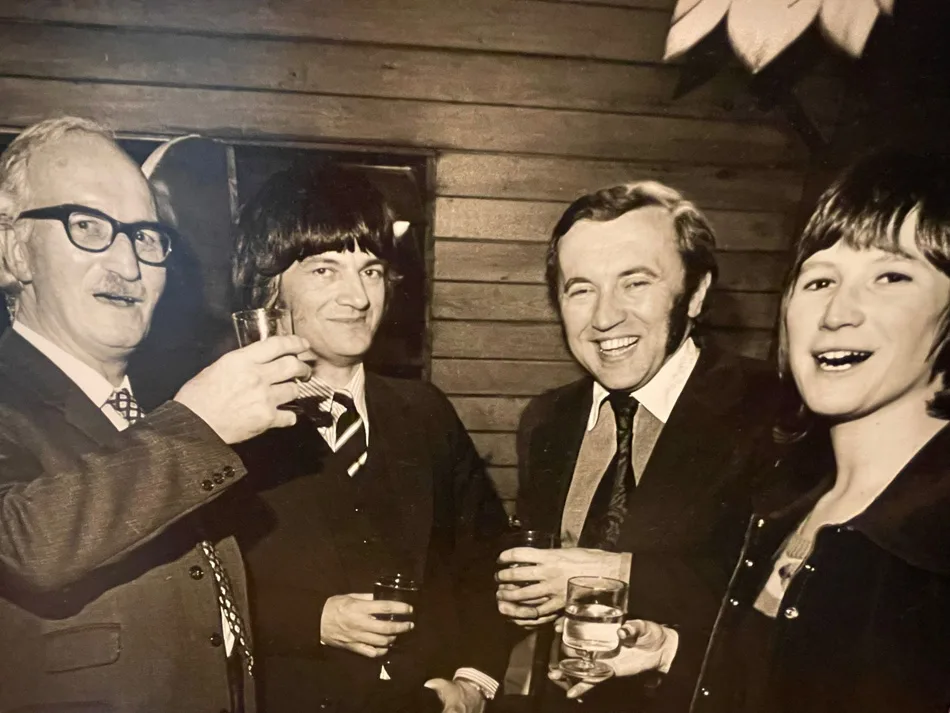
Taken at her wedding in 1973, from left, Victoria’s dad, new husband Leo, David Frost and the bride


Victoria married on her 26th birthday in 1973, at Chelsea Registry Office. ‘Kate, my eldest, was swiftly born in 1974. I kept working, leaving LWT and freelancing, moving from London to Winchester.
‘Hannah was born in 79, and then Leo moved to America when we separated in 1982.
‘I was now a single parent and the sole breadwinner: I turned to freelancing again, including working for the first satellite TV company, before rejoining LWT. I was back on live broadcasts, elections, the Olympics … and had a stint with Saint (Ian St John) and Greavsie (Jimmy Greaves), which was great fun!’
Burnout made redundancy an easy decision in 1989, and after ‘a couple of months doing diddly squit’, Victoria carved out a new freelance life that took her from Scandinavia to Hong Kong, Jakarta, Spain, Dubai and Jamaica. ‘My last big event was the Manchester Commonwealth Games for the BBC, before I finally quit in 2005.’
With her girls now adults, Victoria seriously started researching her next move.

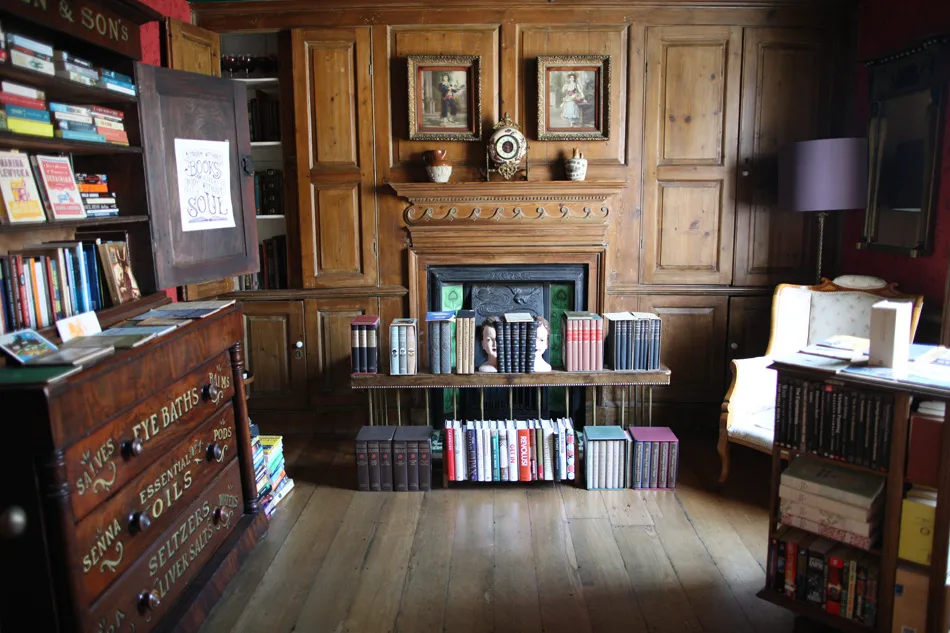
The antique apothecary cabinet holds maps, old newspapers and theatre programmes – all popular gifts

A new chapter
‘I’ve always been a voracious reader and longed to own a bookshop.
I soon realised I could either sit on my backside and talk about it or I could get off my backside and do it!
‘My father had a cottage in Swyre, and I’d always loved Dorset.’
In 2011 her search brought her to a stunning Georgian house in the heart of Wimborne Minster.
‘As soon as I stepped through the door, I knew this was my new home and my second-hand bookshop,’ she says.
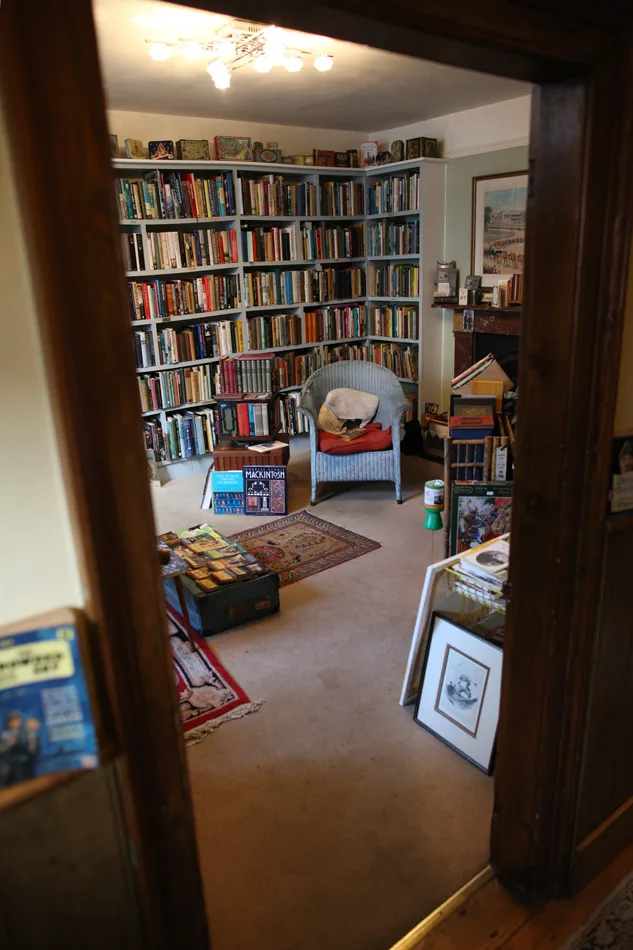
Step through that same front door today, turn left and you’re greeted by floor-to-ceiling bookshelves, groaning under the weight of autobiographies, fiction, non-fiction, poetry … every imaginable genre. Modern titles sit alongside first and rare editions. There are LPs and prints too. And of course that wonderful bibliosmia that is one of the joys of old books.
Turn right, and you’re into the other front room, where an antique apothecary cabinet holds maps, old newspapers and theatre programmes. ‘People love buying these as birthday gifts relating to the year the person was born’, she says.
There’s a permanent invitation to sit and browse your choices before buying. Coffee and tea are always at hand.

Browsers are welcome to sit awhile – the kettle is always on
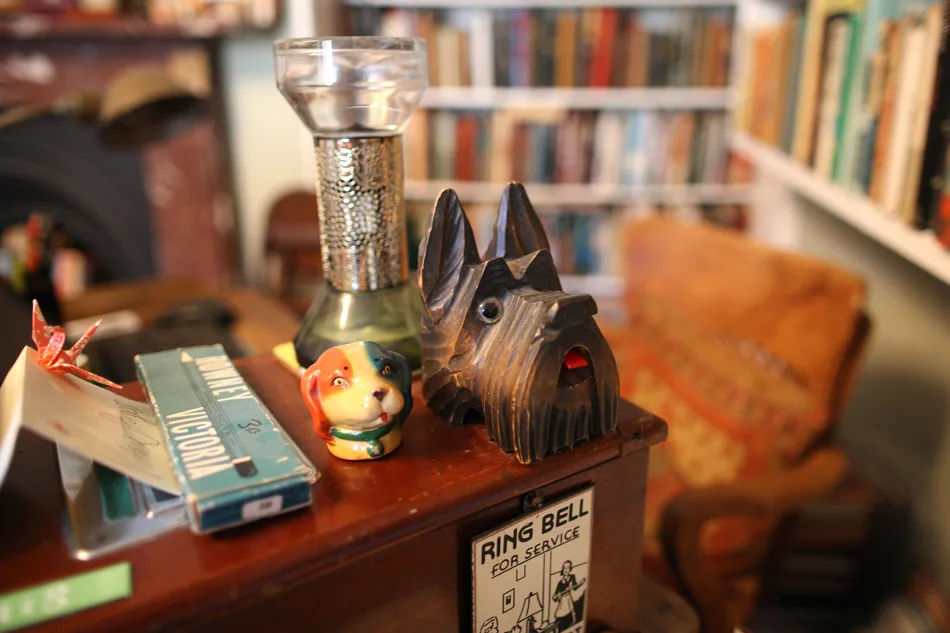
Every surface is crammed with curios and vintage fun


And why the name? ‘My partner’s black pug waddled in one day and was promptly sick all over the carpet. Black Pug Books sounded perfect!’
Victoria prides herself on being able to track down the rarest of titles. ‘I’ve got a network of independent booksellers across the country and we all help each other,’ says Victoria.
A ‘bookhound’ for the local museum, she sniffs out potentially rare books donated to their second-hand bookshop. A collectible copy of Jane Austen’s Pride and Prejudice, which could have been sold for a few pounds, recently raised more than £800 for the museum. She also donates proceeds from her £2 paperbacks to charity – Dorset & Somerset Air Ambulance and Margaret Green Animal Rescue.
Victoria’s business is resolutely non-digital. She hates Kindles, preferring the tactile pleasure of books. She refuses to sell online and has very little social media presence.

Victoria’s top Christmas gift suggestions: ‘no one can resist a cosy


Outside, a vintage pram and washing tub filled with paperbacks lure people in. Once there, Victoria’s incredible knowledge and warm hospitality mean you rarely leave empty-handed. ‘Books become friends – they can stir memories, help you through tricky times and if you hold onto them, they’re always there for you to revisit. I simply couldn’t imagine life without books. There’s no soul in a home without books. To me, they are works of art.’
Her customers, who include celebrities, come from all over the country. Cricket commentator Henry Blofeld always pops in when he’s in town. Comedian David Baddiel couldn’t resist a peek when performing at the Tivoli Theatre (which is almost opposite Black Pug Books).
And if Victoria can’t find you a book, she can certainly tell you a great story. From Queen’s groundbreaking video to a cosy Wimborne bookshop, Victoria Sturgess has lived many fascinating chapters. Perhaps her next should be to write her own autobiography.

Find Black Pug Books opposite the Tivoli Theatre, at 24 West Borough, Wimborne Minster or call Victoria on 01202 889383
Open Thursday to Saturday 10am to 4pm

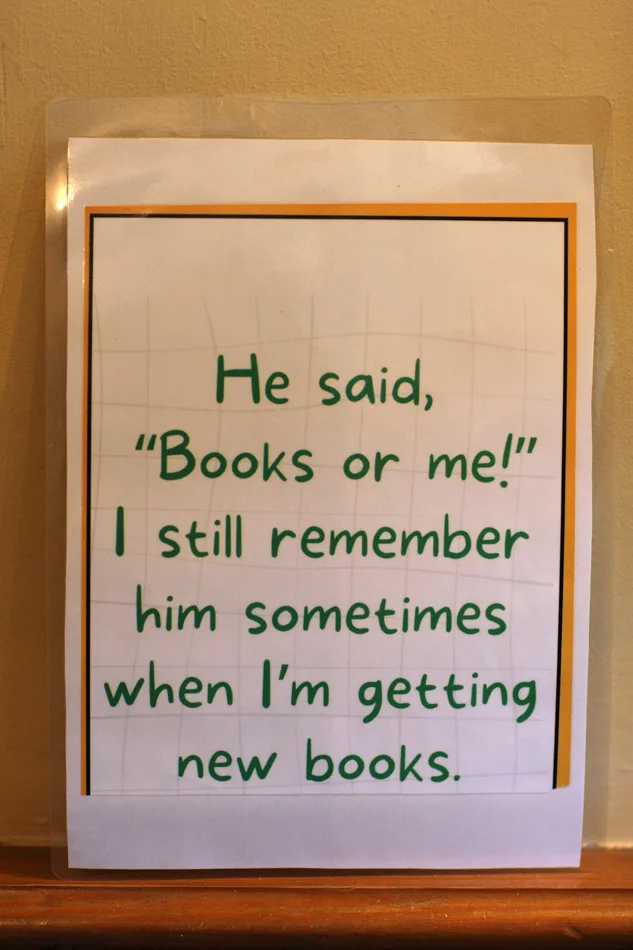
Victoria’s grandson has created a number of posters to amuse browsers

Quickfire questions for Victoria:

What sells best at Christmas?
MURDER! It’s a little bit odd, but no one seems able to resist a nice cosy seasonal crime story filled with death …

Book by your bedside?
My daughters always enquire ‘how are your teetering, piles mother?’ – it’s a family joke as I’ve so many books by
my bedside.
Teetering on the top currently is John Nichol’s ‘The Unknown Warrior’. Since I studied First World War poetry at school, I’ve found the stories from this time jaw-droppingly awful. I have a unique collection of First World War literature that I will never sell. It’s going to the Imperial War Museum when I die.

A-list dinner party guests?
David Frost – he’d get drunk so quickly! My Bohemian buddy Bruce Gowers, he was such a good friend. Actress Cate Blanchett, and comedians Graham Norton and Julie Walters – what a hoot! No egos … they’d probably even help with the washing up.

‘I won’t give up’: Local world champion devastated by theft of race-winning bike

0

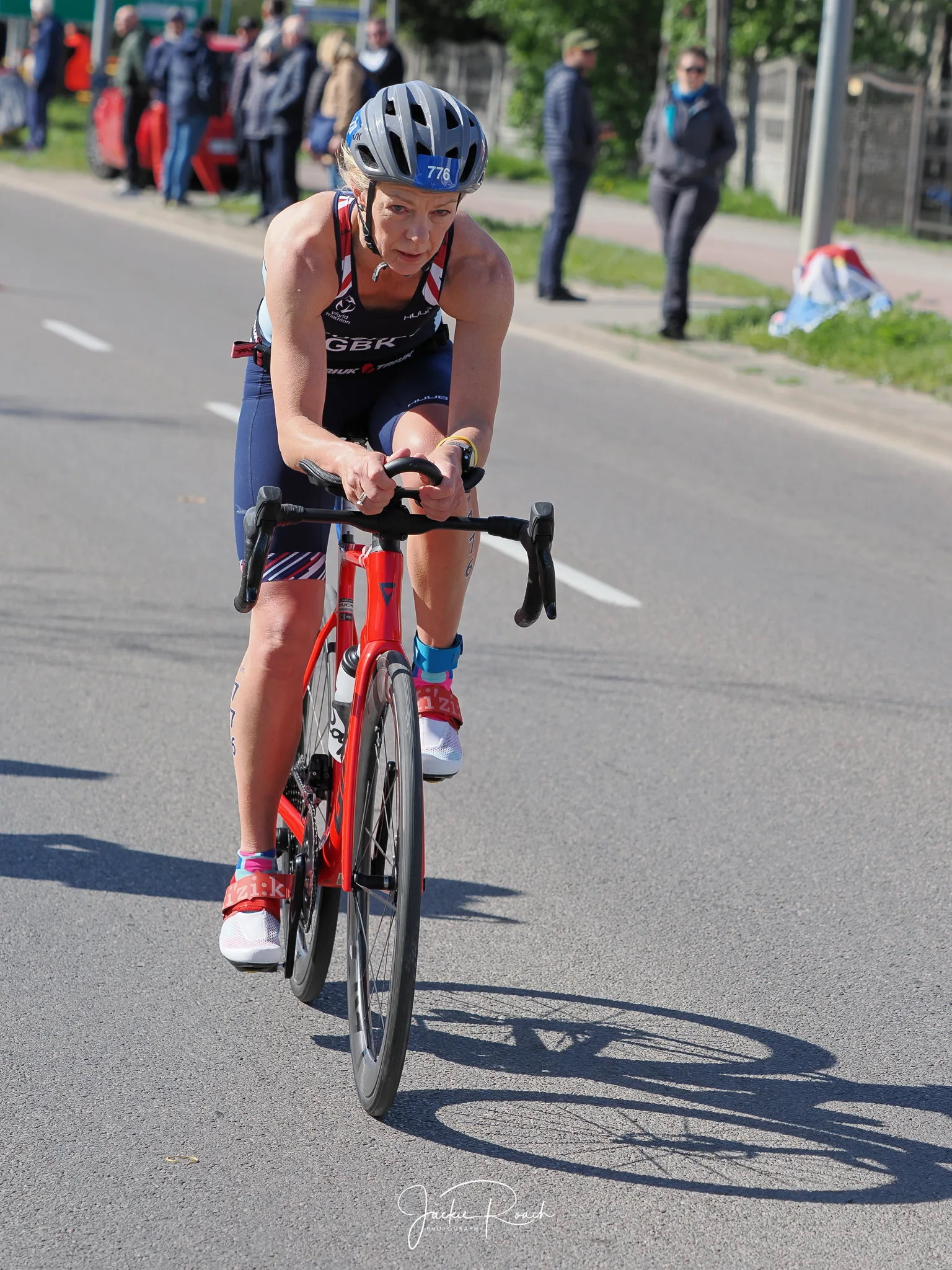
Sherborne’s duathlon world champion Zoe Tucker has been left “devastated” after thieves broke into her garage and stole two high-end racing bikes – including the £7,000 Giant Propel she rode to victory at the World Championships in July.

The theft, which happened overnight between Thursday 7th and Friday 8th December, has shaken Zoe, 47, who had only moved into the property at the end of October. She’d recently replaced the garage door to better protect the bikes, but the intruders forced open a small window and exited with both bikes via the garage door.

Zoe Tucker competing on the bike she used to become world champion, which has now been stolen from her garage in Sherborne. Image © Jackie Roach

“It’s not just the bike,” Zoe says. “It’s what it represents. That bike is built to my measurements. I won gold on it. It’s unique – and the thought of someone just taking it like that… it’s a personal invasion of privacy.”

The duathlon is a race combining a run, a cycle and another run. Zoe became world champion in July after a 5km run, a 19.7km bike ride, and a 2.5km run to finish – not only winning her category but also finishing as the fastest British woman across all age groups.

She discovered the break-in after beginning a training session on her indoor turbo trainer. “I got off my bike to have a look and realised the garage window had been forced open – there were shards of wood on the floor.”

Now training for the European Championships in July and the World Championships in Abu Dhabi next November, Zoe describes the theft as a “game-changer”:
“That was my racing bike. Everything was tailored to me – the fit, the setup, even the aero bars. You can’t just replace that with something off the shelf. In the short term I’m hoping someone may be able to loan me something so I can at least continue training.”

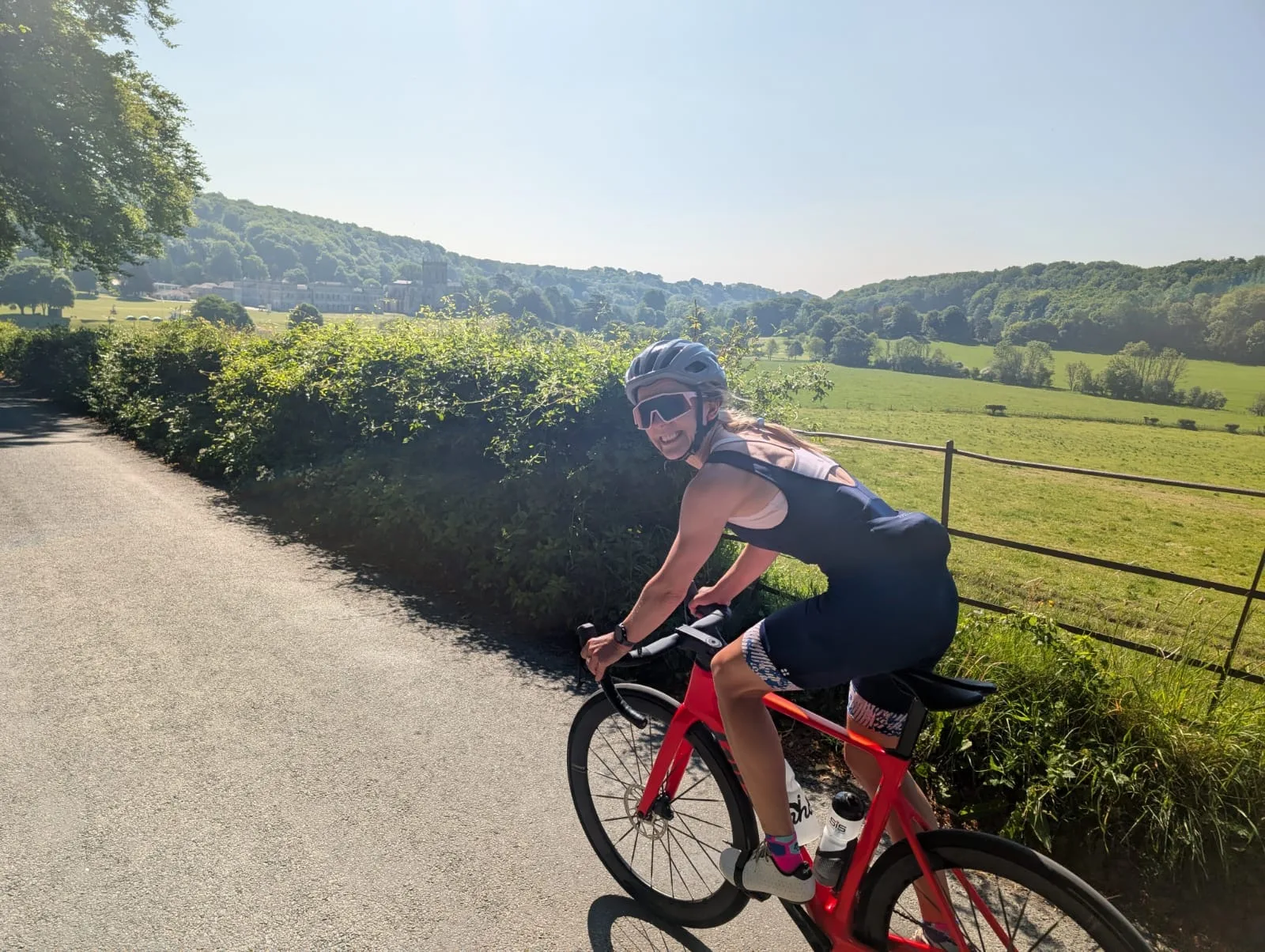
Zoe Tucker training in Dorset lanes on the missing bike

Security at her home has since been significantly upgraded, with new CCTV, lighting and locks now in place. A friend has launched a JustGiving campaign to raise funds for a replacement. “My friends have been amazing,” she told The BV. “I don’t expect the bikes will come back… the red one, the bike I raced on, is so unique I expect it’ll be locked away for a few months and then reappear. But I’ll be looking for it. I won’t give up on it.”

She added: “I just hope someone finds it in themselves to return it, no questions asked – or at least share information that might lead to it being found. That’s my only real hope.

“It was clear the thieves knew what they were coming for. Very few people had been into the garage, and the bikes hadn’t been out recently because of the weather.”

Dorset Police confirmed they are investigating. In the meantime, Zoe hopes her story will raise awareness. “It’s not just about me. I want other people to think twice about how they store and protect their bikes.”

Anyone with information can contact Dorset Police or Crimestoppers anonymously.

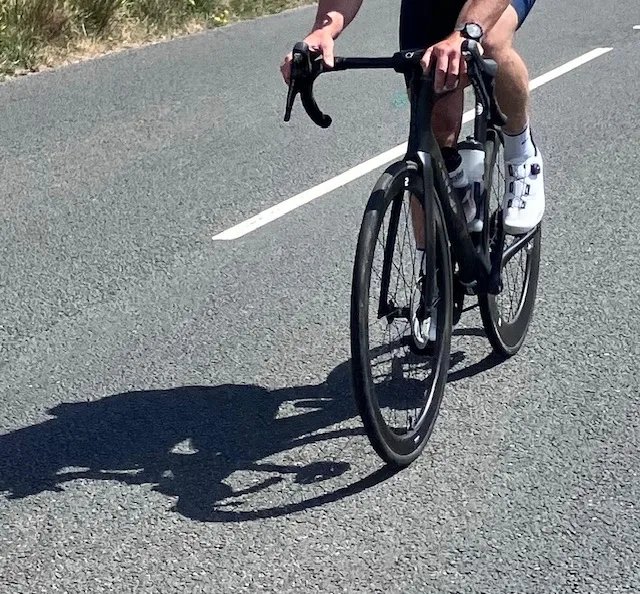
The second bike stolen from Zoe Tucker’s garage

‘I have never known it this bad’

0

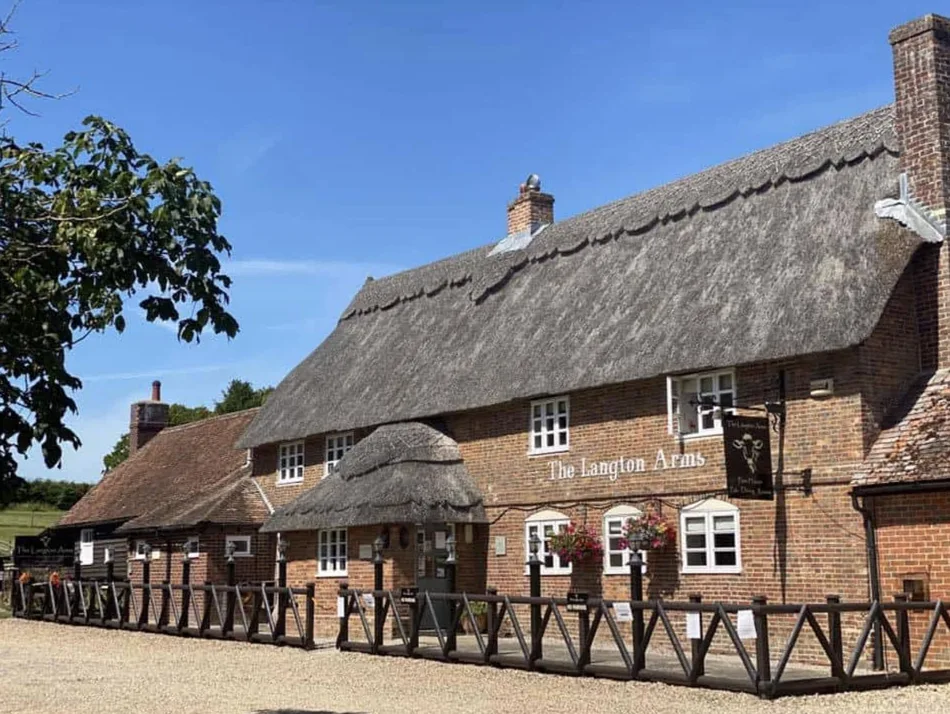
After years of running The Langton Arms, I have never known things to be this bad. In 2004 we suffered a devastating fire.
Rebuilding after that should have been the hardest challenge of my career – but it wasn’t.
We survived COVID and being forced to shut our doors, and we survived the shock of energy price hikes following Russia’s invasion of Ukraine (our electricity bill alone jumped from £25,000 to £68,000 in a single year). Realistically, we should have closed then. We were on our knees.
Over the past six weeks, the British Institute of Innkeeping and our suppliers have urged us to write to our MPs, pleading for meaningful support for the hospitality industry. The truth is the numbers no longer add up. We pay:

The Langton Arms Tarrant Rawston
  • 20% VAT, while supermarkets pay around 2%
  • High business rates
  • National Insurance
  • The ever-increasing living wage
  • Rising food/drink/energy costs
    The system is stacked against small independent pubs and restaurants. When I asked our MP two years ago why no support was coming, I was told that ‘businesses that close are not considered “well run” by the government’.
    That response still devastates me.
    Recently, a local resident even suggested I invite the Hotel Inspector to ‘tell me what I was doing wrong’.
    It shows how disconnected people are from the reality: this is not about poor management – the entire hospitality sector is collapsing. Our small village now has many Airbnbs, all competing directly with our six rooms – yet they pay no business rates, no VAT, and no commercial waste or staffing costs.
    The council tells me the government is “trying to sort it”, but by the time anything changes it will be too late for many of us.
    Across the country, pubs are standing empty, boarded up, and left to rot. These buildings once held communities together. They were – and still should be – part of our national identity.
    Instead, we are witnessing a national catastrophe.
    The government, past and present, has failed to recognise the value of a good community pub.
    If action doesn’t come soon, many more irreplaceable businesses will vanish forever.
    Barbara Cossins

Moved Into A Fixer Upper? Here Are Some Areas To Focus On

0

Congratulations on your new fixer-upper! The prospect of renovating a home can be both exciting and daunting, and it’s important to approach the project with a clear plan and prioritise your efforts. We’ll cover a range of projects suitable for various budgets and skill levels, from essential structural improvements to cosmetic updates.

Start With A Thorough Inspection

You likely had a survey done before purchasing but it’s worth considering a more detailed inspection now that you have full access to the property.

You can hire a chartered surveyor through the Royal Institution of Chartered Surveyors (RICS) to conduct a thorough assessment. They’ll examine the structure, identify any hidden issues, and provide a detailed report on necessary repairs and potential improvements.

Pay particular attention to the roof, foundation, plumbing, and electrical systems. These are often the most critical (and costly) areas in a fixer-upper. Understanding their condition will help you prioritise your renovation efforts and budget accordingly.

Address Structural Issues First

Structural issues can compromise the safety and integrity of your home, and addressing them early can prevent more extensive (and expensive) damage down the line.

Common structural issues include subsidence, damp, and roof problems. Consult a structural engineer immediately if you suspect subsidence. They can assess the severity of the problem and recommend appropriate solutions, which might range from underpinning to tree removal if roots are the cause.

A damp specialist can identify the type of damp (rising damp, penetrating damp, or condensation) and suggest suitable treatments. This might involve installing a damp-proof course, improving ventilation, or addressing external factors like damaged guttering. Roof repairs or replacements can be significant undertakings, but they’re essential for protecting your home from the elements.

Update Your Plumbing And Electrics

Outdated plumbing and electrical systems can pose safety risks and may not meet current UK building regulations.

You can replace old lead or galvanised steel pipes with modern copper or plastic alternatives. This can improve water pressure and quality while reducing the risk of leaks. It’s worth upgrading to a more efficient boiler which can significantly reduce your energy bills. Look for boilers with an A rating for efficiency.

Older UK homes may have outdated wiring that doesn’t meet current safety standards. A qualified electrician registered with NICEIC or ELECSA can rewire if necessary, upgrade your fuse box to a modern consumer unit, and ensure you have enough outlets to meet your needs.

Improve Your Home’s Energy Efficiency

Enhancing your fixer-upper’s energy efficiency can lead to significant savings on utility bills and increase your home’s comfort. Start by assessing your insulation. Many older UK homes lack adequate insulation, particularly in lofts and cavity walls.

Installing loft insulation is often a straightforward and cost-effective improvement. You’ll need to hire a professional for cavity wall insulation, but the savings on your heating bills can be substantial. For homeowners working with a limited renovation budget, it’s also worth thinking strategically about how these upgrades are financed. Just as trading for beginners focuses on learning the basics, managing risk, and reinvesting small gains over time, energy-efficiency improvements often pay off gradually, helping to free up monthly cash flow rather than delivering instant returns.

Consider upgrading to double or triple-glazed windows if your home still has single-glazing. Don’t overlook draught-proofing. Simple measures like sealing gaps around windows and doors, installing chimney balloons, and adding keyhole covers can make a noticeable difference to your home’s warmth and energy efficiency.Refresh Your Walls And Floors

One of the quickest ways to transform the look of your fixer-upper is to refresh the walls and floors. A new coat of paint can work wonders in brightening up a space and making it feel clean and fresh.

Think about the natural light in each room. Lighter colours can help small or dark rooms feel more spacious and brighter. If you’re painting yourself, invest in good quality paint and tools for the best results.

Your options for floors will depend on the existing flooring and your budget. Carpets can be a cost-effective choice for bedrooms, providing warmth and comfort underfoot. Look at more durable options for high-traffic areas like hardwood, laminate, or luxury vinyl tiles (LVT).

Don’t Forget The Doors

Starting with your front door, consider whether it’s providing adequate security and insulation. Many older UK homes have poorly insulated front doors, leading to significant heat loss. Look for doors with good thermal properties and robust locking systems. Composite doors are popular for their excellent insulation and security features.

Look at the condition and style of the interior doors. If they’re in good shape but look dated, you might be able to refresh them with a coat of paint and new hardware. Changing interior door furniture, like adding brass door handles, can make a surprising difference to the overall look of your doors. Look at Corston’s range of interior and front door handles for some inspiration.

Landscape Your Garden

Start by clearing any overgrown areas and assessing the current layout. Consider how you want to use the space – do you need a dining area, a play area for children, or a low-maintenance garden?

A garden designer or landscape architect might be an idea if you’re new to gardening. They can help you create a plan that suits your lifestyle and the local climate. The Royal Horticultural Society (RHS) also offers excellent resources for UK gardeners.

Think about incorporating some eco-friendly features into your garden design. Rain gardens can help manage water runoff, while compost bins can reduce your household waste. Consider planting native species, which are often easier to maintain and better for local wildlife.

Dorset NFU fills the room

0

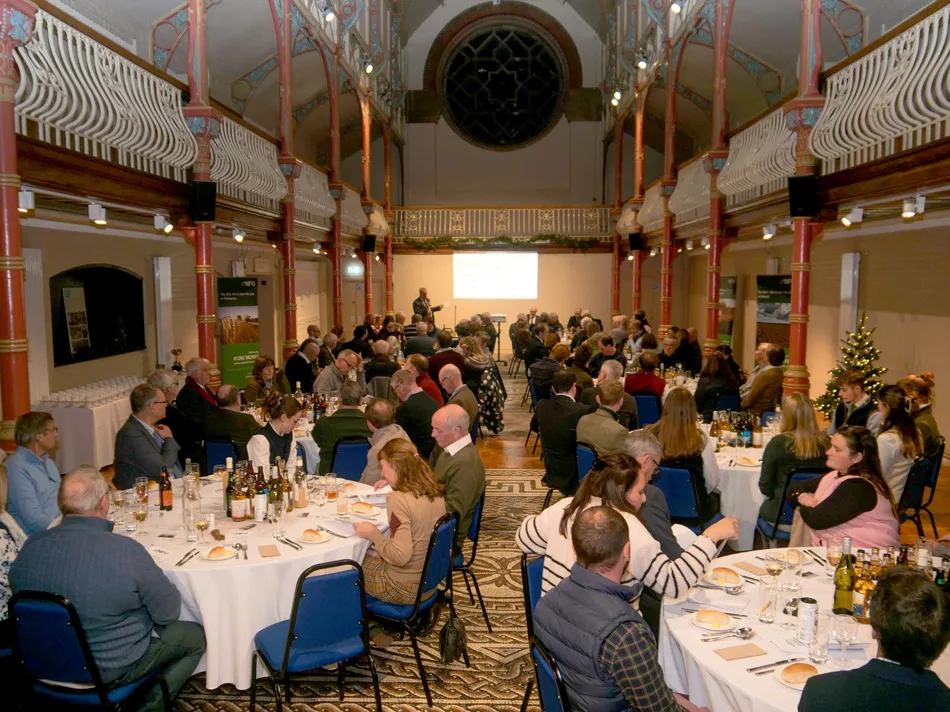
A packed hall was the scene for Dorset NFU’s County Annual Open Meeting at the end of November. County chair Tim Gelfs wanted to put a different angle on the meeting this year. Conscious that farming has just been through a difficult 12 months – both politically and with a long summer drought – he was keen to bring members together. With the help of county advisor Dirk Russell, and Dorset’s six group secretaries, it was decided to mix business with pleasure while celebrating Dorset’s fantastic produce.
Dorset Museum in Dorchester hosted the evening, with members and guests enjoying a look round the exhibits – from the Jurassic period and the Iron Age through to Thomas Hardy. Everyone then found their seats for a three-course meal using Dorset ingredients. Beef, cheese, locally-grown veg … even the watercress for the soup starter came from just outside Dorchester. All served alongside beer, wine and cider, again generously donated by county producers.

Dorset NFU’s AOM was held in Dorset Museum’s grand Victoria Hall

In the room
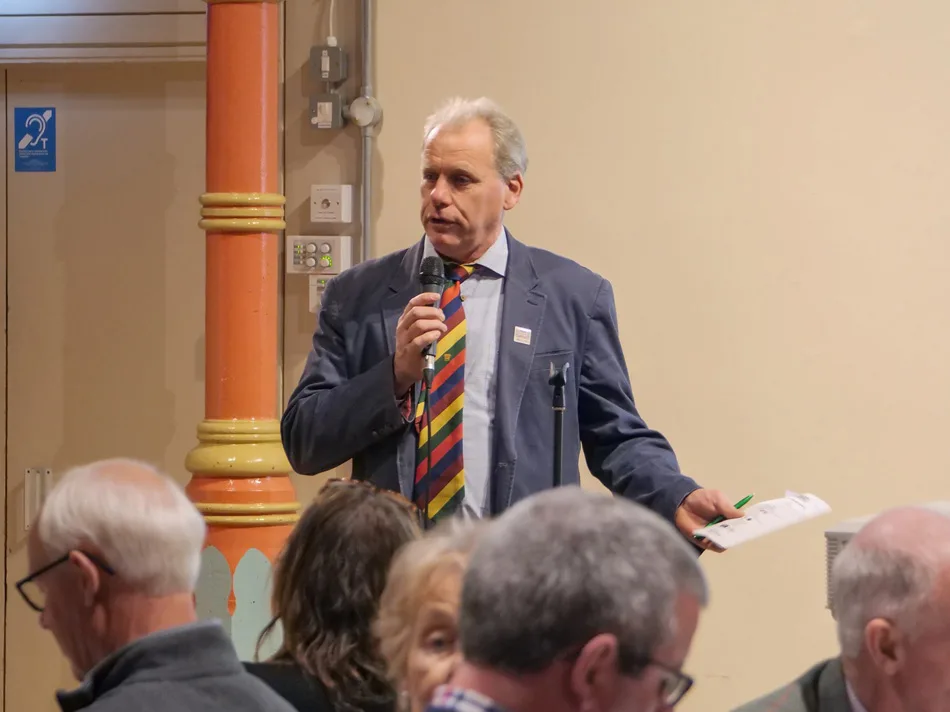
The county chair and advisor reported on the management team’s work through the year. Tim talked of the importance of keeping MPs and councillors informed of our challenges and views. Of having meaningful conversations, but also of holding them to account when needed.
Improved member engagement was discussed, with new digital tools enabling members to tailor the information they receive. Tim’s vision is to broaden engagement with Poole, Bournemouth and Weymouth: urban councillors still get to vote on rural issues, and they must be well informed when they do so.
Informing consumers – every farmer’s customer – is a duty for all, Tim says, and the NFU must create local opportunities for that to happen. Tim closed by thanking the team for their support, and called for members to step forward and jin them in helping shape Dorset NFU’s work.

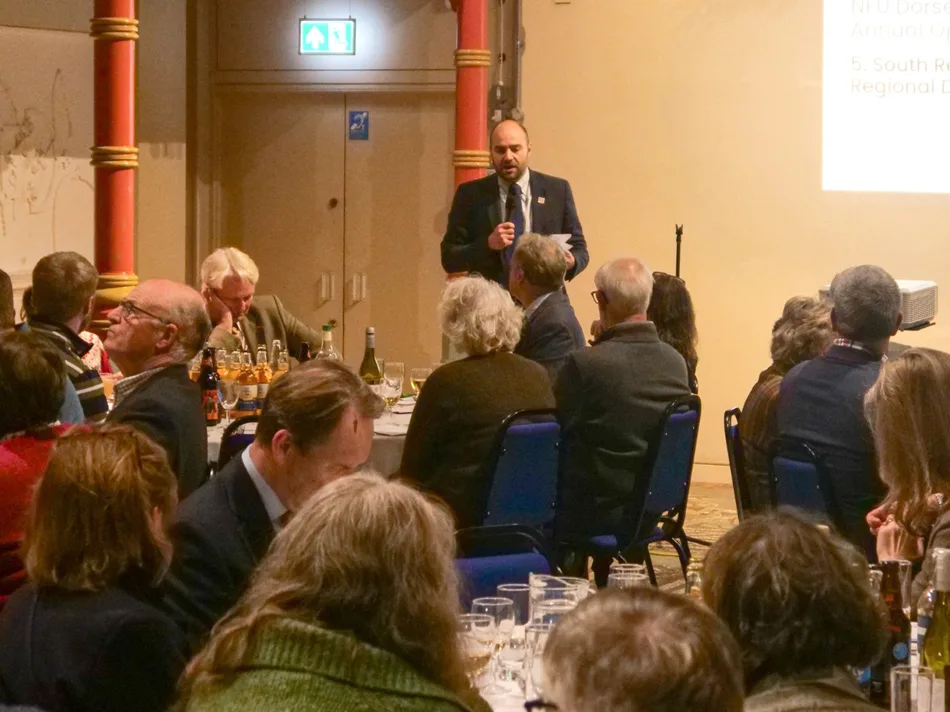
Tom Rabbetts, the NFU south regional director, set the current political scene


Regional director Tom Rabbetts followed with a report on the NFU’s recent work. With government, IHT and SFI were the main topics, alongside TB and lobbying of major stakeholders. Tom acknowledged that it has been frustrating at times, not getting the outcomes they have lobbied hard to achieve. But he also pointed out that they have had some good wins, such as the extension to stewardship agreements that are coming to an end. Relationships with DEFRA remain strong, and the NFU is very much ‘in the room’.

Tim Gelfs gave his chair’s report on the management team’s activity this year

Time to listen
After the meeting and meal, there was an open session, and members where invited to ask questions or voice their concerns. There were more strong views than questions around SFI, TB and local engagement, and our Dorset members felt more emphasis should be made on all these three points. They were assured that the NFU are engaging fully, in particular to SFI concerns. Dorset has its own TB team to help drive policy, made up mainly of farmers and facilitated by NFU.
Tim acknowledged all views and will take them forward to the Regional Board and Council.
‘All in all it was a successful night,’ he says. ‘It did exactly what we set out to do: get our members engaged and talking to us, with a decent celebration of Dorset’s produce on the side. It was definitely something to build on, and there was lots to take forward into 2026!’

Art at Home raises £1,000 for farming support charity

0

West Dorset artist Sarah Sclater has raised £1,000 for the Farming Community Network (FCN) through her annual Art at Home exhibition, held in early October at her home near Beaminster.
Now in its eleventh year, Art at Home offers visitors a unique experience: browsing work from international and local artists and makers, all displayed in the intimate setting of Sarah’s own home, Thrae. Over the past decade, the event has featured more than 50 artists and welcomed hundreds of guests from across the country.

Sarah Sclater (left) and Bec Hill of the FCN

‘I continue to love showing people art in this unique setting,’ says Sarah. ‘There’s nothing more satisfying than selling someone their first original piece – and even better when they come back again.’
This year, Sarah chose to support the Dorset branch of FCN, a national charity offering confidential support to farmers, farm workers and their families through difficult times. Run by volunteers who understand the challenges of agricultural life, FCN helps with everything from financial worries and family breakdowns to mental health concerns.
‘We were delighted to receive Sarah’s generous donation,’ says Bec Hill of Dorset FCN. ‘Support like this goes directly to helping us continue our work in the farming community.’
If you or someone you know is struggling, you can contact FCN confidentially via [email protected] or call the national helpline 03000 111 999 (open 7am–11pm every day).
More on Art at Home on sarahsclaterart.co.uk

Sponsored by Wessex Internet

Nina May June Bolam nee Weed

0

5th May 1929 – 22nd November 2025

Passed away peacefully in Dorchester Hospital at 96 years. Will be sadly missed by all her family & friends. A Celebration of her life will be arranged in the new year at the Westend Hall, dates to be announced in a later post.

When Jeanne found a new home

0

When Dale Batten moved her mother-in-law to The Malthouse, she expected safety – not the sense of family she says shapes every day now

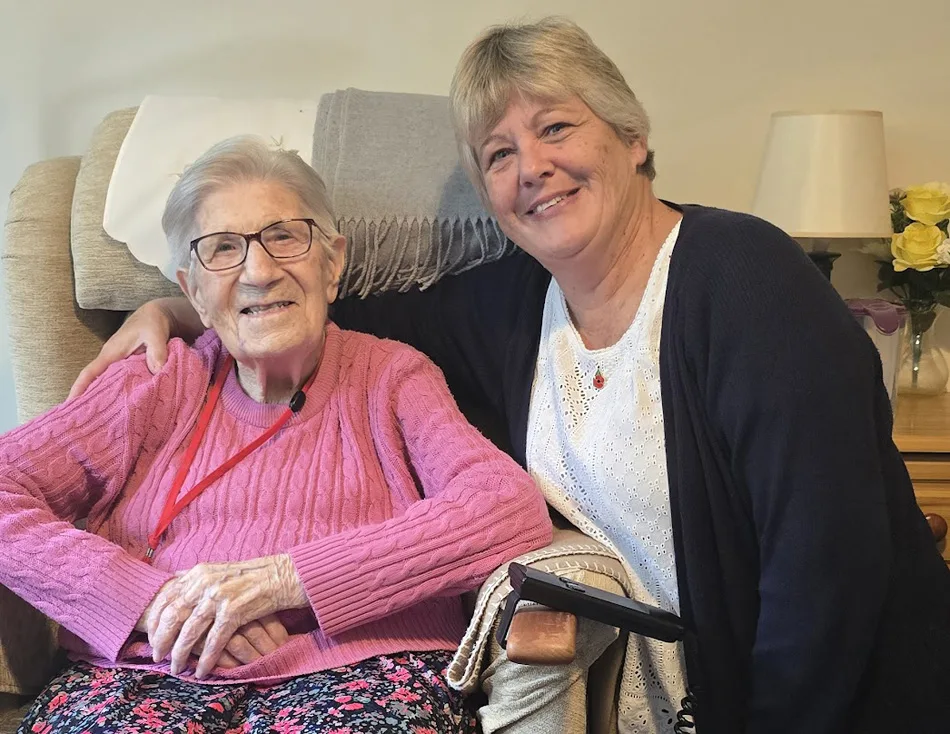
When Dale Batten moved her mother-in-law Jeanne into The Malthouse nearly four years ago, she hoped she’d found somewhere safe and steady. What she didn’t expect was how quickly it would feel like an extension of the family. ‘I wouldn’t wish her to be anywhere else, really,’ she says.

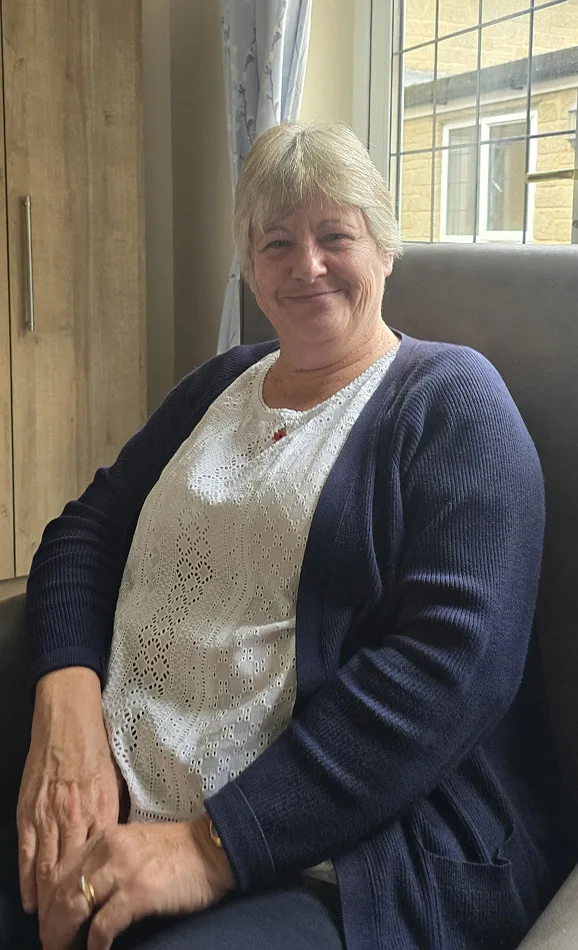
Jeanne, left, with daughter-in-law Dale


Jeanne, 93, had been living independently in Gillingham after losing her husband, with Dale supporting her through the move from Crewkerne and the long, isolating months of Covid. But as Jean’s needs increased, especially overnight, the choice became clear. ‘I couldn’t do it forever,’ she says. ‘But the decision really had to come from Jeanne, and she realised she needed more.’
The Malthouse team visited Jeanne first to assess her needs. ‘They were really kind,’ Dale says. ‘And then she moved in about 10 days later.’ The transition was smooth, though not without emotion. ‘She doesn’t like change. She’s a very private lady.’
Jeanne is profoundly deaf, relying on lipreading and a small whiteboard for communication – and she has periods of hallucination that can make visits challenging. ‘Some days are more upsetting than others,’ Dale says. ‘Some visits are very hard. Some are a lot easier. Today is a good day.’
What has made the difference, she says, is the patience and constancy of the staff. ‘They’re such a wonderful bunch of people here. They really are. If ever there’s any queries or questions, we just message or they phone. The communication is brilliant. It feels like family. That’s the difference. It’s not just a job here.’

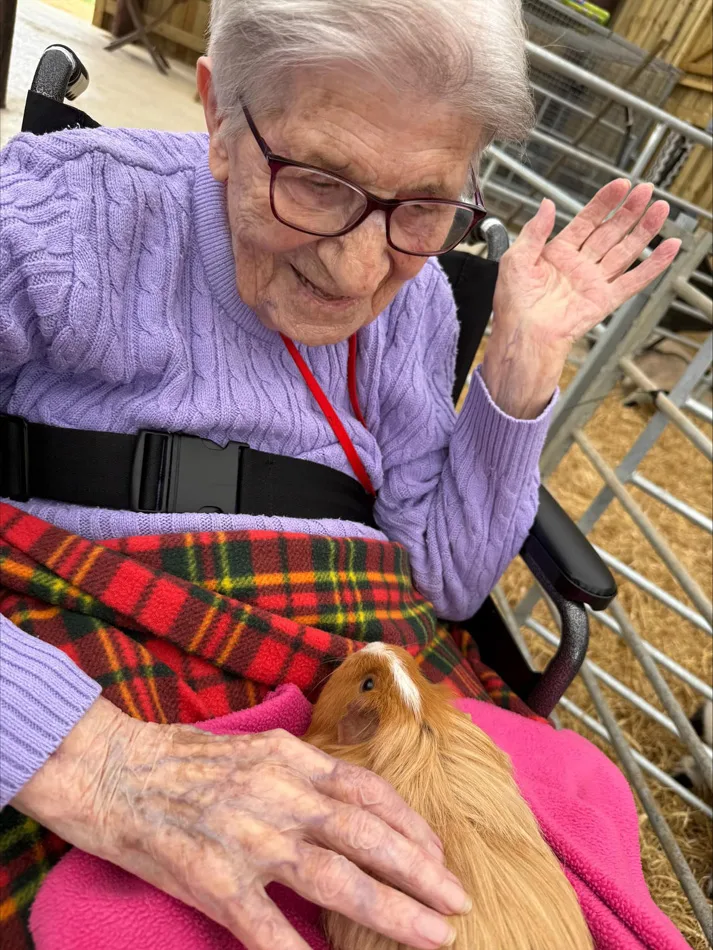
Jeanne was thrilled by her trip to the farm, and loves the meet-and-greet sessions with the animals

Genuine care
Daily life is shaped around Jeanne’s abilities. She is encouraged to walk short distances for exercise, though she prefers the reassurance of her wheelchair close behind. She goes for lunch when she can. And when she can’t join group activities, the team bring them to her. ‘They make sure she doesn’t miss out,’ Dale says. ‘She has visists from the therapy dog, and the owls. And they took her to a farm one day – not a group trip, just her – and she loved it. The photos they sent were wonderful.’
The personal touches matter. When Jeanne’s niece visited from Australia – the first time for 35 years – the Malthouse team arranged a cream tea in the garden room. ‘It was beautiful,’ Dale says. ‘They just can’t do enough for you.
Dale sees the contrast clearly when she visits her own mother in a care home elsewhere. ‘You can’t compare them,’ she says. ‘When I go to see my mum, the manager sits behind a glass door. There’s an iPad to check in. No hello, no eye contact. I just go upstairs, see her, and come away.’ She shakes her head. ‘Here, you’re greeted at the door. They ask how Jean is. They fill us in. They genuinely care.
‘She doesn’t want to press her buzzer because she thinks she’s putting everyone to trouble,’ Dale says. ‘I say, “You’re not. This is why you’re here: to be looked after.” She appreciates everything they do.’
The conversation turns to longevity of staff – something The Malthouse is known for. ‘It tells you a story on its own,’ Dale says. ‘The carers, the cleaners, the kitchen team … they all stay. And that says it all, really.’

‘I couldn’t look after Jeanne forever,’ Dale says. ‘But the decision had to come from Jeanne, and she realised she needed more.’

Cared for and valued
Before we finish, Dale tells one final story. She was at the building society sorting out paperwork when a man overheard her discussing care homes. ‘He said, “Do you mind me asking which one?” and I told him it was The Malthouse.
‘A few months later I bumped into him again here – his mum had moved in.’
You can hear the relief in her voice – the sense of having made the right decision.
‘It makes our life easier too,’ she says. ‘You want to know you’ve done the right thing by them. And we do know. If anything was wrong, they’d message us, day or night. We don’t mind what time it is. We just want to know she’s in good hands.’
For Dale, it all comes back to the feeling she gets when she walks in. ‘It just feels like home. Not her old home – that chapter’s passed. But a home where she’s safe, and cared for, and valued. And that’s all you want, really.’
healthcarehomes.co.uk