Excitement is building for the automotive show of the year – and there are plenty of new attractions, food and events during the day to entertain the whole family. Clayesmore and Aperta Events are delighted to welcome headline sponsor, Harwoods, who are set to wow the crowds with a magnificent collection of Astons, Bentleys, McLarens and many other rare vehicles. You won’t want to miss it!
We also welcome other sponsors and friends – Van Haven, Gritchie Brewery Co and HKC Prestige who are all coming together to create more than a stunning exhibition; it will be a relaxed and fun afternoon for all the family. It’s time for the kids to take the driving seat! We are also delighted to announce that we will have a brilliant new installation for children – they can come and have a go on our exciting off-road adventure obstacle course in mini electric LAND ROVERS! Thanks to Harwoods, every child can have a go for free, and earn their driving licence!
Don’t miss the REV OFF! Join us for the REV OFF competition! Twice during the day our supercars will be battling it out for decibel bragging rights. We’d say it’s not to be missed, but if you’re anywhere nearby you simply will not be able to miss it … VROOM!
And much, much more… We have more amazing caterers … stalls and stands for retail therapy … and the music, did we mention the music? See you there! BOOK YOUR TICKETS NOW! bit.ly/classicsupercar2023
With capabilities not even imagined in 1948, the NHS is leaping forward with technology not just to heal, but to prevent and manage. Rachael Rowe reports
It’s 75 years since the NHS was established in 1948, providing free healthcare for British people. The service has completely changed over its lifetime as healthcare has continued to evolve, and it has seen incredible developments – from the first pacemakers to the introduction of robotic surgery. One of the most exciting is how digital technology is transforming care and preventing people from getting sick or having an accident. We should all start seeing more technology in the NHS in the next few years.
Where technology is working Many people are already benefitting. The innovations taking place go far beyond automated phone lines and appointments on Zoom. For example, 10,000 people with diabetes in Somerset use a digital platform to monitor their condition and learn more about how to help themselves – that’s a quarter of the county’s adult diabetes sufferers. The My Way Diabetes site is linked to GP data, so users can also see their medical records. Hospital at Home is another major development in the NHS, enabling people who are medically stable to be cared for and monitored in their own homes, using a range of devices such as blood pressure monitors, oximeters (to measure the level of oxygen in the blood) and more. The clinical teams looking after the hospital patients also care for those being monitored through the Hospital at Home programme, so there is continuity of care and even home visits where appropriate. In Dorset, the scheme has been extended to supporting oncology patients. Oncology consultant Dr Amelie Harle said: ’This innovative system, designed by patients and oncology teams together, provides patients with early advice at the onset of symptoms to empower a patient to safely manage milder symptoms at home or, when symptoms are more significant, to seek urgent advice from the Acute Oncology Hotline Service.’
Meet the Dorset DIIS Heather Case is head of the Dorset Intelligence and Insight Service (DIIS) at NHS Dorset and works alongside Janine Ord, head of population health management. The DIIS sounds mysterious, but is simply a database that has been developed to use anonymised NHS and social care data to pick up trends. There are no large management consultancy fees here, or outside companies offering to build technical systems with a hefty price tag. Instead, staff in Dorset have created ways of using data to identify trends in the population. The population health management team then works collaboratively with GPs and hospital colleagues to detect where attention is needed. Janine gives an example of how the use of their data and technology is making a difference in North Dorset specifically. ‘We looked at ways of preventing falls, by predicting the types of patient who were at risk of falling in the next 12 months. First, we looked at data from those people aged over 65 who had experienced an injurious fall, and we reviewed hospital data on fractured wrists and hips. Then we checked out any commonalities between them to identify those at highest risk of falling.’
Surprising causes But it’s what happened next that shows how the Dorset database is working its preventative magic. Heather says: ‘We gave our anonymised data to the North Dorset GPs, who were able to identify the people most at risk of falling using our model and invite them to an event where they could get help and advice to prevent falls. ‘For example, one of the common reasons people fall is that they are taking so many different types of medicines, so a pharmacist was there to provide support and answer questions. We also had physiotherapists and occupational therapists with advice on exercises to improve balance and strength.’ The data analysis helped the team to identify the common factors in those at risk of falling. Heather found increasing age, combined with having multiple chronic conditions, was a significant major factor. They also found some surprising information. ‘Depression and social isolation were a feature in some of those who had experienced falls. Probably because depressed or lonely people move less, they become medically de-conditioned. And another factor was those with urine infections – they were getting up to use the loo frequently in the dark, risking a fall.’
Asking the right questions The team can tailor the Dorset database to look at any condition from asthma to high blood pressure, and then identify the gaps where work could be done to prevent ill health. ‘However, we’re also working with clinical teams – who need the time and head-space to be able do the work,’ added Heather. They work collaboratively with local clinicians to refine their data models, making use of the clinical expertise to ask the right questions. When they initially reviewed the falls model, the data team could only find five per cent of the patients. But when the GP asked additional questions of the data, that rose to 33 per cent. So what’s next for this exciting database in Dorset? Heather has some priorities: ‘We’d like to look more at social care pathways (how people access both residential and community care in their home) and acute care, where a patient receives active, short-term treatment for a condition. Most of the work to date has been in primary care – general practice, community pharmacy, dental and optometry services.’ Janine has additional thoughts on the recent findings of the programme: ‘We’re working with social prescribers to try and identify the early signs of depression. It’s linked to social isolation, and it’s now understood that being socially isolated is the equivalent of smoking 15 cigarettes a day. ‘It would be wonderful to be able to prevent problems instead of constantly being on the back foot with chronic disease.’ As the NHS celebrates its 75th birthday, the once-futuristic opportunities for keeping people healthy and preventing chronic disease are already here – and need to be used!
As the mother of four adult (OK, one’s 16, so she just thinks she’s adult) children, I find myself constantly amazed and inspired by the attitudes and resilience of the next generation. They navigate a world filled with challenges, uncertainties, and pressures; yet they continue to shine brightly, trying hard to make a positive impact. At every turn they are dismissed as ‘woke snowflakes’. Lazy sensitive souls who need to get a backbone. To face ‘real life’. To suck it up, buttercup, life’s not fair. Yet from where I’m sitting, I see a generation more tolerant and more inclusive than those who have come before. Lewis Capaldi was a headliner at Glastonbury this year, and I’m sure anyone who saw his set will always remember it. He has made no secret of his battle with Tourette’s, and through the performance, his tics became more pronounced. Eventually his voice failed. He simply stopped singing, his distress obvious. What struck me was the response from the crowd. The mass of ‘the youth of today’. No one mocked or jeered – instead, the vast sea of people raised their voices and sang for him. They carried him through, filling the spaces where he faltered. The acceptance, tolerance, understanding, empathy, and compassion exhibited by the Glastonbury crowd was beautiful. An example of the strength of unity in a world that seems so divided. It filled me with hope. (if you missed it, click play on the short video below) Our young people may be shouting down the intolerant voices of their elders. They may be angry at the world we are leaving them to fix. But their resilience, search for authenticity, and their unwavering hope for a better future are a daily inspiration – and a guilty poke at my grumpy cynical self. They’re also ridiculously funny. When I grow up, I plan to be more like them.
Rage against the mow (some more) Referring to the letter published in June titled ‘Rage against the mow’, I can’t help but express my deep disappointment as well. I wholeheartedly agree with Sarah G’s sentiments. The council’s actions of mowing during “No Mow May,” have shown blatant disregard for the welfare of local wildlife and the ecosystem. It’s high time they revisit their policies and take our local environment seriously. Name and address supplied
I am writing in response to the letter by Sarah G from Sturminster Newton about the premature trimming of our grass verges during “No Mow May”. Sarah’s concern resonated with me, but a public hounding – trendy though that may be now – is not the adult and mature way forward. Perhaps Sarah G should direct her enquiries to the council first? I think we need to discuss the reasons for such decisions instead of purely blaming the council. Perhaps we should invite the council to share their maintenance schedule and the rationale behind it, and open up a dialogue to avoid such issues in the future. Only then can we work together to preserve our local ecosystem. Tom Stanton, Sherborne
On Kickboxing I read your June 2023 editorial and couldn’t help but question your approach towards physical activity. It seems you are engaged in kickboxing to ‘spite’ your teenagers? Isn’t it crucial to undertake physical activities because they benefit us health-wise and not merely to prove a point to others? Moreover, the dismissive remark on your body not being a typical kickboxer’s may discourage other potential learners. Shouldn’t we promote body positivity and inclusivity in all aspects of life, including sports? Brian Thorne Wimborne (Though humorous, I’m fairly sure my letter was very clear in expressing my love for kickboxing, and in the fact that I take great joy in the sport. I am also very comfortable with being ‘an overweight middle-aged mum who kickboxes.’ and I strongly encourage everyone, no matter their body type, to get up and be more active. I passed my grading, by the way. Three more to black belt. Thanks for asking! – Ed)
On the Swanage hike I refer to your experience shared in June’s edition regarding your visit to the AONB near Swanage. While I appreciate your enthusiasm about the region’s stunning heathland and the peace one may find there (before the summer rush), I want to challenge your invitation to readers to explore the area. We must remember that such beautiful landscapes are delicate ecosystems that could potentially be harmed by increased foot traffic. Even with the best intentions, visitors can disrupt the local fauna and flora, inadvertently damaging these habitats. In the future, I request that you consider the potential impact on the environment before encouraging such visits. Marian S, Blandford
In your June 2023 issue, you detailed a beautiful walk from Swanage (I did a particularly lovely seven mile version using your suggested route and short cuts, thank you!) and also very much enjoyed your editorial expressing your delight in the beauty of Dorset in early summer. I would like to express my appreciation – the abundance of natural beauty in Dorset, from the lush hedgerows to the wildflower meadows and empty heathlands is often overlooked by those who either scoot past Dorset on their way elsewhere, or, sadly, by those so caught up in the treadmill of modern stressful life that they have no time to stop and enjoy it. I find your magazine motivates me every month – we locals must venture outdoors and explore our surroundings more often. Tina Gordon, Blandford
On the podcast I am a long-time subscriber and follower of the BV and, more recently, its associated podcast. I have recently been immensely impressed by the quality of the podcast, particularly over the last few months, and I felt compelled to voice my appreciation for the hard work and dedication demonstrated by the team. Firstly, I would like to commend the dynamic duo of Jenny Devitt and Terry Bennett. The relaxed yet insightful style of their interviews has become something I look forward to each month. Their engaging conversations provide a fresh perspective and understanding – I find even when I have already read the relevant magazine article I never fail to learn something new from the podcast. Recent highlights for me were Jenny’s talk with Natalie Wheen on her Dorset Island Discs, Lillie Smith and her rare breed pigs, I always enjoy Jane Adams when she appears and Terry’s interview with the chap from Sherborne Antiques prompted me to visit (and I’m so glad I did!). I’ll admit I always skip Karen Geary’s nutrition articles – not my thing – but her interview this week was interesting and entertaining, and is what prompted me to write. The podcast not only complements the magazine but adds another dimension to the stories, making them come alive in a unique way. I would encourage any BV reader who hasn’t yet dipped into the podcast to give it a try and enjoy the excellent interviews and stories that Jenny and Terry bring to us each month. Keep up the good work! Roger B, Shaftesbury
(If you’d like to dip in and listen, you can find all episodes of the BV podcast here)
The plan was for Pet of the Month to make editor Laura feel less guilty for the pets who don’t make the Reader’s Photography pages. Instead the Facebook parade of good pets that she had to choose from made life harder! Such brilliant pets. Would you like your pet to be featured? Share them on Facebook or send an email to [email protected]. Please be sure to include your pet’s name, age, and a couple of fun details about them.
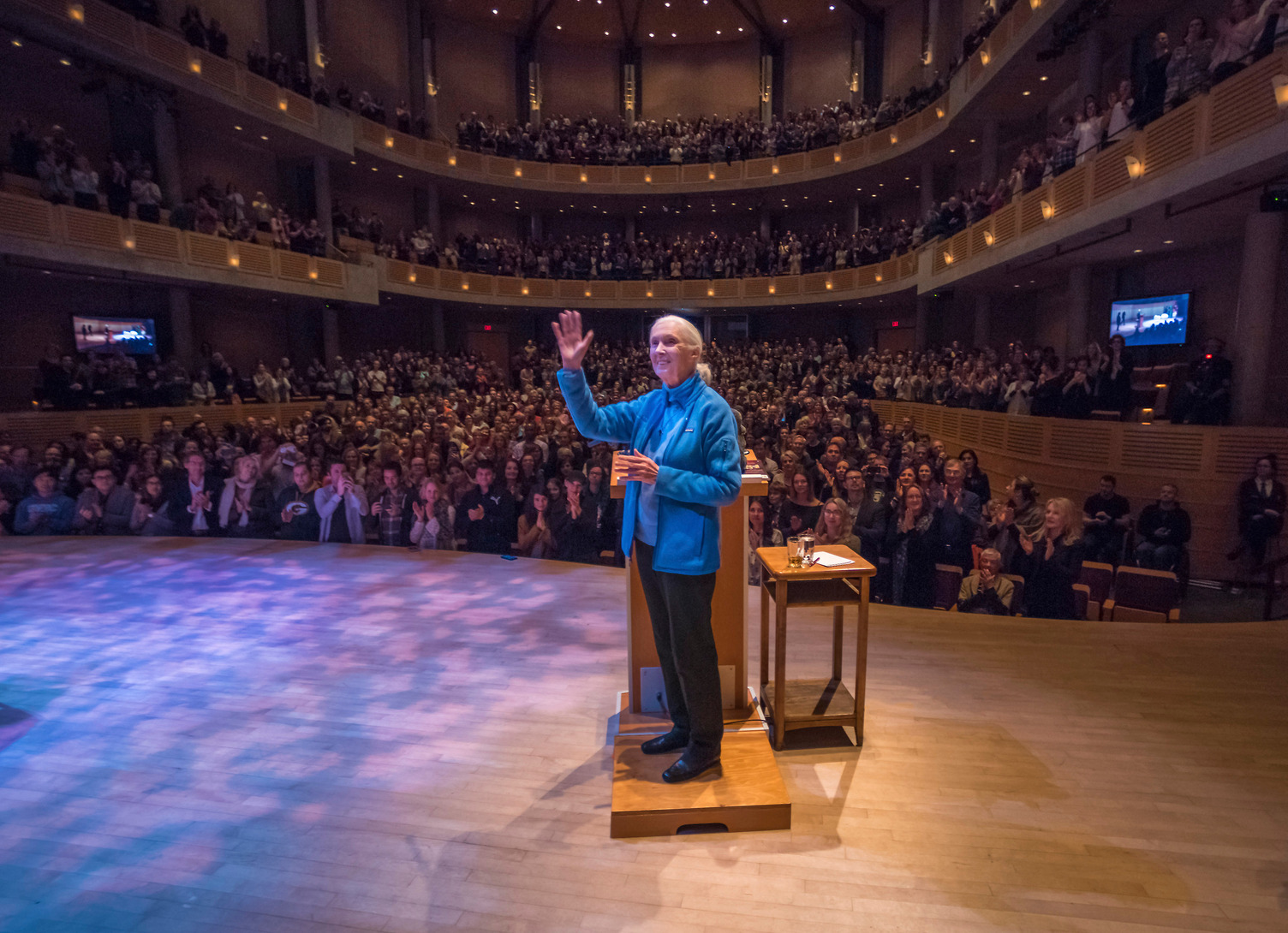
Dr Jane Goodall made her name by quite literally redefining what it means to be human. Through her work with wild chimpanzees in Tanzania, she set the standard for how behavioural studies are conducted. She was born Valerie Jane Morris-Goodall in London in 1934. When her father was posted to France early in WWII, Jane, her mother and younger sister Judith moved to her grandmother’s home in Bournemouth, which she has counted as home ever since. ‘When I was ten, I dreamed of going to Africa, living with animals and writing books about them,’ she told CNN in 2017. ‘We didn’t have any money, I was a girl, and the war was raging – so everyone except my mother laughed at it.’ Increasingly unhappy with the restrictions of school life, 16 year-old Jane wrote in an early 1951 diary: ‘Woke up to be faced by yet another dreary day of torture at that gloomy place of discipline and learning, where one is stuffed with “education” from day’s dawn to day’s eve.’
A dream of Africa
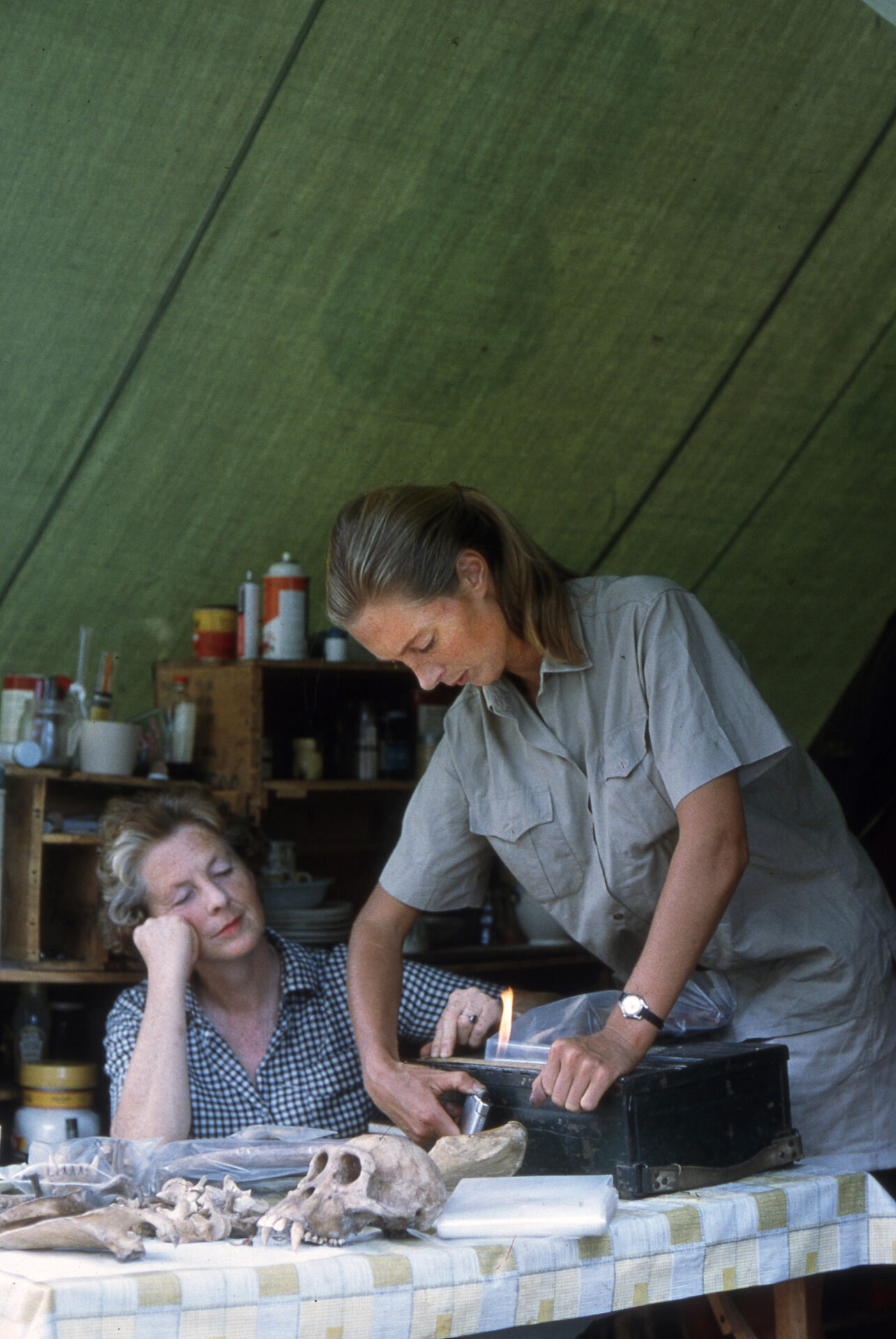
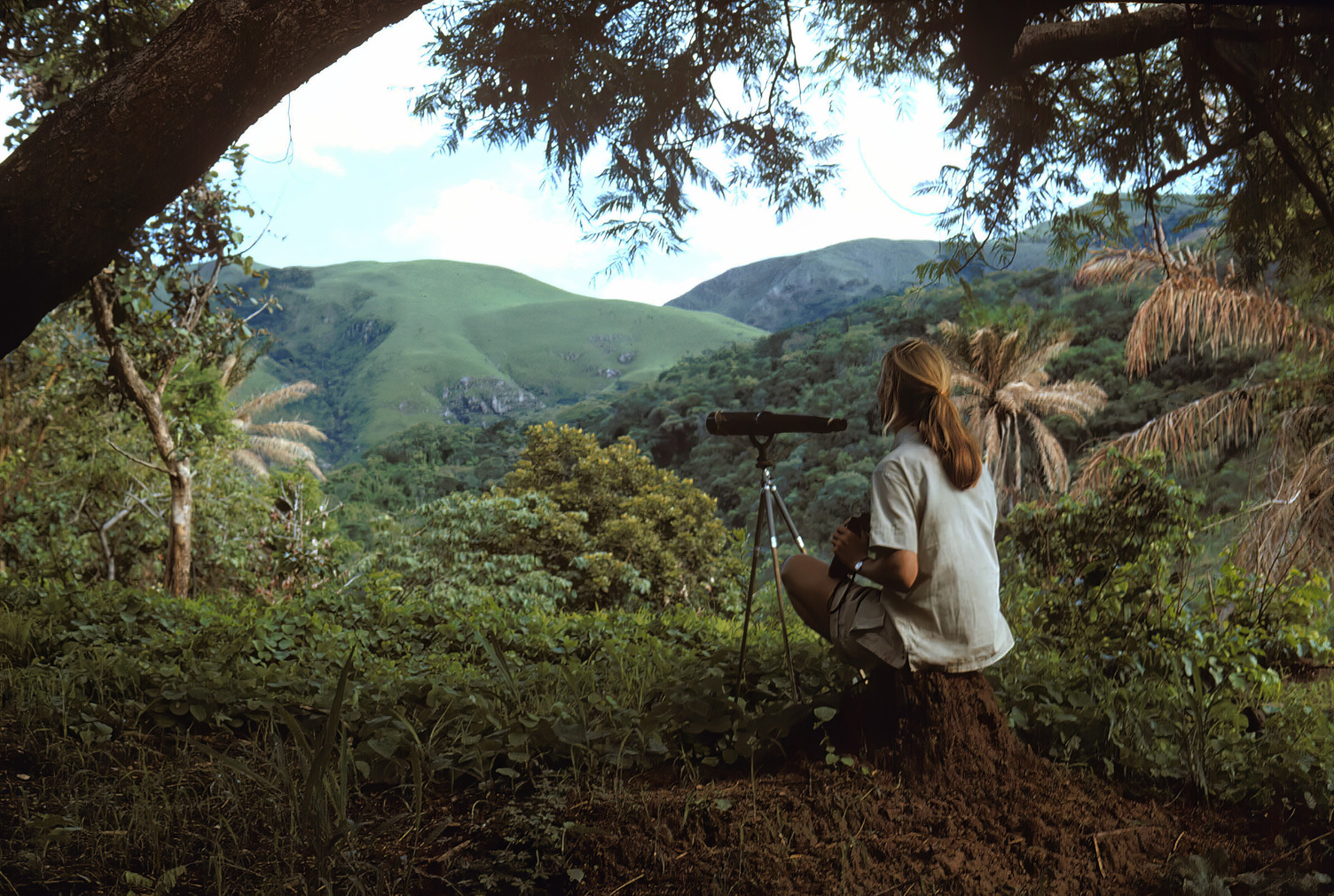
Nevertheless, she won two school prizes for essay writing and her exam grades were good enough to go to university. But her family couldn’t afford it, so instead she enrolled at secretarial college, and moved from one clerical job to another. Her opportunity came via an old school friend, who invited Jane to spend a few months at her family’s farm in Kenya. Jane credits her mother, Margaret Myfanwe Joseph – affectionately known as Vanne – with recognising her talent and passion at a time when girls were often discouraged from pursuing serious professions. Keen to nurture Jane’s ambitions, Vanne promptly said yes, despite society’s attitudes to allowing a young woman to board a ship to ‘deepest, darkest Africa’. Jane immediately fell in love with the country, and took an office job in Nairobi, where she met the paleoanthropologist Louis Leakey, curator of Nairobi’s natural history museum. Leakey was impressed by her and offered her a job. What Jane didn’t know was that Leakey was actually looking for someone to research chimpanzee behaviour, but didn’t want someone carrying the baggage of preconceptions of a university education. Leakey, according to National Geographic, believed Goodall’s lack of formal scientific training – along with her passion for animals – would make her the right choice to study the social lives of chimpanzees at Gombe, because she would not be biased by traditional thought and could study chimpanzees with an open mind. In 1958, at the age of 25, Jane Goodall travelled back to London and spent some time with experts in the fields of primate anatomy and behaviour. By the summer of 1960, Leakey had raised enough money to fund her work, and she returned to Africa. Girls were rarely seen embarking on trips for scientific research, and Jane’s mother accompanied her when she began her research on the Gombe chimpanzees on the shores of Lake Tanganyika in East Africa. British authorities complained that a young woman should not be living alone in the jungle, so Vanne accompanied her daughter as a chaperone for four months.
Jane acknowledges that the early weeks at Gombe were challenging. She developed a fever − probably malaria − that delayed the start of her work. Once she had recovered, the rugged terrain and thick vegetation made exploring the reserve difficult and she hiked miles without ever seeing a chimpanzee. Jane’s first venture into the dense forests of Gombe Stream National Park in Tanzania began what would become six decades of intimate study of chimpanzees. She took an unorthodox approach, immersing herself in the chimpanzees’ habitat. After months of trying to gain their trust, she was able to experience their complex society as a neighbour, rather than as a distant observer. She then defied scientific convention by naming the chimpanzees rather than using the accepted numbering system, and also by suggesting that the chimps had emotions and personalities. She came to understand them not only as a species, but as individuals with complex minds, emotions and long-term bonds. Her ground-breaking discovery that chimps use tools challenged long-standing contemporary thinking, forever shifting the boundaries that separated humans from animals. Recognising her contributions to the field, Louis Leakey advised Jane to earn an academic qualification, which would allow her to gain independent research funding. He paved the way for her to embark on a PhD course in ethology at Cambridge University (only the eighth person ever to be admitted without an undergraduate degree). There, she found herself at odds with senior scientists over her methodology. Jane graduated in 1965, after presenting a thesis entitled Behaviour of the Free Ranging Chimpanzee’.
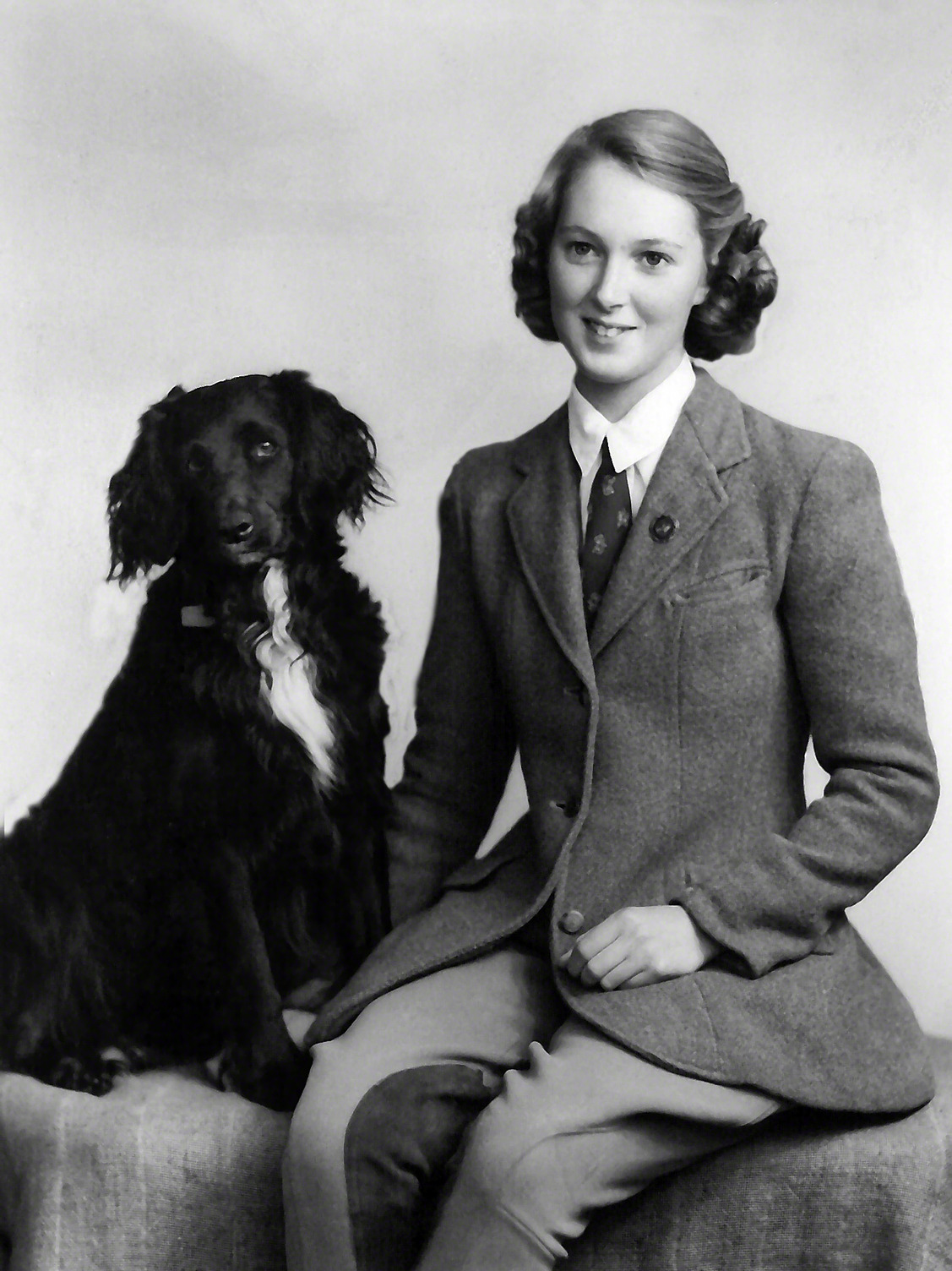
Jane Goodall with her friend Rusty, Bournemouth 1954. The Jane Goodall Institute / Courtesy of the Goodall Family
She then established the Gombe Stream Research Center, which became a training ground for students interested in studying primates, ecology and more. Today, it hosts a skilled team of researchers from around the world and dedicated Tanzanian field assistants. The research center at Gombe also attracted many women who had been nearly absent from the field when she began. ‘Jane Goodall’s trailblazing path for other women primatologists is arguably her greatest legacy,’ said Gilbert Grosvenor, chairman of The National Geographic Society. ‘Indeed, women now dominate long-term primate behavioural studies worldwide.’ Jane has spent more than half a century at Gombe National Park. Her research revolutionised the field of primatology, and is one of the longest-running field studies of any species. National Geographic, recognising her work, started sponsoring her research and published her first article, My Life Among Wild Chimpanzees, in 1963. This collaboration grew. Jane further upset the university authorities when she wrote her first book, My Friends, the Wild Chimpanzees, published by National Geographic, as it was aimed at the general public rather than an academic audience. The book was wildly popular – and her academic peers were outraged. A popular television documentary series, Miss Goodall and the Wild Chimpanzees, followed – and Jane became a household name.
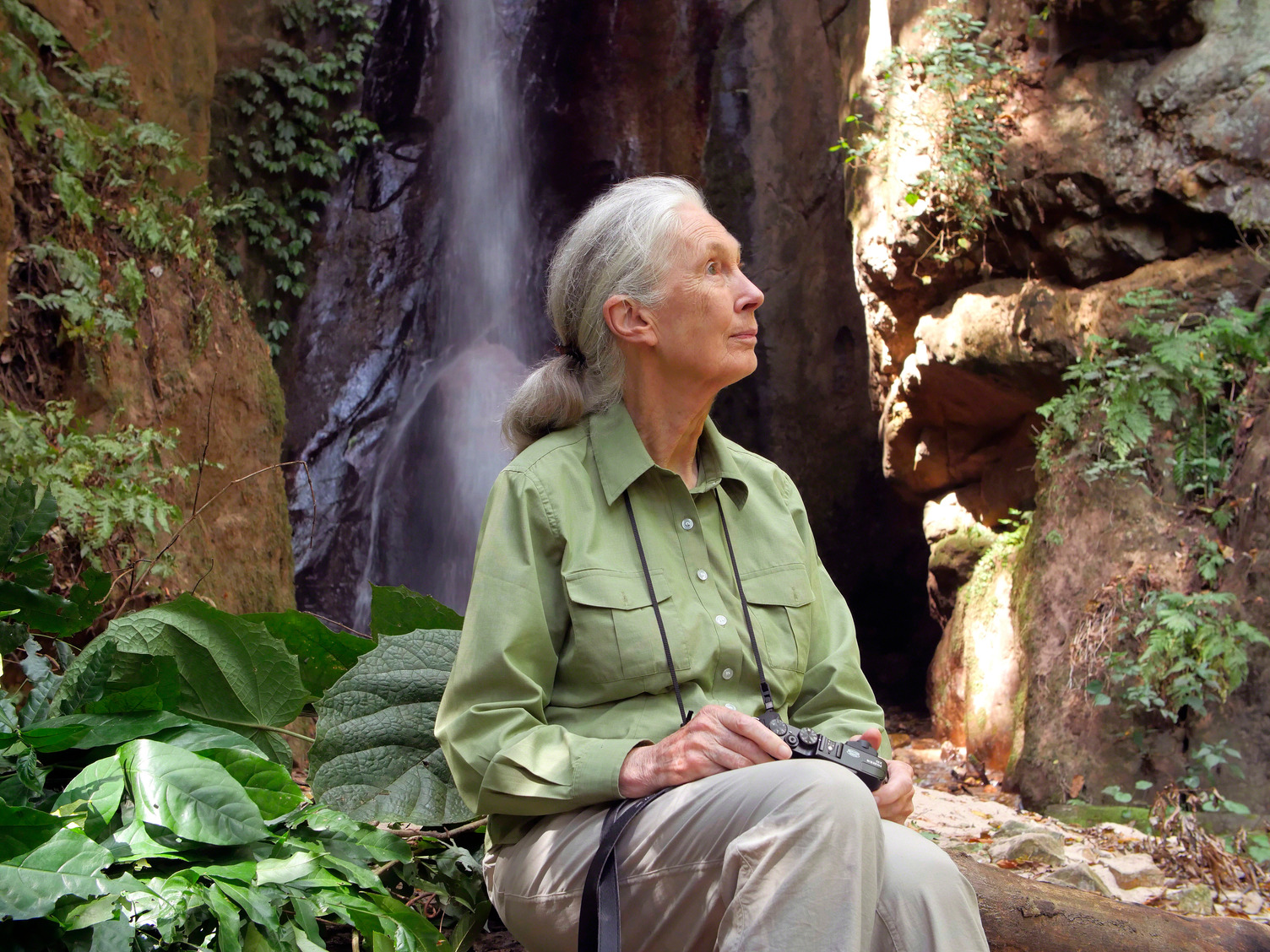
In 1977, Jane established the Jane Goodall Institute, initially to support the research at Gombe and protect chimpanzees in their habitats. A decade later, flying to the first ever Chimpanzees in Context symposium, Dr Goodall saw from her aeroplane window the accelerated pace and scale of deforestation. At the symposium, she heard first-hand from fellow researchers about declining chimpanzee populations beyond her beloved Gombe. She realised she had to act to save chimpanzees from extinction. The Jane Goodall Institute soon grew to be a major part of Jane’s work, and the institute is now a global non-profit organisation, committed to community-centred conservation, a testament to Goodall’s philanthropic spirit and her belief in the power of individual action. ‘When we put local communities at the heart of conservation, we improve the lives of people, animals and the environment.’ A core part of the institute’s work is the Roots & Shoots programme, launched in 1991, which inspires and empowers young people, from pre-school to university, to become involved in hands-on projects to benefit their local community, animals and the environment. Jane Goodall’s activism work stems from her belief: ‘You cannot get through a single day without having an impact on the world around you. What you do makes a difference, and you have to decide what kind of difference you want to make.’ Today, at 89 years old, Jane’s love for the wild, her passion for conservation and her commitment to fostering a better world for all, remain undeterred. Her work remains as essential as ever. While many of similar age might choose to bask in the comforts of retirement, Jane continues to work relentlessly, her determination and zeal undiminished as she continues to inspire and to drive change.
What’s your relationship with Dorset? Well, where I live now – Durley Chine Road on the West Cliff, it is where I grew up. The only difference is that back then it was part of Hampshire! I forget when our area became Dorset.
The last film you watched? My Octopus Teacher. Everyone should watch it to understand the uncanny intelligence of the octopus.
It’s Friday night – you have the house to yourself, and no work is allowed. What are you going to do? Well, I cannot imagine a time with no work allowed. But if it was so I would play a Beethoven, Mendelsohn or Dvorak symphony – or another piece of classical music. Loudly!
What book did you read last year that stayed with you? What made you love it? I have almost no time for reading – by bedtime my eyes are tired from gazing at a screen, or it is late after a lecture. I do, however, read my Kindle on planes. I love books – my house is full of them – but my Kindle can come with me with all sorts of books. The book that always stays with me, and the one which I read sections of on long flights, is Lord of the Rings. I love it because it is a completely imaginary world – yet it’s so very real. Also, it mirrors what is going on in the real world today. The Dark Lord is a combination of Putin, Bolsonaro, Trump etc. The black riders and the orcs are the CEOs of the extractive industries, animal traffickers and so on. We need to hugely increase the Fellowship of the Ring. And we all have to be prepared to join the fight to save planet earth. Of course there is hope – the ring does get thrown into the volcano and the hobbits are rescued. And I love that the dust given Sam by Galadriel restores damaged environments.
The best biscuit for dunking? None – I HATE the very thought of dunking ANY kind of biscuit!
What would you like to tell 15 year-old you? Exactly what my mother told me – if you want to do this (for me, this was to go to Africa, live with wild animals and write books about them) you must work hard, take advantage of all opportunities and if you never give up, hopefully you will find a way (of course, I did!).
Tell us about a sound or a smell that makes you happy? Gombe with the waves of Lake Tanganyika gently breaking on the beach. Or if I am in the forest, it’s the sound of rain pattering on the canopy of the forest above me. But what did make me happy, and I still think of it, is when on summer evenings, after I’d gone to bed, I’d hear my grandmother playing Beethoven’s Moonlight Sonata on the piano downstairs, window wide open, and the smell of roses coming through my open bedroom window.
What would you like to be remembered for? Two things, if that’s not greedy. The first is for helping to change attitudes about the true nature of animals – that they are sentient. They can feel emotions. They can feel pain. They are not just things. The second is for starting the Jane Goodall Institute’s youth programme, Roots & Shoots. It’s now in 69 countries (and growing), and involves hundreds of thousands of young people from kindergarten to university. Even adults are joining in now – there are some 1,600 groups in the UK alone. All the groups choose for themselves three projects; one to help people, one to help animals and one the environment – they are all interconnected.
What’s your secret superpower? Opening my mind to the great spiritual power that gives me strength when I am exhausted. Also, I am obstinate and won’t give up! And I get strength from audience reactions – you have to be energised when 10,000 people stand up cheering when you enter an auditorium. And then do it again after I’ve spoken!
Your favourite quote? From the Bible “As thy days, so shall thy strength be”. I think of it when I am facing something I dread – for example when I went into medical research labs where chimpanzees were being used as guinea pigs, giving them human diseases which other animals, less like us, could not be infected with. Seeing our closest living relatives – who I knew wild and free in their social groups in the rainforest of Gombe – confined, alone, in 5’ x 5’ cages surrounded by bars for testing vaccines or cures. Bored, imprisoned, frustrated and some fallen into deep depression. But I couldn’t talk about the conditions unless I had seen them with my own eyes.
Your top three most-visited websites (excluding news and social media)? I use Ecosia rather than Google because every time you use it they plant a tree. And it is basically the same platform as Google. I don’t often visit websites – only to check out stories sent to my email about events in the outside world. But I do use the BBC and Al Jazeera to check on news.
What was the last gift you either gave someone, or received? I gave a beautifully carved wooden woodpecker, made from soft wood by a local artist in Halifax, Canada. It was a gift for someone who lent me his cabin for a free weekend during a tour in Canada – a little cabin on a lake shore surrounded by tall trees. The only problem – if you put a toe outside it was instantly attacked by ten large hungry female mosquitoes (males live on nectar, not blood)!
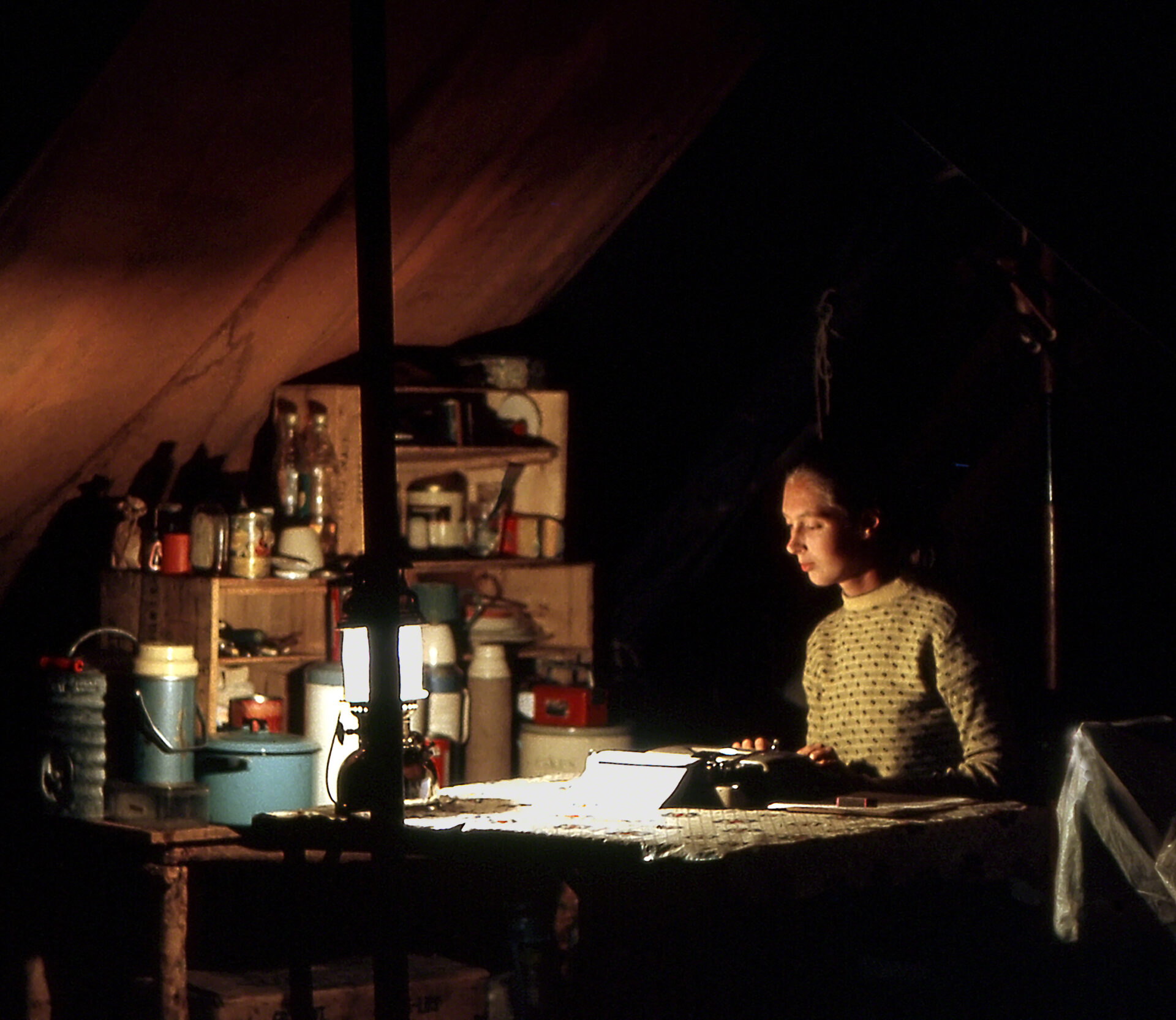
Tell us about one of the best evenings you’ve had? After 89 years on the planet I cannot possibly pick out a single best evening! But there are some that do live in my memory: Sitting around a camp fire on the Serengeti, with the sound of lions roaring. Sitting out by the Platte river at sunset, listening to the sound of thousands of sandhill cranes as they fly in, formation after formation, to roost in the river. A few evenings with my mother, long ago when I was first study-ing the chimps. We would sit round a little camp fire, lit by a hurricane lamp, and were almost always accompanied by Terry the Toad and sometimes a genet, who became tame. We called her Crescent because of a distinctively-shaped spot on her coat. I would tell Mum about what I had seen during my day in the forest. Oh, and New Year’s Eve with my family in Bournemouth, when all the lower rooms were lit by only candles, waiting for midnight.
What is your comfort meal? I’m vegan, and for me it’s a plate of spinach, asparagus and sautéed mushrooms, with mashed potato.
What in life is frankly a mystery to you? What happens after I die. On a more mundane level – I don’t know, sometimes, how I keep going through an exhausting tour.
Cats or dogs (or, in this case, chimpanzees)? Chimpanzees are too like humans. I don’t think of them as animals, and there are some nice and some less so. Dogs win every time. The dog I had as a child, Rusty, taught me that animals have personality, reasoning power and emotions – because of him I was able to insist that we humans were not alone in having these qualities when I was told by ethology professors in Cambridge University in 1961 that humans were completely separate from the rest of the animal kingdom. Now, of course, we know about the amazing intelligence of pigs, rats, crows, parrots – even octopuses. And they all have personalities and emotions.
What shop can you not pass by? I seldom have time to go in anywhere, but if I am walking down a street in the old parts of London, Paris, Vienna, New York etc – in the NON touristy parts! – and I have a few minutes before my next event, then it would be a shop selling secondhand curiosities. You never know what treasures you may find. Or the little shops in Venice selling Venetian glass – the little animals and so on.
What’s your most annoying trait? I’ve asked five people who know me well and they could not think of even one! But I irritate myself by not remembering things – like what name I filed a document under, or where I put something.
You have the power to pass one law, uncontested. What will you do with it? Give all animals the equivalent of legal personhood.
Milborne Port Surgery is looking for an Emergency Care Practitioner or Nurse Practitioner to join our fantastic practice team. We pride ourselves on being an exceptional practice with a friendly team, a beautiful purpose built surgery with spacious rooms, countryside views and highly appreciative patients. We are looking for a candidate who fits in well with the ethos of the practice. Our priorities being great patient care, work-life balance and teamwork. As a training practice we strongly encourage staff to develop and would support the right applicant to complete their advanced practitioner training if this could be done over a suitably short timescale.
The surgery prides itself on our very high patient satisfaction scores and continuity of care. Our patients have made the following comments:
“Excellent service, friendly, efficient, always tell people how lucky we are with our GP Service.”
“Can’t thank all the surgery staff enough for their amazing service. It’s by far the best out of previous surgeries.” Informal visits are encouraged so get in touch and come and see the surgery for yourself.
The successful candidate will act as an autonomous practitioner working independently and in conjunction with other health care professionals to assess, diagnose and treat the conditions of patients attending within primary care and initiating internal and external referrals as appropriate.GP and ANP colleagues provide opportunities for education, advice and support.
The candidate will have (or be near to completing) an Independent prescriber qualification. G practice experience is desirable.
Involvement in our in-house educational and multidisciplinary team meetings will add to job satisfaction and contribute to good patient care.
Our salaried GP says:”I can honestly say [joining Milborne Port Surgery] was the best work-related decision I’ve made. We have a wonderful team, who work well together and is supportive. I was made to feel welcome from the start and ever since.” Please apply promptly if interested. We reserve the right to close applications early if suitable candidate(s) are found.
Milborne Port Surgery is a general practice located near the beautiful abbey town of Sherborne on the Dorset Somerset Border. We provide NHS services to 7200 patients with a well established team including 4 GP partners, 2 salaried GPs, 2 Advanced Nurse Practitioners, 2 Practice Nurses and 3 HAs plus allied HCPs: Pharmacists, Health Coaches, Mental Health Nurse. And of course an excellent reception and administrative team. We are part of a Primary Care Network of like-minded small to medium sized rural practices, which grew out of a pre-existing collaboration to deliver transformed patient care as part of an innovative NHS Vanguard programme. We are a training practice with a trainee GP, sometimes medical students, and we are supporting various members of our team to gain additional professional qualifications. As a practice our ethos is to deliver excellent patient care, maintaining the best of traditional general practice and continuity of care, whilst adopting new approaches that complement these goals. We work as a team and maintain an open door policy where all staff have a voice and are able to access advice and support. If you share our enthusiasm for the NHS; believe in the value of primary care; and want to join a forward-thinking team committed to patient and staff wellbeing we would be delighted to hear from you. Milborne Port Surgery is an equal opportunities employer.
Job responsibilities Brief Summary Follows. Formal job description available on application. Core role: Working as a team member with other health professionals to deliver routine and urgent care for patients including assessment, advice, treatment and onwards referral – whether to other team members or to secondary care. Appointments are delivered by phone or face to face with appointment length variable according to the complexity of the issue. GP advice will always be available.
Training and personal development: The practice is supportive of relevant personal development and training. In-house training and clinical meetings are provided in some subjects and online training is available for all statutory mandatory training. Attendance at suitable courses is also supported with prior agreement. The post-holder will develop and maintain a Personal Learning Plan and participate in any training programme implemented by the practice as part of this employment, plus other relevant training as agreed. The post-holder will maintain training as required for ongoing registration and practice in their role. Additional responsibilities All team members are expected to take on some administrative, leadership or managerial duties according to their abilities and expertise, and often their personal interests. These should not be excessive and will not be the main role of a nurse practitioner or ECP (see above).
Person Specification Knowledge, Attributes and Skills Essential
Good interpersonal and communication skills.
Good written skills and clear concise record keeping.
Understanding of clinical governance issues in primary care.
Good professional standing.
Works well in a team, supporting colleagues and seeking advice where necessary.
Recognises limits of own practice and expertise. Desirable
Understanding of general practice funding & reporting. e.g. Awareness of QOF and its implications for the practice.
Knowledge and skills in resource management.
Comfortable with change in working environment and working practices over time.
Phlebotomy.
Able to contribute to colleagues’ education.
Qualifications
Essential
Full registration with NMC (UK) or CoP(UK)
Evidence of Advanced Practice Qualifications or near-complete training as Advanced Practitioner
Qualified or near-qualified as Independent Prescriber
Relevant nursing degree or Paramedic qualification
Eligible to work in UK primary care Disclosure and Barring Service Check This post is subject to the Rehabilitation of Offenders Act (Exceptions Order) 1975 and as such it will be necessary for a submission for Disclosure to be made to the Disclosure and Barring Service (formerly known as CRB) to check for any previous criminal convictions. UK Registration Applicants must have current UK professional registration. For further information please see NHS Careers website https://www.healthcareers.nhs.uk/working-health/overseas-health-professionals
Employer name Milborne Port Surgery Location Gainsborough Milborne Port Sherborne Dorset DT9 5FH Employer’s website https://www.milborneportsurgery.nhs.uk For questions about the job, contact: Senior Partner Ian Wyer [email protected] 01963251947
Salary £48,000 to £58,000 a year According to experience. Pro-rata for part time.
Working pattern Full-time, Part-time, Flexible working Reference number A3701-23-0001
We have a long slow delicious read full of treats for you this month.
Child Okeford’s most famous resident celebrates his 75th birthday. He started life as a simple holiday purchase in Blackpool, but the little yellow hand puppet became a national treasure.
Editor Laura has fulfilled a lifetime ambition interviewing renowned ethologist, passionate conservationist and inspiring activist Dr Jane Goodall – who answers this month’s Random 19 questions. Spoiler alert – Lord of the Rings and a controversial biscuit-dunking policy lay in store.
A retrospective at Sladers Yard gallery celebrates the remarkable career of Philip Sutton RA – an artist who has never followed fashion. Fanny Charles interviewed the 94-year-old painter who lives in Dorset and looked back at his life’s work
Sophie Giles swapped working on an industrial estate for life as an island girl – Tracie Beardsley met Brownsea Island’s youngest ranger, and hears how working on the land has entirely transformed her life.
On the first day of his first archaeological dig, CPRE’s Rupert Hardy made a major – though grisly – discovery and uncovered a sad mystery.
All this plus you could win tickets to the Cheese Festival, farming, wildlife, food and drink featuring the Crown at Marnhull, Smash Burger Tacos and officially the best wine retailer in the UK.
Come on now, where else would you get all that for FREE?
To teach and assess across the Agriculture curriculum, providing specific support for the development of the Agricultural provision at KMC. This role may include Higher Education teaching and course tutor responsibilities dependent on experience.
£21,902 – £27,273per annum which is points 4b – 9c on the academic salary scales dependent on skills and experience.
Part-time or full-time contracts available. 7.4 – 37 hours per week, Monday – Friday with flexibility to meet the business needs.
We are seeking a motivated person to join our team in the heart of Dorset. The role promises a varied and interesting workload, teaching a range of livestock, machinery, agri-science and associated units, with the potential to collaborate with our Farm Manager to support the college farming calendar commitments within planned teaching sessions.
Brimming with excitement for a perfect blend of crafts, food, music, and more? Or are you simply mad for cheese? Whatever tickles your palate, we have a treat for you! We are so excited to announce our latest competition – you can win a pair of tickets to the Sturminster Newton Cheese Festival. But hold on, that’s not all! You will also win a £40 voucher for The Exchange in Sturminster Newton.
Now how’s that for a cheesy treat?!
For those not familiar with this cheesy extravaganza, Sturminster Newton is situated in the heart of the Blackmore Vale, referred to by Thomas Hardy as ‘The vale of little dairies’. It has a long history of dairy farming and was home to the largest calf market in Europe until 1998.
The Sturminster Newton Cheese Festival, taking place on the 9th and 10th of September 2023, is more than just an homage to the beloved foodstuff – it’s a community celebration of local artisans, live music, real ale and cider. This year, there is a keen focus on sustainability, with efforts made to reduce reliance on mobile generators and recycle all waste produced during the event.
Your winning spree doesn’t stop at the festival gates. You will also be treated to a £40 voucher for The Exchange, a vibrant arts, entertainment, and business venue, and a community hub situated on the site of the former calf market.
How To Enter
To be in with a chance to win the pair of tickets to the Cheese Festival (the winner can choose the day they’d prefer to attend), just answer the first two options in the widget box below – choosing whether to opt in or out of subscribing to the BV and the Cheese Festival’s newsletter list. There are more chances to win by completing the other entry options if you so wish – they’re entirely up to you! The closing date for this competition is 18th August 2023 and only entries received on or before that date can be included. The prize will go to the first three randomly chosen entries. Good luck!
So, don’t delay – enter now and get ready for a weekend filled with food, fun, music and – most importantly – cheese!
Gates for the Cheese Festival open at 10am and close at 5pm. Please note, much as we love dogs they cannot enter any of the food tents due to Hygene Regulations – that being the case we would really recommend that you leave your pet at home. If you do bring your dog it must be kept on a lead and cannot be taken into any of the food marquees. Please do not bring your dog and then leave it in the car!
So what are you waiting for? Enter the competition now and grab the chance to be part of this fantastic event. We can’t wait to see you there!