Whether you’re travelling solo or planning a family getaway, a European holiday can be exciting to plan. With the right checklist, you can avoid unnecessary problems and focus on your adventure and having a good time. Overpacking can also weigh you down, but underpacking can leave you scrambling in unfamiliar places.
This checklist includes everything you will need for your European holiday, from clothing to travel documents and an eSIM for Europe to help you stay connected without costly roaming charges.
Having the right papers can help you avoid delays and unnecessary expenses that can quickly sour your vacation. Pack your passport and visas and keep them easily accessible.
Another thing you need when preparing for a European holiday is travel insurance. It can cover delayed flights, lost luggage, and some medical emergencies. You should also get an international driving permit if you plan on hiring a car.
It’s also a good idea to have copies of all essential documents in case you misplace them. If possible, take photos of the documents and store them on your phone or in a cloud service.
Carry at least two debit or credit cards. That way, if one ATM is blocked or rejected by the ATM, you won’t get stranded. You should also notify your bank before leaving to avoid your payments getting stopped due to suspected fraud.
eSIM for Connectivity
One of the smartest things you can pack for your European trip is an eSIM. This can help stay connected with friends and family back home or even check in on work from time to time.
Yes, Europe is exciting, and it’s a good way to take your mind off work. Unfortunately, for many travellers, that’s not an option, and eSIMs can help stay in touch with clients and securely connect to your work accounts as you move from destination to destination.
eSIMs save you the hassle of looking for a SIM card shop every time you land in a new country. But their biggest appeal is that they let you seamlessly switch carriers and avoid costly roaming charges.
Versatile Clothing
The weather in Europe can vary significantly, and packing versatile clothing can help you stay comfortable wherever you go. For instance, if you’re travelling to Malaga, Spain, pack breathable fabrics like cotton and linen and throw in some sunglasses and a wide-brimmed hat.
If you ditch the hot and sunny Mediterranean towns for the Swiss Alps, you’ll need moisture-wicking base layers, a warm jacket, gloves, and even a scarf.
Besides keeping you warm and comfortable, clothes also influence your confidence. So don’t forget outfits for attending local events.
Electronics
Electronics have become an indispensable part of our modern lives, and that doesn’t change much when travelling. Your smartphone can help you find your way around new European cities with Apple Maps or Google Maps.
You’ll also need a digital camera or your phone to take photos and create lasting memories of your European family holiday.
When packing, make sure you have the right adapters for the country you’re visiting. If you’re unsure, carry a universal outlet adapter and charging cables for all your devices. You should also carry a power bank for backup power on long travel days.
Health and Safety on the Road
Health should be a top priority on your vacation. Make sure you take care of your own personal medical needs as well as those of any family members you’re travelling with, especially children and elderly individuals.
Pack all prescription medications you take and keep them in their original, labelled packages to avoid mix-ups amid the excitement of the trip. This will also help avoid issues at checkpoints.
Besides medication, you should carry first-aid items such as antiseptic wipes, blister-resistant bandages, and pain relievers.
Dorset Council is inviting local small and medium‑sized businesses to a free, practical workshop designed to help employers understand how artificial intelligence can support day‑to‑day operations.
AI for Small & Medium Businesses
The session will take place on Wednesday 15 April, 5.30pm to 7.30pm, at Elevate Employment Services, 52 St Mary Street, Weymouth. It is aimed at business owners, managers and directors who want to explore how AI can help reduce admin, improve communication, and free up time for core work. The workshop is non‑technical and focuses on real‑world examples. Before attending, participants can share the challenges they face in their business. These “pain points” will then be used in live demonstrations during the session, making the workshop practical, relevant and immediately useful. There will also be clear guidance on data security and the safe use of AI, helping employers understand how to protect sensitive information while making the most of new tools. The event is free, but spaces are limited and booking is essential.
As war reshapes the Middle East, its economic aftershocks are landing on Dorset driveways and heating bills, says MP Simon Hoare
Simon Hoare
Wars, like stones thrown into a millpond, create ripples far further afield than their epicentre. The Israeli/US action in the Middle East continues, with conflicting and confusing messages emanating from the White House. As I said in the House of Commons during a statement from the Foreign Secretary – Mr Trump declared Iran’s nuclear capability ‘completely destroyed’ in summer 2025, and yet this year Iran poses an imminent threat. He has told us the war is won – and then asks for the help of NATO (help which he had previously said he did not need). A foreign war without a clear plan and set of objectives is doomed from the outset. All Mr Trump has done is disturb the geopolitical fragility of the Middle East and make it more dangerous for allies of the West. Who is leading the charge? My clear view is that the Israeli Government ‘tail’ is wagging the US Government ‘dog’. Under the cover of Iranian operations, Mr Netanyahu is prosecuting an excessive, civilian-harming campaign in Lebanon, freezing the recently-agreed Gaza peace plan and continuing expansion and domination in the Occupied Territories to the benefit of settlers. These have long been deeply held aspirations at the heart of Israel’s government, and my fear is that many knew the rest of the West’s attention would be focussed on domestic economic matters, thereby giving them carte blanche to roam at will. Without a plan there is no end game. Iran’s long-term build-up of militarily deployable strategic control of the Strait of Hormuz is creating a chokehold on the international economy and deeply damaging the economies of countries in the Gulf friendly to the West. My anxiety is that, as a result, historically pro-Western countries such as Oman and Bahrain will become measurably less so as they seek to hedge their future bets. The full effects of this reckless armed escapade have yet to be felt in geopolitical terms.
Ripples reach Dorset The UK is now beginning to feel the impacts of actions thousands of miles away. In the Commons I have taken every opportunity presented to speak up for the needs of my constituents. According to figures I have obtained from the House of Commons Library, 13.7% of North Dorset households are reliant on heating oil or LPG. This compares to a South West average of 7.1% and just 4.9% nationally. Impossible-to-defend price hikes are hitting homes in North Dorset hard. The Government has awarded Dorset Council £474,000 to help support local people. At the time of writing, the Council’s eligibility criteria are still awaited. I have told the Chancellor of the Exchequer that this sum will not touch the sides of rural Dorset’s needs. Moreover, while I welcome support for North Dorset’s low-income families, it is those ‘just about managing’ who will be left hanging. They cannot be ignored, and I will continue to make their case in Parliament. Unwittingly, the Government will profiteer from the war as VAT and fuel duty takings rocket. I have urged the Chancellor to either cut VAT on domestic heating oil, LPG and red diesel or to ringfence a percentage of the above-expectation VAT receipts to deploy to rural areas to provide further support. I also spoke in a debate in Parliament demanding that the Government’s proposed hike of fuel duty by 5ppl from September be abandoned. Our North Dorset communities know that the use of the car is a necessity rather than a luxury, and the Government needs to understand this better. Rising fuel costs, a freeze in interest rates and rising inflation in food prices are going to hit us all hard. These are the ripples created by the bombing of Iran. They are beyond the control or influence of the Government. As we approach the Easter season, let us pray for better news and better times for all mankind.
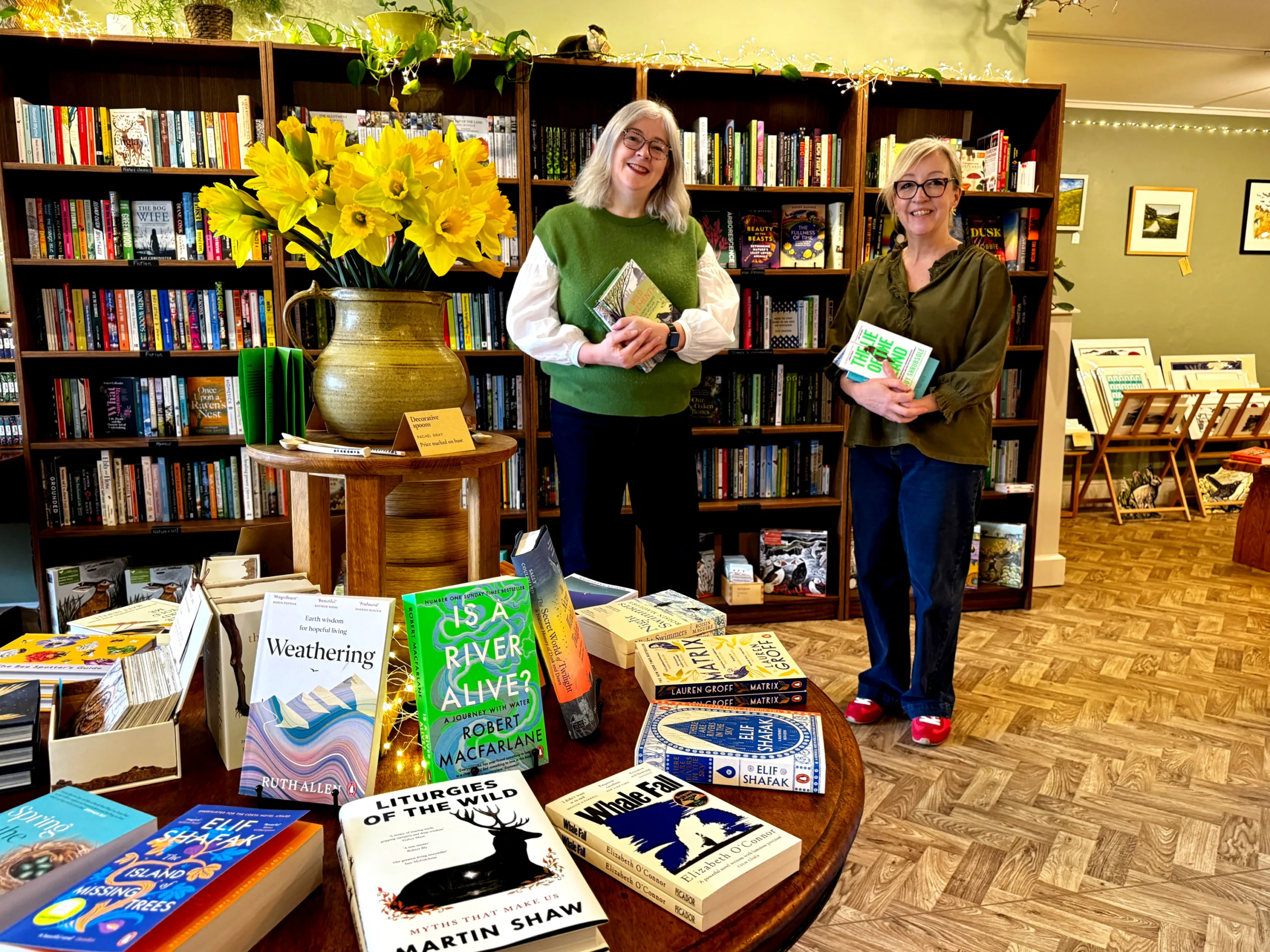
Shaftesbury’s bookshop specialising in nature writing has been named the best independent bookshop in the South West – for the second time in three years. FOLDE Dorset has won the regional title at The British Book Awards 2026, known as the ‘Nibbies’, having previously taken the prize in 2024.
The awards, organised by The Bookseller, recognise independent bookshops that play a strong role in their local communities while continuing to attract readers from further afield. Judges described FOLDE as a ‘destination and haven’, highlighting its recent move into larger high street premises as well as its sustainability credentials, including B Corp status and net-zero operations in key areas. Co-founder Karen Brazier said the award reflected local support. ‘We honestly couldn’t do it without our community,’ she said. Amber Harrison added ‘To be recognised by the industry after such a hardworking year feels very special. We’ve poured so much energy into the shop in the last 12 months – from the intensive two-month renovation of our new premises to deepening our sustainability practices.’ FOLDE opened in 2021 after the pair left corporate careers to create a bookshop centred on nature writing and environmental awareness. Alongside retail, it runs a regular programme of author events in Shaftesbury, bringing well-known writers to the town. The shop will now go forward to the national finals, with the overall winner announced in London on 11 May.
The BV community news section is sponsored by Wessex Internet
A new community learning series focused on environmental action will launch in Wimborne on 20th April.
Greener Wimborne, Better Planet is a joint initiative between u3a Wimborne and local organisation Planet Wimborne, bringing together talks, discussion and practical sessions over the coming months.
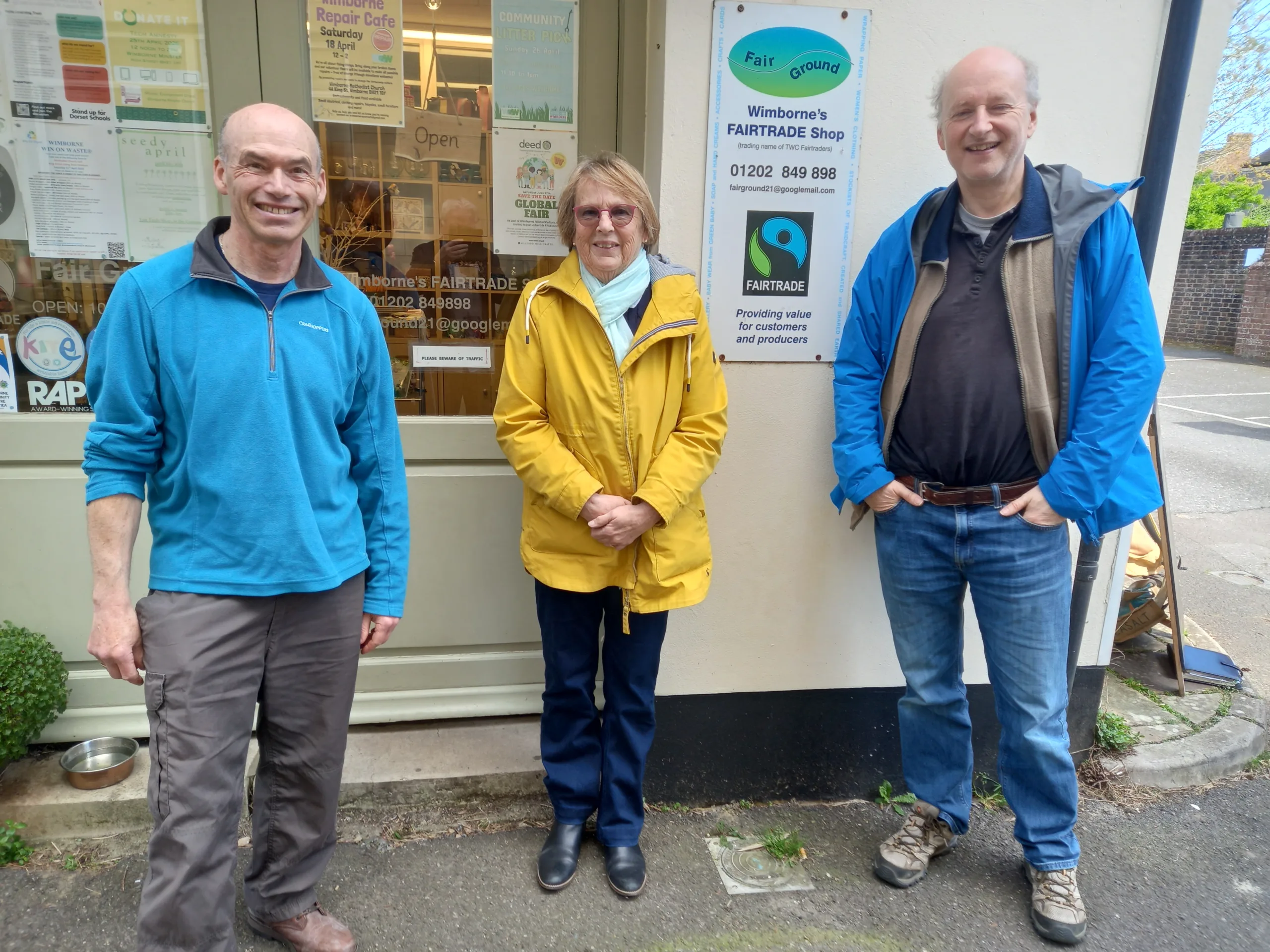
Speakers Dr Neil Smith, Linda Bunting and Adrian Newton from Planet Wimborne
The opening event, What is Planet Wimborne?, takes place at The Reef in Colehill and will introduce the group’s work across the town, including its network of community projects and environmental awards. It will also explore how global frameworks such as the UN Sustainable Development Goals are being applied at a local level.
Planet Wimborne trustees Dr Neil Smith, Linda Bunting and Adrian Newton will lead the session, with organisers aiming to make the series accessible to those new to environmental topics as well as those already involved.
A new series of enviornmental talks organised by u3a Wimborne and Planet Wimborne
The wider programme will cover areas including waste reduction, wildlife-friendly gardening and the role of arts and culture in environmental awareness, alongside a guided walk exploring the local landscape.
Each session stands alone and is designed to combine information with discussion and practical ideas that can be applied locally.
The series is free to u3a members and £10 per session for non-members.
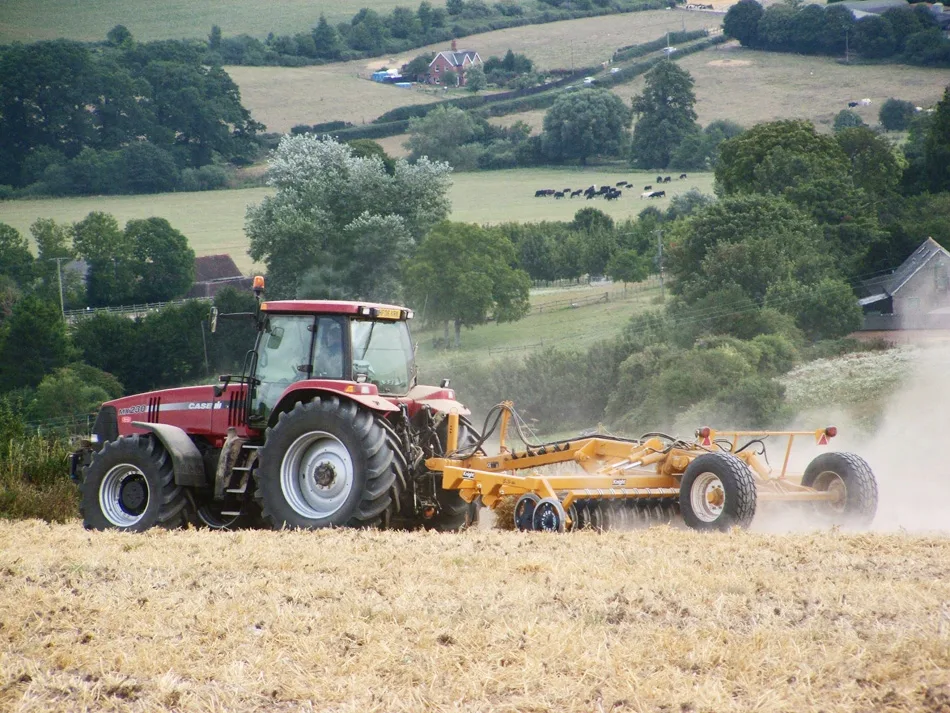
Spring sowing has proceeded at pace over the last couple of weeks, aided by some welcome dry weather – all the more enjoyable following a grim couple of months of record-breaking rainfall. We started over at Thornicombe at the beginning of the month with around 30ha of spring beans. As is usually the case with spring-sown crops, the soil benefits from a bit of a lift with a cultivator: direct drilling doesn’t work as well now as it does in the autumn. After the summer, soils are generally dry and able to absorb moisture as the weather turns; in spring, they come out of winter wet and need time to dry out. A regenerative approach means cultivations are minimised, as tines, discs and tyres can damage soil structure if used too eagerly. However, it always feels like a race to get spring crops in ahead of a potential early drought, so once the sun comes out, you have to move. This year we’ve been trying out a few different cultivators on demo from local dealers, as our old Knight M press – bought new in 2006 for £11,000 – is beginning to show its age. A new 4m cultivator of this type now comes in at nearer £40,000, which is eye-watering. The second-hand market may prove more realistic; quite how manufacturers expect to sell many new machines in the current climate is hard to see. All of our spring beans, wheat and barley are now safely tucked into good seedbeds, awaiting a little moisture and warmth before the fields turn green again. These crops follow over-winter cover crops, most of which have been grazed by cattle. We’ll wait for much warmer conditions before sowing millet, winter bird food and further cover crops.
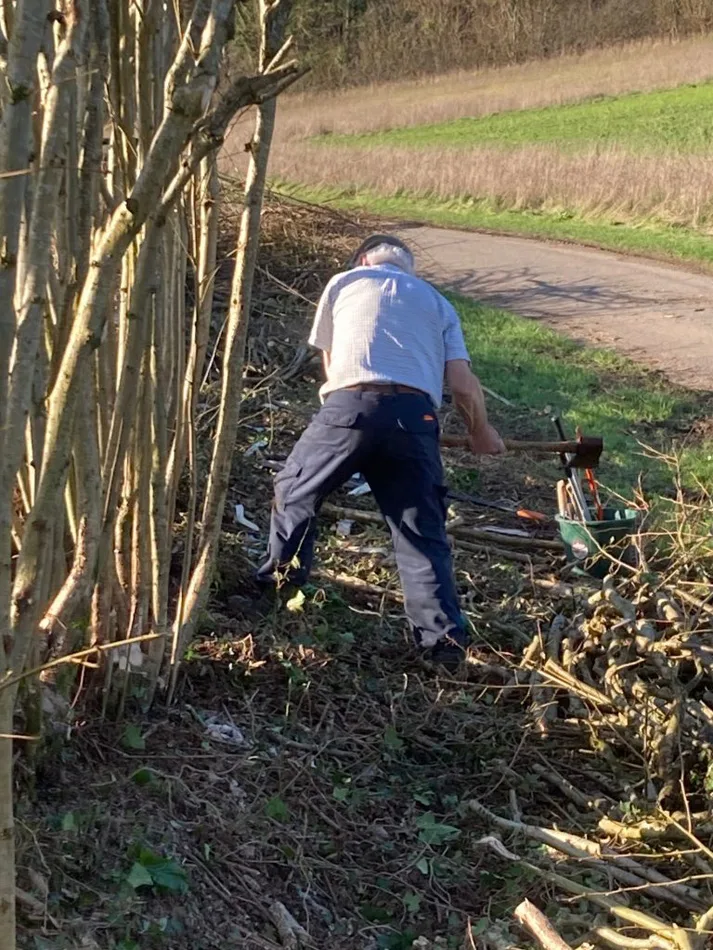
Hedgelayer George at work on the overgrown hazel hedge along the road to Shepherd’s Corner
Our old friend the SFI Our good friend George D has been steadily working his way along an overgrown hazel hedge beside Lime Kiln field, along the road to Shepherds Corner, rejuvenating it by laying. Over the past few years he has patiently reintroduced me to the skills involved – it is a long time since my own hedge-laying course by the cricket ground in Moreton back in 2002. This winter he has also branched out (!) out by training some Great Big Dorset Hedge (GBDH) volunteers, so that they may go forth – armed with billhook, axe and saw – to set to the task of renewing some of the many miles of Dorset hedge that have been surveyed and found in need of restoration. More than 100 farmers across the county have engaged GBDH to come and survey the condition of their hedgerows: it’s the first step towards getting to grips with (in many cases, long overdue) overhauls, by laying, coppicing and gapping up, or simply by incremental trimming with a flail.
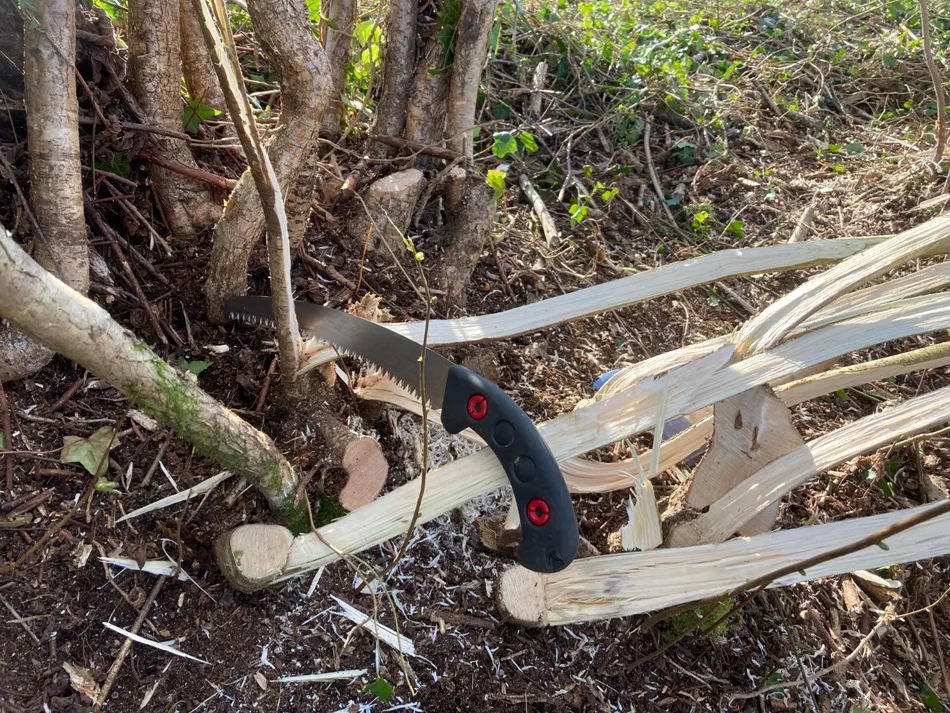
The hedgelayers tools: axe, saw and billhook
Against that backdrop, the latest version of the Sustainable Farming Incentive (SFI26), announced by DEFRA in February, has for some reason dropped the Hedgerow Condition Assessment (CHRW1) option. This was a simple, relatively low-cost payment that encouraged land occupiers to begin assessing and improving their hedgerows. It also created an opening for wider community involvement, something the Great Big Dorset Hedge has successfully tapped into. Since it started, many miles of hedge have been surveyed, gaps replanted and new hedgelayers introduced to the craft. There is now a huge band of around 400 volunteers willing and able to get stuck into the county’s hedges, but without the assessment incentive, the whole project suddenly looks very vulnerable. This is what we are so often up against – the constant moving of goalposts.
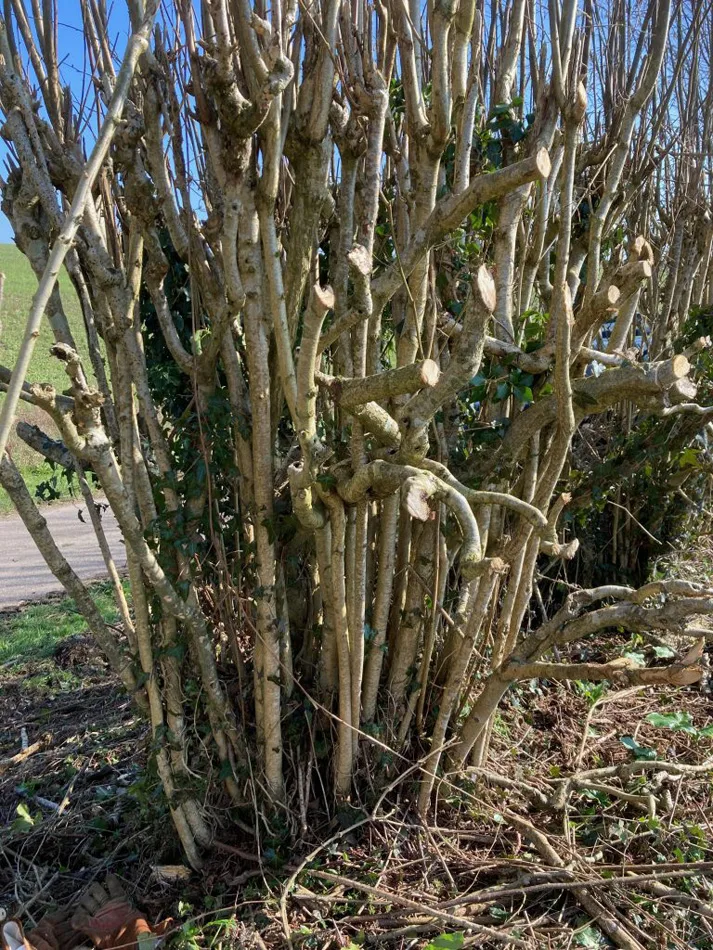
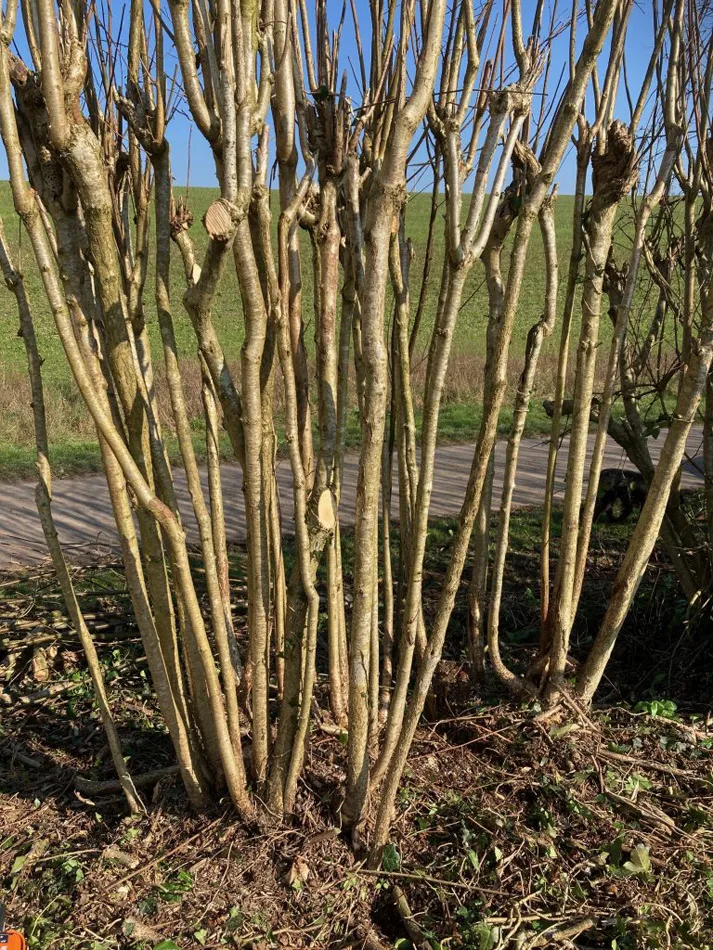
Hazel stool before clearing out, and the same stool ready to lay
The hazel argument The process of laying is slow but satisfying work. Dead or poorly-shaped growth is removed, and the best stems are partially cut and laid over to form a living structure that will regenerate from the base. Hazel is by far the easiest species to work with, producing long, straight stems that split readily – one of the reasons it has been used for centuries in hurdle making and thatching spars. George is a passionate fan of hazel hedge farming, preferably on a seven-year cycle of cutting, and then returning to lay them again without any mechanical trimming in between. This allows the stems to grow straight and usable, rather than developing the knuckles that flailing creates. Will we find someone willing to harvest and market them in seven years’ time though? We have many many miles of hedge on the farm, a great proportion of which desperately need laying, so the big question is should we create an in-cycle hedge along Lime Kiln, or incrementally trim it with the flail next year– and every other year hence – rendering the timber largely valueless, in order to put off the day when it next needs laying for as long as possible? George argues that hazel hedges can outperform traditional coppice in terms of usable timber, thanks to greater light exposure and less competition between stools. I find it hard to accept this (admittedly persuasive) logic, having been brought up to believe that hazel coppice is the ultimate in farmed woodland, a unique habitat that not only produces spars, hurdles, pea sticks and fuel for charcoal production, but is an ecosystem all of its own. After a couple of weeks of laying, however, I am convinced that a hazel hedge is not particularly valuable as wildlife habitat. The long, straight, smooth stems, with few branches unless it has been flailed, offer very little purchase for birds’ nests for example, and there is no ‘bottom’ to it at all, as all stems reach for the sky from day one.
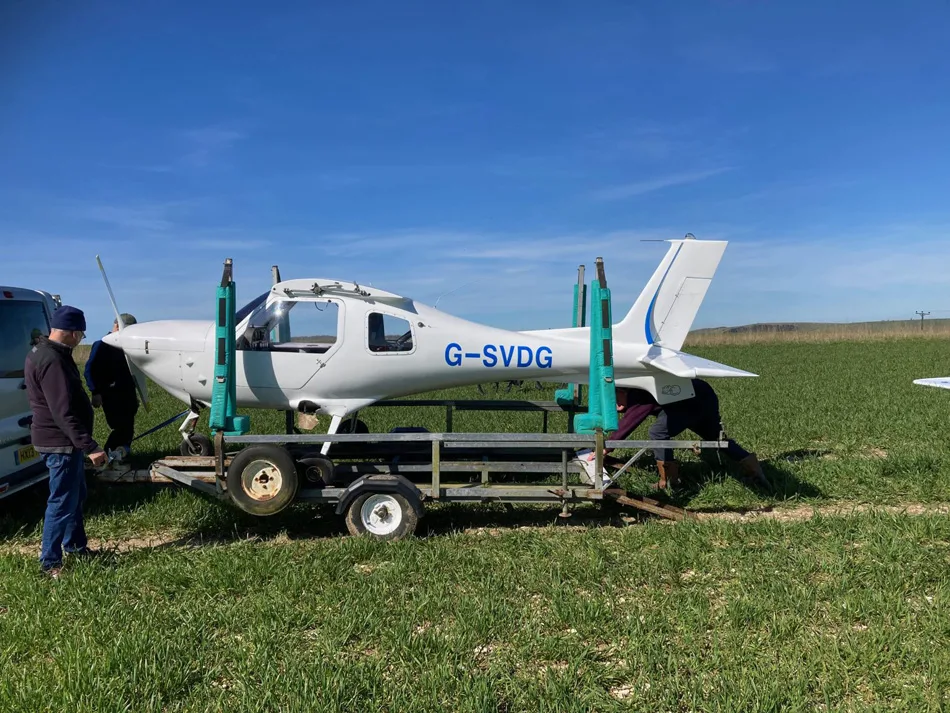
A surprise evening visitor in the winter wheat on the Knoll
Bad ivy When planting new hedge I would never intentionally plant hazel: it would outgrow all other species, and when flailed the leaves unseemly split ends on every stem. Another no for a hedge mix would be elder. It’s poisonous to many animals, grows too fast and seems to possess allelopathic properties (suppresses neighbouring plants). Also on my no list would be any bramble, or wild clematis (Old Man’s Beard), which can ruin a young or re-growing hedge. Another trouble-maker can be ivy, which will appear from nowhere, and needs repeated knocking back. I have to admit it is quite satisfying to cut a ring around an ivy-clad tree, and then watch over the following months as the ivy leaves shrivel and fall, until finally the stems decay and fall away. A tree that is clearly losing its battle with marauding ivy is a sad sight. When it reaches the crown, ivy declares a pyrrhic victory, only to crash to the ground with the defeated tree once it has been suffocated. Don’t get me wrong, ivy has a beauty all of its own, and it supports a wide variety of other species, especially when flowering in late summer, it truly hums. But there’s a time and a place …
The cows are afraid to pass the tractor shed without cajoling
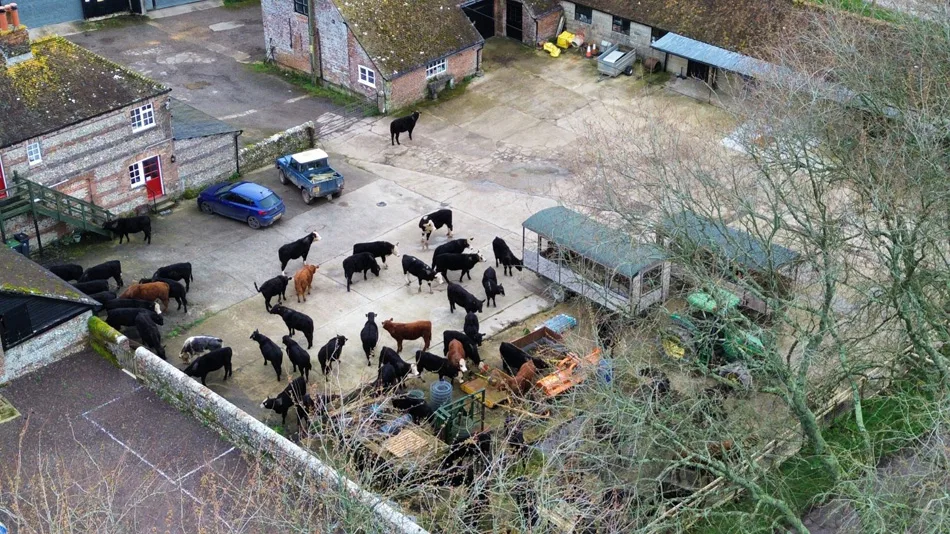
Elsewhere on the farm The pictures below are of a surprise visitor one Friday evening in March. The pilot had to make a hurried landing when the engine faltered – luckily for him the winter wheat crop on the Knoll presented itself, with room to land before the wires. Exactly a year ago this field had just been sown with oats, and the soft soil would have caused the plane to sink in – the landing might not have been so comfortable. Attempts to restart the engine were not rewarded with smooth running, so eventually she had to be loaded up and driven home. And finally, please do enjoy this image of cattle loitering where they should not. They had to be corralled in the ‘tidy’ yard while their mates were carefully cajoled into passing the scary tractor shed: they were supposed to meekly walk straight past and up the track to the next grazing field …
Businesses across Dorset are starting to prepare for some of the biggest changes to UK employment law in years. Although the legislation is already on the statute book, the changes won’t all happen at once. Instead, they’ll be introduced in stages from April 2026 through to 2027, giving employers some time to get ready. If You are an employee, you need to understand how these changes may impact on you.
Ian Girling, CEO of Dorset Chamber
The first wave of reforms is expected from April 2026, including updates to Statutory Sick Pay, stronger family-friendly rights, and new expectations around flexibility. Later in 2026, further measures are likely to follow, such as enhanced protections around predictable working hours and strengthened duties relating to workplace fairness. Some of the most significant changes – including reforms to unfair dismissal rules – are expected to come into force during 2027. For Dorset businesses, now is the time to start planning and it’s vital businesses are prepared for this. That might mean reviewing contracts, updating staff handbooks, and making sure managers understand what’s changing and when. Just as important is talking to your team. Clear, early communication helps avoid confusion and shows employees you’re taking the changes seriously. There are positives too. Greater flexibility can help employers reach a wider talent pool, particularly in rural areas. Clearer and fairer practices often improve morale and retention. Many Dorset businesses are already doing this well, and the new legislation should help create a more level playing field. At Dorset Chamber, we’re supporting members with guidance, updates and practical advice so businesses can prepare with confidence as the changes roll out over the next 12–18 months. dorsetchamber.co.uk
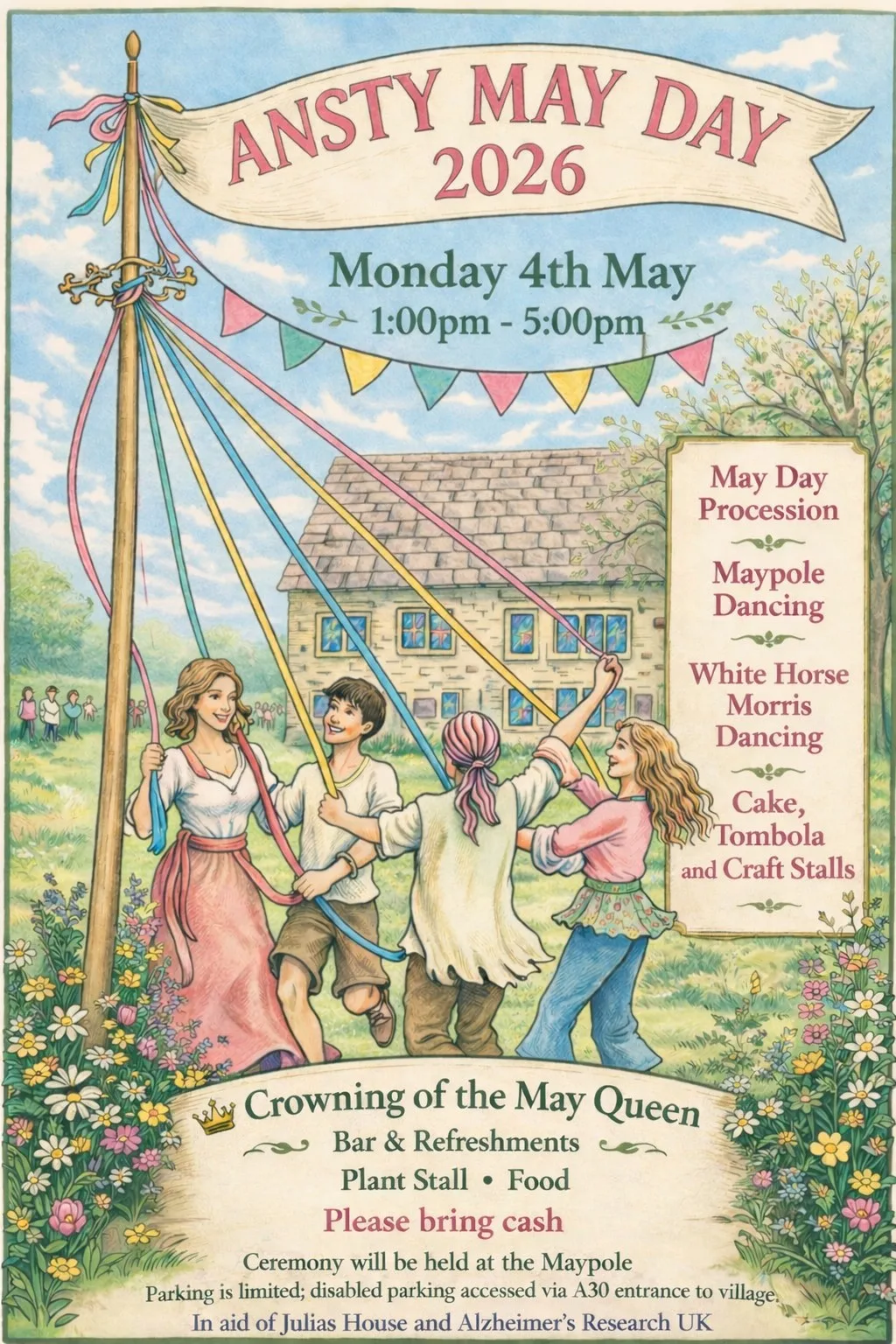
Ansty’s long-standing May Day celebration returns on Bank Holiday Monday 4th May, running from 1pm to 5pm on the village High Street.
The custom dates back to the late 16th century, when the Arundell family of Wardour Castle encouraged local children to dance around a Maypole – a tradition that has continued in Ansty ever since, pausing only during the Commonwealth years of 1644–1660, when Oliver Cromwell’s government banned music, dancing, and public festivities. The current 50ft Maypole stands on the same site as earlier versions: the last a 98ft pole believed to have been among the tallest in England before it was lost in a storm in 1993. All are warmly invited to follow the traditional procession and the crowning of the May Queen and her attendant, before gathering around the Maypole to watch the young dancers weave their colourful traditional patterns, As well as the dancing, the afternoon offers a mix of live music, Morris dancers, stalls, a tombola, hot food and a licensed bar, making it a relaxed and much-loved community event. Proceeds from the day will go towards maintaining the May Day tradition, including future upkeep of the Maypole, as well as supporting Julia’s House and Alzheimer’s Research UK. Further details can be found at anstywiltsparish.gov.uk.
The BV community news section is sponsored by Wessex Internet