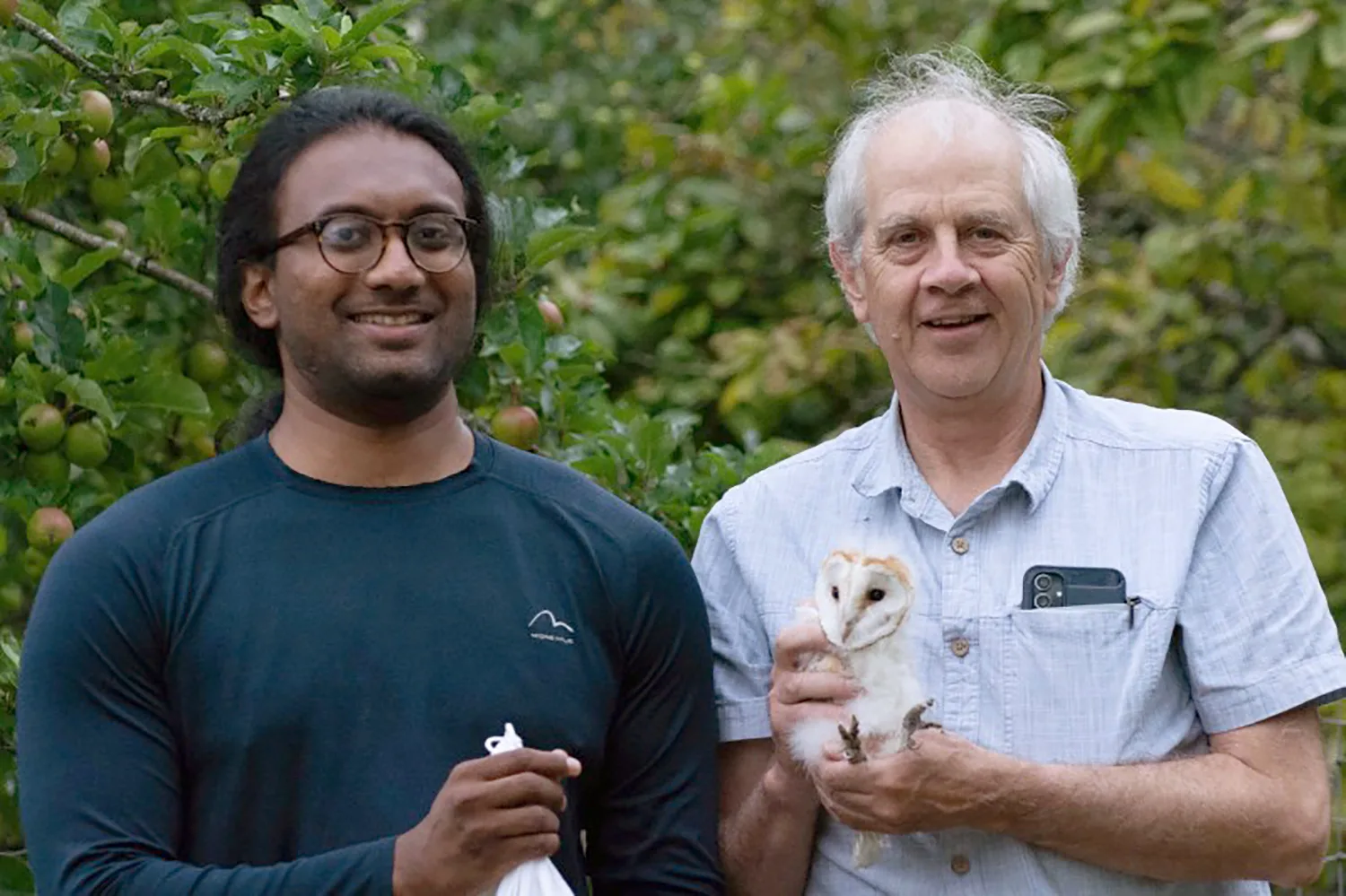
Barn owl chicks are surprisingly noisy. Now, thanks to a project based in Dorset, their hissing chatter might be the key to protecting them – without anyone needing to peek inside the nest. Bournemouth University PhD student Kavisha Jayathunge is developing artificial intelligence that can listen to young barn owls and work out how many are in the nest – just from their calls. Each chick has a slightly different hiss, and while a human couldn’t tell them apart, the software can. It can even track which owlet is which … and may one day be able to estimate how hungry they are based on how they call for food. ‘We’re using AI to count baby barn owls by sound instead of disturbing them with video cameras,’ says Kavisha. ‘It means we can monitor natural nest sites as well as nestboxes – and do it all without stressing the birds.’
The research is being carried out with Dorset-based engineer and biologist Brian Cresswell, who specialises in using technology to support conservation. Their prototype has already successfully identified three chicks from one North Dorset nest recording. Brian added: ‘It’s a great research tool – and might help us understand more about what the hissing actually means.’ Because the sound of a barn owl chick carries so far, the idea is that conservation volunteers could one day simply place a recorder in a nearby hedge and leave the AI to do the clever bit. The work could be particularly valuable in hard-to-reach natural sites, where checking nests isn’t feasible – or legal. ‘This could be brilliant for citizen science,’ said Kavisha. ‘It’s inexpensive, non-invasive, and it’s using technology for something genuinely good – helping barn owls thrive.’
August’s BV podcast – from lockdown dog imports and unregulated rescues to a planning system stretched to its limits, and the voices still shouting for British farming. Oh – and we turned five. That too.
Editor’s Letter: Five Years of the BV
Laura marks the magazine’s 60th issue with a frank and grateful look back at how it all began – one idea on a hill, one pandemic, two people … and now a nationally award-winning corner of rural media.
“The BV started as a wild idea on a hill. Five years later, it’s better, louder, braver … and somehow still just as scrappy behind the scenes.”
Dog Rescues in Crisis: Josh Heath of Dogs Trust
Jenny speaks to Josh Heath, Senior Public Affairs Officer at Dogs Trust, about their urgent campaign to regulate dog rescue centres – and the serious risks of unlicensed overseas imports.
“Some of these dogs are swept up off the street, put in a van for 30 hours and then dropped off at your door. No assessments. No support. No protection for the dog or the family.”
Josh explains the health risks, behaviour problems, and biosecurity concerns linked to international rescue dogs – and why the UK needs to follow Scotland’s lead with national licensing.
The Dorset Insider: A Local Plan Built on Sand
This month’s anonymous Insider column is a scathing, insightful account of Dorset Council’s presentation to the county’s parish councillors of its Local Plan – and how it’s asking rural parishes to cope with twice the housing, zero details … all presented with a lot of “slopey shoulders”.
“Where there were plans for 25,000 houses, it’s now 50,000. And we don’t even know where the grey belt lands yet.”
From disappearing infrastructure plans to greenwashing gestures, it’s a no-nonsense call for proper answers – and better thinking.
Minette Batters: Farming Needs a Roadmap
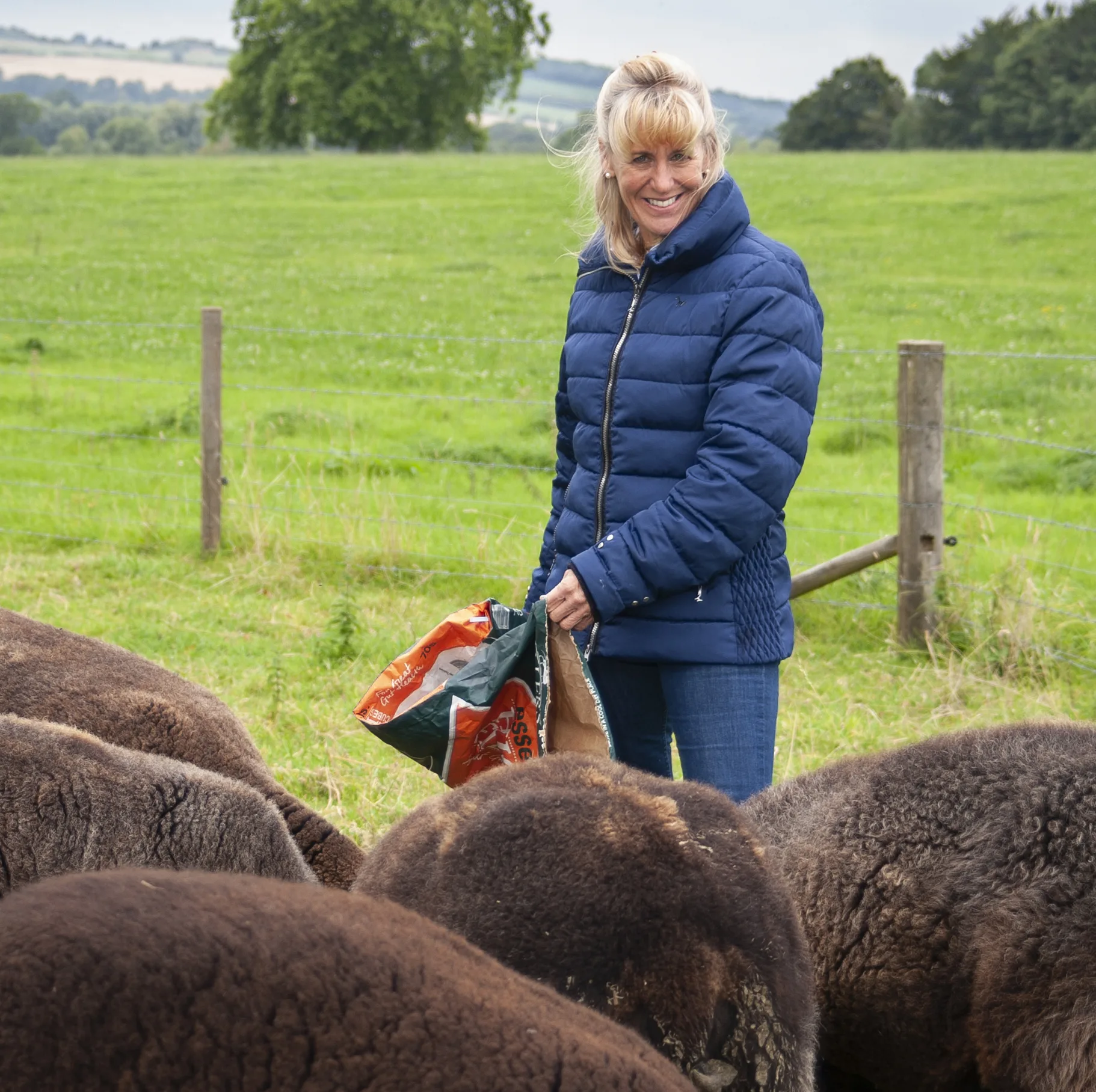
Former NFU President Minette Batters – now Baroness Batters – talks exclusively to Laura Hitchcock about why Gillingham & Shaftesbury Show still matters, and why farmers can’t plan for the future without long-term political vision.
NFU President Minette Batters at her farm in Salisbury, Wiltshire, England on Thursday, Sept 02, 2021.
Credit: Lawrence Looi / NFU
“We need a farming roadmap that’s bomb-proof – something that won’t flip-flop with every election cycle.”
She reflects on the morale crisis in farming, and why we need younger voices at the table if agriculture is going to thrive in a changing world.
This episode is based on stories from August’s BV, which you can read here. News, people, places – and beautiful Dorset photography, every single month.
The BV– named 2024’s Best Regional Publication in the UK (ACE Awards) and Regional News Site of the Year (Press Gazette). Always worth your ears.
Following a debilitating illness, passed away peacefully on 2nd July 2025 in Chestnut Lodge Nursing Home, Ealing aged 84. Her love and kindness is missed already by family and friends. A Celebration of Life service will be held at Melbury Osmond Church on Saturday 27th September 2025 at 3.30pm. Donations if desired can be made to the Alzheimer’s Society at http://www.alzheimers.org.uk.
Cheese and onion scones are one of my favourites when I am craving comfort food for lunch. They really are quick to make and are just wonderful fresh from the oven and slathered with cold butter. Perfect with a cup of tea when the British summer isn’t as warm as it should be! Heather x
Ingredients
225g self raising flour
60g butter (soft)
60g caster sugar
milk
200g strong Cheddar cheese (or blue cheese)
4 or 5 spring onions
egg to glaze
Heather Brown is a special officer for the Guild of Food Writers and has worked in the food industry for 20 years. She is a food writer and photographer, offering one-to-one help to local businesses for content and websites.
Method
Line two baking sheets with greaseproof paper and preheat the oven to 180º fan/gas 6.
Add the flour and sugar to a large bowl. With your hands, add in the butter and rub it into the flour and sugar mixture. This involves rubbing your fingers together in the butter and flour mixture until the butter is entirely combined and the mixture resembles breadcrumbs.
Grate all the cheese and add ¾ of it into the mixture. Slice the root off the spring onions, and then chop them into the mixture too (discarding the top of the leaves). Stir the mixture together until the cheese and onion pieces have been integrated.
Pour in a little milk and stir the mixture together with your hands. Continue to add milk a splash at a time until the mixture comes together to form a soft dough (you don’t need to knead the dough).
Tip out onto a floured surface. Gently press out the mixture with your hands until it is about an inch thick. Using a cutter (you can just use a knife), cut out the scones and place on the trays.
Gently reform the dough and repeat the cutting until all the dough is used up. It should give you six to ten small scones (depending on how big your cutter is). I often make savoury dough into triangles so as to differentiate from sweet scones.
Beat the egg in a small bowl with a fork and brush the beaten mix onto the top of the scones. Sprinkle the remaining grated cheese over the top. Bake in the oven for 15 minutes or until golden brown on top.
By all means leave them to cool … but they taste fantastic straight from the oven!
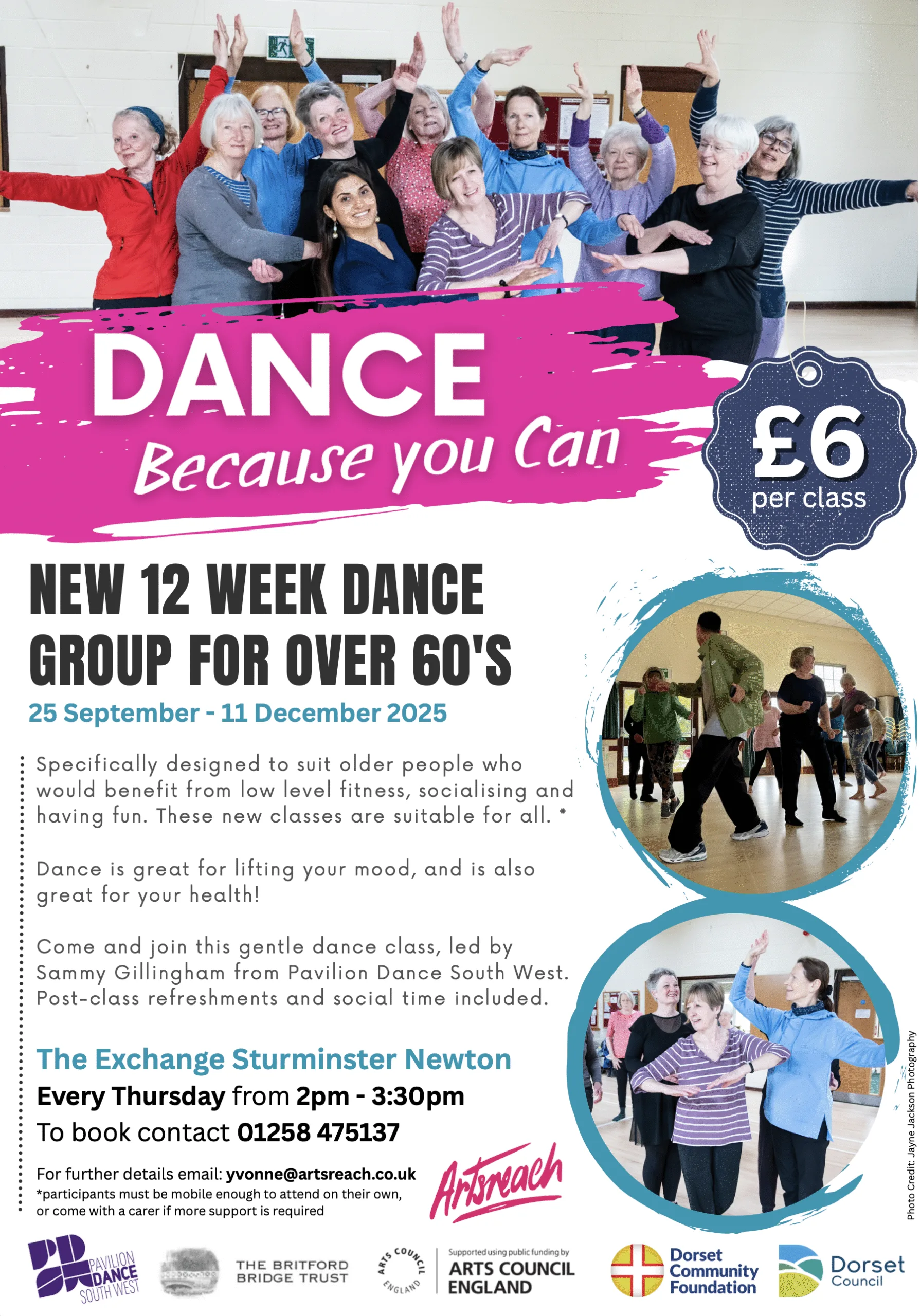
Artsreach, in partnership with Pavilion Dance South West, is launching a weekly dance class this autumn, specially designed for people over 60 living in North Dorset. Held at The Exchange in Sturminster Newton, the 12-week course begins on Thursday 25th September and runs through to 11th December. Led by a teacher trained to support older participants, the sessions focus on low-impact movement – no dance experience is needed. Alongside gentle exercise, the classes offer a chance to meet others and enjoy refreshments afterwards.
‘As the winter months approach, we all tend to spend more time indoors – and for older people this may mean greater feelings of loneliness and isolation,’ said Yvonne Gallimore, Assistant Director of Artsreach. ‘We are very grateful to the Britford Bridge Trust and Dorset Community Foundation for enabling us to launch these classes in North Dorset.’ Each class costs £6, and anyone over 60 is welcome. Those needing extra help are encouraged to bring a carer. Whether you’re looking to improve fitness, lift your mood or just have fun in good company, this new class offers a welcoming way to stay active. To book, contact The Exchange on 01258 475137 or email [email protected].
Diagnosed at 47, Matt Riggs is tackling a 45km Inca Trail trek with Parkinson’s for company, one high-altitude step at a time
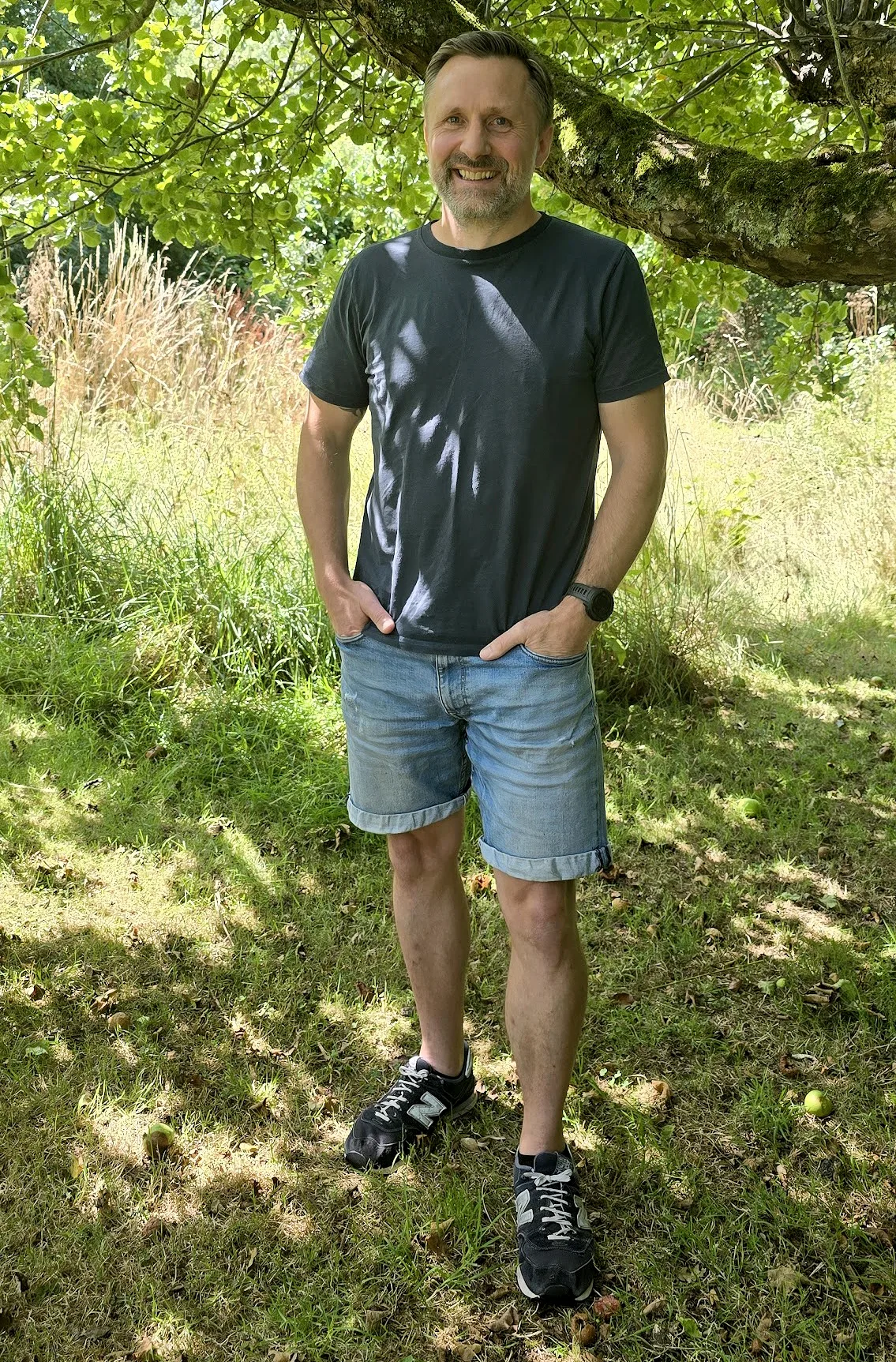
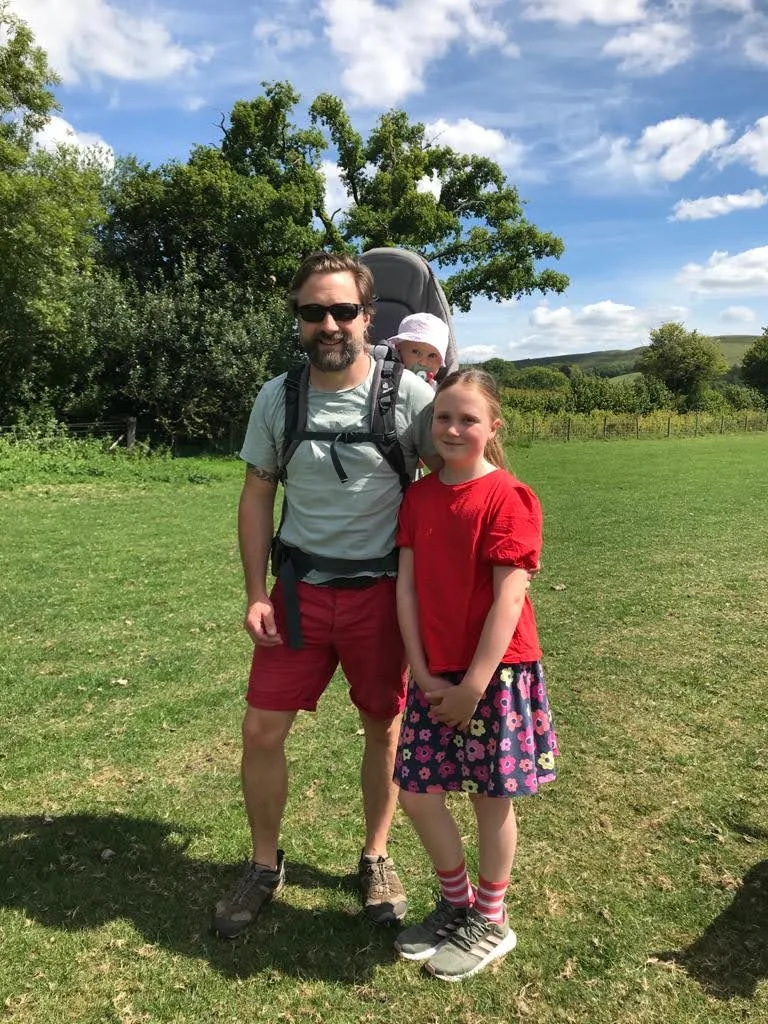
‘I was expecting something else,’ Matt says. ‘Parkinson’s wasn’t even on my radar.’ It took nearly two years for Child Okeford resident Matt Riggs to receive a diagnosis. The symptoms crept in gradually – hand tremors during kickboxing, aching shoulders … ‘sometimes you think your legs feel a bit funny, so you you start wondering what’s wrong with you. You know something’s not right, but it’s hard to pin down,’ he says. Parkinson’s is notoriously difficult to diagnose in younger people: only around 2,000 people in the UK have what’s known as young-onset Parkinson’s, diagnosed under the age of 50. Matt is just 48.
Matt Riggs was diagnosed with Young-onset Parkinson’s at the age of 47. Images: Courtenay Hitchcock
Move it Once diagnosed, he decided not to stand still. Instead, he and his sister Caroline signed up to trek the Inca Trail in Peru this September – 45km of steep, high-altitude terrain that ends at the ancient site of Machu Picchu. ‘It’s not Everest,’ he says. ‘But it’s high – we’re talking around 4,800m at some points. And the steps are brutal. The Incas really liked stairs.’ For someone living with Parkinson’s, even small physical challenges can be unpredictable. ‘Some days I wake up and I feel fine. Other days, my legs feel heavy, or I’m off balance. That’s part of the challenge – getting up and doing it anyway.’ To prepare, Matt is focusing on what research increasingly suggests is the most effective way to slow the progression of Parkinson’s: exercise. ‘There’s no cure. The drugs just mask the symptoms. But they’ve found that intensive physical activity can actually slow it down. That’s what I’m hanging on to. I go to the gym twice a week, and I work on strength and balance. I’ve been seeing a physio once a month, just to keep me moving: I get stiff in my hands, shoulder and back, and they just iron out the creases, allow me to keep going. ‘It’s about staying upright, literally. You feel this pull, like Parkinson’s is trying to drag you forwards and down, and exercise helps you resist that.’ He also tries to keep running, though it’s getting harder: ‘I tried to do Parkrun recently and found I couldn’t run more than about 200 metres without needing to stop. That was a bit of a shock – I used to be able to run 5k easily.’
Mat’s sister Caroline will be joining him on the Inca Trail
Do the hard things Matt still works at a local tech company in Blandford, balancing work pressures with family life – he has two daughters – and his commitment to raising awareness. ‘There are more than 40 symptoms of Parkinson’s – it’s not just tremors. There’s anxiety, depression, fatigue, even motivation itself – the part of your brain that produces dopamine is under attack. That’s what makes it such a tough disease to explain. It takes hold slowly. It’s the fastest growing neurological disease in the world, and it’s still underfunded and widely misunderstood.’ Matt has joined Park Life, a Dorset support group for people with young-onset Parkinson’s. ‘We meet every two months in Wimborne. It’s a good way to talk honestly about what we’re going through – the mental and physical side. You meet people in all stages. Some have lost relationships. Some can’t work. There’s real fear and stigma out there. So part of the reason for us doing the trek is showing that there’s still hope. You can still do hard things.’ Matt is also clear-eyed about the wider purpose of the trek: ‘We’re covering all the travel costs ourselves, so every penny raised goes straight to Parkinson’s UK. ‘There’s not been a major breakthrough in Parkinson’s treatment for many, many years,’ he says. ‘Nearly everyone’s on the same meds as me, and they’ve been used for years. They don’t slow the disease down – they just mask the symptoms. And as things get worse, you end up taking more just to keep going.’ His hope – and the focus of his fundraising – is that real progress might come soon. ‘They are developing other treatments, but we’d love to see something that actually stops the progression. That’s the goal. But it’s underfunded. The profile is low. ‘I think sometimes people assume because Parkinson’s doesn’t kill you straight away, it’s not urgent. It creeps up on you – there are people out there like me, who you could meet me and think there’s nothing wrong with me quite easily. But others who are more advanced literally can’t get out of bed, can’t feed themselves, can’t wash … it really is bad when it gets to those stages.’
Matt with his daughters Image courtesy of Matt Riggs
Keeping on That’s why he’s so keen to support charities like Parkinson’s UK and Cure Parkinson’s. ‘They direct money into research. Into finding a cure. And they provide Parkinson’s nurses, which makes a huge difference. It takes pressure off the consultants. You’ve got someone you can call for advice, who really knows what you’re dealing with. That kind of support matters more than people realise.’ Caroline, who will join him on the trek, says it’s been inspiring to see how Matt has channelled his diagnosis. ‘Action is the antidote to despair,’ she says. ‘That’s what this is – not giving up, not giving in. I’m incredibly proud of him.’ ‘It’s just one step at a time, isn’t it?’ says Matt. ‘I’m not going to pretend it’s easy. But you can’t focus on the end point. You have to look at what you can do today – and then do it.’
Support Matt and Caroline’s Inca Trail fundraising trek for Parkinson’s UK via the Matt Riggs JustGiving page here
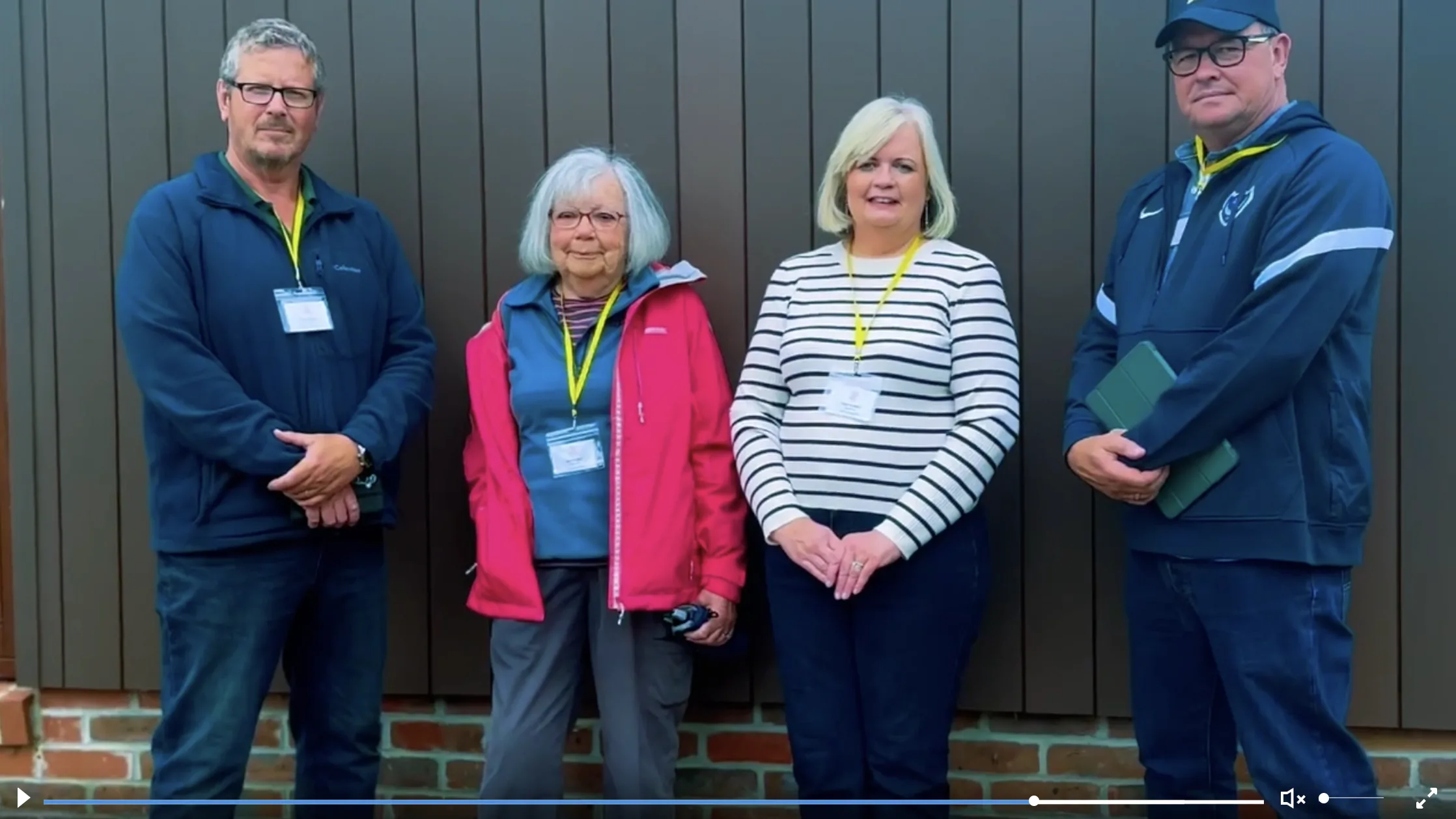
With six vacant seats and only five councillors currently in post, Stalbridge Town Council is calling on residents and local workers to step forward and help shape the future of the growing town. A new short film, now live on the council’s website, showcases the work councillors do behind the scenes – from planning and green spaces to community wellbeing – and aims to demystify what’s involved in the role.
Stalbridge councillors are calling on residents to step up
‘The town is growing fast, and with our Future Town Vision Project, we need more hands on deck,’ says Vice Chair Paul Hancock. Councillor Neil Penny added: ‘I’m keen to get a Neighbourhood Plan off the ground, but we can’t do it without more councillors and involvement from local residents.’ Councillor Jan Wardell stressed the value of getting involved: ‘A lot of what we do makes a real difference. It’s rewarding and it’s for everyone.’ Chair Katie Garland encourages anyone curious to get in touch: ‘No pressure, no obligation – just come and find out what it’s all about.’ To watch the film and learn more about joining the council, visit stalbridgetowncouncil.gov.uk and use the contact page to get in touch.
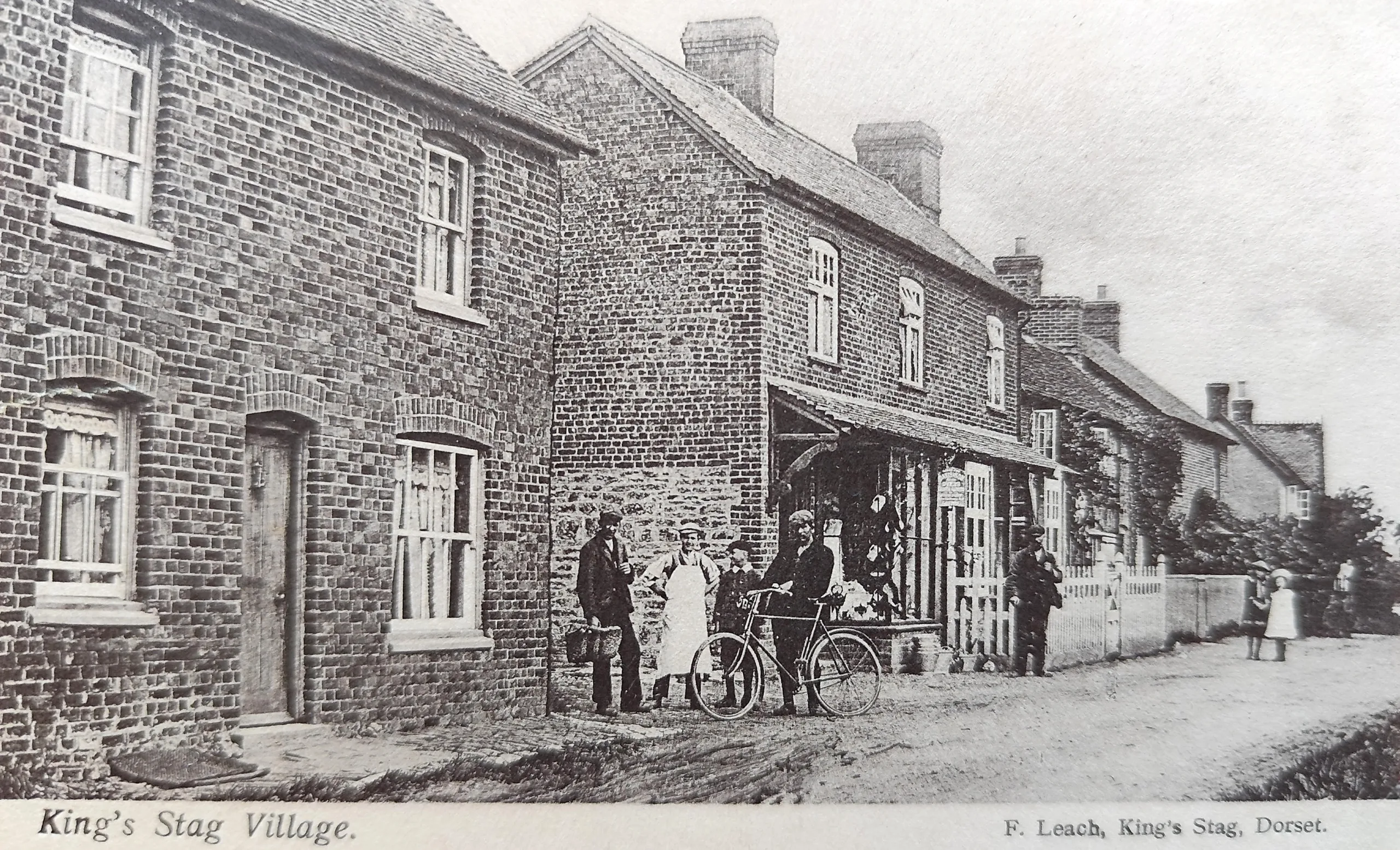
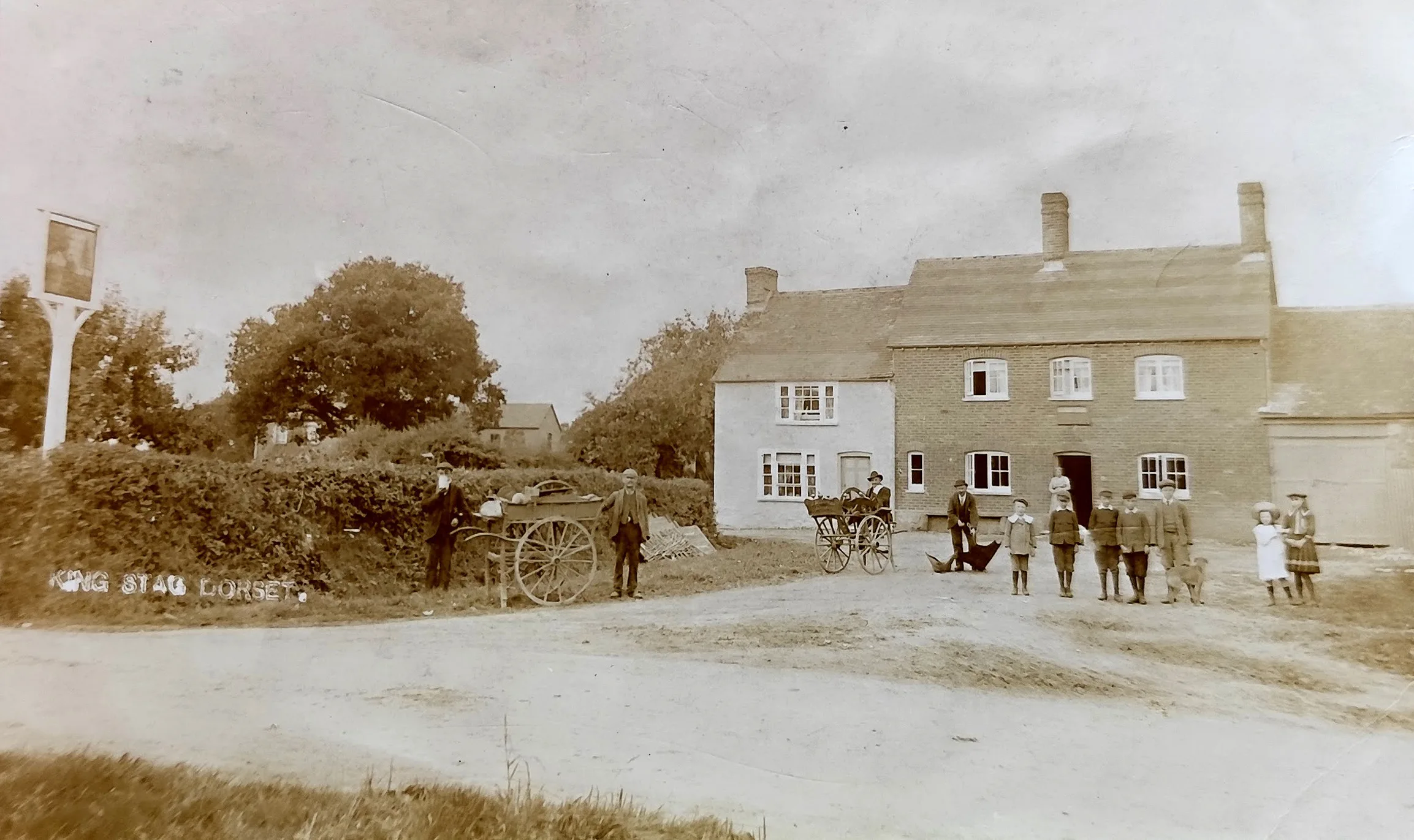
We love pairing a vintage postcard with a photograph taken in the same spot today. Alongside the postcards, we feature a newspaper article from a similar time and place – a little glimpse of life when the card was posted.
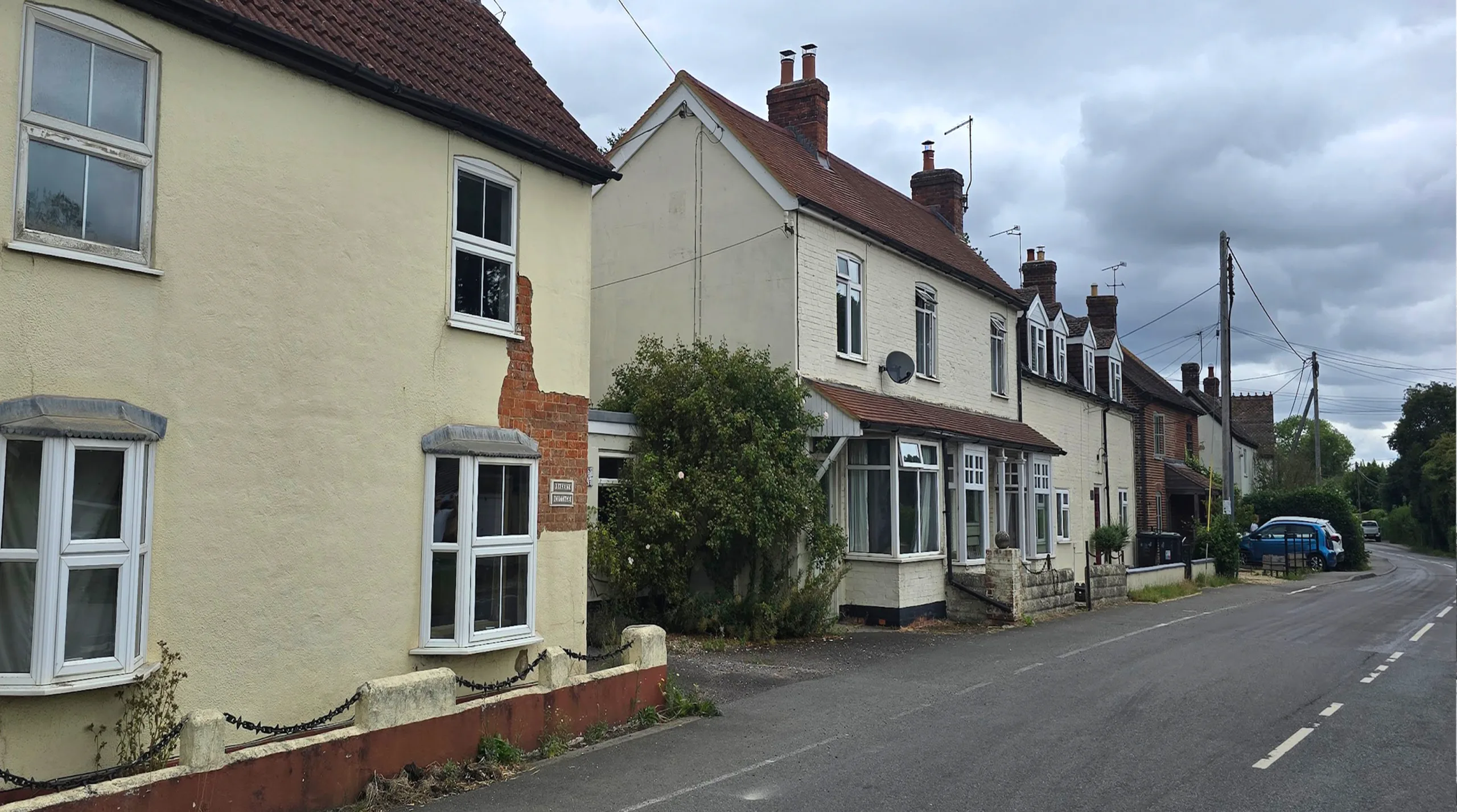
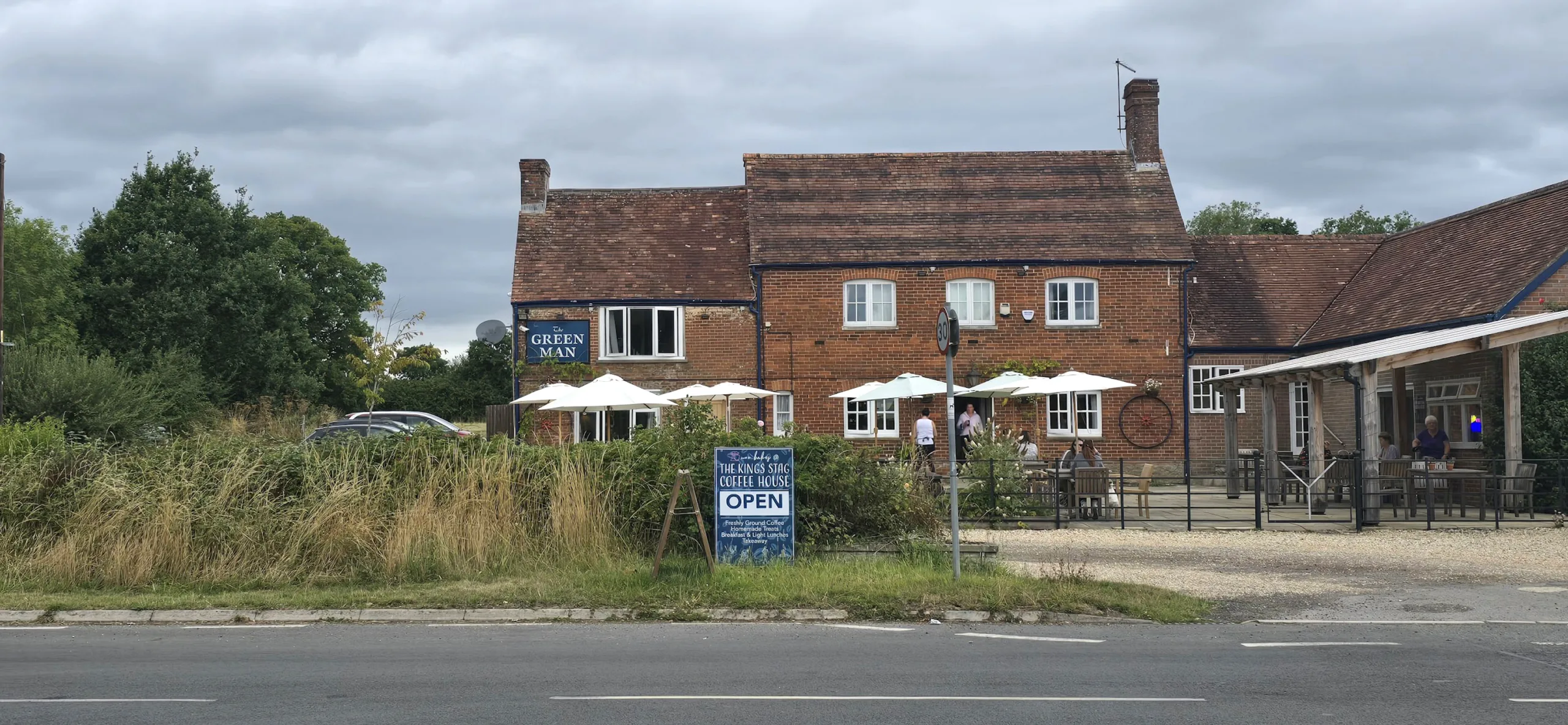
Both images from old postcards taken in King’s Stag before World War One. ‘Now’ images by Courtenay Hitchcock
DORSET COUNTY CHRONICLE, 30th August 1920
PARISHIONERS ENTERTAINED HOLWELL. — On Tuesday a féte was held at Holwell in a field kindly lent by Mr. Coffin. This is the second féte that Mr. A. F. G. Trim, the well-known land dealer, of Yeovil, has generously given for the entertainment of the parishioners of his old parish. Tea and refreshments were provided gratis in a large marquee, and the catering was efficiently carried out by Mr. C. A. Ford, of Sherborne. The Sherborne Town Band discoursed excellent music during the intervals. The weather was beautifully fine, and a most enjoyable time was spent in witnessing the varied sports. Mr. Herbert’s steam musical roundabouts from Winchester had been specially engaged, and these gave much pleasure to the young people, who were given free rides upon the horses at Mr., Trim’s request. A few pony and donkey races were arranged, and some excellent racing took place, considering the limited space available. The general public had been specially invited, and they attended in large numbers from far and near. The steam roundabouts, swings, cocoa-nut shies, and houp-la shows were well patronised. There were also foot races for adults and children, tug-of-war, obstacle races, &c., for which good prizes were awarded by the generous donor. The ladies were not forgotten, and several races were held for their special benefit. A singing competition took place, and every competitor was obliged to hold a small pig (in arms) while they held forth in song. This event caused endless mirth, especially when the porker squealed its disapproval of being thus exhibited. Prizes were given for the best songs, the judges being Mrs. J. Stevens, Miss Vera Stevens, Mrs. Mogg, Mrs. Percy Rowland, and Mr. V. Marden. The first prize was won by Miss Stock, the second by Mr. Linterne, and the third by Mr. C. Rowe. A baby show was included, and there were many entries. The judges were Mrs. E. J. Stevens, Mrs. Percy Rowland, and Mrs. Mogg, who, after careful consideration, awarded the first prize for six-months-old babies to Mrs. Barnes, and the second to Mrs. Albert Coffin. For babies over one year, the first prize was won by Mrs. A. Chaffey (Holwell), and second by Mrs. Mogg (Holwell). A fine display of fireworks, provided by Mr. C. F. Dickinson, of Shaftesbiry, took place during the evening under the supervision of Mr. V. Marden, Mr. Percy Rowland, and Mr. A. G. Nobbs. The committee who worked hard to make the fete a success were Messrs. A. Coffin, H. Coffin, W. Dredge, John Cole, J. Veall, Mrs Gibson (schoolmistress), Mr. E. Harvey, Mr. Humby, and Mr. G. Feltham. A great deal of the success attained is due to Mr. and Mrs. Mogg, Miss Mogg, and Mr. Howard Mogg (King’s Stag) for the hearty manner in which they helped to organise the proceedings. Many personal friends of Mr. Trim also helped in various ways to make the fete go with a swing. The general opinion was that it was a first-rate affair, and everyone undoubtedly enjoyed the afternoon and evening’s relaxation. During the evening Mr. R. J. Stevens proposed a hearty vote of thanks to Mr. Trim for his great kindness in providing such excellent sports and for the hospitality shown to all. The vote was accorded with three cheers. Mr. A. G. Nobbs, on behalf of Mr. Trim, thanked all present for the vote of thanks and for the kind expressions used by Mr. Stevens. A vote of thanks was also passed to the committee and to Mr. and Mrs. Mogg. Police Constable Hayne super-intended the field, and was most assiduous in his duties. Mr. Trim, with a desire to create a little innovation, would be pleased if any of his friends and others would kindly give a guess predicting the total number of persons present at the fete during the evening. Anyone desiring to do this should send their estimate on a postcard addressed to Mr. A. G. Nobbs, of Cerne Abbas. The person guessing the exact or nearest number will be awarded a handsome prize.
*King’s Stag is in what was once known as the Vale of the White Hart, and gives us the legend of Henry III and a white hart that he met while out hunting, mentioned by Thomas Hardy in Tess of the D’Urbervilles as he considers the view across what we now know as Blackmore Vale. The creature’s beaut so impressed the king that he spared it, and ordered others to do likewise. But the forest bailiff fell foul of the warning, killing the hart on the bridge over the River Lydden, for which he was severely punished: King’s Stag is said to derive its name from the incident. But place-name experts offer something far less romantic – the boundaries of three parishes meet on the bridge, and King’s Stag really means the “king’s stake or boundary post”, they suggest.
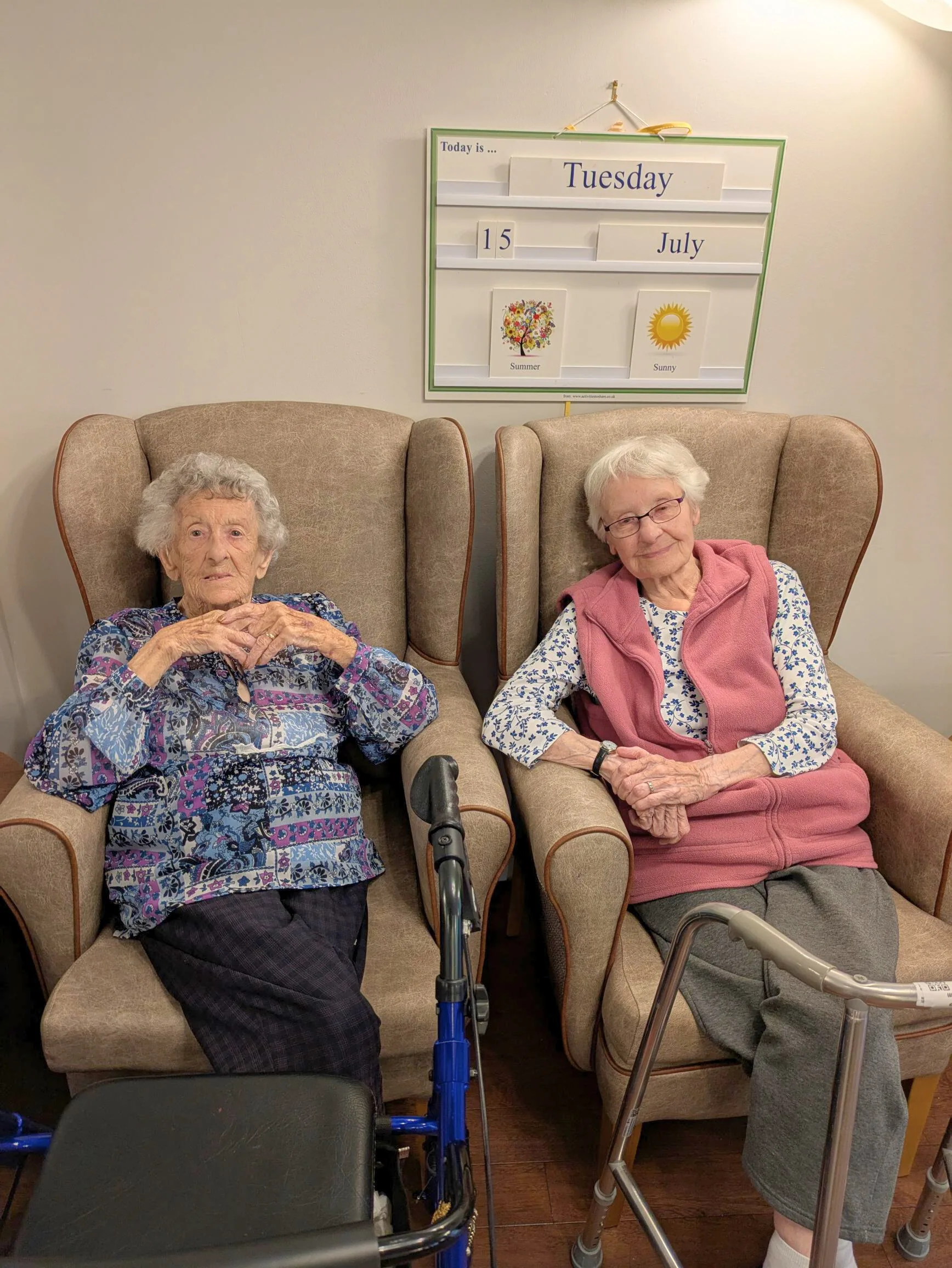
As a retired registered nurse, Lynsey was used to being busy and dependable, but after years of caring for her mum, Flo, at home, she recognised that she needed a break. It wasn’t that she needed a holiday, or to ‘get away from it all’ – she just needed to catch her breath. This realisation prompted Lynsey to research respite breaks for her mum. Having worked in care homes, she had seen the benefits that a short stay could offer – both to the respite guest, and their family carers. Lynsey began looking for a home where Flo could be comfortable, and where she could have confidence in the quality of care.
Can I come back? After thorough research, Lynsey chose Greenhill House residential and dementia care home in Cheddar for her mum’s respite break: ‘When we visited Greenhill House, prior to my mum going in for respite care for a week, I was impressed by the friendly staff, pleasant surrounding and relaxed atmosphere. I had researched many homes and it was important to find the right one, as this was the first time she had gone into a home as a resident. ‘The food is excellent, plentiful and varied, with a snack bar available, so the residents can help themselves if they get hungry throughout the day. The activities are also varied, led by helpful and enthusiastic team leaders. ‘As a retired registered nurse, I have worked in many homes – and I would rate this as one of the best. I wouldn’t hesitate to use Greenhill House again or recommend to others.’ While Lynsey took a well-earned break from being her carer, Flo enjoyed the change of scene that her respite break provided – so much so, that she asked when she could return! Flo now visits Greenhill House three times a week for day care, and loves joining her new friends for activities and mealtimes. With care no longer all-consuming, Lynsey and Flo have had space to reconnect – to be mother and daughter again.
Strength in seeking support It’s not always easy to admit when you need help – especially with something that feels like your duty, like caring for a loved one. But caring is a skilled profession which requires specialist training: it’s not something we’re automatically prepared for. And when strong emotions are involved, the weight of responsibility can feel even heavier. No matter how much you might want to, you can’t pour from an empty cup. A respite break provides a chance to rest, recharge and reset, safe in the knowledge that your loved one is being well cared for. Somerset Care’s day care and respite services support you and your loved ones to live independently at home, for as long as possible. For information and advice, please visit somersetcare.co.uk, or contact our expert enquiries team on 0800 817 4925.